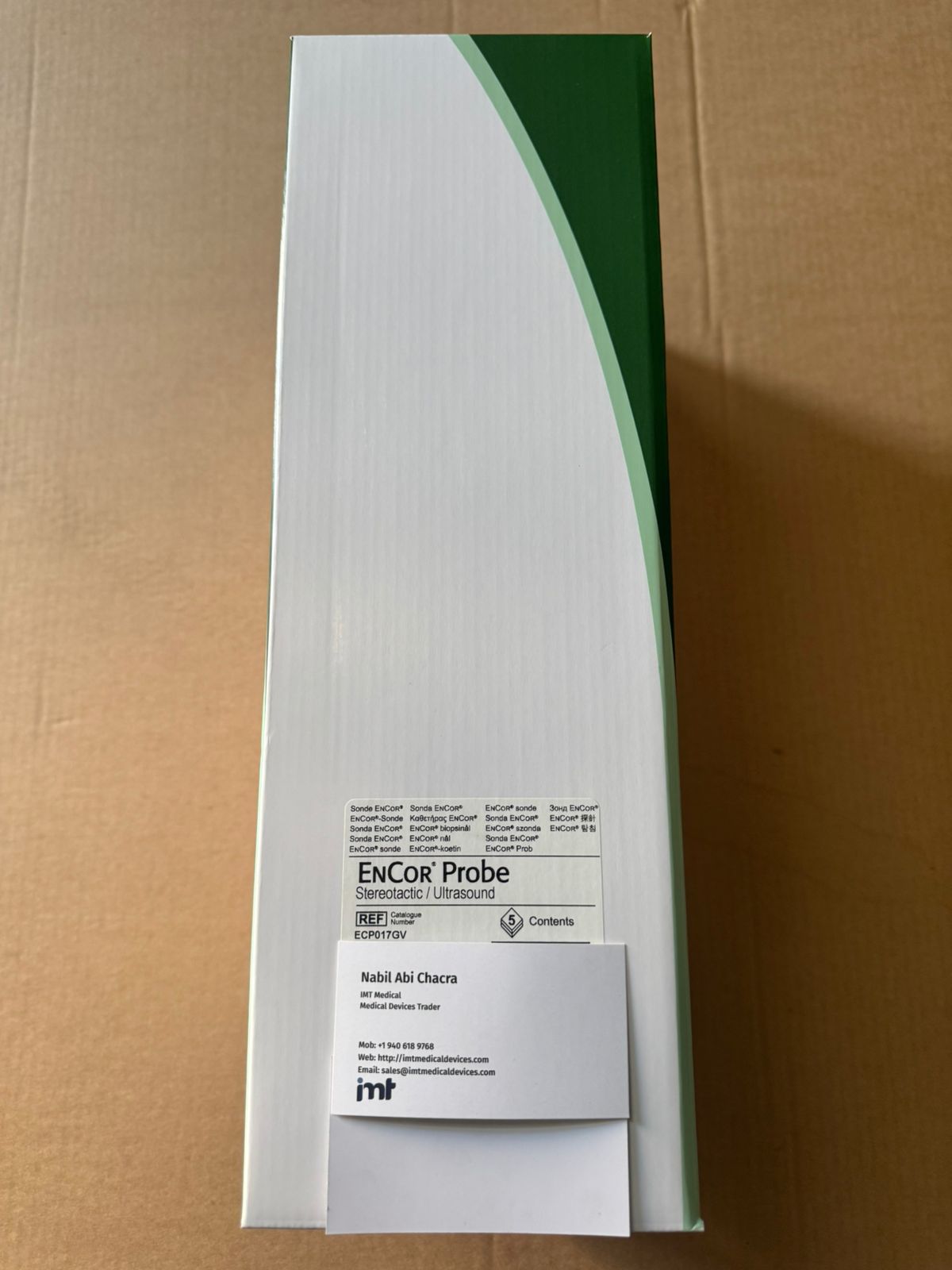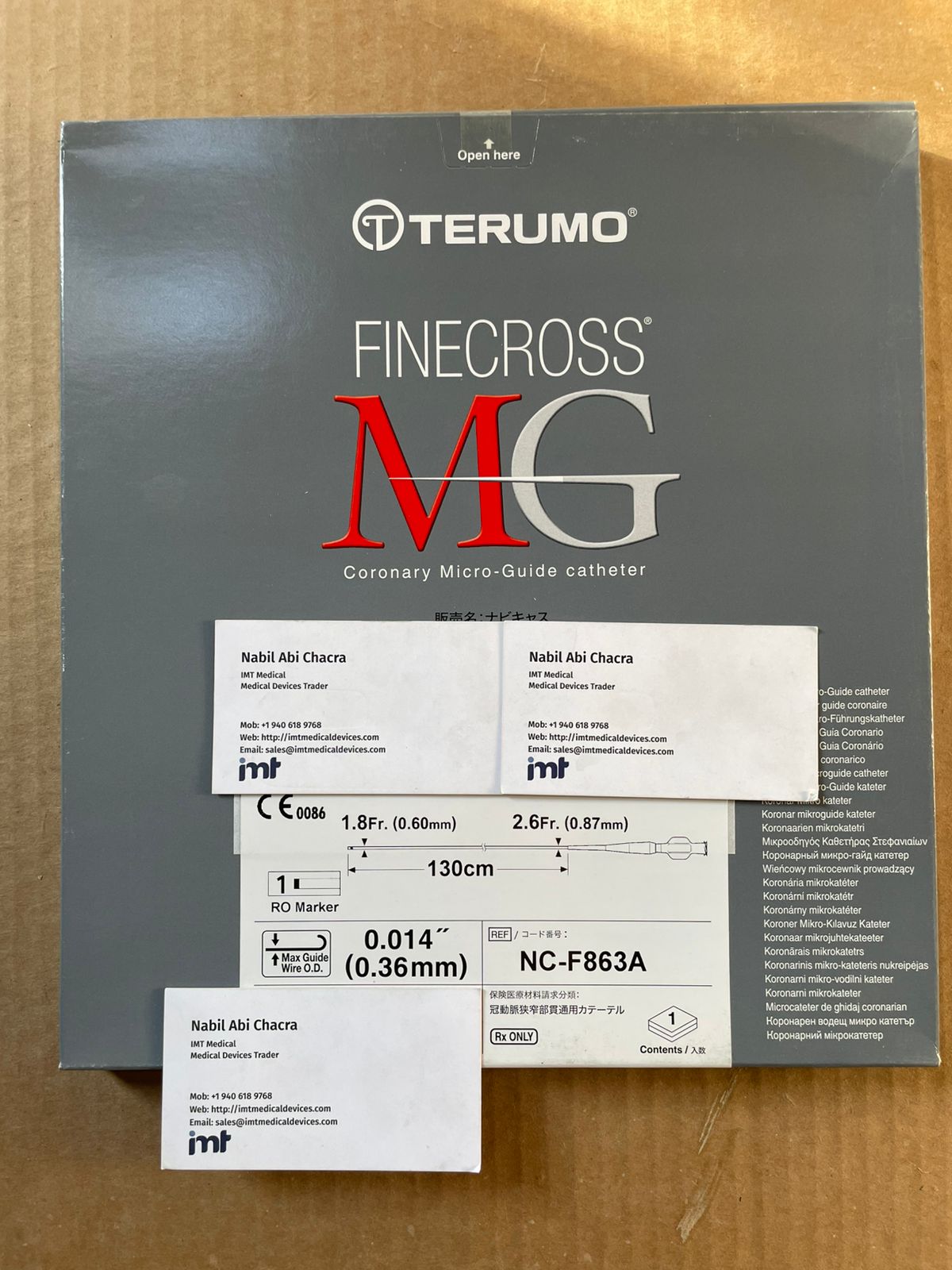


How to Buy Guidewires Wholesale
A failed guidewire order usually does not fail on price. It fails on specification, authenticity, paperwork, or backorder risk. That is why knowing how to buy guidewires wholesale matters to procurement teams, cath labs, distributors, and interventional buyers managing branded device supply across multiple procedures.
Guidewires are not a broad commodity category in practice. A purchase decision often depends on exact brand, diameter, length, coating, tip configuration, support profile, and intended intervention. If the request sent to a supplier is vague, the quote cycle slows down. If the quote is based on partial information, the risk moves downstream to receiving, clinician acceptance, and case readiness.
For professional buyers, the goal is not simply to find guidewires in bulk. The goal is to secure authentic branded inventory with correct product identification, acceptable dating, export-ready documentation when needed, and repeat supply continuity.
How to buy guidewires wholesale without procurement delays
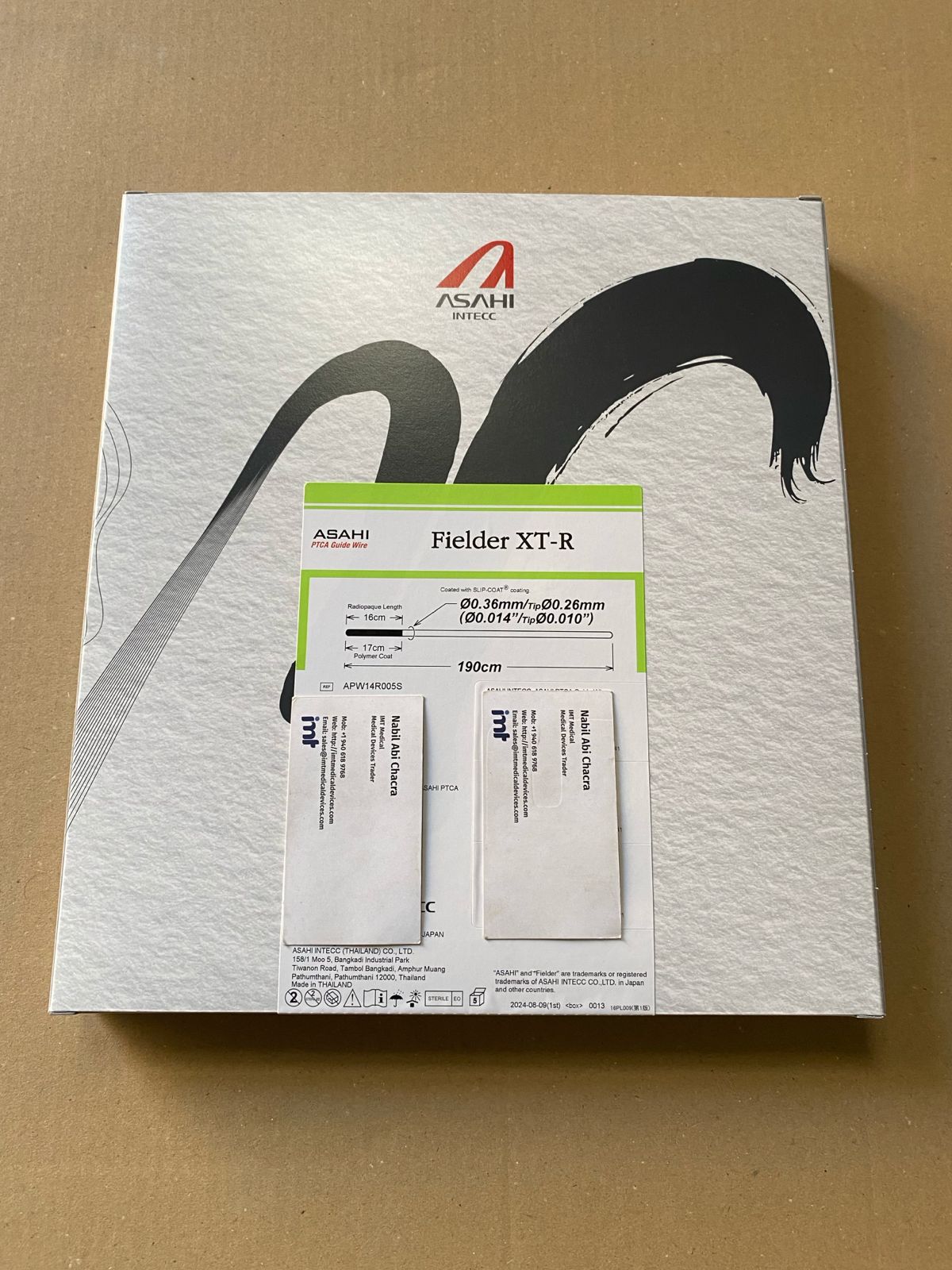
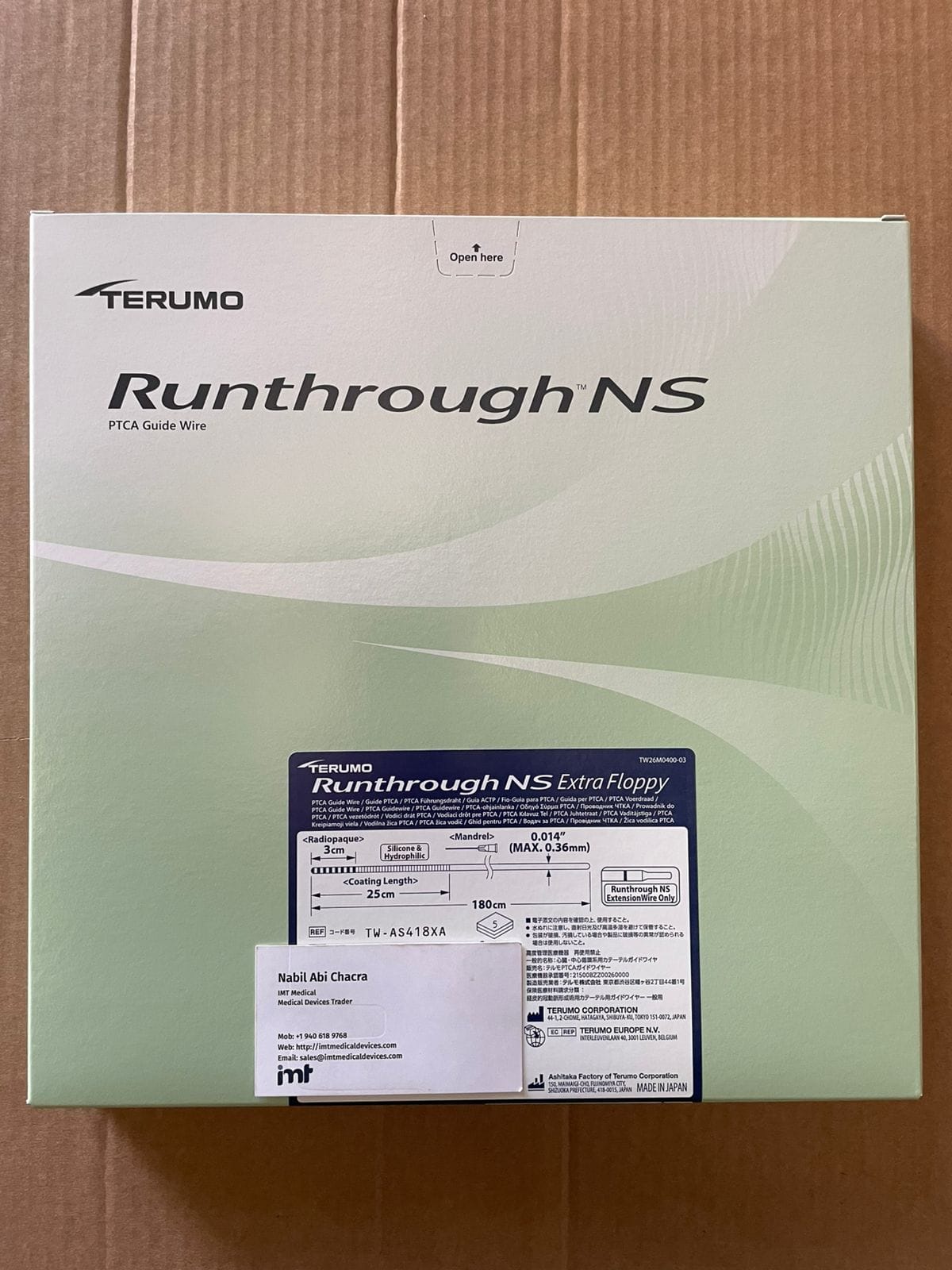
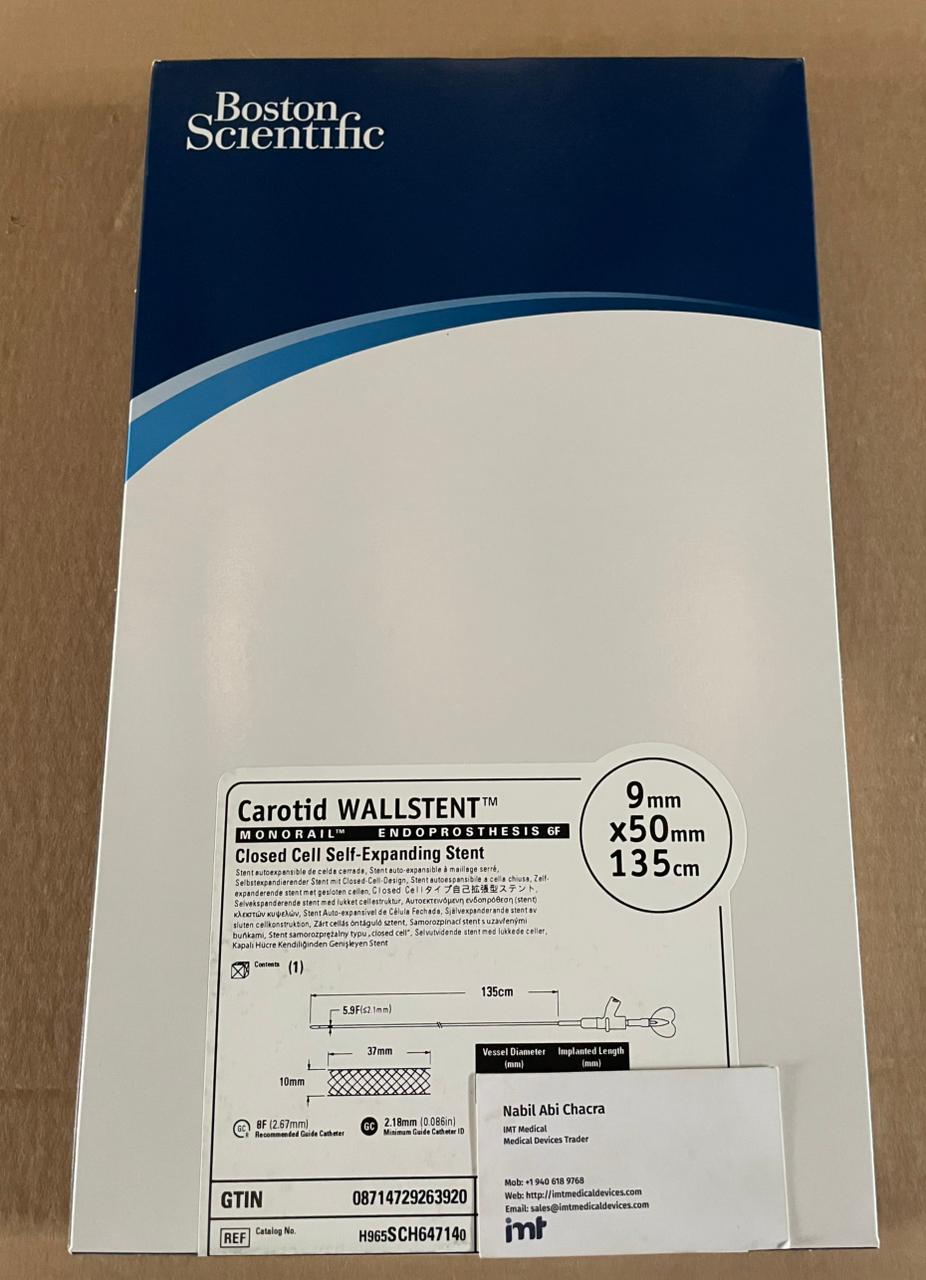
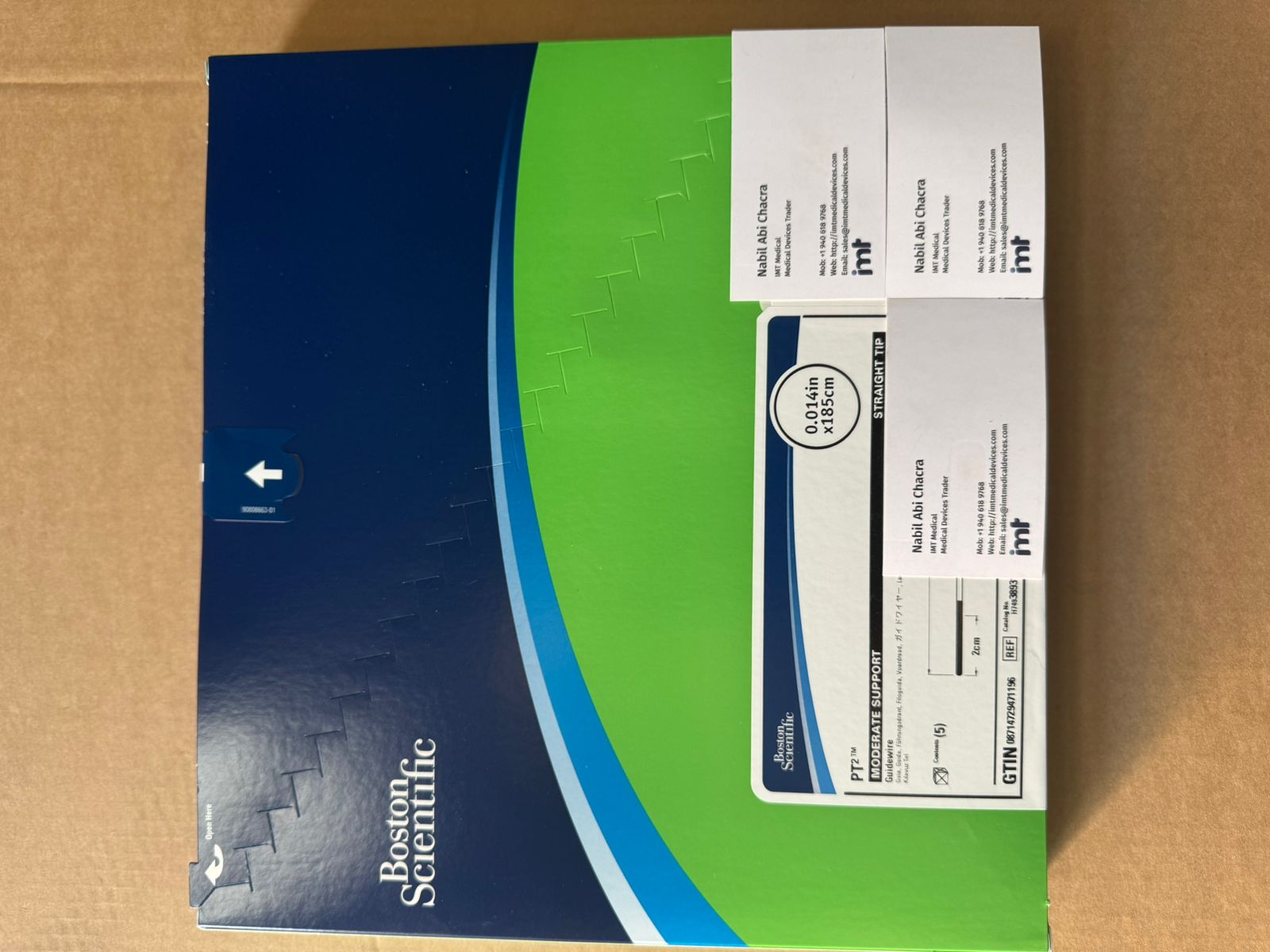
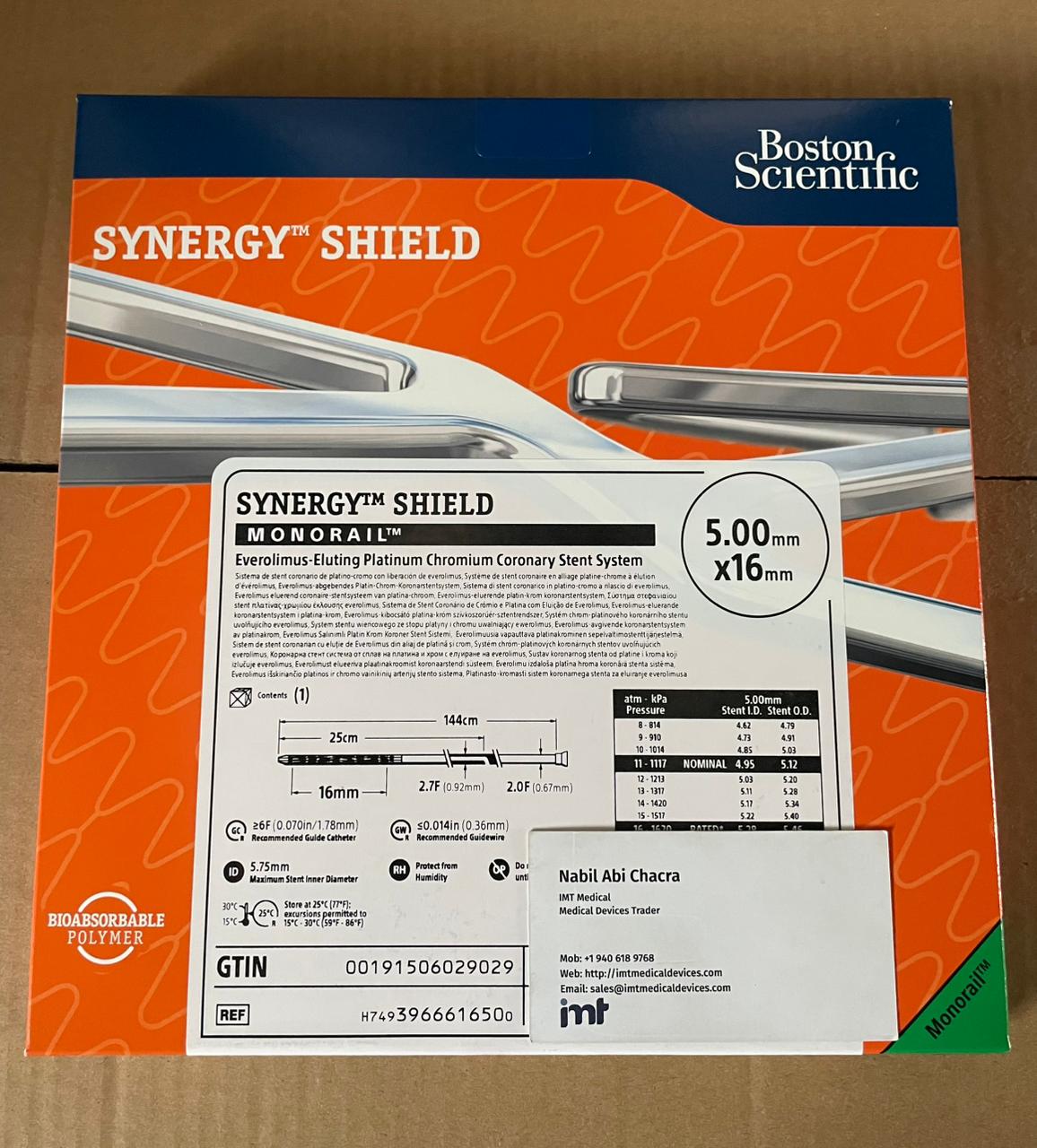
The fastest wholesale transactions begin with a precise product request. Brand matters because physician preference and procedural performance matter. In interventional cardiology, peripheral intervention, and neurovascular applications, buyers usually already know the manufacturer family they need, whether that is Terumo, Asahi, Boston Scientific, Medtronic, Abbott, Cordis, or another recognized brand.
A strong inquiry should include the exact product name and SKU whenever possible. If the SKU is not available, include the clinical equivalent details: wire diameter, working length, tip load, coating type, shaft construction, and application. A request for "guidewires" is too broad to quote accurately. A request for a specific branded coronary workhorse wire in a stated diameter and length is actionable.
This is where many wholesale purchases either become efficient or become expensive to manage. One clarification email is normal. Six rounds of clarification usually indicate that the original request was not procurement-ready.
Start with the exact clinical and commercial requirement
The commercial side of the order should be defined as clearly as the clinical side. Buyers should state target quantity, preferred manufacturers, acceptable alternatives, required expiration minimums, and destination country. If the order is for redistribution, it also helps to specify whether outer packaging condition, lot consistency, or language labeling has any impact on your resale or registration process.
For hospital and procedure-center buyers, substitute tolerance is usually narrow. For distributors, substitute tolerance may depend on market demand and local registration. That difference affects how a wholesale supplier builds the quote.
Confirm whether you need a single brand or a sourcing mix
Some procurement teams want one manufacturer only because standardization reduces clinician friction. Others want a mixed sourcing model to improve availability across coronary, peripheral, and neurovascular lines. Neither approach is universally better.
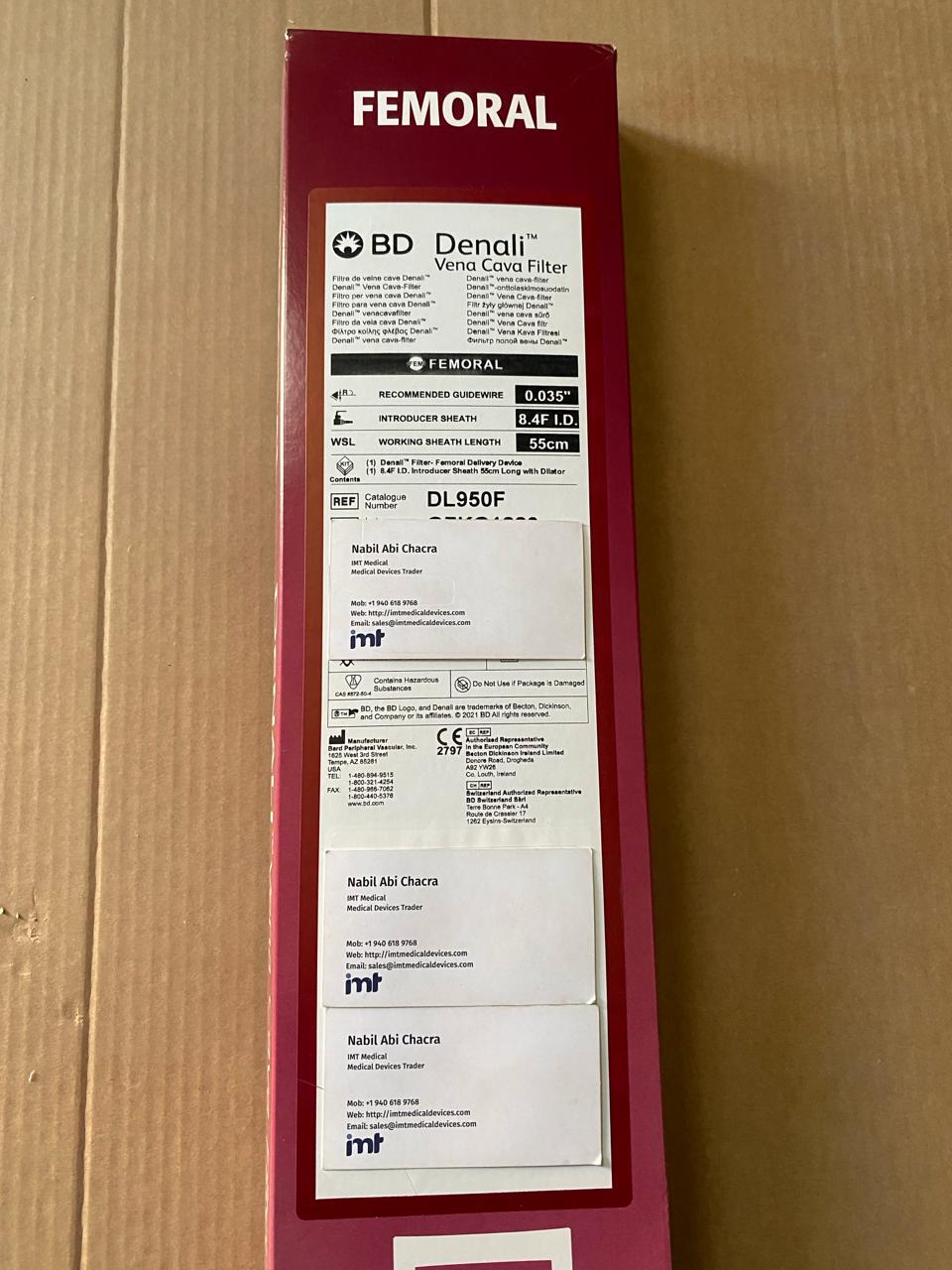
Single-brand buying can simplify approvals and usage patterns, but it can increase vulnerability if a specific SKU is constrained. Mixed-brand procurement gives more flexibility, especially when purchasing across guidewires, catheters, balloons, coils, or closure products from the same wholesale source. The right choice depends on your internal approval pathway and your tolerance for substitution.
Evaluate the supplier before you evaluate the price
In this category, a low price without supply credibility is not a good buy. Wholesale guidewire sourcing should be checked against four fundamentals: product authenticity, manufacturer alignment, export capability, and quote accuracy.
Authenticity is the first screen. Professional buyers need confidence that the guidewires offered are branded products from recognized manufacturers, supplied with traceable packaging and commercially usable documentation. A credible supplier should understand exact nomenclature and should be able to quote by SKU, not by generic approximation.
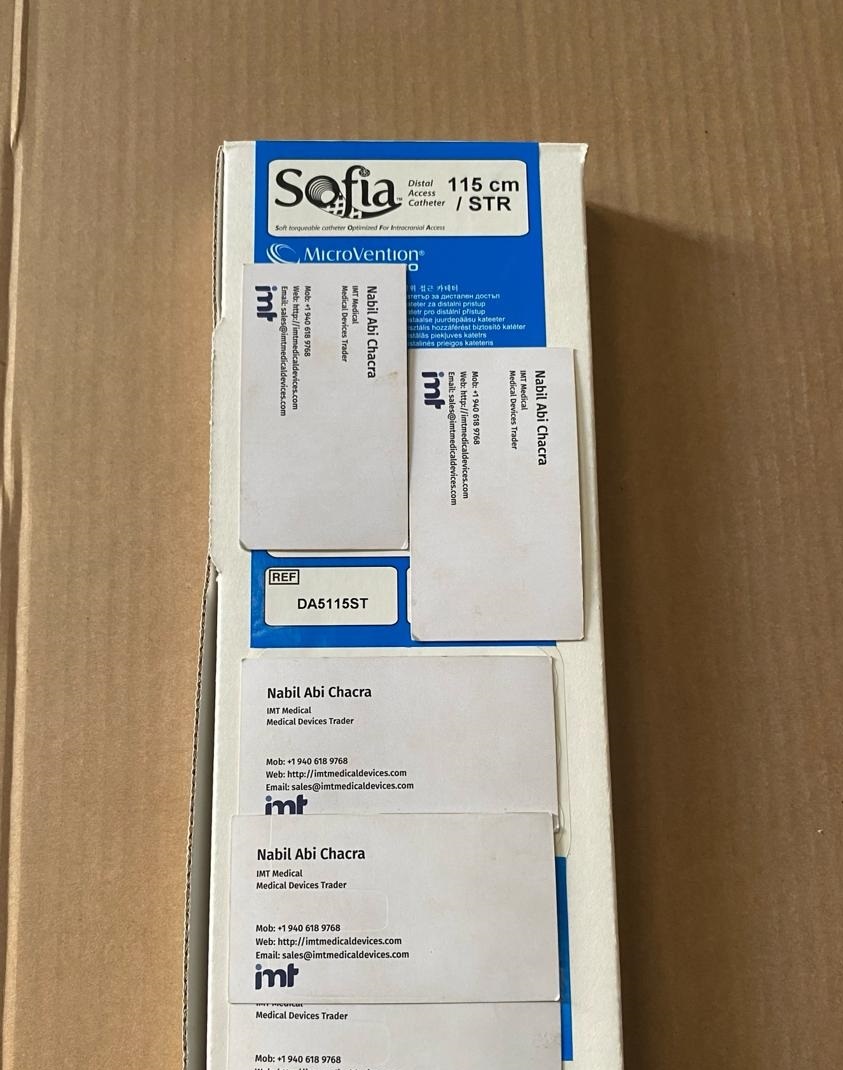
Manufacturer alignment also matters. A supplier serving interventional specialties should be comfortable quoting across related product categories, because guidewire orders are rarely isolated forever. Today it may be a coronary wire requirement. Next week it may expand into guiding catheters, PTCA balloons, micro catheters, aspiration catheters, sutures, or laboratory brands. Buyers often save time when one source can support adjacent categories instead of forcing fragmented purchasing.
Export capability becomes critical for international orders. If a supplier cannot support the destination market’s documentation and shipping requirements, the transaction may look fine at quote stage and fail at dispatch stage. For buyers outside the supplier’s home market, this is not a minor detail. It is part of the product qualification process.
Quote accuracy is the final screen. Good wholesale quotes identify exact items, quantities, commercial terms, and any constraints on lead time or stock position. Ambiguous quoting creates avoidable receiving disputes.
How to compare wholesale guidewire offers
Wholesale comparisons should not stop at unit cost. A lower line-item price can still produce a higher total procurement cost if the order includes short dating, partial fill risk, or nonstandard export handling.
The useful comparison points are practical. Check the exact SKU match first. Then confirm quantity available, lot and expiry expectations, country destination support, and whether the supplier is offering in-stock material or future availability. Ask whether the quote reflects a one-time spot opportunity or an orderable supply position.
This distinction matters. Spot availability can be useful for urgent replenishment, but it does not always support repeat purchasing. For procurement teams trying to stabilize supply, continuity often matters more than a small unit discount.
Ask the questions that affect real purchasing outcomes
If you are buying guidewires wholesale for procedural use or redistribution, a few questions can prevent most downstream issues. Ask whether the item is exactly the requested brand and reference. Ask what dating range can be committed. Ask whether the supplier can support your shipping destination and required commercial documents. Ask whether the quantity offered is immediately available or subject to confirmation.
These are not legalistic questions. They are purchasing controls. They reduce the chance of receiving inventory that is difficult to book, difficult to ship onward, or difficult to place into clinical use.
Compliance and documentation are part of the product
For professional healthcare buyers, documentation is not separate from supply. It is part of supply. Even when the clinical team only sees the branded guidewire and packaging, procurement still has to clear internal vendor requirements, import handling, and auditability.
That means the buying process should account for invoice accuracy, packing list consistency, product identification, and any market-specific document needs tied to export. Requirements vary by country and by buyer type, so there is no universal checklist that fits every transaction.
This is one reason experienced buyers prefer suppliers that understand international medical device fulfillment rather than general trading. The product may be correct, but if the paperwork does not align with the shipment, delays start immediately.
Build your inquiry so the supplier can quote fast
If speed matters, structure the request like a purchasing document, not like an open-ended question. Send the manufacturer name, product description, SKU, quantity, destination, and any constraints on expiration, packaging, or alternative acceptance. If the guidewire request is part of a broader device order, include the adjacent categories in the same inquiry.
For example, a cath lab buyer may combine guidewires with guiding catheters, balloons, and closure devices. A distributor may bundle coronary and peripheral lines from several manufacturers into one quote request. Consolidation often improves efficiency because it reduces vendor touches and lets the supplier assess the total commercial scope.
This is also where a broad sourcing partner adds value. A company such as IMTMedicalDevices.com can support buyers who need branded interventional product access across multiple categories rather than isolated one-SKU transactions.
Common mistakes when buying guidewires wholesale
The most common mistake is requesting by generic category only. The second is treating all branded guidewires as interchangeable when the clinical team does not. The third is evaluating price before checking whether the quote is for the exact reference and destination-ready supply.
Another frequent issue is ignoring repeatability. If your organization will need the same wire family again next month, ask that question now. One successful order is useful. A reliable replenishment path is better.
There is also a practical balance to strike on flexibility. If clinician preference is fixed, say so early. If you can consider approved alternatives from specific manufacturers, say that too. Wholesale buying gets easier when the boundaries are clear.
The best guidewire purchase is the one that arrives as quoted, clears documentation without friction, matches the requested brand and specification, and can be reordered when demand returns. That is usually the result of a precise inquiry, a supplier that understands interventional product nomenclature, and a buying process built around accuracy rather than guesswork.