
How to Choose the Best Coronary Stent Supplier
The wrong supplier usually shows up at the worst time
A coronary stent order rarely becomes a problem during vendor onboarding. The problem appears when a cath lab needs a specific platform, size, or delivery system and the local channel cannot provide it fast enough, cannot confirm availability clearly, or substitutes a different item that does not match physician preference.
For hospitals, independent distributors, and physicians sourcing outside existing local relationships, the best coronary stent supplier is not the one with the broadest sales pitch. It is the one that can identify the exact branded product, confirm stock status, provide quote accuracy, and move the order with minimal back-and-forth.
That sounds simple, but procurement teams know it is not. In coronary intervention, small specification errors create real delays. A supplier needs to work like an extension of the purchasing desk and the cath lab, not like a generic trading company.
What the best coronary stent supplier actually provides
A reliable supplier starts with exact product identification. That means brand, product family, size matrix, and part number must be handled correctly from the first inquiry. If the supplier cannot work at SKU level, the risk of receiving a near match instead of the requested item goes up immediately.
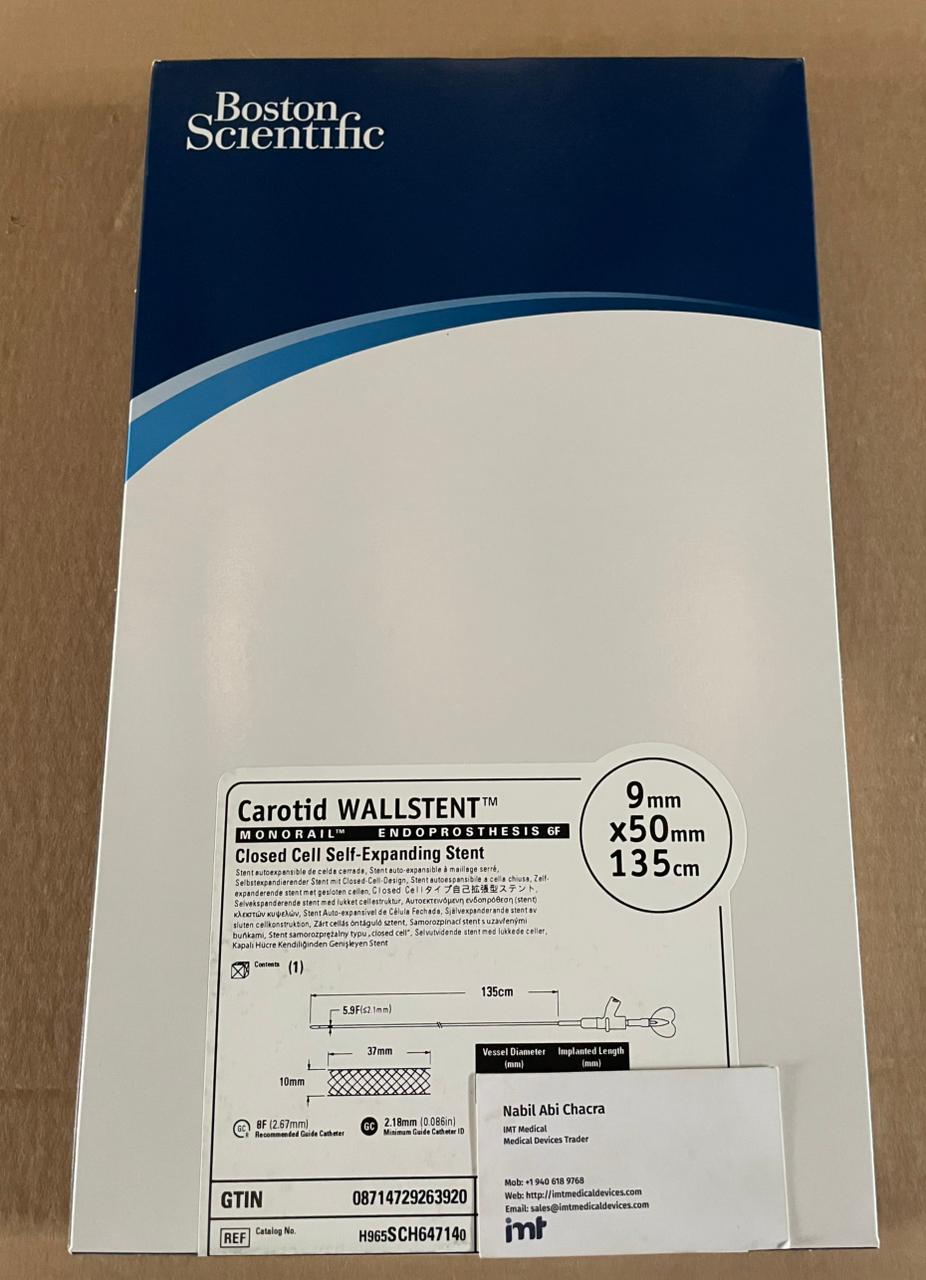
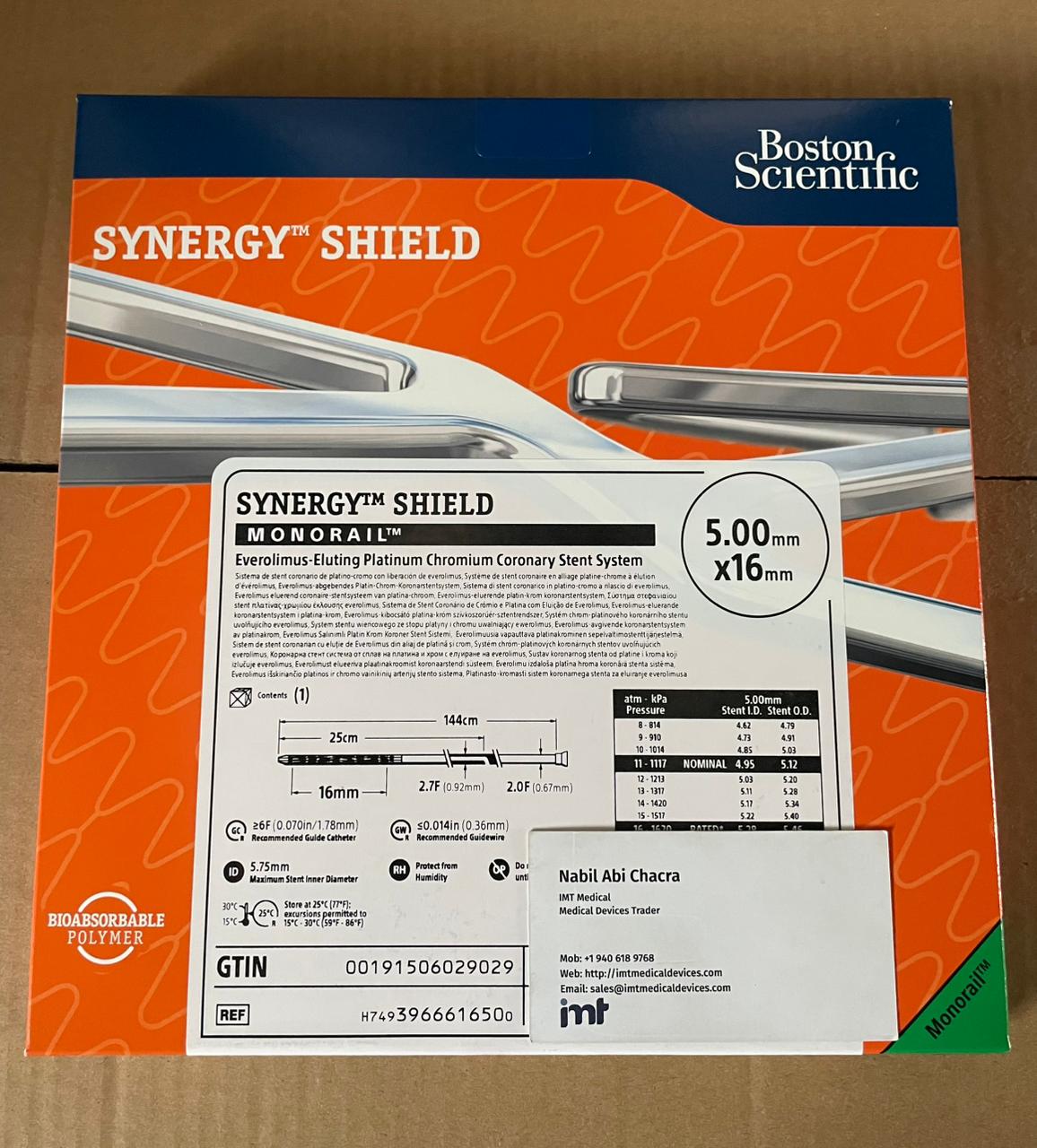
The second requirement is access to recognized manufacturers. Most buyers are not looking for an interchangeable category description like "drug-eluting stent" or "coronary stent system." They are looking for a specific branded line from Abbott, Medtronic, Boston Scientific, or Cordis, with the correct configuration for the case mix and physician preference.
The third requirement is operational discipline. That includes clear quote turnaround, packing accuracy, export handling, lot and expiry visibility where applicable, and responsive communication when there is a change in availability. Buyers do not need marketing language. They need a straight answer on whether the item can ship, when it can ship, and what alternatives exist if it cannot.
How procurement teams evaluate a coronary stent source
The best coronary stent supplier is usually evaluated on repeatability, not on a single low-price transaction. A low quote helps, but if the item is delayed, misidentified, or arrives with documentation gaps, the total cost of procurement increases quickly.
Brand access matters more than broad claims
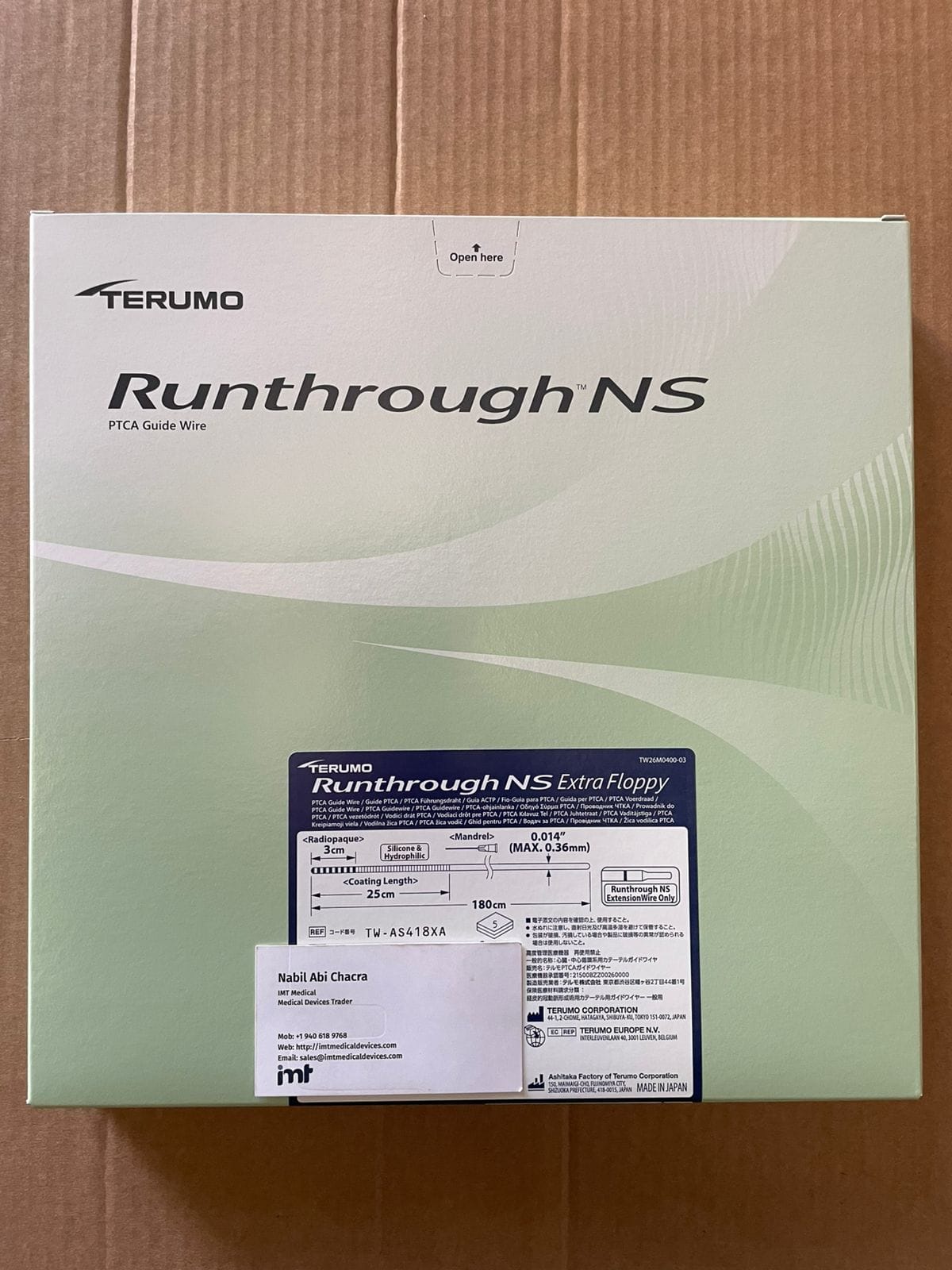
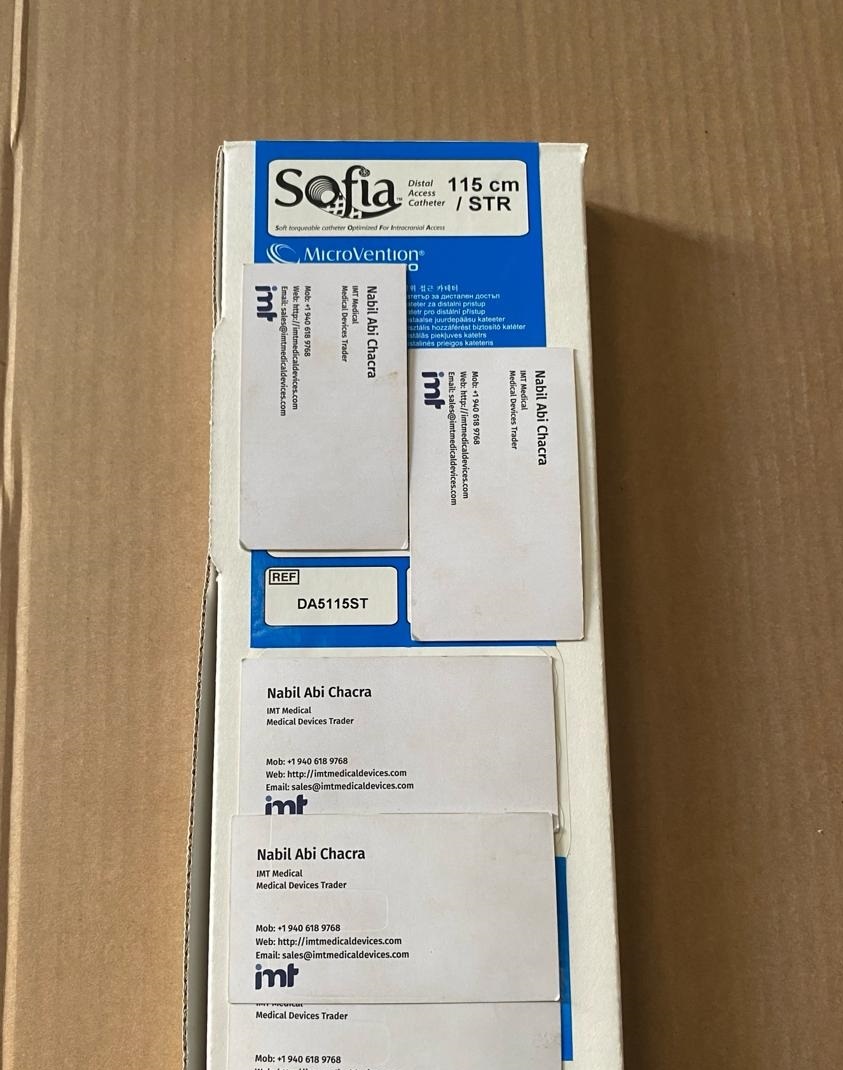
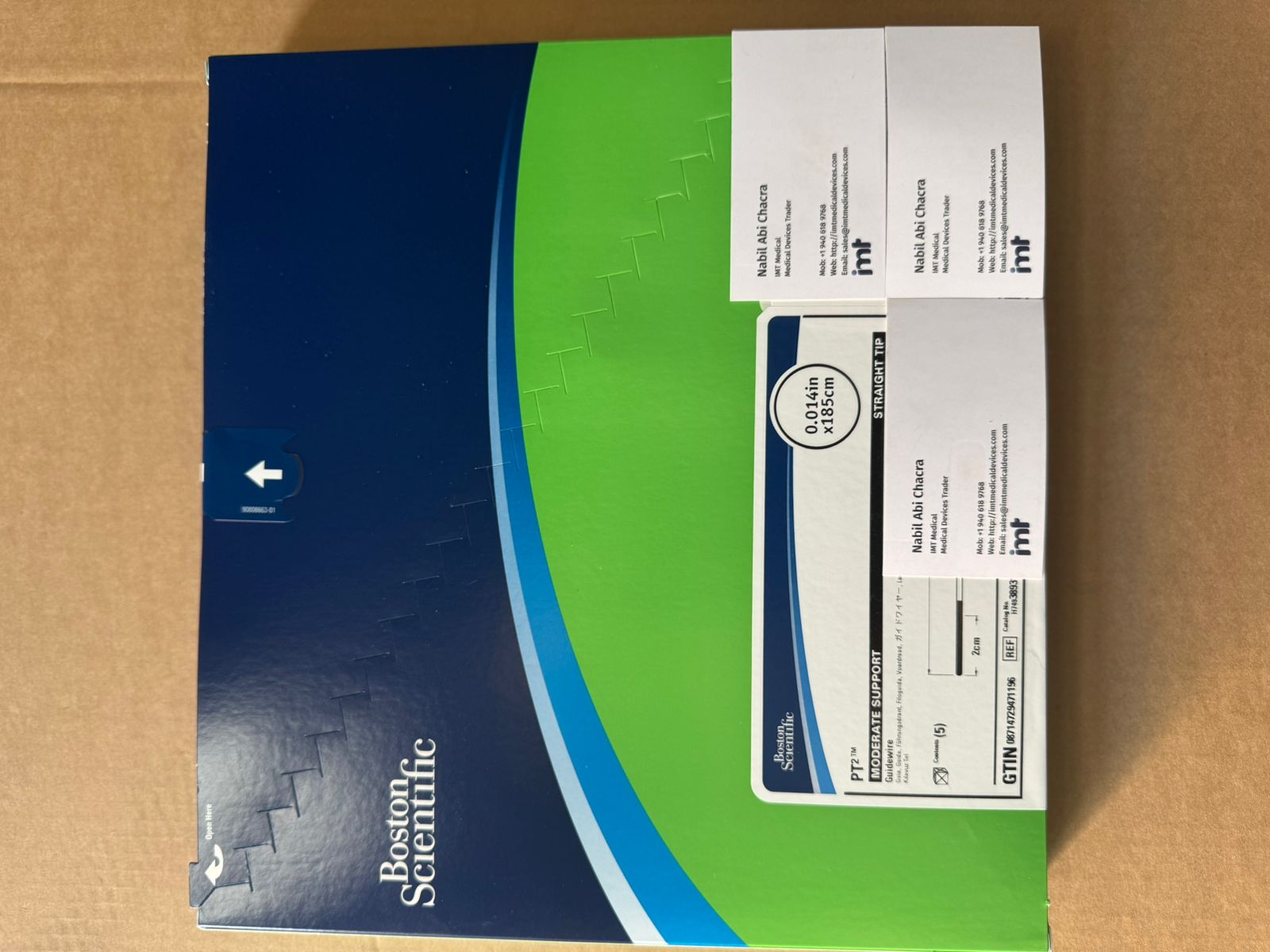
A supplier should be able to support branded interventional purchasing across coronary and adjacent categories. That matters because buyers often source more than one item for the same procedural workflow. If a supplier can support coronary stents along with balloon catheters, guidewires, guiding catheters, microcatheters, aspiration catheters, and vascular closure devices, the purchasing process becomes more efficient.
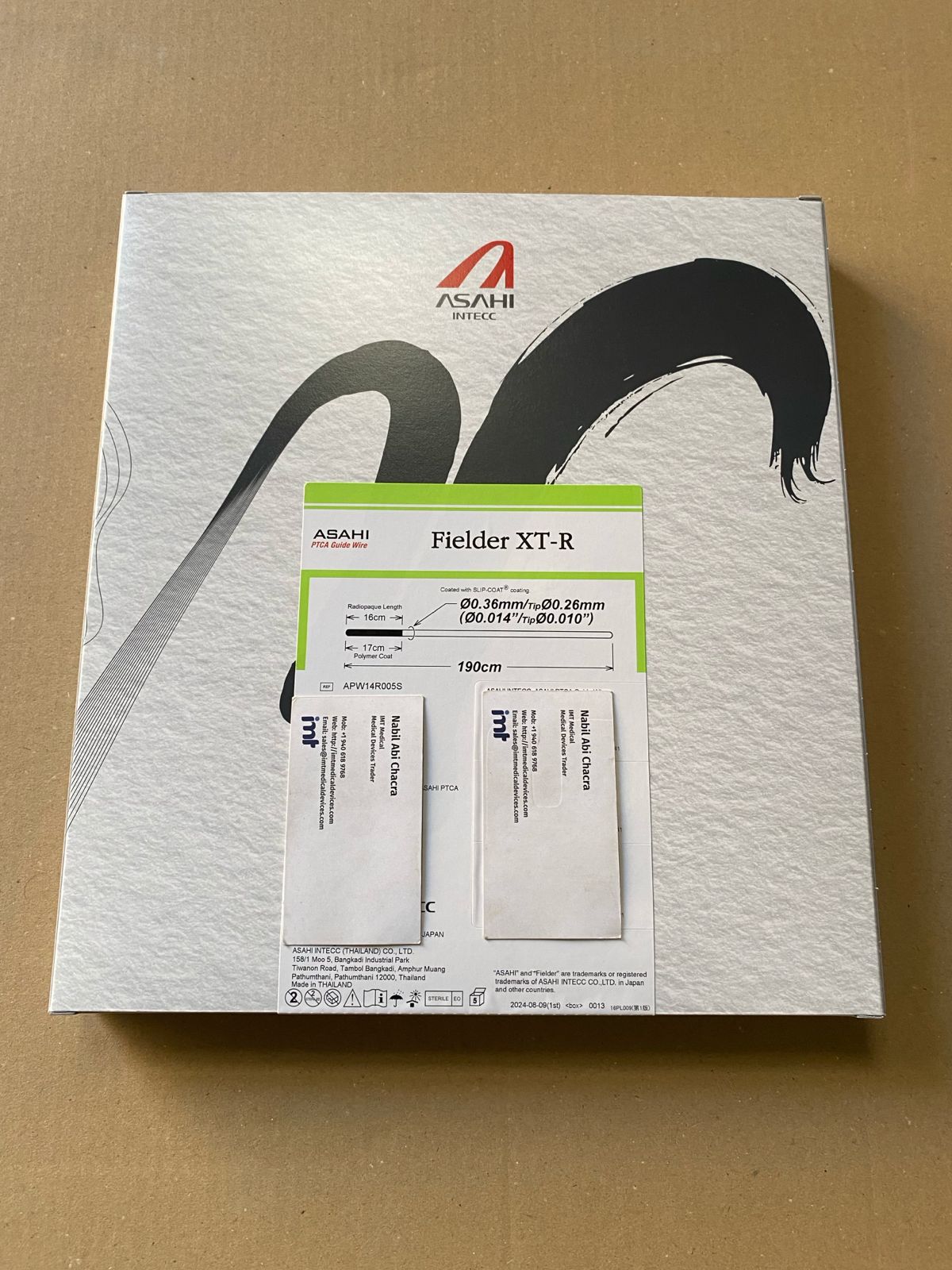
This is particularly relevant for hospitals and competing distributors that want an alternative to existing local channels. A supplier with access to major manufacturers such as Abbott, Medtronic, Boston Scientific, Terumo, Asahi, and Cordis gives the buyer more flexibility when a preferred item is constrained or when physician demand varies across operators.
Part number control is a basic requirement
In this market, product names alone are not enough. Different diameters, lengths, shaft characteristics, and platform variations can sit under nearly identical commercial names. The best suppliers request exact references early and confirm them back before processing the quote.
That reduces avoidable errors. It also signals that the supplier understands how cath lab procurement works. Purchasing teams and doctors do not want a long educational exchange. They want confirmation that the requested item has been understood exactly.
Lead time clarity beats vague availability
"Available" is not a useful answer if no one can define dispatch timing. The stronger suppliers distinguish between in-stock, backorder, incoming inventory, and source-on-request status. That distinction matters when a hospital is balancing procedural demand against shelf planning.
For buyers in Gulf markets, Latin America, Asia, China, or Russia, this becomes even more important because import timing and logistics can affect procedure scheduling and local inventory strategy. A supplier that communicates lead time honestly is easier to plan around than one that overpromises and revises later.
Red flags when comparing coronary stent suppliers
Some warning signs are easy to miss in the first transaction. One is category-level selling. If the supplier keeps talking about "cardiology products" but avoids exact coronary stent references, that usually means weak product control.
Another red flag is poor documentation discipline. If quotes arrive with incomplete descriptions, inconsistent brand naming, or no part numbers, the chance of ordering friction increases. The same applies when responses are slow or unclear once technical details are requested.
A third issue is limited adjacent inventory. Even if the immediate request is for a coronary stent, many buyers prefer a source that can also support related interventional needs. If every additional line item has to be sourced elsewhere, procurement efficiency drops.
Price-only positioning is another risk. Competitive pricing matters, but it should not be the only differentiator. A supplier that wins solely on price without showing accuracy, traceability, and responsiveness can create more cost later through delays and corrections.
Why the best coronary stent supplier is often a sourcing partner, not just a seller
In practice, many buyers are not trying to replace all existing channels. They are trying to reduce dependence on one channel. That is a different procurement goal.
Hospitals may need access to branded inventory when local distributors are slow, restrictive, or commercially rigid. Competing distributors may need a source that helps them stay active in markets dominated by incumbent relationships. Physicians may need a procurement path when their preferred products are difficult to obtain through existing networks.
In those cases, the best coronary stent supplier functions as a practical sourcing option. The value is not only the product itself. The value is the ability to respond quickly with exact identifiers, realistic availability, and a quote process that does not waste time.
What to ask before sending the first RFQ
A strong RFQ process usually starts with a short but precise request. Buyers should ask whether the supplier can quote exact part numbers, whether branded manufacturers are available, and whether adjacent coronary consumables can be supplied in the same order.
It also helps to ask how the supplier handles stock confirmation and lead time updates. The answer does not need to be elaborate. It just needs to be specific. A procurement-oriented supplier will usually respond with direct status, not sales language.
If the order is time-sensitive, ask how substitutions are handled. Some buyers will accept an alternative branded reference if the original is constrained. Others will not. It is better to define that at the quote stage than after the order is opened.
Best coronary stent supplier criteria for repeat purchasing
When buyers review suppliers after the first few transactions, the question usually becomes simple: would we trust this source again for an urgent or exacting request?
That decision usually depends on five things. The supplier quoted the requested item correctly. The supplier communicated availability honestly. The shipment matched the order. The process required minimal correction. The supplier could also support related interventional lines when needed.
That is why broad branded inventory matters. A supplier serving interventional cardiology, peripheral vascular, and neurovascular categories is often better positioned to support ongoing procedural purchasing than one focused on a narrow product slice. For professional buyers, that breadth reduces sourcing fragmentation.
At https://imtmedicaldevices.com, this sourcing model is centered on branded interventional devices and quote-based procurement, which fits buyers who already know the product family, brand, or exact SKU they need.
The practical standard buyers should use
The best coronary stent supplier is not defined by slogans, and not always by the lowest line-item price. The practical standard is straightforward: can this supplier consistently provide the exact branded coronary stent requested, with clear documentation, realistic lead time, and enough adjacent inventory to support the rest of the case load?
If the answer is yes, procurement becomes faster and less exposed to local channel limitations. That is usually what buyers are actually trying to solve.