
How to Consolidate Device Suppliers
A fragmented supplier base usually looks manageable until a backorder hits a scheduled case, a quote stalls across three brands, or your team spends half a day matching SKUs from different contacts. That is usually when procurement leaders start asking how to consolidate device suppliers without losing access to critical branded products.
For hospitals, cath labs, interventional centers, laboratories, and distributors, consolidation is not just a purchasing exercise. It affects clinical continuity, inventory control, export documentation, landed cost, and the speed at which high-demand products can move from quote to shipment. In specialized categories such as interventional cardiology, peripheral intervention, neurovascular, and surgical supply, the wrong consolidation strategy can create as many problems as it solves.
What supplier consolidation should actually achieve
The goal is not to reduce your vendor count at any cost. The goal is to reduce procurement complexity while protecting access to the manufacturers, device families, and exact SKUs your teams already trust.
In practice, a strong consolidation plan should do three things. It should lower the number of touchpoints your buyers manage, improve consistency in pricing and fulfillment, and preserve coverage across core branded lines. If consolidation only reduces administration but forces substitutions, slower lead times, or repeated exceptions for urgent products, it is not improving procurement.
That matters even more in procedure-driven environments. A procurement structure that works for general consumables may fail for coronary guidewires, PTCA balloons, micro catheters, vascular closure devices, neurovascular coils, or diagnostic laboratory brands. These categories are driven by physician preference, manufacturer familiarity, and exact product specification. Consolidation has to respect that reality.
How to consolidate device suppliers without losing critical access
The safest way to approach supplier consolidation is by starting with demand patterns, not with vendor count targets. Buyers often begin by asking how many suppliers they can eliminate. A better question is which suppliers can cover the highest-value share of spend and the highest-frequency SKUs without adding risk.
Review your purchasing data by category, manufacturer, and item movement. In most organizations, a relatively small group of branded SKUs drives a large share of clinical demand. Separate those from infrequent or highly specialized items. This gives you a realistic picture of where consolidation is possible and where it needs more flexibility.
Then map your current supply base against actual overlap. Two suppliers may both sell interventional products, but one may cover coronary and peripheral lines while the other is stronger in neurovascular or lab diagnostics. Consolidation only works when overlap is real at the SKU and brand level, not just at the category label level.
Start with manufacturer and SKU coverage
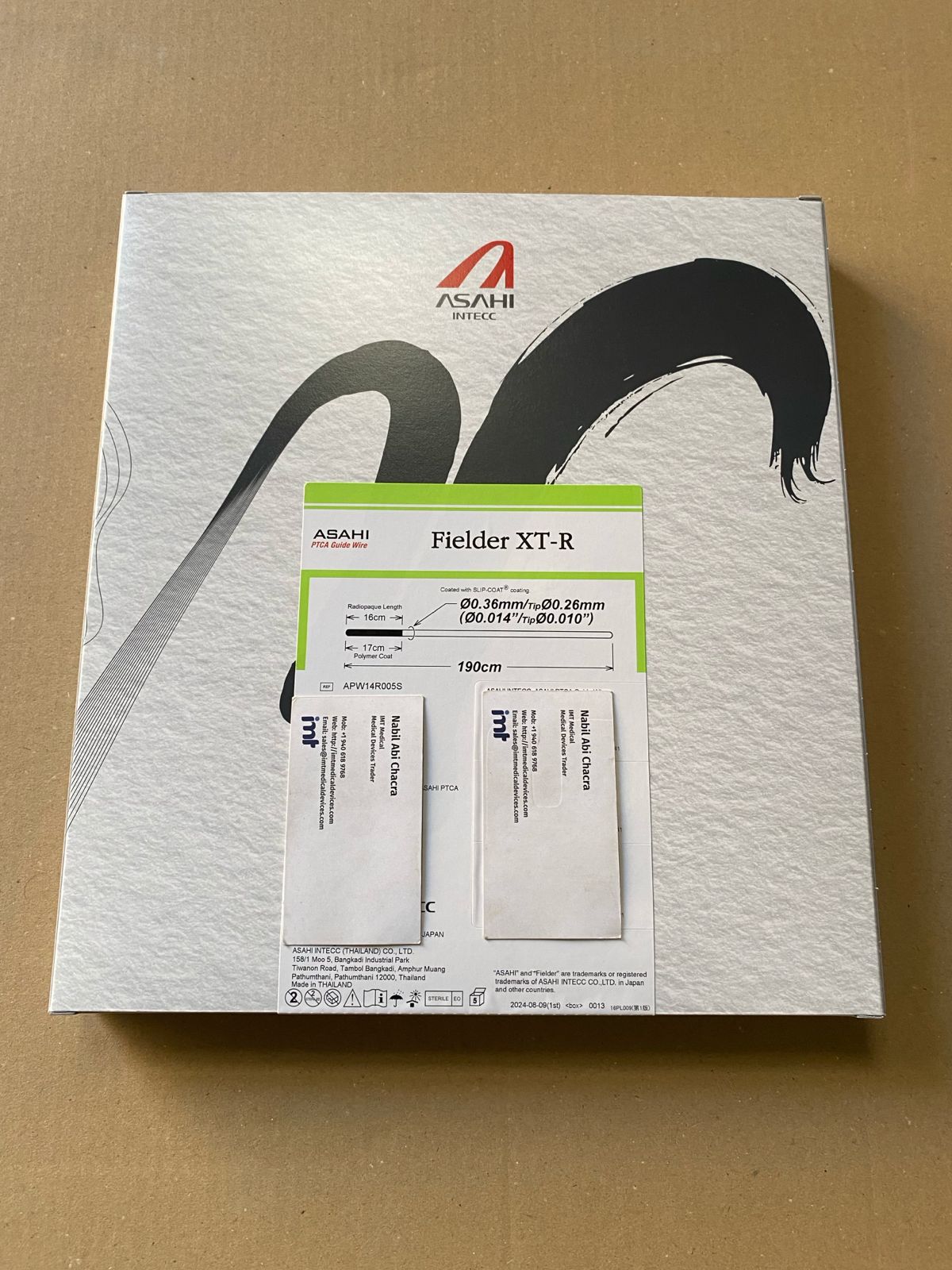
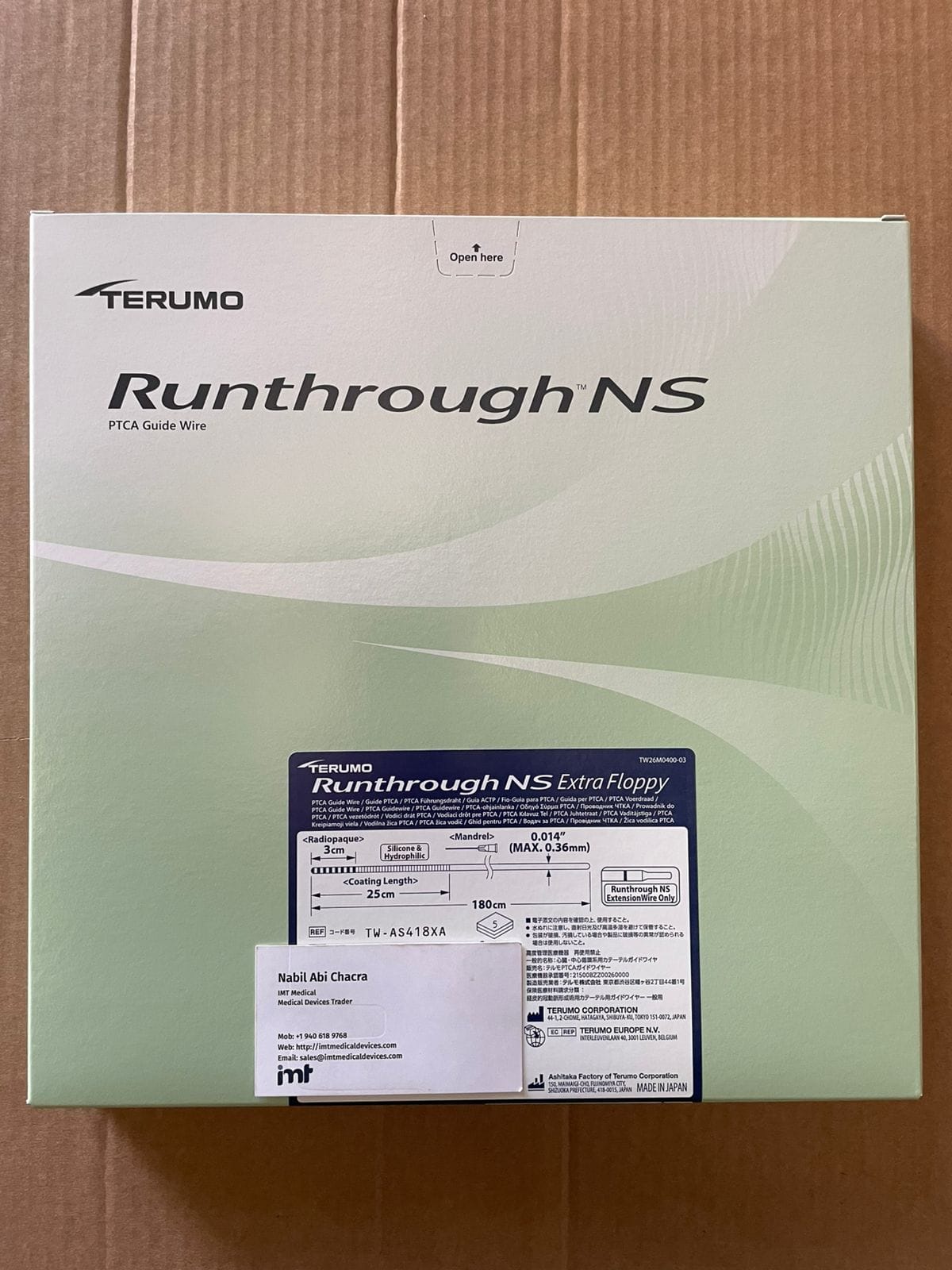
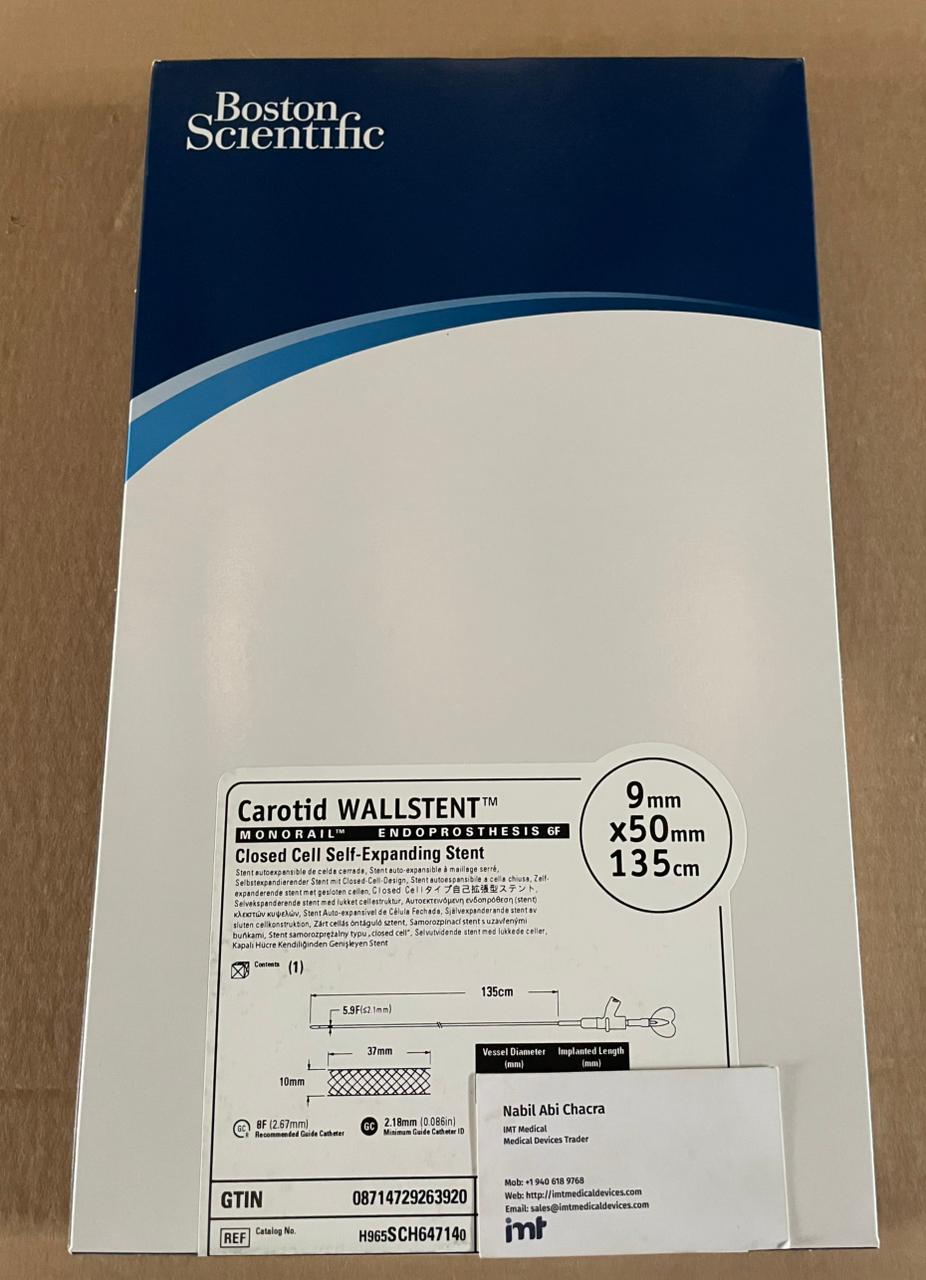
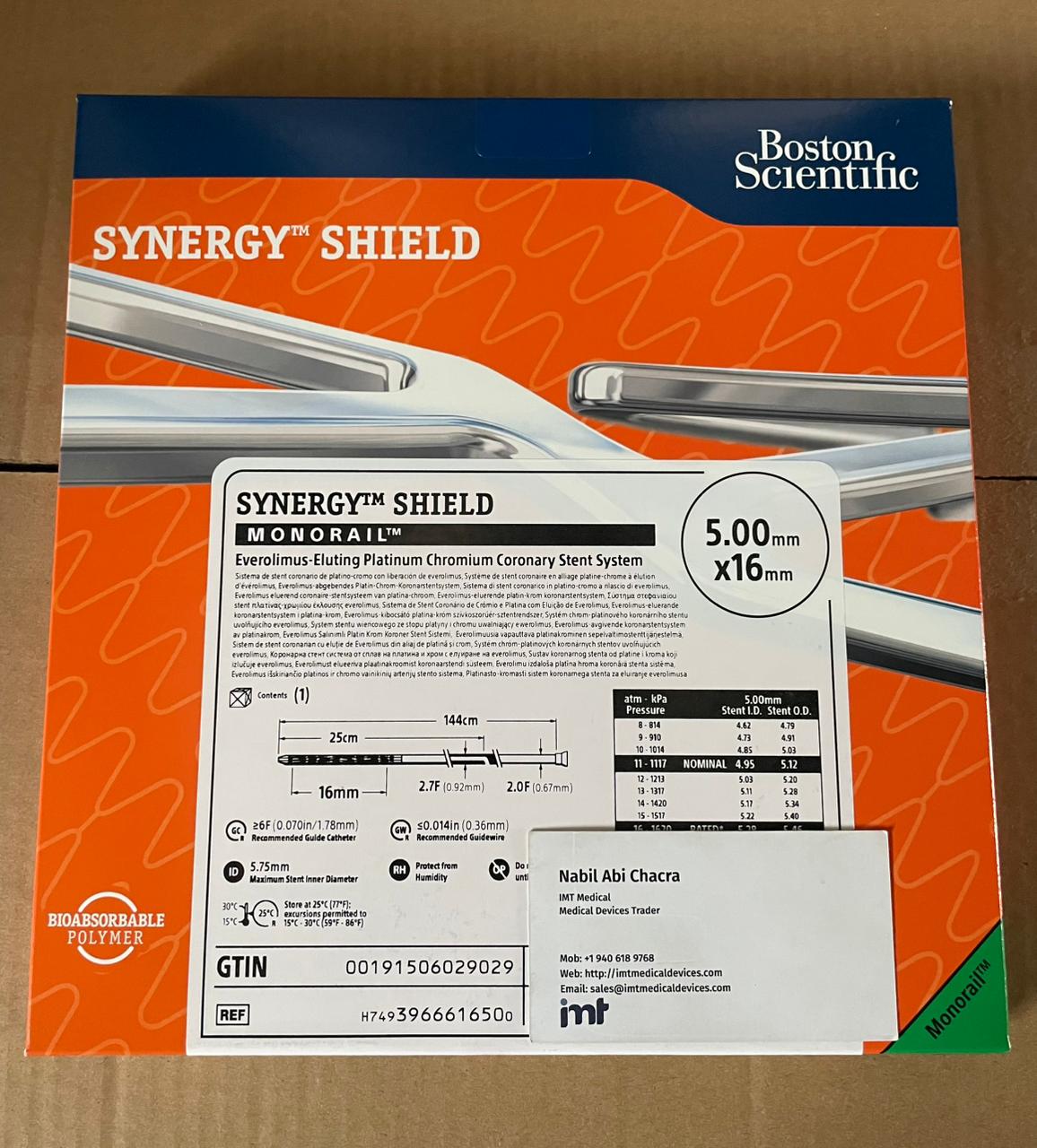
For professional buyers, broad category claims are not enough. A supplier that says it covers cardiology products may still lack the specific Abbott, Boston Scientific, Medtronic, Terumo, Asahi, or Cordis references your team orders repeatedly.
That is why the first screening layer should be manufacturer access and SKU accuracy. Ask whether a supplier can support your common branded items across multiple departments, not just one product family. If your current purchasing mix includes stents, guide catheters, aspiration catheters, micro catheters, sutures, lab brands, and peripheral devices, consolidation should reduce fragmentation across those lines.
This is where a wholesale sourcing partner with multi-brand depth becomes more valuable than a narrow single-line source. The operational gain comes from combining recognized manufacturers under one procurement channel, not from forcing a clinical team into unfamiliar alternatives.
Evaluate fulfillment, not just pricing
Price is usually the first filter, but it should not be the deciding one. In device procurement, a lower unit quote can quickly lose value if order coordination, export paperwork, lead times, or stock reliability are inconsistent.
A consolidated supplier should be assessed on quote responsiveness, availability of high-demand branded SKUs, packing accuracy, documentation support, and shipment execution. If you buy across borders, export capability becomes a major part of the value proposition. Delays at that stage can erase any apparent purchasing savings.
For international buyers, this is one of the biggest reasons to consolidate. Managing multiple suppliers across different countries often creates duplicate freight planning, repeated compliance checks, and uneven communication. A supplier that can centralize those transactions can reduce purchasing friction significantly.
Where consolidation works best - and where it does not
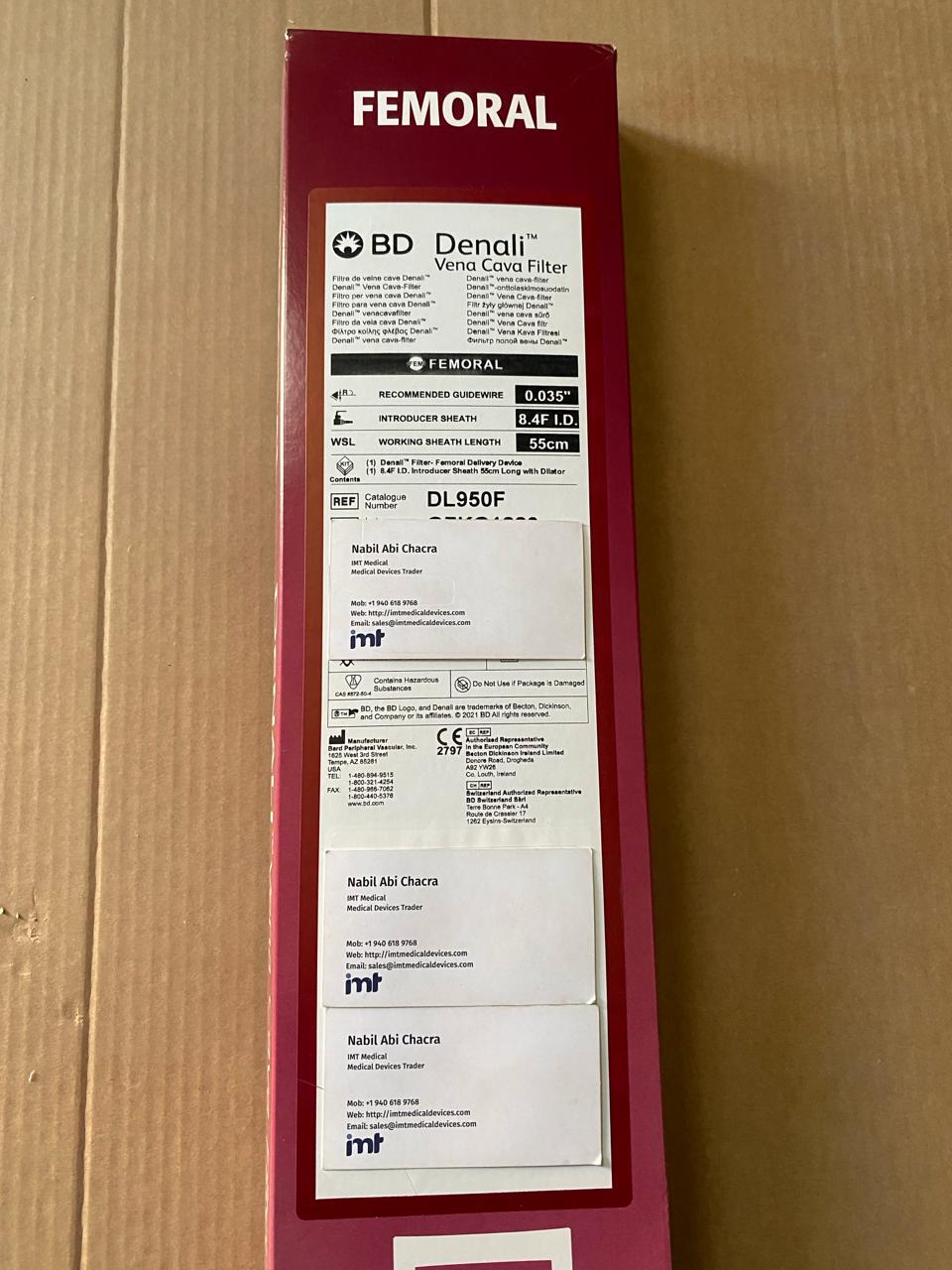
The best consolidation candidates are categories with stable demand, repeat ordering patterns, and clear brand preferences. Coronary balloons, guidewires, guiding catheters, vascular closure devices, and selected lab consumables often fit this model when the purchasing history is consistent.
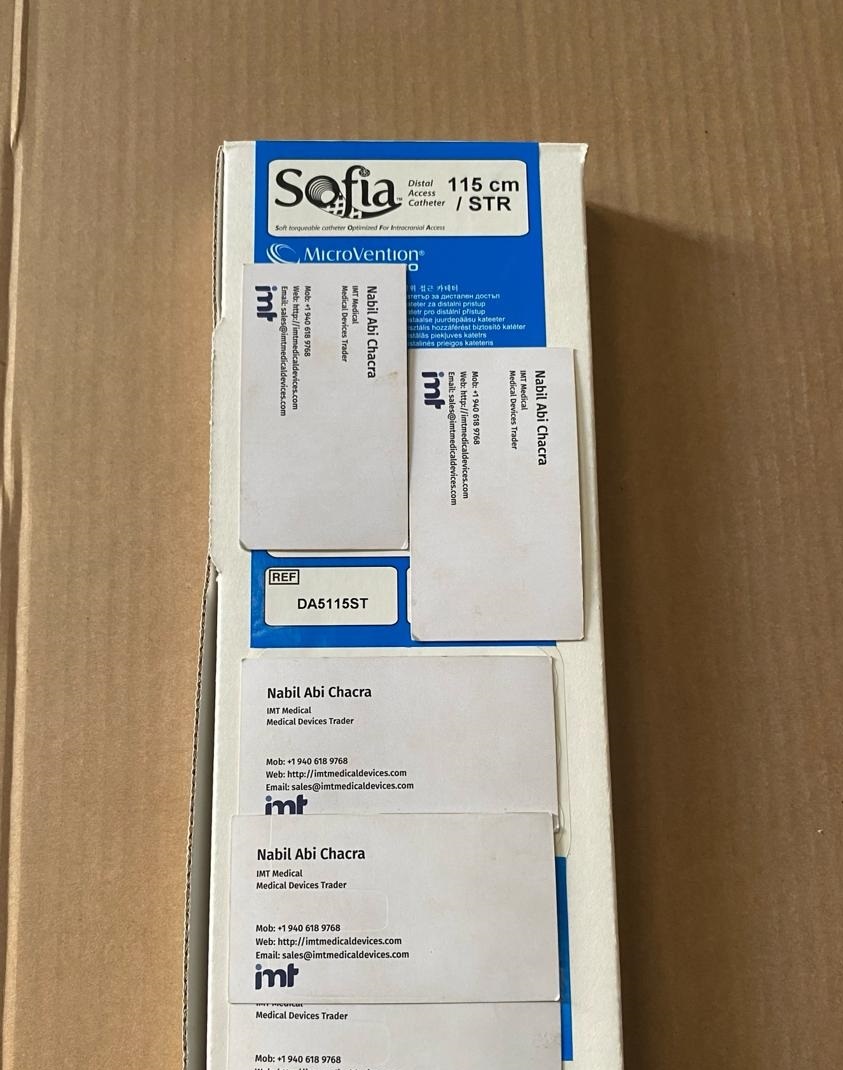
Consolidation is more complicated when the category is highly specialized, low-volume, physician-specific, or subject to frequent substitution constraints. Neurovascular products are a good example. The technical requirements are narrower, physician preference is stronger, and availability across exact references may vary more often. In those cases, a hybrid model may be more effective than full consolidation.
That hybrid model usually means concentrating the majority of spend with one or two broad-coverage suppliers while maintaining a limited secondary base for niche or exception items. This is still consolidation. It simply reflects the fact that not every category should be compressed into one channel.
Common mistakes when consolidating medical device suppliers
One common mistake is consolidating too quickly around general purchasing metrics. Fewer invoices and fewer contacts look efficient on paper, but if buyers still need off-contract exceptions for urgent interventional products, the administrative benefit disappears.
Another mistake is treating all device classes the same. Laboratory procurement, surgical supply, and interventional devices each have different usage patterns and supply risks. A supplier that performs well in one area may not be the best fit for another.
A third mistake is failing to involve the end users who influence product acceptance. In many organizations, procurement owns the contract process, but cardiologists, interventional radiologists, neuro teams, and lab managers shape real product utilization. Consolidation decisions made without that input often create downstream resistance.
There is also a documentation issue. If you are supplying multiple countries or facilities, the right supplier needs to support not only branded inventory access but also the commercial paperwork that keeps cross-border purchasing practical. This is often underestimated until an urgent shipment is delayed.
A practical model for supplier rationalization
If you need a workable framework for how to consolidate device suppliers, use a three-tier approach. Keep a primary supplier base for your highest-volume branded products. Maintain a secondary layer for specialty or less predictable lines. Reserve a limited exception process for rare items that do not justify standardization.
This model gives procurement control without becoming rigid. It also helps you negotiate from a stronger position because you can direct significant volume to fewer partners while still protecting continuity for specialized procedures.
The best primary suppliers in this structure are those with recognizable manufacturer portfolios, accurate product identification, and the ability to quote across multiple intervention categories. For buyers sourcing internationally, it also helps if the supplier can support export transactions as part of routine operations rather than as a special case. That is often the difference between a streamlined procurement channel and another administrative layer.
What to ask before you reduce your supplier base
Before making changes, verify whether the supplier can support your top manufacturers, your recurring SKUs, and your expected order volumes. Confirm lead times for your high-movement items, not just for the easiest products to source. Review how substitutions are handled, what stock visibility looks like, and how urgent requests are managed.
Also check whether the supplier understands the product language your teams use. In this market, precision matters. Buyers should not have to translate between generic descriptions and actual device references. A procurement partner should be comfortable with exact nomenclature across interventional cardiology, peripheral intervention, neurovascular, laboratory, and surgical categories.
That level of familiarity usually signals operational fit. It reduces quote errors, prevents avoidable clarification cycles, and makes consolidation practical rather than theoretical.
For organizations trying to simplify global purchasing, this is where a multi-brand wholesale source such as IMT Medical Devices can fit naturally - not as a replacement for every supplier in every case, but as a way to centralize a larger share of branded demand through one reliable procurement channel.
The strongest consolidation strategy is rarely the most aggressive one. It is the one that reduces friction, protects clinical choice, and gives your buyers fewer moving parts to manage when the order is time-sensitive and the SKU has to be exact.