
How to Reduce Hospital Inventory Waste: Procurement and Logistical Strategies
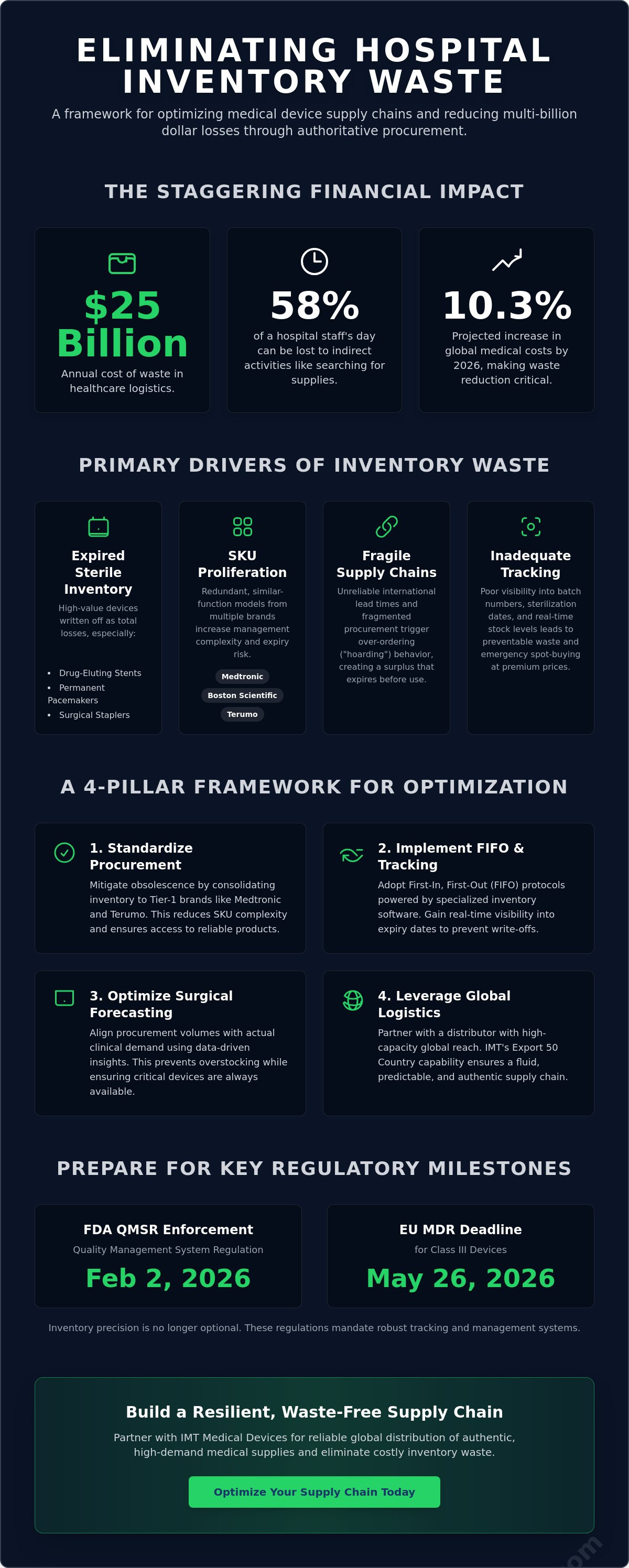
The annual cost of waste in healthcare logistics is currently estimated at $25 billion. With global medical costs projected to increase by 10.3% in 2026, healthcare providers face unsustainable financial drain from expired sterile inventory and SKU proliferation. Understanding how to reduce hospital inventory waste is a logistical requirement for maintaining industrial-scale efficiency. High-cost devices like Drug-Eluting Stents, Permanent Pacemakers, and Surgical Staplers require precise tracking to prevent obsolescence and lower inventory carrying costs.
You've likely seen how unreliable international lead times and fragmented procurement models disrupt hospital operations. This technical guide provides a framework for eliminating medical device obsolescence and optimizing supply chain costs through authoritative procurement strategies. Product details: 2026 FDA Quality Management System Regulation (QMSR) enforcement, Class III device compliance under EU MDR, and logistical pathways for high-capacity global distribution with brands like Medtronic, Terumo, and Boston Scientific. Our Export 50 Country capability ensures inventory remains fluid and stock turnover rates remain high.
Key Takeaways
- Analyze the financial impact of expired sterile inventory and identify high-cost categories for immediate cost recovery.
- Mitigate medical device obsolescence by addressing SKU proliferation through standardization on Tier-1 brands like Medtronic and Terumo.
- Learn how to reduce hospital inventory waste by implementing First-In, First-Out (FIFO) protocols and specialized inventory tracking software.
- Optimize surgical forecasting to align procurement volumes with actual clinical demand, reducing the risk of overstocking and logistical confusion.
- Leverage high-capacity global logistics and Export 50 Country capabilities to ensure a predictable, authentic medical supply chain.
Analyzing the Financial Impact of Hospital Inventory Waste
Hospital inventory waste represents a multi-billion dollar failure in global healthcare systems. It includes expired, unused, or damaged medical supplies that cannot be billed to patients or insurance providers. The annual cost of waste in healthcare logistics is currently estimated at $25 billion. For procurement officers, understanding how to reduce hospital inventory waste starts with a cold audit of the balance sheet. Inefficient supply chains don't just lose money; they compromise clinical readiness. When inventory is disorganized, hospitals resort to emergency spot-buying at premium prices to avoid procedure cancellations. This creates a cycle of high-cost procurement and low stock turnover.
The "hidden cost" of waste extends far beyond the initial purchase price. Carrying costs, specialized climate-controlled storage, and administrative overhead for obsolete SKUs drain hospital resources. Proper Medical logistics management is required to stabilize these variables. Without it, the global medical waste management market is projected to reach $43 billion by 2026. This growth is a direct reflection of logistical inefficiencies that modern procurement strategies must address to maintain industrial competence.
Direct Financial Losses from Product Expiration
High-value interventional devices carry the highest financial risk. Expired sterile inventory results in immediate write-offs that cannot be recovered through clinical billing. Items like drug-eluting stents, permanent pacemakers, and surgical staplers represent significant capital investments. If these products reach their expiry date before implantation, the loss is total. Specialized disposal for hazardous or electronic medical waste adds further expense to the hospital's bottom line. Standardizing procurement through a reliable distributor helps mitigate these losses by ensuring fresher stock and predictable lead times.
Product Details: High-Waste Risk Inventory
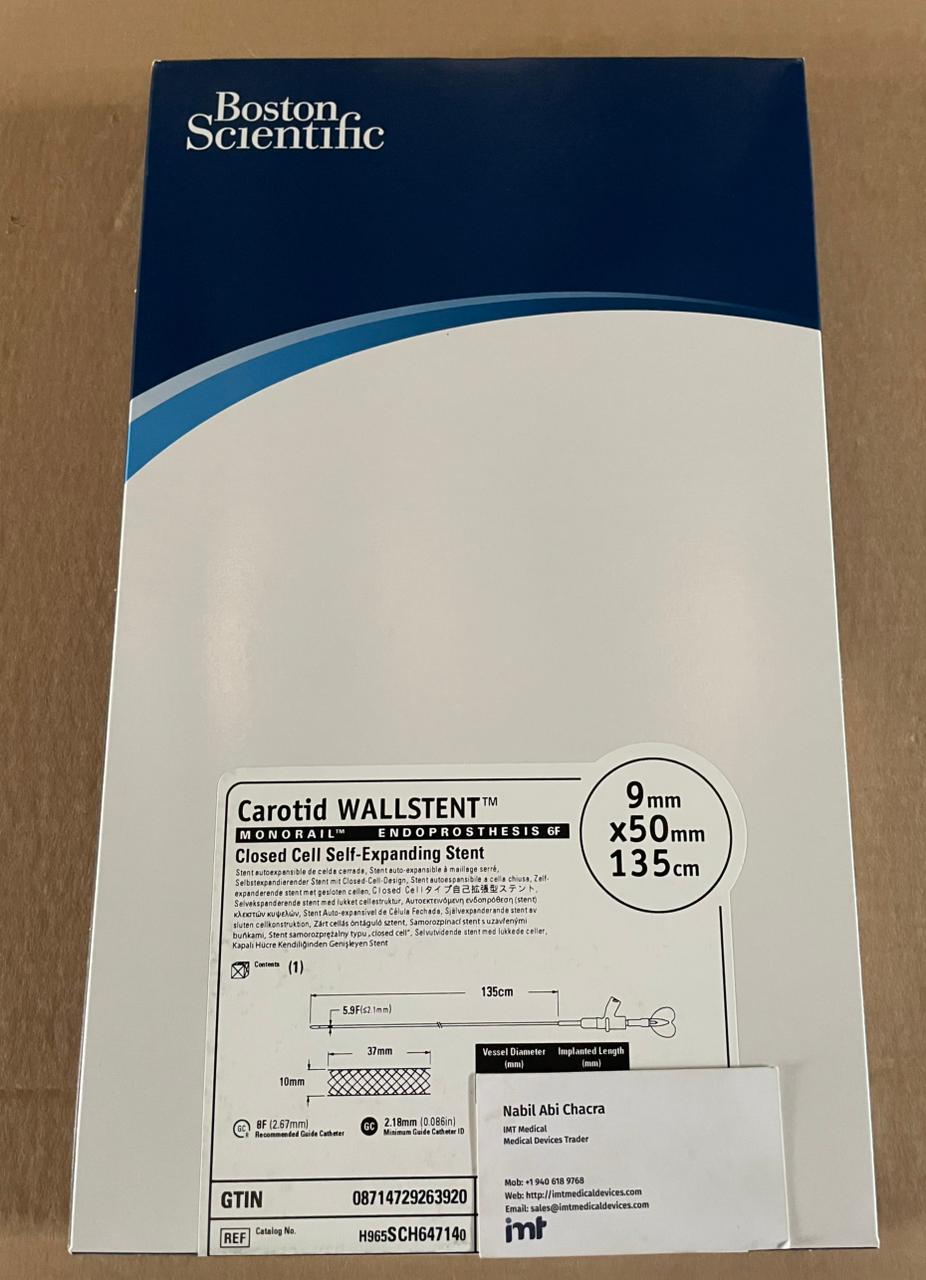
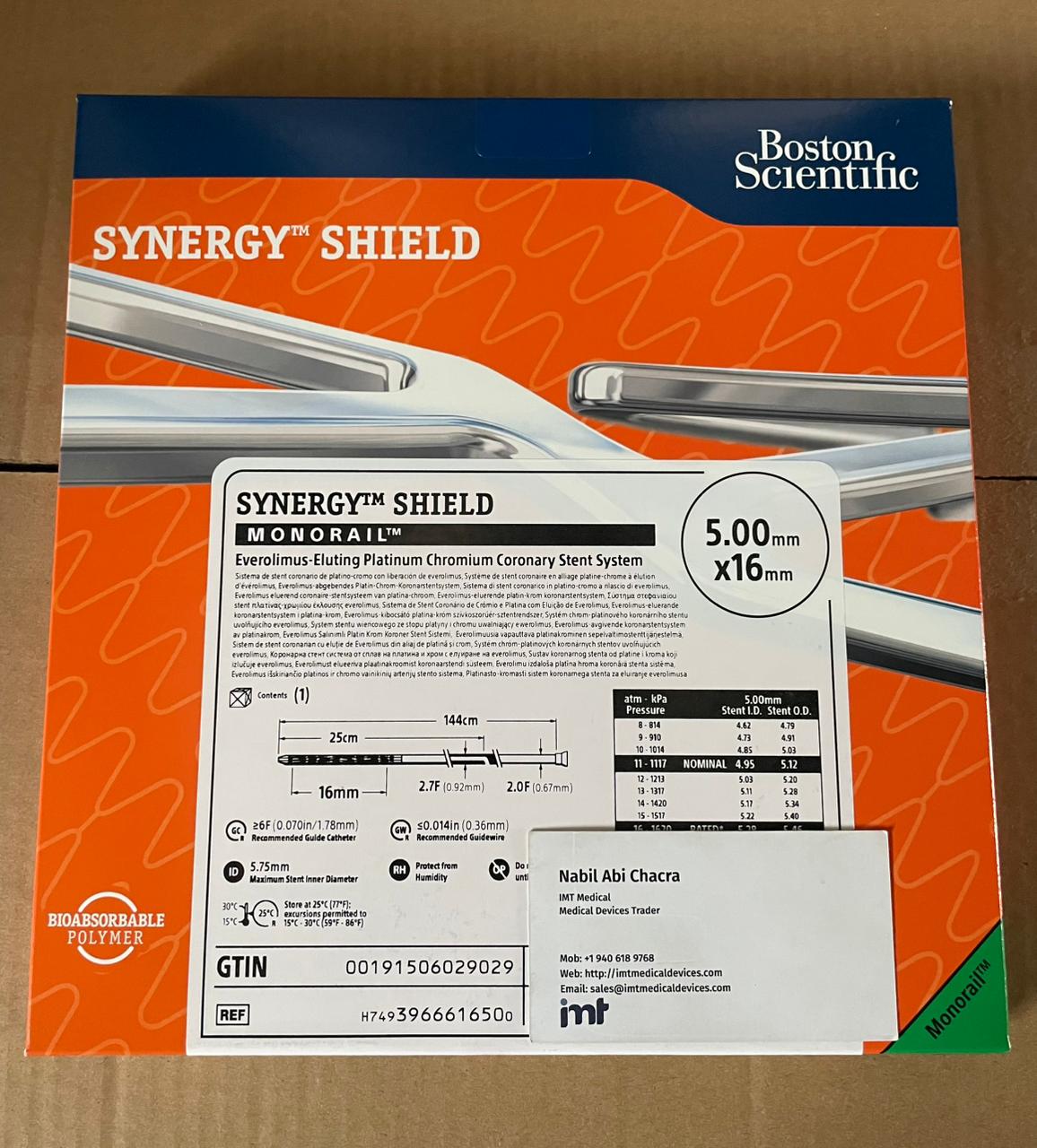
- Medtronic Drug-Eluting Stents
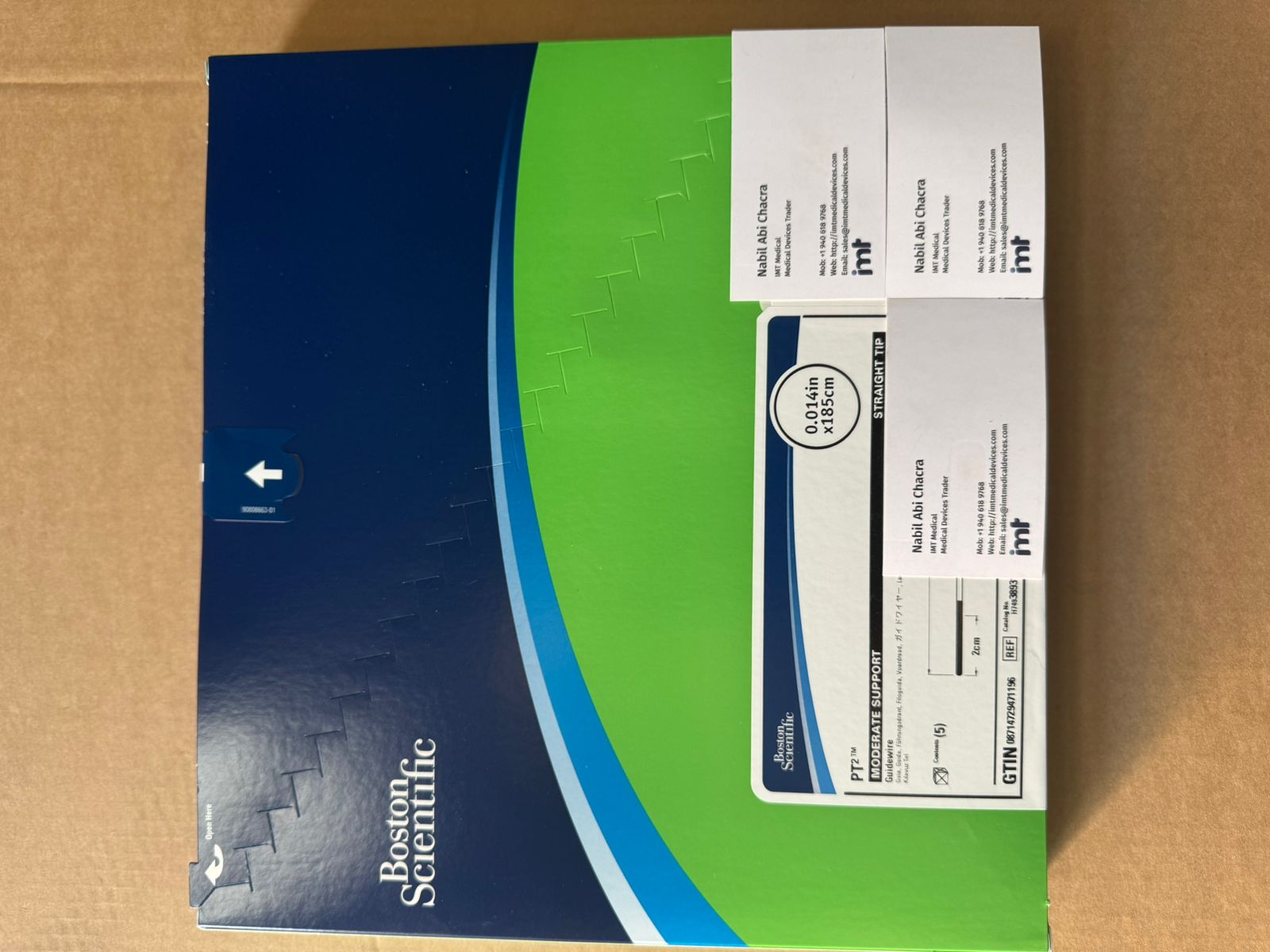
- Boston Scientific PTCA Balloon Catheters
- Terumo Diagnostic Guide Wires
- Permanent Pacemakers and ICDs
Operational Inefficiency and Labor Costs
Waste isn't just about physical products; it's about time. Research indicates hospital staff can waste up to 58% of their day on indirect activities like searching for specific product codes or managing SKU proliferation. Manual inventory reconciliation creates a massive administrative burden that delays patient care. Implementing a streamlined model for medical device distribution is essential for operational speed. Our Export 50 Country capability ensures that high-demand brands are delivered with precision, reducing the need for clinical staff to manage logistics. This is the only sustainable way how to reduce hospital inventory waste while maintaining the high-capacity surgical volumes required in the modern medical market.
Identifying Key Sources of Medical Device Obsolescence
Medical device obsolescence is a logistical failure that translates directly to financial loss. High-value devices like coronary stents and electrophysiology catheters often sit unused because of technical friction in the supply chain. Identifying how to reduce hospital inventory waste requires pinpointing where stock becomes "dead." SKU proliferation is a primary driver of this inefficiency. When hospitals carry redundant models from multiple manufacturers like Medtronic, Boston Scientific, and Terumo simultaneously, the risk of expiry increases. Fragile supply chains also trigger "hoarding" behavior. Procurement departments often over-order critical supplies to buffer against unreliable international lead times, inadvertently creating a surplus that expires before clinical use.
Effective tracking is a baseline requirement for modern healthcare facilities. Inadequate visibility into batch numbers and sterilization dates leads to significant waste. With the FDA enforcing the Quality Management System Regulation (QMSR) starting February 2, 2026, and the EU MDR deadline for Class III devices falling on May 26, 2026, inventory precision is no longer optional. Hospitals must transition from reactive stocking to data-driven logistical models. This shift ensures that high-cost inventory remains fluid and compliant with evolving international standards. For facilities seeking to stabilize their supply chain, streamlined medical device procurement provides a pathway to reliable, high-capacity distribution.
The Problem of SKU Proliferation
Excess variety in device types complicates sterile storage and increases administrative errors. Managing inventory for ptca balloon catheters across dozens of diameter and length variants is a high-risk operation. Consolidating technical specifications to fewer, more versatile models from premium manufacturers reduces the footprint of sterile storage. This brand-standardization strategy minimizes logistical confusion and ensures higher stock turnover rates for every SKU held in the catheterization lab. It also simplifies the training required for clinical staff to identify correct product codes during urgent procedures.
Forecasting Inaccuracies in High-Volume Clinics
Reliability on historical data often fails to reflect current surgical volumes or shifting clinical preferences. Cardiology and vascular labs frequently accumulate dead stock when physicians transition to newer technologies. Using volume-based data to adjust procurement cycles for permanent pacemakers and ICDs prevents the accumulation of high-cost, slow-moving items. Real-time demand prediction allows for leaner inventory without compromising patient safety. By aligning order frequency with actual implantation rates, hospitals can lower inventory carrying costs and eliminate the financial drain of expired sterile stock. Our Export 50 Country capability supports this agility by providing rapid access to authentic inventory exactly when it is needed.
Reducing Waste Through Brand Standardization and Volume Sourcing
Standardizing procurement around Tier-1 brands is an industrial strategy for operational stability. By limiting the number of active vendors, hospitals minimize SKU proliferation and the associated administrative friction. Brands like Medtronic, Boston Scientific, and Abbott provide the technical consistency required for high-volume surgical environments. This brand-first approach is central to how to reduce hospital inventory waste. It eliminates the logistical confusion caused by mismatched part numbers and redundant product categories. When procurement officers focus on a streamlined catalog, replenishment becomes a predictable transactional process rather than a complex search for alternatives.
Volume-based sourcing tiers further optimize this model. Leveraging scale allows healthcare providers to secure lower unit costs while maintaining lean stock levels. In 2026, with the healthcare supply chain inflation rate at 2.78%, controlling these procurement variables is essential. High-capacity global distributors offer the infrastructure to manage these volume requirements across multiple product lines, including electrophysiology catheters and surgical staplers. This consolidation reduces the burden of logistical documentation and export fees, ensuring that high-value inventory remains affordable and accessible. It doesn't just save money; it creates a more resilient supply chain.
The Efficiency of Tier-1 Brand Reliability
Technical consistency is a primary defense against inventory waste. Brands like Medtronic and Terumo offer more predictable shelf-life and sterilization cycles compared to secondary manufacturers. For instance, using a standardized guidewire across all interventional teams ensures uniform performance. Clinical staff don't need to adjust their technique for different brands, which reduces the risk of user error waste or accidental damage to sterile packaging. Simplifying the supply chain through brand reliability creates a sense of industrial competence. It allows hospitals to focus on procedure volume rather than troubleshooting product availability.
Product Details: Standardized Interventional Inventory
- Medtronic: Permanent Pacemakers and ICDs
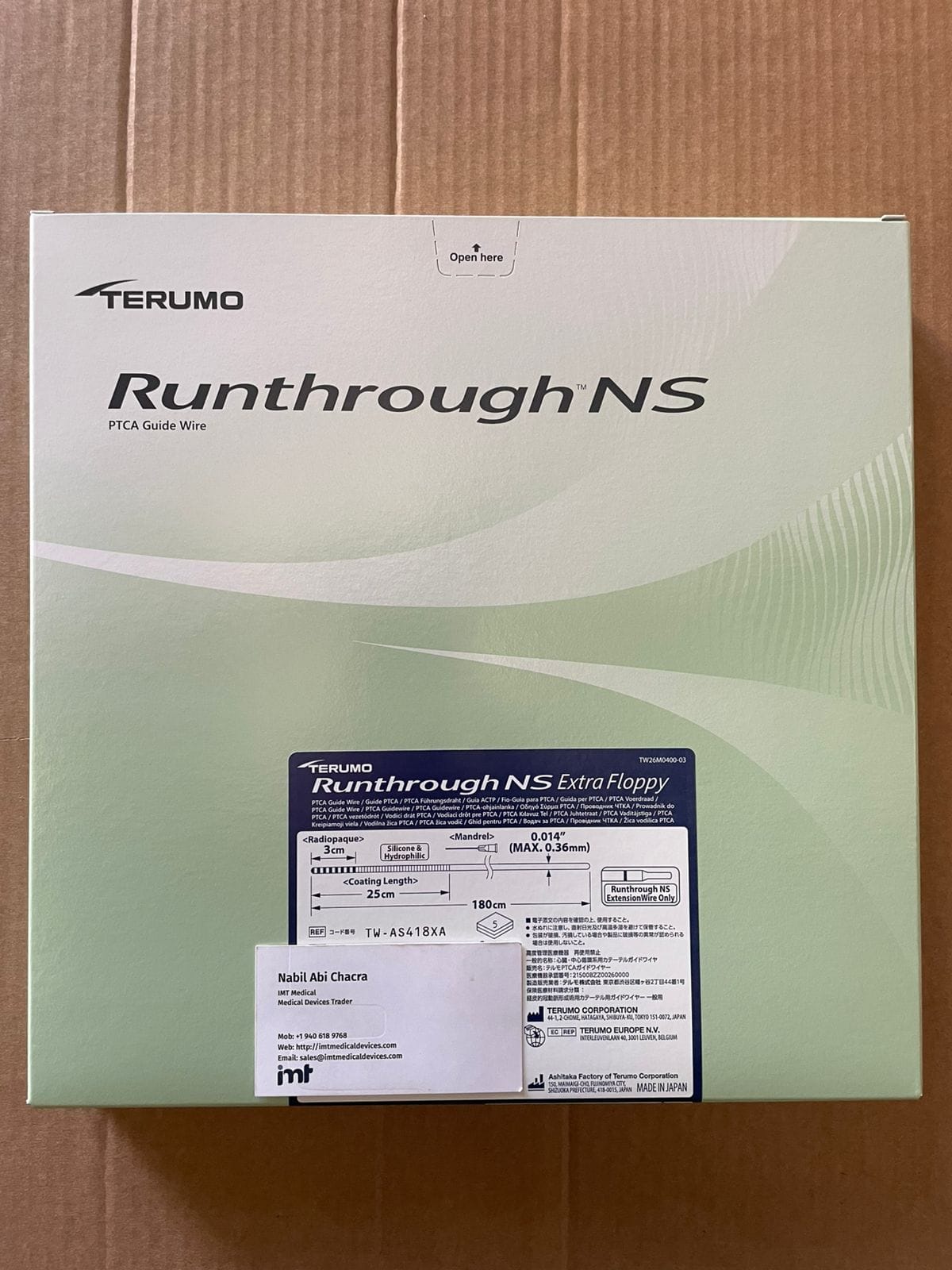
- Terumo: PTCA Balloon Catheters and Guiding Catheters
- Boston Scientific: Peripheral Stents and Electrophysiology Catheters
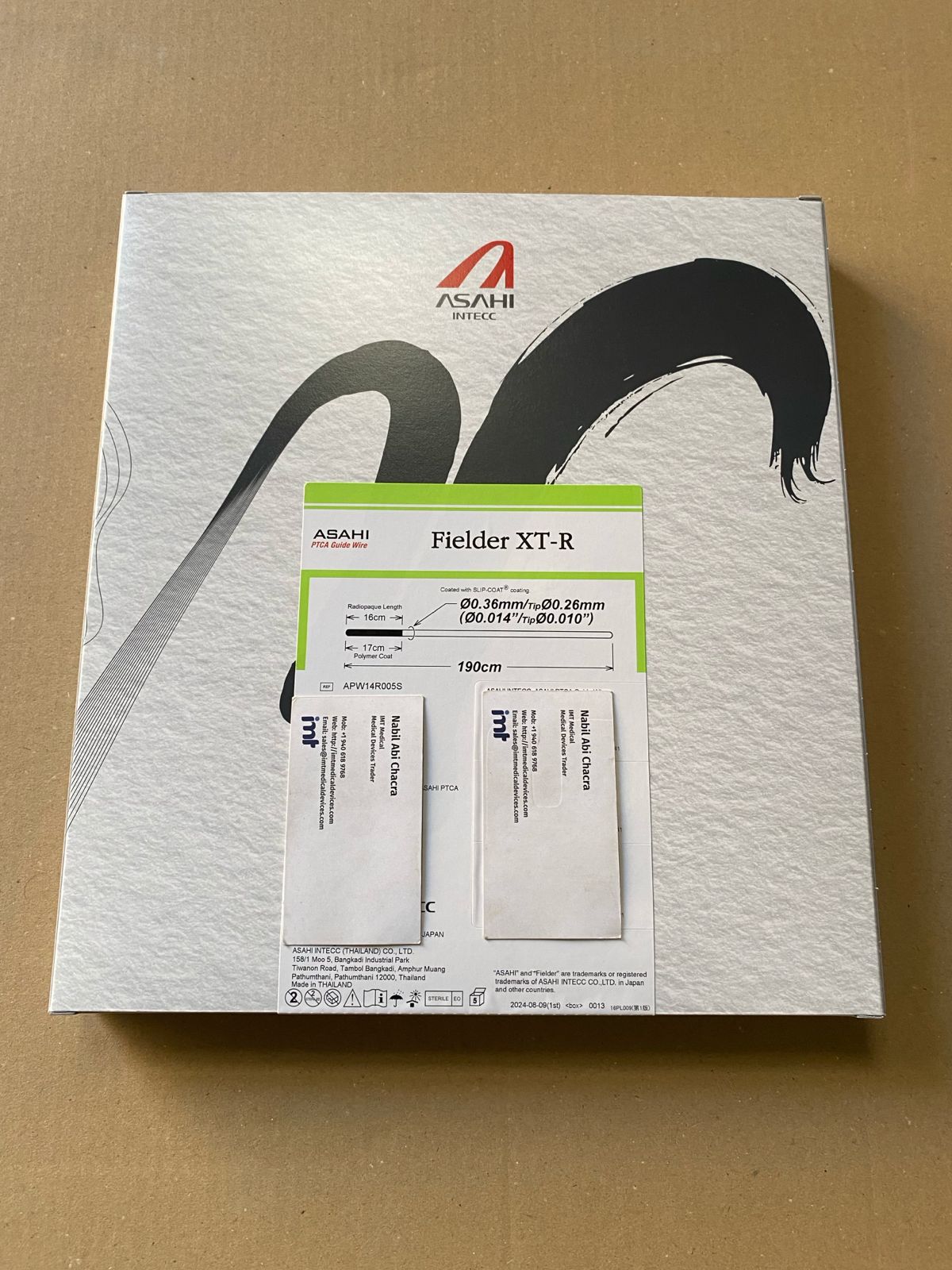
- Asahi Intec: Diagnostic Guide Wires and Specialized Guidewires
Strategic Sourcing for Interventional Cardiology
Consolidating procurement for high-cost items like stents, catheters, and ICDs streamlines the entire logistical chain. Bulk sourcing through established global wholesalers ensures product authenticity and quality. It also minimizes the administrative overhead of manual inventory reconciliation. By grouping these high-value items, hospitals can leverage our Export 50 Country capability to maintain a steady flow of authentic medical technology. This strategy eliminates the need for emergency spot-buying and reduces the financial loss associated with fragmented, low-volume orders. Predictable supply leads to higher stock turnover and lower inventory carrying costs.
Optimizing Supply Chain Logistics to Prevent Product Expiry
Logistical precision is the final barrier against financial loss in the medical supply chain. Procuring premium brands like Medtronic or Boston Scientific only yields value if the physical movement of inventory is optimized for speed and visibility. Understanding how to reduce hospital inventory waste requires a shift from reactive stockpiling to proactive logistical management. High-value devices, including drug-eluting stents and implantable cardioverter defibrillators (ICDs), require strict adherence to sterilization timelines and climate-controlled transit. When logistics fail, the resulting "dead stock" becomes an unrecoverable expense. Hospitals that implement automated inventory systems often cut costs by up to 50% while increasing operational efficiency by 20%.
Reducing lead times through strategic international distribution hubs is essential for maintaining lean inventory levels. In 2026, healthcare providers face a projected 10.3% increase in medical costs, making efficient global medical device procurement a financial necessity. Reliable export logistics prevent the "hoarding" behavior often seen in procurement departments concerned about supply chain volatility. By ensuring a steady, predictable feed of authentic medical technology, hospitals can maintain lower inventory carrying costs without compromising clinical readiness. Our Export 50 Country infrastructure provides the high-capacity reach needed to stabilize these complex supply lines.
Inventory Rotation and FIFO Management
Sterile storage environments must follow strict First-In, First-Out (FIFO) protocols to ensure no product reaches its expiry date on the shelf. Standardizing shelf-labeling for rapid identification of sterilization dates is a baseline requirement. Visual management techniques are particularly effective for high-value items like surgical staplers, where packaging volume can obscure expiry data. Regular audit cycles, specifically targeting products within a 90-day expiry window, allow clinical teams to prioritize the use of older stock. This rhythmic approach to inventory rotation ensures that high-cost interventional devices remain fluid and billable.
Logistical Precision in International Procurement
International procurement carries specific risks related to customs documentation and transit conditions. Specialized documentation is required to prevent lengthy customs delays that eat into a device's remaining shelf life. For sensitive electronics like permanent pacemakers, maintaining cold chain integrity during transit is non-negotiable. Our logistical framework focuses on zero-loss targets for shipments to over 50 countries, ensuring that every PTCA balloon catheter or electrophysiology catheter arrives in peak clinical condition. This level of industrial competence eliminates the supply fears that lead to over-ordering and subsequent waste. Precision in the warehouse leads to precision in the operating room.
Product Details: Logistically Optimized Inventory
- Medtronic: Permanent Pacemakers (Cold-Chain Verified)
- Boston Scientific: Electrophysiology Catheters (Rapid-Transit)
- Terumo: PTCA Balloon Catheters (High-Volume Logistics)
- Asahi Intec: Specialized Guidewires (Customs-Ready Documentation)
IMT Medical Devices: Reliable Global Supply for Waste Reduction
IMT Medical Devices provides the industrial infrastructure required for modern healthcare systems to maintain operational stability. We offer wholesale access to premium manufacturers, which is a critical component in how to reduce hospital inventory waste. By consolidating procurement through a single high-capacity distributor, hospitals eliminate the fragmentation that leads to SKU proliferation and administrative errors. Our transactional model prioritizes product availability and logistical reliability. This ensures that high-value interventional devices are delivered with the maximum remaining shelf life, allowing for higher stock turnover rates and lower carrying costs.
Our bulk supply chain solutions are designed to minimize procurement overhead. We act as a vital bridge between major manufacturers and international markets, focusing on efficiency and rapid data transmission. This no-nonsense approach to how to reduce hospital inventory waste allows procurement officers to identify specific brands or product categories at a glance. By leveraging our scale, healthcare providers can stabilize their supply lines against the geopolitical and economic pressures predicted for 2026. Industrial competence is the only sustainable way to manage high-cost medical technology at scale.
Access to Global Tier-1 Manufacturers
We provide authentic, high-quality stents, pacemakers, and catheters from the world's most prestigious brands. Consistent availability of top-selling models prevents the emergency spot-buying that often leads to over-ordering and subsequent waste. Our technical support focuses on part number verification and technical specification alignment, reducing the risk of ordering redundant or incompatible stock. This brand-first approach ensures that clinical teams have access to the exact tools required for high-volume surgical procedures.
Product Details: Tier-1 Inventory Categories
- Medtronic: Permanent Pacemakers, ICDs, and Drug-Eluting Stents
- Terumo: PTCA Balloon Catheters and Guiding Catheters
- Boston Scientific: Electrophysiology Catheters and Peripheral Stents
- Asahi Intec: Diagnostic Guide Wires and Specialized Guidewires
- Surgical Staplers: High-capacity bulk supply for general and specialized surgery
Industrial-Scale Export and Distribution
Our Export 50 Country claim is a primary trust signal of our international capability. We operate strategic offices in Georgia, Dubai, Turkey, and Poland to ensure global reach and localized logistical support. This network allows us to manage complex international shipping regulations and compliance requirements, including the 2026 FDA Quality Management System Regulation (QMSR) and EU MDR mandates. Efficient B2B supply chains are essential for hospitals and distributors seeking to eliminate the "hoarding" behavior caused by supply chain fears.
Expertise in international commerce and specialized documentation prevents customs delays that frequently result in product expiration. We maintain zero-loss targets for all sensitive shipments, ensuring that climate-controlled items like permanent pacemakers arrive in peak clinical condition. Our logistical framework is built for speed, clarity, and reliability. This high-capacity distribution model is the definitive solution for healthcare providers aiming to optimize their supply chain and eliminate the financial drain of logistical waste.
Stabilizing the Global Medical Supply Chain for 2026
Operational efficiency requires a shift from reactive procurement to standardized logistical models. By consolidating high-value inventory like drug-eluting stents and permanent pacemakers around Tier-1 brands, hospitals eliminate the SKU proliferation that drives financial loss. Implementing these procurement and rotation strategies is the most effective way to address how to reduce hospital inventory waste while maintaining high surgical volumes. Precision in medical logistics ensures that sterile products remain fluid, billable, and compliant with evolving international regulations.
IMT Medical Devices provides the industrial scale needed to secure your supply line. We are a wholesale partner for Medtronic, Terumo, and Boston Scientific, offering specialized global logistics for high-value implants. Our Export 50 Country capability guarantees that authentic medical technology reaches its destination with zero-loss targets. Optimize your medical supply chain with IMT Medical Devices to lower carrying costs and improve stock turnover rates today. Efficient logistics lead to better clinical outcomes and sustainable financial growth.
Frequently Asked Questions
What are the most common causes of inventory waste in hospitals?
Inventory waste stems from SKU proliferation, poor forecasting, and disorganized sterile storage. Unreliable international lead times often cause procurement teams to over-order, leading to expired stock. Lack of First-In, First-Out (FIFO) protocols further exacerbates the issue. These logistical failures prevent the efficient use of high-value devices like surgical staplers and catheters, resulting in unrecoverable financial write-offs.
How can SKU standardization reduce medical device waste?
SKU standardization reduces variety by consolidating technical specifications to fewer, more versatile models. Limiting active vendors for PTCA balloon catheters or guidewires minimizes administrative friction. This strategy increases stock turnover rates and simplifies clinical staff training. It's a core method for how to reduce hospital inventory waste by eliminating redundant inventory categories and simplifying the tracking of sterilization dates.
What is the financial impact of expired medical devices on hospital budgets?
The financial impact is substantial, with healthcare logistics waste estimated at $25 billion annually. Expired sterile devices like drug-eluting stents or permanent pacemakers represent total losses because they cannot be billed to patients. Hospitals also incur carrying costs and specialized disposal fees for hazardous medical waste. These losses directly reduce the budget available for essential clinical technology and facility upgrades.
How does automated inventory tracking prevent product obsolescence?
Automated tracking provides real-time visibility into batch numbers and sterilization dates. Hospitals implementing these systems have cut costs by up to 50%. By identifying products approaching their 90-day expiry window, clinical teams can prioritize older stock for immediate use. This level of precision prevents high-cost items from becoming "dead stock," ensuring every device remains billable and compliant with international standards.
Why is brand reliability important in medical supply chain management?
Brand reliability ensures predictable shelf-life and technical consistency across clinical teams. Tier-1 manufacturers like Medtronic and Boston Scientific provide standardized part numbering and high-quality sterilization. This reliability simplifies the supply chain and reduces the risk of user error during procedures. Consistent product performance allows procurement officers to focus on volume-based sourcing rather than troubleshooting defective or short-dated inventory from secondary sources.
How can hospitals improve their procurement cycles for high-value stents?
Improving procurement for high-value stents requires aligning order frequency with actual implantation rates rather than historical averages. Hospitals should consolidate orders through established global wholesalers to leverage volume-based tiers. This approach reduces logistical documentation and export fees. By maintaining a steady feed of authentic inventory, facilities avoid emergency spot-buying at premium prices and lower their overall inventory carrying costs.
What role does international logistics play in reducing hospital waste?
International logistics provide predictable lead times and ensure cold chain integrity for sensitive implants like permanent pacemakers. High-capacity distribution models, such as our Export 50 Country framework, prevent the stockpiling behavior caused by supply fears. Specialized documentation and expert handling reduce customs delays that eat into a product's shelf life. Reliable global logistics are essential for hospitals seeking how to reduce hospital inventory waste.