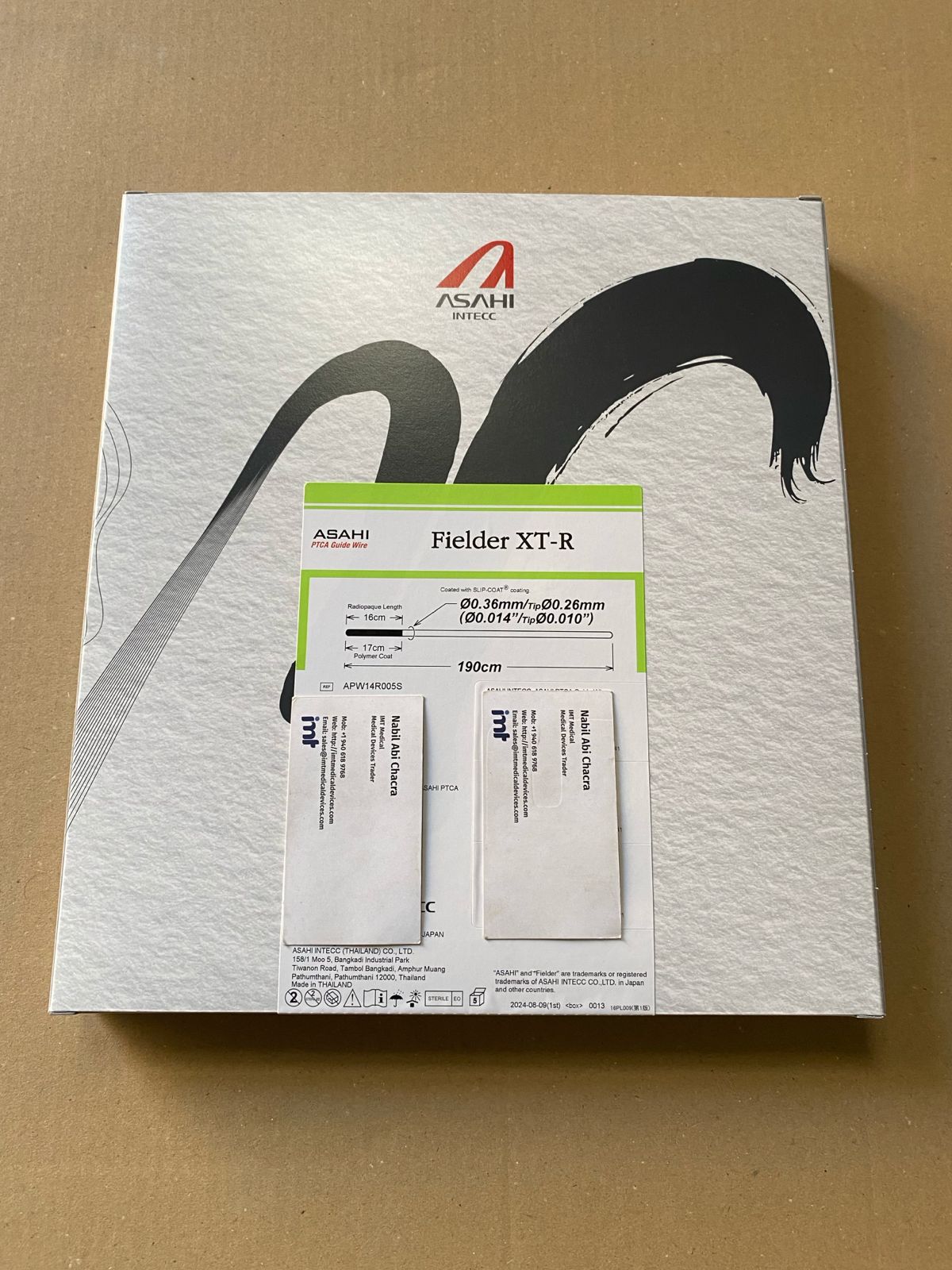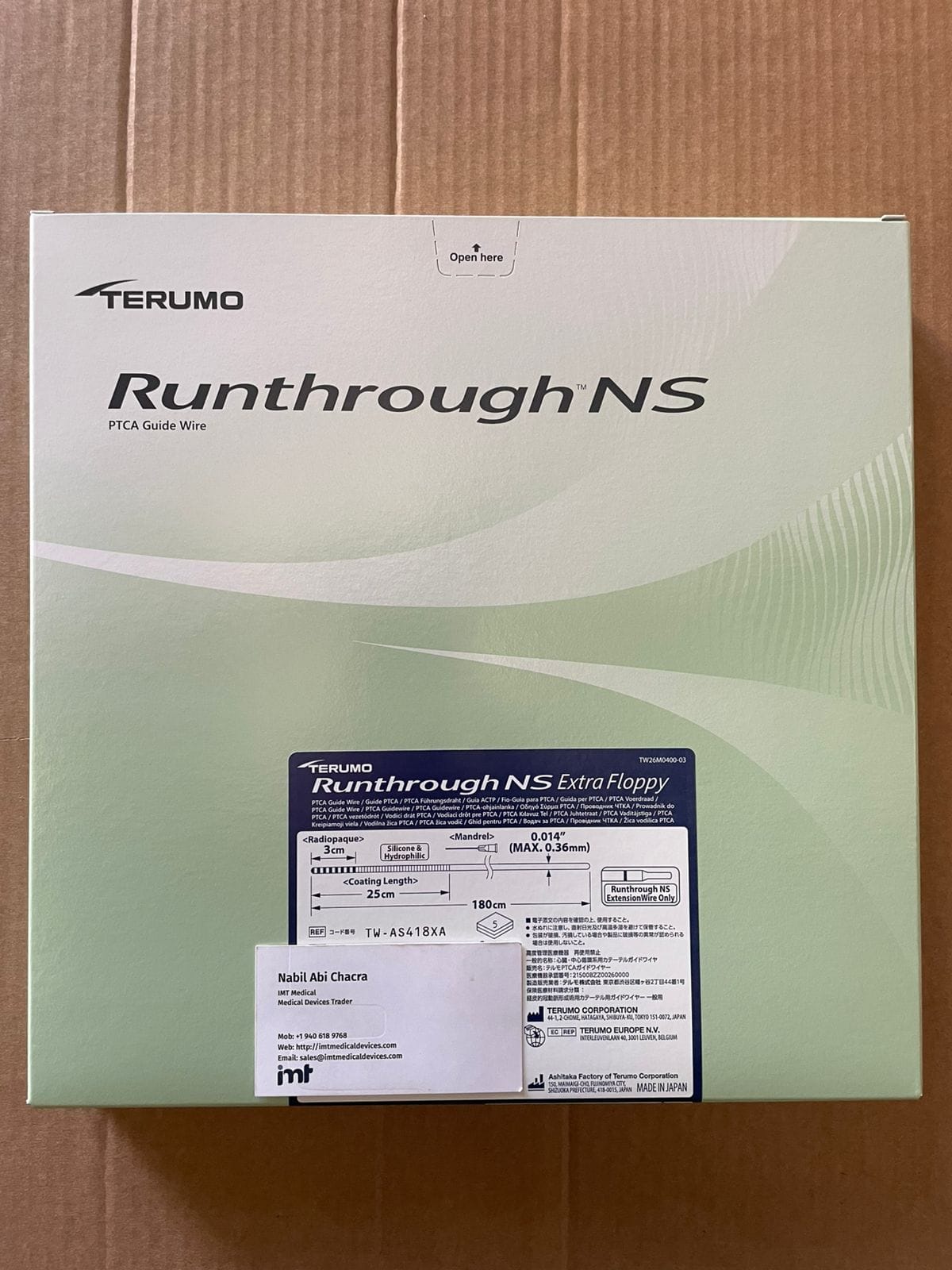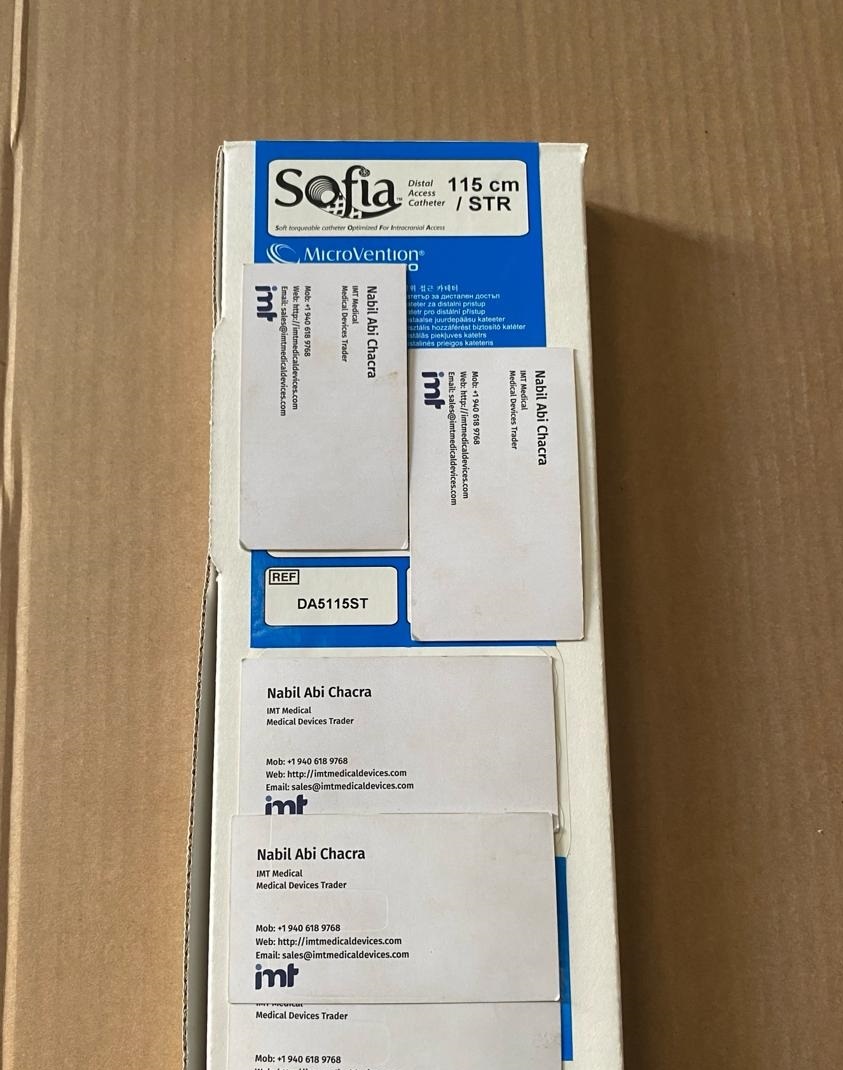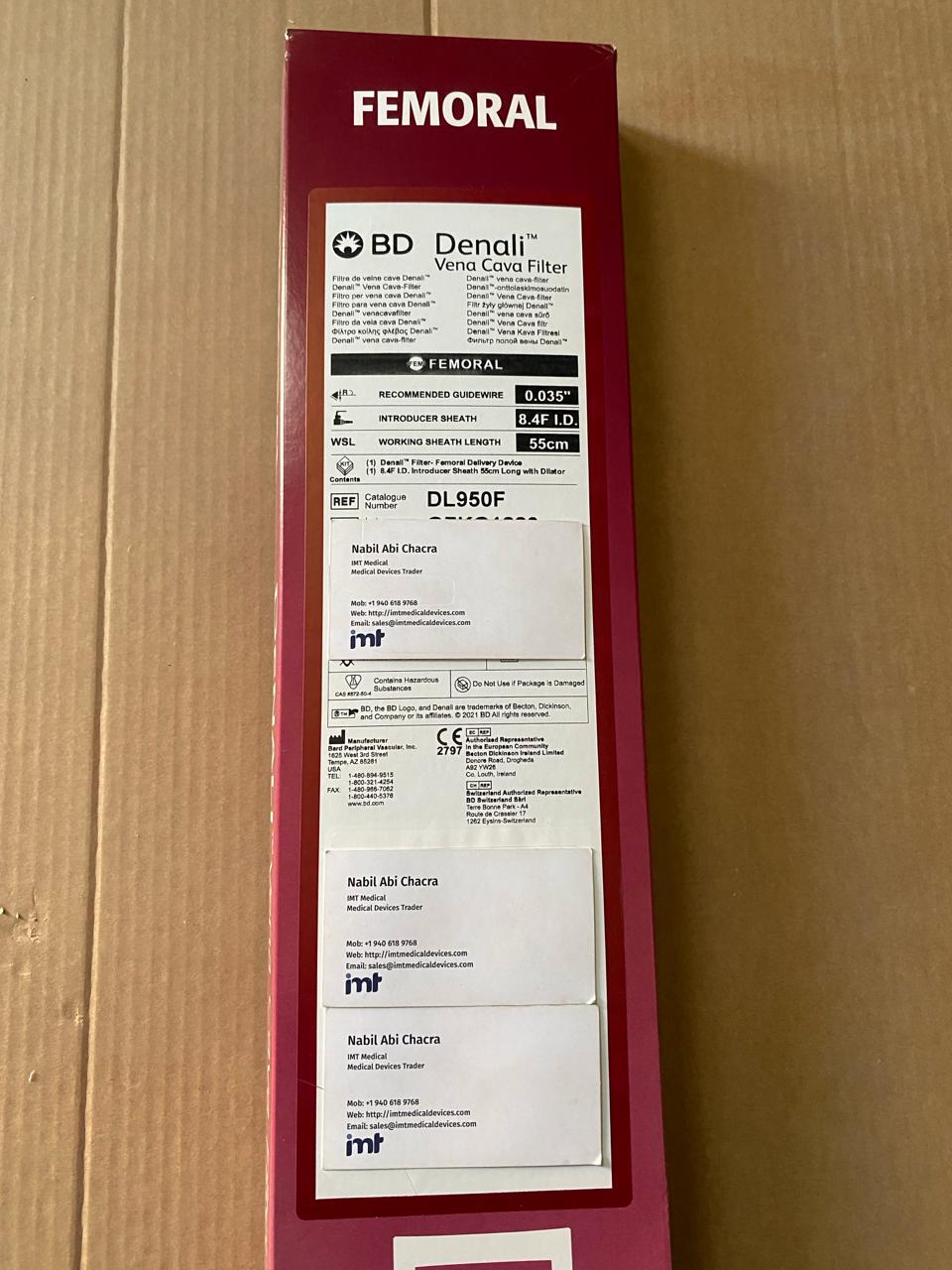
How to Source Aspiration Catheters
When a case schedule depends on a specific aspiration catheter profile, procurement errors show up fast. A mismatch in brand, inner lumen, compatibility, or export paperwork can delay treatment, create substitution risk, and add avoidable back-and-forth. That is why knowing how to source aspiration catheters is less about finding a product category and more about controlling brand, specification, and delivery reliability.
For professional buyers, the process starts with procedural fit and ends with supply continuity. In between, there are practical checkpoints that matter: authentic branded inventory, exact SKU confirmation, regulatory alignment, packaging integrity, and the supplier’s ability to support international shipment without confusion.
How to source aspiration catheters without procurement gaps
Aspiration catheters are not a generic line item in the way many non-interventional products are. The intended use, physician preference, vessel access strategy, and compatibility with the rest of the setup all influence what should be purchased. A neurovascular aspiration catheter for thrombectomy, for example, raises a different set of sourcing questions than an aspiration product used in coronary or peripheral intervention.
That means the first step is not asking who has aspiration catheters available. The first step is defining the exact requirement in procurement language. Buyers should confirm the manufacturer, product family, reference number or SKU, French size, working length, distal profile, lumen characteristics, and any compatibility requirements with guide catheters, microcatheters, guidewires, or access systems already standardized by the clinical team.
If the request comes in as a broad product description only, the sourcing process becomes slower and more error-prone. Broad descriptions invite substitutes, and substitutes are where friction begins. In high-acuity procedural environments, brand and model accuracy are usually more valuable than nominal category availability.
Start with exact brand and SKU alignment
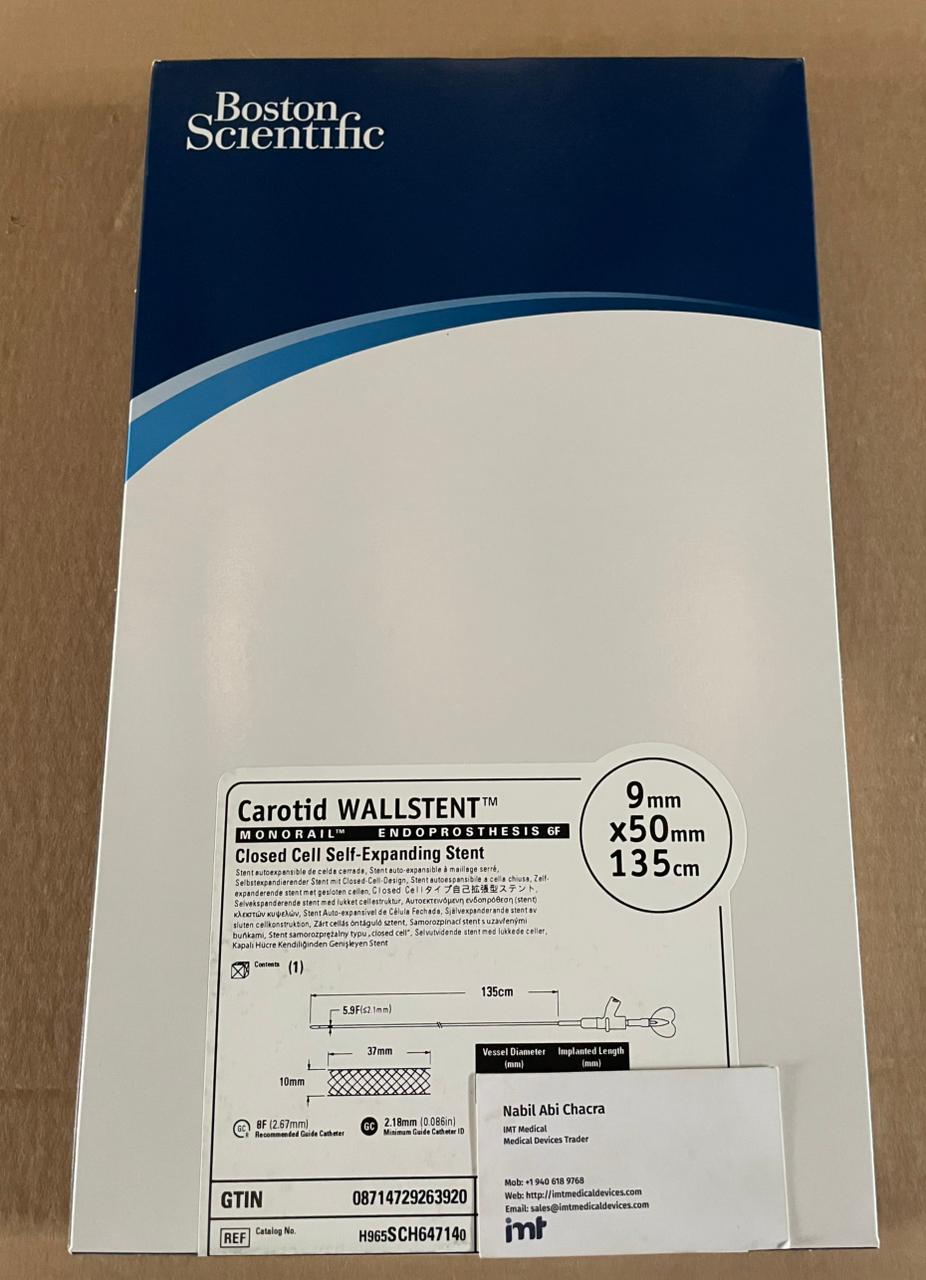
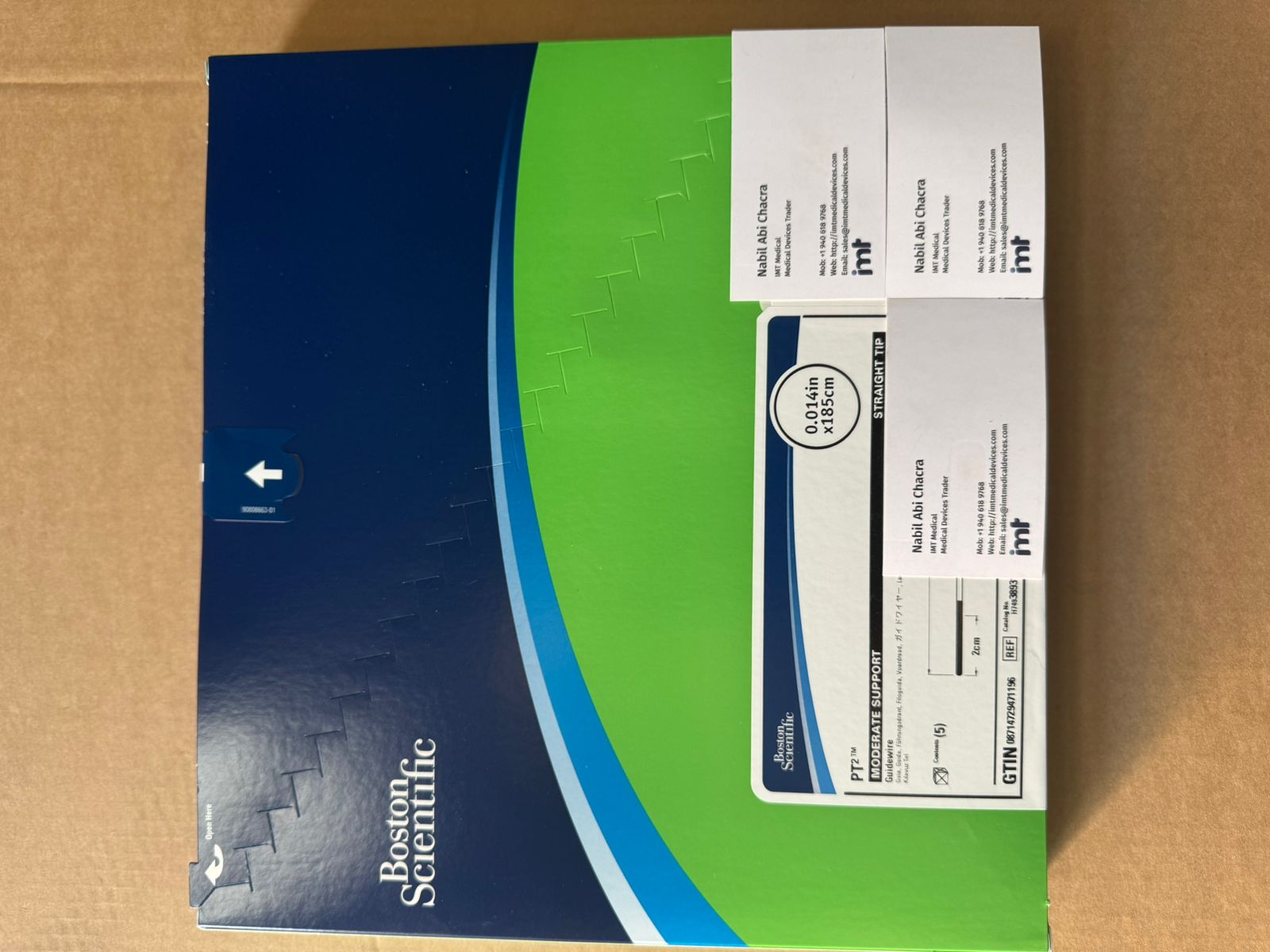
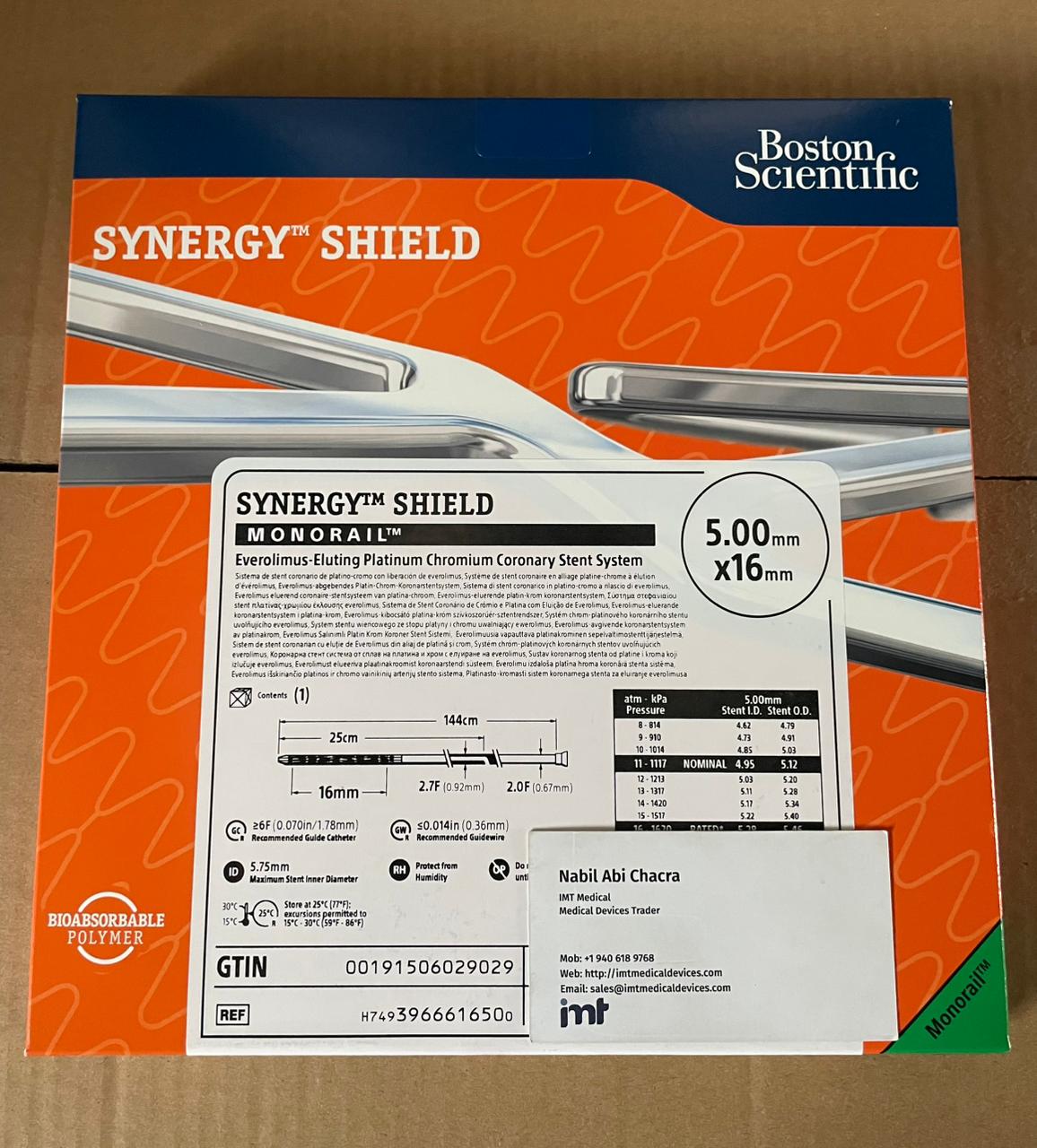
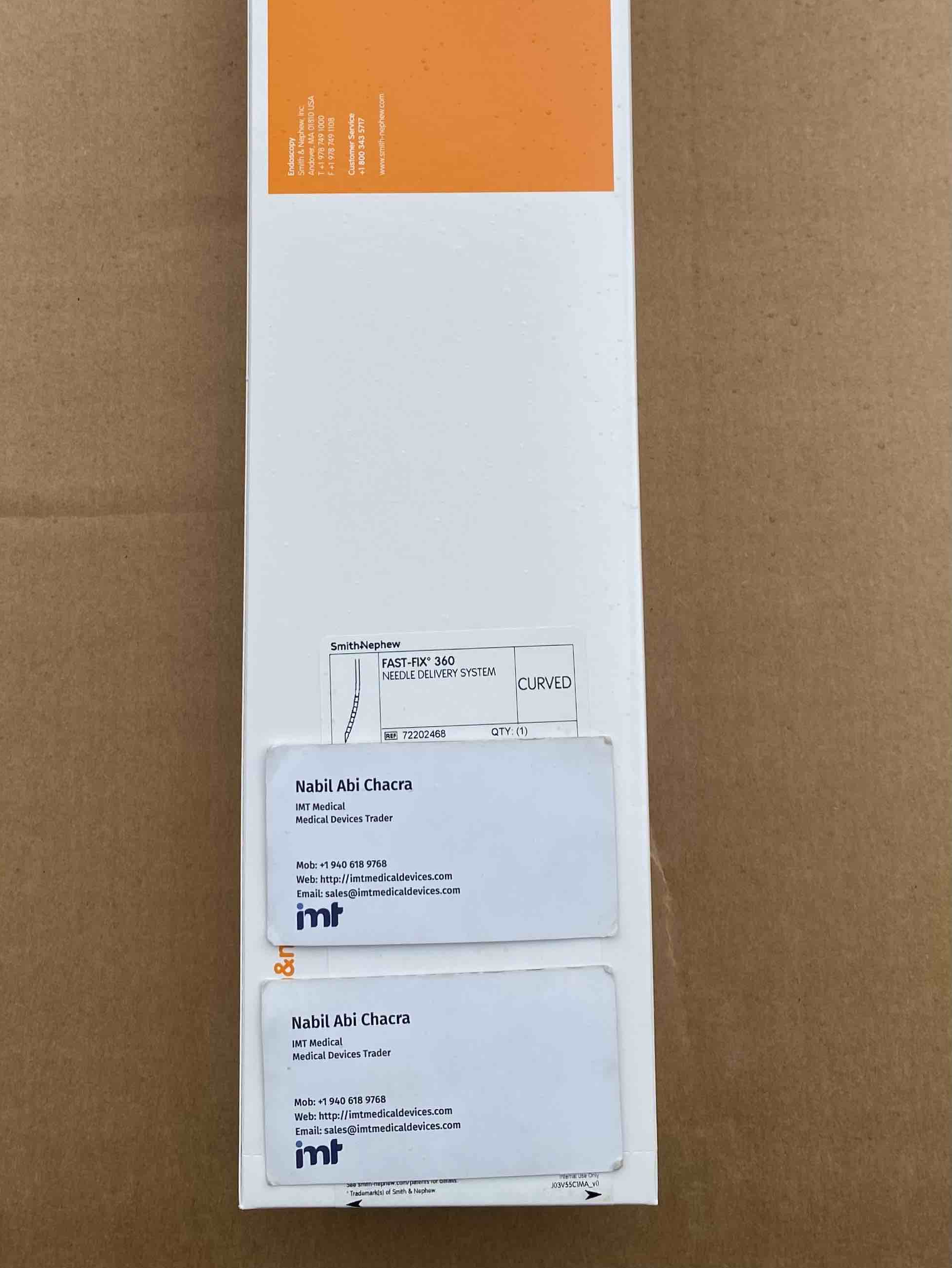
In aspiration catheter procurement, recognized manufacturers matter for more than reputation. They affect physician confidence, internal approval pathways, and the predictability of device performance. Hospitals, cath labs, and distributors often prefer to purchase branded devices because the clinical teams already know the platform and do not want variation introduced through uncertain equivalents.
For that reason, an effective sourcing workflow starts with exact nomenclature. Ask for the complete product reference rather than a shorthand internal label. If the request says only “aspiration catheter,” procurement still has several unanswered questions. If the request includes a branded product name and manufacturer code, the search becomes much cleaner.
This is also where experienced wholesale suppliers add value. A supplier handling a broad portfolio across interventional cardiology, peripheral intervention, and neurovascular categories can often cross-check adjacent device compatibility more efficiently than a general trading company. That matters when the purchase is tied to a specific procedural setup rather than a standalone reorder.
Verify application, not just availability
A supplier may confirm stock, but availability alone is not enough. Buyers should verify that the offered aspiration catheter matches the intended clinical application and the internal purchasing requirement. This sounds obvious, but in international procurement, confusion often happens when similar product names or family variants are involved.
A practical review includes checking whether the offered item is intended for coronary, peripheral, or neurovascular use, whether the size and length are correct, and whether packaging and labeling correspond to the approved market version. If a supplier offers an alternative market configuration, the buyer needs to know that before the PO is issued, not after shipment is prepared.
There is also a trade-off here. If a clinically preferred SKU is temporarily constrained, procurement may need to decide between waiting for that exact item or evaluating an approved alternative. That decision should be driven by the clinical team and internal policy, not by vague supplier reassurance.
Questions that help reduce errors
Before confirming a quote, procurement teams should be able to answer a few basic questions clearly. Is the aspiration catheter tied to a named physician preference or standard protocol? Is the manufacturer mandatory, or are approved alternatives acceptable? Is the request linked to a broader tray or procedure pack where compatibility matters? Are there import or registration constraints in the destination country?
Those questions are simple, but they prevent expensive misunderstandings.
Check authenticity and supply chain credibility
In branded medical device procurement, authenticity is a purchasing requirement, not a marketing claim. Buyers should expect a supplier to demonstrate familiarity with exact branded lines, maintain clear product identification, and support traceable documentation where required. Packaging condition, lot traceability, expiration dating, and storage handling are all part of this review.
This is especially relevant when sourcing across borders. International buyers are often balancing price, urgency, and trust at the same time. The lowest quote is not always the lowest-risk option if product provenance is unclear or export execution is weak.
A credible supplier should be comfortable discussing brand availability, lead times, unit configuration, and shipment terms in specific language. If responses stay vague around manufacturer identity, reference numbers, or documentation, that is usually a signal to slow the process down.
Regulatory and export checks matter early
Many procurement delays happen because regulatory questions are handled too late. For buyers sourcing internationally, the product itself may be correct while the shipment still stalls because the destination country requires specific commercial documents, registration details, or import coordination.
This is where buyers should separate domestic-style stock confirmation from export-ready sourcing. A supplier with actual international fulfillment capability should be able to address packaging documentation, invoice accuracy, HS coding alignment where relevant, and shipment coordination in a way that fits professional import workflows.
It also helps to confirm the destination market requirements before finalizing the order. Some countries have importer obligations, product registration rules, or customs handling nuances that can affect branded medical devices differently than standard commodity goods. The earlier those variables are identified, the less likely the order is to get delayed after payment or dispatch.
Why this matters for repeat purchasing
One successful shipment is useful. Repeatable export execution is more valuable. Procurement teams should evaluate whether the supplier can support recurring orders, not just one urgent request. If the aspiration catheter is used frequently, continuity planning becomes part of sourcing strategy.
That means asking about lead time patterns, batch availability, replenishment schedules, and whether the supplier can support multi-line procurement if related interventional products are needed in the same order.
Compare quotes on total procurement value
Professional buyers rarely choose based on unit price alone. When comparing aspiration catheter quotes, the real question is total procurement value. That includes brand accuracy, quantity availability, shipment readiness, document support, and the risk of substitution or backorder.
A slightly higher quote may still be the better commercial decision if it secures the exact branded SKU, cleaner export handling, and a shorter delivery window. On the other hand, if the application allows flexibility, a buyer may reasonably prioritize stock depth or consolidated purchasing efficiency.
There is no single rule here because urgency changes the weighting. A scheduled restock purchase and an urgent procedural requirement are not the same buying situation. Good sourcing decisions reflect that difference instead of forcing one purchasing standard onto every order.
Build a repeatable process for sourcing aspiration catheters
The most efficient buyers do not restart from zero every time. They create an internal sourcing structure that captures the exact product data, approved alternatives if any, preferred brands, documentation requirements, and supplier performance history. Over time, this reduces quote cycles and prevents specification drift.
For organizations buying across multiple interventional categories, consolidation also matters. A wholesale sourcing partner that can support aspiration catheters alongside guidewires, balloons, guiding catheters, closure devices, neurovascular products, or laboratory brands may reduce procurement workload and simplify vendor management. For international buyers, that efficiency can be just as important as price.
IMT Medical Devices operates in that procurement model, with a branded portfolio and export focus suited to hospitals, distributors, and specialized intervention buyers that need exact product identification rather than broad catalog language.
What strong sourcing looks like in practice
If you want a practical benchmark, strong sourcing usually has five traits. The product request is specific. The quote matches the exact brand and reference. The supplier can speak clearly about availability and lead time. Export or import documentation is handled early. And the purchase supports continuity instead of solving only the current shortage.
That approach is not complicated, but it is disciplined. In aspiration catheter procurement, discipline usually saves more time than speed alone.
The best buying outcomes come from treating aspiration catheters as a specification-driven interventional product, not a generic disposable. When the SKU is exact, the supplier is credible, and the export path is clear, procurement becomes much easier to defend internally and much easier to repeat when the next order is due.