Questions to Ask a Medical Device Exporter: A B2B Procurement Checklist for 2026
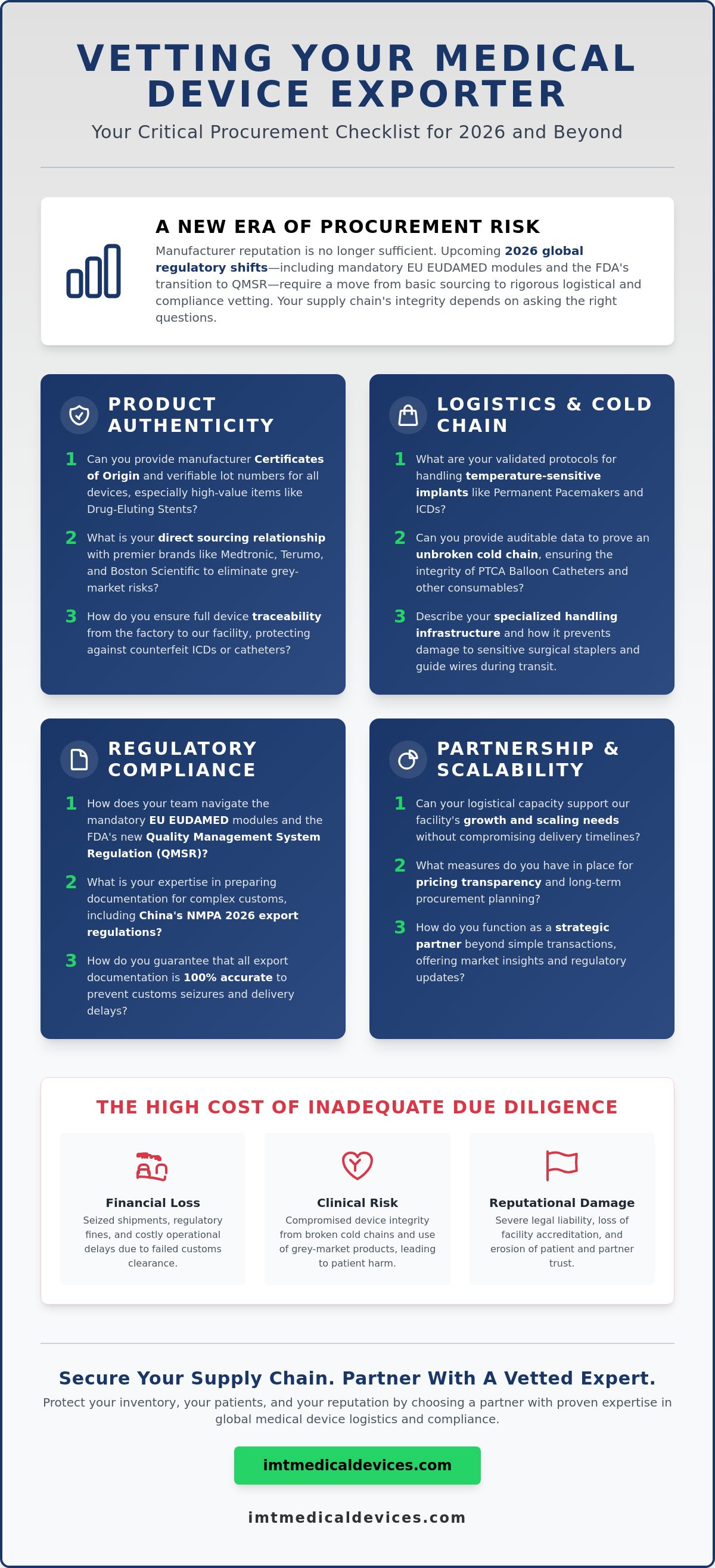
Relying on a manufacturer's reputation is no longer a sufficient risk mitigation strategy for international B2B procurement. While brands like Medtronic, Terumo, and Boston Scientific define clinical quality, the logistical bridge between the factory and your facility is where most high-value shipments fail. You recognize that securing authentic Drug-Eluting Stents or PTCA Balloon Catheters is critical, yet grey-market risks and documentation errors under the May 2026 China NMPA export regulations can halt your operations. Identifying the right questions to ask a medical device exporter is the only way to ensure technical authenticity and predictable delivery timelines.
This article provides a professional procurement checklist to vet your global partners effectively. You'll learn to navigate the mandatory EUDAMED modules and verify FDA QMSR compliance to protect your inventory's integrity. We examine the specific technical and logistical inquiries needed to secure a reliable flow of surgical staplers, ICDs, and diagnostic guide wires in the current regulatory landscape. This guide ensures your supply of high-end clinical technology remains secure and compliant through 2026.
Key Takeaways
- Understand how 2026 global regulatory shifts require a transition from basic product sourcing to rigorous logistical vetting.
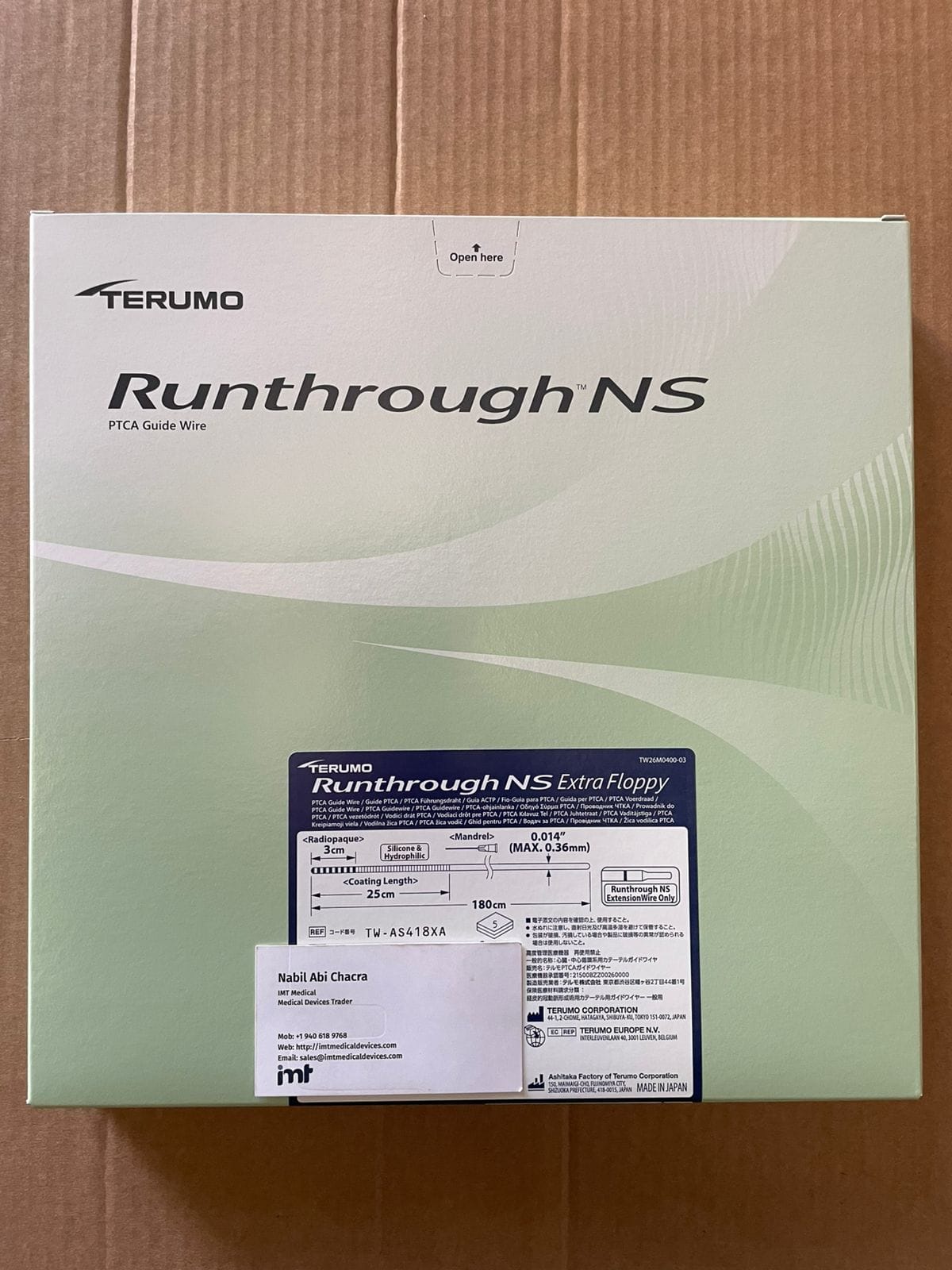
- Identify critical questions to ask a medical device exporter to verify the authenticity of hardware from manufacturers like Medtronic and Terumo.
- Evaluate specialized handling protocols and cold chain infrastructure for sensitive implants including permanent pacemakers and ICDs.
- Mitigate customs risks by confirming exporter expertise in documentation for complex items such as surgical staplers and PTCA balloon catheters.
- Assess the logistical capacity and pricing transparency necessary for scaling supply chains within high-capacity medical facilities.
The Strategic Importance of Vetting Medical Device Exporters in 2026
A medical device exporter functions as the essential logistical bridge between global manufacturers and regional healthcare providers. In 2026, procurement professionals must move beyond simple price comparisons. The implementation of the EU EUDAMED mandatory modules as of May 28, 2026, and the FDA's transition to Quality Management System Regulation (QMSR) have fundamentally altered the compliance landscape. These regulatory shifts mean that identifying the right questions to ask a medical device exporter is no longer a clerical task; it's a core risk-mitigation strategy.
A strategic export partner does more than facilitate a transaction. They ensure that high-stakes inventory, such as Drug-Eluting Stents or Permanent Pacemakers, maintains its clinical integrity from the point of origin to the final delivery. Tactical vendors often lack the technical infrastructure to handle the evolving global medical device classifications and the specific documentation required for seamless customs clearance. Inadequate vetting leads to seized shipments, regulatory fines, and critical gaps in patient care.
Defining the Exporter’s Role in the Supply Chain
Distinguishing between a manufacturer, a distributor, and an exporter is vital for procurement accuracy. While manufacturers like Medtronic, Terumo, and Boston Scientific produce the hardware, the exporter manages the international transit, compliance documentation, and storage protocols. An experienced exporter maintains a direct line to these brands, ensuring that products like Peripheral Stents and Electrophysiology Catheters are authentic and not grey-market substitutes. Their value-add lies in navigating complex international trade laws, such as China's National Medical Products Administration (NMPA) 2026 export certificate regulations, ensuring that technical specifications match the intended market's requirements.
The Risks of Inadequate Exporter Due Diligence
Failure to conduct rigorous due diligence introduces significant operational hazards. Financial loss occurs through customs delays and seized cargo when documentation fails to meet 2026 standards. Clinical risks are even more severe. Improperly stored medical consumables, such as PTCA Balloon Catheters or Surgical Staplers, can lose structural integrity if the cold chain is compromised. Using unverified or grey-market devices also exposes facilities to reputational damage and legal liability. When considering questions to ask a medical device exporter, the focus must remain on their ability to provide transparent, verifiable data for every item in their inventory, from Diagnostic Guide Wires to Implantable Cardioverter Defibrillators (ICDs).
Questions Regarding Product Authenticity and Manufacturer Sourcing
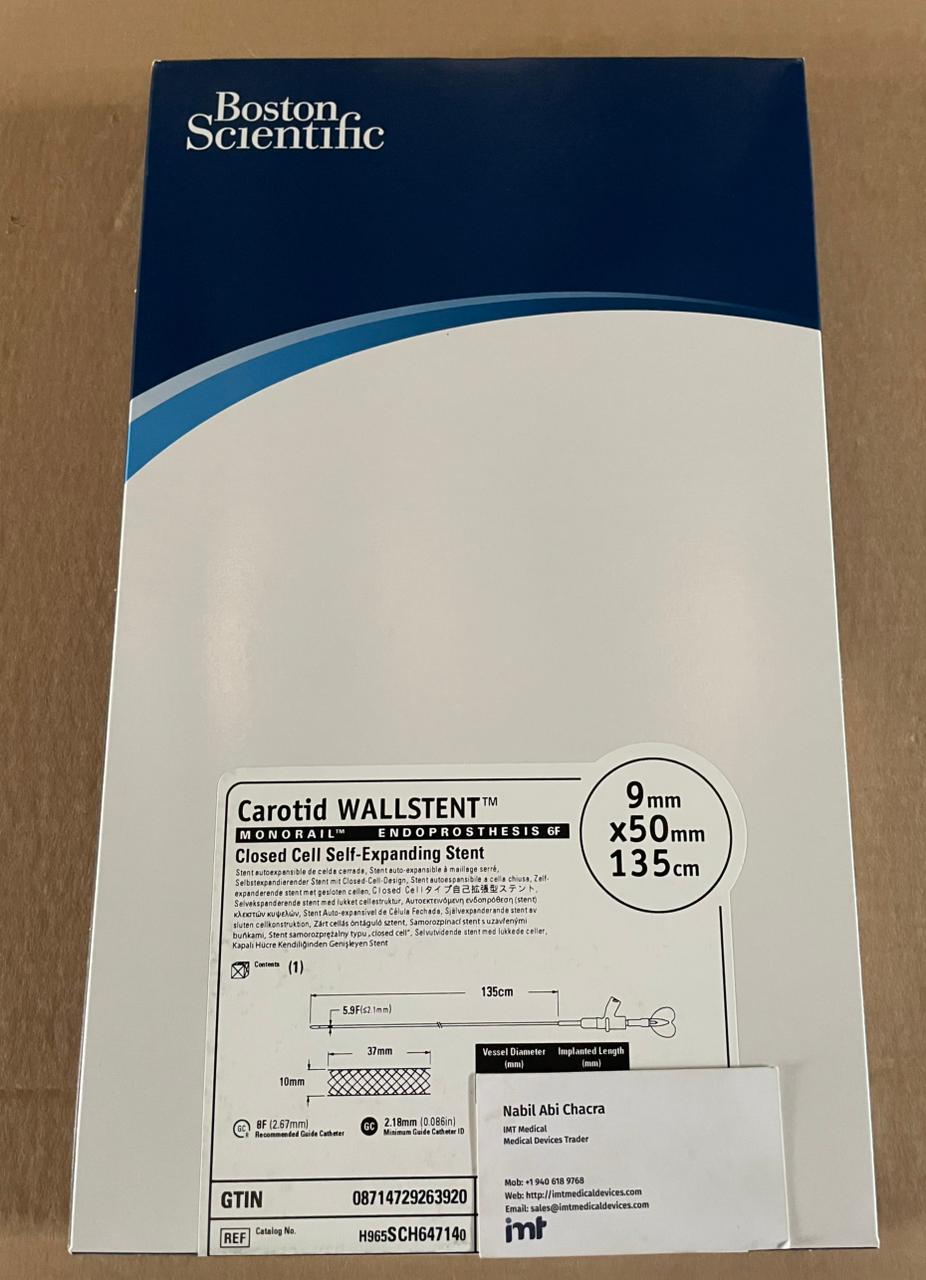
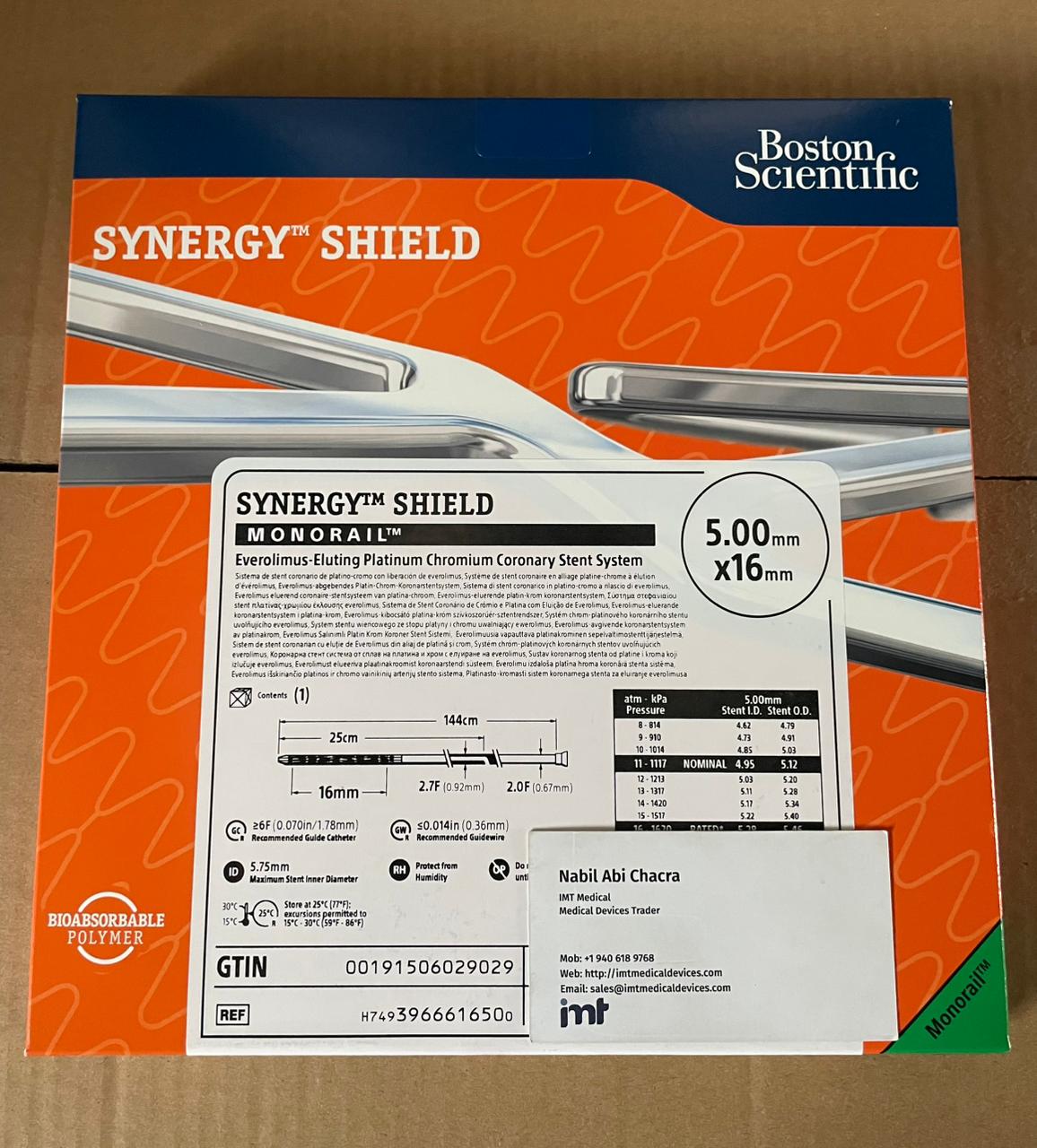
Direct manufacturer sourcing remains the only reliable method for securing clinical-grade hardware in a globalized market. Secondary markets often introduce counterfeit or grey-market risks that jeopardize patient safety and facility accreditation. When formulating questions to ask a medical device exporter, prioritize the verification of their supply chain hierarchy. A reliable partner provides manufacturer-specific certificates of origin for every lot, confirming that items like Drug-Eluting Stents or Implantable Cardioverter Defibrillators (ICDs) haven't been diverted through unauthorized channels. Compliance with FDA export requirements is a mandatory baseline, yet strategic procurement requires deeper transparency regarding the exporter's relationship with brands such as Terumo, Medtronic, and Boston Scientific.
Confirming the exporter's standing with these manufacturers ensures that you receive authentic technology with full warranty support. Facilities seeking a secure supply of authentic medical technology should demand full documentation before finalizing any bulk purchase. This level of scrutiny prevents the integration of compromised devices into your clinical inventory, protecting both the patient and the institution's reputation.
Verifying Brand Authenticity and Traceability
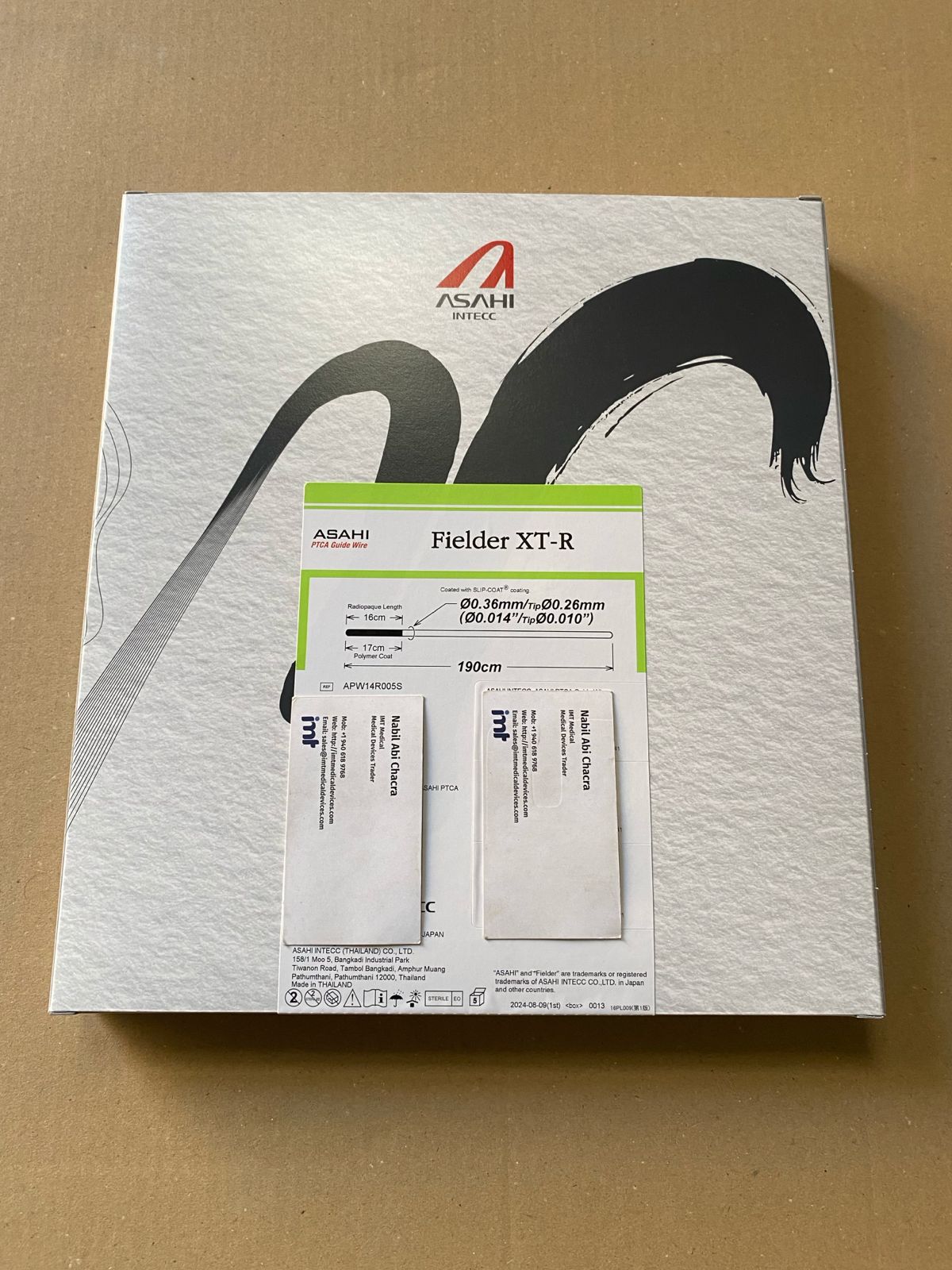
Procurement teams must request lot numbers and manufacturer-validated tracking data before authorizing bulk procurement. This data allows for the verification of the device's history through official manufacturer portals. Traceability in the context of international stent distribution is the documented capacity to track a specific lot number from the original manufacturer's sterile facility to the point of clinical use. Demand to see the exporter's records for previous shipments of Asahi Intec products or Diagnostic Guide Wires to establish a pattern of authentic sourcing.
Managing Inventory Freshness and Expiry
Inventory management for items like PTCA Balloon Catheters and Surgical Staplers requires strict adherence to FIFO (First-In, First-Out) protocols within the exporter's warehouse. Ask for specific shelf-life guarantees; international shipments typically require a minimum of 12 to 18 months of remaining validity upon port arrival to account for local distribution timelines. Furthermore, inquire about the exporter's recall management system. A professional partner maintains a digital registry of all distributed lot numbers, allowing for the immediate notification and isolation of items like Electrophysiology Catheters or Guiding Catheters if the original manufacturer issues a safety alert.
- Does the exporter provide manufacturer-specific certificates of origin for every lot?
- What is the minimum shelf-life guarantee for catheters and stents upon arrival?
- How does the exporter verify the authenticity of high-stakes devices like Drug-Eluting Stents?
- What protocols are in place to handle product recalls issued by the original manufacturer?
Evaluating Logistical Infrastructure and Cold Chain Management
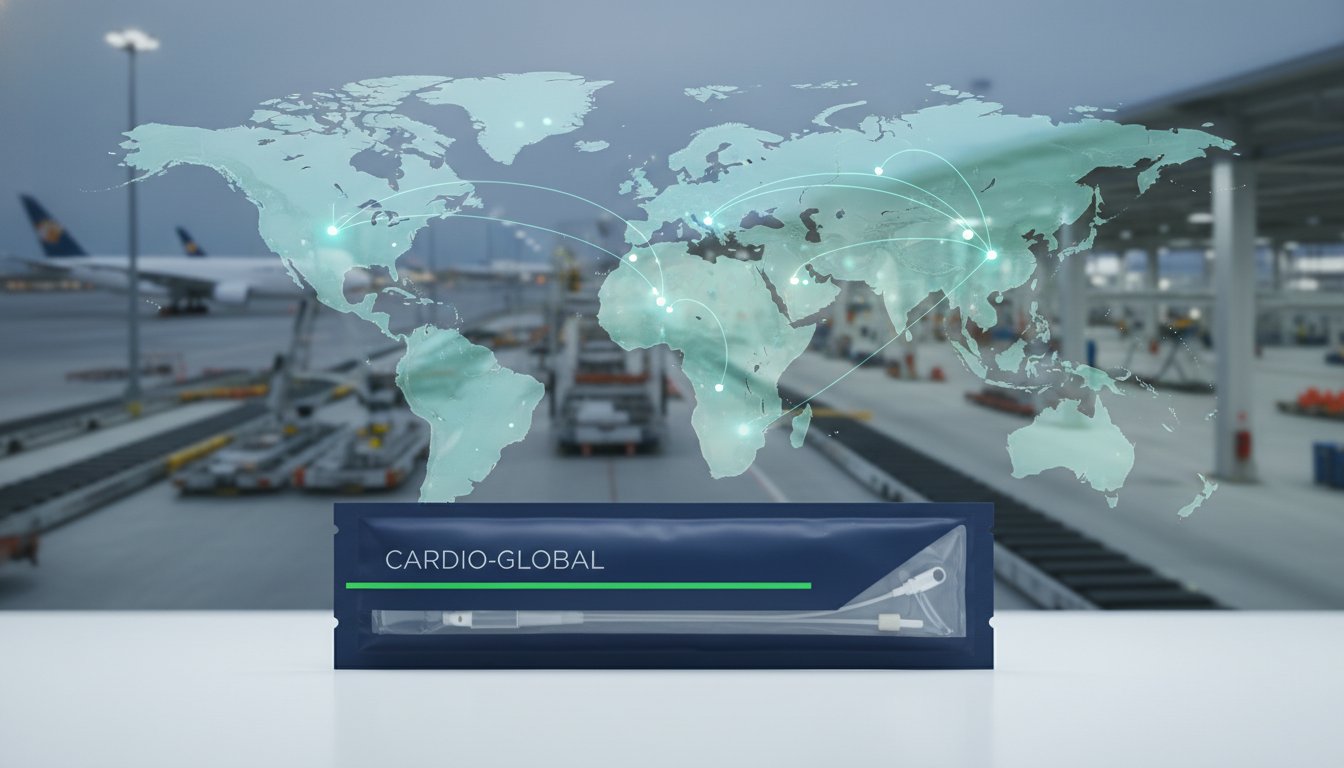
Transit-related degradation remains a primary cause of device failure in high-stakes clinical interventions. While manufacturer authenticity is the baseline, the physical handling of hardware during international transit determines final product utility. Procurement professionals must scrutinize the exporter's logistical infrastructure to prevent the loss of clinical integrity. Identifying the technical questions to ask a medical device exporter regarding their physical storage and shipping protocols is essential for securing sensitive inventory. Verification of FDA Export Certificates for Medical Devices confirms regulatory status, yet it doesn't guarantee that a shipment of Permanent Pacemakers hasn't experienced extreme temperature fluctuations during air freight.
Cold Chain and Sensitive Device Handling
Climate-controlled warehousing is mandatory for maintaining the specialized polymers on Drug-Eluting Stents and the electronic components within Implantable Cardioverter Defibrillators (ICDs). Inquire about the exporter's specific temperature monitoring systems for both air and sea freight. Reliable partners utilize active data loggers to provide a continuous temperature record from the warehouse to your facility. You should demand verification of specialized insulated packaging for temperature-sensitive items from brands like Medtronic or Boston Scientific. Review the exporter's warehouse climate control certifications to ensure they meet global standards for medical hardware storage. Any gap in the cold chain can compromise the efficacy of drug coatings or the battery life of active implants.
Shipping Reliability and Transit Protection
Fragile items such as Diagnostic Guide Wires and Electrophysiology Catheters require specialized structural packaging to prevent kinking or lumen compromise during long-haul transit. Ask potential partners about their specific relationships with specialized medical couriers who understand the urgency and fragility of clinical hardware. Effective medical device distribution depends on managing the "last mile" to ensure the device reaches its destination in sterile, usable condition. Inquire about redundancy measures for global shipping delays or sudden route changes. A professional exporter maintains multiple carrier contracts to bypass port congestion or geopolitical disruptions, ensuring a predictable supply of Surgical Staplers, PTCA Balloon Catheters, and Asahi Intec products.
- What active temperature monitoring systems are utilized for ICD and stent shipments?
- How does the exporter protect Diagnostic Guide Wires from structural damage during freight?
- Which specialized medical couriers are authorized for your regional deliveries?
- What redundancy protocols exist to mitigate global shipping delays or route diversions?
The technical handling of Terumo products or Guiding Catheters must be as rigorous as the manufacturing process itself. When evaluating questions to ask a medical device exporter, focus on their ability to provide verifiable data for every transit leg. This logistical transparency differentiates a standard wholesaler from a strategic supply chain partner capable of maintaining clinical standards across international borders.
Assessing Regulatory Compliance and Export Documentation Expertise
Administrative errors in documentation cause more supply chain disruptions than manufacturing defects. In the 2026 regulatory environment, customs authorities demand absolute data synchronization between physical shipments and digital registries. Procurement professionals must prioritize questions to ask a medical device exporter that probe their technical understanding of international trade law. Failure to align with the FDA's Quality Management System Regulation (QMSR), which became effective February 2, 2026, or the EU’s EUDAMED mandatory modules, results in immediate shipment rejection. Your partner must demonstrate a proactive approach to these evolving standards to ensure a secure flow of high-end clinical brands.
Navigating International Customs and Compliance
Complex cardiology hardware, such as permanent pacemakers and ICDs, requires precise Harmonized System (HS) codes for tariff accuracy and regulatory safety. Misclassification leads to legal scrutiny and financial penalties. A competent exporter manages the preparation of the Commercial Invoice, Packing List, and Certificate of Origin with clinical precision. They must navigate the discontinuation of the FDA’s CDRH Export Certificate Validation (CECV) database, which occurred on January 2, 2026, and utilize the current FECV system for authenticating electronic certificates. Inquire about their specific experience with the customs protocols for Surgical Staplers and PTCA Balloon Catheters in your target jurisdiction.
Certifications Beyond Manufacturing
While ISO 13485:2016 is a manufacturing standard, its adoption by distributors signals a commitment to global quality harmonization. Verify that your exporter adheres to WHO Good Distribution Practice (GDP) to maintain the integrity of Asahi Intec products and Diagnostic Guide Wires. This certification confirms that the exporter's internal processes prevent the entry of counterfeit devices into the legitimate supply chain. Request evidence of valid international trading permits and export licenses as part of your standard due diligence. To secure your facility's inventory, partner with a compliant medical device exporter capable of managing complex global documentation.
- Does the exporter utilize the FURLS Export Certificate Validator (FECV) for all electronic documentation?
- Can they provide proof of WHO GDP compliance for warehouse and transit operations?
- How does the partner manage the mandatory EUDAMED Actor Registration for EU-bound shipments?
- What is the process for updating HS codes in response to regional regulatory changes?
Compliance is a dynamic requirement. A strategic partner monitors the "Regulations on Management of Export Sales Certificates for Medical Devices" issued by the NMPA in China on May 1, 2026, and adjusts their documentation suite accordingly. This level of regulatory expertise ensures that your supply of Terumo, Medtronic, and Boston Scientific products remains uninterrupted by administrative bottlenecks. Precise documentation isn't a formality; it's the final verification of a device's clinical and legal readiness for use.
Establishing a Long-Term Strategic Procurement Partnership
Operational stability in a clinical setting requires a shift from transactional purchasing to strategic partnership. While the technical questions to ask a medical device exporter often begin with compliance and logistics, the final evaluation must focus on long-term compatibility and supply reliability. A strategic partner acts as a vital bridge between high-end manufacturers and regional markets, ensuring that inventory remains available despite global market fluctuations. Evaluating an exporter's capacity to scale and their transparency regarding fee structures is essential for maintaining a predictable procurement budget through 2026 and beyond.
Scalability and Supply Continuity
Procurement professionals should inquire about volume-based tiers and manufacturer-specific contract rates to ensure cost-efficiency as facility requirements grow. An exporter with multiple regional offices in locations like Georgia, Dubai, and Poland provides superior supply continuity and localized logistical support. This geographic breadth allows for rapid redirection of inventory, such as ptca balloon catheters or peripheral stents, if a specific trade route faces disruption. Confirming the exporter's direct access to Medtronic, Terumo, and Boston Scientific ensures that your facility isn't subject to the volatility of secondary market pricing or unauthorized supply chains.
Post-Sale Support and Dispute Resolution
Efficient dispute resolution is a hallmark of professional medical logistics. Ask potential partners about their specific process for handling discrepancies in bulk orders or shipments that arrive with compromised packaging. A reliable exporter provides technical data sheets for all inventory, including surgical staplers and diagnostic guide wires, as part of the standard delivery package. This transparency extends to the pricing structure, where logistics and documentation fees must be clearly defined to avoid hidden costs. For facilities seeking a secure and authoritative supply chain, you can contact IMT Medical Devices for a secure export consultation to discuss your specific clinical hardware requirements.
- What is the exporter's capacity for scaling supply as your clinical volume increases?
- How are logistics and documentation fees structured to ensure pricing transparency?
- What specific support protocols exist for shipments that arrive with discrepancies or damage?
- Does the exporter maintain regional offices to facilitate localized customs and transit support?
IMT Medical Devices functions as a high-capacity international distributor, providing a direct link to authentic clinical technology. By maintaining an exhaustive range of Medtronic and Boston Scientific products, we ensure that procurement professionals can secure the hardware they need without administrative delays. The right questions to ask a medical device exporter focus on these pillars of reliability, scale, and technical precision, ensuring your facility operates with a secure, compliant, and authentic inventory.
Securing Your Global Medical Supply Chain for 2026
Success in international B2B procurement requires a technical assessment of logistical and regulatory infrastructure. Effective supply chain management hinges on verifying manufacturer-direct sourcing for items like Drug-Eluting Stents and Permanent Pacemakers. It's essential that your partner maintains climate-controlled environments and adheres to the latest FDA and EU MDR documentation standards. Utilizing the right questions to ask a medical device exporter allows you to mitigate the risks of grey-market products and customs delays before they impact clinical operations.
IMT Medical Devices operates as a high-capacity bridge between prestigious manufacturers and global healthcare facilities. We facilitate distribution to over 50 countries through strategic offices in Georgia, Dubai, Turkey, and Poland. Our inventory features authentic technology from Medtronic, Boston Scientific, and Abbott, ensuring clinical integrity across every border. To secure your facility's inventory with predictable delivery timelines, request a quote for authentic medical device exports today. Your procurement strategy deserves a partner that prioritizes logistical precision and technical authenticity.
Frequently Asked Questions
What is the most critical document to ask for from a medical device exporter?
The Certificate of Origin and the Export Sales Certificate are the most critical documents for verifying a shipment's legal and clinical status. In 2026, ensure the exporter utilizes the FDA Unified Registration and Listing Systems (FURLS) for electronic certificate authentication. These documents confirm that products like Surgical Staplers or PTCA Balloon Catheters meet the regulatory standards of the producing country and are authorized for international trade.
How can I verify that the stents I am buying are authentic and not grey-market?
Verify authenticity by requesting lot numbers and manufacturer-validated tracking data before authorizing any bulk purchase. Authentic Drug-Eluting Stents from Medtronic or Boston Scientific include specific identifying codes that can be cross-referenced with manufacturer registries. This process is one of the essential questions to ask a medical device exporter to eliminate the risk of acquiring grey-market or diverted inventory that lacks original warranty support.
Do medical device exporters need to be FDA registered if they are outside the US?
International establishments must register with the FDA if they manufacture, prepare, propagate, compound, or process devices imported into the United States. For the fiscal year 2026, the annual establishment registration fee is $11,423. Even for exporters operating outside the US, registration signals a commitment to global quality management systems and facilitates the trade of US-origin hardware like ICDs or pacemakers.
What is 'Cold Chain' and why does it matter for cardiovascular implants?
Cold Chain refers to a temperature-controlled supply chain required to maintain the structural and chemical integrity of medical devices. Cardiovascular implants like ICDs and drug-coated stents require strict climate monitoring to prevent battery degradation or coating instability. A reliable exporter uses active data loggers to provide a continuous temperature record throughout the transit process, ensuring the device remains within manufacturer-specified limits.
How do I evaluate the financial stability of an international wholesaler?
Evaluate an international wholesaler by reviewing their trade references and the breadth of their regional office network. A distributor with established hubs in Georgia, Dubai, and Poland demonstrates the logistical infrastructure necessary for high-capacity global trade. Longevity in the market and a direct portfolio featuring Asahi Intec or Terumo products serve as primary indicators of commercial reliability and operational scale.
What happens if my medical device shipment is delayed at customs?
Customs delays often stem from documentation discrepancies or incorrect Harmonized System (HS) codes. If a shipment is held, the exporter must provide immediate administrative support by issuing corrected Commercial Invoices or Packing Lists. In 2026, compliance with the mandatory EUDAMED modules and the NMPA's two-tiered certification system is the most effective way to prevent these bottlenecks for global shipments.
Can an exporter provide technical support for the devices they sell?
Exporters provide technical data sheets and manufacturer-issued instructions for use (IFU) for all inventory, such as Electrophysiology Catheters or Guiding Catheters. While they facilitate the transmission of technical specifications, clinical training and specialized device programming are typically handled by the original manufacturer's field representatives. The exporter ensures that all technical identifiers and codes match your facility’s specific requirements.
Why is WHO GDP certification important for a medical device distributor?
WHO Good Distribution Practice (GDP) certification is vital because it establishes a standardized quality system for the storage and transport of medical hardware. It's a key part of the questions to ask a medical device exporter to ensure they have protocols to prevent the entry of counterfeit devices into the legitimate supply chain. This certification confirms that the distributor maintains the sterile integrity of Diagnostic Guide Wires and other sensitive consumables during every logistical phase.