
Managing Risk in Medical Device Procurement: A 2026 Strategic Framework
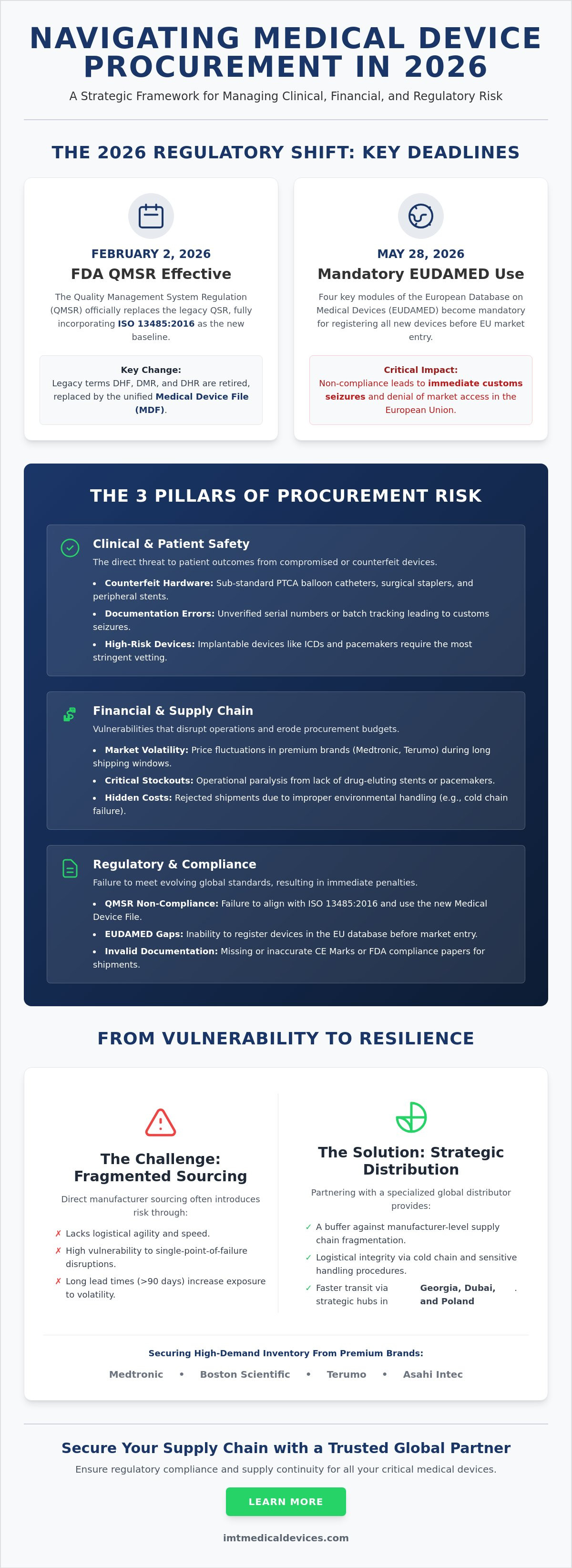
As of February 2, 2026, the FDA's transition to the Quality Management System Regulation (QMSR) has officially retired legacy DHF and DMR terminology in favor of the unified Medical Device File. For procurement professionals, this shift, combined with mandatory EUDAMED registration starting May 28, 2026, creates a high-stakes environment where regulatory non-compliance leads to immediate customs seizures. Managing risk in medical device procurement now requires technical alignment with ISO 13485:2016 and a precision-focused approach to global logistics.
It's understood that fragmented supply chains and the threat of sub-standard inventory, such as counterfeit PTCA balloon catheters or surgical staplers, represent unacceptable clinical risks. This guide provides a strategic framework to identify and mitigate these vulnerabilities within your global sourcing operations. You'll review a standardized vetting process for premium manufacturers like Medtronic, Boston Scientific, and Asahi Intec to guarantee supply chain continuity and ensure every shipment arrives with full regulatory documentation.
Key Takeaways
- Categorize procurement risks into clinical, financial, and regulatory frameworks to prevent stockouts of critical hardware like permanent pacemakers and ICDs.
- Implement rigid verification protocols for CE Marks and FDA compliance under the 2026 QMSR to ensure documentation accuracy for every international shipment.
- Strengthen operational resilience by managing risk in medical device procurement through strategic wholesale partnerships that provide a buffer against manufacturer-level supply chain fragmentation.
- Maintain logistical integrity for drug-eluting stents and sensitive electrophysiology catheters via specialized cold chain and environmental handling procedures.
- Leverage a global distribution network with strategic hubs in Georgia and Dubai to secure high-demand inventory from premium brands like Medtronic, Terumo, and Boston Scientific.
Identifying Critical Risks in Global Medical Device Procurement
Effective Medical Equipment Management requires a multi-dimensional risk assessment. Professionals categorize these threats into three distinct pillars: clinical, financial, and regulatory. Unlike models focusing solely on patient harm, a strategic framework accounts for the commercial and logistical variables that disrupt hospital operations. Fragmentation in global supply chains often results in critical inventory gaps, particularly for high-turnover items like drug-eluting stents and permanent pacemakers. These disruptions compromise the ability to maintain surgical schedules and emergency response capabilities.
Product obsolescence is a recurring challenge in fast-evolving sectors like DES technology. Manufacturers frequently update technical specifications, rendering older inventories clinically secondary or non-compliant with new standards. Managing risk in medical device procurement involves balancing these rapid innovation cycles with long-lead-time procurement schedules. Procurement cycles exceeding 90 days create exposure to market volatility and technical shifts. This necessitates a documentation-heavy approach to inventory control and a focus on recent production batches from premium brands like Medtronic and Boston Scientific.
Clinical and Patient Safety Risks
Sub-standard or counterfeit hardware in interventional cardiology poses immediate clinical threats. Procurement teams must prioritize manufacturer-verified serial numbers and rigorous batch tracking to ensure device authenticity. High-risk implantable devices, including ICDs and peripheral stents, require more stringent vetting than external monitors or diagnostic guide wires. A single documentation error or unverified source can lead to customs seizures. Worse, it can lead to patient complications during catheterization procedures. Reliable sourcing from authorized global distributors minimizes these clinical vulnerabilities by providing a direct link to original manufacturer data.
Financial and Supply Chain Vulnerabilities
Market volatility directly impacts the pricing of premium brands such as Medtronic, Terumo, and Boston Scientific. Sudden price fluctuations or currency shifts can erode procurement budgets during extended shipping windows. Stockouts of essential items like ptca balloon catheters cause immediate operational paralysis in cardiac labs. These interruptions often stem from logistical mismanagement rather than manufacturing shortages. With nearly 70% of U.S. health organizations planning to adopt cloud-based supply chain management by 2026 (GHX, 2025), the shift toward digital oversight is accelerating.
Hidden costs are frequently tied to improper environmental handling. Temperature fluctuations, humidity, and vibration during transit compromise the integrity of sensitive hardware. Managing risk in medical device procurement requires a focus on these logistical details to avoid the financial loss associated with rejected shipments. Direct manufacturer sourcing often lacks the logistical agility provided by specialized global exporters with established hubs in Georgia, Dubai, and Poland. These strategic locations allow for faster transit times and reduced exposure to port delays.
Regulatory Compliance and Technical Documentation Standards
Managing risk in medical device procurement in 2026 centers on the FDA's Quality Management System Regulation (QMSR). This framework, effective as of February 2, 2026, replaces the legacy Quality System Regulation (QSR) and formally incorporates ISO 13485:2016. For global distributors, ISO 13485 is no longer just a preference; it's the baseline for industrial competence. Procurement officers must verify that every partner maintains a consolidated Medical Device File (MDF). This term has officially replaced the retired DHF, DMR, and DHR designations. Compliance teams should also note the FDA's shift to CP 7382.850, a risk-based, lifecycle-focused inspection program that moves beyond subsystem checklists to holistic evaluation.
Starting May 28, 2026, the mandatory use of four key EUDAMED modules becomes the standard for the European market. Manufacturers and importers must register all new devices in this database before market entry. This digitalization ensures transparency but increases the documentation burden on procurement professionals. Every international shipment must include a standardized set of technical records:
- Certificate of Origin (COO): Confirms the manufacturing location for tax and trade compliance.
- Certificate of Analysis (COA): Provides technical data on batch-specific testing.
- Certificate of Conformance (COC): Validates that the hardware meets specific international standards.
- Technical Data Sheets: Outlining manufacturer specifications and identifying codes.
Verifying Manufacturer Authenticity
Standardized verification for Medtronic, Terumo, and Abbott products relies on Unique Device Identification (UDI). UDIs allow for real-time tracking from the manufacturer floor to the hospital loading dock. This granularity is essential for mitigating the risk of sub-standard hardware entering the inventory. Audit trails must be transparent and digitally accessible. High-capacity distributors utilize these codes to provide a vital bridge between major manufacturers and international markets, ensuring that every stent or catheter is authentic and traceable.
Export Controls and Customs Compliance
Managing specialized handling requirements for sensitive permanent pacemakers is a core component of managing risk in medical device procurement. Documentation required for rapid customs clearance involves more than just a commercial invoice. It requires technical data sheets and compliance certificates that match the specific requirements of the destination country. Paperwork errors are the primary cause of shipment seizures. Effective IMT Medical Devices logistics protocols prioritize the alignment of technical codes with regional regulatory variations in the EU, Middle East, and Asia. This no-nonsense approach to paperwork accuracy prevents costly delays and ensures supply chain continuity.
Evaluating Supplier Reliability: Manufacturers vs. Specialized Distributors
Direct manufacturer sourcing creates a linear supply chain but often lacks the flexibility needed for high-volume, diverse inventory management. In contrast, specialized wholesale distribution models serve as a consolidation hub. They offer a multi-brand approach that mitigates the risk of single-source failure. Managing risk in medical device procurement is streamlined when a partner provides access to an exhaustive range of high-end manufacturers under one logistical roof. This model reduces the administrative burden of managing multiple direct contracts and harmonizes documentation standards across different product categories. It's a pragmatic choice for organizations requiring rapid scalability and varied technical specifications.
A distributor's reach and infrastructure are primary trust signals for procurement professionals. Global exporters with established routes to over 50 countries demonstrate the industrial competence required for complex medical device distribution. Local market knowledge in regions like the Middle East, Central Asia, and Eastern Europe ensures that regulatory nuances are managed before the shipment leaves the warehouse. This proactive approach prevents the customs delays mentioned in previous sections. By leveraging a distributor's existing logistical framework, hospitals can maintain consistent stock levels without the overhead of direct international negotiation.
Criteria for Vetting Wholesale Partners
Inventory depth across critical categories is a non-negotiable requirement for reliability. Procurement teams should assess a partner's immediate availability of technical hardware, such as guidewires, diagnostic catheters, and surgical staplers. A high-capacity partner maintains significant stock levels to buffer against manufacturer-level shortages. Reviewing a distributor’s export history is essential. Consistent delivery to 50+ countries indicates a robust logistical network. Financial stability and volume-based pricing structures also provide a predictable cost model for large-scale hospital tenders. It's vital to confirm that the partner operates through established hubs in Georgia, Dubai, and Poland to ensure transit speed.
Brand Reputation as a Risk Buffer
Sourcing established brands like Boston Scientific, Abbott, and Medtronic serves as an inherent clinical risk buffer. These manufacturers have proven track records in interventional cardiology and vascular surgery. Using generic alternatives in high-stakes procedures, such as the placement of permanent pacemakers or drug-eluting stents, introduces unnecessary clinical variables. Managing risk in medical device procurement involves prioritizing these prestigious manufacturers to ensure patient safety and device longevity. Authorized distribution channels also allow procurement teams to leverage original manufacturer warranties and technical support, providing a final layer of security for high-value hardware investments. This manufacturer-centric approach signals that the primary value lies in providing access to premium, authentic technology.
Logistical Risk Management: Cold Chain and Sensitive Handling
Logistical failure is a primary driver of financial loss in international trade. Environmental variables like temperature, humidity, and vibration compromise device integrity. Managing risk in medical device procurement requires strict adherence to cold chain protocols, particularly for drug-eluting stents. These devices contain pharmaceutical coatings that are sensitive to thermal fluctuations. Failure to maintain a stable environment results in immediate clinical rejection. Real-time tracking and IoT monitoring are now standard requirements for sensitive medical shipments. These systems provide visibility into the transit status of high-value hardware from prestigious brands like Medtronic and Terumo.
Packaging standards for international air and sea freight must exceed standard industrial requirements. Medical technology requires multi-layered insulation and shock-absorbent materials. Air freight is the preferred method for high-value items like ICDs and electrophysiology catheters due to shorter transit windows and reduced exposure to environmental extremes. Sea freight, while cost-effective for bulk surgical staplers, requires enhanced moisture control to prevent packaging degradation. Strategic hubs in Georgia and Dubai allow for rapid transshipment, minimizing the time products spend in uncontrolled environments.
Technical Handling of Cardiac Implantables
Cardiac implantables, specifically ICDs and permanent pacemakers, contain internal batteries with finite shelf lives. Temperature sensitivity during transit can accelerate battery depletion or circuit failure. Handling protocols for PTCA balloon catheters must prioritize the prevention of physical kinking or compression. Medical-grade warehousing SOPs include strict inventory rotation and climate-controlled storage zones. This industrial competence ensures that hardware arrives at the hospital in manufacturer-specified condition. Authorized distributors maintain these standards to protect the integrity of premium technology from Boston Scientific and Asahi Intec.
Insurance and Liability in International Trade
Clear definition of Incoterms 2020 is essential for risk mitigation. Terms like DAP (Delivered at Place) or CIP (Carriage and Insurance Paid to) define the exact moment risk transfers from the wholesaler to the buyer. Managing risk in medical device procurement involves securing comprehensive transit insurance for high-value cargo. Standard carrier liability is rarely sufficient for the replacement cost of premium medical hardware. Organizations should verify coverage limits before finalizing procurement contracts. This clarity prevents financial disputes and ensures rapid replacement of damaged inventory.
Secure your global supply chain with a partner that prioritizes logistical precision. Contact IMT Medical Devices for verified international logistics and authentic medical technology.
Strategic Sourcing with IMT Medical Devices: Global Reach and Reliability
IMT Medical Devices operates as a pragmatic, high-capacity international distributor. The entity functions as a vital bridge between prestigious global manufacturers and international markets. Managing risk in medical device procurement is optimized through a consolidated sourcing model that prioritizes product availability and logistical speed. Strategic offices in Georgia, Dubai, Turkey, and Poland serve as functional hubs for this expansive network. These locations facilitate rapid information retrieval and inventory movement, bypassing the supply chain fragmentation that often leads to stockouts in critical care environments.
Logistical reliability is a core badge of global competence. By leveraging established transshipment routes, the organization ensures that premium technology reaches its destination without the typical delays associated with direct manufacturer negotiation. The focus remains strictly on industrial competence and the efficient transmission of technical data. This approach allows procurement professionals to identify specific categories and manufacturer codes at a glance, ensuring that the clinical requirements of interventional cardiology and vascular surgery are met with precision.
Inventory Breadth and Availability
Product availability is maintained through significant inventory depth across essential categories. Bulk access is provided for high-demand hardware, including drug-eluting stents, ICDs, and surgical staplers. Diversified supply routes allow for a rapid response to global inventory shortages, ensuring that hospital operations remain uninterrupted. Technical specifications and manufacturer reputations are central to the procurement process. Inventory includes:
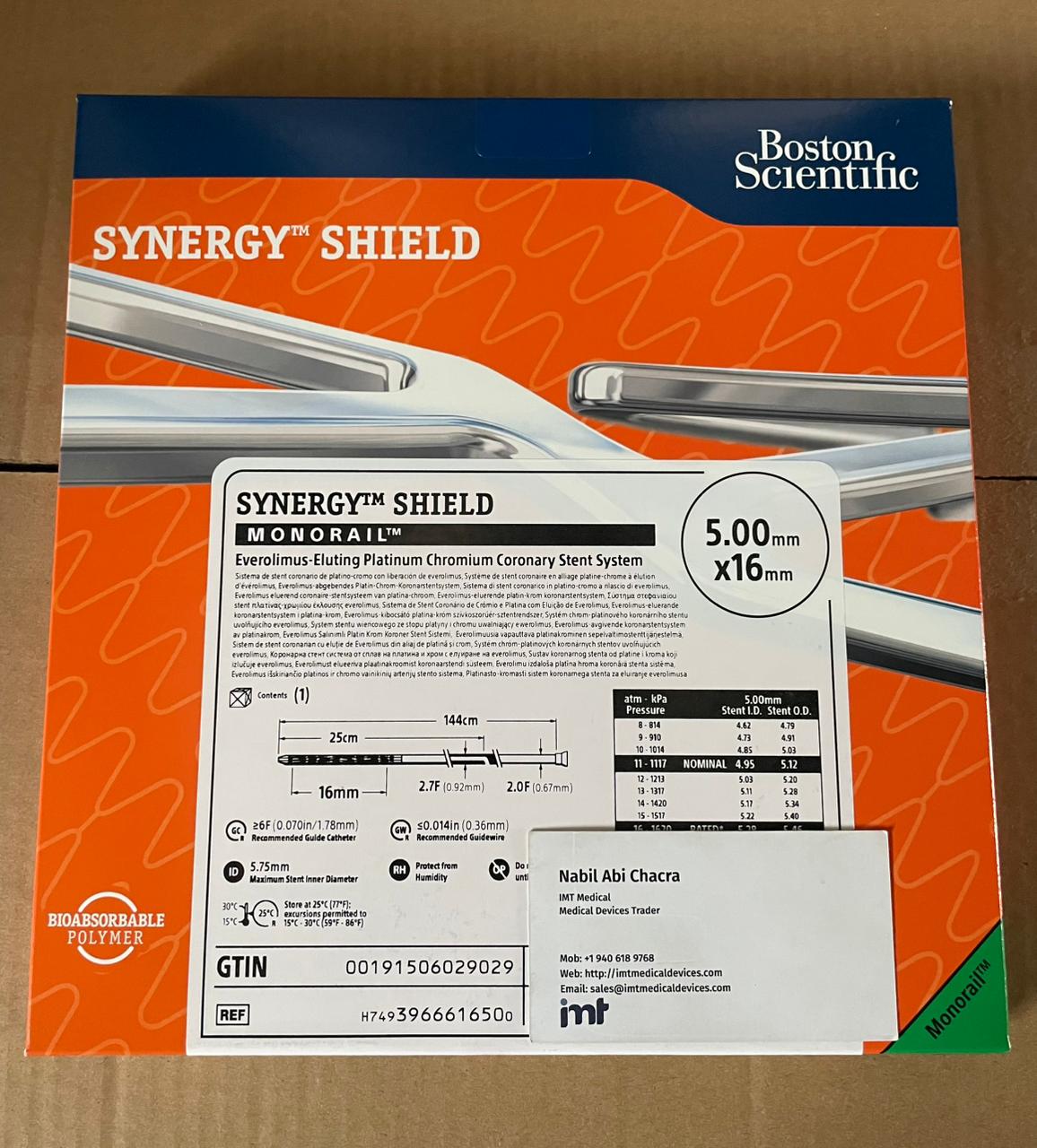
- Medtronic: Permanent Pacemakers, ICDs, and Drug-Eluting Stents.
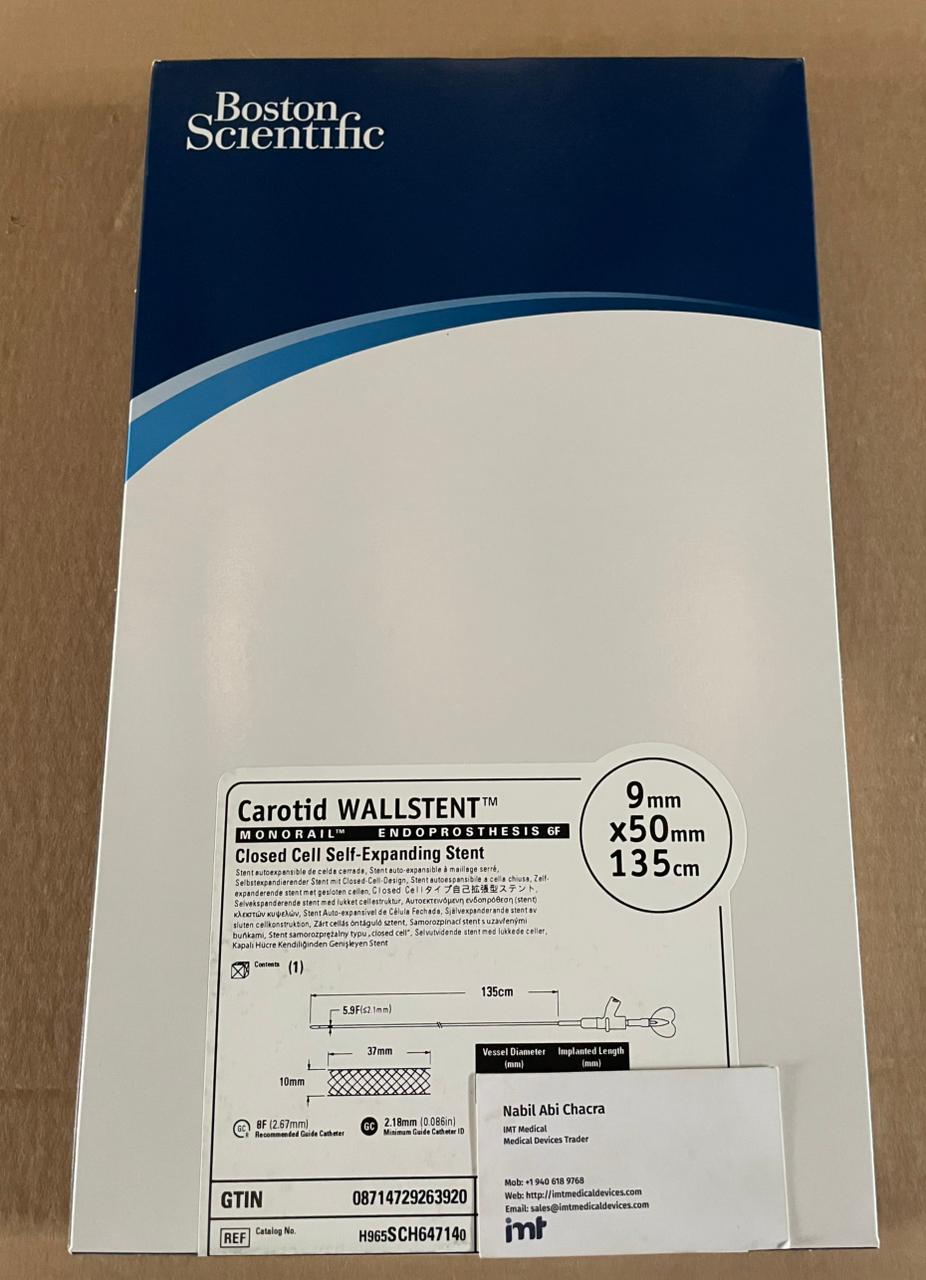
- Boston Scientific: PTCA Balloon Catheters and Peripheral Stents.
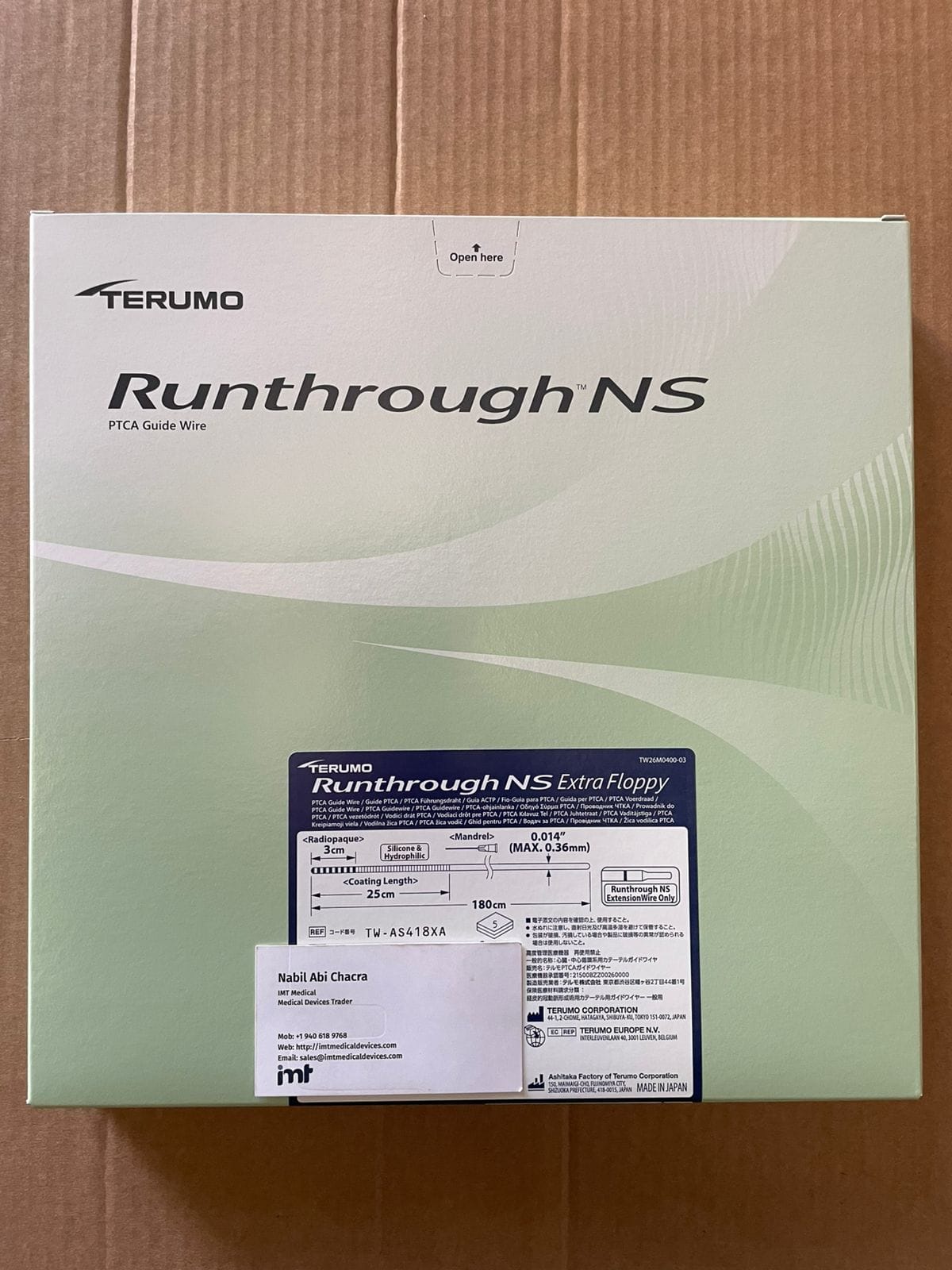
- Terumo: Diagnostic Guide Wires and Guiding Catheters.
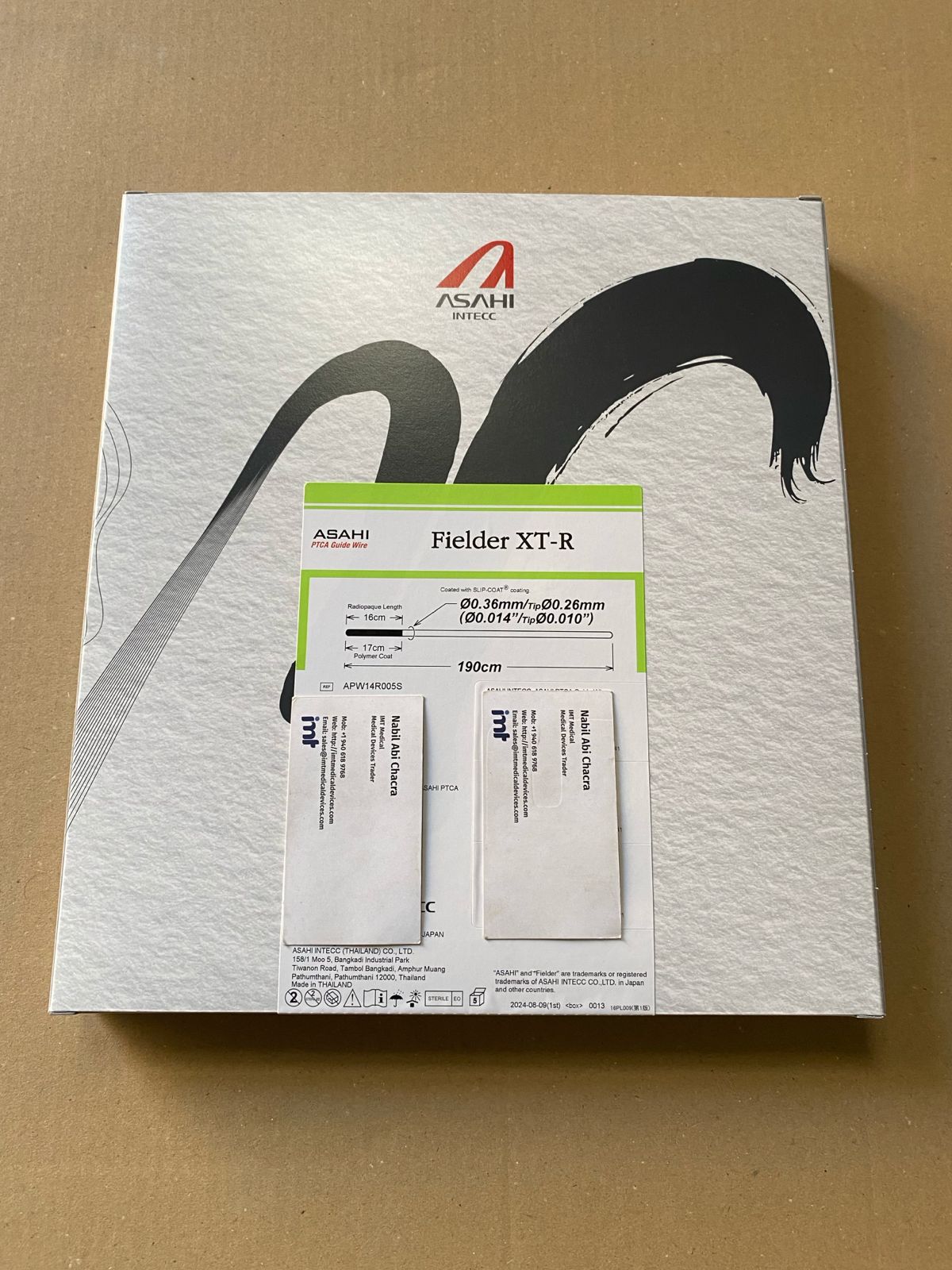
- Asahi Intec: Specialized Guidewires and technical intervention hardware.
Commitment to Regulatory Excellence
Managing risk in medical device procurement requires a rigid commitment to international compliance. Verified supply chains currently serve over 50 countries worldwide, providing a primary trust signal for global partners. Documentation standards are rigorous. Every shipment includes the necessary certificates of origin and conformance required for seamless customs entry. This no-nonsense approach to paperwork accuracy minimizes the risk of shipment seizures or regulatory non-compliance. It's a system designed for utility and speed, reflecting the urgent nature of the medical supply industry.
Secure your supply chain with a partner that values scale, reach, and technical authenticity. Contact IMT Medical Devices for a secure procurement consultation and access a global catalog of premium medical technology.
Strategic Resilience in Global Medical Technology Sourcing
The transition to the 2026 QMSR framework and the mandatory implementation of EUDAMED modules require a data-driven approach to supply chain oversight. Success in managing risk in medical device procurement depends on the integration of rigorous technical documentation with localized logistical expertise. Organizations must prioritize manufacturer-verified hardware from premium brands to eliminate clinical and regulatory vulnerabilities. This strategic shift from transactional sourcing to documentation-heavy partnerships ensures long-term operational continuity and protects hospital inventory from sub-standard hardware.
IMT Medical Devices provides this industrial competence through strategic offices in Georgia, UAE, Turkey, and Poland. With a proven record of exporting to 50+ countries, the entity ensures the rapid transshipment of authentic inventory from Medtronic, Boston Scientific, and Terumo. Maintaining high-capacity access to drug-eluting stents, pacemakers, and surgical staplers is essential for modern clinical environments. Establishing a multi-hub sourcing strategy remains the most effective path toward guaranteed continuity and patient safety. Secure your operations by partnering with a distributor that values scale, reach, and technical authenticity.
Secure your global medical supply chain with IMT Medical Devices
Frequently Asked Questions
What are the primary risks in medical device procurement for 2026?
The primary risks for 2026 include regulatory non-compliance under the new FDA Quality Management System Regulation (QMSR) and mandatory EUDAMED registration. These shifts, effective as of early 2026, increase the likelihood of customs seizures for shipments lacking a consolidated Medical Device File (MDF). Supply chain fragmentation also poses a threat to the availability of critical items like drug-eluting stents and permanent pacemakers. Procurement teams must account for these regulatory changes to avoid operational delays.
How does ISO 13485 certification reduce procurement risk?
ISO 13485 certification reduces risk by ensuring that a distributor's quality management system aligns with international clinical standards. It mandates rigorous control over product storage, batch tracking, and environmental monitoring. This alignment is now a prerequisite for managing risk in medical device procurement, as the FDA QMSR formally incorporates this standard. It guarantees that the distributor handles hardware like electrophysiology catheters with the same precision as the original producer.
Why is manufacturer-centric sourcing better than generic alternatives?
Manufacturer-centric sourcing prioritizes established brands like Medtronic, Terumo, and Boston Scientific to ensure clinical authenticity and device longevity. Generic alternatives often lack the extensive clinical data and manufacturer warranty support necessary for high-stakes cardiac interventions. Sourcing premium hardware reduces the risk of device failure in procedures involving ICDs or peripheral stents. This approach positions the procurement entity as a reliable provider of authentic clinical technology rather than unverified alternatives.
What documentation is required for international medical device export?
International medical device export requires a standardized documentation package including the Certificate of Origin (COO), Certificate of Analysis (COA), and Certificate of Conformance (COC). These records must be accompanied by technical data sheets that match the destination's regulatory requirements. Paperwork errors are the leading cause of international shipment delays. Accurate documentation ensures that high-value hardware, such as surgical staplers and guidewires, passes through customs without incident or seizure.
How do you manage the logistical risks of sensitive cardiac implants?
Managing logistical risks for cardiac implants involves strict temperature control and vibration monitoring during transit. Sensitive devices like permanent pacemakers contain internal batteries that degrade if exposed to environmental extremes. Real-time IoT tracking provides visibility into the shipment's status, allowing for immediate corrective action if a cold chain breach occurs. Using specialized air freight for these items minimizes the window of exposure to uncontrolled warehouse environments and ensures manufacturer-specified functionality.
What is the role of UDI in medical device risk management?
Unique Device Identification (UDI) serves as the primary tool for verifying product authenticity and managing recalls. These standardized codes allow procurement teams to track hardware from the manufacturer floor to the hospital loading dock. Using UDIs is a core component of managing risk in medical device procurement, as it prevents counterfeit or sub-standard items from entering the inventory. It ensures that every PTCA balloon catheter or diagnostic guide wire is fully traceable and authentic.
How can a global wholesaler improve supply chain resilience?
A global wholesaler improves resilience by providing a consolidated sourcing hub that buffers against manufacturer-specific shortages. By leveraging strategic offices in Georgia, Dubai, and Poland, a wholesaler can reroute inventory to avoid regional port delays or supply disruptions. This multi-brand model allows hospitals to source from Medtronic, Abbott, and Asahi Intec through a single, reliable logistical channel. It reduces the administrative complexity of managing fragmented international supply chains and guarantees product availability.
What are the common pitfalls in B2B medical equipment sourcing?
Common pitfalls include a lack of clarity regarding Incoterms 2020 and the procurement of inventory without verified batch tracking. Many organizations fail to account for the hidden costs of customs delays caused by incomplete paperwork. Relying on unverified suppliers for high-stakes items like ICDs or drug-eluting stents introduces unacceptable clinical variables. Successful sourcing requires a no-nonsense focus on manufacturer reputation and the distributor's history of international export to major global markets.