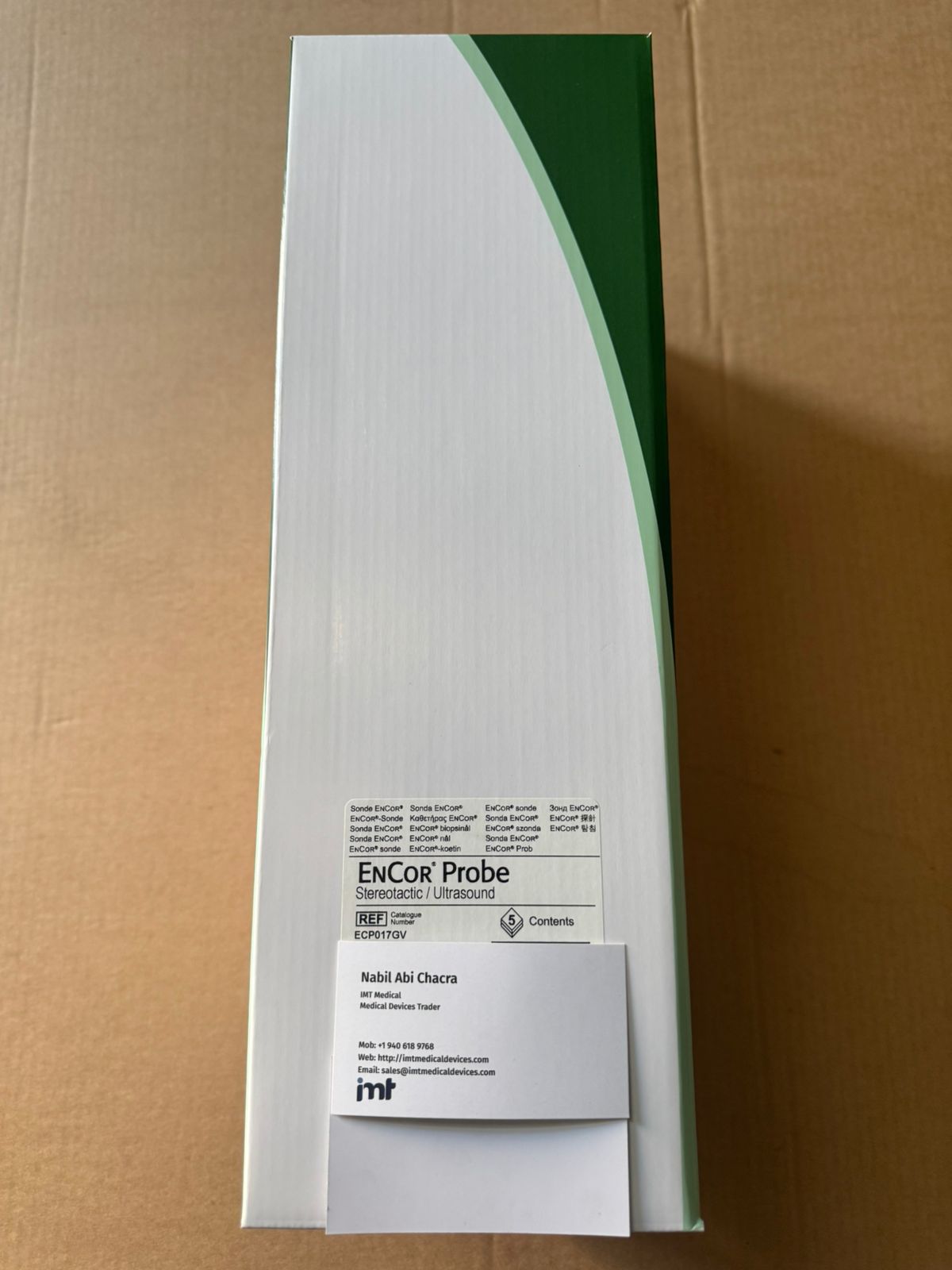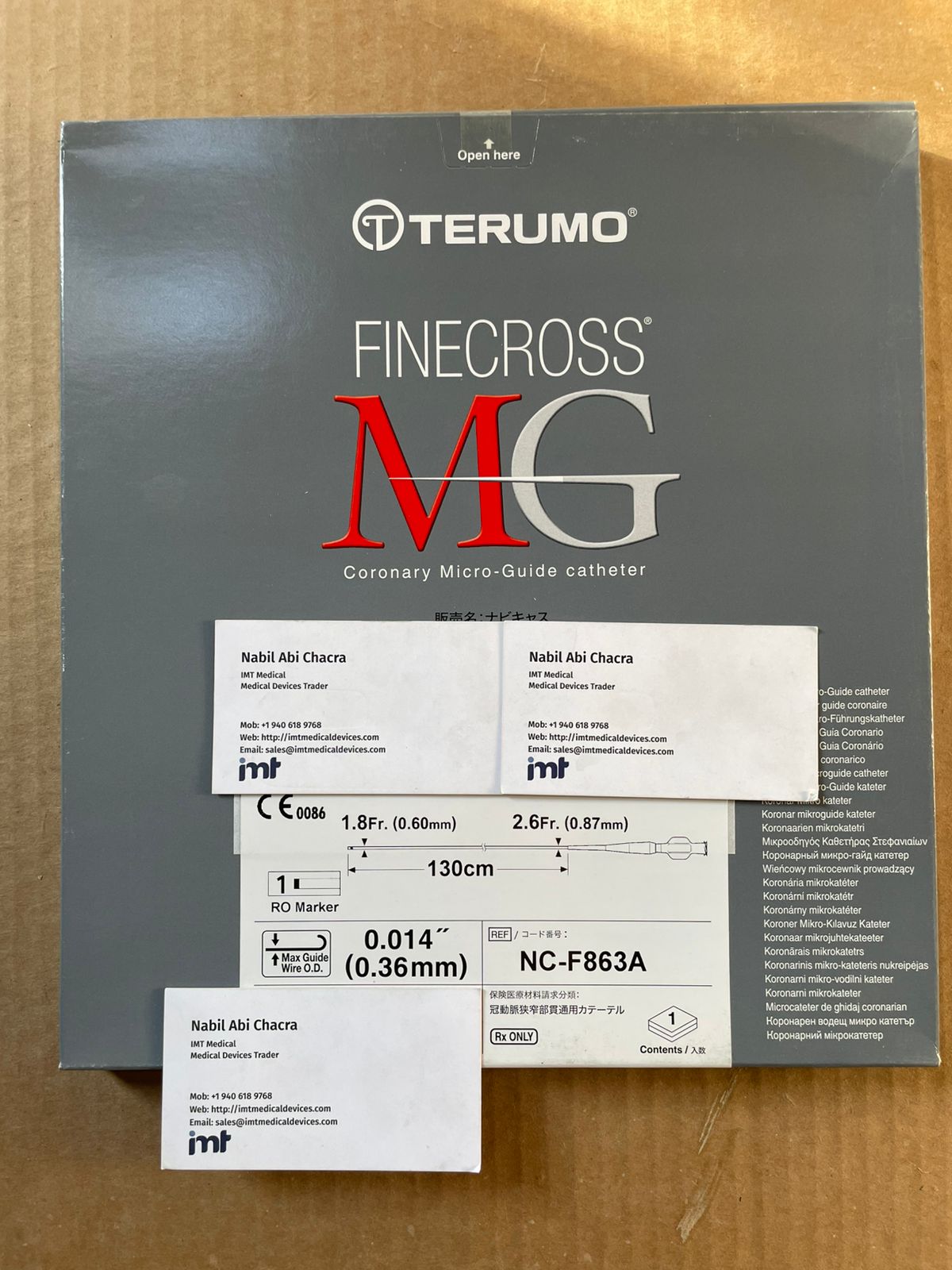

Medical Device Distribution in the MENA Region: 2026 Strategic Procurement Guide
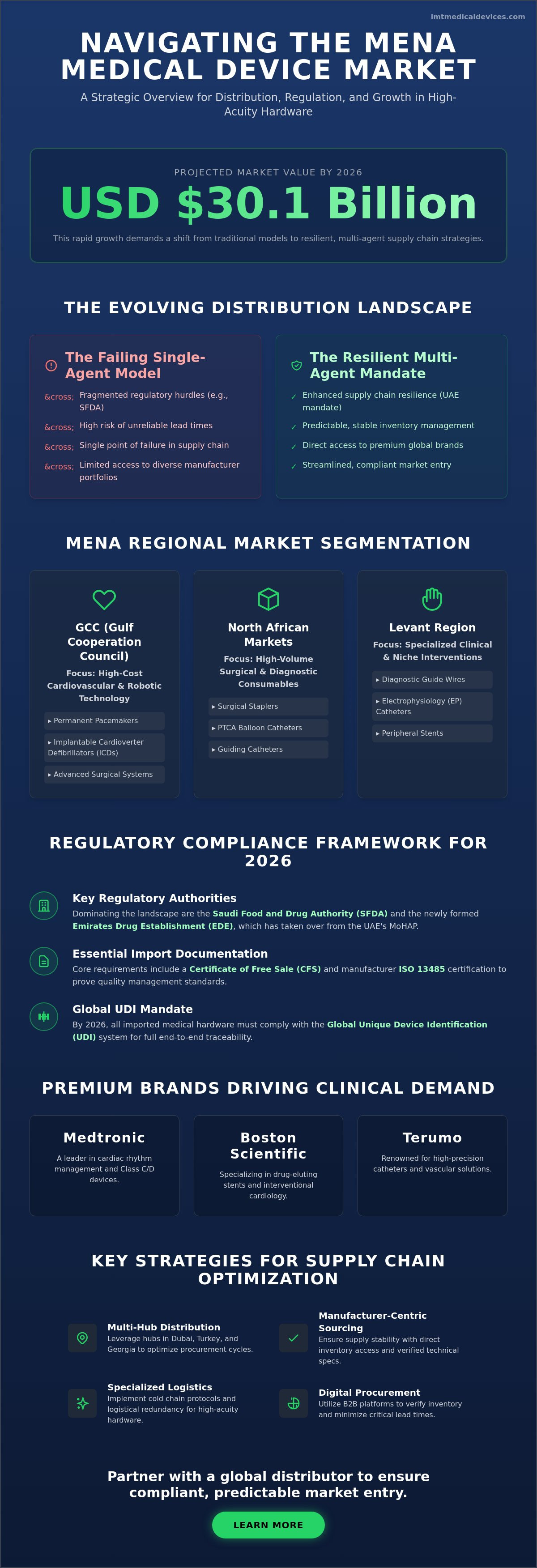
With the Middle East and Africa medical devices market projected to reach USD 30.1 billion in 2026, the traditional single-agent model is no longer a viable strategy for high-stakes clinical procurement. You've likely faced the friction of fragmented SFDA requirements or the risk of unreliable lead times for critical Drug-Eluting Stents and Permanent Pacemakers. It's a common challenge to manage technical compliance while ensuring a steady supply of authentic hardware from global manufacturers. This technical overview clarifies the evolving landscape of medical device distribution in the MENA region to help you maintain inventory stability.
This guide details the 2026 regulatory shifts, including the UAE's transition to the Emirates Drug Establishment (EDE) and the new multi-agent mandate. You'll find specific strategies for the procurement of Medtronic, Boston Scientific, and Terumo products, focusing on Class C and D device requirements and global UDI traceability. We'll outline the logistical protocols for importing PTCA Balloon Catheters, ICDs, and surgical staplers, providing a framework for streamlined, compliant market entry and predictable supply chain management.
Key Takeaways
- Identify essential documentation requirements for regional imports, including Certificates of Free Sale (CFS) and ISO 13485 standards required by SFDA and MoHAP.
- Implement specialized cold chain protocols and logistical redundancy to manage the high-acuity requirements of medical device distribution in the MENA region.
- Establish selection criteria for international partners based on direct inventory access to premium brands such as Medtronic, Boston Scientific, and Terumo.
- Optimize procurement cycles for cardiac rhythm management hardware and surgical staplers by leveraging multi-hub distribution strategies across Dubai, Turkey, and Georgia.
- Mitigate supply chain disruptions through manufacturer-centric sourcing and verified technical specifications for PTCA balloon catheters and drug-eluting stents.
The MENA MedTech Landscape: Market Growth and 2026 Projections
MENA medical device distribution involves the regulated movement of clinical hardware across 20+ diverse jurisdictions. Each market maintains distinct regulatory hurdles and specific logistical requirements. By 2026, the industry has pivoted toward high-acuity specialized care, particularly within Saudi Arabia and the UAE. This shift moves away from generic consumables toward high-tier technology from manufacturers like Medtronic, Boston Scientific, and Terumo. It's a transformation that prioritizes clinical outcomes over initial procurement costs.
The MENA MedTech Landscape is currently undergoing a structural overhaul driven by national healthcare initiatives. Saudi Arabia's Vision 2030 and the UAE's expanded healthcare mandates have accelerated the procurement of sophisticated medical technology. These initiatives focus on building comprehensive hospital networks and specialized cardiac centers. Consequently, medical device distribution in the MENA region has become a vital link for international manufacturers seeking access to these high-growth projects. The demand for authentic, premium-brand hardware now outweighs the preference for low-cost generic alternatives.
Regional Market Segmentation
- GCC (Gulf Cooperation Council): This sub-region leads in the adoption of high-cost cardiovascular and robotic technology. Procurement focuses on advanced hardware such as permanent pacemakers and implantable cardioverter defibrillators.
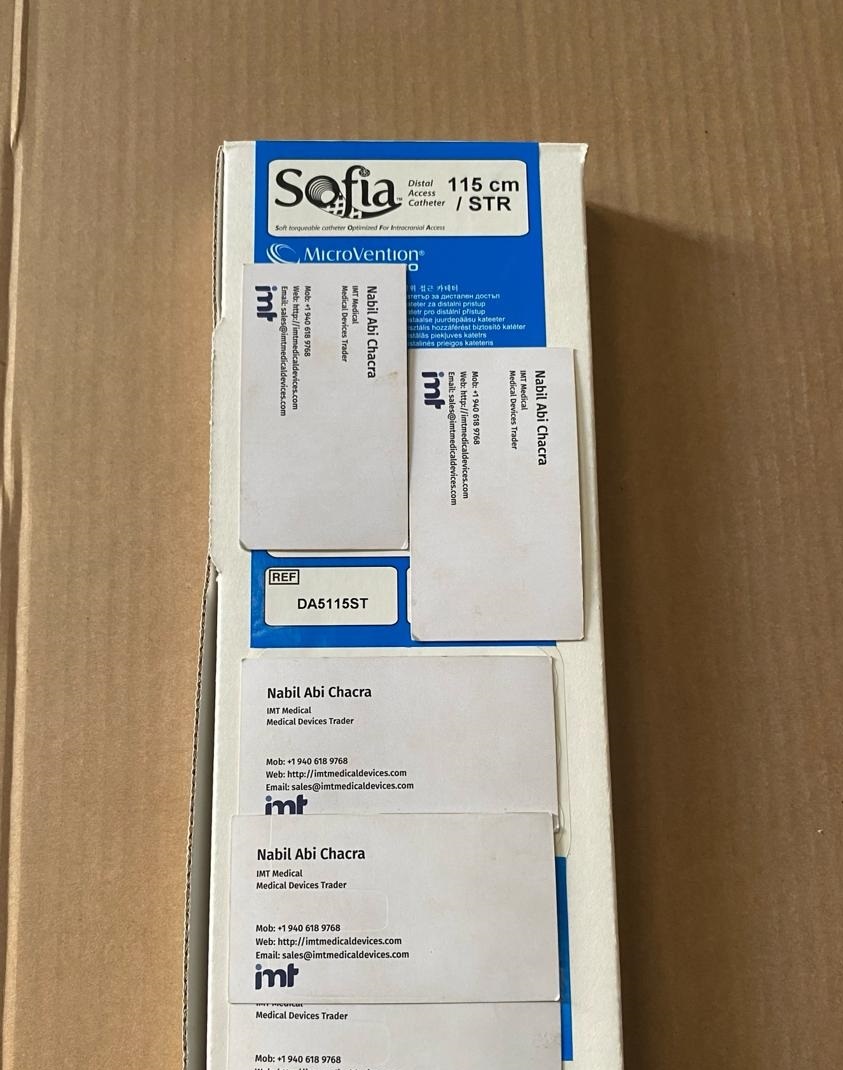
- North African markets: Demand remains high for surgical staplers and bulk diagnostic consumables. Logistics providers must manage high-volume shipments of PTCA balloon catheters and guiding catheters to meet public health needs.
- Levant region: These countries are developing into specialized clinical hubs. Distribution networks here prioritize diagnostic guide wires and electrophysiology catheters for niche medical interventions.
Drivers of Technology Adoption
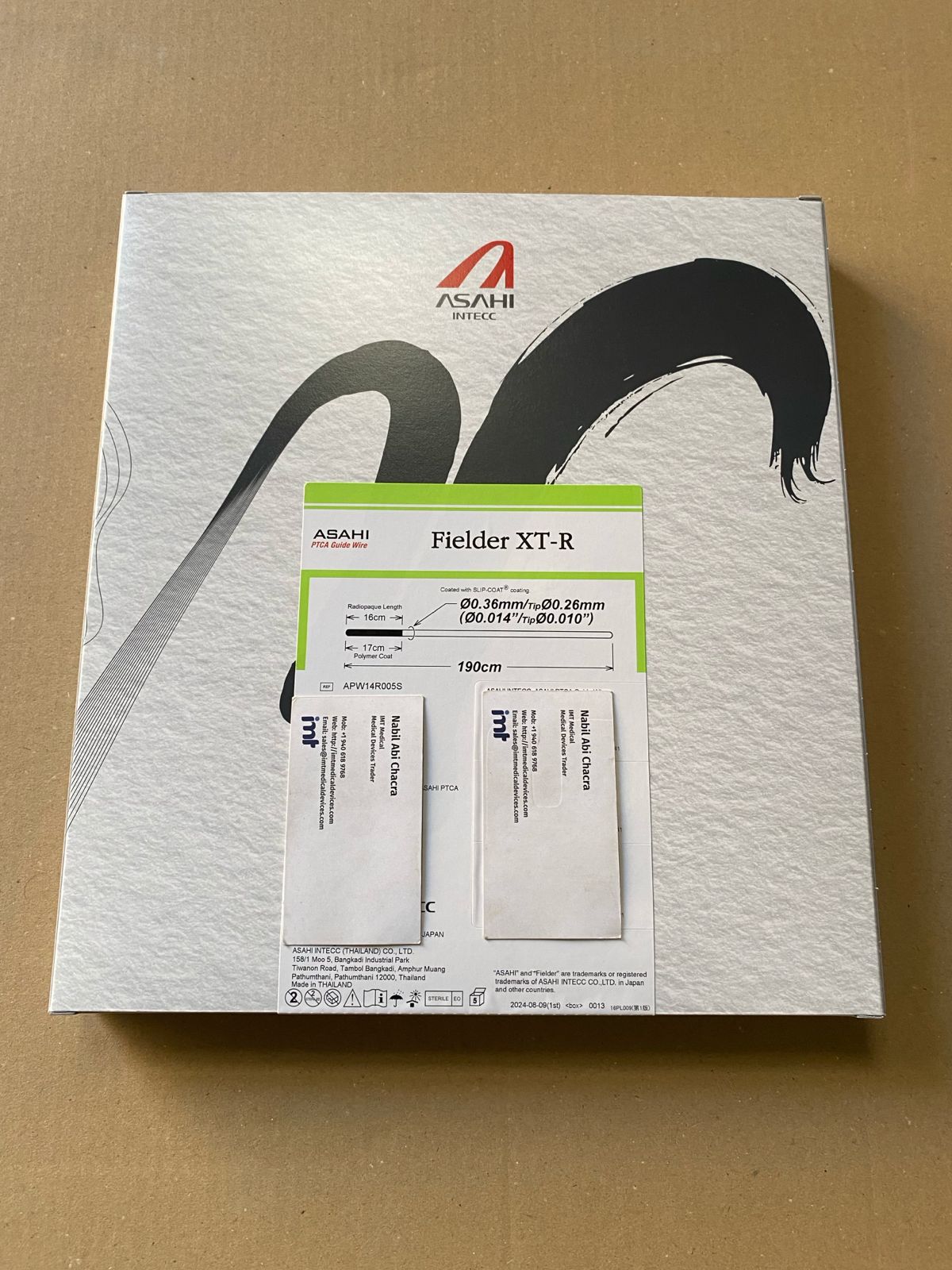
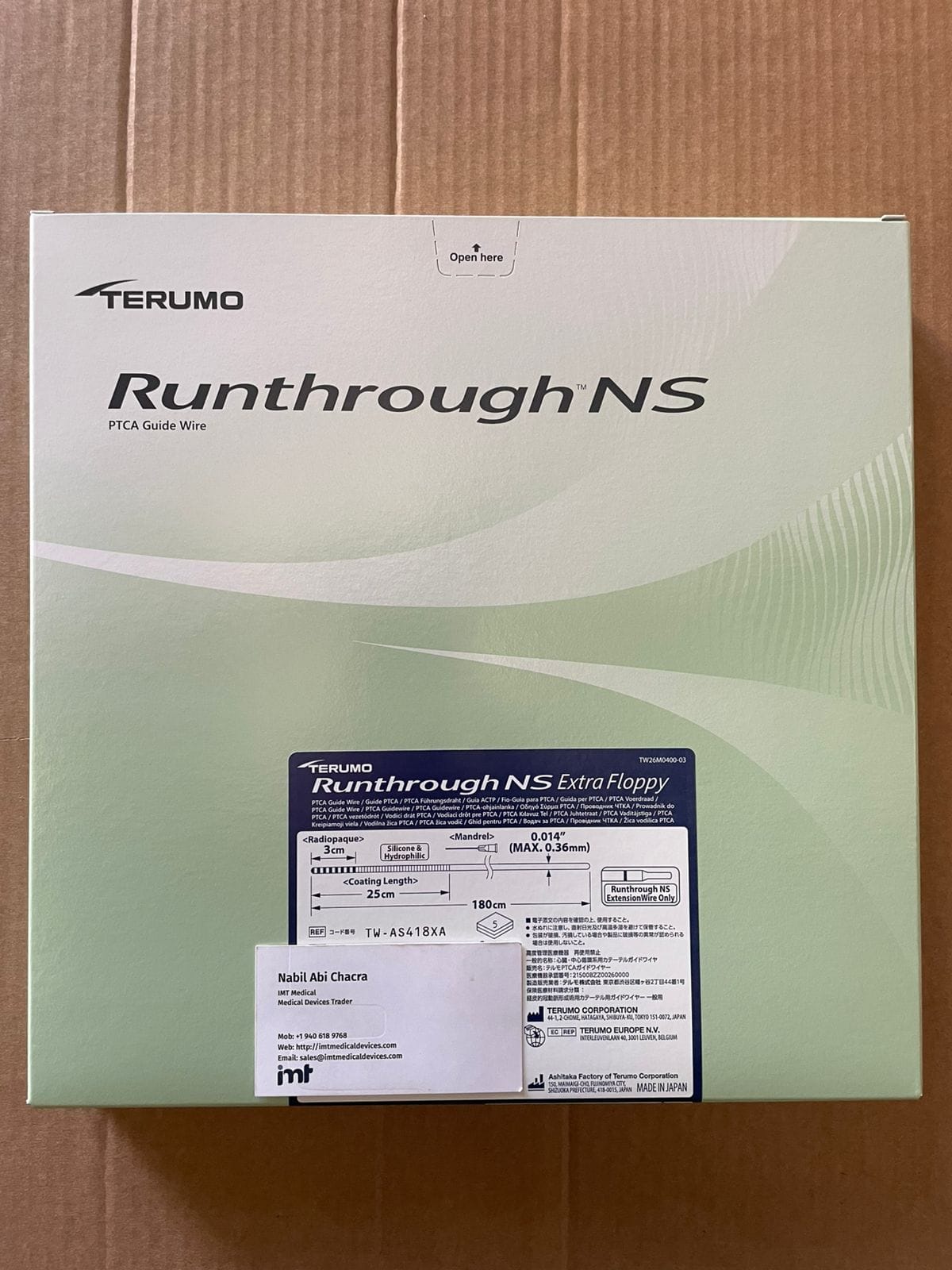
- Clinical Demand: The rising prevalence of chronic cardiovascular conditions necessitates a steady supply of drug-eluting stents. Asahi Intec and Terumo products are frequently specified for these complex procedures.
- Infrastructure Expansion: Massive hospital construction projects require immediate inventory of surgical staplers and peripheral stents. Modern facilities prioritize manufacturers with proven clinical outcomes and reliable technical support.
- Digital Procurement: The adoption of international B2B wholesale platforms has streamlined the supply chain. Procurement professionals now use digital feeds to verify inventory depth and technical specifications for high-end medical interventions. This digitalization ensures rapid information retrieval and minimizes lead times for critical clinical hardware.
Regulatory Compliance and Import Frameworks in MENA
Regulatory adherence is the primary barrier to medical device distribution in the MENA region. The landscape is dominated by the Saudi Food and Drug Authority (SFDA) and the newly established Emirates Drug Establishment (EDE), which has assumed regulatory functions from the UAE Ministry of Health and Prevention (MoHAP). Success requires strict alignment with Market Growth and 2026 Projections regarding compliance standards. By 2026, all imported hardware must comply with the Global UDI mandate for full traceability. Core documentation includes the Certificate of Free Sale (CFS) and ISO 13485 certification. In Turkey, the integration with EU MDR/IVDR regulations as of 2026 has standardized the technical requirements for European-sourced inventory.
Authorized Representatives (AR) act as the legal bridge for international manufacturers. In the UAE, recent policy shifts now require multiple local agents, replacing the previous exclusive distributor model to enhance supply chain resilience. This change impacts how manufacturers of high-tier technology manage their regional footprint and inventory allocation. It's no longer sufficient to rely on a single point of entry; redundancy is now a regulatory expectation.
Product Registration Requirements
Device classification dictates the complexity of the submission process. Class III cardiology implants and CRM hardware require exhaustive technical files, including clinical data and raw audit reports under SFDA MDS-REQ 10. Procurement professionals must secure manufacturer-issued Letters of Authorization (LoA) to validate the distribution chain. These requirements apply to complex items like permanent pacemakers and implantable cardioverter defibrillators. Registration timelines vary significantly based on these classifications, with higher-risk Class C and D devices undergoing more frequent inspections by regional authorities. Failure to provide raw audit reports can stall applications for months.
Document Legalization and Authentication
Commercial documents require Apostille or embassy legalization to pass through regional customs. This process is critical for specialized certificates associated with PTCA balloon catheters and drug-eluting stents. Verification of origin is mandatory for premium brands like Medtronic, Boston Scientific, and Terumo to prevent counterfeit infiltration. The 2026 digitalization of customs clearance in major ports like Jebel Ali and Jeddah has accelerated the verification process, provided all digital signatures are compliant. Egypt's 2026 updates to importation frameworks also require specific quality certificates from reference countries. For reliable access to authenticated inventory, you can view our current manufacturer-direct stock lists.
Supply Chain Logistics for High-Acuity Medical Hardware
Efficient logistics for high-acuity hardware require more than standard freight protocols. Technical integrity during medical device distribution in the MENA region depends on specialized environmental controls. Drug-eluting stents, for instance, necessitate a strictly maintained cold chain to prevent degradation of the therapeutic drug coating and polymer matrix. Deviation from specified temperature ranges can render these high-value cardiology implants clinically non-viable. Reliable distribution partners utilize validated thermal packaging and active monitoring systems to ensure compliance with manufacturer storage requirements.
Managing lead times for cardiac rhythm management (CRM) devices like permanent pacemakers and ICDs is critical for hospital inventory stability. These components are sensitive to transit duration and environmental fluctuations. Real-time tracking provides the necessary visibility for medical device wholesale operations, allowing procurement managers to anticipate arrivals and adjust clinical schedules. Risk mitigation strategies include the use of shock sensors and tamper-evident seals to protect high-value surgical inventory during multi-modal transit across Middle Eastern borders.
Specialized Handling for Cardiology Implants
- Packaging Integrity: Rigorous integrity testing for sterile barrier systems is mandatory for stents and guidewires. Any compromise in the sterile seal requires immediate disposal of the device.
- Battery Management: Permanent pacemakers and ICDs contain lithium-based power sources. Logistics protocols must account for battery longevity and safety regulations governing the air transport of electronic medical components.
- Customs Efficiency: Specialized customs codes for sensitive electronics minimize delays at regional ports. Correct technical identifiers ensure that high-priority cardiology hardware bypasses standard inspection queues.
Strategic Hub-and-Spoke Distribution
The regional distribution model relies on strategic gateways to bypass localized supply chain bottlenecks. Dubai and Turkey serve as primary re-export hubs, offering sophisticated warehousing and rapid transshipment capabilities. Georgia provides an efficient warehousing alternative for serving Eastern MENA markets, reducing transit times for specialized clinical equipment. This hub-and-spoke architecture optimizes last-mile delivery to hospitals, ensuring that surgical staplers and electrophysiology catheters reach clinical centers in optimal condition. Redundancy in these hubs allows for rapid inventory reallocation when regional demand spikes or borders face temporary disruptions.
Evaluating MENA Medical Device Distributors: Selection Criteria
Partner selection for medical device distribution in the MENA region depends on manufacturer-direct access and logistical scale. Financial stability alone does not guarantee clinical availability. Procurement managers must prioritize distributors with established ties to Medtronic, Abbott, and Terumo. A distributor's value lies in its ability to provide authentic, factory-original hardware while managing the technical complexities of high-acuity surgical environments. Access to specialized items like permanent pacemakers and drug-eluting stents requires a partner with a verified, transparent supply chain.
Inventory depth is a critical metric for evaluating operational capacity. Assessing bulk availability for surgical staplers and PTCA balloons ensures that hospital tenders can be fulfilled without delay. Reliable partners maintain consistent stock levels of diagnostic guide wires and electrophysiology catheters to meet sudden clinical demand. Regulatory expertise is equally vital; the distributor must manage multi-country compliance and documentation across different jurisdictions. This includes maintaining robust post-market surveillance (PMS) and recall management systems that align with 2026 SFDA and EDE standards.
Brand Portfolio and Authenticity
- Supply Chain Verification: Authentic sourcing for Asahi Intec and Boston Scientific products is mandatory to avoid the clinical risks of parallel imports.
- Factory-Original Sourcing: Direct manufacturer relationships ensure that technical support and clinical specialist availability remain intact for complex interventions.
- Technical Support: Evaluation should include the distributor's ability to provide technical specifications and manufacturer-issued training for specialized hardware.
Commercial Terms and Scalability
Volume-based pricing structures are essential for large-scale B2B procurement. Efficient distributors offer flexible credit terms and follow international payment protocols to facilitate rapid transactions. Scalability is a requirement for participating in national hospital tenders across Saudi Arabia and the UAE. Your partner must demonstrate the ability to scale supply for high-volume items like peripheral stents and guiding catheters during national healthcare expansion projects. To secure a reliable supply of premium clinical technology, partner with a distributor that provides manufacturer-direct access.
The 2026 market landscape favors distributors that function as a digital warehouse. This approach prioritizes rapid information retrieval regarding technical codes and stock status. By focusing on manufacturer-centric sourcing, procurement professionals can eliminate the ambiguity of third-party procurement and ensure that every diagnostic guide wire or surgical stapler meets the original producer's quality standards. This logistical reliability is the foundation of successful clinical outcomes in the region.
IMT Medical Devices: Global Reach in MENA Distribution
IMT Medical Devices functions as a pragmatic global partner for high-tier clinical hardware. By maintaining strategic operational hubs in Georgia, Dubai, Turkey, and Poland, the entity provides a vital link for medical device distribution in the MENA region. This multi-country presence allows for the rapid reallocation of inventory and bypasses localized supply chain bottlenecks. Export capabilities now reach over 50 countries, supported by a logistical framework designed for the specialized needs of international commerce. The focus remains on providing access to premium, authentic technology from prestigious global manufacturers.
The inventory portfolio is manufacturer-centric. It prioritizes original hardware from Medtronic, Boston Scientific, Abbott, and Terumo. This approach ensures that procurement professionals receive products that meet strict clinical standards and manufacturer specifications. By utilizing a digital warehouse model, IMT maximizes the speed of data transmission and product availability for cardiology and surgical departments. The personality of the voice is functional and authoritative, prioritizing clarity over brand storytelling.
Specialized Cardiology and Surgical Portfolio
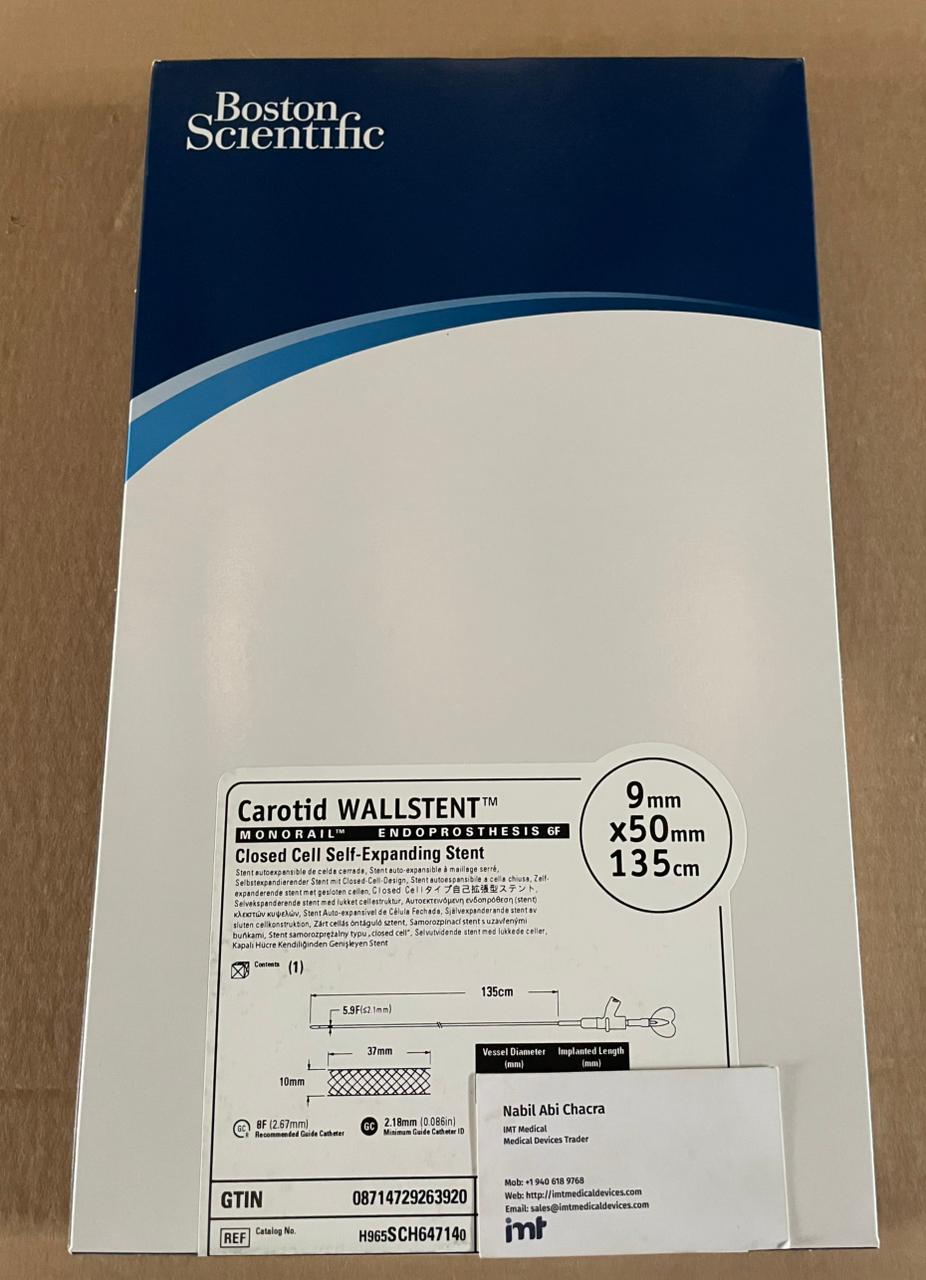
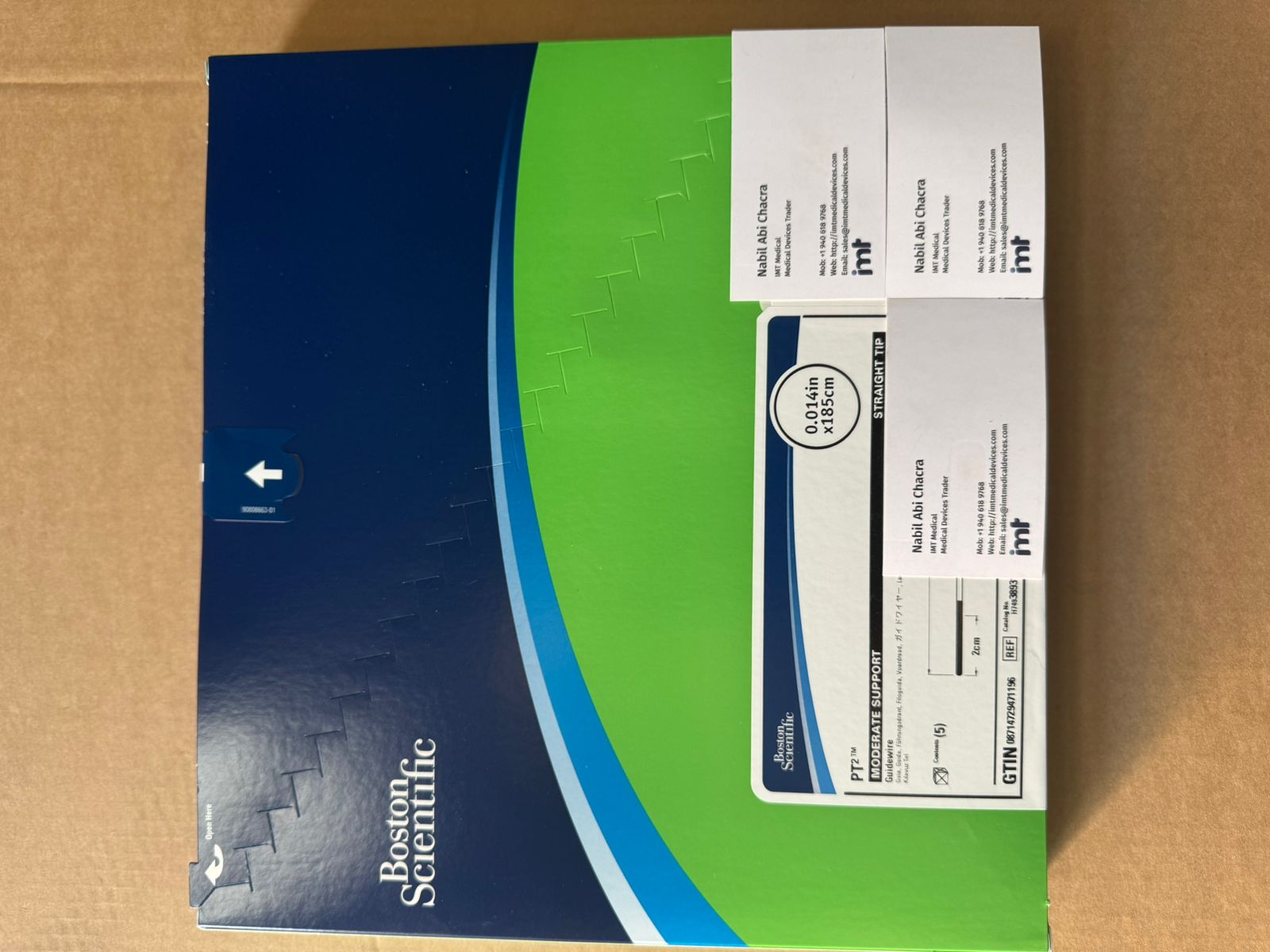
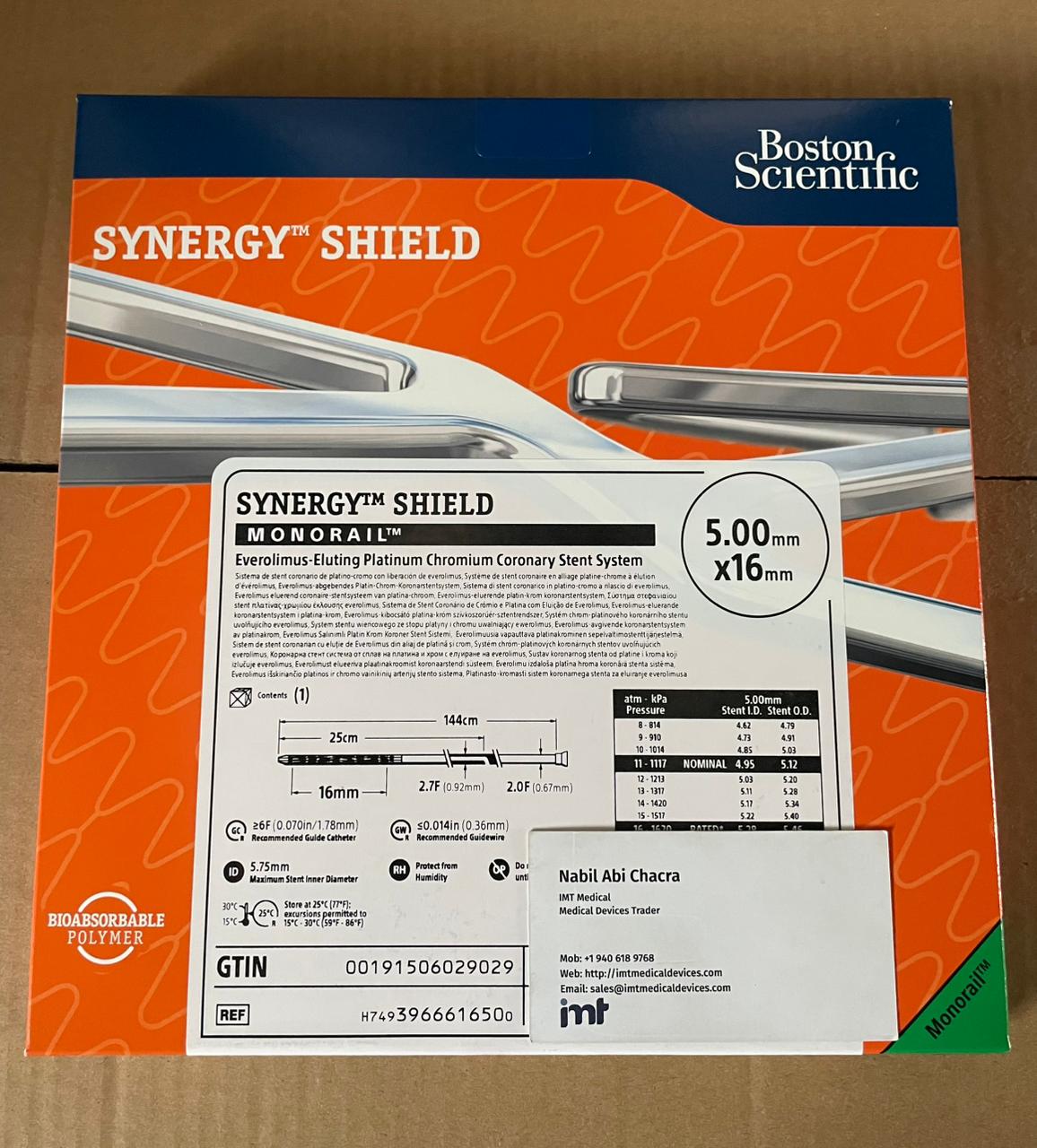
- Interventional Cardiology: Bulk availability of Drug-Eluting Stents (DES) and PTCA Balloon Catheters. Consistent stock of Asahi Intec guidewires and guiding catheters for complex interventions.
- Cardiac Rhythm Management (CRM): Comprehensive solutions including Permanent Pacemakers and Implantable Cardioverter Defibrillators (ICDs). Battery-sensitive transit protocols are strictly enforced for these devices.
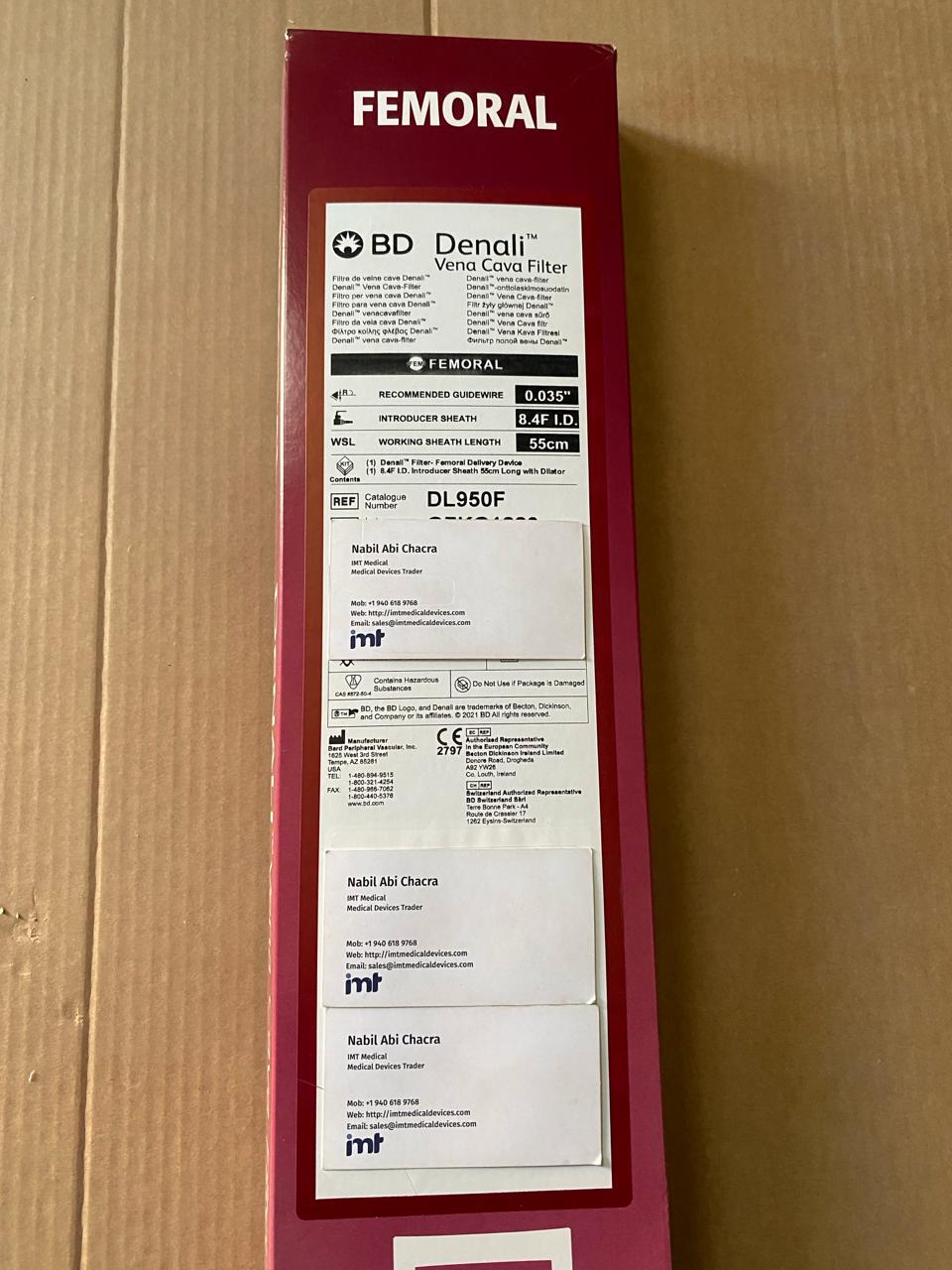
- Surgical and Peripheral Interventions: Precision tools such as Diagnostic Guide Wires and high-capacity Surgical Staplers. Peripheral stents and electrophysiology catheters are available for immediate export to clinical centers.
Logistical Excellence and Documentation
Success in regional distribution requires expert management of export logistics and regulatory compliance. IMT Medical Devices handles the technical documentation necessary for SFDA and EDE clearance, including Certificates of Free Sale and ISO 13485 verifications. Handling sensitive medical technologies across global borders requires a deep understanding of international commerce and specialized clinical hardware. This logistical reliability signals to partners that the entity is a serious player in the global medical supply chain. For those seeking a reliable, high-capacity distributor, contact IMT Medical Devices for a tailored procurement consultation.
The 2026 strategic procurement landscape demands efficiency and reach. IMT's infrastructure is built for this scale. It provides a structured reading of market needs and manufacturer availability. This no-nonsense approach to global logistics ensures that hospitals and clinical centers maintain predictable inventory management. By focusing on industrial competence and logistical reliability, IMT continues to serve as an expansive partner for high-end medical technology distribution across the Middle East and North Africa.
Optimizing Your 2026 MENA Procurement Strategy
Successful medical device distribution in the MENA region in 2026 requires a transition toward multi-hub logistical redundancy and strict manufacturer-direct sourcing. Procurement stability now hinges on navigating the centralized EDE regulations in the UAE and the updated SFDA quality mandates in Saudi Arabia. By prioritizing inventory depth in high-acuity categories like PTCA balloon catheters and permanent pacemakers, clinical centers can effectively mitigate supply chain disruptions. It's essential to verify the supply chain for every cardiology implant and surgical stapler to ensure patient safety and regulatory compliance.
IMT Medical Devices facilitates this market access through strategic distribution hubs in Dubai, Turkey, and Georgia. We manage the delivery of authentic hardware from Medtronic, Abbott, and Terumo to over 50 countries globally. This logistical framework supports the rapid procurement of diagnostic guide wires and drug-eluting stents while maintaining full compliance with regional import frameworks. Our commitment to industrial competence ensures that your facility maintains a predictable inventory of specialized medical technology.
Request a Bulk Procurement Quote for the MENA Region to secure your clinical supply chain. We look forward to supporting your high-volume hardware requirements.
Frequently Asked Questions
What are the primary regulatory challenges for medical device distribution in the MENA region?
Fragmented jurisdiction requirements and the 2026 centralization under the UAE Emirates Drug Establishment (EDE) are the primary hurdles. Navigating SFDA MDS-REQ 10 for Class C and D devices requires the submission of raw audit reports. Compliance with the global UDI mandate is now mandatory for all exports to the region. These shifts demand high regulatory literacy to avoid shipment delays at major ports like Jebel Ali or Jeddah.
Which medical device categories are most in demand in Saudi Arabia and the UAE for 2026?
High-acuity cardiology and surgical hardware lead the 2026 demand in Saudi Arabia and the UAE. Procurement focuses on drug-eluting stents, permanent pacemakers, and implantable cardioverter defibrillators (ICDs) to support national healthcare expansion. Surgical staplers and electrophysiology catheters are also high-volume items. This demand is driven by hospital infrastructure projects under Vision 2030 and the transition toward specialized cardiac care centers.
How do distributors ensure the cold chain integrity of drug-eluting stents during export?
Distributors maintain cold chain integrity using validated thermal packaging and real-time active monitoring systems. For drug-eluting stents, temperature must remain within manufacturer-specified ranges to protect the drug-polymer coating. Shock sensors and tamper-evident seals are standard for high-value exports. These protocols are essential for successful medical device distribution in the MENA region, ensuring clinical viability upon arrival at the clinical center.
What documents are required for importing medical devices into Egypt or Jordan?
Importing into Egypt and Jordan requires a Certificate of Free Sale (CFS), ISO 13485 certification, and manufacturer-issued Letters of Authorization (LoA). Egypt's 2026 updates also mandate quality certificates from reference countries and clinical trial documentation for specific device classifications. Commercial invoices must undergo embassy legalization or Apostille to be accepted by regional customs authorities. Correct technical identifiers on all manifests are critical for rapid clearance.
Can IMT Medical Devices provide bulk Medtronic or Boston Scientific products to MENA hospitals?
IMT Medical Devices specializes in the bulk supply of Medtronic and Boston Scientific hardware to regional healthcare networks. Our inventory includes permanent pacemakers, ICDs, and drug-eluting stents sourced through manufacturer-centric channels. We manage the entire export logistical chain from our strategic hubs to ensure authentic product delivery. Procurement professionals can access bulk quantities of surgical staplers and PTCA balloons through our digital warehouse platform.
How does the SFDA classification system affect the timeline for device registration?
The SFDA classification system dictates registration complexity, with Class C and D devices requiring the longest evaluation periods. In 2026, these high-risk categories must include raw audit reports in their applications, increasing the scrutiny of the quality management system. Higher classification also results in increased registration costs, which can exceed SAR 40,000 for Class D devices. Understanding these tiers is essential for accurate procurement forecasting and inventory planning.
What is the role of a strategic logistics hub in Turkey or Dubai for MENA distribution?
Strategic hubs in Turkey and Dubai function as re-export gateways that optimize transshipment efficiency. These locations allow for the rapid reallocation of stock to bypass localized supply chain bottlenecks or regional border disruptions. Turkey's 2026 integration with EU MDR/IVDR standards makes it a primary hub for European-sourced hardware. Dubai provides a central point for medical device distribution in the MENA region, offering sophisticated warehousing for sensitive cardiology implants.
Is it possible to source specialized cardiology guidewires and catheters for regional clinics?
Specialized cardiology guidewires and catheters are readily available for regional clinics through our distribution network. We maintain a consistent stock of Asahi Intec guidewires and Terumo guiding catheters for complex interventional procedures. Our portfolio includes diagnostic guide wires and electrophysiology catheters designed for high-precision clinical hardware needs. These components are stored and shipped under strict environmental controls to ensure sterile packaging integrity and performance.