
Medical Device Export for B2B Buyers
A delayed shipment of guidewires or embolization coils does not create a minor purchasing inconvenience. It can disrupt procedure scheduling, create gaps in distributor inventory, and force procurement teams to split orders across multiple vendors. That is why medical device export is not simply a logistics function. For hospitals, cath labs, neurovascular centers, laboratories, and distributors, it is a sourcing discipline built around product accuracy, documentation, compliance, and continuity.
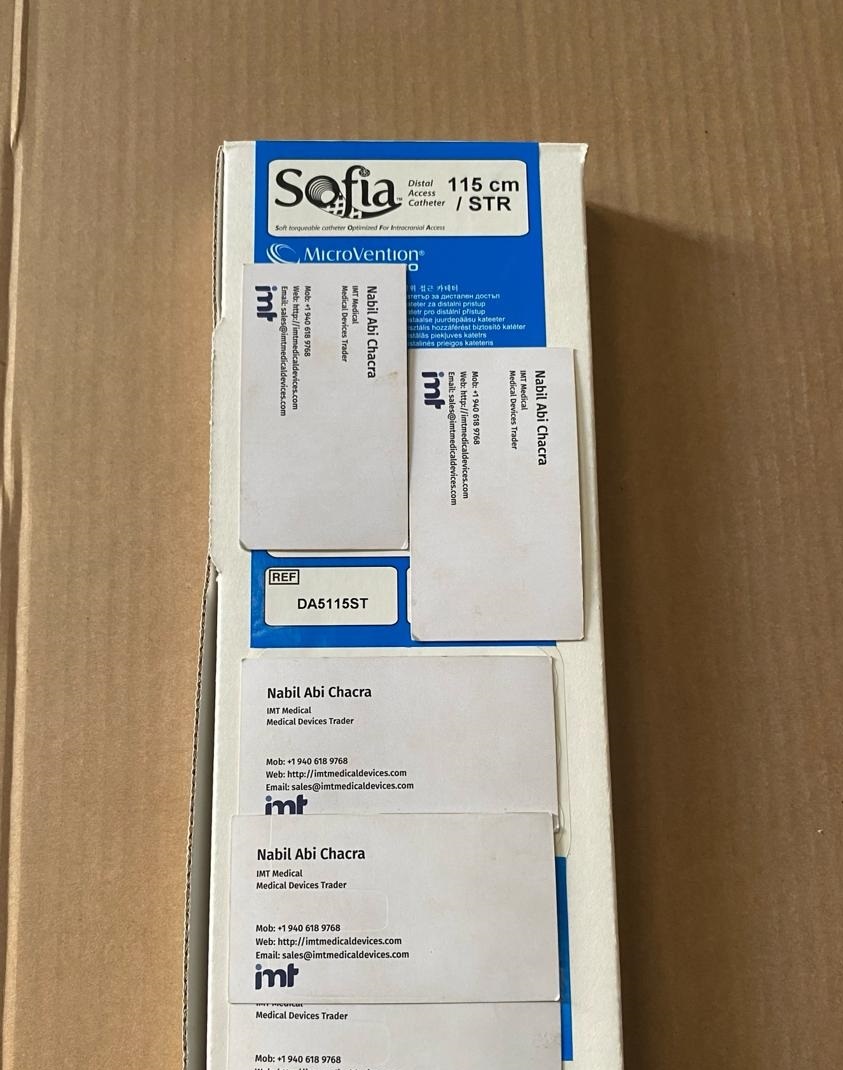
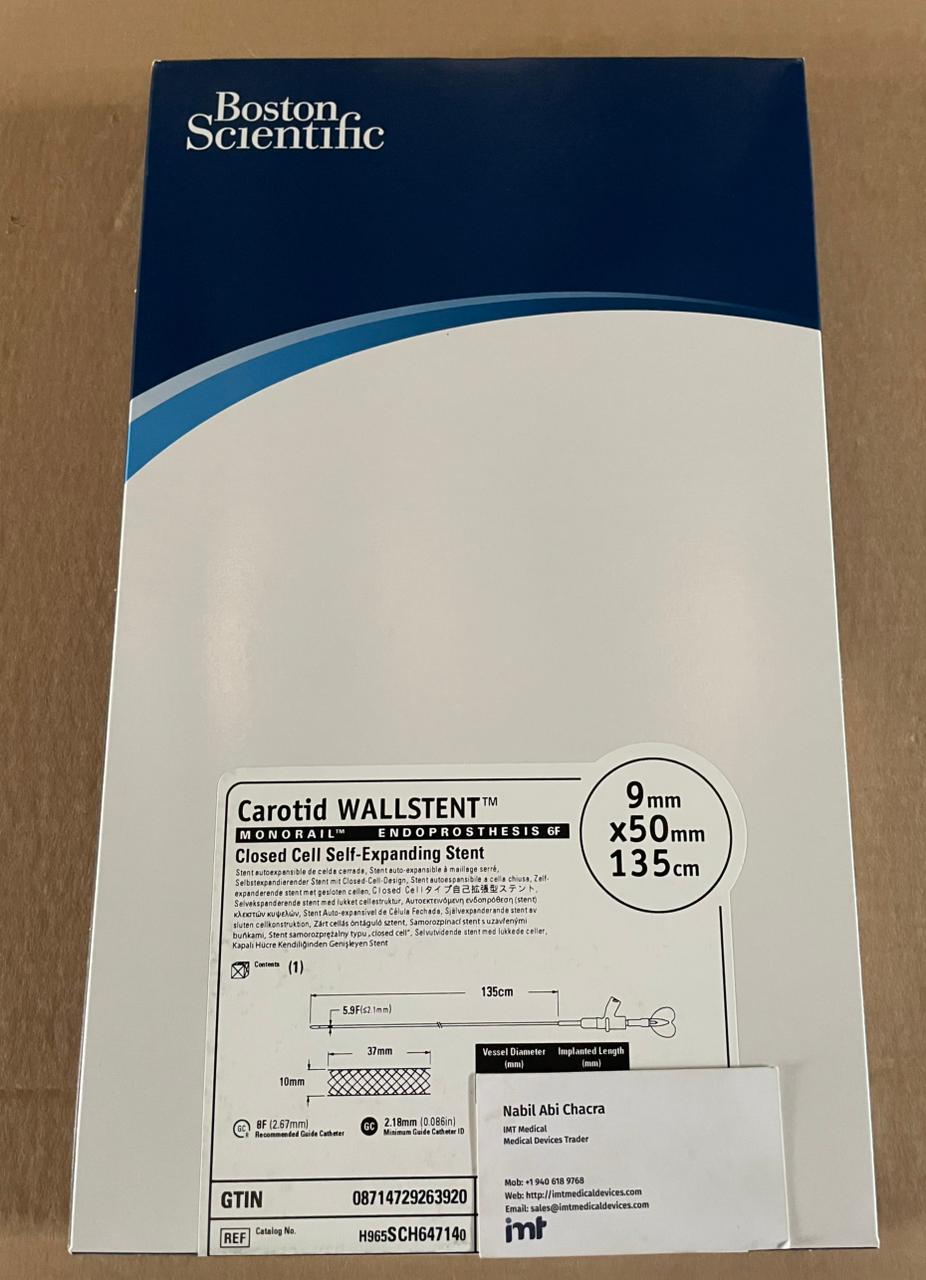
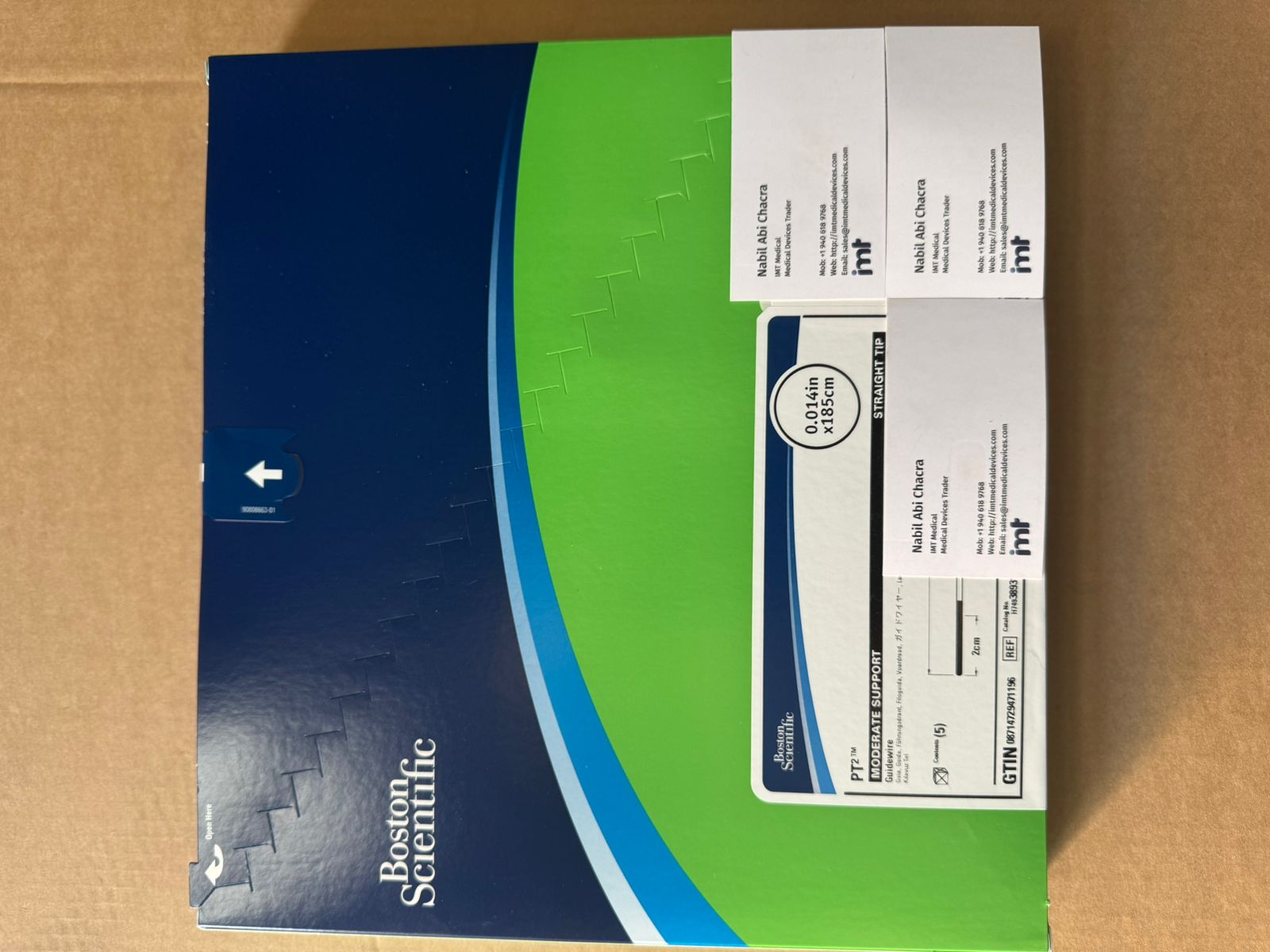
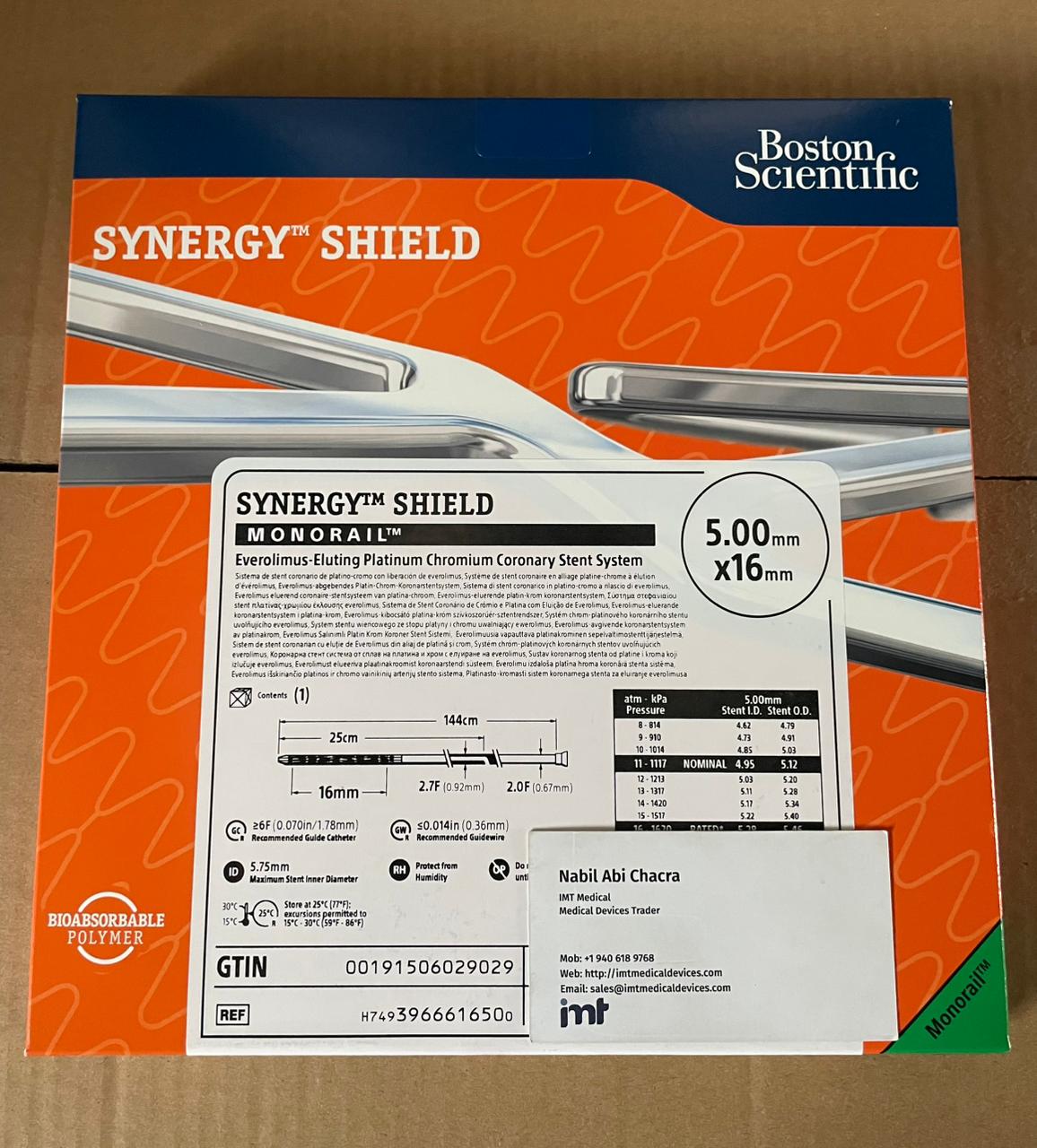
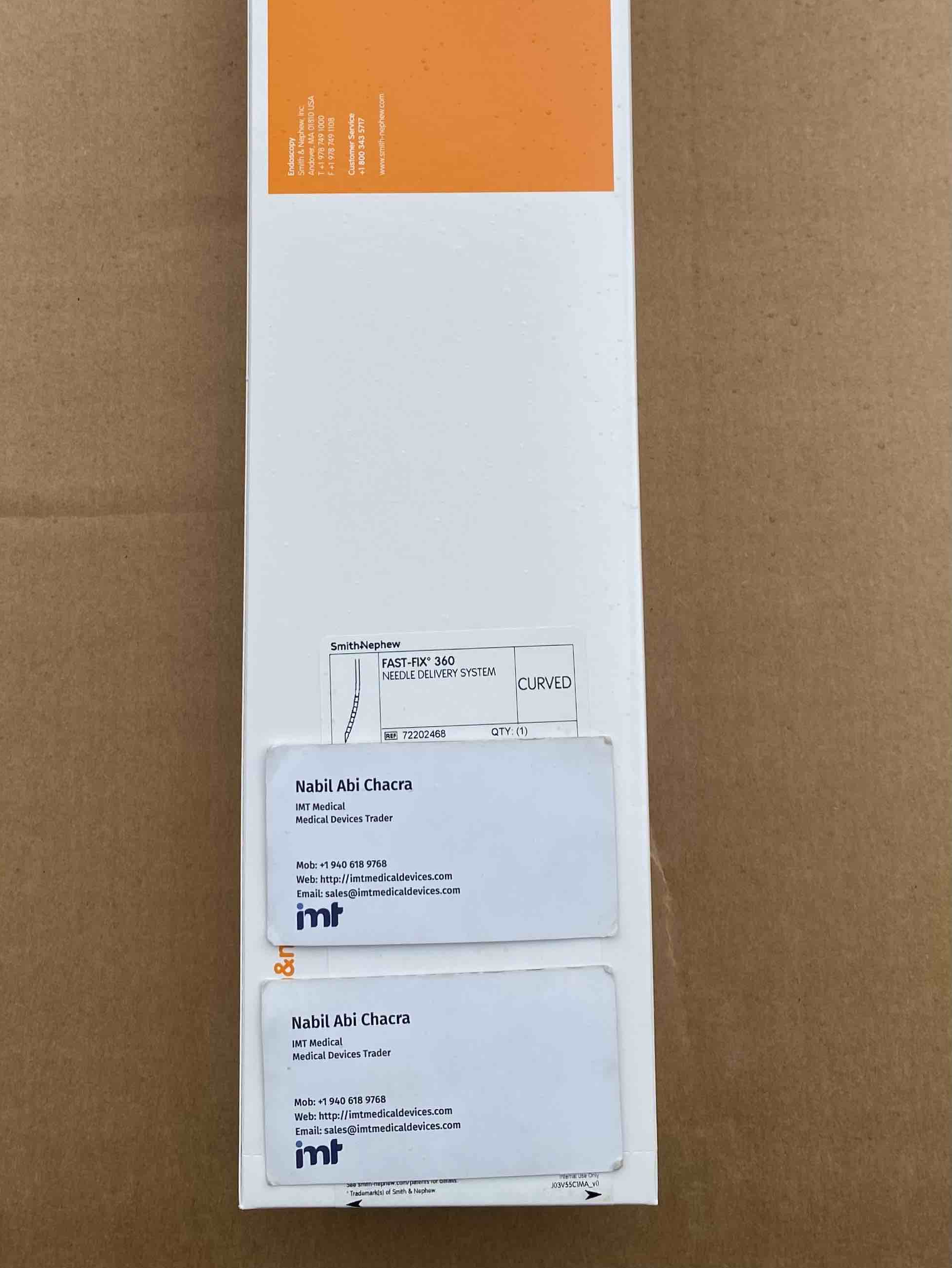
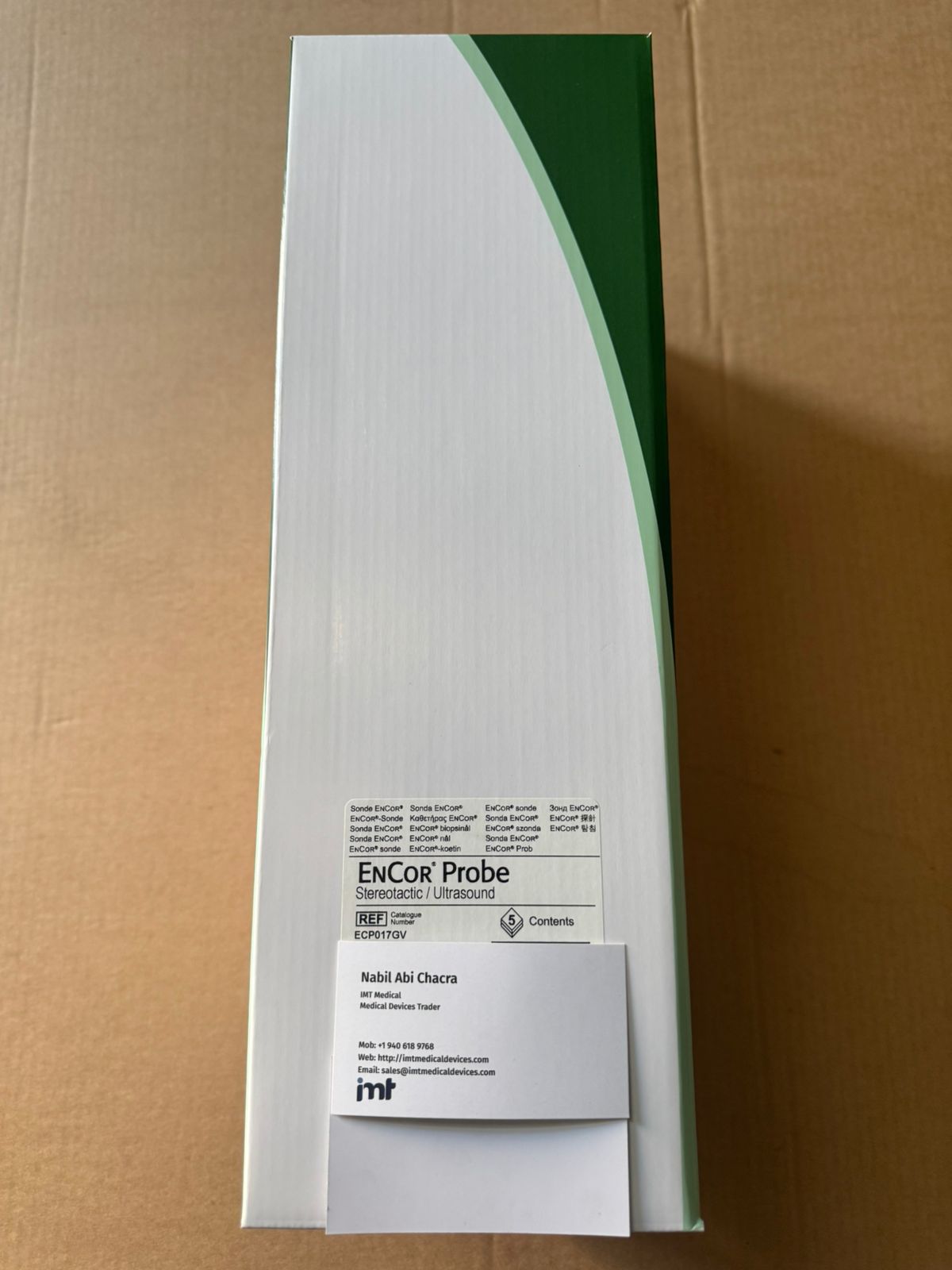
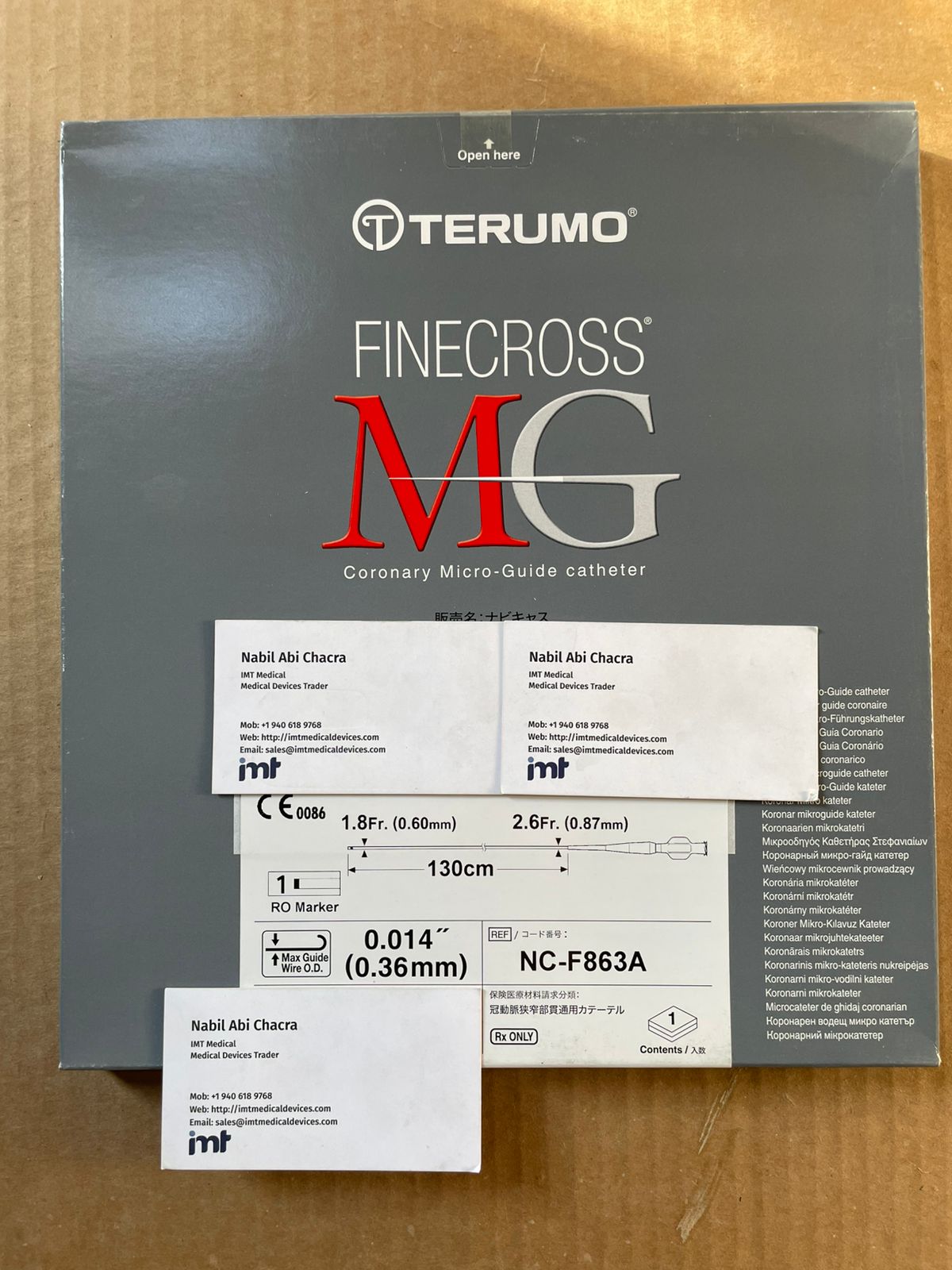
Buyers in this market are not looking for generic supply. They are usually sourcing branded devices with exact clinical and operational requirements - coronary stents, PTA balloons, guiding catheters, micro catheters, aspiration catheters, vascular closure devices, diagnostic laboratory systems, sutures, and related accessories. In practice, the success of an export transaction depends less on price alone and more on whether the supplier can match the required brand, catalog reference, packaging configuration, and shipment documentation without creating avoidable delays.
What medical device export means in real procurement terms
In B2B healthcare supply, medical device export means moving regulated products across borders while preserving manufacturer identification, product integrity, and document consistency from quotation through delivery. That sounds straightforward, but the operational detail matters.
A professional buyer generally needs more than a broad product category. They need confirmation that the offered item matches the requested manufacturer and specification. In interventional cardiology, for example, the difference between two similar product lines can affect physician preference, inventory compatibility, and procedural planning. The same applies in interventional radiology, peripheral intervention, neurovascular procedures, surgery, and laboratory procurement.
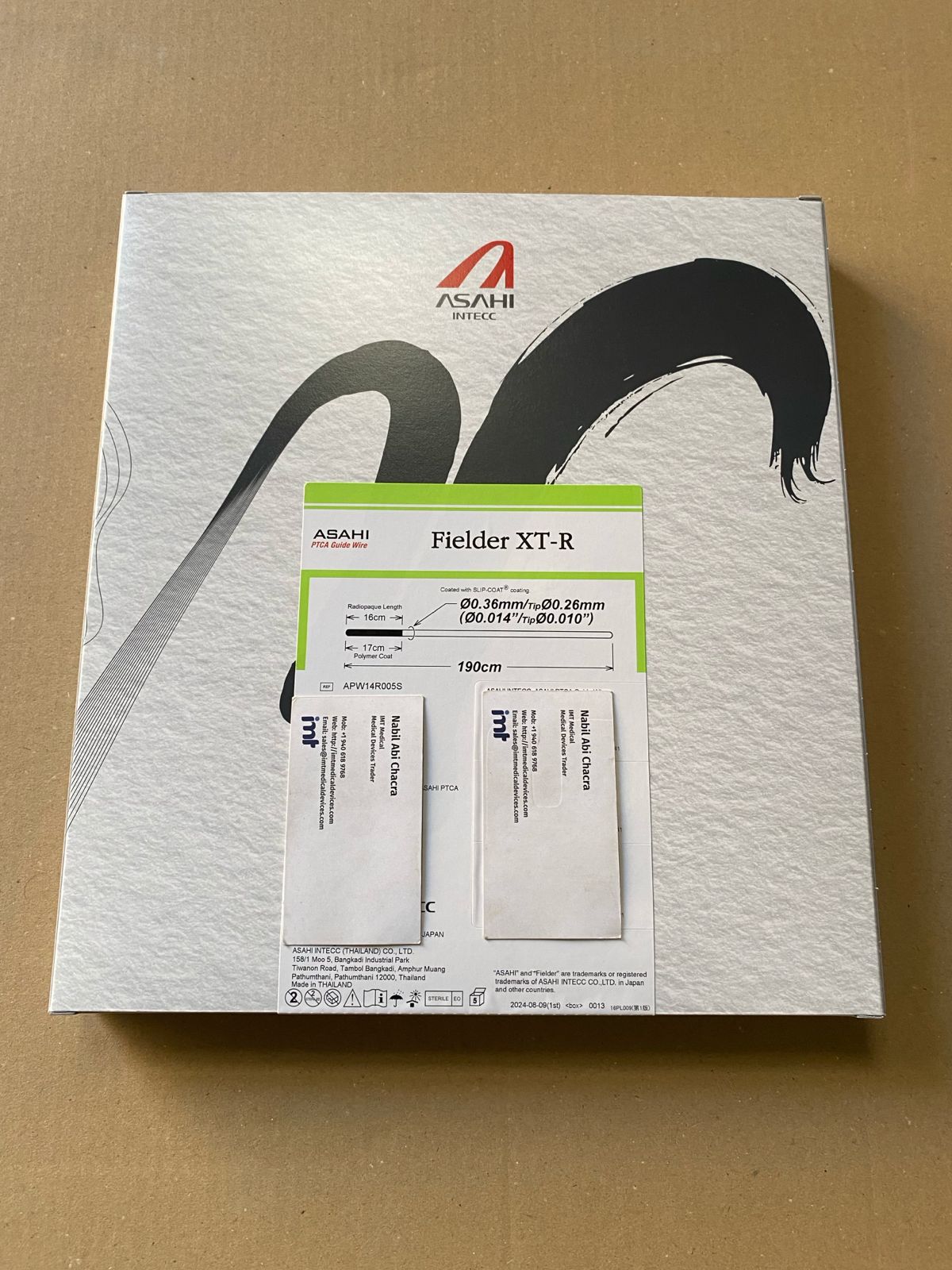
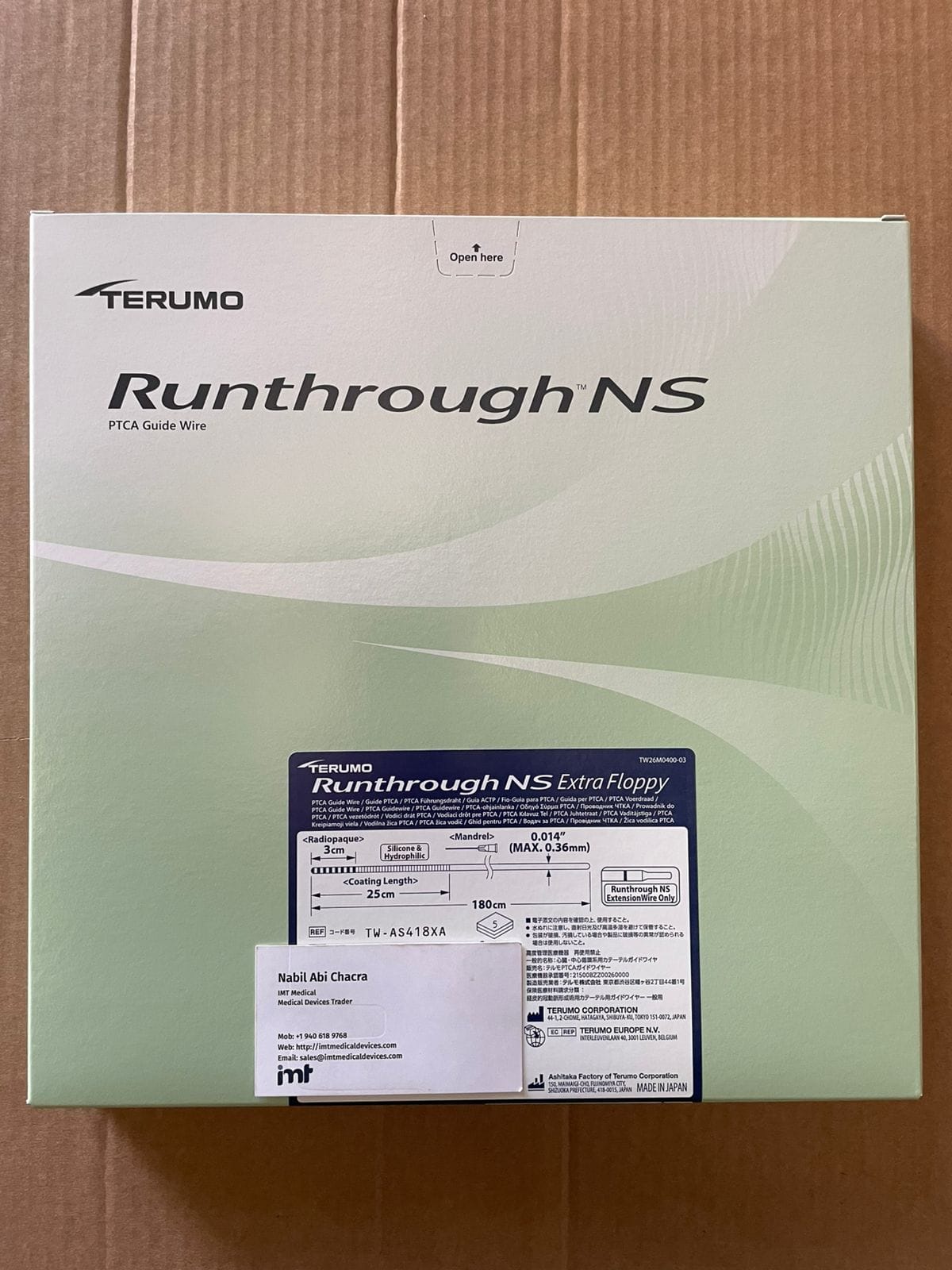
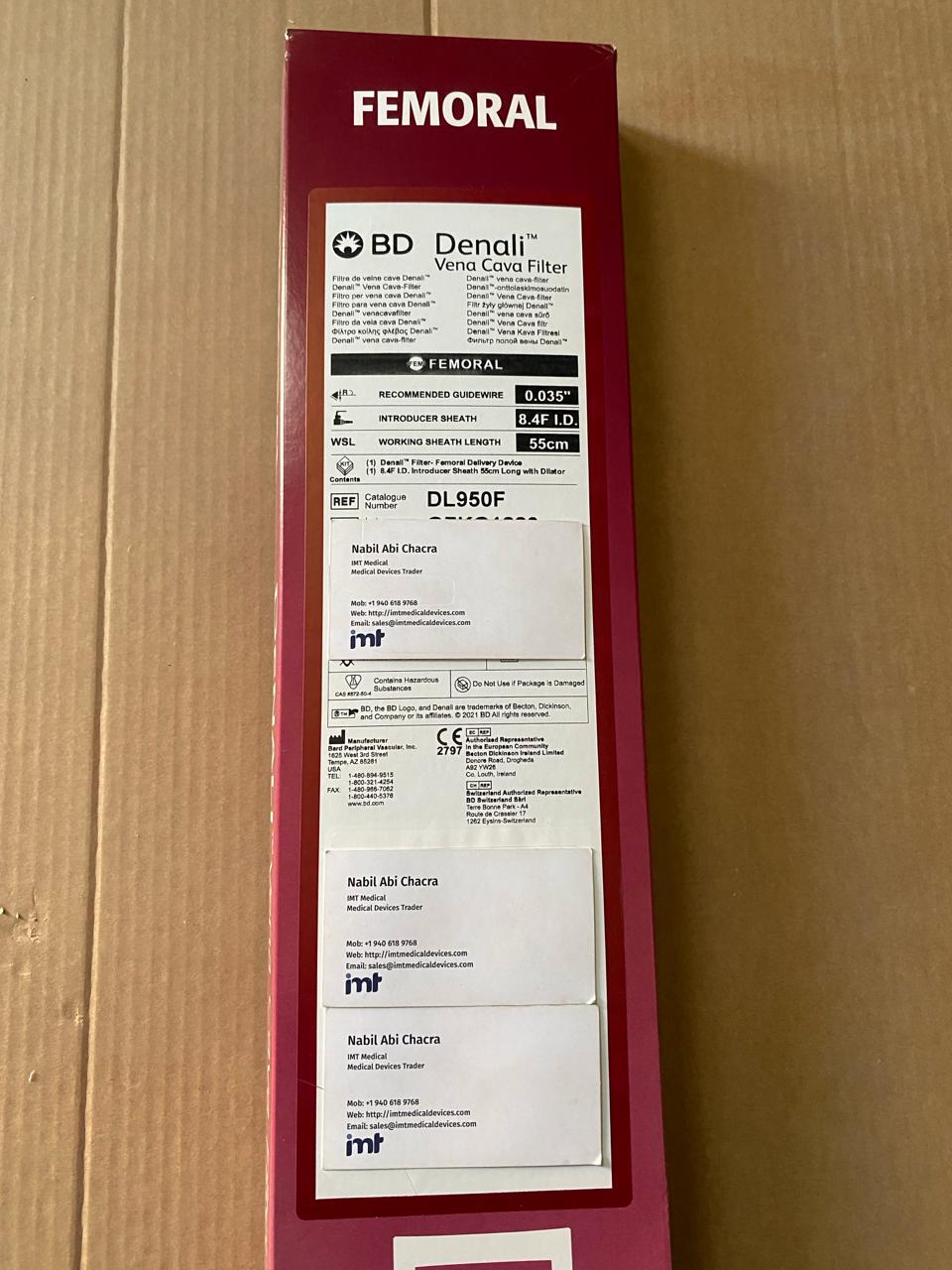
For that reason, export-capable suppliers are evaluated on precision. Can they source branded products from recognized manufacturers such as Terumo, Asahi, Boston Scientific, Medtronic, Abbott, Cordis, Siemens, Roche, Beckman Coulter, BD, Ethicon, or Stryker? Can they support volume orders across categories instead of handling only one line? Can they issue quote-based responses that reflect the exact item requested instead of suggesting near substitutes? Those are the questions that shape purchasing decisions.
Why branded sourcing matters in medical device export
International buyers often face a tension between cost control and product confidence. Lower-cost alternatives may exist, but many procurement departments and specialist distributors are not trying to replace familiar brands in critical use categories. They are trying to secure continuity.
In procedure-driven environments, brand recognition is tied to clinical familiarity, physician adoption, and stock planning. A cath lab that regularly uses a defined family of guidewires, balloons, or guiding catheters may not want to rework preference cards or retrain teams because a supplier can only provide an equivalent item. A laboratory buyer may also prioritize known analyzer brands and compatible consumables because workflow reliability matters more than marginal savings.
This is where a wholesale export partner becomes valuable. Instead of sourcing one manufacturer through one channel and another through a separate local intermediary, buyers can consolidate demand across high-need categories. That reduces administrative friction, especially when multiple departments or resellers are purchasing at the same time.
The operational risks buyers should watch closely
The biggest export problems are rarely dramatic at the start. They usually begin as small mismatches - unclear item references, incomplete shipping data, document errors, or unrealistic lead-time assumptions. In regulated medical supply, those details carry real cost.
A quotation that identifies a product family but not the exact SKU may create downstream disputes. Packaging and labeling expectations can also vary by market, and buyers may require specific documentation before customs clearance or internal goods receipt. If expiry dating is relevant, buyers should confirm minimum acceptable shelf life before dispatch rather than after the shipment arrives.
There is also a difference between a supplier that can sell internationally and one that is structurally prepared for export transactions. The latter understands that hospitals, labs, and distributors may need pro forma invoices, packing lists, product descriptions aligned to customs requirements, and clear communication on lead times. They also understand that substitutions are not minor commercial decisions when the order concerns branded clinical devices.
How to evaluate a supplier for medical device export
A capable export supplier should be measured on practical procurement performance, not marketing language. Portfolio breadth matters because many professional buyers want to place consolidated orders across interventional cardiology, peripheral intervention, neurovascular, surgical, and laboratory categories. A narrow supplier may force the buyer to maintain several parallel purchasing relationships.
Manufacturer recognition matters just as much. Buyers usually want access to established brands because brand consistency supports internal approval, clinician acceptance, and resale confidence. A supplier that understands exact product nomenclature and can communicate in those terms is usually easier to work with than one that stays at a generic category level.
Responsiveness is another filter. International procurement often moves under time pressure, especially when facilities are balancing procedure demand with limited inventory. Fast replies are useful, but accuracy is more important. A quick quote that later changes because the product was misidentified creates more disruption than a slightly slower quote that is correct the first time.
Finally, buyers should assess whether the supplier can support the destination market in practical terms. Not every product, manufacturer, or shipment structure fits every country in the same way. The best commercial answer is not always a universal yes. Sometimes the right supplier is the one that sets realistic expectations early and avoids promising delivery scenarios that are unlikely to hold.
Product categories where export precision matters most
Interventional specialties are especially sensitive to sourcing inconsistency. Coronary and peripheral portfolios often involve physician-specific choices in stents, guidewires, PTA balloons, guiding catheters, and closure devices. Neurovascular procurement can be even more exacting, with coils, micro catheters, and access products selected according to case requirements and operator preference.
Surgical and laboratory categories bring a different procurement dynamic. Buyers may be less focused on a single procedure and more focused on throughput, repeat ordering, and compatibility with installed systems or established clinical protocols. In both cases, precision still matters. The issue is not only whether the product is available, but whether the product is the right branded item, in the right quantity, with acceptable dating and shipment documentation.
That is why many international buyers prefer a supplier with a broad branded catalog rather than a mixed assortment of inconsistent alternatives. It simplifies communication and reduces the need to educate the supplier on standard manufacturer references every time a quote is requested.
Consolidation versus specialization
There is no single perfect sourcing model. Some buyers prefer direct relationships with individual manufacturers or local authorized channels for selected product lines. That can make sense when volumes are concentrated, local support is strong, and product needs are narrow.
But for many distributors, hospitals, and medical supply organizations, procurement demand is broader. They may need coronary products, peripheral devices, neurovascular items, surgical goods, and laboratory brands within the same planning cycle. In those cases, consolidation through one experienced wholesale export source can save time, reduce vendor management burden, and make order coordination easier.
The trade-off is that buyers should still verify fit at the item level. A consolidated supplier is most useful when it combines breadth with specification discipline. Breadth alone is not enough if the supplier cannot confirm exact branded products.
What efficient buyers do before requesting a quote
The most efficient export transactions usually begin with a clean inquiry. Buyers who provide exact product names, manufacturer references, required quantities, and destination details tend to receive faster and more usable quotations. If there are requirements for shelf life, packaging, lot traceability, or partial shipment acceptance, those details should be stated early.
It also helps to separate must-have items from acceptable alternates. In some cases, a buyer needs one exact SKU because of physician preference or compatibility. In other cases, there may be flexibility within a product family. Clarifying that distinction saves time for both sides.
For international orders, practical readiness matters. Procurement teams should confirm consignee details, import handling expectations, and internal approval timelines before asking a supplier to reserve inventory. The strongest supplier cannot compensate for missing buyer-side data when a shipment is time-sensitive.
A company such as IMT Medical Devices is positioned for this type of request because the value is not consumer retail access. It is centralized access to recognized medical manufacturers, export support, and commercially relevant categories under one wholesale procurement relationship.
Medical device export works best when both sides treat it as a specification-driven process, not a generic sale. For buyers, the payoff is simple - fewer sourcing gaps, clearer documentation, and a better chance of getting the exact branded devices needed without unnecessary back-and-forth.