
Medical Device Wholesale NAICS Code
When a buyer asks for company details before issuing a vendor setup form, the medical device wholesale NAICS code usually becomes relevant fast. It shows up in procurement onboarding, government registrations, credit applications, internal supplier files, and cross-border trade paperwork. For a wholesale medical device business, using the right code helps describe what the company actually does in commercial terms.
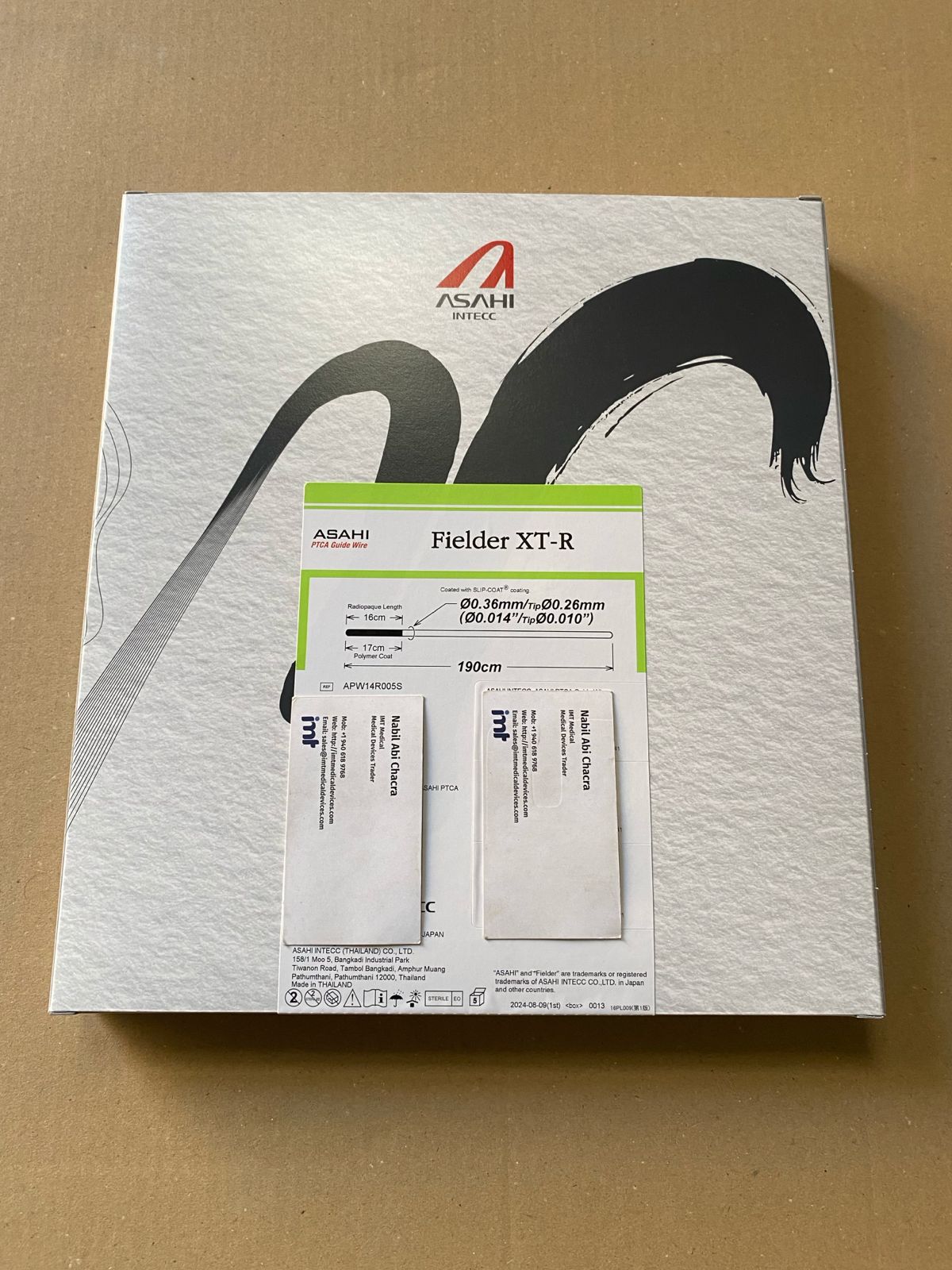
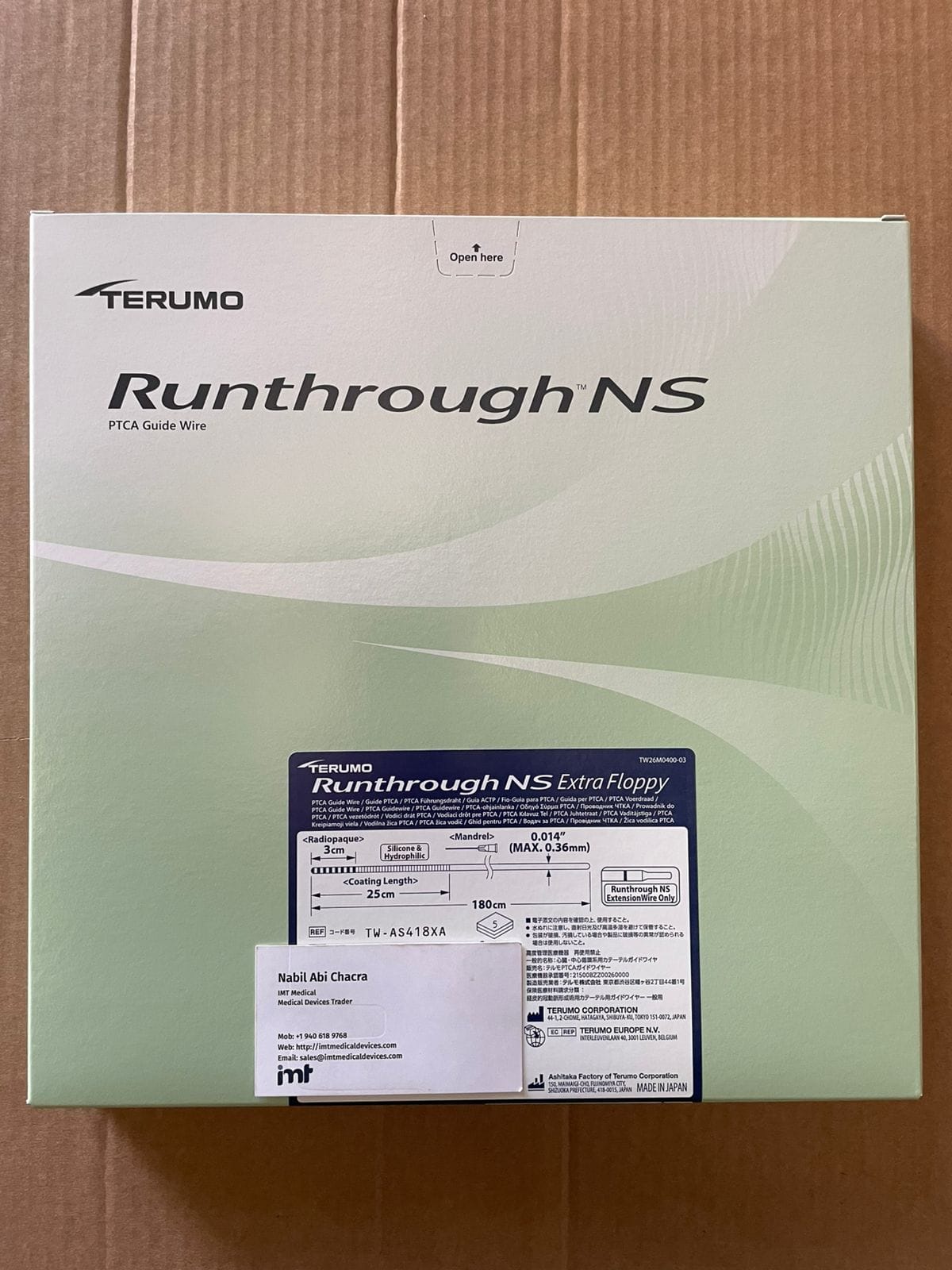
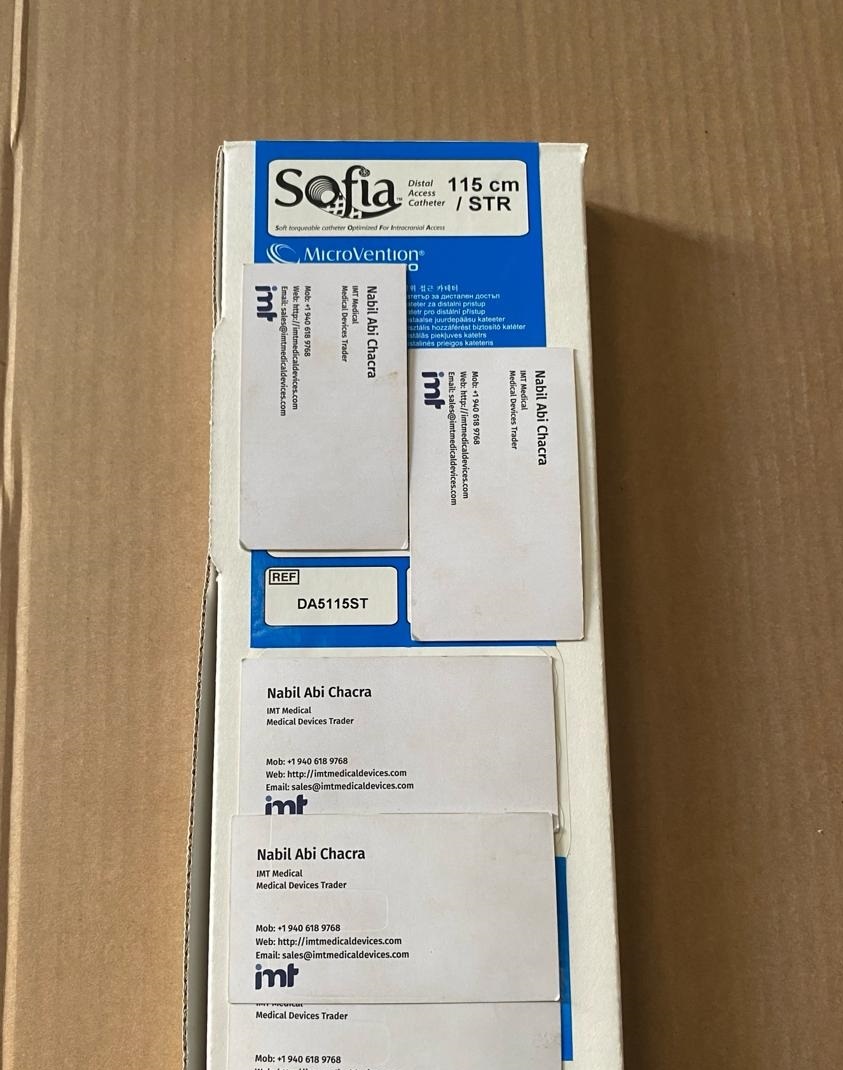
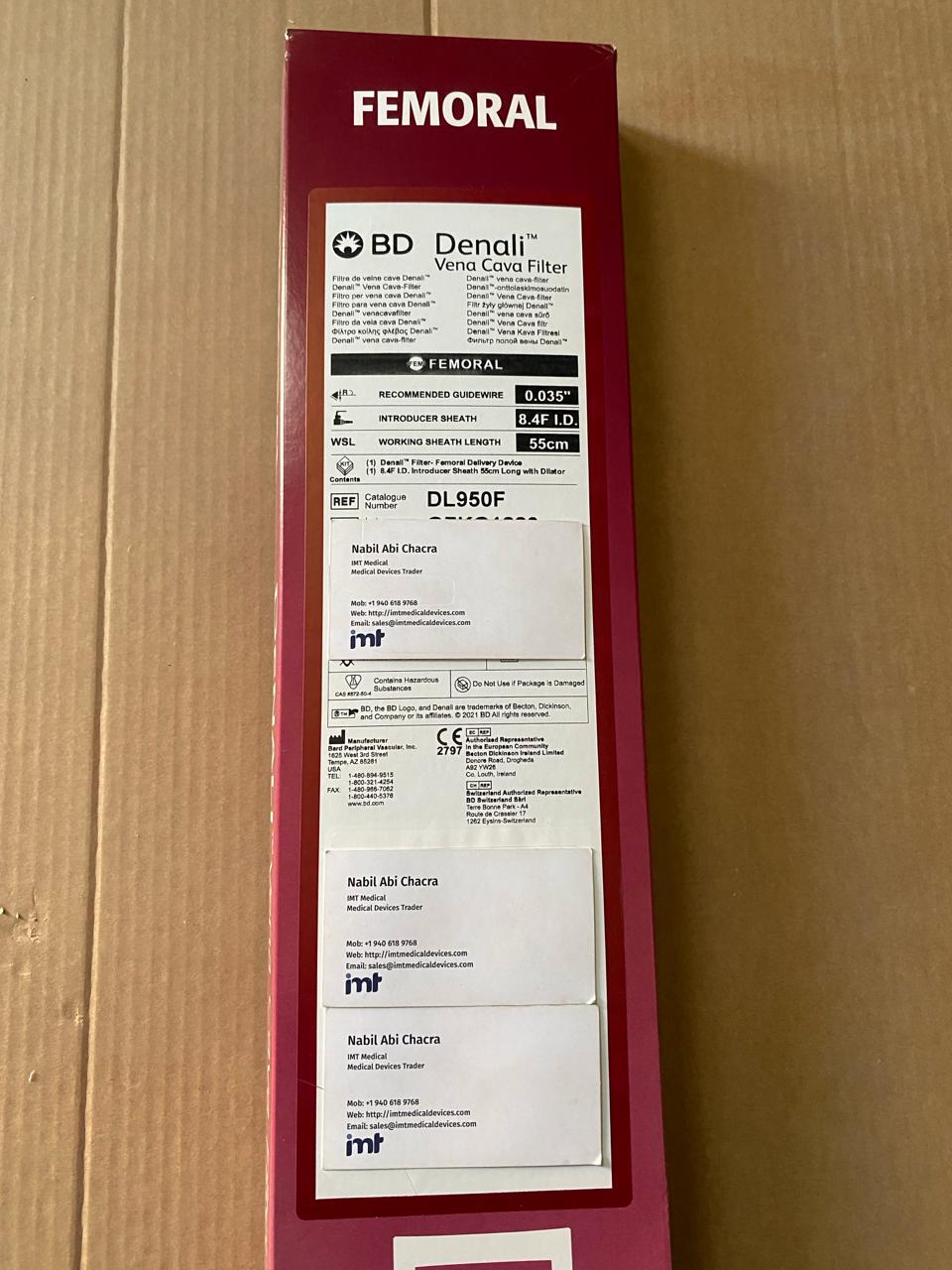
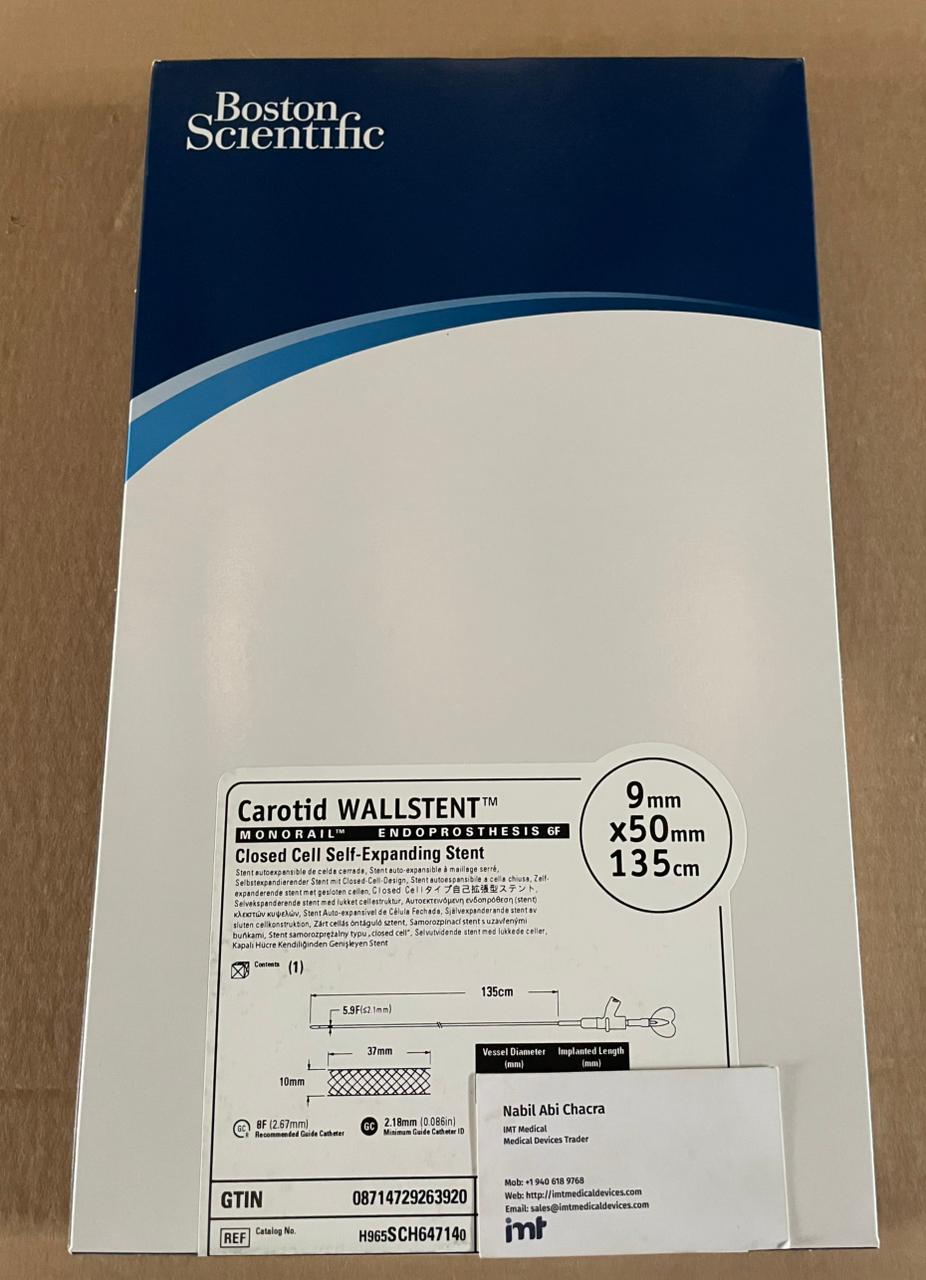
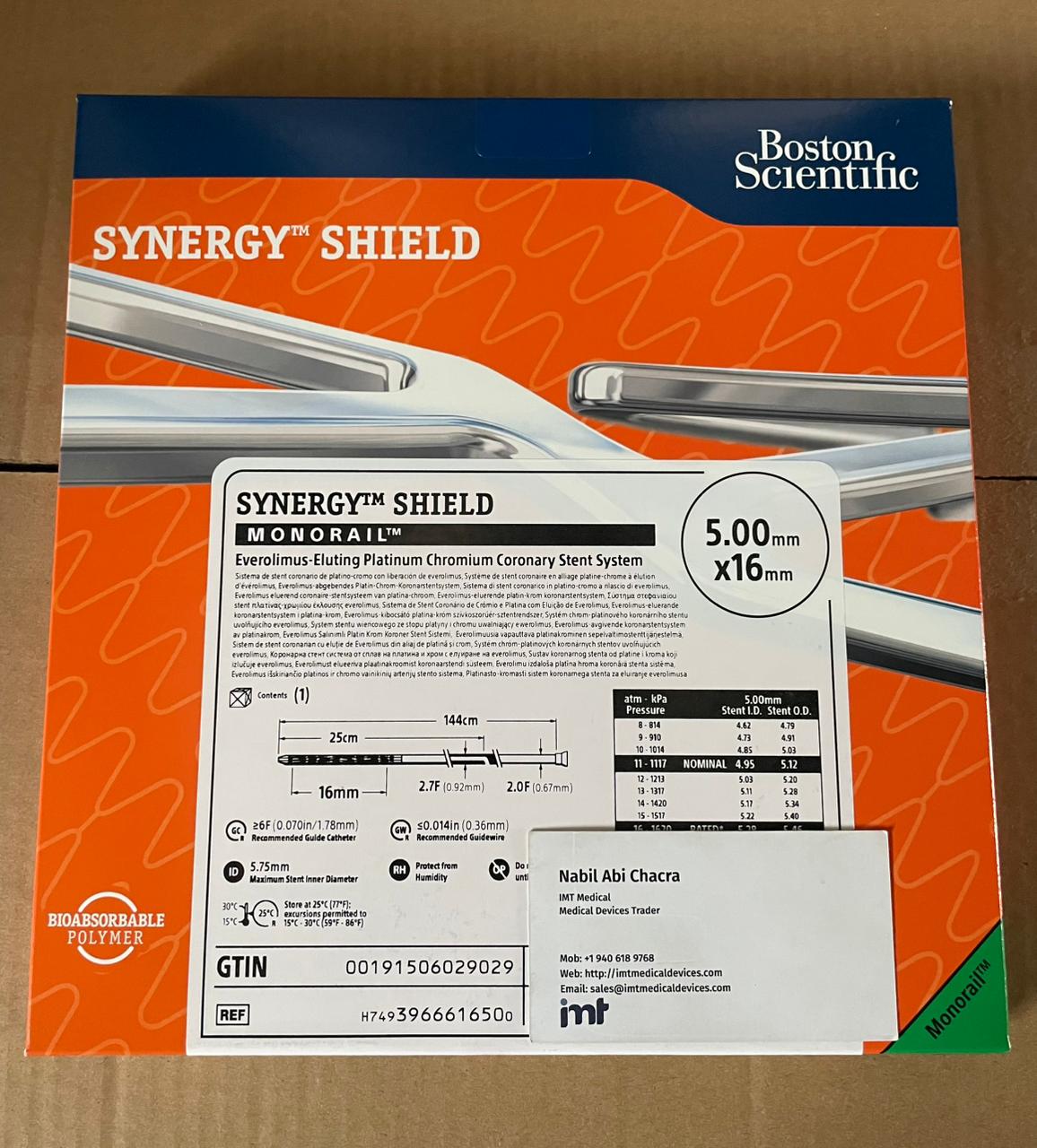
For most businesses engaged in B2B distribution of branded medical products, the primary classification is 423450, which is the NAICS code for Medical, Dental, and Hospital Equipment and Supplies Merchant Wholesalers. If your business sources branded coronary stents, guidewires, guiding catheters, vascular closure devices, neurovascular coils, aspiration catheters, sutures, laboratory brands, and other professional-use products for resale to hospitals, clinics, laboratories, and distributors, this is generally the code buyers and agencies expect to see.
What the medical device wholesale NAICS code usually is
NAICS stands for North American Industry Classification System. It is used to classify businesses by their primary commercial activity. In the case of a medical devices wholesale operation, the standard code most often used is 423450.
The reason 423450 fits is straightforward. This category covers merchant wholesalers that distribute professional medical, dental, hospital, and laboratory equipment and supplies. It aligns with businesses that purchase inventory from manufacturers or authorized channels and resell those products to institutional or professional buyers rather than to end-use retail consumers.
That distinction matters. A company supplying interventional cardiology, peripheral intervention, neurovascular, surgical, and laboratory products in volume is operating as a wholesale distributor. It is not functioning as a manufacturer, and it is not primarily a consumer-facing retailer. The code should reflect the business model, not just the product type.
Why 423450 fits medical device wholesalers
A wholesale medical device supplier typically serves hospitals, cath labs, surgical centers, laboratories, medical distributors, and procurement departments. Orders are quote-based, brand-specific, and often tied to exact product requirements, lot control expectations, and export or compliance documentation. That is the operating profile 423450 is designed to capture.
This code is especially relevant when the product mix includes branded professional-use items across multiple categories. Examples include coronary balloons, guidewires, catheters, peripheral devices, neurovascular micro catheters, coils, sutures, diagnostic laboratory systems, and hospital-use consumables. If the business value is in sourcing, stocking, coordinating, and supplying these products at wholesale level, 423450 is the practical classification.
For businesses with a broad catalog, the challenge is that medical devices can span procedural, surgical, diagnostic, and laboratory segments. Even so, NAICS selection usually comes back to primary revenue activity. If the core activity is merchant wholesale distribution to professional buyers, 423450 remains the main answer.
When the medical device wholesale NAICS code can get less clear
There are situations where buyers or administrators hesitate because a company handles highly specialized products. For example, an organization focused heavily on in vitro diagnostics, imaging systems, or surgical instrumentation may wonder whether another code is more precise. In some edge cases, a secondary code can be useful for internal records or additional registrations.
Still, the primary code should reflect the dominant commercial function. A distributor of branded medical and laboratory products is still generally classified as a merchant wholesaler if it is reselling those goods rather than manufacturing them. That is why businesses serving interventional and laboratory procurement often list 423450 as the lead code even when their catalog is technically diverse.
The confusion usually comes from trying to classify by clinical specialty instead of sales model. Interventional cardiology, neurovascular, peripheral intervention, surgery, and diagnostics are product segments. NAICS is trying to classify the business activity behind them.
Wholesale vs manufacturer vs retailer
If a company produces its own devices, a manufacturing code may apply as the primary NAICS category. If it sells mainly to consumers or home users through an online storefront, a retail classification may be more appropriate. But if it purchases branded devices and supplies for resale to healthcare institutions and trade buyers, wholesale classification is the better fit.
This matters for credibility as much as compliance. Procurement teams reviewing new suppliers want a classification that matches the actual transaction structure. A mismatch can create unnecessary back-and-forth during onboarding.
Export activity does not usually change the primary code
International sales add another layer, but export capability alone does not usually replace the core NAICS classification. If the business is wholesaling medical devices into overseas markets, the primary activity is still wholesale distribution. Export documentation, shipping processes, destination-country requirements, and trade support are important operational details, but they do not automatically move the business into a different primary code.
For globally active suppliers, the better approach is to keep the primary NAICS code aligned with the base business model and then support international operations with the right trade registrations and documentation separately.
Where buyers and suppliers use this code
In practice, the medical device wholesale NAICS code appears in several routine business settings. Vendor registration is one of the most common. Hospitals, group purchasing participants, distributors, and laboratories often request industry classification during supplier onboarding.
It is also frequently used in government databases, bid systems, tax registrations, financing applications, and business credit files. Some procurement departments use NAICS codes to sort supplier categories or to pre-qualify vendors for sourcing events. Others use it simply as an administrative reference. Either way, the code helps position the supplier correctly inside a buyer's system.
For wholesale medical device businesses, accuracy here reduces friction. A company offering branded Terumo, Asahi, Boston Scientific, Medtronic, Abbott, Cordis, Siemens, Roche, Beckman Coulter, BD, Ethicon, or Stryker product lines in a distribution capacity should not appear coded like a retail storefront or unrelated service provider. Classification should support the commercial reality the buyer will see in the quote and invoice process.
How to choose the right NAICS code for your business record
The first question is simple: what is the company primarily paid to do? If revenue mainly comes from distributing medical and hospital products to professional buyers, 423450 is usually the answer. If revenue mainly comes from manufacturing, servicing equipment, or operating a clinical facility, another code may take priority.
The second question is who the customer is. A business selling to hospitals, clinics, laboratories, medical distributors, and healthcare procurement teams is operating in a wholesale channel. A business selling directly to the public under a retail model may need a different classification.
The third question is how the company handles product flow. Merchant wholesalers typically buy, hold, arrange, or distribute inventory for resale. They are part of the commercial supply chain between manufacturer and professional end user or downstream distributor. That is the core logic behind 423450.
If your business spans multiple functions, it is reasonable to maintain one primary NAICS code and additional secondary codes where needed. But the main listing should reflect the principal line of business. That is what most buyers, banks, and registration systems are looking for first.
Practical examples for medical procurement businesses
A supplier focused on interventional cardiology products such as coronary stents, balloons, guidewires, guiding catheters, and vascular closure devices would generally fit 423450 when operating as a distributor. The same applies to a business supplying peripheral intervention devices, neurovascular coils, aspiration catheters, micro catheters, surgical sutures, or branded diagnostic laboratory products on a wholesale basis.
A company like IMTMedicalDevices.com, which serves professional buyers with branded medical products across multiple intervention categories and export markets, fits the merchant wholesaler profile when its role is sourcing and supplying those products rather than manufacturing them. That is the type of operating model 423450 is meant to describe.
The main point is not the exact procedure category. It is the commercial position in the supply chain.
Common mistakes to avoid
One common mistake is selecting a code based on the most technical product in the catalog instead of the main revenue activity. Another is using a generic code because it seems broad enough, even though it does not accurately describe medical wholesale distribution. A third is assuming international trade requires a different primary NAICS code when export is really an extension of the same wholesale function.
There is also a practical issue with outdated or inconsistent records. If your tax file, vendor registration, capability statement, and procurement profile use different classifications, buyers may pause to verify the business type. In institutional purchasing, small administrative inconsistencies can slow down a transaction more than they should.
For that reason, it helps to standardize the code across onboarding documents, quote support materials, and supplier records wherever possible.
The short answer buyers usually need
If you are being asked for the medical device wholesale NAICS code and your business distributes branded medical, hospital, surgical, or laboratory products to professional buyers, the code most commonly used is 423450. That is the standard classification for Medical, Dental, and Hospital Equipment and Supplies Merchant Wholesalers.
If your business model is more mixed, confirm the primary activity before filing or updating records. Buyers care less about technical overclassification and more about whether the code matches how you actually operate. When the classification is aligned with your wholesale role, supplier onboarding tends to move faster and with fewer questions.
A clean vendor profile saves time later, especially when procurement teams are trying to source exact branded SKUs under tight timelines.