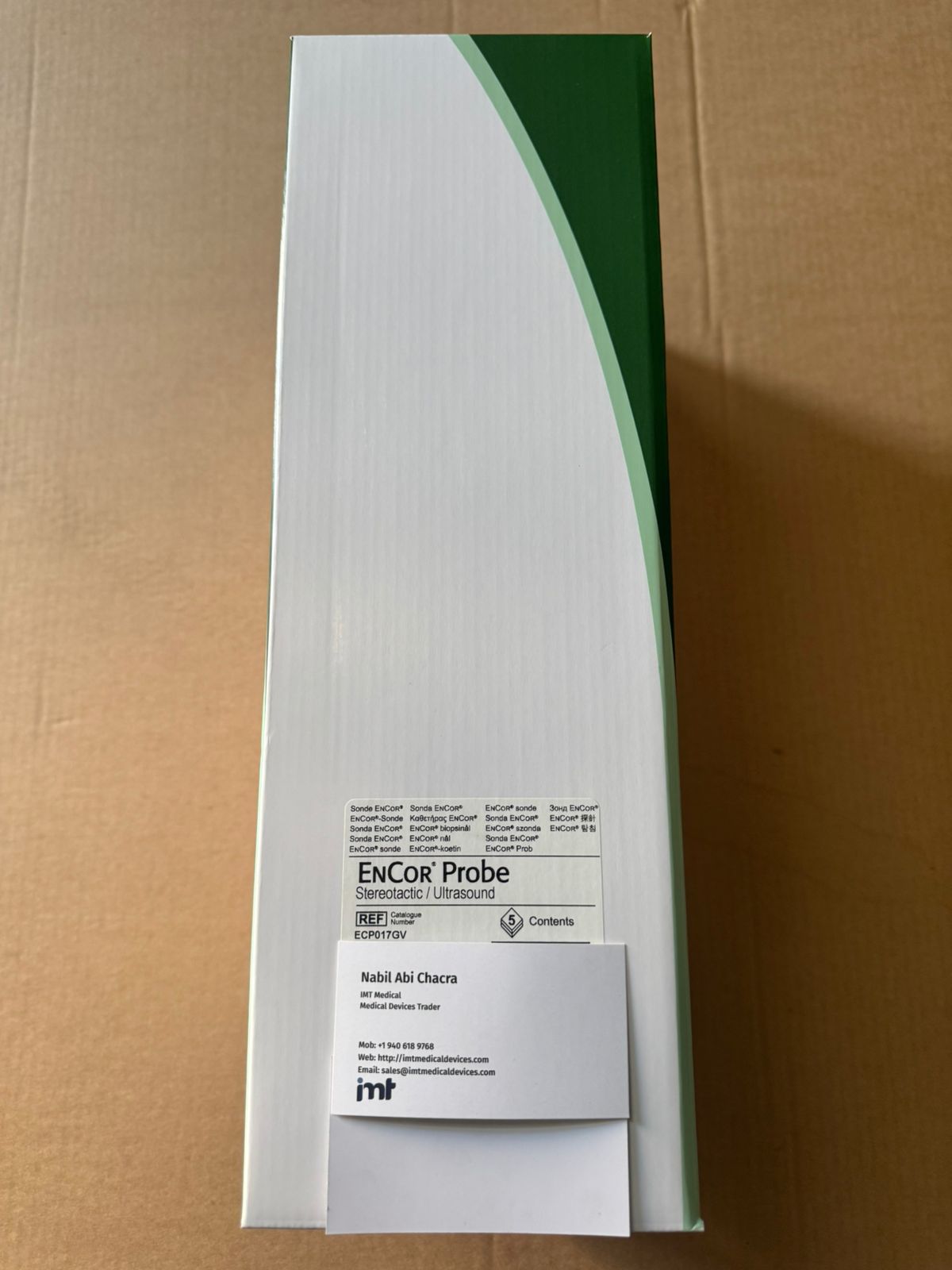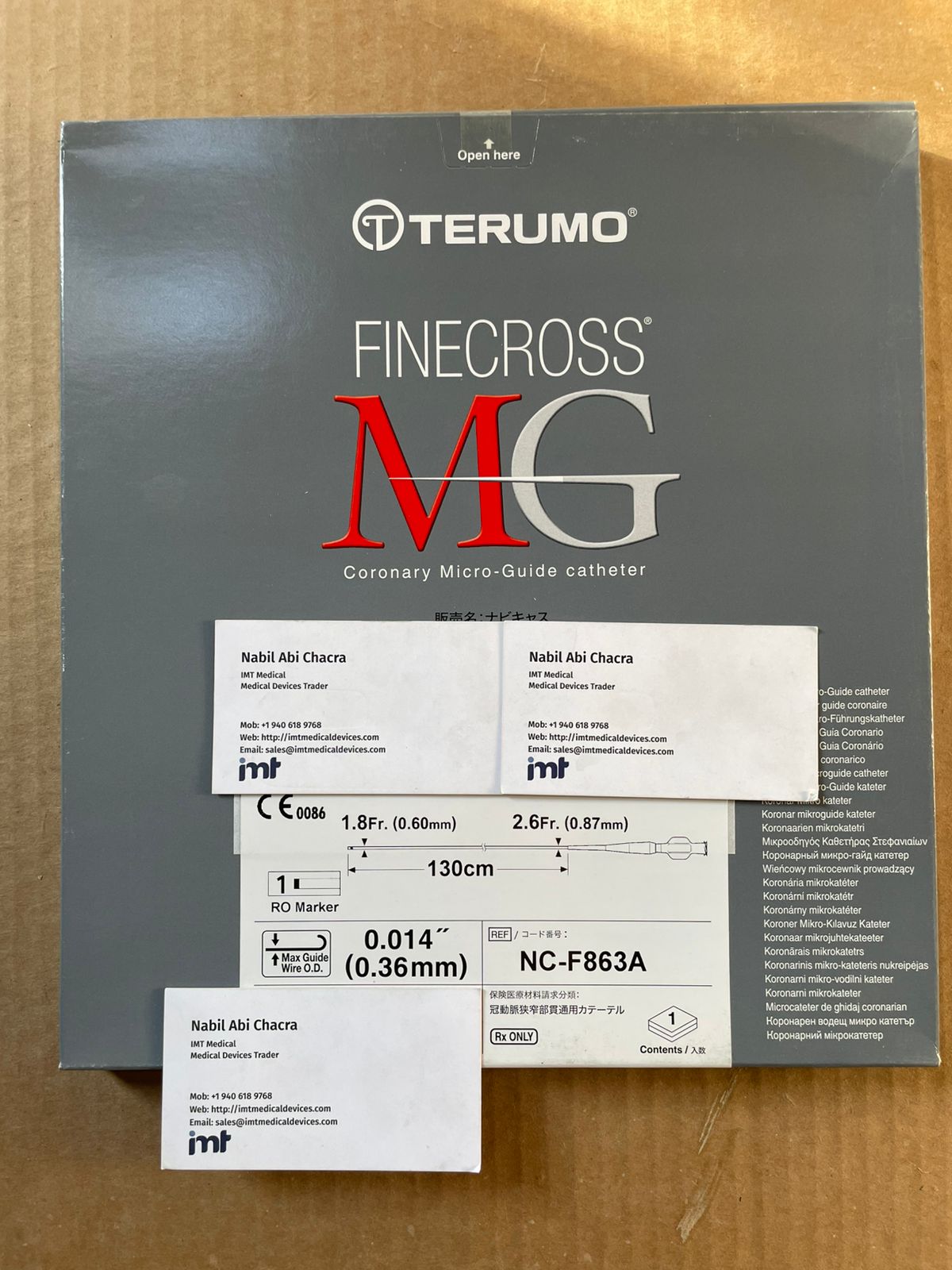

Micro Catheter Wholesale for Global Buyers
Procurement delays around neurovascular and peripheral access products rarely come from product knowledge. They usually come from fragmented sourcing, unclear SKU matching, or uneven export handling. In micro catheter wholesale, those issues matter because the product category is clinically specific, brand-sensitive, and often tied to procedural planning rather than routine stock replenishment.
Professional buyers are not looking for general explanations of what a micro catheter does. They need a supply partner that understands the difference between product families, can confirm branded availability, and can move quickly from inquiry to quotation. That is especially true when procurement teams are balancing neurovascular, peripheral intervention, and interventional radiology requirements across multiple facilities or regions.
What matters most in micro catheter wholesale
At the wholesale level, micro catheters are not a simple commodity purchase. Buyers usually need exact manufacturer alignment, familiar device performance profiles, and confidence that the quoted product matches the intended clinical use. A substitute that looks similar on paper may not be acceptable to the physician team, and a naming mismatch can slow an order even when inventory exists.
That is why wholesale sourcing in this category starts with precision. Brand, reference number, French size, shaft length, tip configuration, compatibility, and intended application all affect purchasing decisions. In neurovascular work, for example, the tolerance for specification drift is low. In peripheral and interventional radiology settings, the same principle applies, even if the purchasing volumes and reorder patterns differ.
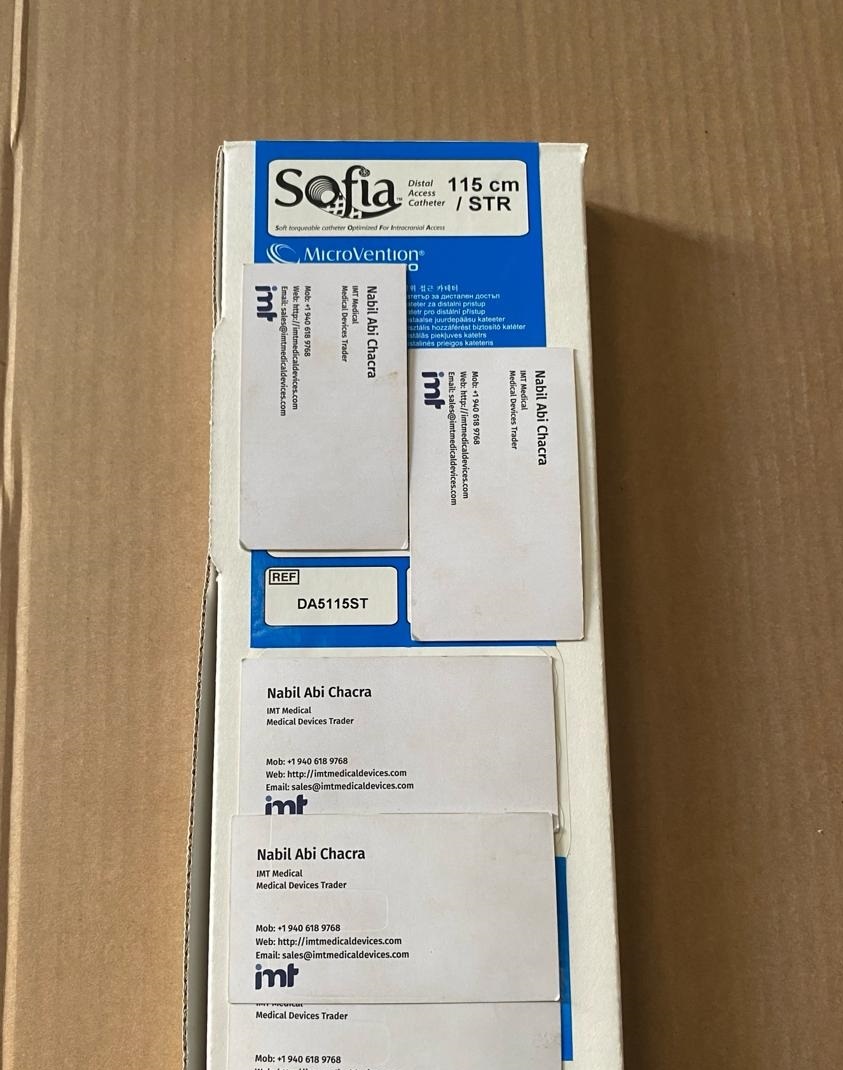
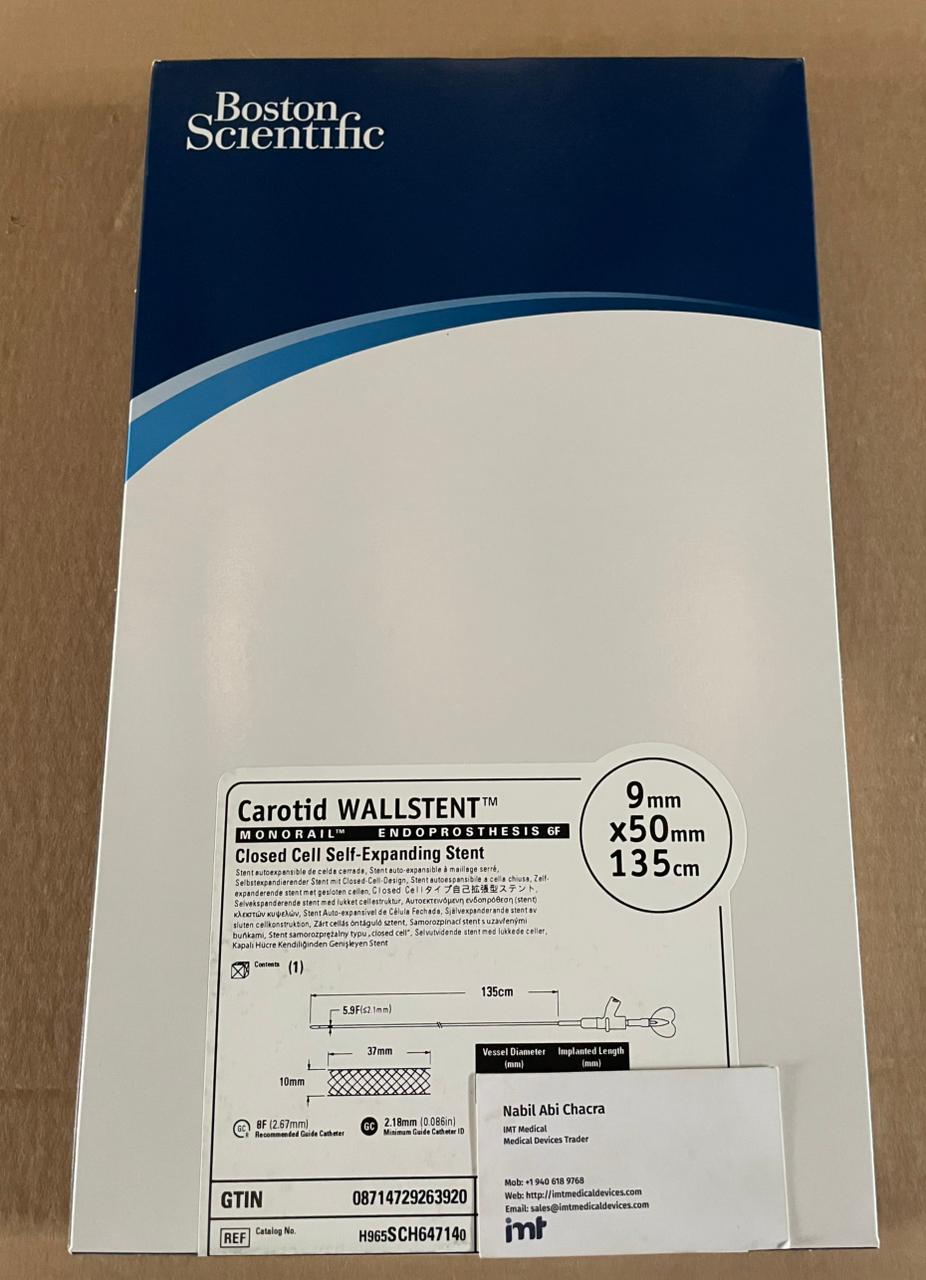
For procurement teams, the practical concern is continuity. If a hospital, distributor, or intervention center relies on a recognized micro catheter line from a manufacturer such as Terumo, Boston Scientific, Medtronic, or Stryker, the wholesale conversation is not about experimenting. It is about obtaining the right branded SKU, in the right quantity, with the documentation and shipping support needed to keep supply moving.
Branded sourcing is usually the deciding factor
In this segment, manufacturer recognition carries weight because clinicians often build preference around known handling characteristics and procedural familiarity. Procurement teams may be under pressure to reduce friction, not introduce it. That makes branded sourcing a central issue in micro catheter wholesale, especially for buyers serving high-acuity departments or specialist physician groups.
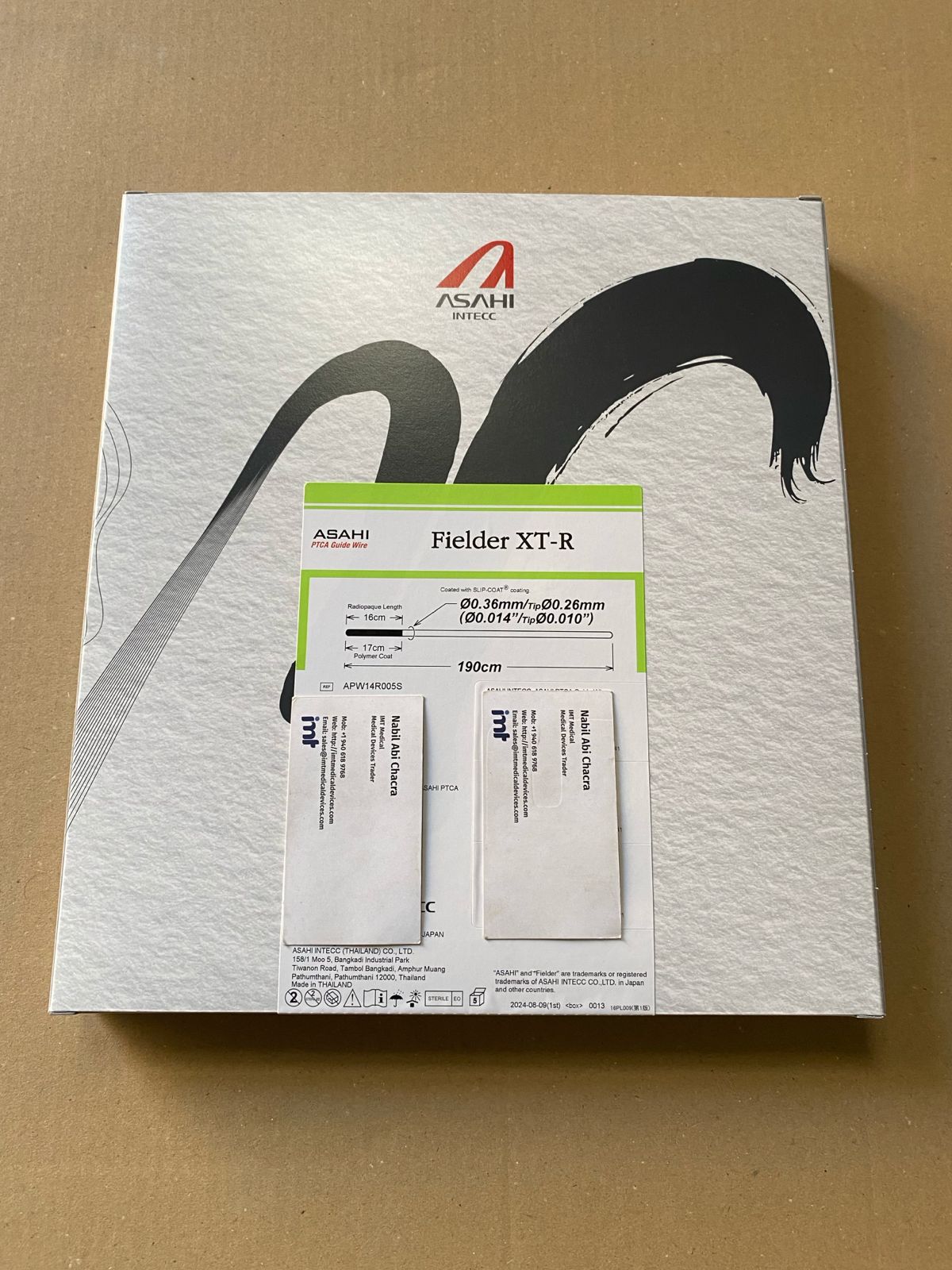
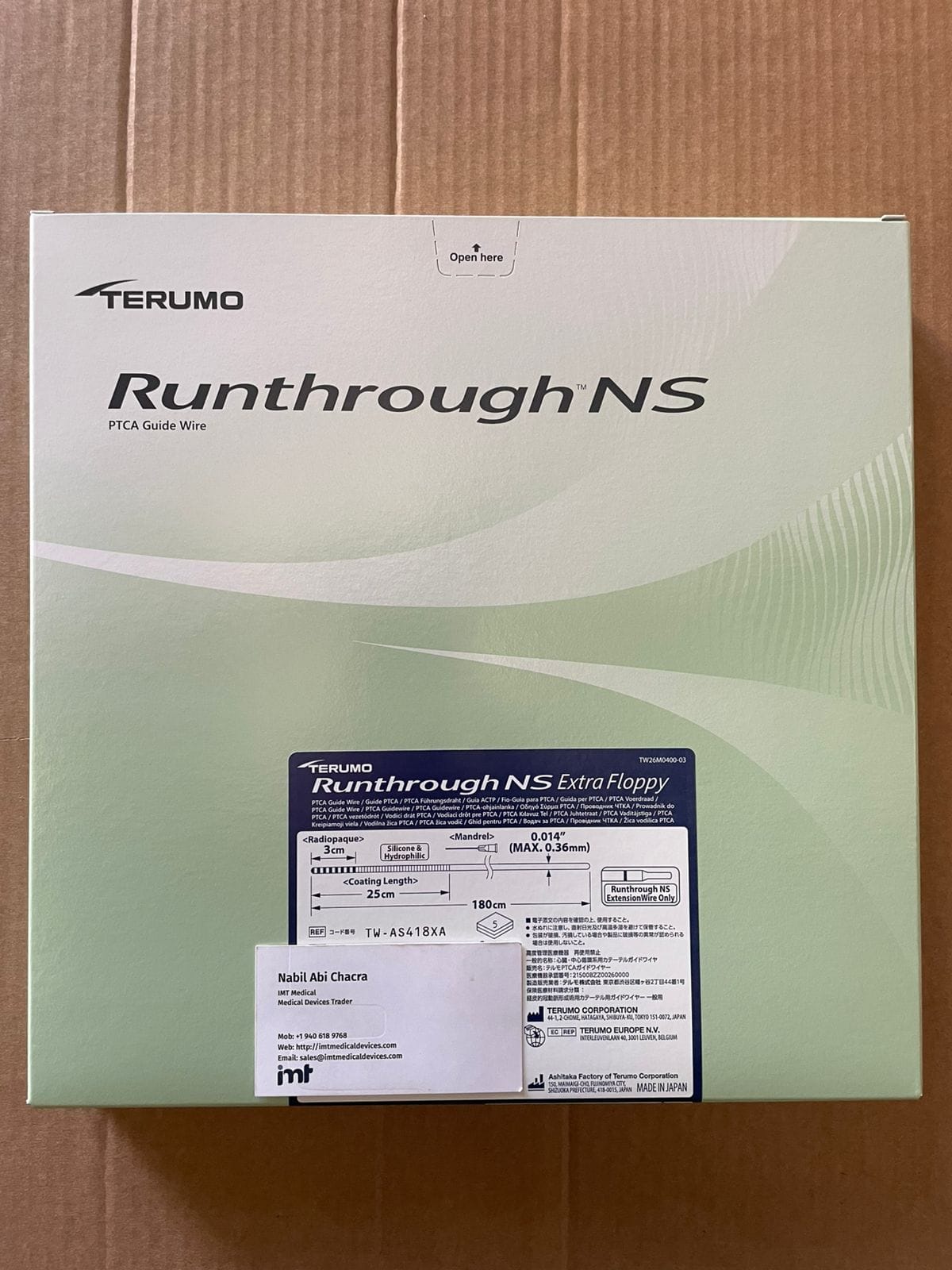
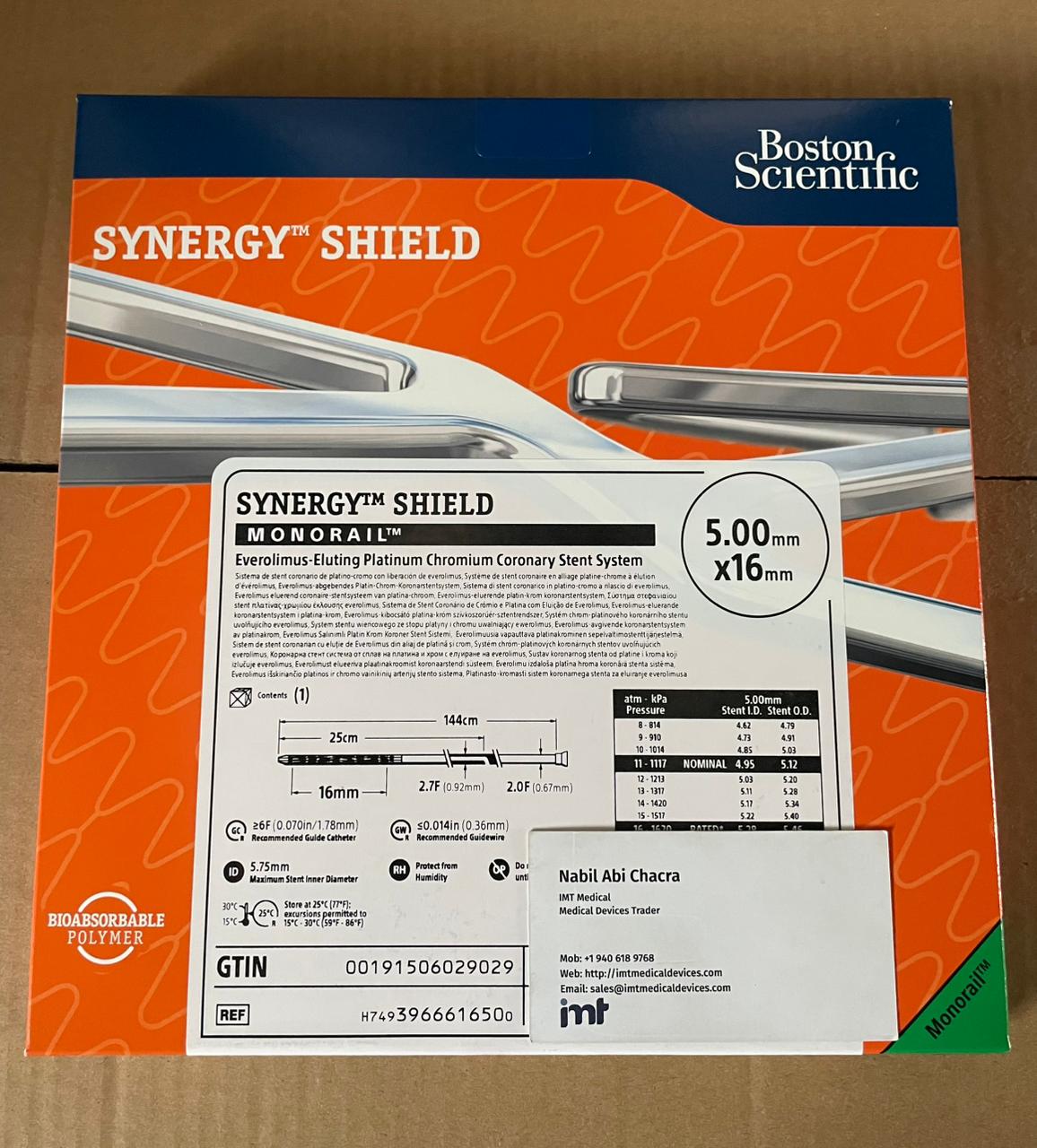
A broad wholesale portfolio helps because many organizations do not buy micro catheters in isolation. The same purchasing cycle may include guidewires, guiding catheters, aspiration catheters, coils, balloons, stents, closure devices, or related procedural products. Working with one source that can quote across major interventional categories can reduce purchasing time and simplify vendor coordination.
This is where portfolio breadth becomes commercially useful, not just impressive on paper. If a buyer is already sourcing branded interventional devices from multiple global manufacturers, adding micro catheters through the same wholesale channel may improve efficiency. It can also reduce the administrative burden of managing separate inquiries for each product family.
Micro catheter wholesale by application
Not every buyer approaches this category the same way. The application often shapes the procurement method.
Neurovascular requirements
Neurovascular buyers tend to be highly specification-driven. Device selection may depend on compatibility with coils or access systems, established physician preference, and exact product family matching. In these accounts, wholesale support needs to be precise and fast. A delayed answer on SKU confirmation is not a small issue when a purchasing team is trying to align inventory with scheduled cases or distributor demand.
Peripheral intervention and interventional radiology
Peripheral and IR buyers may manage broader product mixes and varying order volumes. Their focus is often on maintaining stock across several procedural categories while preserving brand consistency. Here, wholesale value comes from availability, clear quotation terms, and the ability to source related devices from the same supplier.
Distributor and reseller purchasing
Distributors typically care about repeatability as much as price. They need confidence that the same branded references can be sourced again, that export handling is workable, and that communication is structured enough to support resale planning. For this audience, a wholesale partner must understand commercial flow, not just product names.
What buyers should verify before requesting a quote
A serious quote request for micro catheters should start with product accuracy. The fastest transactions usually happen when the inquiry includes manufacturer name, product reference, required quantity, and destination market. If alternates are acceptable, that should be stated clearly. If they are not, that matters even more.
Buyers should also confirm whether the need is one-time, recurring, or tied to a broader sourcing program. That distinction affects quotation structure and stock planning. A recurring distributor requirement is different from a hospital replenishment order, and both are different from an urgent procurement gap.
Regulatory and shipping considerations should not be treated as afterthoughts. In cross-border medical device supply, documentation, labeling expectations, and import processes can influence lead time as much as inventory position. For international buyers, export capability is part of the product offer, not a separate service layer.
The trade-off between price and procurement risk
Wholesale buyers naturally compare pricing, but the lowest quote is not always the lowest procurement cost. In branded interventional categories, a lower unit price can come with trade-offs in product traceability, packaging condition, fulfillment reliability, or communication speed. For clinical products with narrow acceptance criteria, those risks can outweigh nominal savings.
This does not mean price is secondary. It means price should be evaluated alongside sourcing confidence. If a supplier can provide recognized branded devices, accurate SKU handling, and international shipping support, that may protect continuity better than a cheaper but less reliable option. For many hospital and distributor buyers, consistency is part of value.
The right balance depends on the account. A buyer covering urgent procedural demand may prioritize readiness and accuracy. A distributor building inventory for resale may focus more heavily on repeat pricing and availability patterns. Both approaches are rational, but they lead to different supplier expectations.
Why consolidated sourcing helps in this category
Micro catheter procurement often sits inside a wider interventional purchasing environment. Hospitals, cath labs, and distributors rarely buy one category in isolation for long. They need coronary products, peripheral devices, neurovascular lines, and sometimes laboratory or surgical brands within the same sourcing cycle.
Consolidated wholesale sourcing can reduce operational drag. Instead of opening separate vendor conversations for each branded line, buyers can work through one inquiry channel for multiple categories. That can improve quote speed, simplify communication, and help purchasing teams manage branded product needs more efficiently.
For organizations serving multiple geographies, consolidation also supports export coordination. A supplier that already handles international medical device shipments understands that the transaction is not finished when the product is located. It is finished when the buyer receives a workable quote, clear documentation support, and predictable fulfillment handling.
Choosing a wholesale partner for micro catheters
A credible supplier in this segment should demonstrate category familiarity without overexplaining basics. Buyers do not need marketing language. They need clear product identification, realistic availability communication, and responsiveness around branded requests. If a supplier cannot engage at the level of exact nomenclature and manufacturer reference, the process usually slows down quickly.
It also helps when the supplier can support adjacent product categories from the same manufacturers. That creates room for more efficient procurement over time, especially for buyers managing institutional or distribution-scale purchasing. IMTMedicalDevices.com fits this model by focusing on branded interventional and medical device categories for professional buyers rather than retail-style transactions.
In practice, the best wholesale relationships are built on predictability. Buyers want to know that when they send a branded micro catheter inquiry, they will receive a commercially useful response - not a generic catalog reply, not an ambiguous substitute, and not unnecessary back-and-forth over basic identifiers.
Micro catheter wholesale works best when the supplier treats every inquiry as a specification and logistics task, not just a sales opportunity. For professional buyers, that is usually the difference between another vendor contact and a sourcing partner worth keeping in the rotation.