
Middle East Medical Procurement Priorities
A cath lab delay caused by one missing guidewire is rarely a simple inventory problem. In middle east medical procurement, the real issue is usually upstream - fragmented sourcing, inconsistent export handling, unclear SKU matching, or a supplier that can provide one brand line but not the rest of the procedure set. For professional buyers, procurement performance is measured in continuity, not just price.
The region’s demand profile makes this especially clear. Hospitals, specialty centers, laboratories, and distributors are not buying generic categories in the abstract. They are buying specific branded devices with known clinical acceptance, established physician preference, and exact technical requirements. A request is not for a balloon in general. It is for a defined size, shaft length, French compatibility, coating profile, or brand family that fits an existing protocol.
What middle east medical procurement actually requires
Medical procurement in the Middle East often involves a mix of public and private purchasing models, varying registration pathways, and different import documentation expectations from one market to another. That makes broad supplier claims less useful than operational detail. Buyers need to know whether a sourcing partner understands manufacturer nomenclature, packaging conventions, lot traceability, and export documentation well enough to avoid preventable delays.
This matters most in high-acuity categories. Interventional cardiology, peripheral intervention, neurovascular, laboratory diagnostics, and surgical products all carry different procurement pressures. A coronary stent program has little tolerance for substitutions. Neurovascular products may require tighter planning because case-specific device selection is narrower. Laboratory procurement may involve recurring volume and compatibility considerations across analyzers, reagents, and branded consumables. Surgical supply may be more standardized in some facilities, but branded preference still affects purchasing behavior.
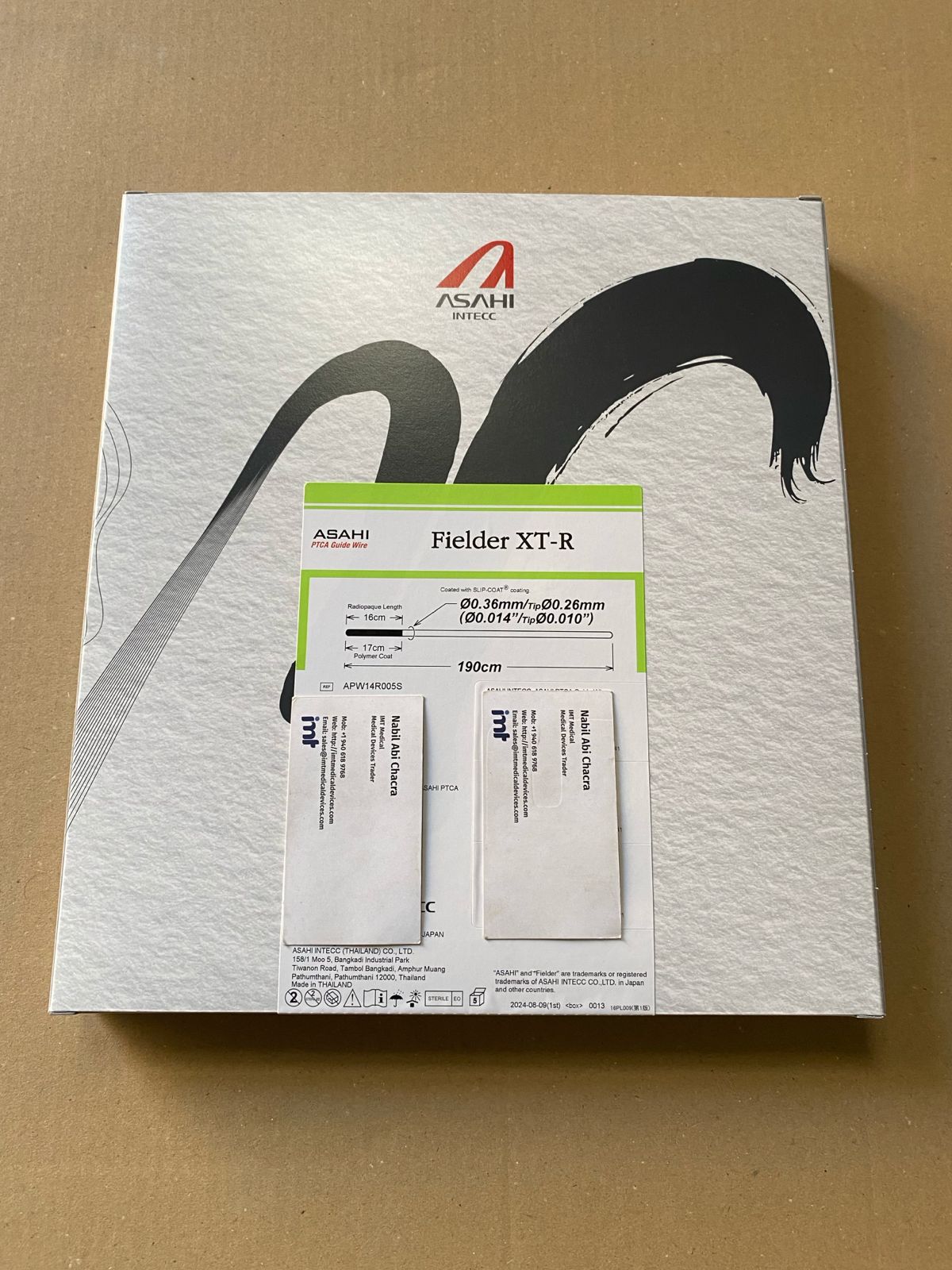
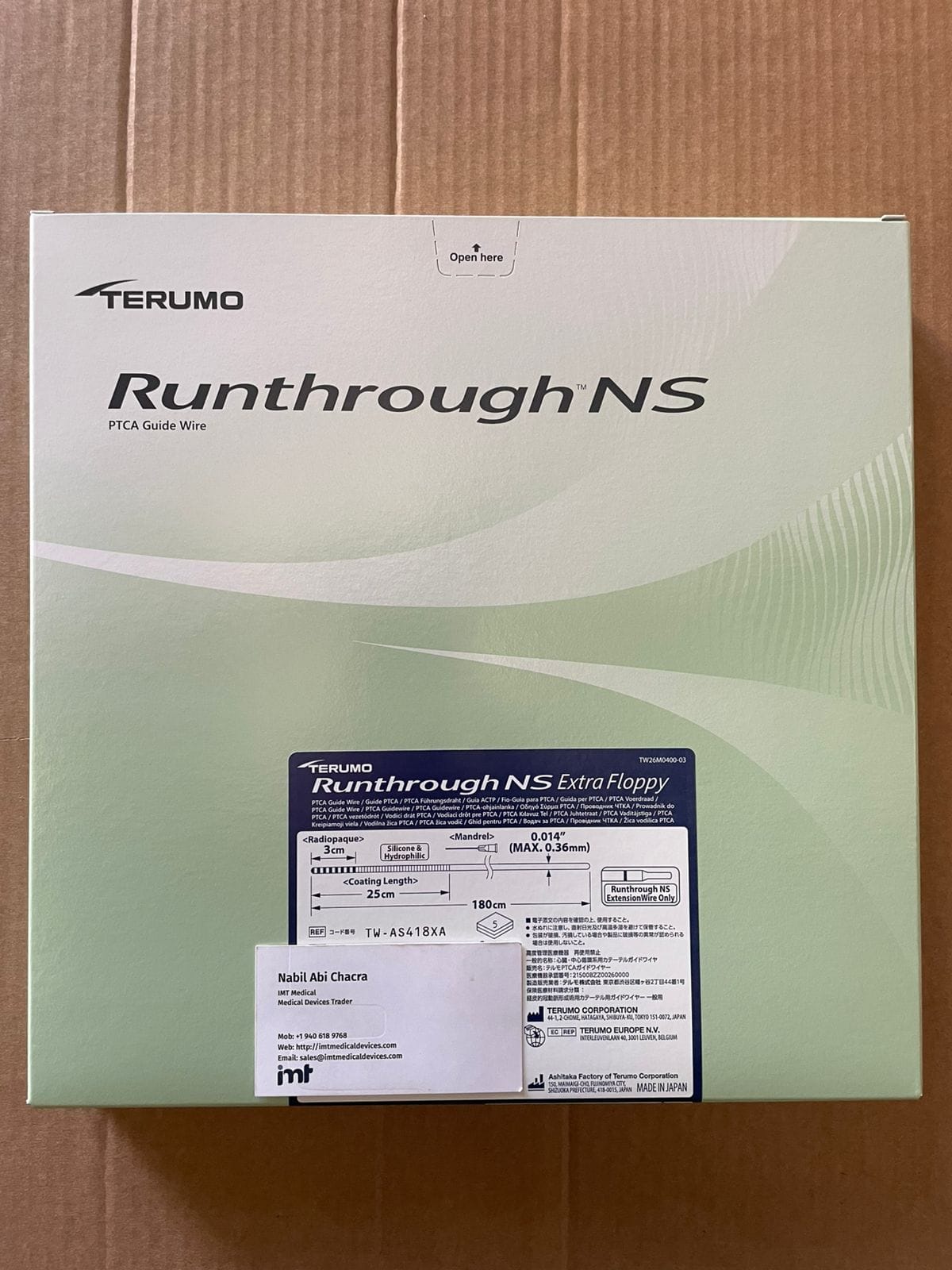
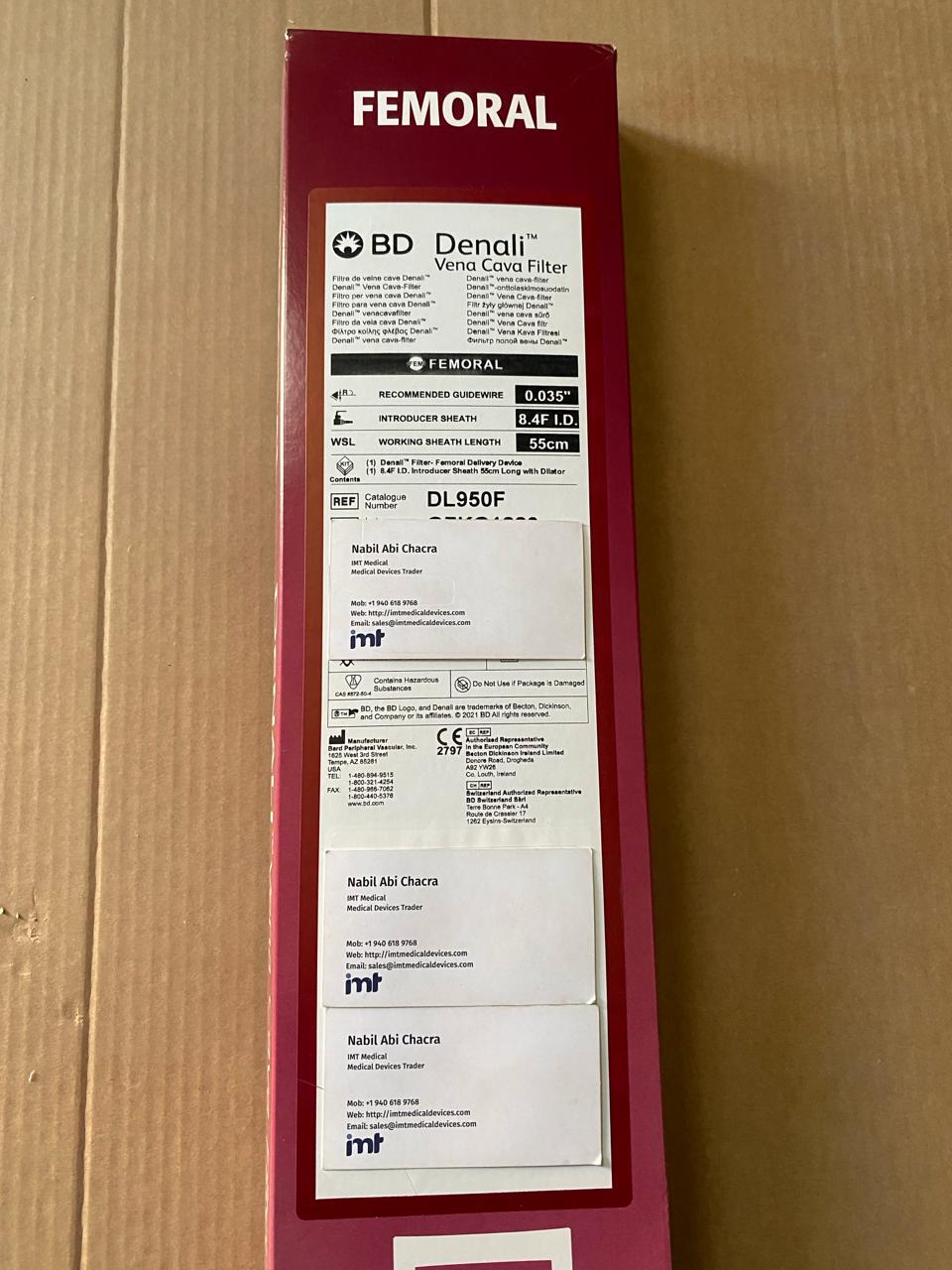
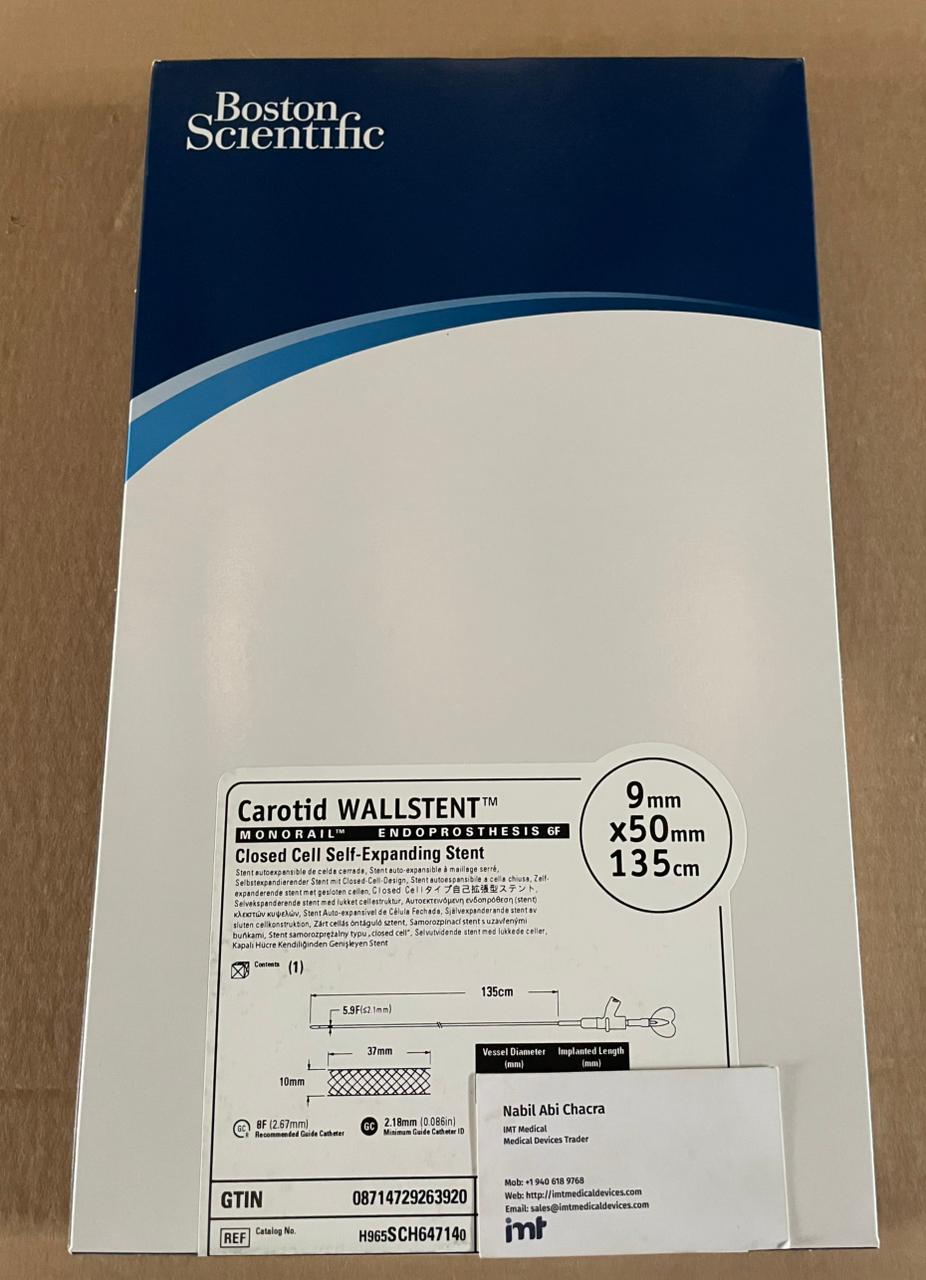
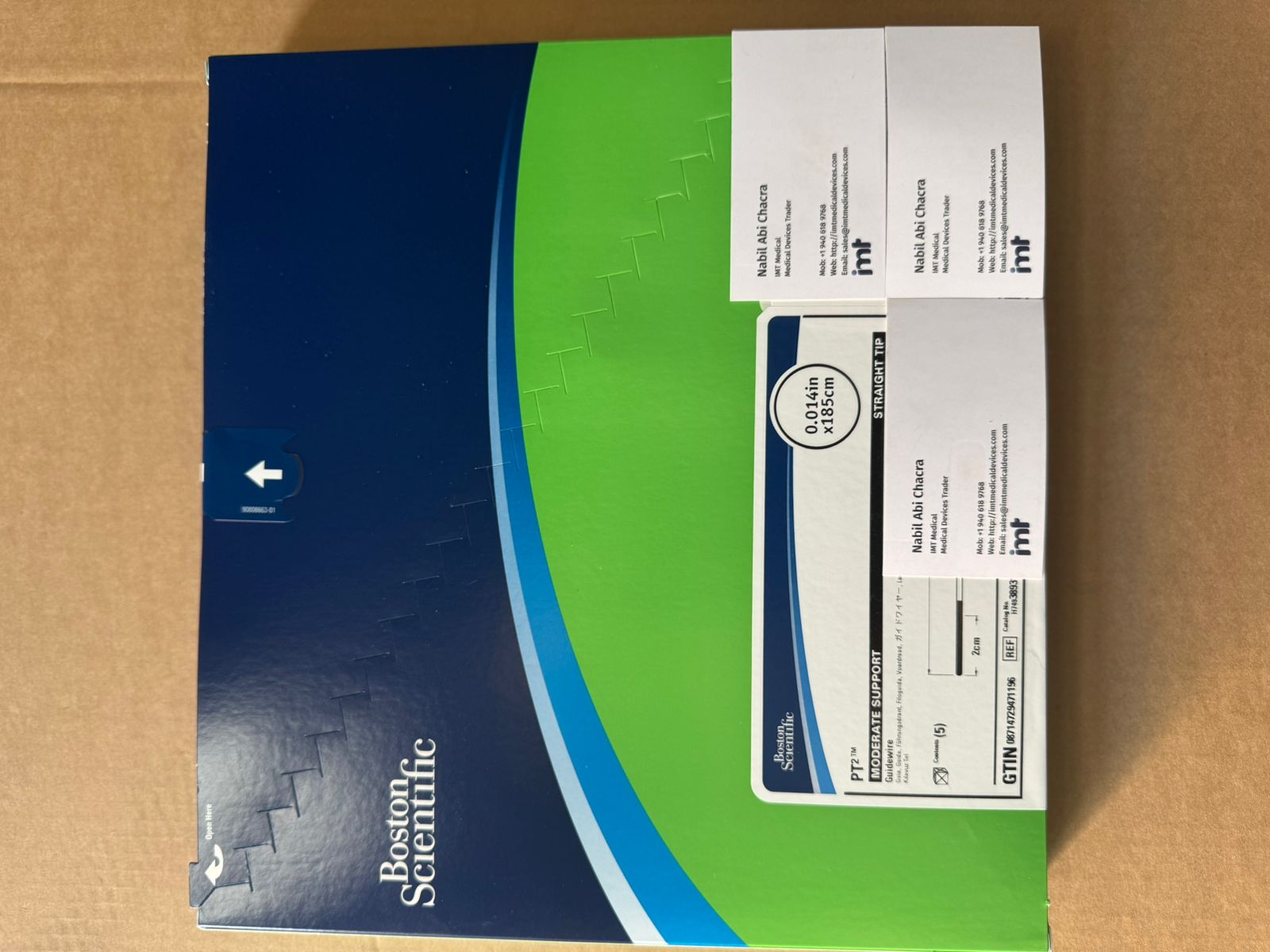
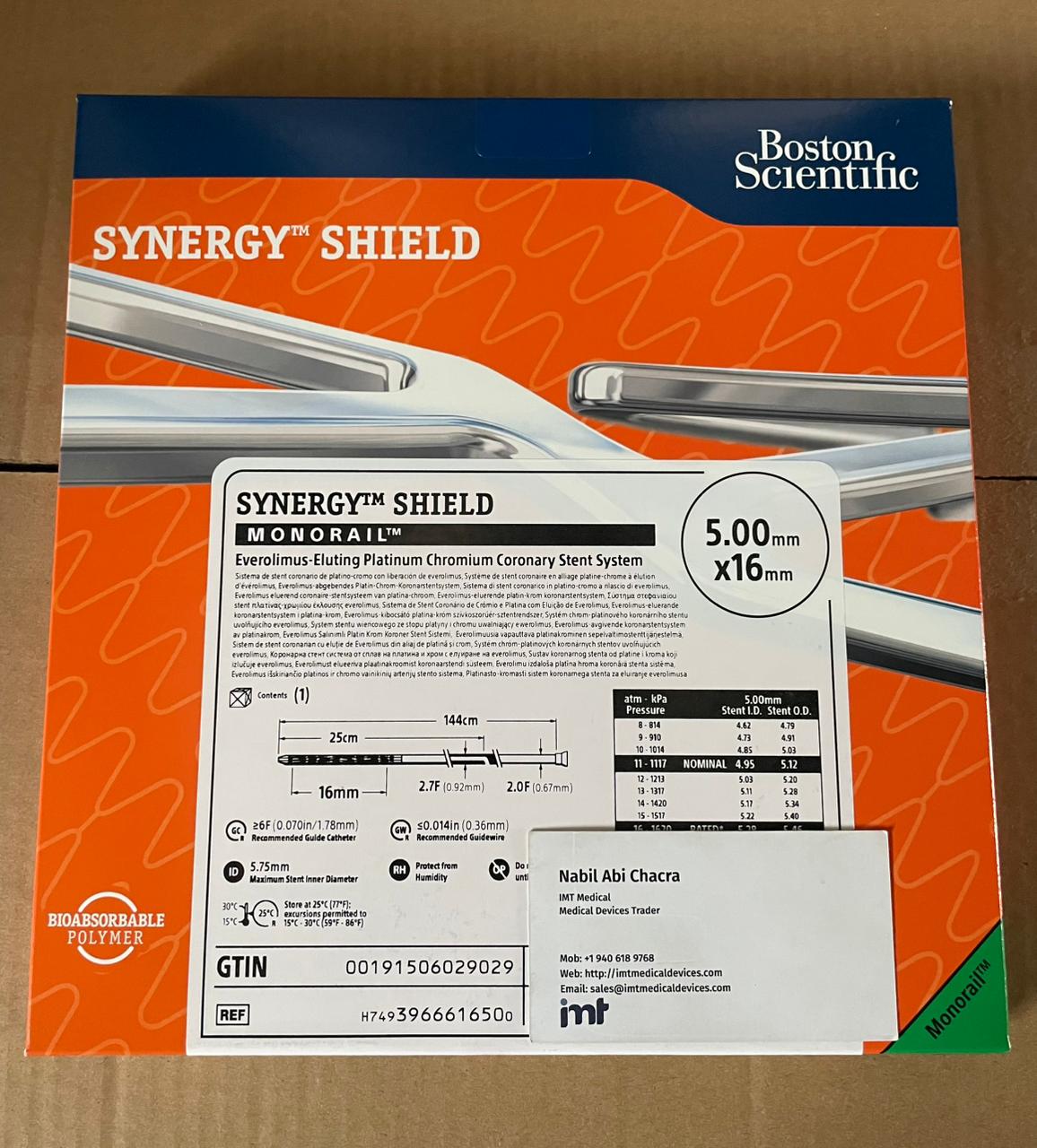
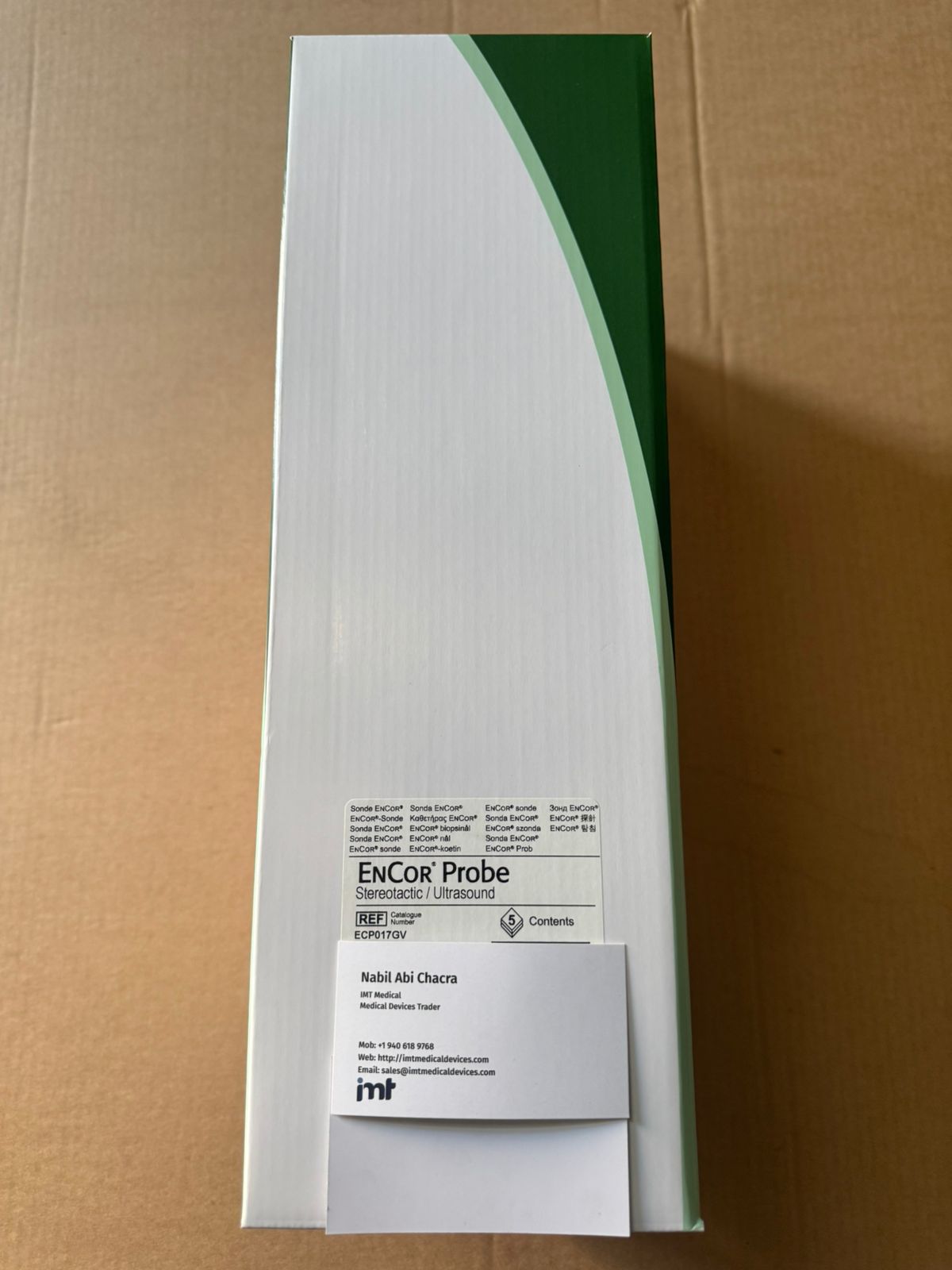
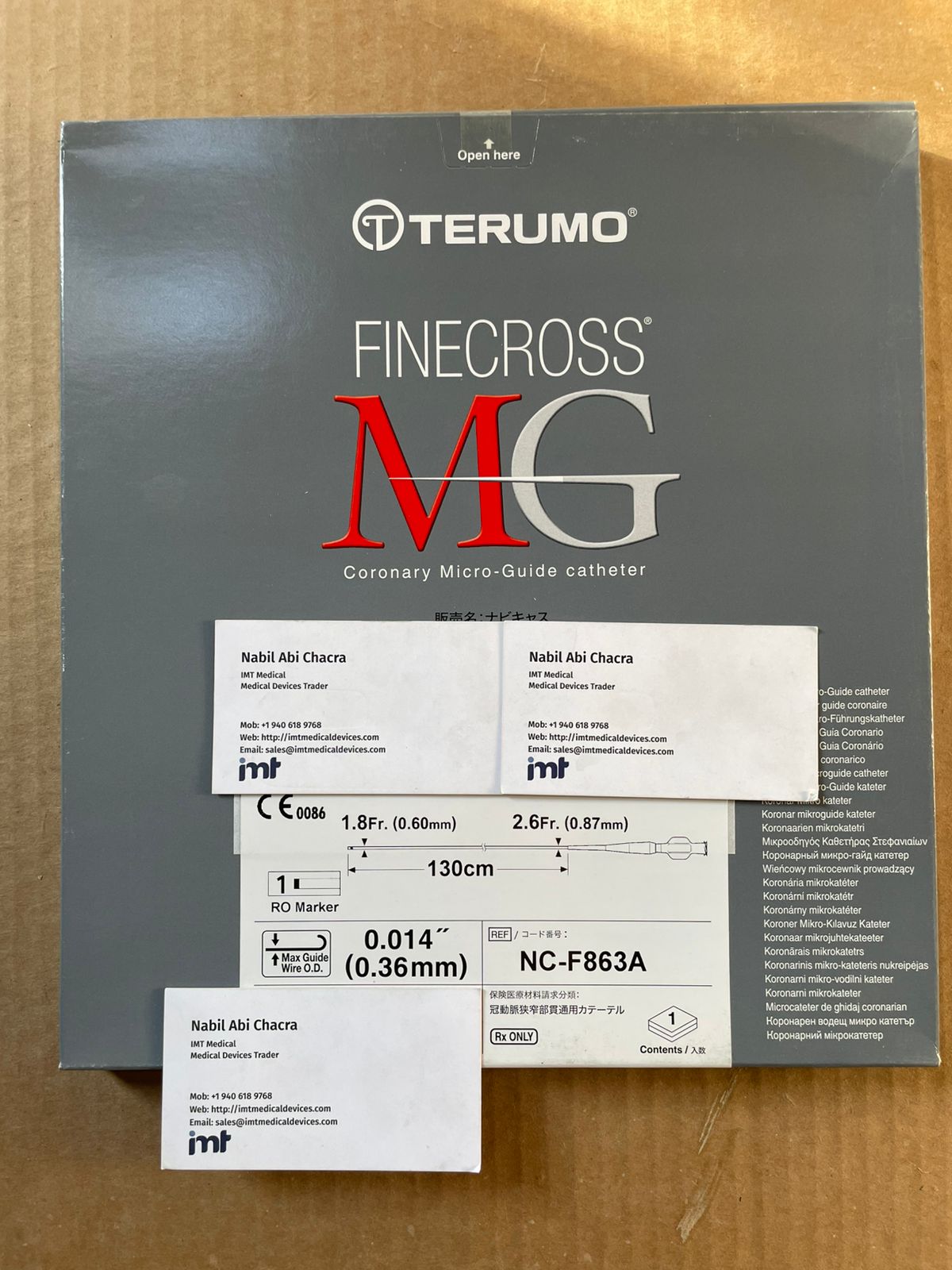
For that reason, buyers usually value suppliers that can support exact-item procurement across multiple manufacturers rather than pushing equivalent alternatives. A sourcing model built around recognized brands such as Terumo, Asahi, Boston Scientific, Medtronic, Abbott, Cordis, Siemens, Roche, Beckman Coulter, BD, Ethicon, and Stryker aligns better with how institutional buyers actually purchase.
Brand concentration beats fragmented purchasing
One of the practical constraints in middle east medical procurement is that many procedure-driven departments buy across several manufacturers at the same time. A single intervention may require guidewires from one brand, balloons from another, a vascular closure device from a third, and supporting disposables from several others. Buying each line separately can work, but it adds quote cycles, shipping complexity, and coordination risk.
A consolidated wholesale sourcing partner reduces that burden. The value is not theoretical. It shows up in fewer handoffs, fewer documentation gaps, and faster quote alignment when the buyer already knows the exact branded SKUs required. This is particularly relevant for hospitals and distributors trying to maintain continuity across cardiology, interventional radiology, and neurovascular categories without expanding their supplier base for every product family.
There is, however, a trade-off. Broad portfolio suppliers are most useful when they are disciplined about product accuracy. Range alone is not enough. If a supplier cannot distinguish between closely related catheter configurations or fails to confirm the precise variant requested, portfolio breadth becomes noise. Professional buyers would rather work with a source that confirms exact specification and availability than one that simply claims access to many brands.
SKU accuracy is not administrative detail
In procurement conversations, SKU precision often gets treated like back-office work. In reality, it is a clinical and operational control point. Small product differences can affect procedural fit, physician confidence, and stock usability. A guide catheter with the wrong curve profile, a balloon with a mismatched length, or a microcatheter outside the requested compatibility range can create immediate downstream problems.
That is why experienced buyers tend to prioritize nomenclature accuracy from the first inquiry. The most efficient procurement process starts with exact references, not broad category descriptions. When suppliers respond with confirmed branded item descriptions, pack details, and available quantities, the transaction moves faster and with less correction.
This is also where export-capable wholesalers can add value. If a supplier is accustomed to professional inquiry-based procurement, the quote process is usually more precise. Instead of treating the transaction like general e-commerce, the supplier handles it as specification-based sourcing. That model is better suited to hospitals, labs, and distributors purchasing in volume.
Export support is part of the purchase, not an afterthought
For international buyers, product access and export execution are inseparable. A supplier may have the right branded devices available, but if the documentation process is inconsistent, the procurement result is still weak. Middle East buyers often evaluate suppliers on whether they can support the full commercial movement of goods, including packing standards, invoice clarity, and shipment coordination appropriate to the destination market.
This does not mean every country in the region operates the same way. It does mean buyers benefit from working with suppliers who understand that export readiness affects lead times, customs handling, and receiving efficiency. In practice, that favors wholesale businesses structured around international fulfillment rather than local storefront-style sales.
There is no single formula here. Some buyers prioritize speed on urgent procedural items. Others prioritize shipment consolidation across multiple product classes. Distributors may care more about repeated replenishment planning and commercial documentation consistency. A useful supplier recognizes those differences and quotes accordingly.
Product categories where sourcing pressure is highest
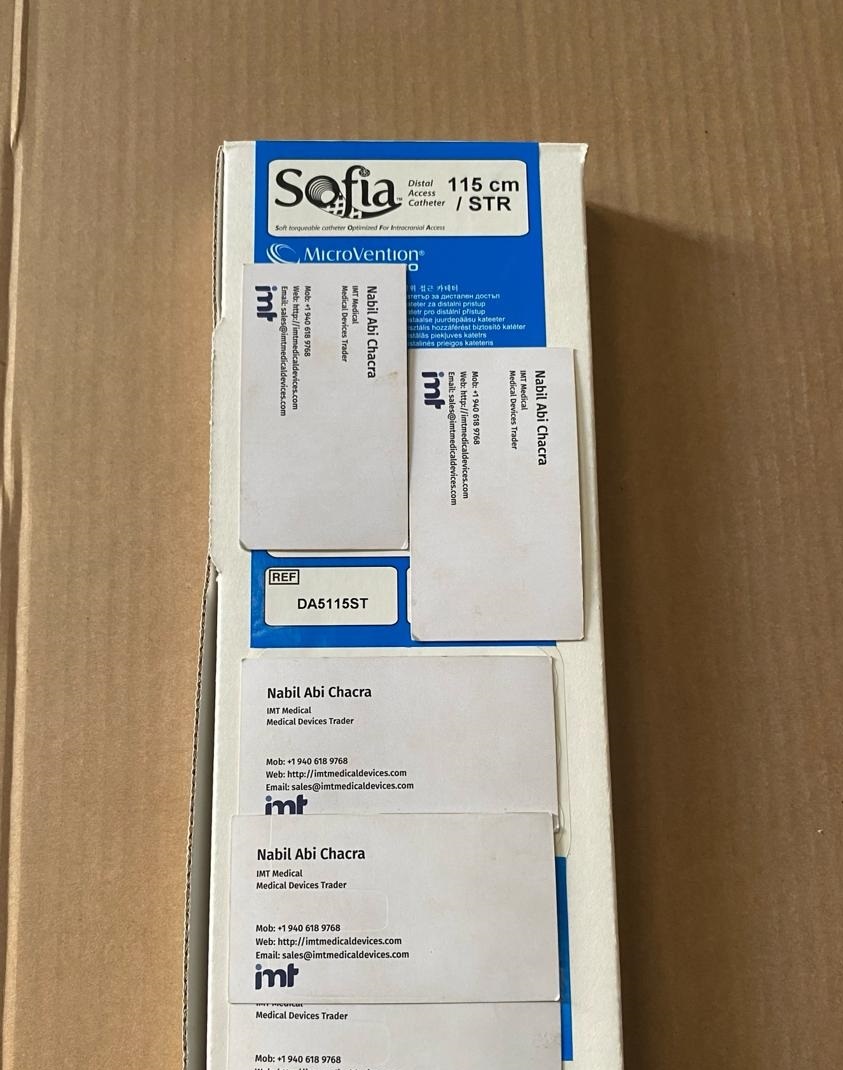
The most demanding procurement environments are usually the ones tied directly to specialist procedure volume. In interventional cardiology, buyers often need steady access to coronary stents, PTCA balloons, guidewires, guiding catheters, aspiration catheters, and vascular closure devices from recognized manufacturers. Product familiarity matters because operator preference and established stock patterns influence adoption.
Peripheral intervention has similar pressure, but with a wider mix of lesion types and device profiles. Requests may involve peripheral balloons, wires, catheters, and support devices where exact sizing and brand confidence shape purchasing decisions. Neurovascular procurement is often even tighter, as coils, microcatheters, and related access products can be highly case-sensitive and less interchangeable in practice.
Laboratory procurement follows a different logic. Here, continuity often matters more than one-time access. Buyers may need branded diagnostic systems, reagents, or associated laboratory product lines that fit existing workflows and equipment expectations. The risk in this category is not just stockout. It is operational disruption across testing continuity.
Surgical procurement can appear broader, especially in categories such as sutures and general procedure support products, but branded purchasing behavior remains strong. Facilities with standardized preferences often want consistency for both training and inventory management reasons.
How buyers can evaluate a sourcing partner
The most useful question is not whether a supplier sells medical devices. It is whether the supplier can support procurement at the level your department operates. For specialized buyers, that usually means four things: access to authentic branded products, accurate SKU handling, export competence, and the ability to quote across multiple manufacturers within one procurement cycle.
Responsiveness also matters, but only if it is paired with accuracy. A fast reply that introduces product mismatch creates more work than a slower quote built on correct item identification. The best procurement relationships are usually straightforward. The buyer sends exact requirements. The supplier confirms brand, specification, quantity, and commercial terms without forcing unnecessary back-and-forth.
This is where a wholesale export business such as IMTMedicalDevices.com fits naturally for many institutional buyers. The value is not based on broad marketing language. It comes from concentrated access to branded interventional, laboratory, and surgical product lines through a quote-based sourcing model built for professional purchasing.
Why the best procurement strategy is rarely the cheapest one
Price matters, but specialized device procurement is usually a total-cost decision. A lower unit price loses relevance if it comes with uncertain product origin, inconsistent packing, split shipments, or a missed delivery window that affects clinical scheduling. Experienced buyers know this. They compare commercial terms against the operational cost of delay, substitution, and repeated supplier management.
That does not mean premium brands or consolidated sourcing are always the correct answer in every case. Budget pressure, local registration realities, and tender structures can change the equation. Still, in categories where procedural reliability is the priority, procurement strategy tends to favor trusted brands and suppliers that can execute accurately under real-world constraints.
The strongest procurement outcomes usually come from boring excellence - correct SKU, recognized manufacturer, clear quote, export-ready documentation, and dependable supply continuity. For buyers managing critical inventory, that is not a small detail. It is the standard worth building around.