
Optimizing Cardiac Device Supply Logistics: A 2026 Global Procurement Guide
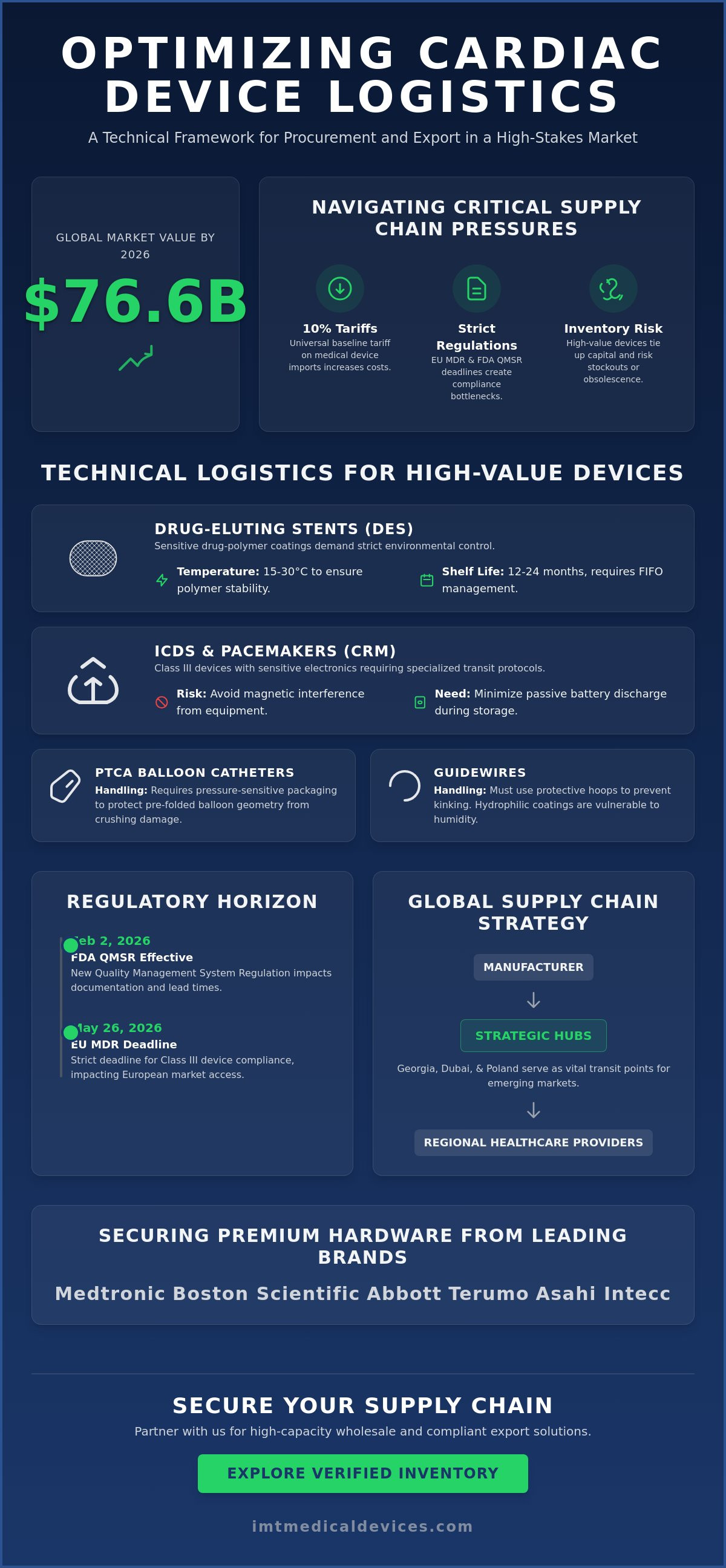
With the global cardiovascular devices market reaching $76.6 billion in 2026, the cost of a single logistical failure has never been higher. Procurement teams face a volatile landscape defined by the 10% universal baseline tariff on medical imports and the strict May 26, 2026, EU MDR deadline for Class III devices. Success in this environment requires a precise framework for optimizing cardiac device supply logistics to prevent regulatory bottlenecks and inventory stockouts.
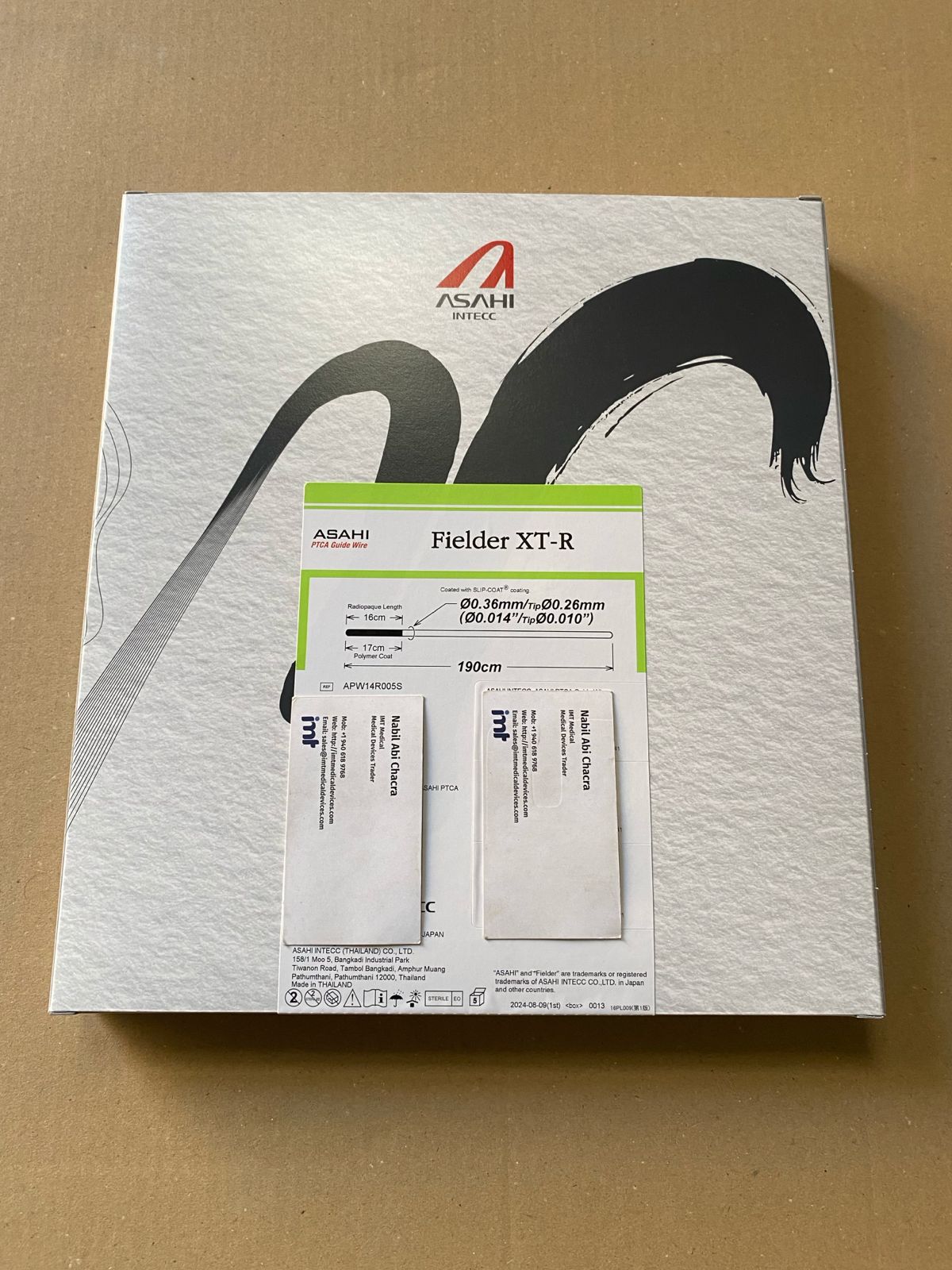
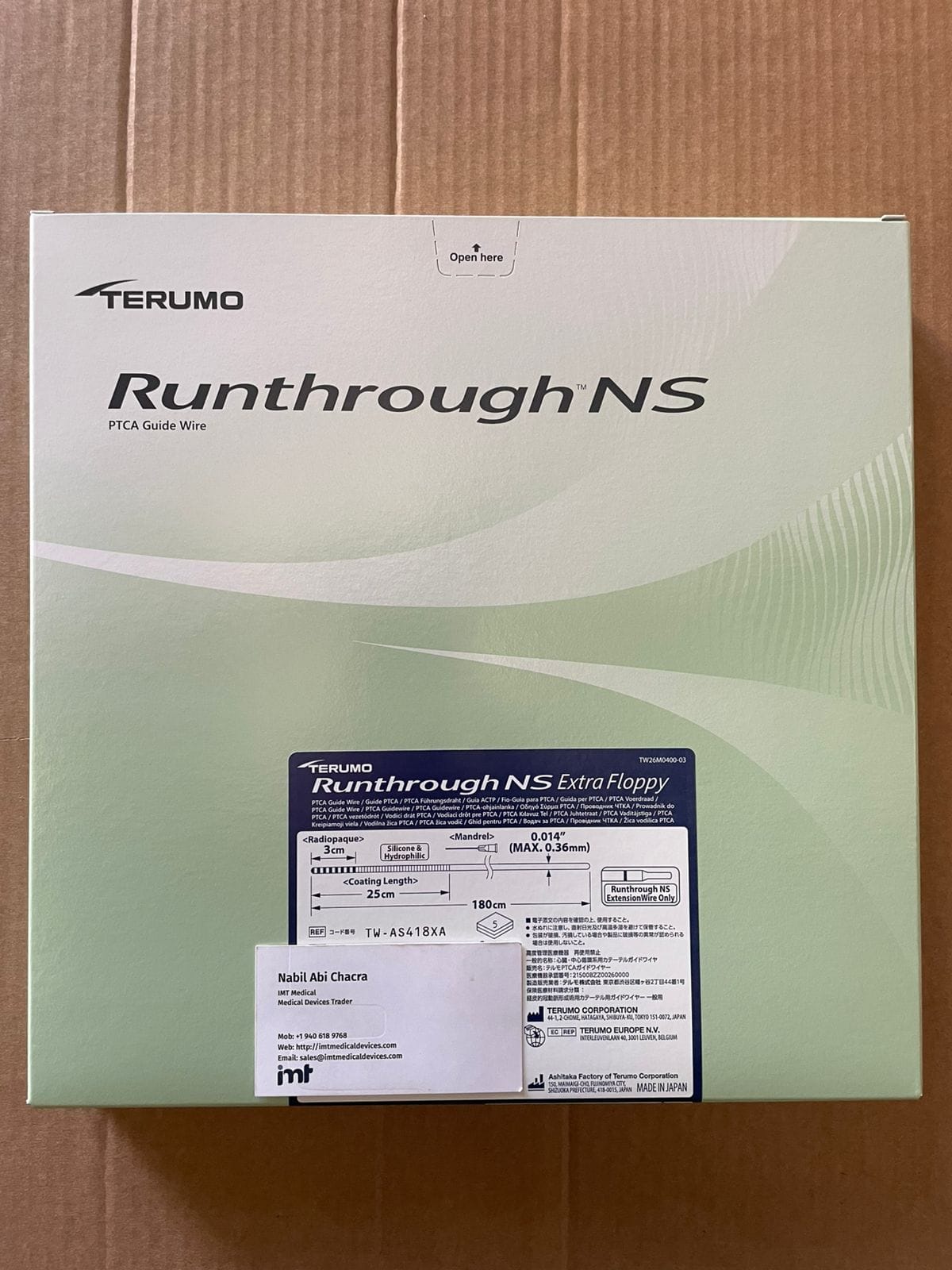
You know that navigating international shipping for high-value hardware like Drug-Eluting Stents or Implantable Cardioverter Defibrillators (ICDs) is increasingly complex due to shifting FDA QMSR standards. This guide provides the technical strategies you need to master procurement, export, and manufacturer-aligned logistics. You'll learn how to reduce customs friction and secure predictable delivery for premium brands including Medtronic, Boston Scientific, and Terumo. We preview the 2026 requirements for maintaining cold chain integrity and accessing tiered manufacturer pricing for essential items like PTCA Balloon Catheters and Asahi Intec guidewires.
Key Takeaways
- Implement technical strategies for optimizing cardiac device supply logistics to minimize capital tied in high-value inventory and reduce lead times.
- Master specific handling protocols for Drug-Eluting Stents and ICDs to ensure sterility and battery longevity through the entire transit cycle.
- Leverage manufacturer-centric sourcing to secure tiered pricing on premium hardware from Medtronic, Boston Scientific, and Terumo.
- Streamline international export using specialized medical technology codes and compliant documentation to bypass 2026 regulatory bottlenecks.
Critical Drivers for Optimizing Cardiac Device Supply Logistics
High-value cardiac hardware requires more than standard freight handling. Optimizing cardiac device supply logistics involves a technical approach to inventory that balances immediate clinical availability with capital preservation. A single Medtronic ICD or Boston Scientific Drug-Eluting Stent represents significant tied-up capital. Procurement teams must manage these assets through a lens of high-velocity distribution and strict environmental control. Maintaining this balance is essential for sustaining a functional interventional cardiology department.
Sterility maintenance is non-negotiable for coronary hardware. Packaging for PTCA Balloon Catheters and diagnostic guide wires must remain intact through multiple transit points. Any breach in the sterile barrier renders the unit a total loss. This necessitates specialized logistical requirements for cushioning and handling to prevent micro-perforations during long-haul export. Reliable distributors prioritize these physical safeguards to ensure product integrity upon arrival at the cath lab.
Modern medical device regulation, including the EU MDR and the FDA's QMSR effective February 2, 2026, has increased documentation burdens. These regulations directly impact lead times by requiring exhaustive certificates of origin and sterility validation. Failure to align with these standards causes customs friction and unpredictable delivery schedules. Staying ahead of these regulatory shifts is a core component of optimizing cardiac device supply logistics in the current global market.
The Economic Impact of Cardiac Lead Times
Interventional cardiology labs don't function efficiently with stockouts. A missing stent or pacemaker during an emergency procedure isn't just a logistical failure; it's a clinical crisis. Many organizations use a just-in-time model for high-turnover stents to minimize holding costs. However, demand volatility for emergency ICD implants requires a robust safety stock strategy. Logistical delays reduce hospital operational efficiency and increase the overall cost per procedure.
Emerging Markets and Global Value Chains
Distributors in Eastern Europe and the Middle East face unique geographic challenges. Sourcing strategies for these regions rely on strategic distribution offices in hubs like Georgia, Dubai, and Poland. These locations act as vital transit points for Terumo and Asahi Intec products. They ensure that rural healthcare hubs receive the same hardware as urban centers. Reliable global value chains bridge the gap between manufacturer production and regional patient needs, providing a steady flow of essential cardiac hardware.
Technical Requirements for Stent and ICD Logistics Management
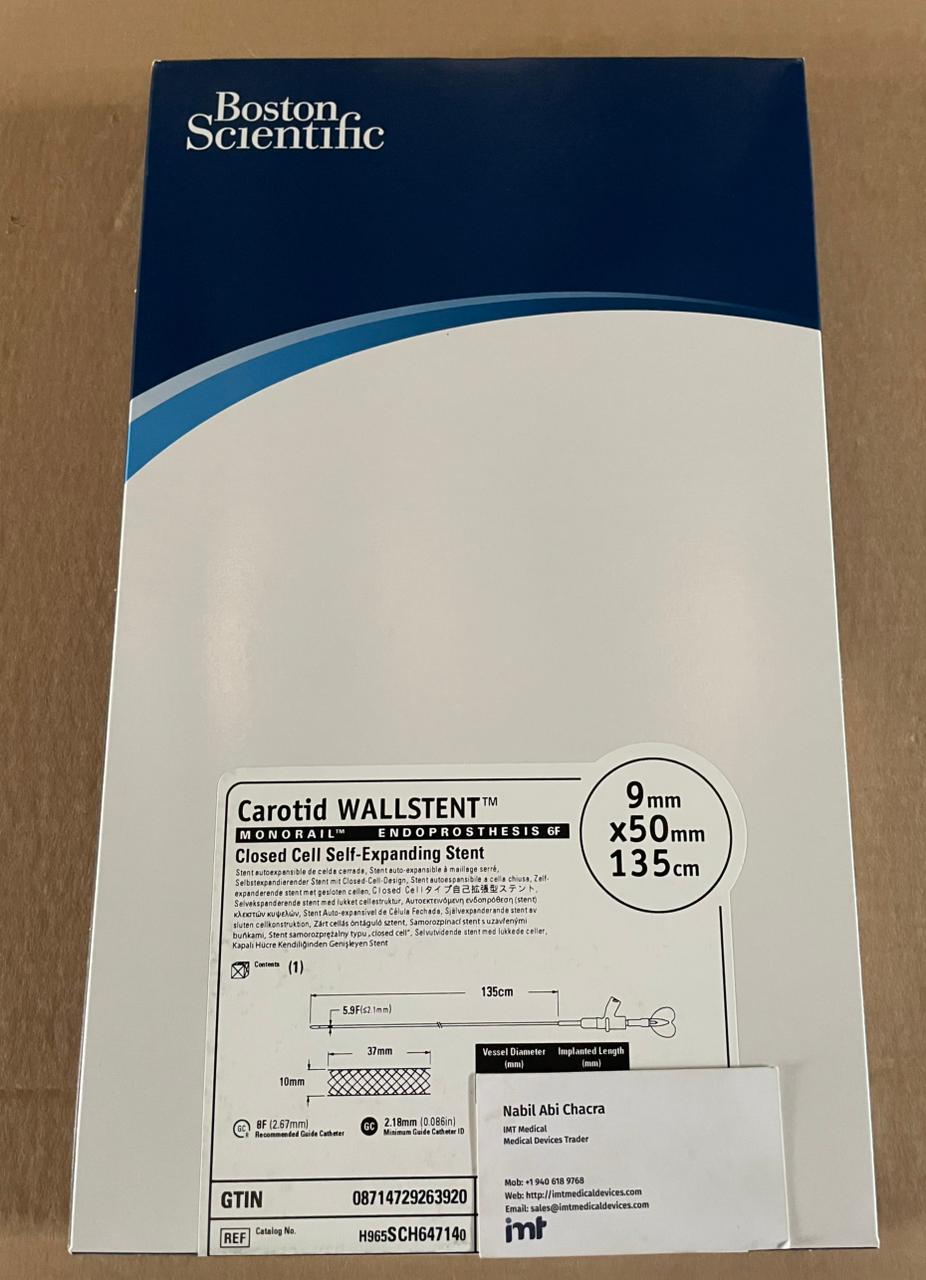
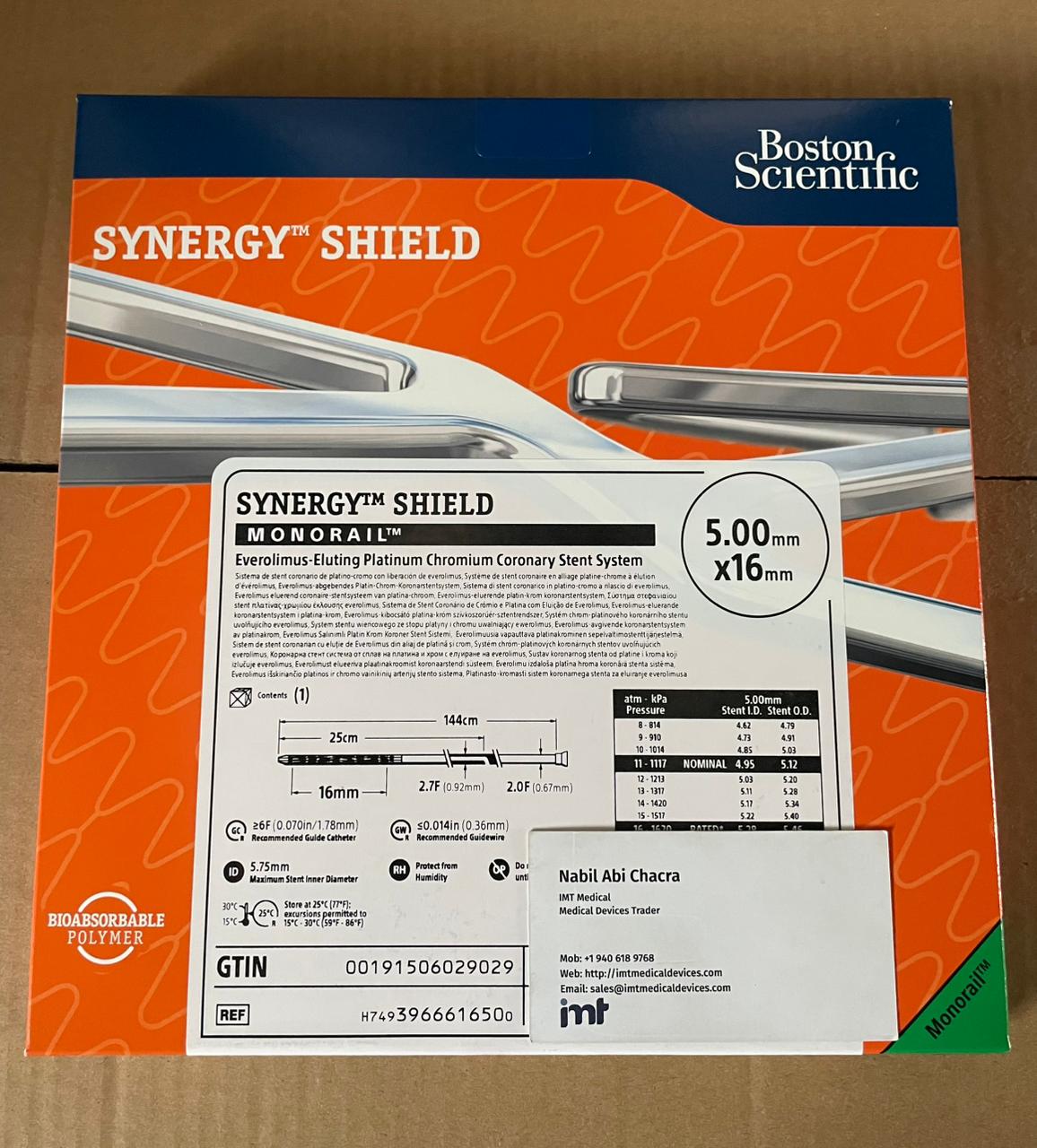
Optimizing cardiac device supply logistics requires deep technical knowledge of specific hardware categories. Drug-Eluting Stents (DES) feature drug-polymer coatings sensitive to temperature fluctuations. Deviations from the 15 to 30 degree Celsius range can compromise polymer stability. Shelf-life monitoring is critical. Most DES units, such as the Medtronic Resolute Onyx or Boston Scientific Synergy, have a 12 to 24 month expiration window. Real-time tracking prevents inventory obsolescence and ensures clinical safety.
CRM devices like permanent pacemakers and ICDs present unique transit risks. Magnetic interference from heavy industrial equipment or specific airport scanners can disrupt internal circuitry. Battery longevity is the primary concern. Devices must be stored in a state that minimizes passive discharge. The FDA's Office of Supply Chain Resilience emphasizes proactive risk mitigation for these Class III devices to prevent shortages. Reliable global transport for Medtronic or Boston Scientific CRM hardware requires shielded packaging and expedited handling.
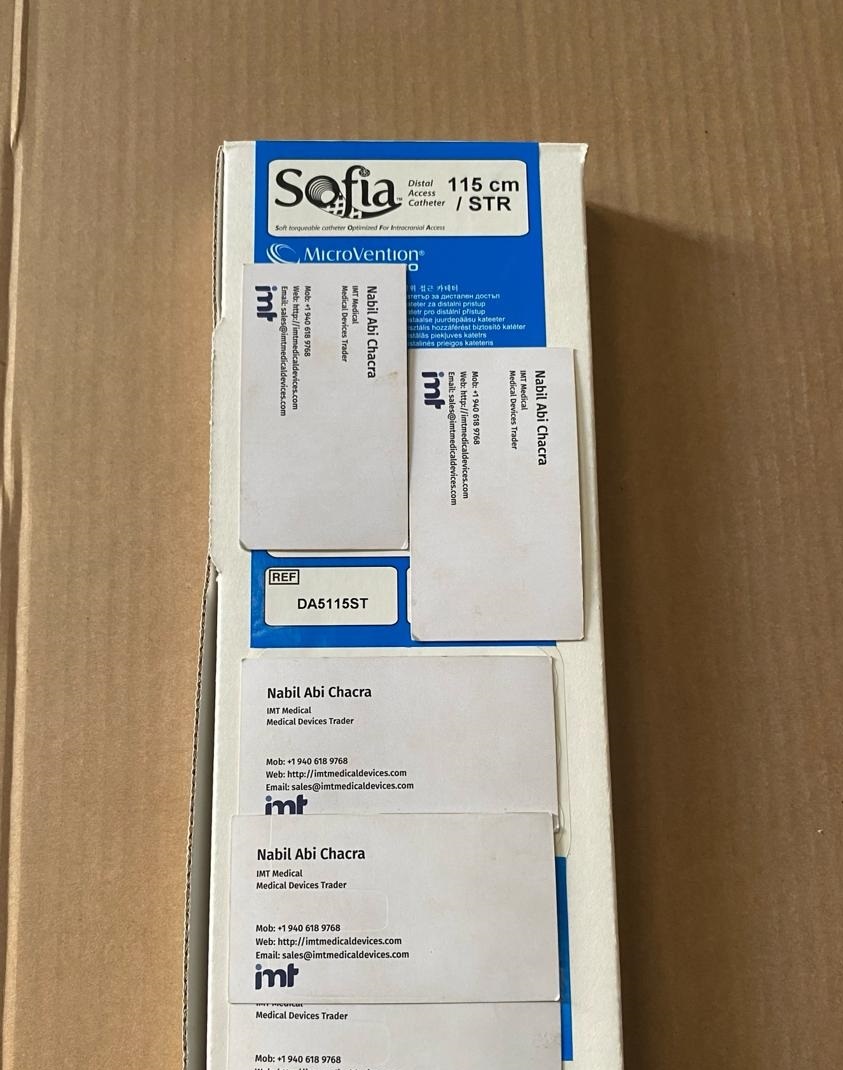
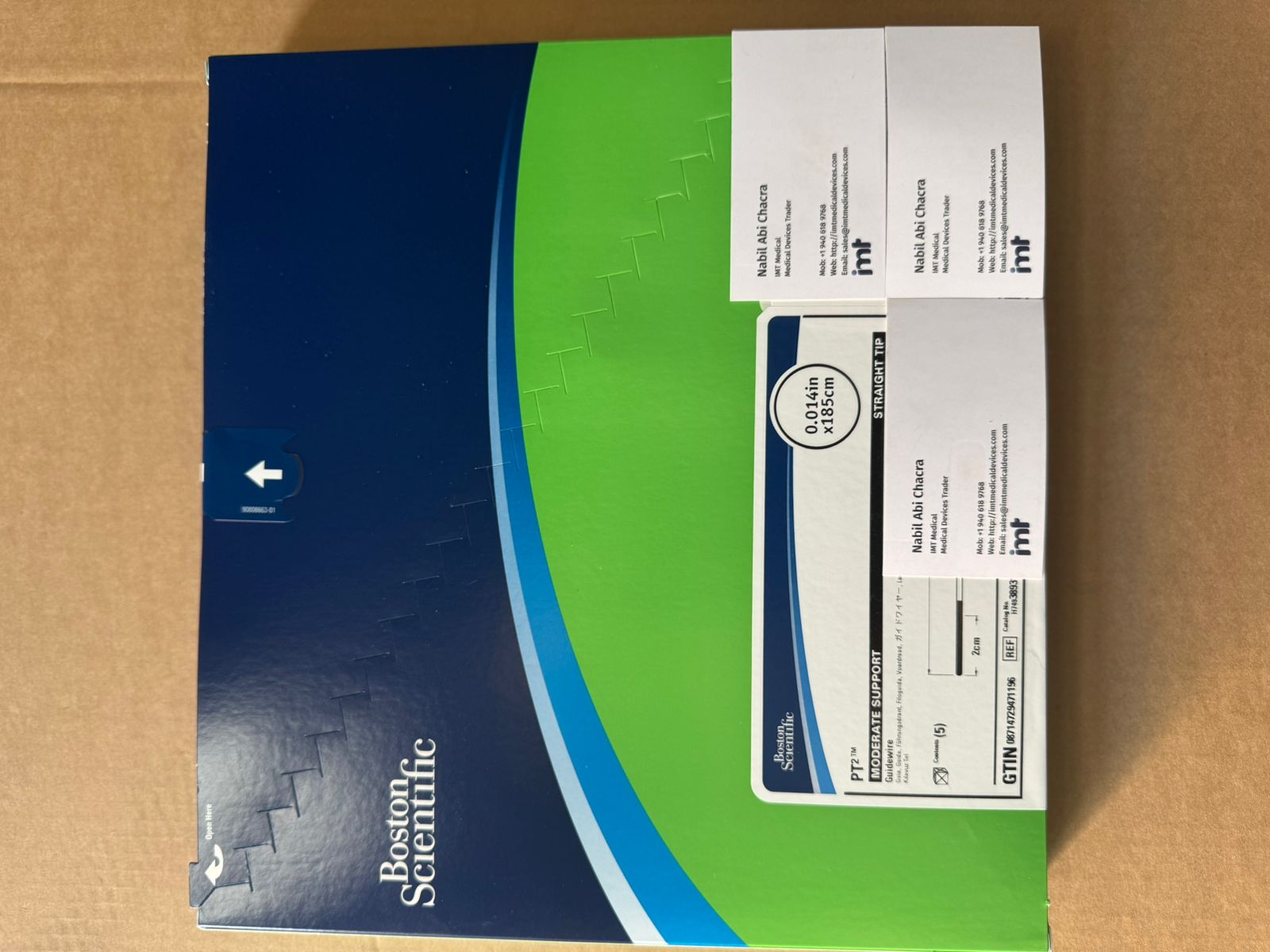
PTCA balloon catheters require pressure-sensitive packaging standards. Crushing or excessive stacking damages the balloon's pre-folded geometry. This leads to deployment failure during inflation. Diagnostic guide wires and guiding catheters need specific handling to prevent kinking. Protective hoops are standard, but rough handling during global export can cause coating degradation. Hydrophilic coatings are particularly vulnerable to humidity. For a reliable supply of these components, browse our verified inventory of cardiac hardware.
Storage Standards for Coronary Implants
Coronary implants require climate-controlled environments. Drug-polymer coatings on stents degrade if exposed to high humidity or extreme heat. Inventory managers must use First-In-First-Out (FIFO) protocols for expiring consumables. This ensures that hardware with the shortest remaining shelf life is utilized first. For more details on these requirements, see our guide on PTCA balloon catheters: A technical and procurement guide for 2026.
Handling CRM Devices and Electrophysiology Hardware
Logistical protocols for permanent pacemakers and ICDs focus on electromagnetic shielding and mechanical shock prevention. Transit for electrophysiology catheters and diagnostic wires requires oversized packaging. This prevents the kinking common in smaller shipping containers. Technical specifications for these items are available in our guide to medical guidewire technology: A technical reference for global procurement. Success in optimizing cardiac device supply logistics depends on these granular technical safeguards.
Manufacturer-Centric Sourcing: Medtronic, Boston Scientific, and Abbott
Optimizing cardiac device supply logistics requires a manufacturer-centric framework that accounts for the distinct logistical profiles of premium brands. Medtronic Resolute Onyx stents and Boston Scientific Synergy hardware utilize different drug-polymer combinations, necessitating specific storage conditions and documentation. Tracking these premium cardiac brands across global borders depends on real-time inventory visibility and integrated data systems. Procurement teams must move beyond generic logistics to brand-specific workflows that respect the technical requirements of each manufacturer. Medtronic Resolute Onyx Zotarolimus-Eluting Stents. Boston Scientific Synergy Everolimus-Eluting Stents. Each requires precise handling to maintain clinical efficacy.
Authenticity and traceability are foundational to 2026 procurement standards. Unique Device Identification (UDI) and Data Matrix code integration allow for rapid identification of hardware at international transit points. These digital signatures provide a clear path of custody from the manufacturer to the hospital. Managing MedTech logistics and forecasting risks involves using this data to anticipate sterilization bottlenecks or component shortages. Without these traceability markers, high-value implants face increased scrutiny and potential delays at customs. Reliable tracking prevents the entry of unauthorized or counterfeit hardware into the clinical supply chain.
Strategic Brand Procurement
Sourcing Medtronic products involves navigating specific logistical nuances for stents and electrophysiology catheters. Terumo and Asahi Intec hardware require specialized handling for precision vascular access, where kinking or coating damage is a high risk. Procurement professionals must evaluate manufacturer reputations for logistical reliability alongside clinical outcomes. A manufacturer's ability to maintain a consistent supply of permanent pacemakers or diagnostic wires is a critical factor in long-term procurement planning. Terumo Glidewire. Asahi Intec Corsair Pro. Strategic partnerships ensure that technical support and product availability remain constant despite global market volatility. Success in optimizing cardiac device supply logistics depends on this brand-specific vigilance.
Tiered Pricing and Wholesale Efficiency
Wholesale volume-based tiers allow distributors to leverage manufacturer-specific contract rates. Bulk sale dynamics are particularly effective for high-turnover items like PTCA balloon catheters and diagnostic guide wires. Managing manufacturer-specific lead times for specialized cardiac hardware prevents stockouts in high-volume interventional labs. Optimizing procurement for medical device distribution involves aligning these bulk orders with projected clinical demand. This approach reduces the cost per unit while ensuring that essential hardware like peripheral stents and surgical staplers are always available for immediate export. High-capacity wholesale solutions provide the scale necessary to maintain inventory across Medtronic, Boston Scientific, and Terumo product lines simultaneously.
Streamlining International Export and Regulatory Documentation
Optimizing cardiac device supply logistics requires rigorous attention to international export protocols. As of 2026, the 10% universal baseline tariff on medical imports necessitates precise classification to avoid overpayment or transit delays. Regulatory compliance documentation remains the primary hurdle for interventional hardware. Shipments must include valid certificates of origin and CE markings aligned with the May 26, 2026, EU MDR deadline for Class III devices. Specialized medical technology codes ensure that Drug-Eluting Stents and Permanent Pacemakers bypass generic cargo inspections. This specificity reduces customs friction and protects the integrity of high-value cardiac inventory.
Insurance and handling protocols are vital for high-value exports. Georgia, Turkey, and the UAE have specific regulations regarding the transit of active implantable devices. Risk mitigation strategies include comprehensive transit insurance and strict handling protocols for electrophysiology catheters and ICDs. These measures safeguard against financial loss and physical damage during multi-modal transport. Handling protocols for electrophysiology catheters require non-stackable palletization to prevent mechanical stress. Non-compliance leads to costly re-sterilization or total product loss. To secure your supply chain, it's best to partner with an experienced exporter for all cardiac hardware requirements.
The International Export Workflow
A structured workflow minimizes transit disruptions. Efficiency depends on rapid data transmission between manufacturers and distributors.
- Step 1: Technical identifier verification. Match manufacturer documentation with UDI codes for Medtronic and Terumo products.
- Step 2: Customs declaration. File regulatory documents and certificates of origin for medical imports. This step is critical for optimizing cardiac device supply logistics.
- Step 3: Specialized handling. Monitor transit conditions for temperature-sensitive hardware like PTCA balloon catheters and diagnostic guide wires.
Regional Compliance Nuances
Managing medical device imports in Turkey and the UAE requires knowledge of localized registration systems. Eastern European healthcare providers often demand specific documentation for Asahi Intec and Boston Scientific hardware. Strategic hubs in Georgia and Poland serve as critical distribution nodes for these regions. These hubs facilitate faster clearance and provide a buffer against demand volatility in urban and rural healthcare markets. Localized expertise prevents administrative bottlenecks that otherwise stall the delivery of life-saving hardware. It's a pragmatic approach to a complex global market.
IMT Medical Devices: High-Capacity Wholesale and Export Solutions
IMT Medical Devices serves as a high-capacity bridge between prestigious global manufacturers and international healthcare markets. Our inventory management systems focus on optimizing cardiac device supply logistics for high-value hardware. We maintain an extensive stock of Drug-Eluting Stents, ICDs, and PTCA hardware from industry leaders. Medtronic. Boston Scientific. Terumo. Abbott. This manufacturer-centric approach ensures that procurement professionals have immediate access to authentic, premium technology without the delays associated with smaller distributors.
Our logistical expertise extends to over 50 countries. We manage the entire lifecycle of international export, from technical identifier verification to complex customs clearance. Professional management of documentation ensures compliance with the latest global standards. We provide a reliable, transactional partnership for organizations requiring scale and efficiency in their medical supply chain.
B2B Procurement and Wholesale Benefits
International distributors benefit from volume-based pricing tiers designed for large-scale procurement. Our digital inventory feed allows for rapid information retrieval of technical codes and manufacturer specifications. This minimizes ambiguity in the ordering process. Our systems are engineered for optimizing cardiac device supply logistics by providing real-time data on manufacturer-specific lead times. We ensure a consistent supply of essential items:
- Drug-Eluting Stents: Medtronic Resolute Onyx, Boston Scientific Synergy
- Pacemakers and ICDs: Medtronic and Boston Scientific CRM hardware
- Vascular Access: Terumo PTCA balloon catheters and Asahi Intec guidewires
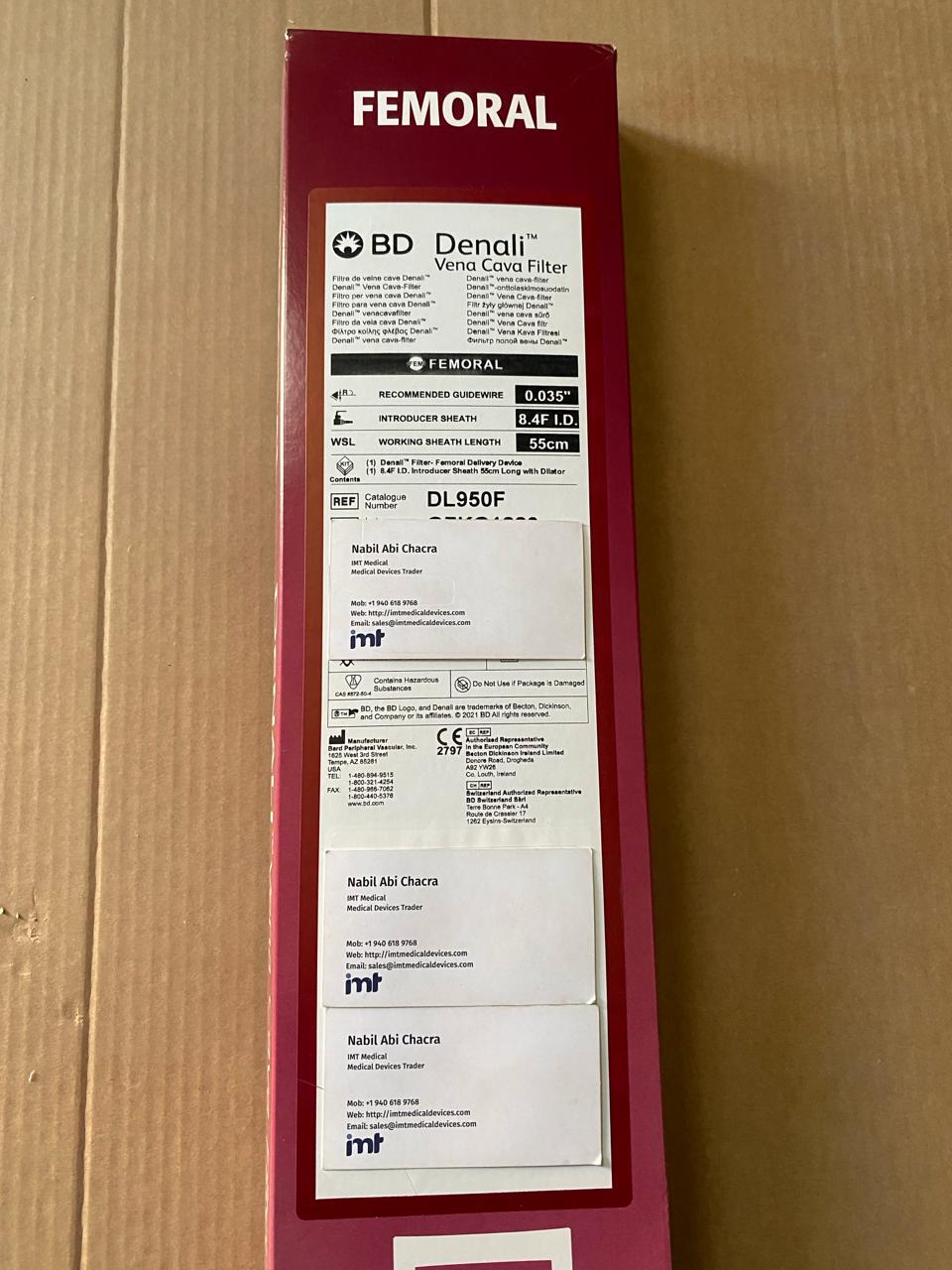
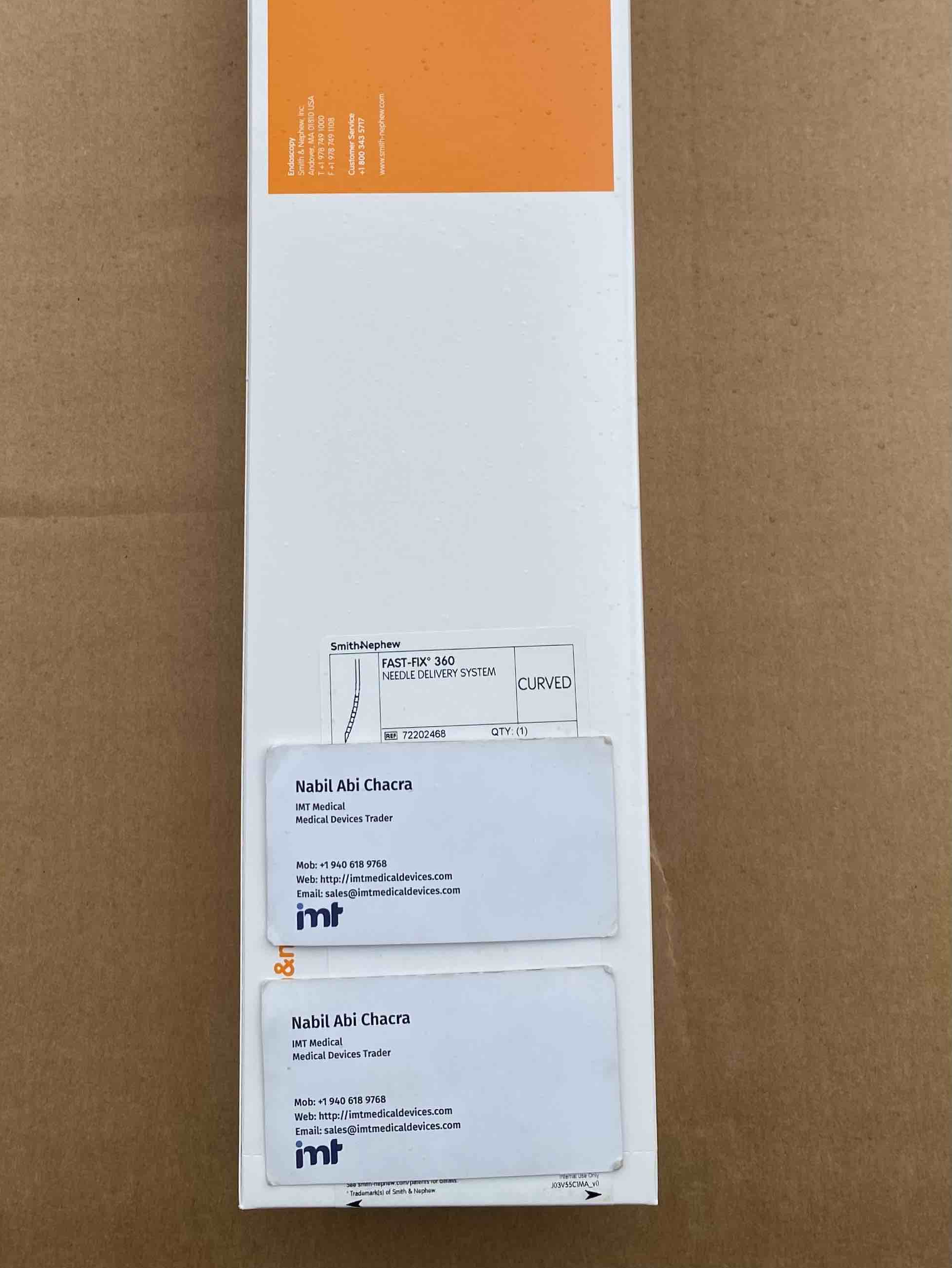
- Surgical hardware: Peripheral stents and surgical staplers
Reliable supply is essential for sustaining high-end cardiology interventions. Our wholesale model prioritizes product availability and technical accuracy above all else. We provide the scale necessary to support both elective and emergency cardiac procedures globally.
Global Logistical Reliability
Our strategic office network includes hubs in Georgia, Dubai, Turkey, and Poland. These locations provide the geographic reach necessary to navigate complex regional regulations. Specialized handling protocols are standard for all sensitive medical technologies. We monitor transit conditions to maintain sterility and battery longevity for every unit. This commitment to industrial competence makes IMT a vital partner in the global medical supply chain. For professional assistance with your inventory requirements, Contact IMT Medical Devices for Global Cardiac Sourcing.
Future-Proofing Your Cardiac Procurement Strategy
Success in 2026 depends on technical precision and manufacturer-aligned workflows. Procurement teams must account for the strict May 2026 EU MDR deadlines and the unique storage requirements of Drug-Eluting Stents and PTCA hardware. By implementing these specialized protocols, you ensure that every unit arrives with its sterile barrier and clinical efficacy intact. Optimizing cardiac device supply logistics is no longer optional; it's a fundamental requirement for maintaining operational efficiency in interventional cardiology departments globally.
IMT Medical Devices offers the scale and reach necessary for complex international export. Our strategic hubs in Georgia, UAE, Turkey, and Poland provide reliable supply chain solutions to over 50 countries. We maintain a ready inventory of authentic hardware from Medtronic, Abbott, and Boston Scientific, ensuring that your facility has access to premium technology at wholesale tiers. It's time to streamline your sourcing and reduce regulatory friction at international borders. Request a Wholesale Cardiac Device Quote and secure your high-value inventory with a pragmatic, global partner today.
Frequently Asked Questions
How do I optimize inventory for cardiac drug-eluting stents?
Inventory optimization for drug-eluting stents requires a strict First-In-First-Out (FIFO) protocol and real-time shelf-life monitoring. Maintaining a temperature range of 15 to 30 degrees Celsius is essential for preserving polymer stability on hardware like Medtronic Resolute Onyx or Boston Scientific Synergy. High-turnover stents should be managed through just-in-time delivery models to minimize tied-up capital while ensuring clinical availability.
What are the main logistical risks for implantable cardioverter defibrillators?
Magnetic interference and passive battery discharge represent the primary risks for ICDs during transit. These Class III devices require specialized electromagnetic shielding and mechanical shock protection to prevent internal circuitry damage. Logistical protocols must prioritize expedited handling to avoid safety mode activation. Proper shielding ensures that permanent pacemakers and ICDs arrive at the cardiology lab with full functional capacity.
What documentation is required for international medical device export?
International export requires comprehensive documentation including certificates of origin, CE markings, and specialized medical technology codes. Shipments must comply with the May 26, 2026, EU MDR deadline for Class III custom-made implantable devices. Technical identifiers must align with manufacturer UDI data to prevent customs friction. Accurate documentation is a critical step in optimizing cardiac device supply logistics for global markets.
How does IMT Medical Devices manage cold chain for cardiac implants?
We utilize validated thermal packaging and continuous transit monitoring for temperature-sensitive cardiac hardware. This ensures that drug-polymer coatings on stents remain within the specified 15 to 30 degree Celsius threshold. Our logistics network employs non-stackable palletization for PTCA balloon catheters and electrophysiology catheters. These physical safeguards prevent mechanical stress and maintain the sterile barrier throughout the entire export cycle.
Can I source Medtronic and Boston Scientific products in bulk?
Bulk procurement is available for Medtronic and Boston Scientific hardware through our tiered wholesale pricing model. This includes high-volume items such as PTCA balloon catheters, permanent pacemakers, and diagnostic guide wires. Volume-based contracts allow international distributors to secure predictable supply chains and reduced unit costs. We maintain ready inventory for Medtronic, Boston Scientific, and Terumo product lines to support large-scale clinical demand.
What are the benefits of using a global medical wholesaler for cardiology labs?
Global wholesalers provide consolidated access to premium brands like Terumo, Medtronic, and Asahi Intec through a single procurement channel. This reduces administrative overhead and simplifies vendor management for busy cardiology departments. Large-scale distributors offer superior supply chain resilience and lower customs friction through established transit routes. Using a wholesaler ensures consistent access to specialized hardware like peripheral stents and surgical staplers.
How do UDI codes improve cardiac device supply chain visibility?
Unique Device Identification (UDI) codes provide a digital signature that tracks hardware from the manufacturer to the point of care. These codes facilitate rapid identification at international transit points and simplify inventory audits. Data Matrix integration allows for real-time visibility into the status of high-value implants. This digital tracking is a core component of optimizing cardiac device supply logistics in a transparent global market.
What is the impact of regional regulations on cardiac device lead times?
Regional regulations in hubs like Turkey, Georgia, and the UAE require localized registration and specific filing procedures. These administrative requirements can extend lead times if not managed by experienced logistical partners. Utilizing strategic distribution offices in Poland and Dubai helps bypass these regional bottlenecks. Proactive compliance management ensures that hardware like electrophysiology catheters and ICDs reach their destination without unpredictable regulatory delays.