
Reliable Medical Device Supplier for Cardiac Specialists
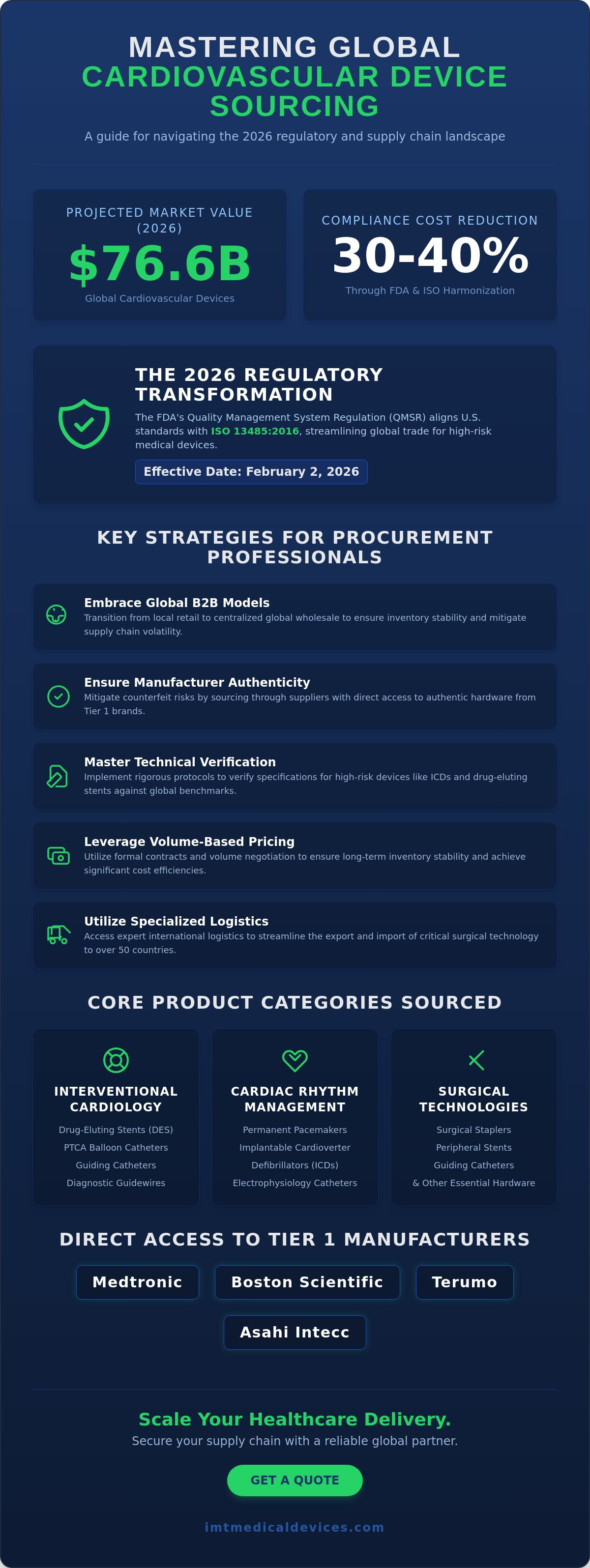
The global cardiovascular devices market is projected to reach 76.6 billion dollars in 2026. This massive scale requires a medical device supplier capable of managing the February 2, 2026, transition to the FDA's Quality Management System Regulation (QMSR). Procurement professionals understand that supply chain volatility and regulatory documentation hurdles currently threaten the stability of clinical inventories. Securing authentic hardware from manufacturers like Medtronic, Terumo, and Boston Scientific requires a logistical partner focused on industrial competence and global reach. It's no longer enough to rely on local vendors when international standards are shifting.
This technical guide provides the framework for mastering international medical device sourcing for high-demand cardiovascular and surgical technology. You'll learn how to bypass counterfeit risks in secondary markets and achieve streamlined export logistics for your facility. We examine the impact of ISO 13485:2016 harmonization on global procurement and outline strategies for maintaining a stable inventory of drug-eluting stents, permanent pacemakers, and PTCA balloon catheters. This analysis ensures your facility maintains access to critical ICDs and surgical staplers from Asahi Intec and other major manufacturers despite shifting reimbursement rates and market pressures.
Key Takeaways
- Understand how 2026 regulatory harmonization shifts the procurement landscape from local retail to global B2B wholesale models.
- Evaluate a medical device supplier based on direct access to authentic manufacturers like Medtronic and Boston Scientific to mitigate secondary market risks.
- Master technical verification protocols for interventional cardiology and cardiac rhythm management hardware, including ICDs and drug-eluting stents.
- Utilize volume-based pricing negotiation and formal contract structures to ensure long-term inventory stability and cost efficiency.
- Access specialized international logistics expertise to streamline the export of surgical technology to over 50 countries.
The Evolution of the Global Medical Device Supplier Landscape
The 2026 medical device market has moved beyond fragmented retail models toward consolidated B2B wholesale structures. Procurement directors now seek a medical device supplier capable of managing high-volume inventories across international borders. This shift prioritizes logistical reliability and manufacturer-certified supply chains over local proximity. The Evolution of the Global Medical Device sector illustrates how centralized distribution hubs mitigate supply chain volatility. These hubs serve as a primary defense against inventory stockouts for critical hardware like permanent pacemakers and drug-eluting stents. Geopolitical uncertainty in 2026 has accelerated this trend, making regionalized manufacturing and strategic logistics hubs essential for maintaining clinical continuity.
Regulatory shifts in 2026 have redefined international trade. The FDA's adoption of the Quality Management System Regulation (QMSR) on February 2, 2026, aligns U.S. standards with ISO 13485:2016. This harmonization streamlines the movement of high-risk technology. It ensures that documentation for Class III devices remains consistent from the manufacturing floor to the clinical setting. For companies harmonizing their systems, this shift is estimated to reduce annual compliance costs by 30 to 40 percent. It's a critical development for any entity involved in the global movement of specialized clinical hardware.
Regulatory Compliance and Global Standards
Adherence to ISO 13485:2016 is the baseline for quality management. Navigating CE Marking and FDA approval requires precise documentation protocols. This is particularly vital for high-risk Class III medical devices such as Implantable Cardioverter Defibrillators (ICDs) and peripheral stents. Suppliers must verify technical specifications against these global benchmarks to prevent regulatory delays. Rigorous documentation protocols ensure that every guiding catheter or guidewire meets the safety standards required for human implantation. Failure to maintain these standards risks patient safety and commercial viability.
The Role of Specialised Wholesalers
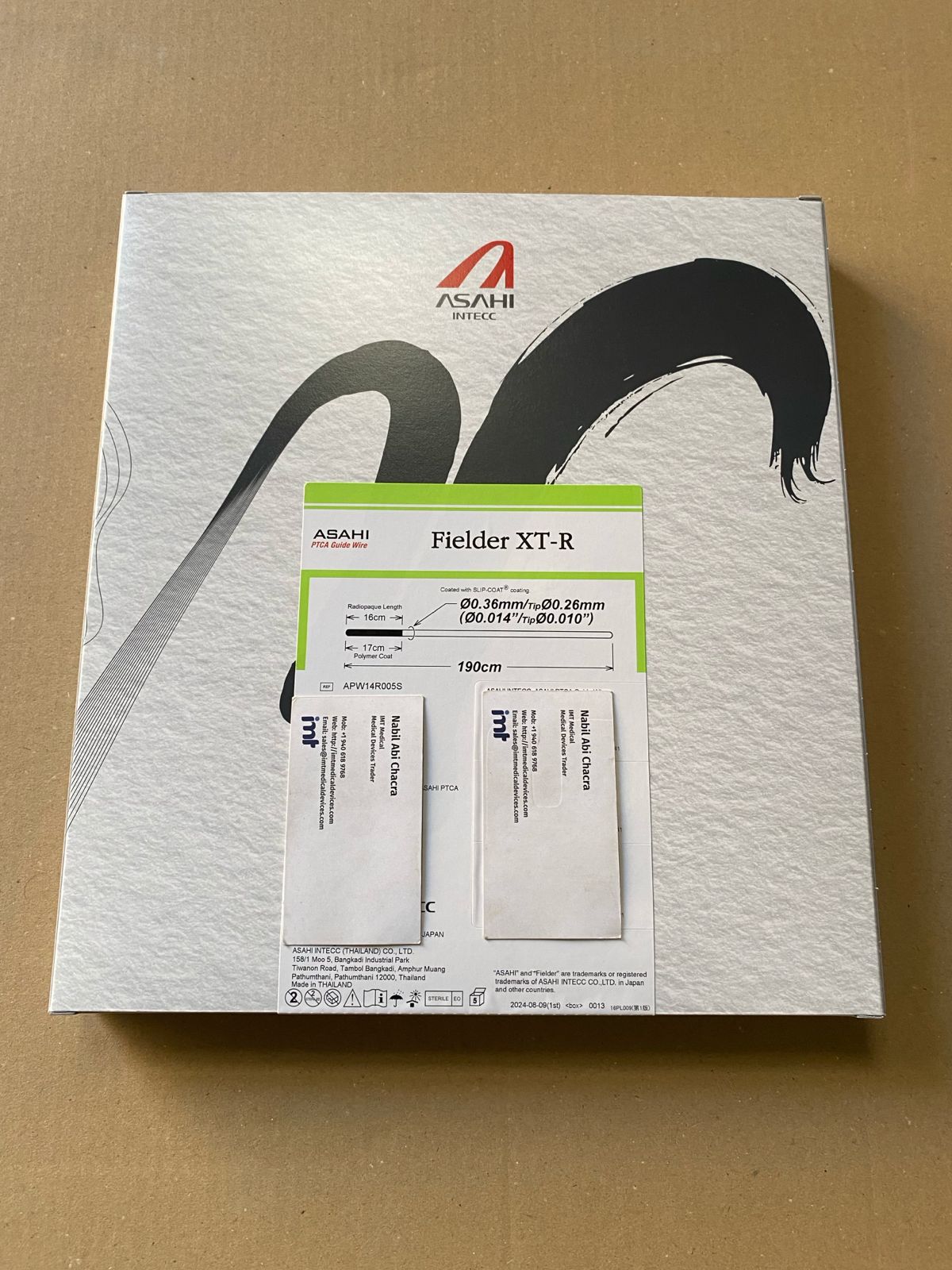
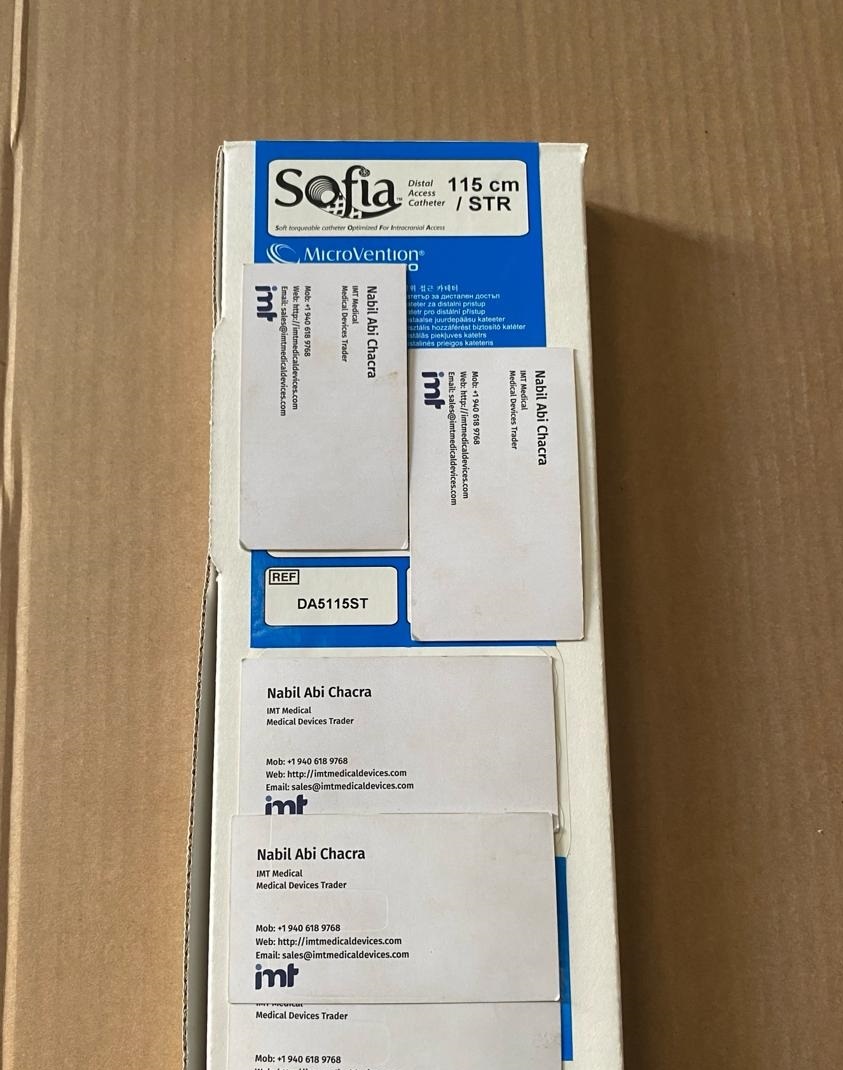
Specialized wholesalers function as the vital link between Tier 1 manufacturers and regional cardiac specialists. Reliable medical device distribution ensures that high-turnover cardiology supplies reach their destination. This includes PTCA balloon catheters, diagnostic guide wires, and surgical staplers. By managing large-scale inventories from brands like Medtronic, Terumo, and Boston Scientific, these entities stabilize market access. They provide the volume-based pricing that regional facilities require to maintain operational budgets. Efficient logistics hubs reduce lead times for electrophysiology catheters and guiding catheters. This allows clinical teams to focus on patient outcomes rather than supply chain deficits. Access to authentic Asahi Intec products and other premium hardware remains the hallmark of a capable global partner.
Core Product Categories in Professional Medical Sourcing
Efficient procurement hinges on technical specificity and manufacturer reliability. A professional medical device supplier must maintain a catalog that aligns with the specialized needs of interventional cardiology and cardiac rhythm management (CRM). This involves sourcing high-risk Class III hardware that meets the latest regulatory benchmarks. Evaluating Supplier Reliability requires a focus on authentic manufacturer origins and technical data sheets rather than marketing claims. Inventory management must prioritize high-turnover items like diagnostic guide wires and guiding catheters to prevent procedure delays. Reliability is defined by the consistent availability of these technical identifiers.
High-Performance Cardiovascular Implants
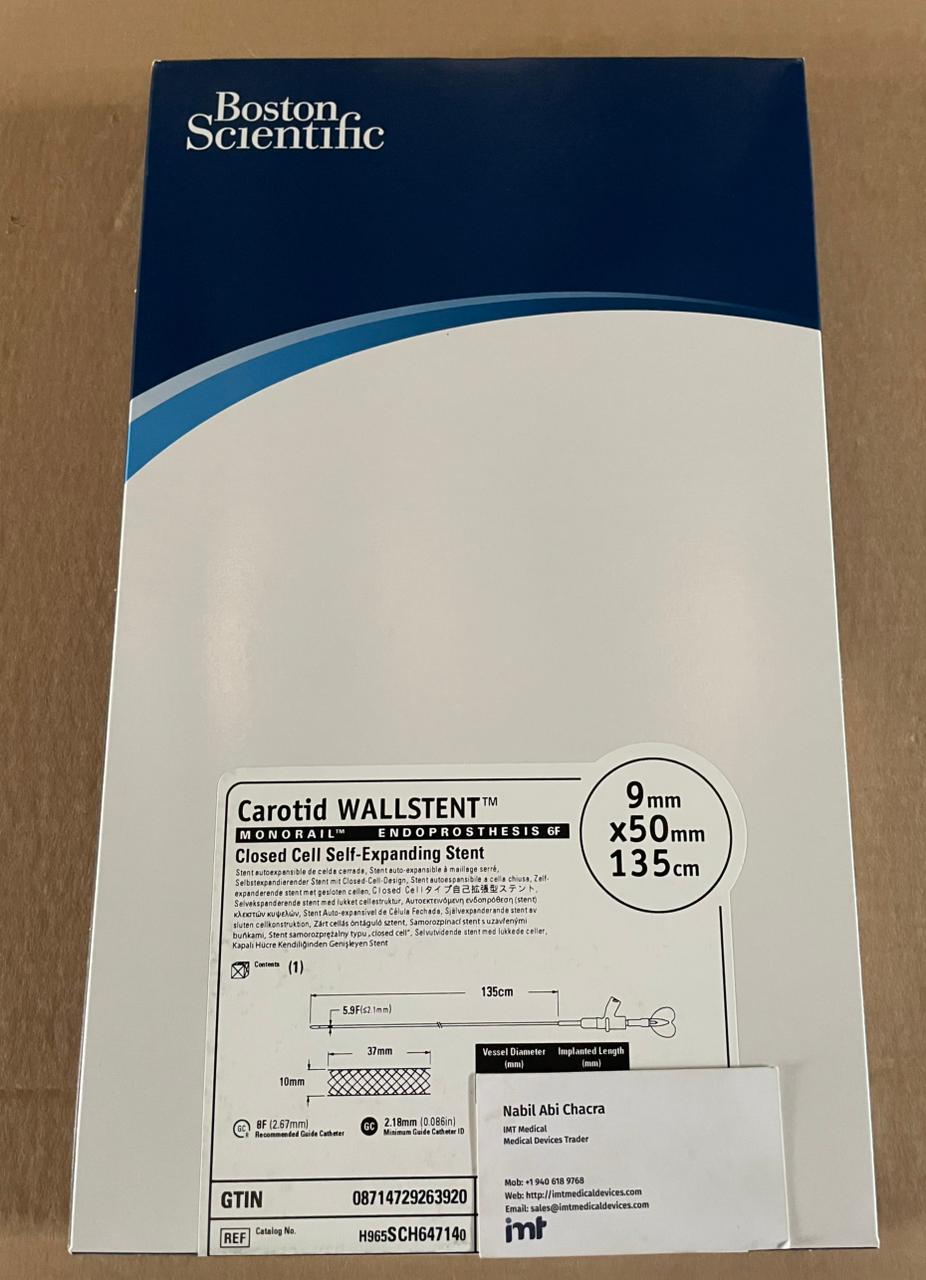
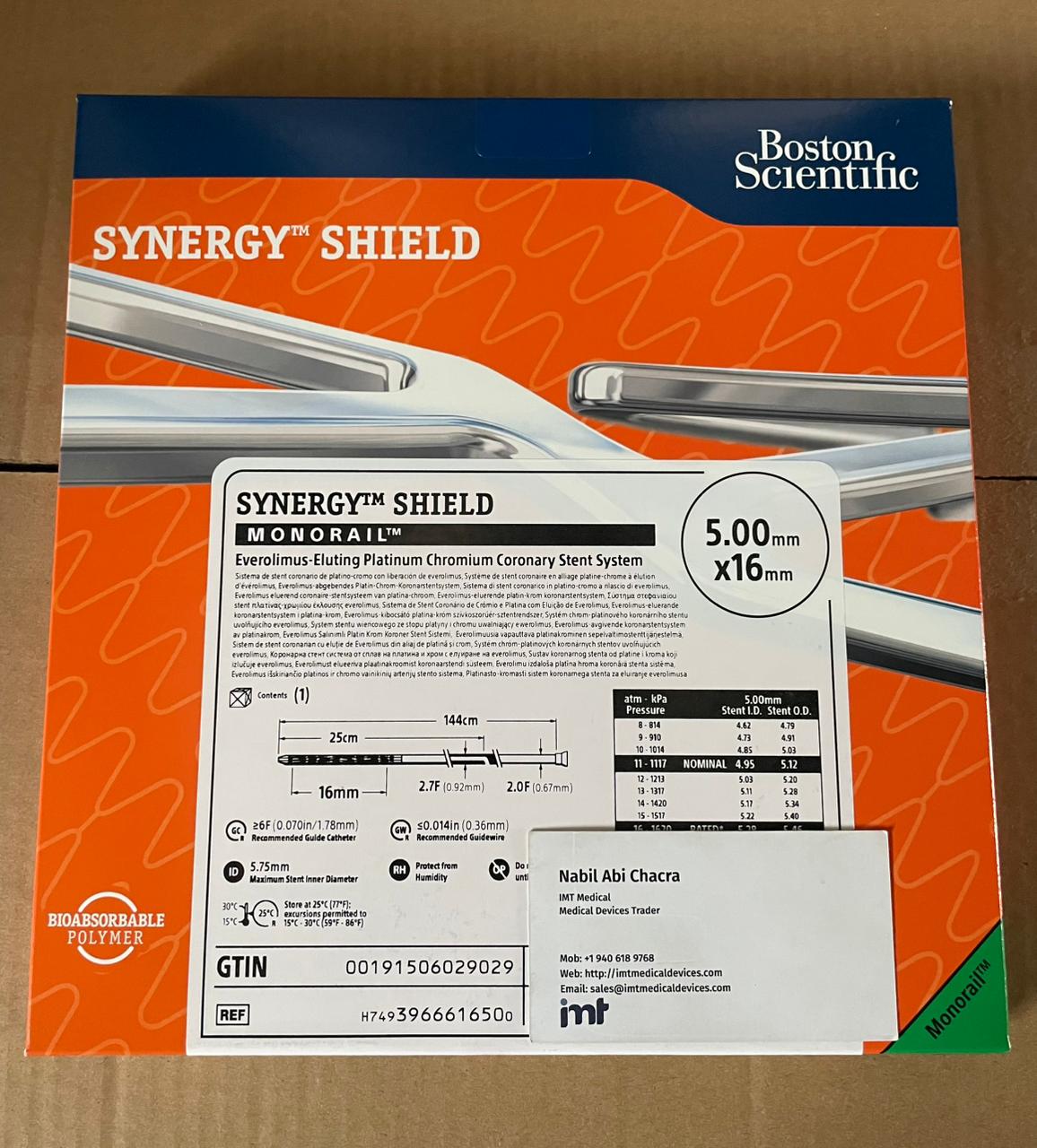
Interventional cardiology procurement centers on the availability of drug-eluting stents (DES). These devices require precise polymer coatings and drug release profiles to ensure long-term vessel patency. Recent approvals in 2026 highlight the shift toward conductive system pacing and anti-tachycardia pacing improvements. For instance, the April 2026 approval of Biotronik Acticor Sky and Rivacor Sky systems represents a significant advancement in ICD and CRT-D technology. Similarly, sourcing permanent pacemakers requires a focus on battery longevity and lead compatibility. The March 2026 FDA expansion for the Medtronic OmniaSecure defibrillation lead allows for conduction system pacing in the left bundle branch area. These technical specifications serve as the primary trust signals for procurement professionals.
Interventional Access and Balloon Technology
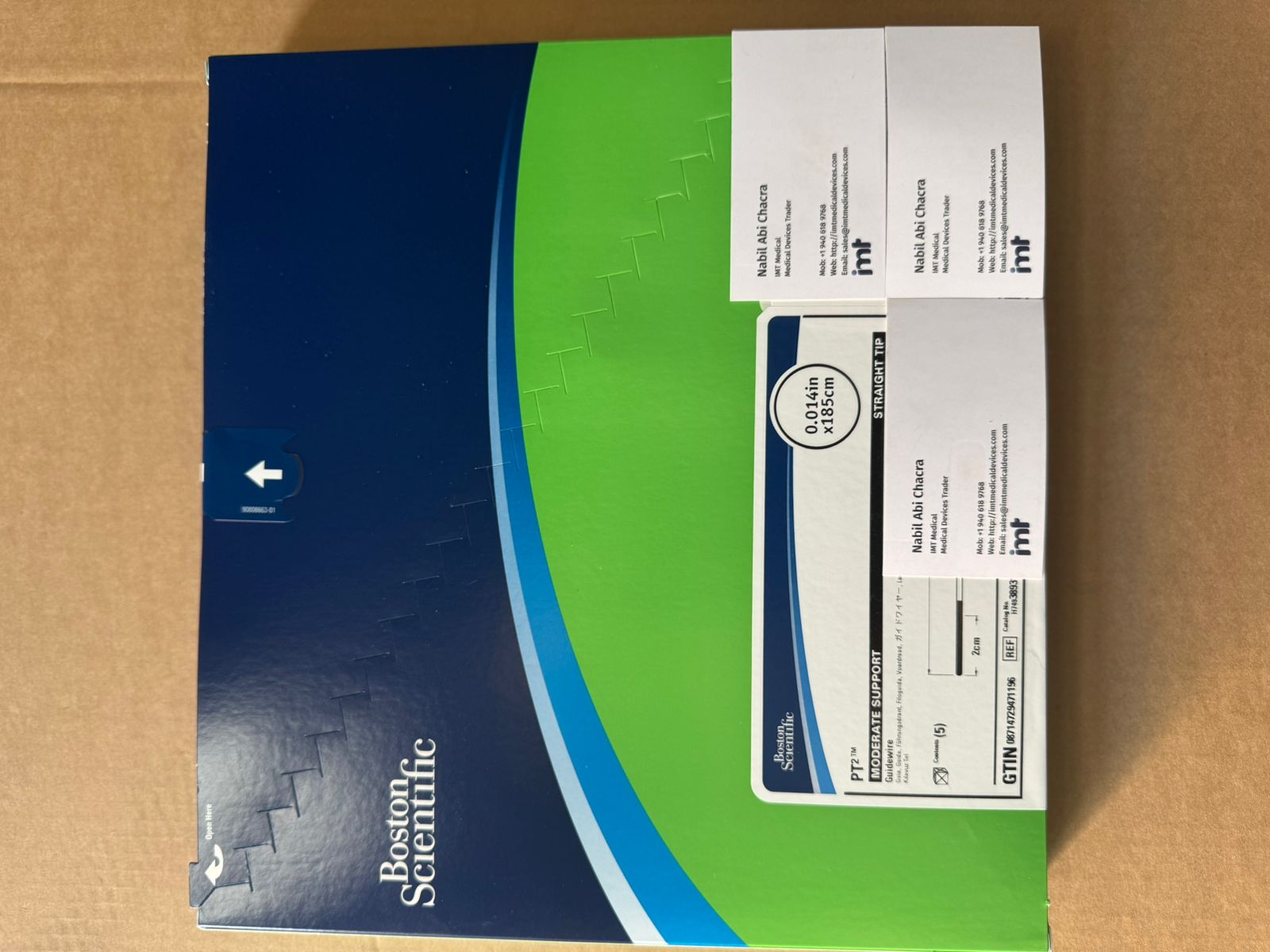
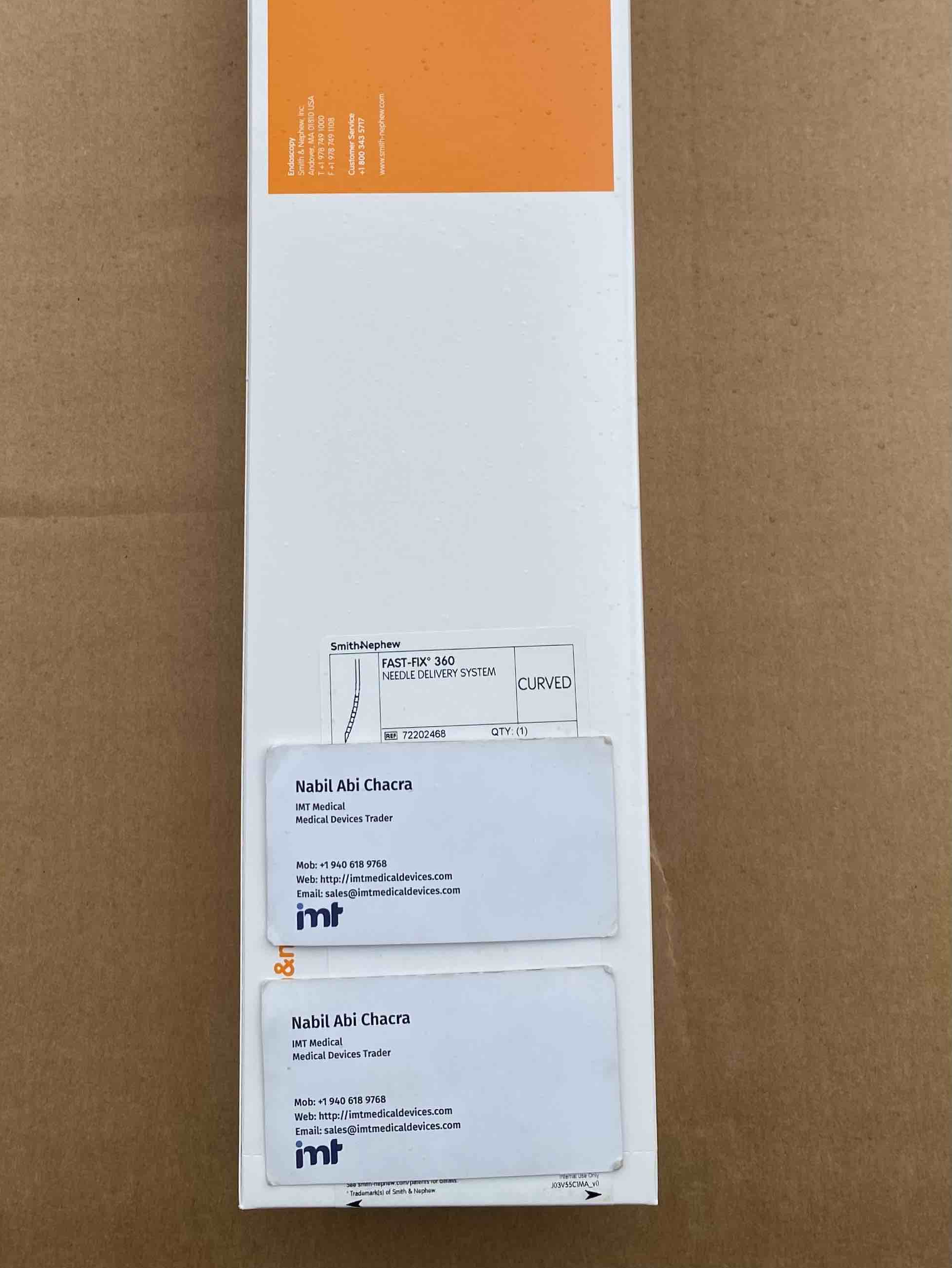
Vascular access relies on the material science of ptca balloon catheters. These tools must balance pushability, trackability, and crossability. Clinicians often specify nylon or Pebax materials based on the required burst pressure and compliance. Technical variations in guidewire technology are equally critical. Hydrophilic coatings and specific tip loads, such as those found in Asahi Intec products, define the success of complex lesion crossings. Electrophysiology (EP) catheters and guiding catheters must also be stocked in various curves and lengths to accommodate diverse patient anatomies. Beyond cardiology, specialized surgical instrumentation like peripheral stents and advanced surgical staplers are essential for comprehensive hospital supply chains. These devices require manufacturer-specific reloading units and precise deployment mechanisms. You can visit imtmedicaldevices.com to verify technical specifications and availability across these core categories.
Evaluating Supplier Reliability: Manufacturer Brands vs. Logistics
Professional procurement strategies in 2026 move beyond simple price-point analysis. A reliable medical device supplier must demonstrate direct access to manufacturers like Medtronic, Boston Scientific, and Abbott. This manufacturer-centric approach minimizes the risk of grey-market infiltration. It ensures that every implantable cardioverter defibrillator (ICD) or drug-eluting stent (DES) originates from a certified production line. The global cardiovascular devices market is projected to reach 100.37 billion dollars by 2030. This growth is driven by high-volume procedures and the integration of AI-enabled hardware. As of December 2025, the FDA authorized over 1,300 AI-enabled medical devices; cardiology represents 10% of that total. Managing this influx of sophisticated technology requires a partner focused on industrial competence rather than simple retail transactions.
The trade-off between unit price and logistical reliability is a central challenge. Procurement specialists recognize that lower upfront costs often correlate with higher risks in secondary markets. Grey-market infiltration threatens patient safety and regulatory compliance. A reliable partner ensures that supply chain integrity is maintained through manufacturer-certified channels. This focus on industrial competence signals that the distributor is a serious player in the global medical supply chain. Professional distributors prioritize clarity and product availability over brand storytelling. They provide the necessary technical identifiers to ensure hardware compatibility across different clinical settings.
Tier 1 Manufacturer Partnerships
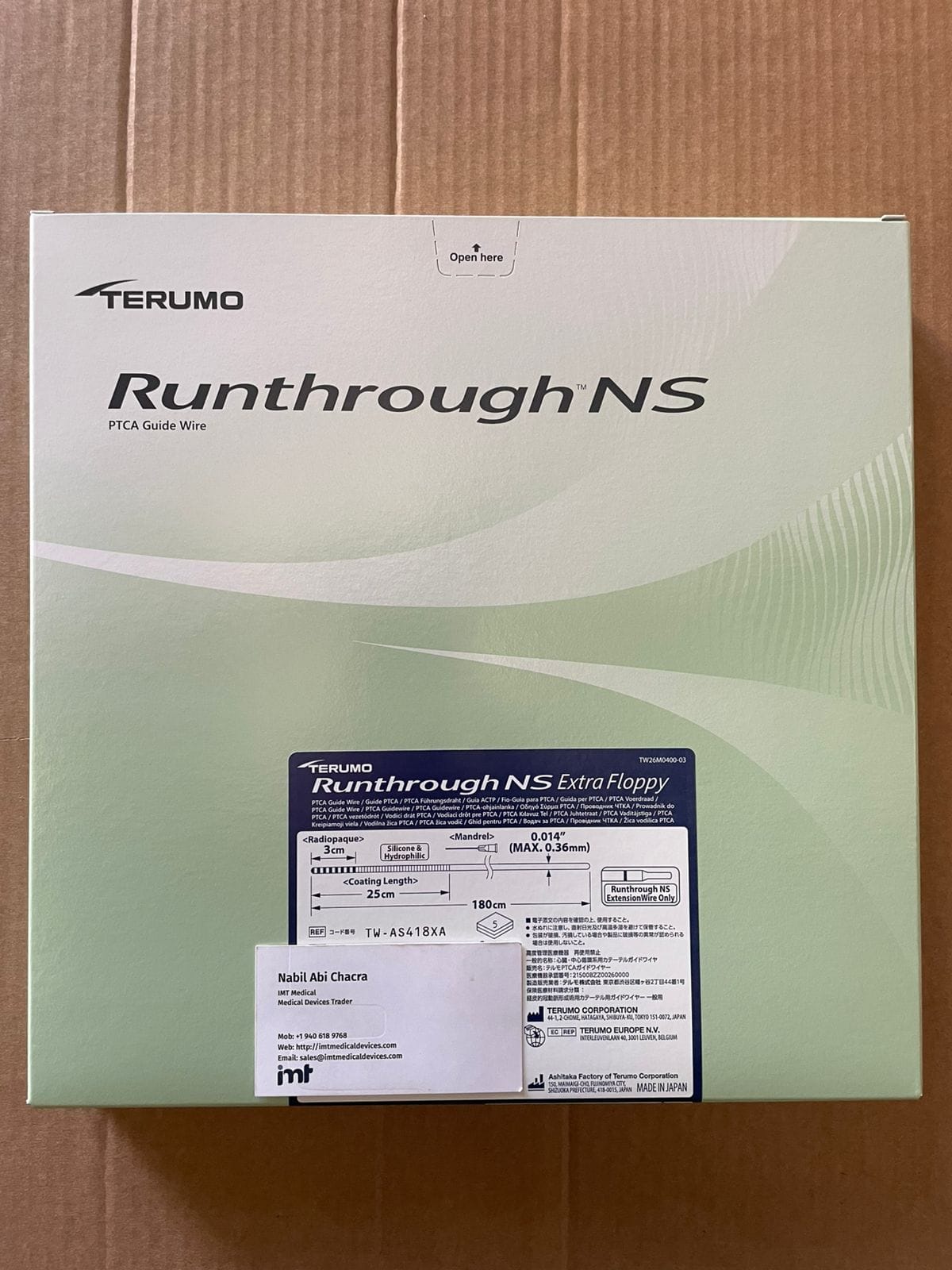
Accessing Terumo and Asahi Intec hardware is critical for specialized vascular labs requiring high-precision tools. Specific inventory like the Medtronic Resolute Onyx and Onyx Frontier stents must be available in bulk to meet clinical demand. Procurement professionals look for manufacturer contract rates that support volume-based pricing. This direct connection to premium technology is a primary trust signal. Scaling Healthcare Delivery depends on the availability of authentic, high-precision hardware from these Tier 1 producers.
Logistical Infrastructure and Global Reach
Logistical reliability is anchored by strategic hub locations in Georgia, Dubai, Turkey, and Poland. These centers allow for rapid export to over 50 countries. Cold chain management protocols are strictly applied to temperature-sensitive cardiovascular implants to prevent degradation. Real-time inventory tracking provides lead time predictability, which is essential for hospital resource planning. Efficient logistics hubs bridge the gap between major manufacturers and international markets. They ensure that diagnostic guide wires and permanent pacemakers are delivered with technical specifications intact.
Streamlining the International Procurement Process
Efficient international procurement depends on technical precision during the initial inquiry phase. Procurement officers must verify manufacturer codes and technical specifications for hardware like permanent pacemakers and drug-eluting stents. This phase eliminates ambiguity before contract formalization. A reliable medical device supplier facilitates this by providing detailed data sheets and real-time availability status for brands like Terumo and Boston Scientific. Technical identifiers for electrophysiology catheters and guiding catheters are cross-referenced against hospital requirements to ensure procedural compatibility. Once technical verification is complete, the focus shifts to volume-based pricing negotiation and contract formalization.
Compliance auditing for regional import regulations is a mandatory step in 2026. This includes aligning with the FDA’s new Quality Management System Regulation (QMSR) which took effect February 2, 2026. This regulation harmonizes U.S. standards with ISO 13485:2016, simplifying documentation for international trade. Logistics coordination and customs clearance management follow, ensuring that high-risk Class III devices don't face border delays. Strategic partners manage the entire workflow, from the manufacturer’s warehouse to the hospital’s sterile storage. Post-delivery documentation and automated inventory replenishment cycles stabilize the hospital supply chain against market volatility.
Export Documentation and Compliance
Managing Certificates of Free Sale and Certificates of Origin is central to global distribution. Standard Operating Procedures (SOPs) for customs clearance across 50+ countries minimize lead times for electrophysiology catheters and diagnostic guide wires. Specialized documentation is required for surgical staplers and guiding catheters to meet local health authority mandates. This structured approach prevents the logistical bottlenecks common in secondary markets. It ensures that every shipment of Asahi Intec guidewires or Medtronic ICDs arrives with all necessary legal authorizations.
Wholesale Pricing Structures
B2B medical supply relies on volume-based tiers. Larger orders of PTCA balloon catheters or peripheral stents often trigger manufacturer-backed discounts. It's essential to calculate the total landed cost, which includes international shipping fees, insurance, and duties. Contract management for recurring hospital supply chains ensures price stability despite market fluctuations. These agreements allow facilities to lock in rates for high-turnover cardiology supplies. You can view our full inventory catalog to begin the technical verification and pricing process for your facility.
Scaling Healthcare Delivery with IMT Medical Devices
IMT Medical Devices operates as a high-capacity medical device supplier specializing in the global distribution of interventional cardiology and surgical technology. The inventory features a comprehensive portfolio of Tier 1 manufacturers, including Medtronic, Boston Scientific, and Terumo. This manufacturer-centric approach ensures that procurement professionals receive authentic, high-precision hardware. By maintaining strategic operational presences in Georgia, Dubai, Turkey, and Poland, the entity bridges the gap between major production lines and international clinical settings. These hubs serve as the foundation for a reliable B2B supply chain that prioritizes product availability and logistical efficiency. The focus remains on industrial competence rather than brand storytelling.
Logistics solutions are designed to handle the complexities of international trade, from volume-based pricing structures to temperature-controlled storage for sensitive implants. This infrastructure supports the rapid movement of high-demand items like Electrophysiology Catheters and Peripheral Stents. Procurement teams benefit from a streamlined workflow that minimizes technical ambiguity and maximizes the speed of data transmission. Reliable B2B supply chain solutions provide the stability required for cardiology and surgery departments to maintain consistent patient care standards. Every transaction is handled with an emphasis on clarity and logistical reliability.
The IMT Advantage in Cardiovascular Supply
Bulk availability of Drug-Eluting Stents (DES) and PTCA Balloon Catheters is a core operational strength. The catalog includes specialized hardware such as Asahi Intec guidewires and diagnostic guide wires, ensuring that vascular labs remain fully stocked. Technical support for CRM device procurement simplifies the acquisition of Permanent Pacemakers and Implantable Cardioverter Defibrillators (ICDs). IMT Medical Devices facilitates the seamless export of specialized clinical hardware to over 50 countries worldwide. This expansive reach is backed by deep expertise in international export logistics and regional regulatory compliance.
Partnering for Long-Term Supply Chain Stability
Customized procurement solutions are available for healthcare providers and large-scale distributors seeking inventory consistency. Efficient documentation management ensures that sensitive medical equipment, including surgical staplers and guiding catheters, clears customs without technical delays. These B2B supply chain solutions provide a vital bridge in the global medical market. Reliability is achieved through structured inventory feeds and manufacturer-certified authenticity. Procurement professionals can rely on this expansive network to scale healthcare delivery and stabilize their internal inventories against market volatility.
Contact IMT Medical Devices for professional wholesale procurement to secure your facility's supply chain.
Optimizing Global Cardiac Supply Chains
Effective procurement in 2026 relies on technical precision and manufacturer-certified supply chains. Compliance with the FDA's Quality Management System Regulation (QMSR) demands a logistical partner focused on industrial competence and regulatory alignment. Prioritizing authentic hardware from Medtronic, Abbott, and Boston Scientific eliminates secondary market risks for high-stakes interventions. Facilities maintain clinical continuity by verifying technical specifications for drug-eluting stents and permanent pacemakers prior to contract formalization. This structured approach ensures that every implant meets global quality standards.
IMT Medical Devices operates as a specialized medical device supplier with strategic hubs in Georgia, Dubai, Turkey, and Poland. This international network supports the export of clinical technology to over 50 countries. Procurement directors stabilize inventories of ICDs, surgical staplers, and PTCA balloon catheters through manufacturer-centric wholesale models. Access Premium Medical Device Inventory and Export Solutions to build a resilient supply chain for your facility. Reliable access to authentic technology is the baseline for modern global cardiac care.
Frequently Asked Questions
How do I verify the authenticity of products from a medical device supplier?
Authenticity is verified through manufacturer-certified batch numbers and technical identifiers that link products directly to original producers. A reliable medical device supplier provides documentation such as Certificates of Analysis and Certificates of Origin for all inventory. Procurement professionals should cross-reference these identifiers with manufacturer databases for brands like Medtronic and Terumo. This process eliminates the risk of grey-market hardware infiltrating the clinical supply chain and ensures patient safety.
What are the standard lead times for international medical device exports?
Standard lead times typically range from 3 to 10 business days for stocked items, depending on the destination and regulatory requirements. Factors influencing this timeline include customs clearance protocols in logistics hubs like Dubai or Georgia and courier availability. High-demand items such as drug-eluting stents and PTCA balloon catheters are prioritized for rapid dispatch. Efficient logistics coordination ensures that technical specifications and temperature requirements are maintained throughout the transit period.
Which documentation is required for importing cardiology stents into the UAE or Georgia?
Importing high-risk Class III devices requires Certificates of Free Sale (CFS), Certificates of Origin (COO), and detailed commercial invoices. Health authority registrations are mandatory for cardiology hardware like drug-eluting stents and peripheral stents in both the UAE and Georgia. Each shipment must include packing lists that specify manufacturer batch codes and expiration dates. This documentation ensures compliance with regional import regulations and facilitates smooth customs clearance at strategic border points.
Can a medical device supplier provide volume-based pricing for Medtronic products?
Yes, wholesale B2B models allow for tiered pricing on bulk orders of Medtronic permanent pacemakers and ICDs. A professional medical device supplier utilizes manufacturer-centric procurement to secure competitive rates for large-scale hospital contracts. Volume-based pricing is also available for high-turnover items like diagnostic guide wires and surgical staplers. These pricing structures help healthcare facilities stabilize their operational budgets while maintaining access to premium, authentic clinical technology from Tier 1 manufacturers.
What is the importance of ISO 13485 certification for a wholesale supplier?
ISO 13485 certification confirms that a distributor adheres to international quality management standards for medical hardware. This certification is a primary trust signal for procurement officers managing sensitive cardiovascular implants. It ensures that the supplier's operations align with the FDA's new Quality Management System Regulation (QMSR) requirements. Adherence to these standards guarantees supply chain integrity and the consistent handling of high-risk technology, including electrophysiology catheters and guiding catheters.
How does a global supplier manage cold chain logistics for sensitive implants?
Cold chain management involves the use of specialized thermal packaging and real-time temperature monitoring systems. Strategic logistics hubs utilize climate-controlled storage facilities to prevent the degradation of temperature-sensitive cardiovascular technology. This infrastructure is essential for maintaining the structural integrity of polymer-coated stents and specific catheter materials. Constant monitoring ensures that hardware remains within manufacturer-specified temperature ranges from the warehouse until it reaches the final clinical destination.
Do medical device suppliers offer technical support for product specifications?
Professional distributors provide comprehensive technical data sheets and specification verification for all inventory categories. This support ensures that procurement teams select compatible hardware for complex interventional procedures. Verification covers technical identifiers for Asahi Intec guidewires, electrophysiology catheters, and guiding catheters. By providing precise technical data, the supplier helps clinical teams avoid procedural delays caused by hardware mismatch. This service is a core component of industrial competence in B2B medical sourcing.
What happens if a medical device is recalled by the manufacturer?
The supplier initiates an immediate trace of all affected batch numbers within their inventory and distribution network. Procurement officers are notified according to established Standard Operating Procedures (SOPs) to ensure the rapid removal of non-compliant hardware. This process covers all specialized technology, including surgical staplers and permanent pacemakers. Efficient recall management prevents the use of compromised devices and maintains the integrity of the hospital's clinical supply chain through transparent manufacturer communication.