

Reliable Medical Devices Wholesale: A Procurement Guide
The global medical equipment market is projected to reach $857.08 billion by the end of 2026. Despite this massive scale, securing a reliable source for medical devices wholesale remains a high-stakes challenge for procurement teams managing critical implant inventories. Generalist distributors often lack the technical depth required for specialized items like permanent pacemakers or PTCA balloon catheters. You understand that supply chain instability isn't just an operational hurdle; it's a clinical risk that demands manufacturer-centric precision.
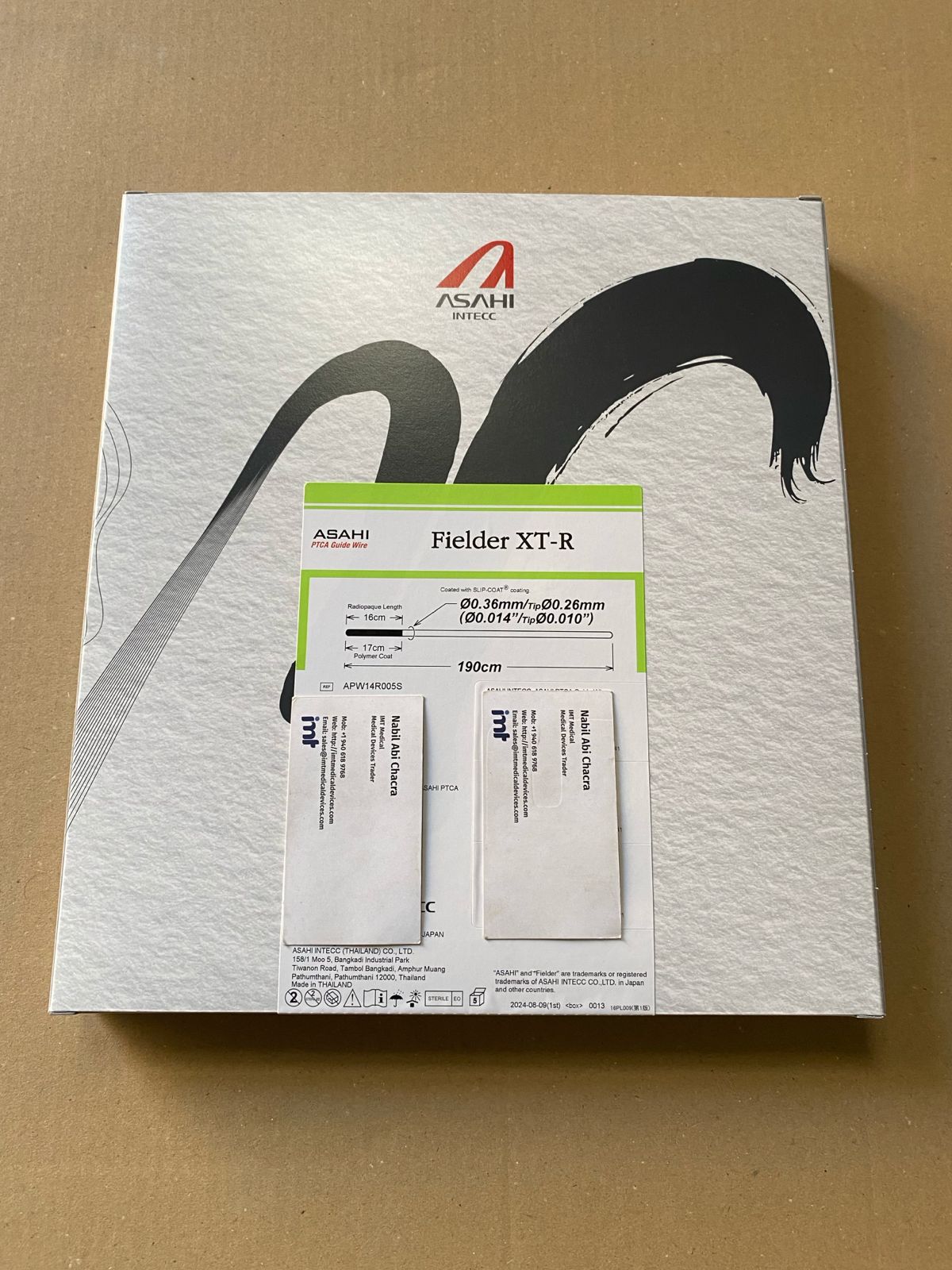
This guide simplifies the complexities of international procurement, from technical specifications of Asahi Intec guidewires to the logistics of cross-border trade. We'll examine the 2026 transition to the FDA’s Quality Management System Regulation (QMSR) and the mandatory shift to Medical Device Files (MDF) under ISO 13485:2016 standards. You'll gain the framework to establish a streamlined supply of premium manufacturer brands, including Medtronic, Terumo, and Boston Scientific, while ensuring 100% regulatory compliance for every shipment.
Key Takeaways
- Distinguish between general medical-surgical supplies and high-stakes interventional hardware to better align procurement strategies with clinical requirements.
- Establish rigorous logistical protocols for specialized devices, including cold chain integrity for drug-coated technologies and specific storage requirements for cardiology implants.
- Evaluate medical devices wholesale partners using a framework that prioritizes inventory depth in specialized categories and manufacturer-direct authenticity over unit cost.
- Execute global procurement with precision by managing critical international documentation, including Certificates of Origin, CE marks, and updated FDA regulatory filings.
- Secure a reliable supply chain for premium manufacturer brands such as Medtronic, Terumo, and Boston Scientific to reduce technical support friction and counterfeit risks.
The Landscape of Medical Devices Wholesale in 2026
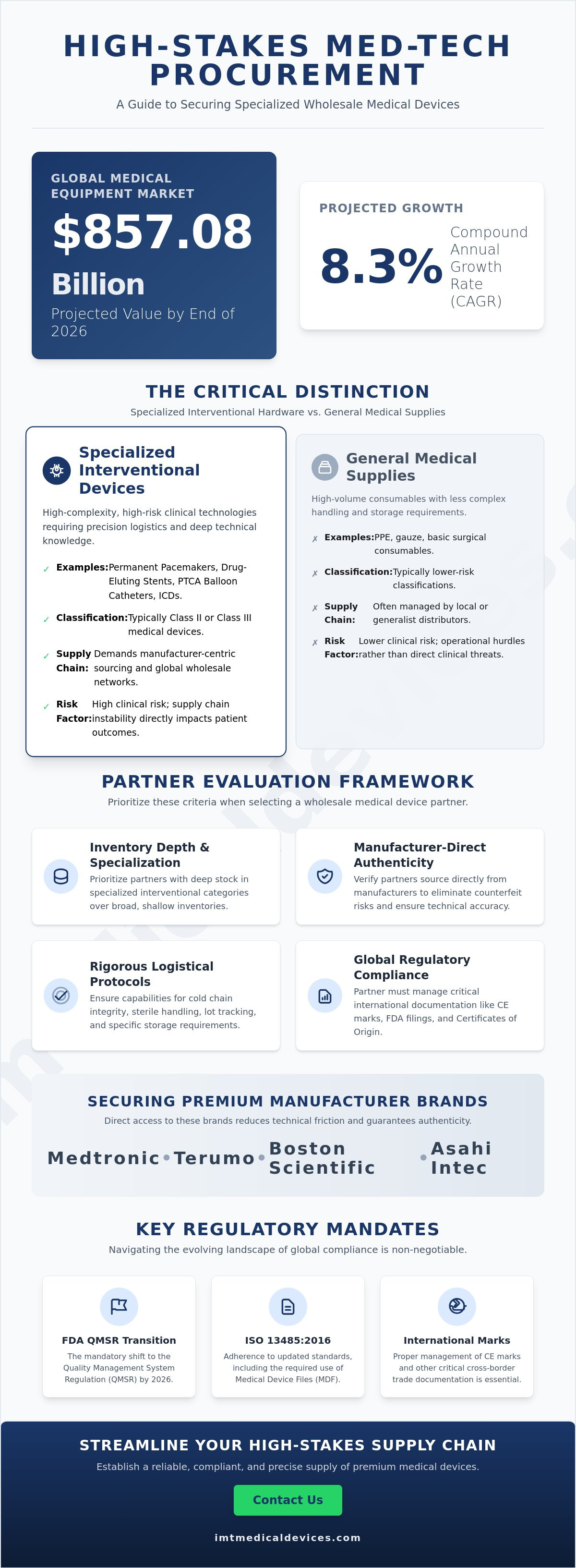
The medical equipment market is projected to reach $857.08 billion by the end of 2026, growing at a compound annual rate of 8.3%. Within this expansion, medical devices wholesale has transitioned from simple logistics to the management of high-complexity clinical technologies. This sector serves as the critical bridge between global manufacturers and healthcare systems. It ensures that specialized hardware, such as drug-eluting stents and permanent pacemakers, is available for immediate clinical application. Unlike general distributors that focus on high-volume consumables, specialized wholesalers prioritize inventory depth in interventional categories where precision is mandatory.
Current market trends indicate a move toward centralized global procurement. Medtech companies are increasingly shifting resources toward high-growth segments like structural heart disease and pulsed field ablation. This shift requires wholesalers to function as sophisticated logistical partners capable of managing rapid product lifecycles and complex regulatory requirements across international borders.
Specialized Tech vs. General Medical Supplies
Technical complexity defines the difference between general medical-surgical supplies and interventional devices. Distributing a surgical stapler or an electrophysiology catheter involves specialized handling protocols that do not apply to basic PPE or gauze. These items often fall under Class II or Class III classifications within the global landscape of medical devices. Such classifications require strict adherence to quality management systems and environmental controls. While local supply chains might manage low-risk consumables, they often lack the infrastructure for high-stakes hardware. Global wholesale networks have filled this gap, providing the scale necessary to maintain stocks of specialized devices like PTCA balloon catheters and diagnostic guide wires.
The Importance of Manufacturer-Centric Distribution
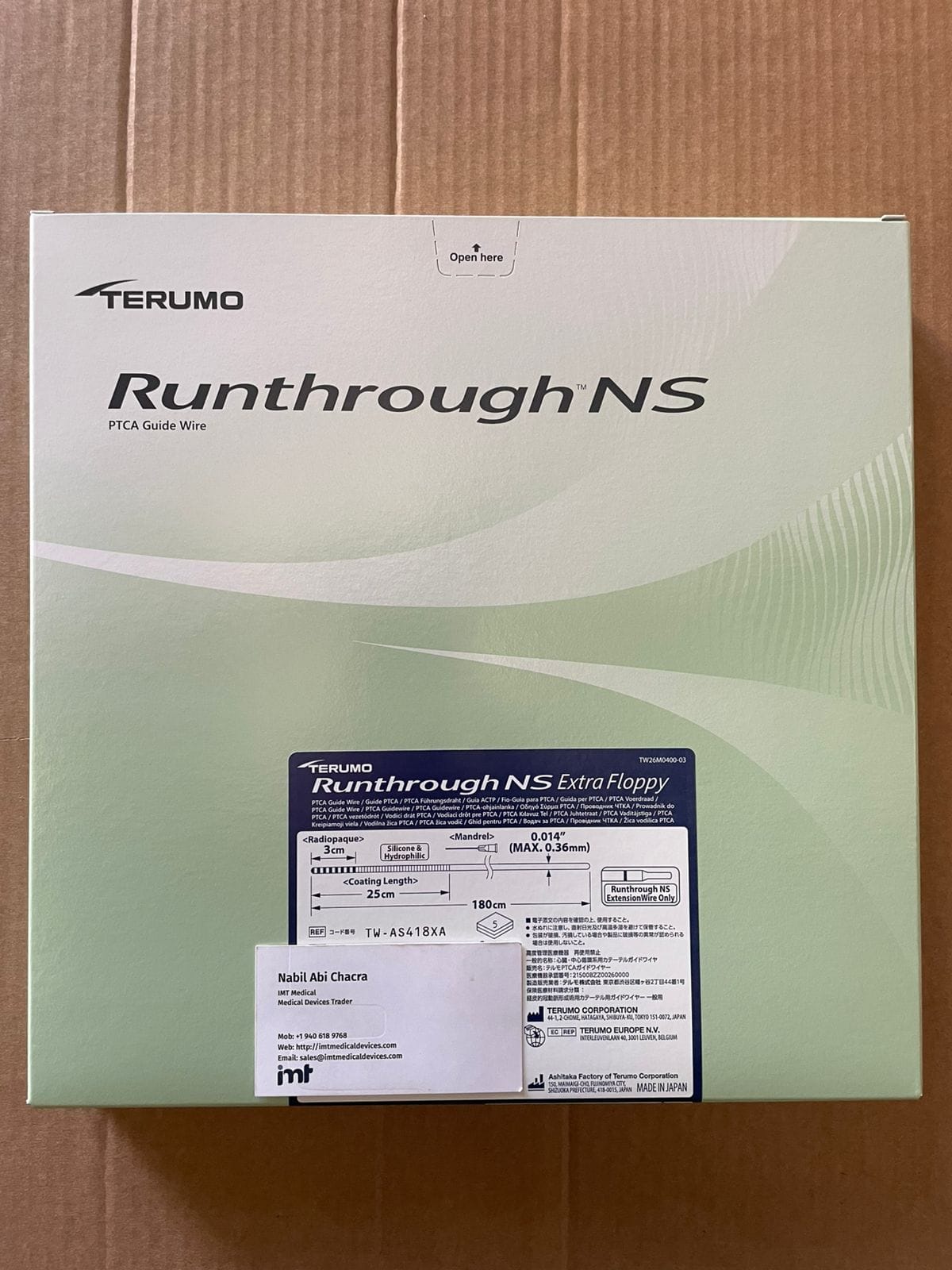
Distributor value is measured by access to prestigious global brands. Inventory availability for products from Medtronic, Terumo, Boston Scientific, and Asahi Intec is the primary trust signal for procurement professionals. Authenticity remains a central concern in the B2B marketplace. Reliable wholesalers mitigate counterfeit risks through direct manufacturer-centric sourcing. This approach ensures that technical specifications for items like peripheral stents or implantable cardioverter defibrillators (ICDs) are accurate. Strong manufacturer-wholesaler contracts stabilize inventory, preventing the supply chain fluctuations that often disrupt specialized clinical departments. By focusing on premium manufacturer brands, wholesalers provide a level of technical support and logistical reliability that generalist distributors cannot match.
Logistics and Quality Standards for Specialized Device Distribution
High-capacity medical devices wholesale requires more than just warehouse space. It demands climate-controlled environments and precision handling for interventional cardiology hardware. Permanent pacemakers and implantable cardioverter defibrillators (ICDs) contain sensitive electronics and lithium batteries. These components require stable humidity and temperature ranges to prevent premature battery depletion or circuit failure. Sterile packaging integrity is equally critical. Bulk transit protocols must prevent micro-punctures in Tyvek pouches or blister packs. Even a microscopic breach compromises the sterility of a guidewire or guiding catheter during the distribution cycle.
Wholesalers must implement rigorous lot tracking and serial number management systems. This granularity is essential for devices with limited shelf lives or those subject to technical updates. Maintaining a digital warehouse feed allows for rapid inventory rotation. This ensures that manufacturers' specifications are met from the point of origin to the final delivery destination.
Cold Chain and Temperature-Sensitive Logistics
Managing the environment for Drug-Eluting Stents (DES) during international export involves specific thermal constraints. The drug coatings on these devices are temperature-sensitive. Exposure to extreme heat or cold during transit can alter the elution rate or compromise the polymer matrix. Wholesalers use validated thermal packaging and continuous data loggers to verify transit conditions. This level of oversight follows the standards outlined in the WHO Procurement Guide for health products. Logistical failure in this category doesn't just result in financial loss; it renders the technology clinically unusable for patient care.
Traceability and Regulatory Compliance (DSCSA 2026)
By 2026, the transition to the FDA’s Quality Management System Regulation (QMSR) has harmonized U.S. requirements with ISO 13485:2016. This shift places a greater emphasis on risk management throughout the product lifecycle. Wholesalers now maintain a Medical Device File (MDF) to ensure documentation consistency across borders. Electronic track-and-trace requirements have become the global standard for high-risk hardware. This system facilitates rapid product recalls and ensures device authenticity. When sourcing specialized items like Asahi Intec guidewires or Terumo PTCA balloon catheters, documentation must include precise technical identifiers. Organizations looking to optimize their specialized med-tech supply chain prioritize partners with integrated digital tracking systems. This transparency prevents counterfeit insertion and maintains the integrity of the global medical devices wholesale network.
Critical Selection Criteria for High-Stakes Med-Tech Partners
Unit cost is a secondary metric in medical devices wholesale. Technical integrity and supply chain reliability take precedence. Procurement professionals must evaluate a partner's capacity for scale and their relationship with primary manufacturers. A distributor's value lies in their ability to maintain inventory for critical interventions while managing the logistics of international distribution. Assessing a partner requires a framework that prioritizes inventory depth and technical oversight over simple price points. This ensures that clinical departments receive authentic hardware without the risk of supply chain interruptions.
Manufacturer Portfolio and Brand Accessibility
Access to a diversified portfolio including Medtronic, Boston Scientific, and Terumo reduces procurement friction. Sourcing specialized hardware like Asahi Intec guidewires or Nipro products from a single distribution point simplifies logistics. This consolidation minimizes documentation errors and shipping delays. Inventory "freshness" is a critical identifier of distributor competence. Robust inventory management systems ensure that bulk orders for diagnostic guide wires or guiding catheters arrive with sufficient shelf life for clinical use. Procurement teams should verify that the wholesaler maintains direct relationships with manufacturers to guarantee the authenticity of every serial number in the shipment.
Specialized Category Expertise: Cardiology and Surgery
Specialized wholesalers must possess deep technical knowledge of their inventory. Generalist distributors often fail to distinguish between the various iterations of drug-eluting stents and PTCA balloon technology. This expertise is vital for ensuring the correct technical codes are shipped for specific clinical cases. Procurement of permanent pacemakers and ICDs involves high-stakes technical specifications that require authoritative oversight. A reliable partner also maintains consistent availability for surgical staplers and peripheral stents. This depth allows healthcare systems to standardize their hardware across clinical departments, which reduces the need for multiple, fragmented suppliers. Evaluation should also include the distributor’s competence in handling complex international shipping protocols to ensure hardware arrives intact and on schedule.
Technical support from manufacturer-trained representatives adds a layer of security to the procurement process. These experts can assist in identifying the correct hardware for specific interventions, such as electrophysiology catheters or complex guiding catheter systems. By choosing a wholesaler with specialized category expertise, organizations reduce the risk of technical support friction and inventory obsolescence.
Global Procurement Strategies and Regulatory Compliance
Executing a global medical devices wholesale order requires a precise, multi-stage protocol. This process begins with technical identifier verification to match manufacturer SKU and reference codes for items like Medtronic pacemakers or Terumo balloon catheters. Procurement teams then conduct a regulatory audit to ensure CE Mark or FDA 510(k) status align with the target market. Documentation issuance follows, including Certificates of Origin and detailed commercial invoices. The final stage involves customs compliance and duty assessment to prevent delays in high-value technology transit. This structured approach minimizes administrative friction and ensures hardware reaches clinical settings without technical discrepancy.
Optimizing shipping costs requires balancing speed with device safety. High-value cardiology implants demand secure, tracked transit. Grouping orders for diagnostic guide wires and peripheral stents can reduce per-unit freight costs. However, cost-saving measures must never compromise the environmental controls required for drug-eluting technology. Specialized wholesalers use validated carriers to maintain the integrity of Class III devices throughout the international export cycle.
Navigating International Export Documentation
Shipping specialized devices to over 50 countries requires mastery of regional paperwork. Georgia, Turkey, and the UAE maintain specific regulatory frameworks that demand precise documentation. Georgia often requires apostilled Certificates of Free Sale, while the UAE utilizes the ESMA registration system. Turkey’s ÜTS (Product Tracking System) requires detailed barcode and lot number registration for all interventional hardware. Wholesalers facilitate these approvals by providing the necessary technical dossiers and manufacturer-direct certifications. This oversight ensures that shipments of surgical staplers or electrophysiology catheters clear customs without the risk of seizure or prolonged detention.
Inventory Buffering and Supply Chain Resilience
Strategic inventory buffering protects healthcare systems against manufacturer backorders. Procurement professionals use specialized wholesalers to hedge against supply chain volatility. Stockpiling critical consumables, such as guidewires and guiding catheters, ensures clinical continuity during global shortages. Collaborative forecasting between hospitals and distributors allows for the alignment of inventory levels with procedural volumes. This proactive approach utilizes the wholesaler’s warehouse capacity to maintain a consistent supply of premium brands like Boston Scientific and Asahi Intec. Organizations looking to stabilize their high-stakes inventory should partner with a specialized global wholesaler to secure long-term supply chain resilience.
Compliance under the 2026 Quality Management System Regulation (QMSR) is mandatory. The FDA’s transition to ISO 13485:2016 standards, effective February 2, 2026, requires all documentation to be consolidated within a Medical Device File (MDF). Wholesalers play a vital role in this transition by ensuring all international shipments meet these updated quality management requirements. This alignment reduces the administrative burden on manufacturers and providers, facilitating faster access to new interventional technologies in global markets.
IMT Medical Devices: Bridging Global Manufacturers and Healthcare Systems
IMT Medical Devices operates as a specialized global med-tech wholesaler. Our infrastructure facilitates the distribution of high-complexity clinical hardware across international borders. We maintain strategic distribution hubs in Georgia, Dubai, Turkey, and Poland. This network ensures rapid deployment of interventional cardiology, CRM, and advanced surgical solutions. Our focus remains on industrial competence and logistical reliability within the medical devices wholesale sector. We function as a vital bridge between prestigious manufacturers and international healthcare systems. Our team prioritizes product availability and technical accuracy for every transaction.
Our logistical reach extends to over 50 countries. We manage the specific documentation requirements for diverse regional markets. This includes ESMA registration for the UAE and ÜTS registration for Turkey. We provide the technical dossiers required for customs clearance of Class III devices. Our operations are designed for rapid information retrieval and data transmission. This allows procurement professionals to identify specific categories or items at a glance. We don't just ship products; we provide a secure, compliant pathway for life-saving technology.
The IMT Portfolio: Premium Brands at Scale
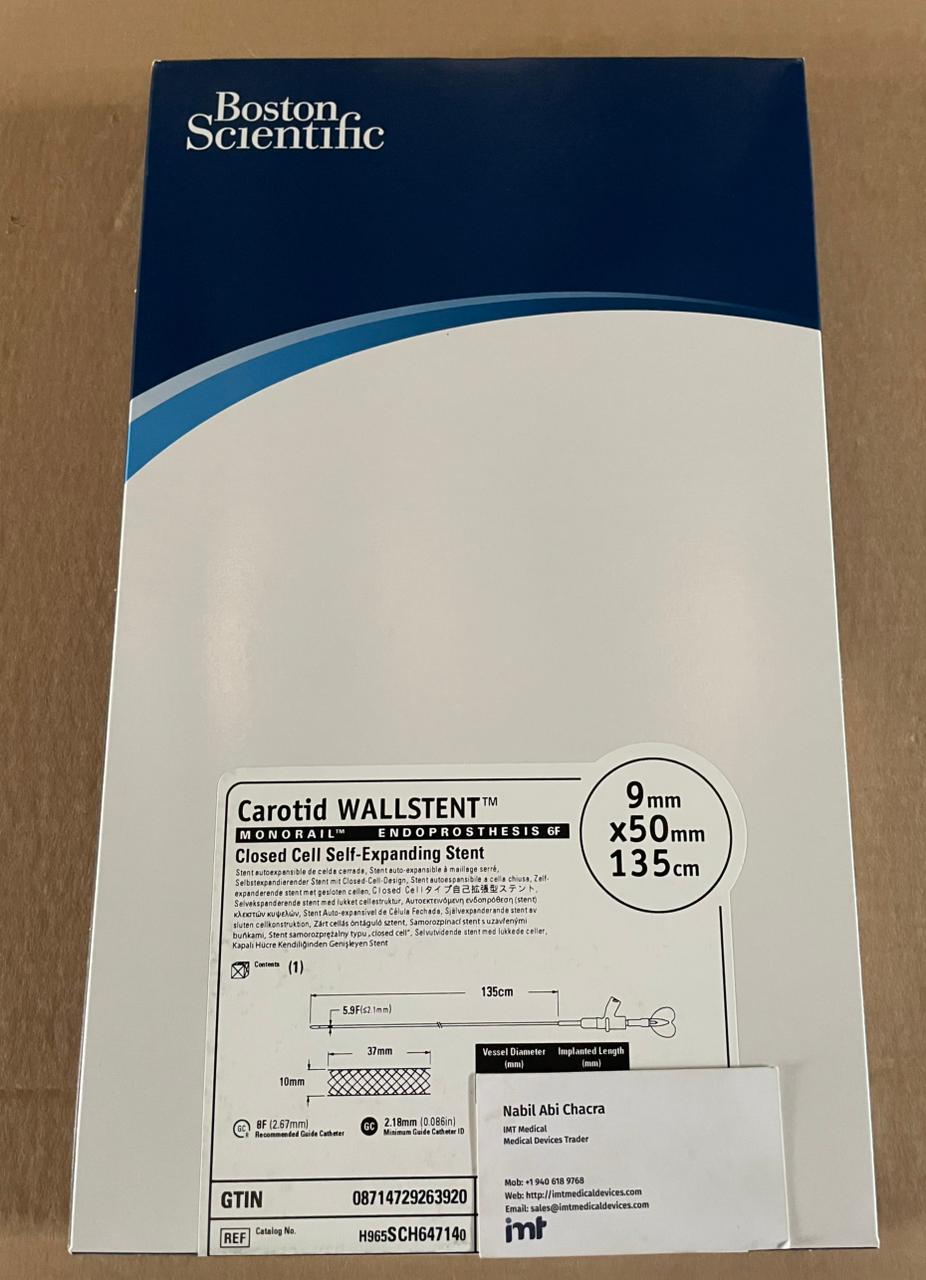
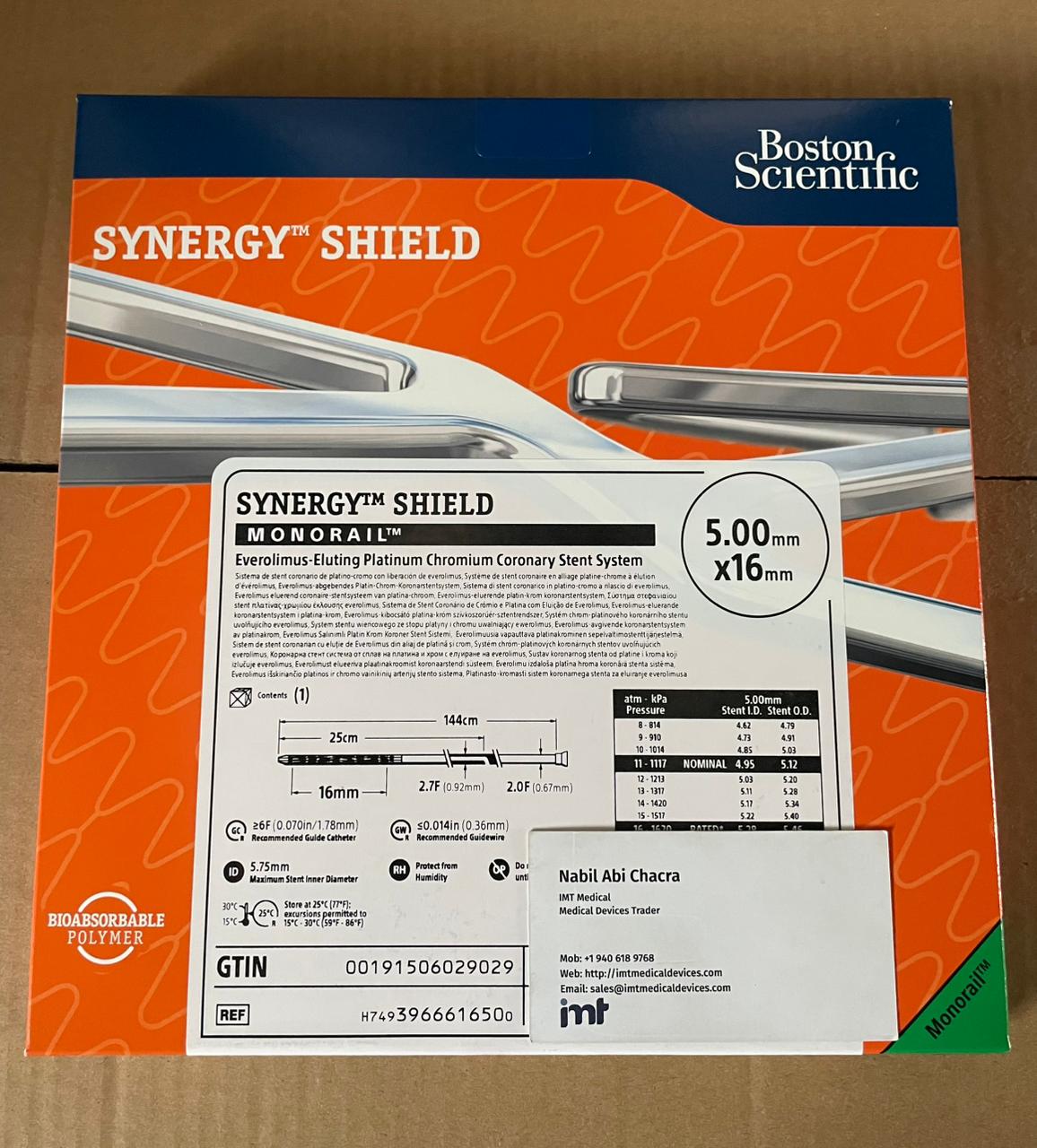
Access to premium manufacturer brands defines our commercial scope. The IMT portfolio includes hardware from Medtronic, Boston Scientific, Abbott, and Terumo. We maintain deep inventory levels of PTCA balloon catheters and drug-eluting stents. Our inventory also features:
- Permanent Pacemakers and Implantable Cardioverter Defibrillators (ICDs).
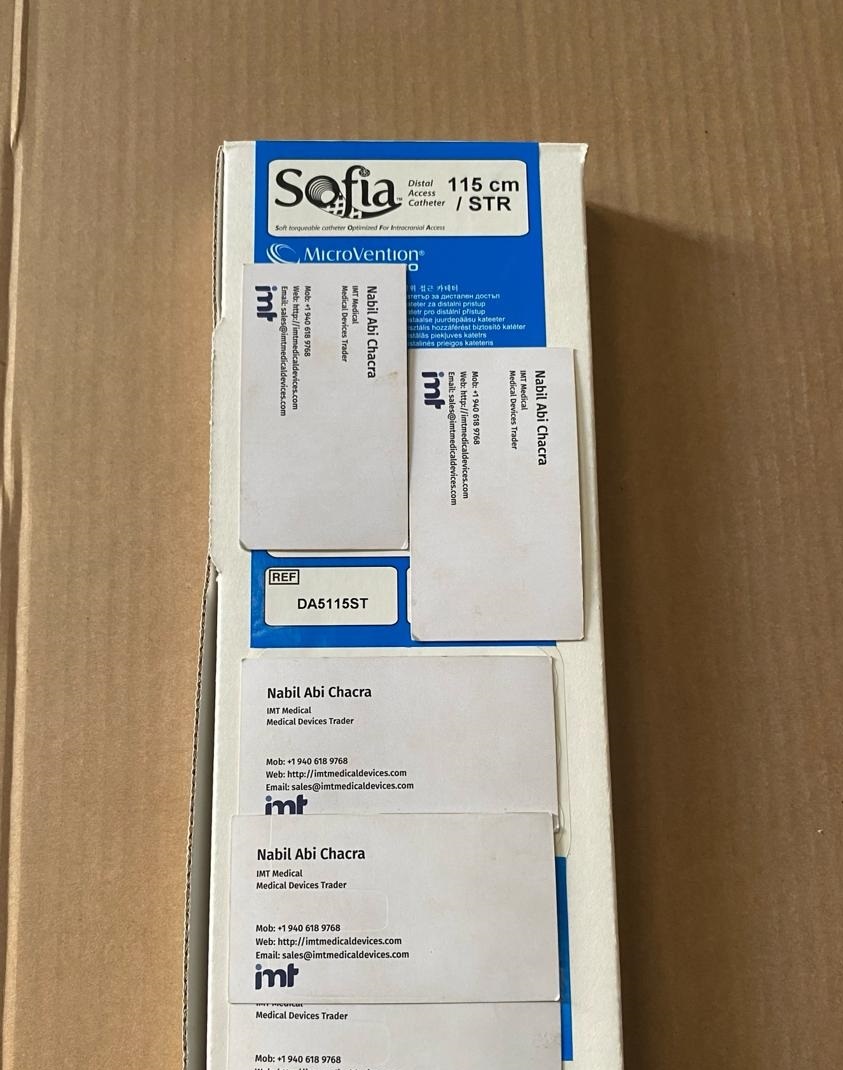
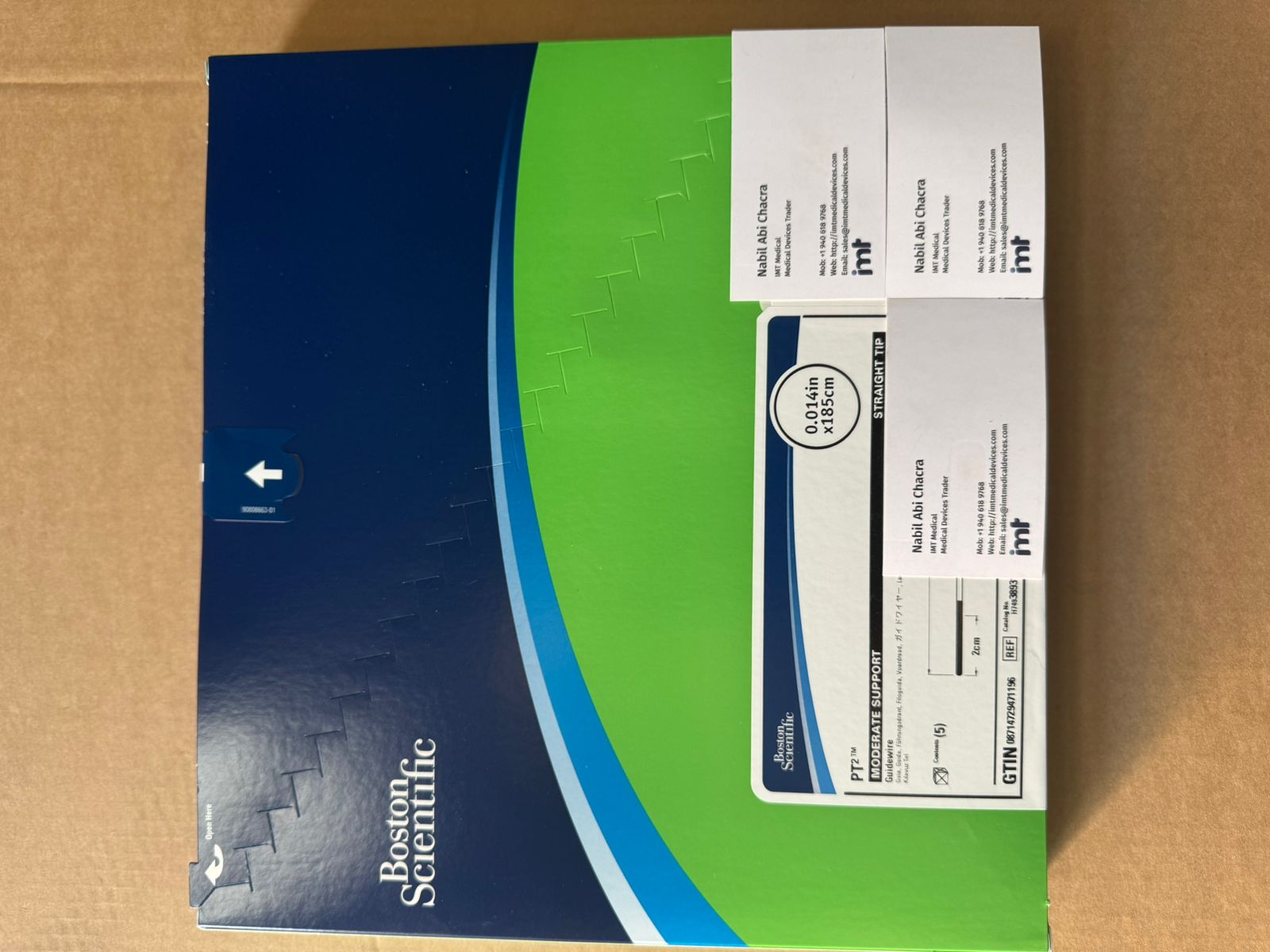
- Diagnostic Guide Wires and Guiding Catheters.
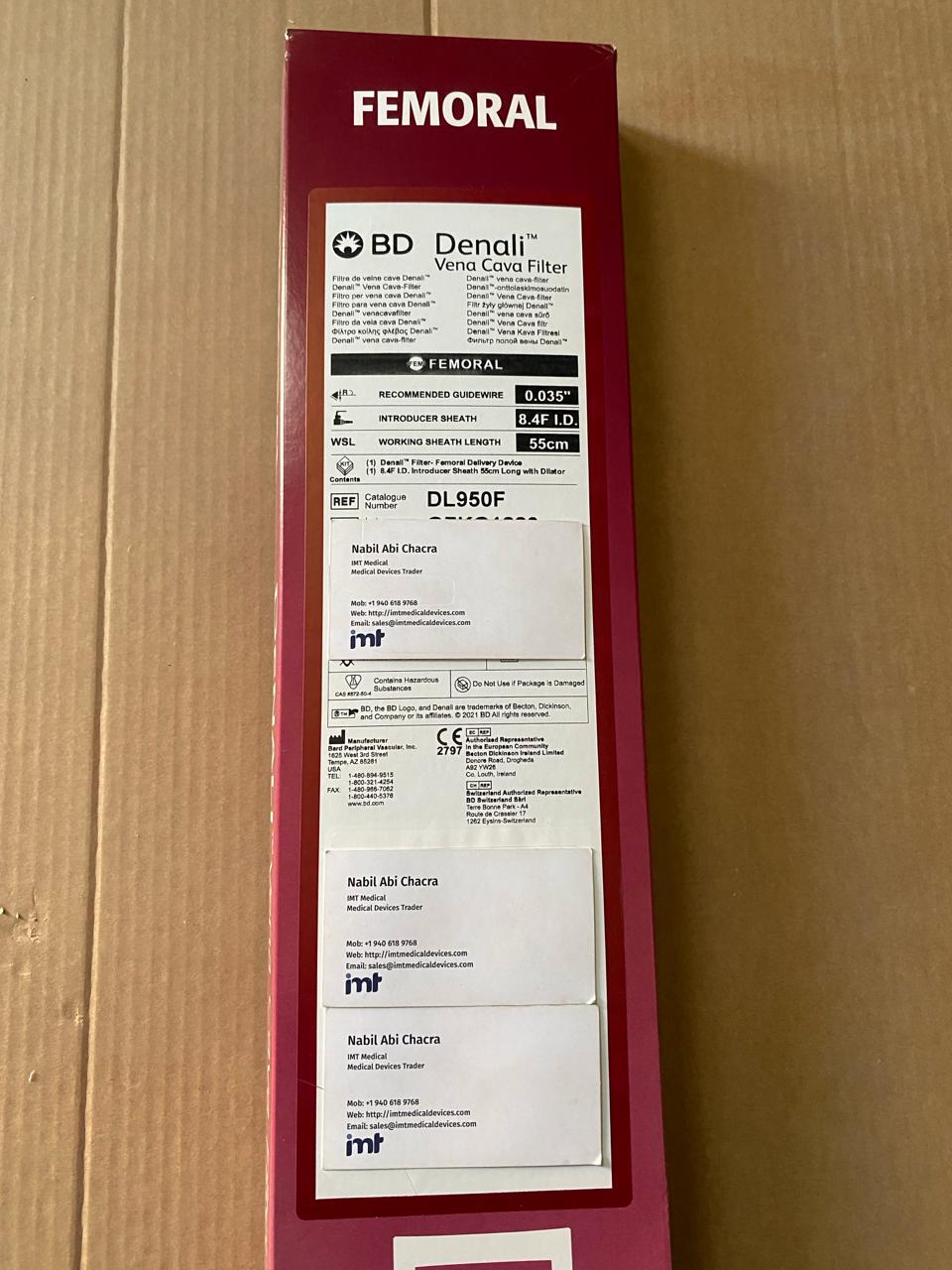
- Peripheral Stents and Surgical Staplers.
- Electrophysiology Catheters and Asahi Intec products.
We provide authentic, high-quality technology globally. Every item in our catalog meets rigorous manufacturer specifications. We ensure that technical identifiers match clinical requirements exactly. This manufacturer-centric approach guarantees that the value lies in providing access to premium, authentic hardware. We maintain a digital warehouse feed to ensure inventory freshness and minimize the risk of obsolescence.
Streamlined Logistics for International B2B Clients
Our logistics experts manage the administrative and technical complexities of medical exports. We offer tailored supply chain solutions for hospitals and specialized distributors. Our services include managing the shift to the 2026 Quality Management System Regulation (QMSR). We maintain unified Medical Device Files (MDF) to ensure compliance with ISO 13485:2016 standards. This transition reduces administrative burdens and costs for our partners. We prioritize the speed of data transmission and the accuracy of technical codes.
Our distribution hubs utilize advanced lot tracking and serial number management. This ensures full traceability for every device in transit. We manage environmental controls for temperature-sensitive items like drug-eluting technology. Contact our team for current inventory lists and contract pricing. We provide the scale, reach, and technical expertise necessary for high-stakes medical devices wholesale procurement. Our no-nonsense approach positions us as a vital partner in the global medical supply chain.
Optimizing Specialized Procurement for 2026 and Beyond
Mastering the medical devices wholesale landscape requires a transition from generalist sourcing to manufacturer-direct technical integration. Specialized hardware, including drug-eluting stents and permanent pacemakers, demands rigorous logistical oversight and climate-controlled transit. Adhering to the 2026 Quality Management System Regulation (QMSR) ensures clinical safety while stabilizing the supply chain against manufacturer backorders. These protocols are essential for maintaining operational continuity in a global medtech market projected to reach $1.21 trillion by 2030.
IMT Medical Devices provides the infrastructure to execute these high-stakes procurement strategies. Our operations include strategic offices in Georgia, the UAE, Turkey, and Poland; we facilitate global distribution to 50+ countries. We maintain direct access to authentic Medtronic, Boston Scientific, and Abbott inventory. This manufacturer-centric approach eliminates technical support friction and reduces counterfeit risks in the global marketplace. Contact IMT Medical Devices for Global Wholesale Solutions to secure your interventional technology requirements. Efficient, compliant procurement is the foundation of clinical excellence.
Frequently Asked Questions
What is the difference between a medical supply wholesaler and a medical device distributor?
Medical supply wholesalers typically handle high-volume consumables like PPE, gauze, or syringes. Distributors of specialized medical devices manage high-risk Class II and Class III hardware, such as drug-eluting stents or permanent pacemakers. These interventional items require technical oversight, climate-controlled storage, and serial number tracking that general supply chains don't maintain.
How do you ensure the authenticity of medical devices in a wholesale environment?
Authenticity is verified through manufacturer-direct sourcing and rigorous lot tracking. Every item, from an electrophysiology catheter to a surgical stapler, must have a verifiable serial number linked to the producer's database. Reliable partners provide complete technical dossiers and Certificates of Origin to confirm the hardware's provenance before it enters the global supply chain.
What are the logistical requirements for shipping Drug-Eluting Stents (DES) internationally?
Shipping DES internationally requires validated cold chain protocols to maintain the integrity of the drug coating. Transit environments must be monitored using continuous data loggers to verify temperature stability throughout the export cycle. Failure to maintain these conditions renders the polymer matrix or drug elution rate clinically ineffective for patient use.
Can I source Medtronic and Boston Scientific products through a single wholesale partner?
Yes, specialized wholesalers consolidate premium manufacturer brands like Medtronic, Boston Scientific, and Terumo into a single distribution point. This simplifies procurement for clinical departments requiring diverse hardware, such as guidewires and permanent pacemakers. Consolidation reduces administrative friction and ensures consistent documentation across different manufacturer lines.
What documentation is typically required for importing medical devices from a global wholesaler?
Importation requires a commercial invoice, a packing list, and a Certificate of Origin. Depending on the region, additional documents like CE Marks, FDA 510(k) clearances, or apostilled Certificates of Free Sale are necessary. For regions like Georgia, Turkey, and the UAE, specific local registrations such as ÜTS or ESMA filings are mandatory for customs clearance.
How does IMT Medical Devices manage expiration dates for bulk-purchased sterile devices?
We utilize a digital warehouse management system to monitor expiration dates for all sterile inventory. We employ First-In, First-Out (FIFO) protocols to ensure that bulk orders for PTCA balloon catheters or guiding catheters arrive with maximum shelf life. This technical oversight prevents inventory obsolescence and maintains clinical safety standards for all international B2B clients.
What are the benefits of sourcing PTCA balloon catheters in bulk?
Bulk sourcing of PTCA balloon catheters provides supply chain resilience against manufacturer backorders and global logistics disruptions. It allows healthcare systems to standardize their interventional hardware, which simplifies training and procedural workflows. Centralizing medical devices wholesale orders also optimizes freight costs for high-value cardiology consumables.
Do you provide wholesale pricing for Permanent Pacemakers and ICDs?
We provide transactional B2B pricing for permanent pacemakers and implantable cardioverter defibrillators (ICDs) to hospitals and specialized distributors. Our pricing models reflect the scale of the medical devices wholesale market and the technical requirements of CRM hardware. Contact our logistics team directly for current inventory availability and manufacturer-specific contract terms.