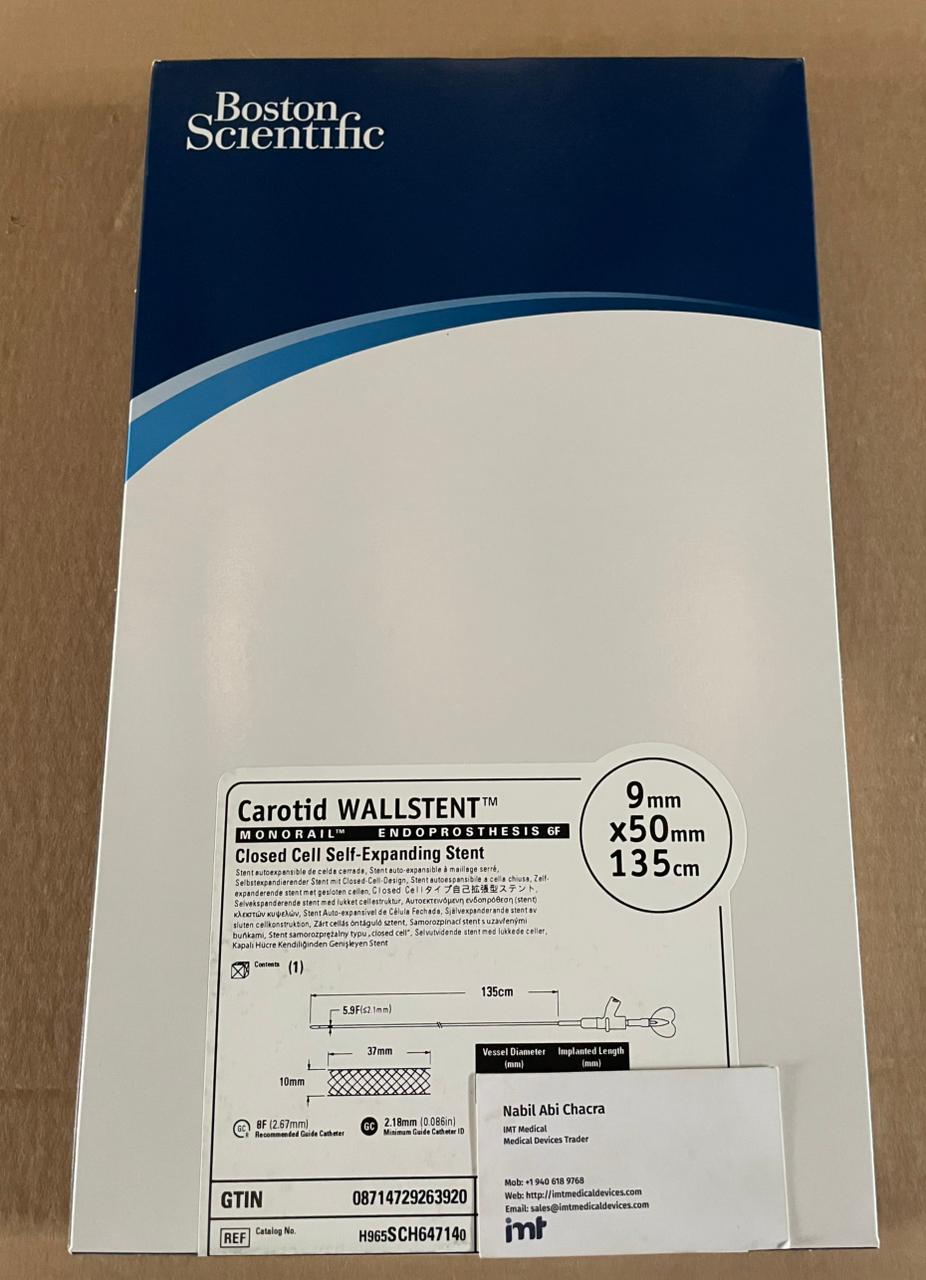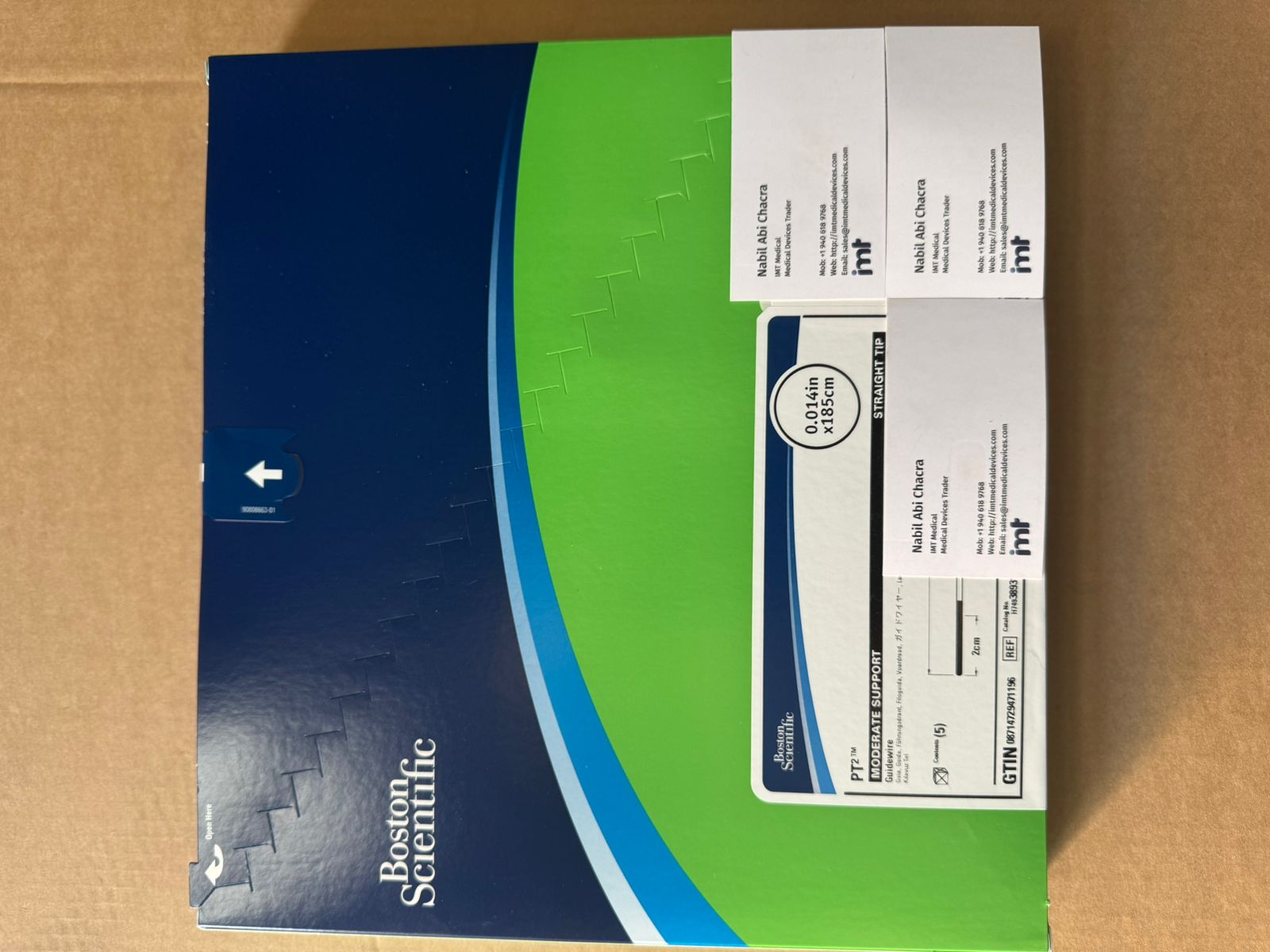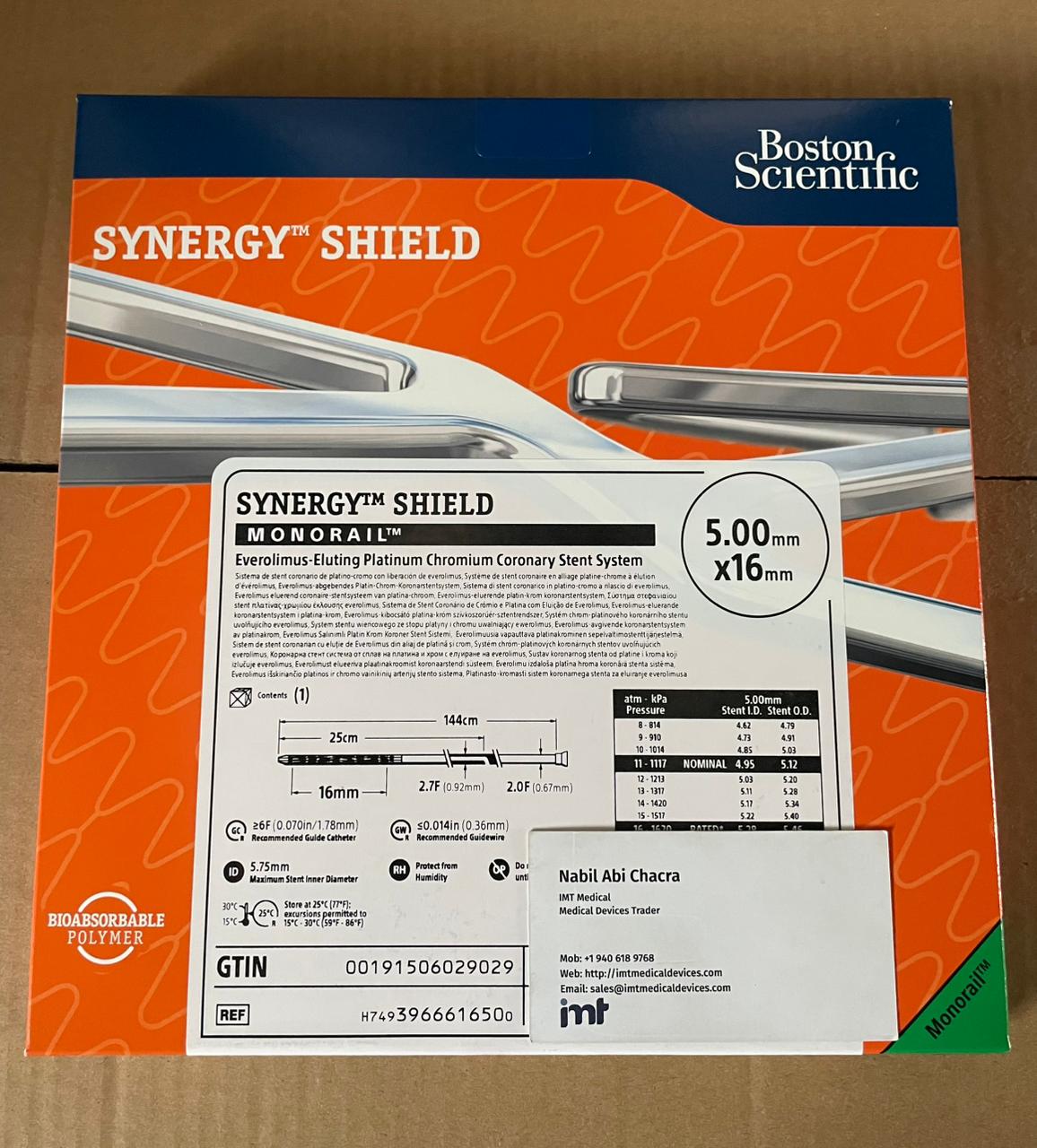

Wholesale Cardiology Medical Supplies: Expert National Guide
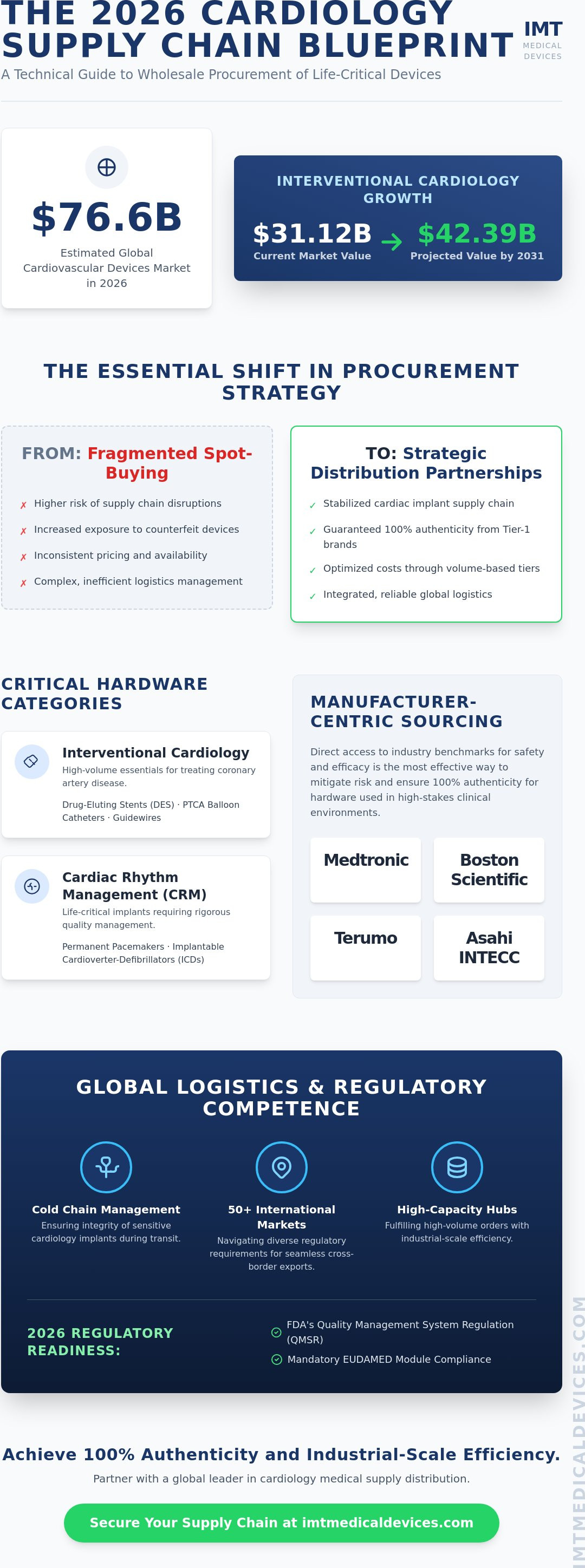
The global cardiovascular devices market is estimated to reach $76.6 billion in 2026, yet procurement professionals still struggle with fragmented logistics and counterfeit risks. Securing cardiology medical supplies wholesale requires a manufacturer-centric approach to ensure clinical efficacy and supply chain resilience. You've likely experienced the frustration of supply disruptions for life-critical hardware or the complexity of cross-border medical exports. It's a high-stakes environment where technical precision and logistical reliability are non-negotiable.
This guide delivers a technical roadmap for navigating the global cardiology supply chain. We'll outline strategies to establish stable B2B partnerships and reduce procurement costs through volume-based tiers. You'll find specific insights into the 2026 regulatory environment, including the FDA's new Quality Management System Regulation (QMSR) and mandatory EUDAMED modules. We examine the logistics of distributing high-end hardware like drug-eluting stents, PTCA balloon catheters, and permanent pacemakers from industry leaders such as Medtronic, Terumo, and Boston Scientific. This is your blueprint for achieving 100% authenticity and industrial-scale efficiency in medical device procurement.
Key Takeaways
- Transition from spot-buying to strategic distribution partnerships to stabilize your cardiac implant supply chain and mitigate disruption risks.
- Evaluate technical specifications for interventional hardware, focusing on polymer technology in Drug-Eluting Stents and compliance profiles for PTCA catheters.
- Optimize procurement by sourcing cardiology medical supplies wholesale from a partner with direct access to premium brands like Asahi Intec, Medtronic, and Terumo.
- Master global export logistics by implementing cold chain management and navigating diverse regulatory requirements for over 50 international markets.
- Leverage high-capacity inventory hubs to fulfill high-volume orders while ensuring 100% authenticity for life-critical cardiology devices.
The Landscape of Cardiology Medical Supplies Wholesale in 2026
Wholesale cardiology procurement defines the bulk acquisition of interventional and diagnostic cardiac technologies. It's a high-stakes segment of the medical supply chain. Technical precision and international commerce intersect here. In 2026, the global cardiovascular devices market is estimated at $76.6 billion. This valuation reflects rising global disease prevalence and the rapid expansion of percutaneous coronary intervention (PCI) centers. Efficient procurement isn't just about inventory; it's about logistical competence and manufacturer-direct access.
Procurement professionals are moving away from fragmented spot-buying. The 2026 landscape favors integrated distribution partnerships. These strategic alliances combine inventory depth with logistical reliability. Global wholesalers act as the critical bridge between Tier-1 manufacturers and international markets. They ensure life-critical hardware reaches clinical facilities without delay. This shift toward integrated supply chains stabilizes pricing and secures access to the latest interventional hardware.
The interventional cardiology sub-market is valued at $31.12 billion this year. It's expected to reach $42.39 billion by 2031. This growth requires a wholesale infrastructure capable of managing exhaustive inventory lists. Procurement teams now value wholesalers who demonstrate 100% traceability. Adherence to the FDA's new Quality Management System Regulation (QMSR), effective February 2, 2026, is now a standard requirement for all cardiology medical supplies wholesale transactions. High-capacity distributors provide the industrial scale necessary to meet these regulatory and clinical demands.
Critical Categories in Modern Cardiology Supply
Interventional cardiology remains the highest-volume category for wholesale procurement. Key hardware includes Drug-Eluting Stents (DES) and PTCA balloon catheters. These devices are essential for treating coronary artery disease and require precise technical specifications. Diagnostic and access tools like guidewires and guiding catheters provide the necessary infrastructure for complex procedures.
Cardiac Rhythm Management (CRM) centers on permanent pacemakers and Implantable Cardioverter Defibrillators (ICDs). These life-critical implants demand rigorous quality management. Maintaining a consistent supply of these items requires a partner with expansive international distribution capabilities. In 2026, the focus is on device miniaturization and smart materials, making manufacturer-direct sourcing more critical than ever.
The Move Toward Manufacturer-Centric Sourcing
Brand authority dictates procurement decisions in the cardiac space. Medtronic, Boston Scientific, and Terumo represent the industry benchmarks for safety and efficacy. Sourcing through manufacturer-centric channels is the most effective way to mitigate risk. It ensures 100% authenticity for hardware used in high-stakes clinical environments. Direct access to brands like Asahi Intec provides procurement professionals with the latest technical innovations without secondary market risks.
General medical-surgical distributors often lack the technical depth required for cardiac procurement. Specialized wholesalers provide a direct line to premium inventory. They prioritize clinical specifications and regulatory compliance over broad-market variety. This model emphasizes industrial competence and logistical reliability over brand storytelling. It's a pragmatic approach for partners who value scale and speed in the global medical supply chain.
Technical Specifications for High-Demand Interventional Hardware
Procurement for cardiology medical supplies wholesale requires granular data on device performance. General medical supply distributors often overlook the nuances of drug release profiles or balloon compliance. High-stakes interventional procedures demand hardware with proven clinical outcomes. Precise technical identifiers ensure compatibility and procedural success. Technical precision is non-negotiable in this sector. Bulk procurement requires data-driven decisions based on manufacturer benchmarks.
Adherence to FDA Regulation of Cardiovascular Devices ensures that wholesale inventory meets safety standards. This regulatory oversight covers material biocompatibility and drug-elution kinetics. Procurement professionals must verify these specifications to mitigate clinical risk. Reliable wholesalers provide 100% traceability for every SKU in the inventory feed. This industrial competence is vital for maintaining a stable supply of authentic technology.
Drug-Eluting Stent (DES) Platforms
Everolimus-eluting and zotarolimus-eluting platforms dominate current clinical practice. When sourcing coronary stents for complex coronary lesions, teams must evaluate polymer durability and deliverability. Everolimus-eluting stents like the Boston Scientific Synergy Megatron offer bioabsorbable polymer technology. Technical checklists for bulk DES procurement should prioritize these factors:
- Shelf-life: Minimum 12 to 18 months for high-volume inventory.
- Storage: Controlled temperature environments to maintain drug integrity.
- Sizing: Full matrix availability for diverse vessel diameters.
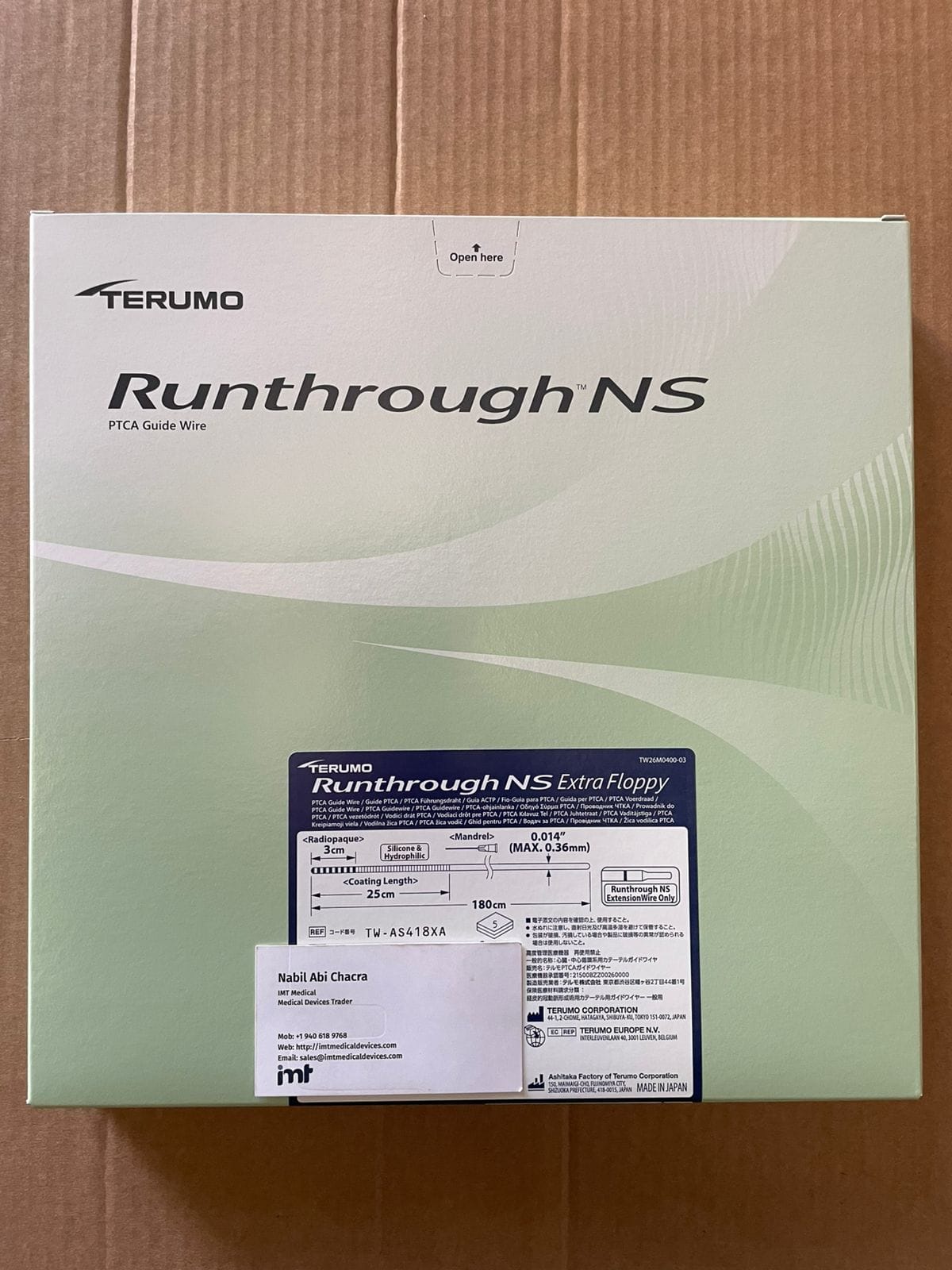
PTCA balloon catheters are categorized by compliance profiles. Semi-compliant balloons serve for pre-dilation. Non-compliant balloons, such as the Terumo Senri, are required for high-pressure post-dilation and stent apposition. Understanding these distinctions prevents procedural delays. View our full range of coronary balloon technologies for precise sizing options.
Cardiac Rhythm Management (CRM) Devices
Procuring cardiac implantable pacemakers and ICDs involves evaluating battery longevity and lead performance. Modern systems from Medtronic and Boston Scientific prioritize MRI compatibility. Remote monitoring capabilities are now standard for high-end CRM inventory. Wholesale logistics must ensure sterile packaging integrity and lead compatibility across manufacturer platforms. This requires a partner with expansive international distribution capabilities and a manufacturer-centric approach.
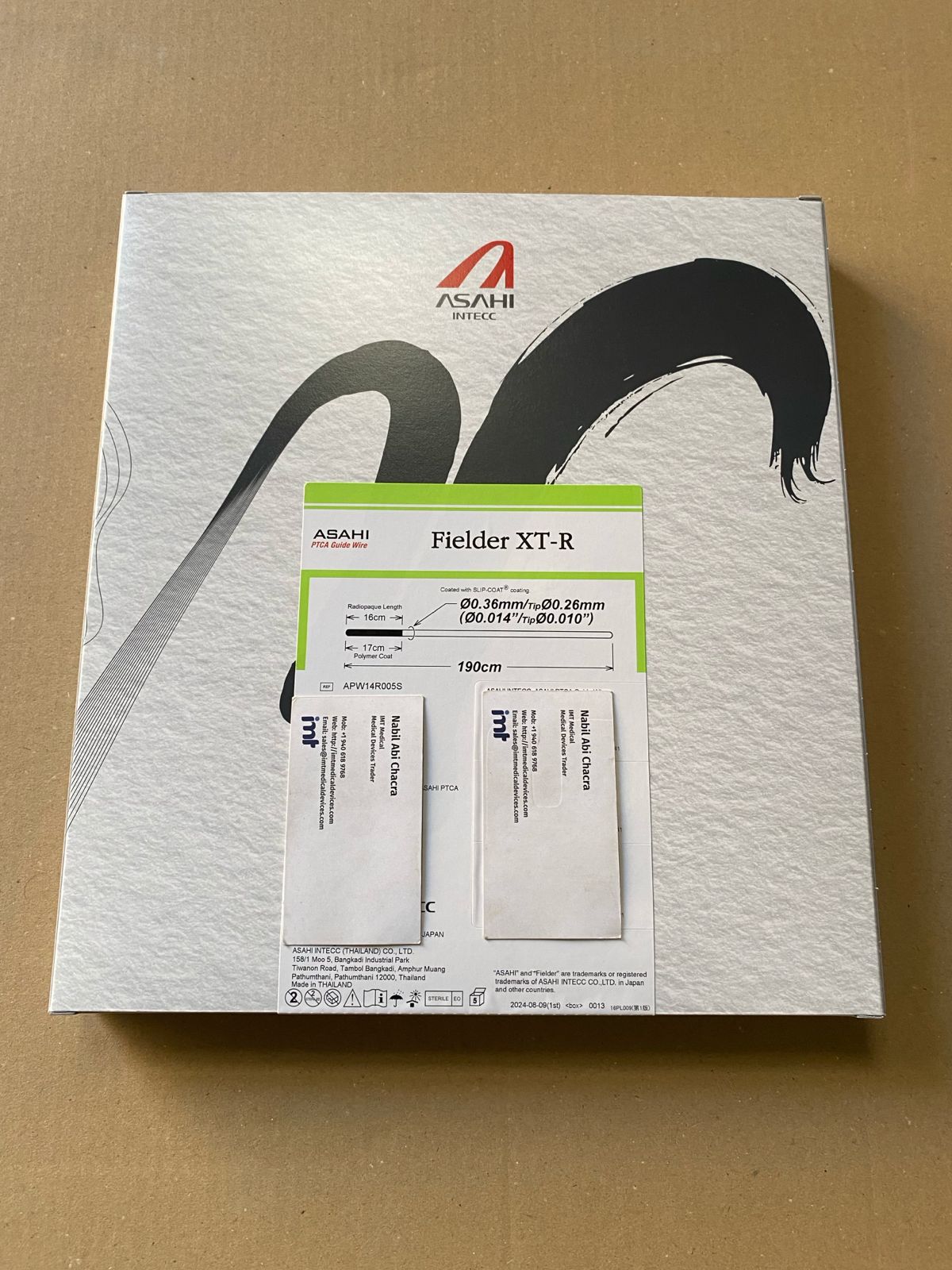
Vascular access tools require advanced hydrophilic coatings. These coatings reduce friction during diagnostic and guiding wire navigation. Guidewires from Asahi Intec set the benchmark for torque response and tip durability. These specifications define the commercial scope and market popularity of the inventory. Selecting the correct technical identifier is the priority for efficient data transmission and procurement.
Evaluating Wholesale Partners: Logistics and Brand Portfolio
Selecting a partner for cardiology medical supplies wholesale requires evaluating more than just line-item pricing. Industrial competence in this sector depends on manufacturer-direct relationships and logistical reach. A reliable partner bridges the gap between premium production and clinical demand. This involves managing exhaustive inventory lists for hospital systems and national distributors. Efficiency and product availability are the primary trust signals for procurement professionals operating at scale.
Compliance remains a central pillar of global distribution. Managing customs and regulatory filings requires deep expertise in international commerce. Adherence to the U.S. Code of Federal Regulations for Cardiovascular Devices provides the necessary legal framework for device classification and safety. Every transaction must include valid export certificates and regulatory filings to ensure 100% authenticity. This rigorous approach mitigates the risks associated with secondary markets and counterfeit hardware in the interventional space.
Fulfillment speed depends on the proximity of inventory to international markets. A partner with proven export capabilities to 50+ countries offers a significant commercial advantage. This logistical infrastructure provides the reliability necessary for partners operating at an industrial scale, ensuring that life-critical implants reach their destination without delay. It's a pragmatic model that prioritizes technical identifiers and logistical status over brand storytelling.
Brand Portfolio and Manufacturer Access
A robust portfolio includes access to industry benchmarks for precision and safety. Sourcing Asahi Intec products is essential for facilities requiring high-performance vascular access tools. These products are known for superior torque response and tip durability. Evaluating Terumo products is critical for radial and femoral interventions, where procedural efficacy depends on material quality and device profile.
High-capacity wholesalers provide consistent access to Boston Scientific and Medtronic inventory. These brands represent the gold standard in interventional cardiology. Maintaining a diverse portfolio from these manufacturers allows procurement teams to fulfill high-volume orders without supply chain disruptions. This manufacturer-centric approach ensures that technical specifications and clinical reputations remain intact throughout the distribution cycle.
Logistical Infrastructure Requirements
Strategic geographic locations are vital for rapid fulfillment and supply chain resilience. Regional offices in Dubai, Georgia, Turkey, and Poland serve as critical logistical hubs. These hubs minimize lead times and allow for efficient cross-border medical exports. Warehouse standards must include temperature-controlled environments to maintain the thermal integrity of drug-coated devices and sensitive implants. For a deeper analysis of these operations, see our Medical Device Distribution Guide.
Global Export Logistics for Sensitive Cardiology Implants
Global export logistics for sensitive cardiac implants require rigorous adherence to international shipping standards. Maintaining thermal integrity for drug-coated devices is a primary requirement for any partner in cardiology medical supplies wholesale. Cold chain management prevents polymer degradation and ensures drug release kinetics remain within manufacturer specifications. International air freight must account for atmospheric pressure changes and physical shocks that could compromise the structural integrity of stents or catheters. Documentation accuracy is the final barrier to efficient distribution. Certificates of origin, sterile certifications, and commercial invoices must align perfectly with manufacturer codes to prevent customs delays.
Adherence to Good Distribution Practice (GDP) standards is mandatory for long-haul medical exports. In 2026, all exported devices must utilize Unique Device Identification (UDI) for full supply chain traceability. This digital signature allows procurement professionals to verify the logistical status and authenticity of every SKU. High-capacity distributors utilize digital-only technical files to accelerate customs processing. This industrial competence ensures that life-critical technology reaches clinical facilities without the risk of secondary market contamination or environmental damage.
Ensuring Integrity During International Shipping
Structural integrity during transit is vital for PTCA balloon catheters and delivery systems. Packaging standards must exceed basic commercial requirements to withstand the rigors of international freight. Risk mitigation involves using validated thermal packaging and shock-resistant containers. Real-time tracking provides the necessary oversight for high-value cardiology logistics. This level of transparency is a standard expectation in the B2B medical supply chain. It allows for rapid intervention if a shipment deviates from the prescribed transit route or temperature range.
Regulatory and Customs Navigation
Importing medical devices into over 50 countries requires localized expertise and precise regulatory filings. Common pitfalls include incomplete sterile certifications or discrepancies in commercial invoices. Strategic hubs in the UAE, Turkey, and Poland serve as critical entry points for regional markets. These locations facilitate compliance with local health authority standards for cardiology implants. Localized knowledge prevents the seizure of inventory and ensures that clinical timelines are met. Partnering with a distributor that manages these complexities allows procurement teams to focus on inventory depth rather than logistical barriers.
Establish a reliable international supply chain with a partner that prioritizes logistical precision. Review our global export capabilities and manufacturer-direct portfolio.
Strategic Sourcing with IMT Medical Devices: Global Competence
IMT Medical Devices operates as a pragmatic and expansive global partner for cardiology medical supplies wholesale. Our organizational focus is industrial competence and logistical reliability. We provide a vital bridge between major manufacturers and international markets. This no-nonsense approach prioritizes product availability and technical precision over brand storytelling. We don't just supply hardware; we provide a stable B2B partnership designed for high-capacity procurement. Our personality is that of an experienced, well-connected entity that values scale and reach across the medical supply chain.
Our operational model relies on manufacturer-direct relationships. This ensures that every item in our inventory feed is authentic and meets the highest clinical standards. We eliminate the risks associated with secondary markets by providing 100% traceability for all interventional hardware. Procurement professionals value our ability to transmit technical data and manufacturer specifications with speed. This efficiency allows for rapid information retrieval, ensuring that hospital systems and national distributors can identify the correct technical identifiers without delay.
A Comprehensive Cardiology Portfolio
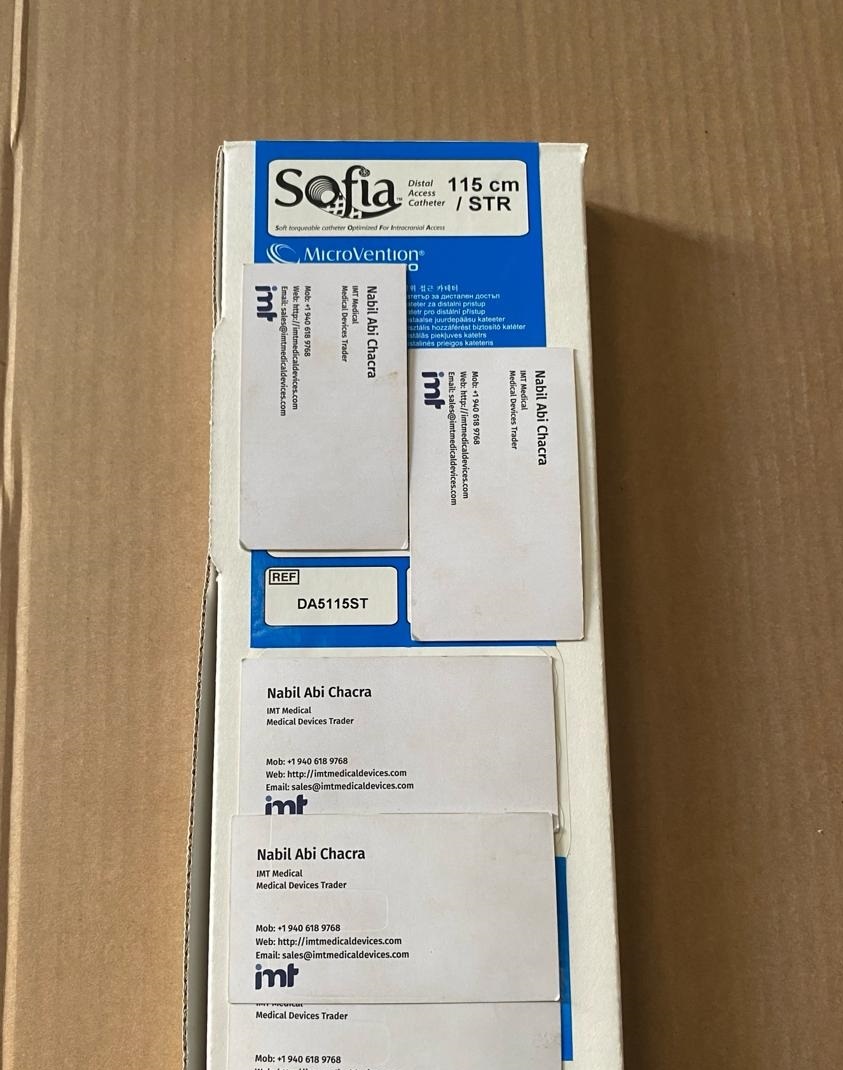
Our inventory depth covers the full spectrum of cardiovascular and neurovascular care. We facilitate seamless access to coronary guidewires and guiding catheters from industry benchmarks like Asahi Intec and Terumo. For facilities requiring high-volume solutions for limb-salvage and arterial disease, we provide bulk supply for peripheral intervention hardware. Our team offers technical consultation for complex procurement requirements, assisting partners in navigating exhaustive SKU lists and manufacturer-specific codes.
Partnering for Supply Chain Resilience
Supply chain resilience is built on strategic geographic reach and logistical status. IMT Medical Devices maintains proven export capabilities to 50+ countries. Our regional offices in Georgia, Dubai, Turkey, and Poland serve as rhythmic anchors for our global distribution network. These hubs ensure rapid fulfillment and help maintain the thermal integrity of sensitive devices during transit. We provide a reliable supply for permanent pacemakers and other life-critical implants, ensuring that clinical timelines are never compromised by logistical failures.
We position ourselves as a vital, efficient bridge between premium technology and the markets that need it most. Our manufacturer-centric approach signals that the value lies in providing access to authentic, high-end hardware. For procurement professionals seeking a partner that values scale and logistical precision, we offer a clear path to supply chain stability. Contact IMT Medical Devices today for technical price lists and detailed export inquiries.
Optimizing Global Cardiac Procurement for 2026
Industrial scale and logistical precision define the future of cardiac device distribution. Procurement professionals must prioritize manufacturer-centric sourcing to mitigate counterfeit risks and ensure clinical efficacy. Integrated supply chains provide the stability needed to navigate the evolving 2026 regulatory landscape. Accessing cardiology medical supplies wholesale through a partner with proven export capabilities ensures that high-end interventional hardware reaches clinical facilities without delay. Technical precision in device selection, from drug-eluting stents to permanent pacemakers, remains the foundation of procedural success.
IMT Medical Devices facilitates this global reach through strategic hubs in Dubai, Georgia, Turkey, and Poland. As an authorized distributor for Medtronic, Boston Scientific, and Terumo, we offer 100% authenticity for all life-critical hardware. Our expansive inventory and proven export operations to 50+ countries establish us as a vital bridge in the global medical supply chain. We prioritize efficiency and product availability to support your procurement goals. Request a Technical Price List for Cardiology Wholesale to secure your supply chain today. We look forward to establishing a reliable, long-term B2B partnership with your organization.
Frequently Asked Questions
What are the primary considerations for cardiology medical supplies wholesale?
Primary considerations include manufacturer-direct access, inventory depth, and logistical competence for bulk acquisition. Procurement professionals must evaluate technical specifications like drug release profiles and material biocompatibility. Establishing a stable supply chain for cardiology medical supplies wholesale requires a partner with proven international reach and industrial-scale fulfillment capabilities. Technical precision and product availability are the primary trust signals in this sector.
How do you ensure the authenticity of wholesale cardiology implants?
Authenticity is ensured through 100% traceability and manufacturer-direct sourcing from authorized distributors. Every SKU must align with specific manufacturer codes and include valid regulatory filings. This approach eliminates the risks of secondary market contamination. Procurement teams should verify sterile certifications and certificates of origin for all interventional hardware to maintain clinical safety standards and regulatory compliance.
Can cardiology stents and balloons be shipped internationally safely?
Cardiology stents and balloons are shipped internationally using validated cold chain management and specialized packaging. These drug-coated devices require thermal integrity to prevent polymer degradation during transit. Adherence to Good Distribution Practice (GDP) standards and real-time tracking ensures that structural integrity remains intact. International air freight protocols must account for atmospheric changes to protect sensitive delivery systems and implants.
What manufacturers are most sought after in cardiology procurement?
Medtronic, Boston Scientific, and Terumo are the industry benchmarks for interventional hardware and cardiac rhythm management. Asahi Intec is highly sought after for precision vascular access tools like guidewires. These manufacturers define the commercial scope and market popularity of modern cardiology inventory. Procurement decisions prioritize these brands due to their established clinical reputations and proven safety profiles in high-stakes environments.
How does a strategic wholesaler handle medical device regulatory documentation?
Strategic wholesalers manage regulatory documentation by preparing digital-only technical files and localized export certificates. This includes navigating diverse import requirements for over 50 countries. Documentation must include commercial invoices, sterile certifications, and certificates of origin that match manufacturer identifiers. This industrial competence accelerates customs processing and prevents inventory seizures at regional entry points like Dubai or Istanbul.
What is the typical lead time for bulk cardiology supply exports?
Typical lead times depend on the proximity of regional distribution hubs to the destination market. Strategic locations in Georgia, Dubai, Turkey, and Poland allow for rapid fulfillment and minimized transit times. Standard exports often reach international facilities within 3 to 7 business days depending on customs clearance speed. High-capacity wholesalers prioritize logistical status to maintain consistent supply for clinical facilities.
Are there specific storage requirements for drug-eluting stents in a warehouse?
Drug-eluting stents require temperature-controlled storage environments to maintain the integrity of the drug-polymer coating. Warehouses must adhere to manufacturer-specified thermal ranges and maintain sterile packaging integrity. These requirements prevent environmental damage and ensure that elution kinetics remain within clinical parameters. Proper inventory management also involves monitoring shelf-life and ensuring first-in, first-out (FIFO) distribution protocols.
How do regional distribution hubs improve cardiology supply chain reliability?
Regional distribution hubs improve reliability by reducing lead times and providing localized expertise in customs navigation. These hubs serve as strategic anchors that mitigate supply chain disruptions. They allow for faster intervention if shipment deviations occur. By positioning inventory closer to international markets, wholesalers ensure that life-critical implants reach clinical facilities with maximum efficiency and minimal logistical barriers.