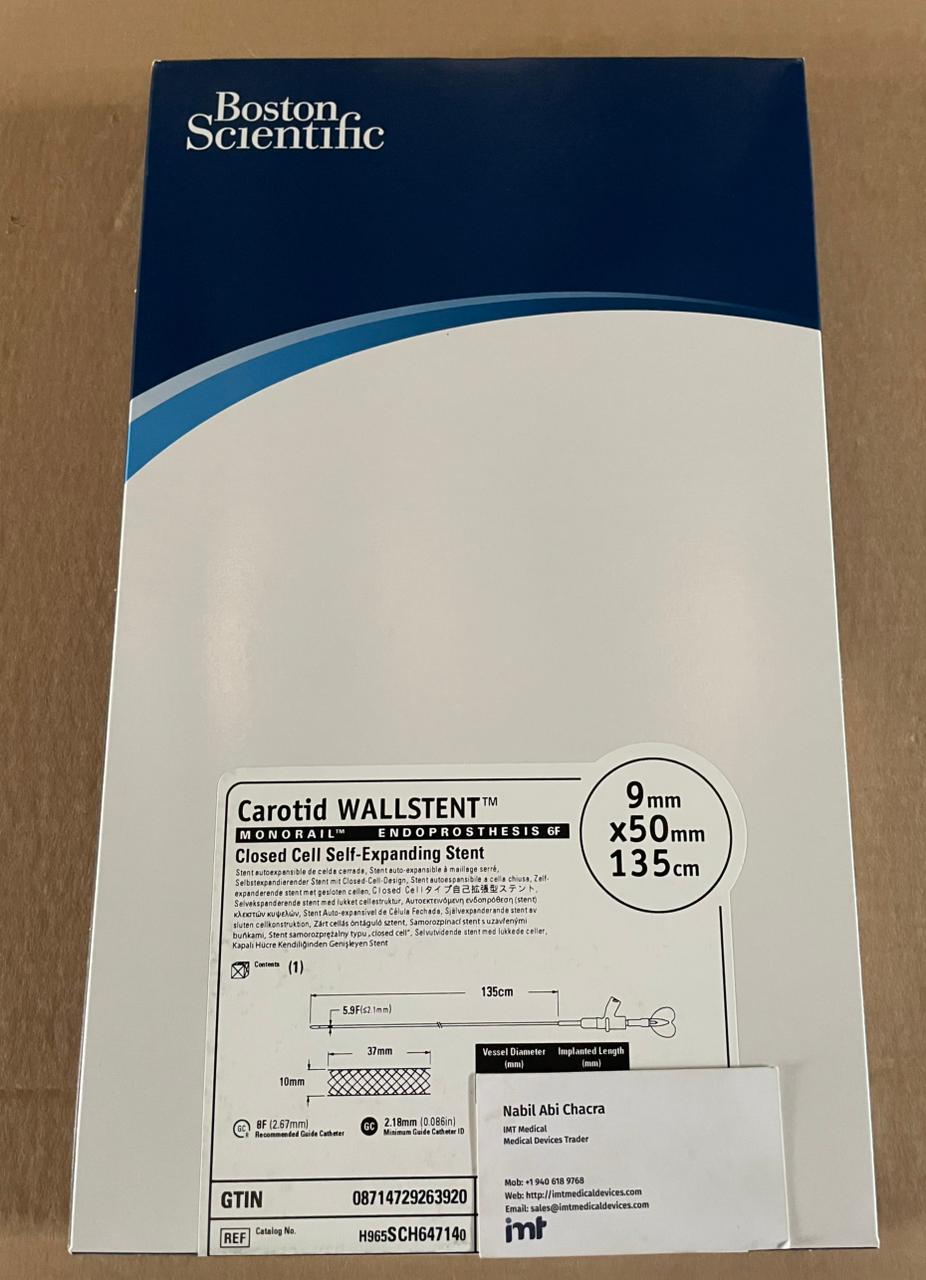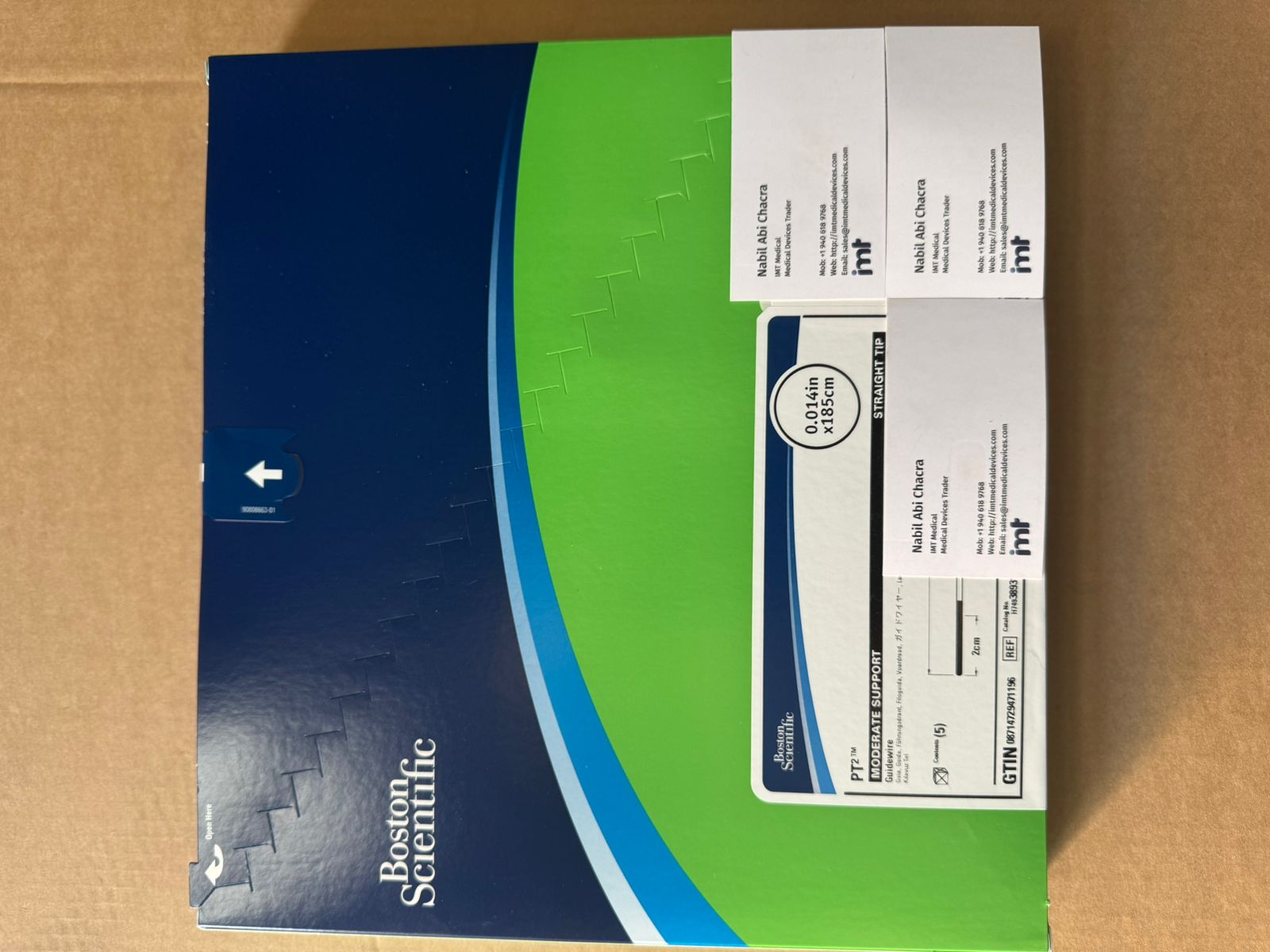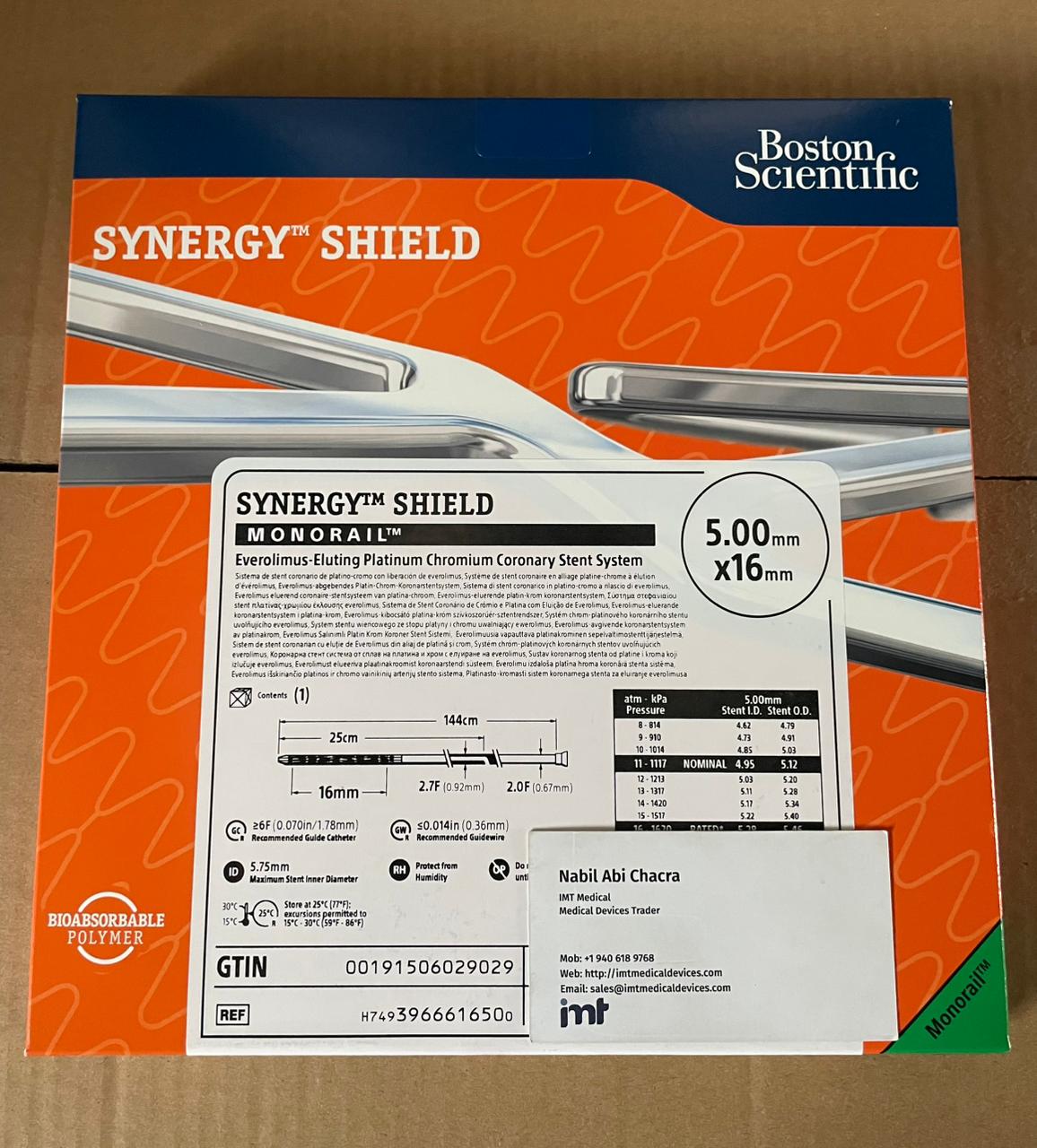

Reliable Medical Equipment Wholesale
Securing high-end cardiology inventory is no longer just a purchasing task. It's a high-stakes logistical operation where a single documentation error or cold chain failure can compromise millions in specialized hardware. Procurement professionals understand that the risk of counterfeit products and the complexity of the 2026 FDA Quality Management System Regulation (QMSR) make finding a reliable partner for medical equipment wholesale more difficult than ever.
You require a supply chain that guarantees authenticity and moves with industrial precision. This guide provides the technical framework to master international procurement. It ensures consistent access to authentic Medtronic, Terumo, and Boston Scientific products while optimizing your global export logistics. We'll examine volume-based pricing advantages, mandatory EUDAMED actor registration requirements effective May 28, 2026, and strategies for navigating the 25% Section 301 tariffs on specific inventory. We also address the shift from the Quality System Inspection Technique (QSIT) to the new QMSR standards. This analysis provides the data necessary for maintaining a compliant, high-capacity medical supply chain.
Key Takeaways
- Identify the transition from general medical-surgical supplies to specialized clinical hardware and high-capacity inventory management.
- Secure authentic cardiology inventory, including Drug-Eluting Stents, PTCA Balloon Catheters, and ICDs, from top-tier global manufacturers.
- Navigate the complexities of medical equipment wholesale logistics, focusing on customs clearance and international regulatory documentation.
- Assess potential distribution partners based on manufacturer-authorized channels and proven high-volume export capacity to over 50 countries.
What is Medical Equipment Wholesale in the Global B2B Market?
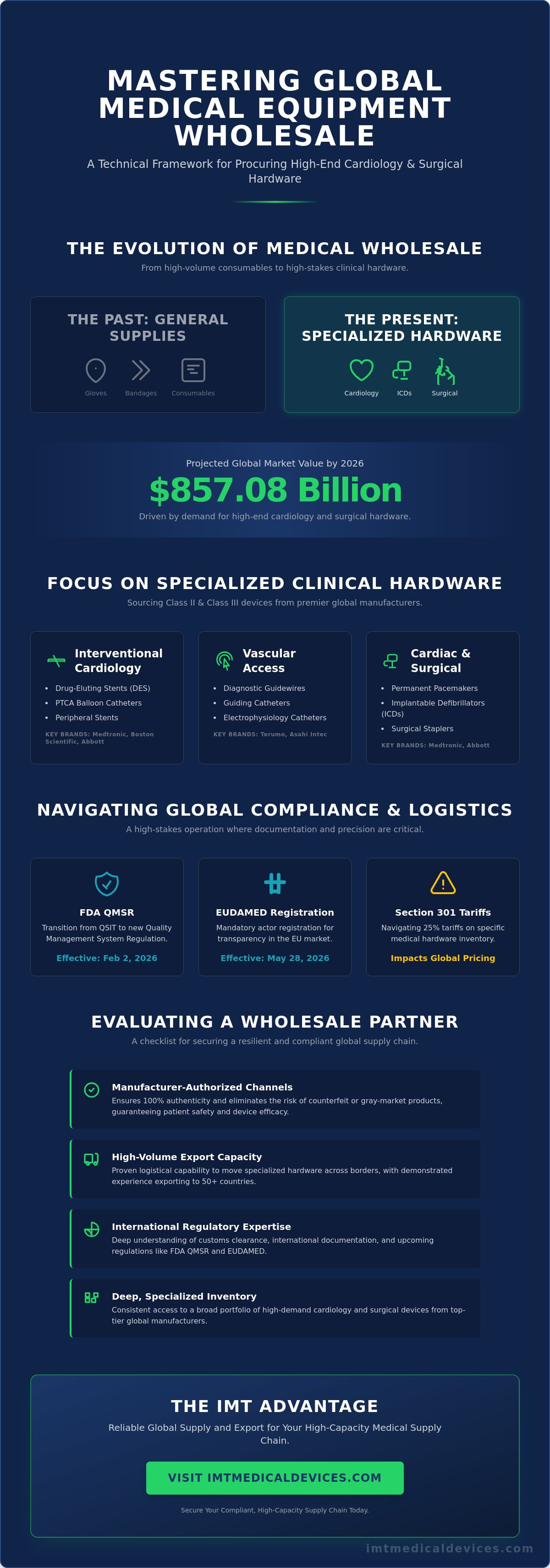
Wholesale medical procurement is a high-volume transactional model. It serves hospitals, surgical centers, and regional distributors. This sector of medical equipment wholesale focuses on the acquisition of Class II and Class III clinical hardware. The market has shifted. Procurement teams no longer prioritize generic medical-surgical consumables alone. They now focus on specialized cardiology and surgical inventory. This includes Drug-Eluting Stents, PTCA Balloon Catheters, and Permanent Pacemakers. High-capacity distribution ensures these high-stakes products reach clinical environments without delay.
Compliance is non-negotiable. The industry follows the global definition of a medical device to categorize risk and regulatory requirements. Manufacturer-authorized supply chains are essential for patient safety. They eliminate the risks associated with gray-market products. Key players include major manufacturers like Medtronic, Terumo, and Boston Scientific. Tier-1 distributors and global export partners bridge the gap between these producers and international healthcare providers. These partnerships are the foundation of a resilient global supply chain.
The Scope of Modern Medical Wholesaling
B2B wholesaling differs from retail medical stores. It operates at a different scale. Retail serves patients directly. Wholesalers serve institutional buyers. These entities provide access to restricted technologies. This includes Implantable Cardioverter Defibrillators (ICDs) and Electrophysiology Catheters. Procurement professionals prioritize transparency. They require clear data on manufacturing origins and logistical status. As of February 2, 2026, the FDA Quality Management System Regulation (QMSR) dictates these standards. Mandatory actor registration in EUDAMED, effective May 28, 2026, further enforces this transparency. High-volume wholesalers must manage these regulatory hurdles to ensure product authenticity across borders.
Global Market Dynamics and Supply Reliability
Global demand for cardiology and surgical hardware is rising. The market is projected to reach $857.08 billion in 2026. Strategic distribution hubs are vital. They stabilize local markets by maintaining inventory of Diagnostic Guide Wires and Surgical Staplers. Manufacturer-specific contracts influence availability. Large distributors secure volume-based pricing for Asahi Intec products and Peripheral Stents. This allows for more efficient international shipping. Supply chain costs are expected to increase by 2.41% in 2026. Reliable medical equipment wholesale partners mitigate these costs through logistical efficiency and established manufacturer relationships. Consistent access to high-end technology depends on these structured supply channels.
Specialized Inventory: Beyond Generic Medical Supplies
Generic commodities like gloves and bandages don't define the current medical equipment wholesale market for high-acuity care. Procurement professionals now prioritize specialized clinical hardware essential for life-critical interventions. This shift reflects the complexity of the global medical device landscape, where Class III devices require rigorous supply chain oversight. Inventory management for interventional cardiology and surgical suites demands access to premium manufacturers like Medtronic, Boston Scientific, Terumo, and Abbott. Reliability in this sector means having immediate access to Peripheral Stents and Surgical Staplers that meet strict international safety standards.
Interventional Cardiology and Vascular Access
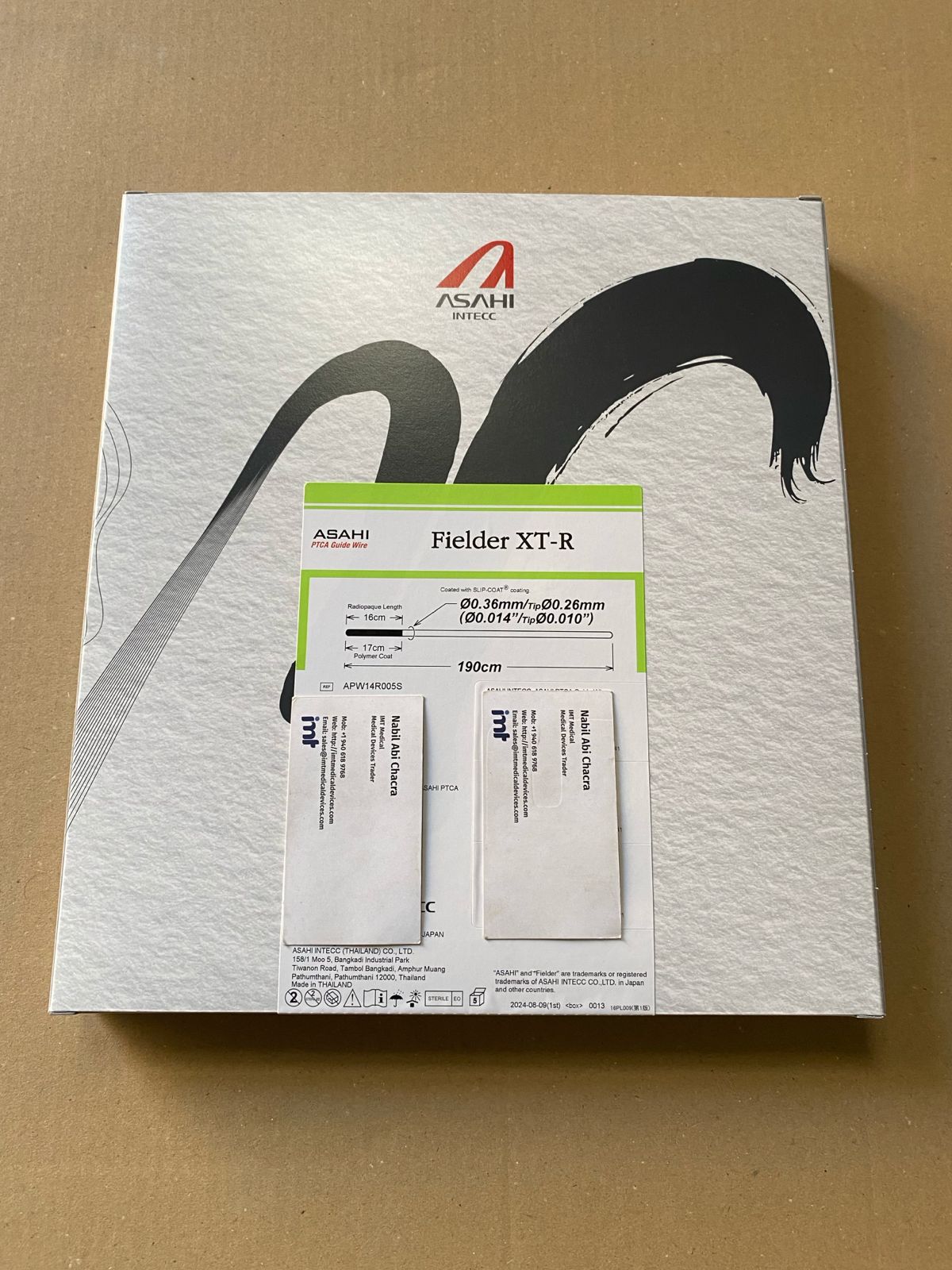
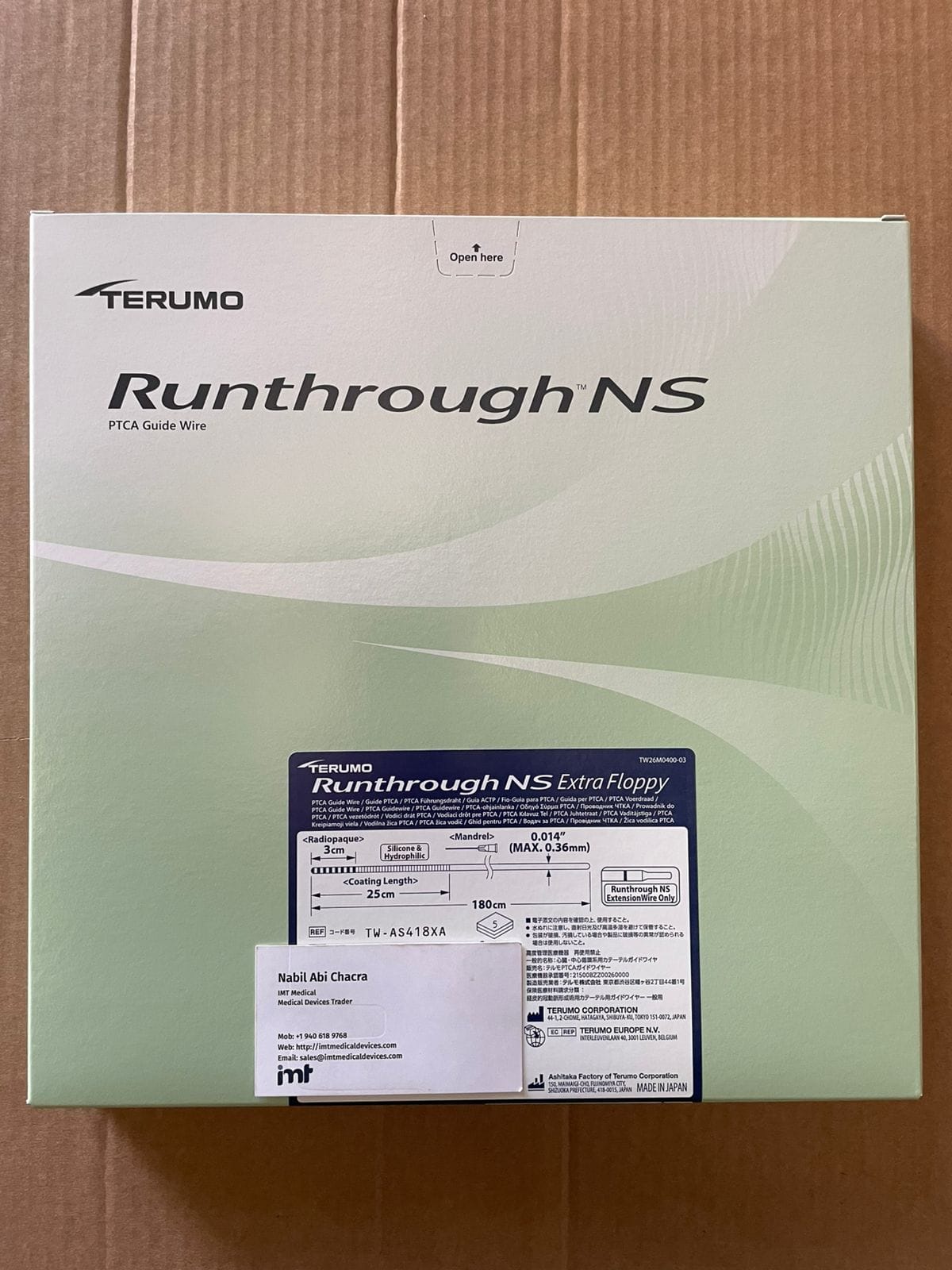
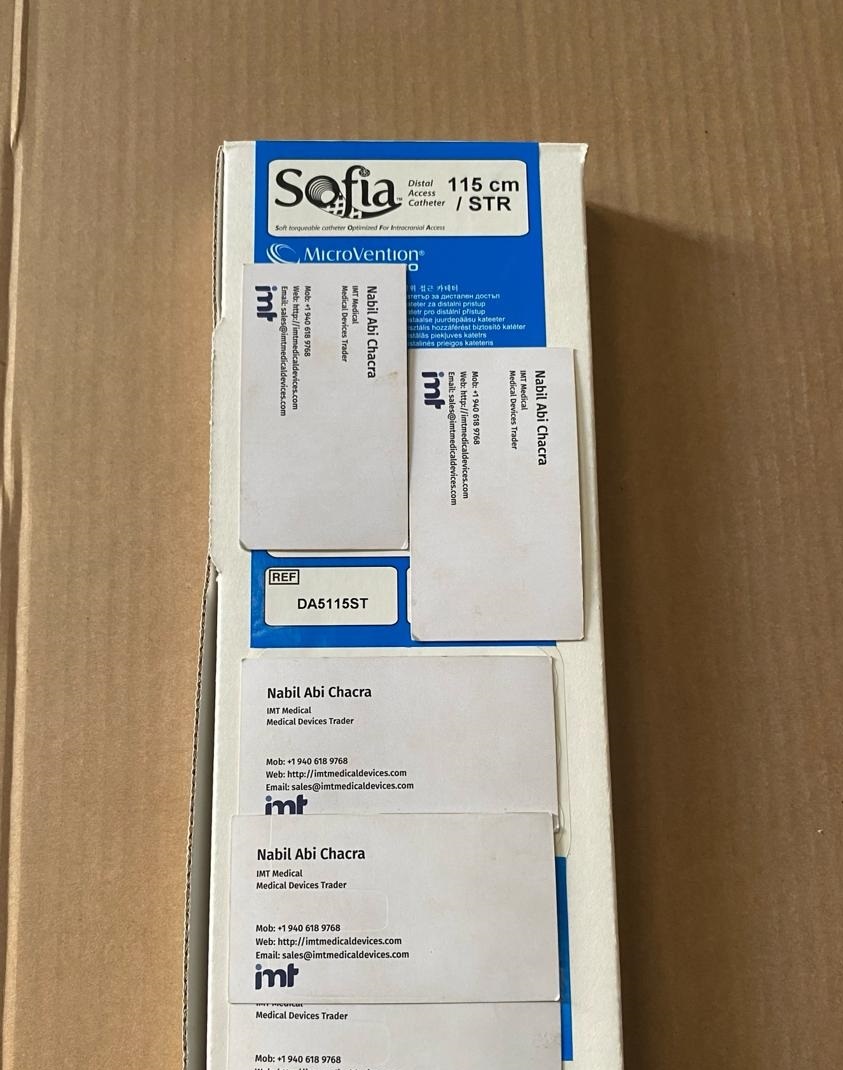
Successful vascular intervention depends on the availability of specific technical components. Sourcing drug-eluting stents requires a distributor with climate-controlled logistics and manufacturer-direct channels. These devices, alongside PTCA Balloon Catheters, form the core of modern cath lab inventory. Precision is equally critical in the selection of a guidewire or guiding catheter. Brands like Asahi Intec and Terumo dominate this space. Their products offer the torque and trackability required for complex coronary and peripheral lesions. A reliable wholesale partner maintains a deep portfolio of these items to prevent procedure delays. You can review our interventional cardiology catalog to see current availability for these specialized tools.
Cardiac Rhythm Management and Electrophysiology
Procuring high-stakes implants involves distinct regulatory and logistical challenges. Procurement standards for permanent pacemakers and Implantable Cardioverter Defibrillators (ICDs) prioritize authenticity and shelf-life tracking. These devices from Medtronic and Boston Scientific represent the gold standard in cardiac rhythm management. Beyond implants, electrophysiology catheters are necessary for precision mapping and ablation procedures. Maintaining a consistent stock of these items ensures that healthcare providers can respond to urgent cardiac events without equipment shortages. Recent Class I recalls in 2026 for specific catheters and surgical staplers highlight the need for a partner that monitors manufacturer updates in real-time. This level of oversight is a core requirement for any high-volume medical equipment wholesale operation.
International Logistics and Regulatory Compliance
International logistics for high-acuity hardware is a technical discipline. It requires strict adherence to U.S. regulations for medical device handling and international ISO 13485:2016 standards. Effective medical equipment wholesale operations rely on precision in export documentation. This ensures that life-saving implants like Permanent Pacemakers and Peripheral Stents cross borders without regulatory delays. Maintaining product integrity during transit is a primary logistical objective. Sensitive cardiology inventory requires specialized handling to prevent structural or sterile compromise. A failure in the export chain results in more than just financial loss; it creates clinical delays that impact patient outcomes.
Export Documentation and Compliance
Paperwork must be flawless for successful customs clearance. Essential documents include Certificates of Origin, CE markings, and manufacturer authorizations. These files verify product authenticity for customs officials in diverse markets. Regional healthcare regulations vary significantly between the EU, the Middle East, and Asia. Importers must manage DSCSA compliance and serial number tracking throughout the transit cycle. This level of traceability is vital for Class III devices. It mitigates the risk of gray-market infiltration and ensures that every Diagnostic Guide Wire or Surgical Stapler is fully accounted for. Compliance with the May 28, 2026, EUDAMED actor registration deadline is now a mandatory requirement for all entities moving goods into the European market.
Global Supply Chain Solutions
Strategic regional offices are the cornerstone of reliable distribution. Hubs in Georgia, Dubai, Turkey, and Poland reduce lead times for hospitals and regional providers. These locations act as vital bridges between major manufacturers and local markets. Specialized logistics are required for sensitive hardware. For example, ptca balloon catheters require handling that prevents structural damage during high-volume transit. We manage export to over 50 countries with reliable tracking and real-time monitoring. This infrastructure supports consistent inventory flow for diagnostic and interventional hardware. Regional distribution centers allow for rapid response to local demand fluctuations. This decentralized model stabilizes the supply chain against global disruptions. It provides healthcare facilities with the certainty required for elective and emergency procedures alike.
How to Evaluate a Medical Equipment Wholesale Partner
Evaluation of a medical equipment wholesale partner requires an audit of manufacturer relationships and technical proficiency. Procurement officers must analyze a distributor's ability to maintain high-volume inventory levels. Reliability is defined by access to specialized hardware and the logistical capacity to move it across borders. Regulatory oversight is mandatory. A partner's value lies in their manufacturer-authorized supply channels. This ensures the delivery of authentic, high-stakes devices like Permanent Pacemakers and Implantable Cardioverter Defibrillators (ICDs). High-capacity procurement demands a partner that functions as a logistical extension of the hospital's own supply chain.
Authenticity and Quality Assurance
Procurement officers must avoid gray-market medical devices. These products often bypass authorized storage and handling protocols, creating significant clinical risk. Evaluating a partner involves verifying manufacturer-specific technical codes and identifying markers. Authenticity is confirmed through transparent documentation chains. A reliable partner understands the specific clinical application of the hardware. They provide technical identifiers for Medtronic, Boston Scientific, and Terumo products to ensure exact matches with clinical requirements. This expertise prevents the acquisition of outdated or recalled inventory. Verify if the distributor monitors Class I recalls in real-time. Real-time monitoring is a primary trust signal for any global medical equipment wholesale entity.
Financial and Commercial Scalability
Commercial terms must align with the scale of institutional operations. Understanding volume-based tiers is essential for B2B procurement. Large-scale providers require contract flexibility to manage fluctuating patient volumes. Managing manufacturer-specific contract rates ensures long-term supply stability. Assess the financial stability of a global distribution partner before committing to high-volume orders. A partner with established financial infrastructure can navigate the 2.41% increase in supply chain costs projected for 2026. Look for transparency in pricing structures. This includes clear breakdowns of volume discounts for Peripheral Stents and Surgical Staplers. Scalability also depends on the partner's ability to manage international tariffs and duties without interrupting the flow of goods.
For a detailed look at our manufacturer-authorized inventory and commercial terms, you can request a wholesale pricing catalog.
The IMT Advantage: Reliable Global Supply and Export
IMT Medical Devices operates as a high-capacity bridge between prestigious global manufacturers and international healthcare markets. Our medical equipment wholesale infrastructure is designed for the rapid transmission of high-stakes clinical hardware. We maintain an extensive portfolio featuring world-renowned brands such as Medtronic, Abbott, and Boston Scientific. Our proven export capabilities serve healthcare providers in over 50 countries. Strategic regional offices in Georgia, Dubai, Turkey, and Poland ensure logistical efficiency. This presence allows us to stabilize local supply chains and provide consistent access to interventional cardiology and surgical technology.
Comprehensive Product Access
Procurement professionals gain direct access to the latest generations of Drug-Eluting Stents (DES) and PTCA technology. We prioritize inventory depth for critical cardiac hardware. This includes Permanent Pacemakers and Implantable Cardioverter Defibrillators (ICDs) from top-tier producers. Our bulk sourcing efficiency extends to essential surgical components. We provide reliable supply channels for:
- Surgical Staplers and reloads for advanced procedures.
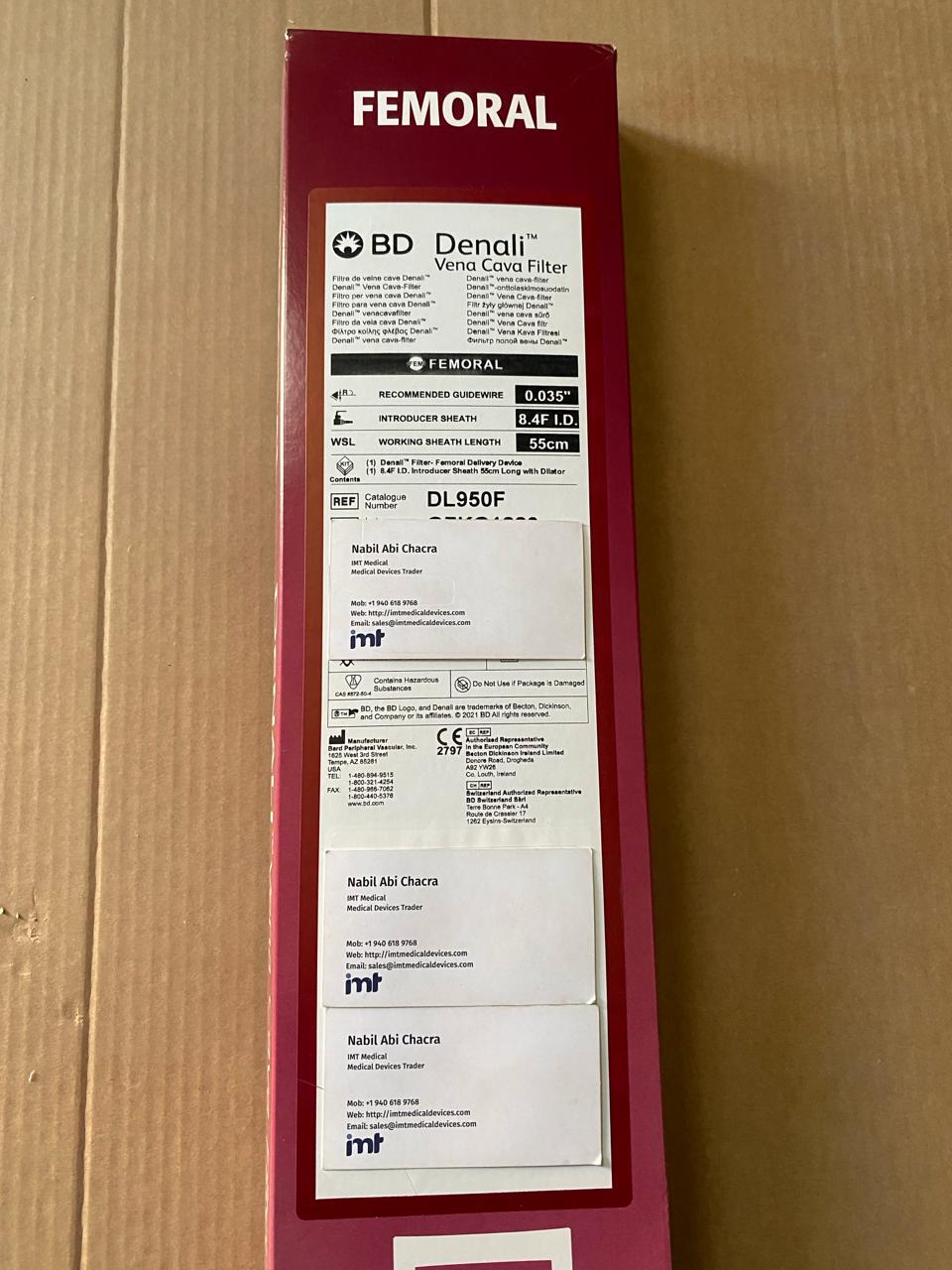
- Peripheral Stents for vascular intervention.
- Becton Dickinson and Nipro products for high-volume clinical needs.
- Asahi Intec and Terumo interventional wires and catheters.
Technical specifications and manufacturer reputations drive our inventory selection. We eliminate the uncertainty of secondary markets by providing authentic, traceable hardware directly to your facility. Our inventory management systems track every technical code to ensure precision in delivery.
Partnering with IMT Medical Devices
Partnering with IMT streamlines the complexities of international medical equipment wholesale. We manage the entire logistical cycle, from manufacturer-direct procurement to final customs clearance. Our team provides comprehensive documentation support. This includes Certificates of Origin and compliance with the latest 2026 regulatory standards. We address the specific technical requirements of sensitive cardiology inventory during transit. This prevents structural failures and ensures clinical readiness upon arrival. Our global team is available to structure tailored wholesale solutions for regional distributors and hospital networks. We focus on scale, reach, and industrial competence to support your clinical operations. Contact our international distribution office to discuss your specific inventory requirements and volume-based pricing tiers.
Optimizing High-Acuity Supply Chains
High-volume procurement requires more than simple inventory acquisition. It demands a logistical framework capable of managing Class III devices across diverse regulatory environments. Successful medical equipment wholesale operations prioritize manufacturer authenticity and specialized handling for items like Drug-Eluting Stents and Permanent Pacemakers. This ensures clinical readiness and minimizes the risks of gray-market exposure or customs delays. The shift toward 2026 QMSR and EUDAMED compliance makes these technical identifiers and documentation chains essential for any serious distribution strategy.
Maintaining a resilient supply chain depends on technical expertise and established distribution hubs. IMT Medical Devices provides this industrial competence through a portfolio featuring Medtronic, Boston Scientific, and Abbott. Our strategic offices in Georgia, Dubai, Turkey, and Poland facilitate efficient transit to over 50 countries. We bridge the gap between premium manufacturers and global healthcare providers with documented precision. Secure your facility's access to authentic interventional hardware through a partner with proven export capacity. We facilitate the rapid transmission of life-saving technology to ensure your clinical operations remain uninterrupted.
Contact IMT Medical Devices for Global Wholesale Solutions
Frequently Asked Questions
What are the requirements for international medical equipment wholesale?
International medical equipment wholesale requirements include valid medical device licenses, ISO 13485:2016 certification, and compliance with the 2026 FDA Quality Management System Regulation (QMSR). Importers must also ensure registration in the EUDAMED database for European markets. These standards verify that the facility is authorized to handle high-risk Class III devices and maintain strict quality control throughout the procurement cycle.
How do you ensure the authenticity of Medtronic and Terumo products?
We verify authenticity through manufacturer-direct supply channels and the rigorous tracking of technical codes. Every shipment of Medtronic and Terumo products includes documented serial numbers and manufacturer authorizations. This eliminates the risk of gray-market hardware and ensures that all items meet original production specifications. Our quality assurance team audits all inventory against manufacturer-specific identifying markers.
Which countries does IMT Medical Devices export to?
We export to healthcare providers in over 50 countries across the globe. Our logistics infrastructure supports distribution throughout the Middle East, Europe, Asia, and North America. This global reach is facilitated by established shipping routes and regional expertise in customs clearance. We maintain a high-capacity supply chain that handles the complexities of cross-border medical device transit for diverse markets.
Are there minimum order quantities for drug-eluting stents?
Minimum order quantities are structured according to volume-based pricing tiers rather than rigid unit limits. This approach allows for commercial flexibility in B2B procurement for hospitals and regional distributors. Contact our sales team to discuss specific inventory requirements for Drug-Eluting Stents and other interventional cardiology hardware. We prioritize scalability to meet the demands of high-volume clinical operations.
How is the shipping of sensitive cardiac implants managed?
Sensitive cardiac implants are managed through specialized handling protocols that prevent structural or sterile compromise. This includes climate-controlled shipping and protective packaging for Class III devices like Permanent Pacemakers and ICDs. Every phase of transit is monitored to maintain the integrity of the hardware. Our logistics team utilizes specialized carriers experienced in the transport of high-stakes clinical technology.
What documentation is provided for international medical device imports?
Standard documentation includes Certificates of Origin, CE markings, and manufacturer-specific data sheets. We also provide necessary DSCSA tracking information and serial number lists for Class III devices to ensure full traceability. This paperwork ensures that imports comply with regional healthcare regulations and customs requirements. Flawless documentation is a primary requirement for our medical equipment wholesale export process.
Can you provide bulk pricing for PTCA balloon catheters?
Bulk pricing for PTCA Balloon Catheters is available through our tiered commercial structure. These rates are designed to offer competitive advantages for high-volume institutional orders and long-term supply contracts. Request a wholesale catalog to review current pricing schedules for interventional cardiology inventory. We focus on providing cost-efficient solutions for premium hardware from brands like Boston Scientific and Terumo.
How do strategic offices in Dubai and Poland improve logistics?
Strategic offices in Dubai and Poland improve logistics by reducing lead times and providing regional customs expertise. These hubs act as decentralized inventory centers for efficient distribution across their respective regions. This model stabilizes supply chains and ensures rapid response to regional demand fluctuations. Local presence allows us to navigate regional regulatory hurdles more effectively than centralized distribution models.