Reliable Wholesale Medical Devices: Strategic Sourcing Guide
Global medical procurement is no longer just about price; it's about the intersection of manufacturer authenticity and logistical precision. With the FDA's QMSR enforcement and mandatory EUDAMED registration now in effect as of May 28, 2026, sourcing wholesale medical devices requires more than a standard vendor list. Procurement professionals face a landscape where non-authentic parts and paper-based customs documentation are no longer just risks; they are absolute barriers to market entry. Securing a reliable flow of Tier-1 clinical technology requires a partner capable of managing these specific regulatory shifts.
You understand that supply chain instability and shifting regulatory hurdles in cross-border exports can halt operations overnight. This guide provides the strategic framework to master high-value procurement for Tier-1 brands including Medtronic, Boston Scientific, and Terumo. You'll learn how to optimize volume-based pricing while ensuring strict regulatory compliance for over 50 countries. We'll examine the transition to mandatory electronic Technical Files, UDI traceability requirements, and the logistics of moving specialized hardware like drug-eluting stents, ICDs, and PTCA balloon catheters across international hubs.
Key Takeaways
- Strategic sourcing of Tier-1 cardiology portfolios, including Drug-Eluting Stents and ICDs from Medtronic, Abbott, and Boston Scientific.
- Optimization of international export logistics through specialized cold chain management and adherence to global MOH requirements.
- Utilization of volume-based pricing structures to maximize ROI when procuring high-value wholesale medical devices for large-scale operations.
- Implementation of B2B procurement criteria focused on inventory transparency and verified manufacturer authenticity.
- Expansion of market reach through a global distribution bridge providing reliable export capabilities to over 50 countries.
The Landscape of Wholesale Medical Devices in 2026
The 2026 market for wholesale medical devices is defined by a pivot toward specialized, high-value implants. Bulk procurement now prioritizes interventional hardware over simple consumables. Global wholesalers act as the primary stabilizers for the healthcare supply chain. They manage the flow of critical technology from manufacturers like Medtronic, Abbott, and Boston Scientific to international markets. Unlike general med-surg distributors that focus on high-volume, low-margin items, specialized wholesalers provide the technical precision required for complex cardiac and vascular interventions.
Current market trends highlight the dominance of B2B digital procurement. Real-time inventory tracking is no longer a luxury. It's a baseline requirement for modern logistics. Procurement officers now demand immediate visibility into warehouse stocks to ensure that items like Permanent Pacemakers and PTCA Balloon Catheters are available for immediate dispatch. This digital shift reduces the lag time between order placement and delivery, which is vital for maintaining clinical schedules across global networks.
Categorizing High-Value Medical Equipment
Class III medical devices represent the most complex segment of the global medical device landscape. Interventional cardiology requires a specialized supply chain to handle products such as Drug-Eluting Stents (DES) and electrophysiology catheters. Procurement teams must distinguish between surgical consumables and implantable technologies. While items like surgical staplers are categorized as consumables, Permanent Pacemakers and ICDs demand higher levels of logistical oversight. Manufacturer-authorized distribution channels are the only way to ensure product authenticity and technical support for brands like Terumo and Asahi Intec.
The Shift Toward Globalized Sourcing
Healthcare providers are aggressively diversifying their supplier base. Relying on local borders creates vulnerability. International regulatory harmonization, including the FDA's Quality Management System Regulation (QMSR) and mandatory EUDAMED registration as of May 28, 2026, has streamlined wholesale trade. These standards allow for more fluid movement of goods across regions. Successful wholesale sourcing requires a multi-regional strategy to mitigate local supply shocks. By utilizing strategic hubs in Georgia, Dubai, Turkey, and Poland, procurement professionals can maintain inventory levels even during regional disruptions. This globalized approach ensures that wholesale medical devices remain accessible regardless of local market volatility.
Sourcing Tier-1 Brands: Medtronic, Abbott, and Boston Scientific
Procurement of high-value Tier-1 medical technology requires direct access to original equipment manufacturer (OEM) inventory. The secondary market for wholesale medical devices demands rigorous authenticity verification to maintain clinical safety standards. Reliable sourcing focuses on established cardiology portfolios from Medtronic, Abbott, and Boston Scientific. Adherence to FDA medical device regulations ensures that wholesale inventory meets the Quality Management System Regulation (QMSR) standards effective as of February 2, 2026. This alignment with ISO 13485:2016 is mandatory for all Class III hardware entering the U.S. and European markets.
Strategic brand partnerships extend beyond the primary three manufacturers. Specialized interventional hardware from Terumo and Asahi Intec provides the necessary variety for complex vascular labs. Managing these brands within a single wholesale medical devices order streamlines logistics and reduces administrative overhead. Procurement professionals must prioritize suppliers who provide full technical files and UDI traceability for every unit. You can access our full inventory of Tier-1 brands to compare technical specifications and availability.
Interventional Cardiology Staples
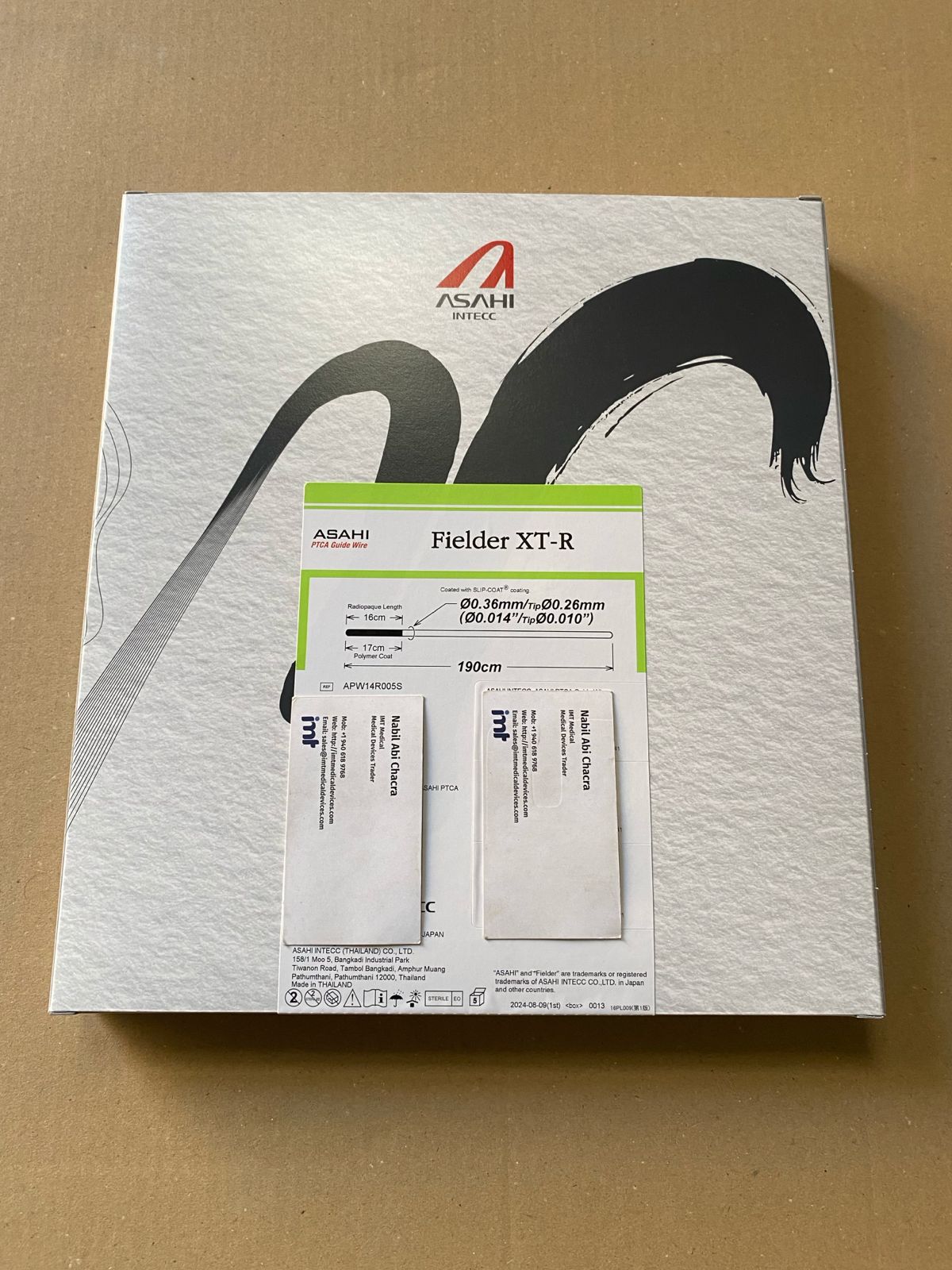
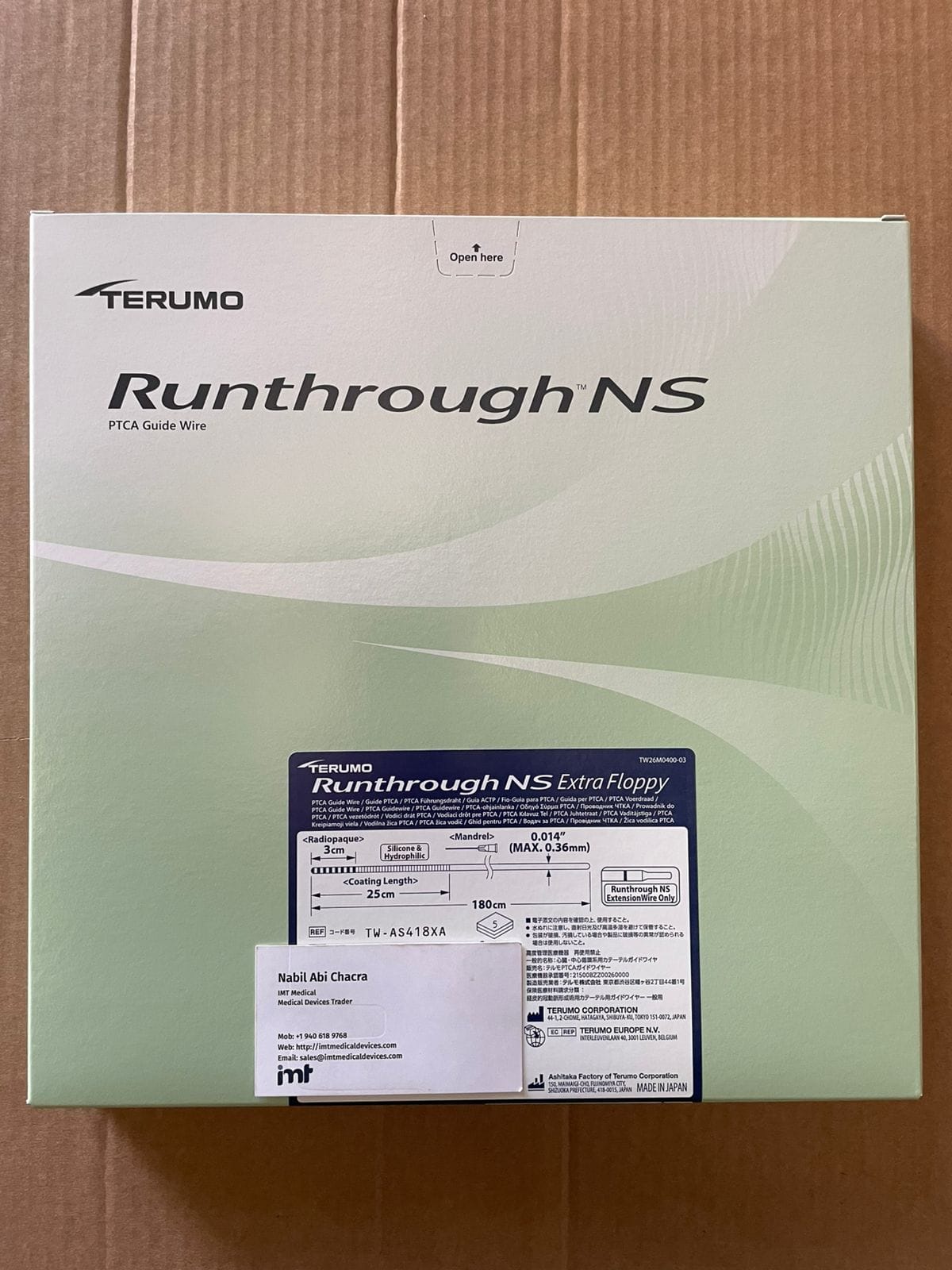
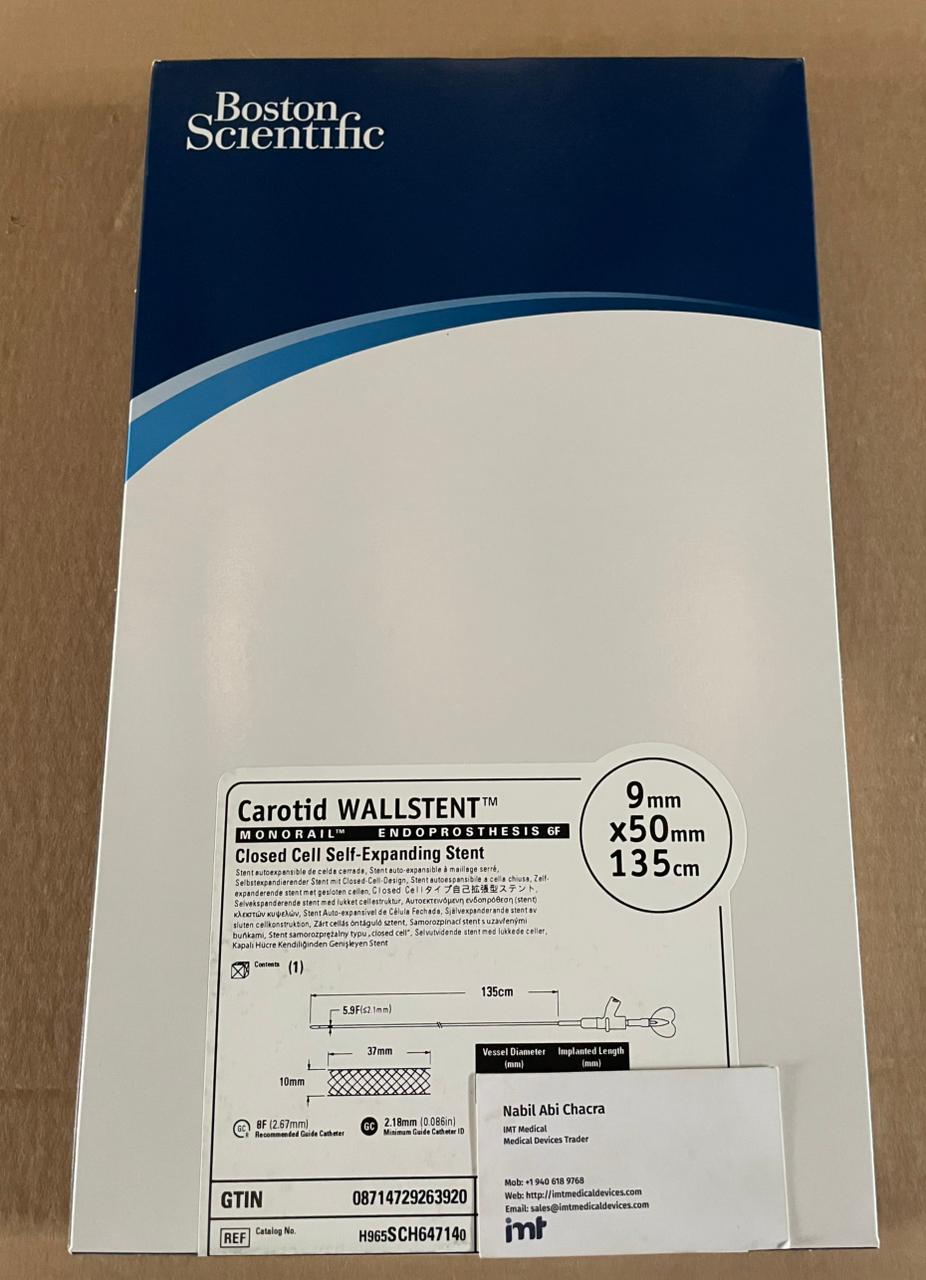
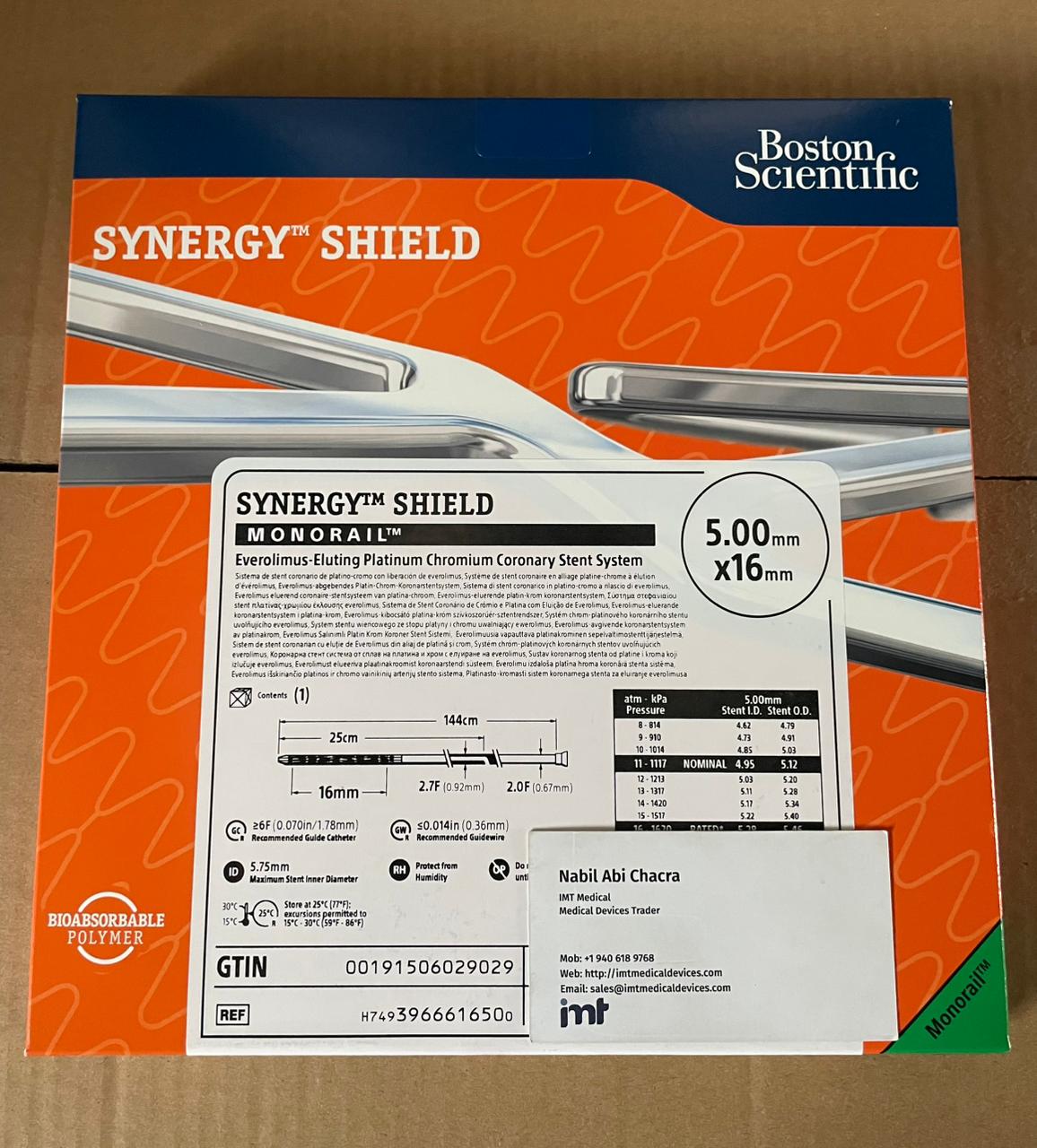
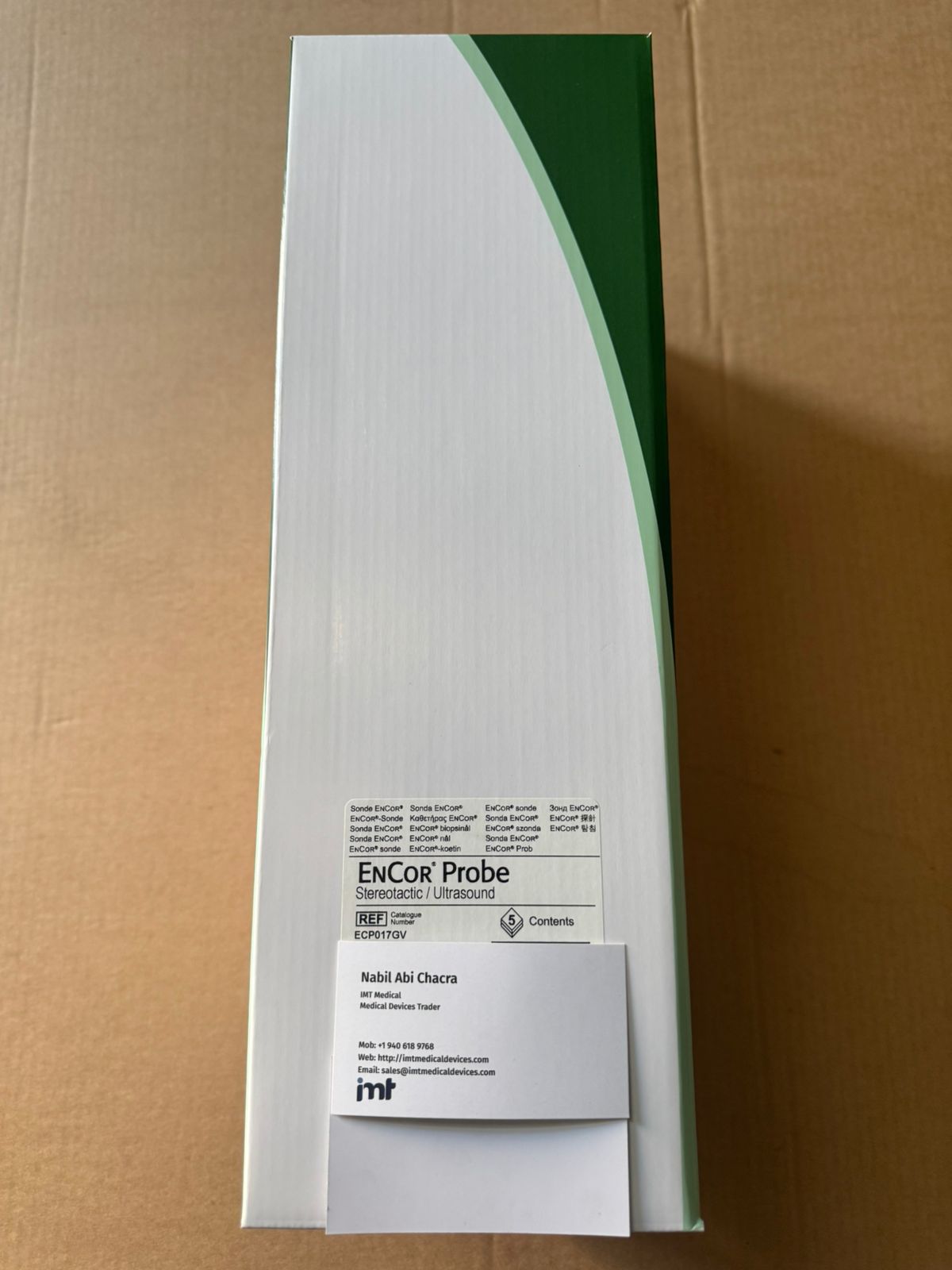
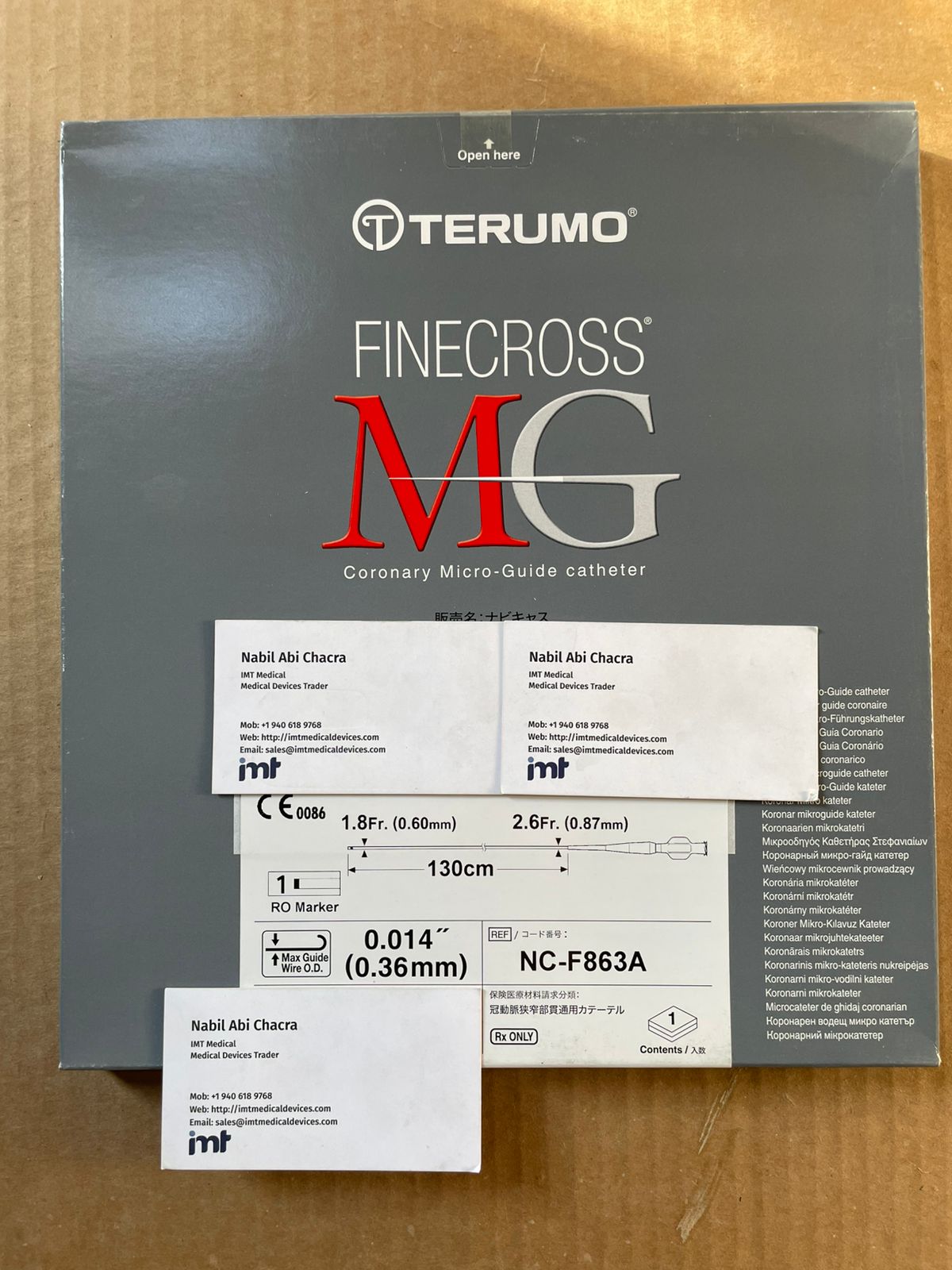
High-volume procurement of drug-eluting stents requires a focus on polymer biocompatibility and drug release kinetics. Inventory management for these items involves tracking specific manufacturer codes to ensure compatibility with existing lab protocols. Sourcing ptca balloon catheters involves evaluating burst pressure ratings and trackability profiles. Diagnostic guide wires and guiding catheters from Asahi Intec and Terumo are essential for procedural success. These components must arrive with intact sterile packaging and verified expiration dates to meet international hospital standards.
Advanced Cardiac Rhythm Management
Cardiac Rhythm Management (CRM) procurement involves complex hardware like permanent pacemakers and Implantable Cardioverter Defibrillators (ICDs). Wholesale orders for these devices must include a comprehensive checklist for lead performance and battery longevity specifications. Medtronic and Abbott lead this sector with specialized programming requirements. Procurement teams should verify that all CRM devices are registered in the mandatory EUDAMED modules as of May 28, 2026. This ensures market surveillance compliance and facilitates rapid tracking in the event of manufacturer field actions. Bulk orders must also include compatible lead systems and delivery tools to avoid procedural delays.
International Export Logistics and Supply Chain Integrity
Efficient distribution of wholesale medical devices requires a specialized logistical framework. High-value implants like Drug-Eluting Stents and Permanent Pacemakers demand precise temperature control to maintain sterile integrity. This medical technology industry overview confirms that global market share depends on a provider's ability to navigate cross-border friction. As of 2026, major trade zones no longer accept paper-based documentation. Electronic Technical Files are now mandatory for international customs clearance. Managing the global cold chain involves using validated thermal shippers that protect sensitive electronics in ICDs and pacemakers during transit.
The 5-step process for international medical device shipping includes:
- Manufacturer Authenticity and UDI Verification: Matching serial numbers against EUDAMED actor registration modules.
- Specialized Cold Chain Packaging: Utilizing thermal insulation and data loggers for temperature-sensitive hardware.
- Digital Documentation Preparation: Compiling certificates of origin and sterilized packaging labels into electronic Technical Files.
- Multi-Hub Routing: Dispatching through strategic regional centers to bypass localized supply chain disruptions.
- Real-time GPS Monitoring: Providing end-to-end visibility from warehouse dispatch to final hospital receipt.
Strategic Distribution Hubs
Strategic hubs in Georgia, Dubai, and Turkey serve as essential transit points for global medical device distribution. These locations reduce lead times for healthcare providers in Eastern Europe and the Middle East by centralizing Tier-1 inventory from manufacturers like Boston Scientific and Medtronic. Established regional offices minimize customs friction through local expertise in MOH requirements. This infrastructure ensures that surgical staplers and electrophysiology catheters reach their destination without the delays common in direct manufacturer-to-market shipping. Regionalized sourcing allows for faster response times during urgent clinical shortages.
Customs Clearance and Regulatory Navigation
Regulatory compliance in medical exports is a non-negotiable barrier to entry for global wholesalers. Exporters must prepare for DSCSA and international tracking standards that mandate UDI traceability for all wholesale medical devices. Navigating import duties and VAT exemptions requires precise commercial invoices that categorize items by specific technical codes. Effective November 27, 2026, all devices already on the EU market must complete registration in the EUDAMED database. Failure to provide verified electronic records results in immediate customs seizure. Managing these complexities allows for the seamless flow of Asahi Intec and Terumo products across 50+ countries. Proper documentation includes verified sterilization certificates and manufacturer-authorized export permits.
Evaluating a Wholesale Partner: B2B Procurement Criteria
Evaluating a wholesale partner for high-value clinical technology requires a focus on volume-based pricing tiers and logistical precision. Procurement ROI on wholesale medical devices isn't just about unit cost; it's maximized through structured discount scales that reflect the scale of international hospital networks. Partners must provide inventory transparency through real-time availability feeds rather than vague lead-time promises. This technical visibility allows for the precise scheduling of interventional procedures involving Drug-Eluting Stents and Permanent Pacemakers. Financial reliability is another critical metric. Evaluating a distributor’s history and creditworthiness ensures long-term supply chain stability. Clinical expertise is equally vital. A partner must understand the specific hardware requirements for electrophysiology and vascular labs to prevent technical mismatches during the ordering process.
Quality Assurance and ISO Standards
ISO 13485:2016 certification remains the industry gold standard for medical wholesalers. This certification ensures that the distributor maintains a robust Quality Management System (QMS) aligned with the FDA’s 2026 QMSR enforcement. Verifying sterilization dates and shelf-life for cardiology consumables is a mandatory step in the procurement checklist. High-value items like PTCA balloon catheters and surgical staplers must have documented traceability back to the OEM. Post-market surveillance capabilities are also essential. Wholesalers must have established protocols for handling manufacturer recalls and field safety notices to protect patient safety. You can request a full compliance audit and inventory list here to verify our quality standards.
Logistical Capacity and Documentation
Effective procurement involves a deep assessment of the medical device distribution infrastructure of a partner. A wholesaler's ability to provide electronic Technical Files and UDI-compliant labels is a primary trust signal. When sourcing guidewire technology, technical reference checks should include verification of coating integrity and tip flexibility specifications. Specialized handling is also required for electrophysiology catheters to prevent damage to sensitive electrode arrays. Logistics partners must demonstrate their capacity to manage multi-hub routing through regions like Georgia, Dubai, or Turkey to ensure consistent delivery across 50+ countries. Inventory management systems should integrate directly with hospital procurement software to minimize data entry errors and maximize the speed of technical identifier transmission.
IMT Medical Devices: Your Global Bridge to Tier-1 MedTech
IMT Medical Devices operates as a high-capacity international distributor, providing a direct bridge between Tier-1 manufacturers and global healthcare markets. Our inventory features an exhaustive range of wholesale medical devices from Medtronic, Boston Scientific, and Abbott. We specialize in the procurement and export of high-value clinical technology, including Drug-Eluting Stents (DES), Permanent Pacemakers, and Implantable Cardioverter Defibrillators (ICDs). Our B2B model is designed for maximum efficiency, allowing distributors and healthcare providers to bypass the complexities of direct manufacturer negotiations. We prioritize logistical speed and technical precision, ensuring that critical hardware like PTCA balloon catheters and electrophysiology catheters are available for immediate international dispatch.
Our manufacturer-centric approach focuses on the following core categories:
- Cardiac Rhythm Management: Medtronic and Abbott permanent pacemakers, ICDs, and lead systems.
- Interventional Cardiology: Boston Scientific and Terumo drug-eluting stents and PTCA catheters.
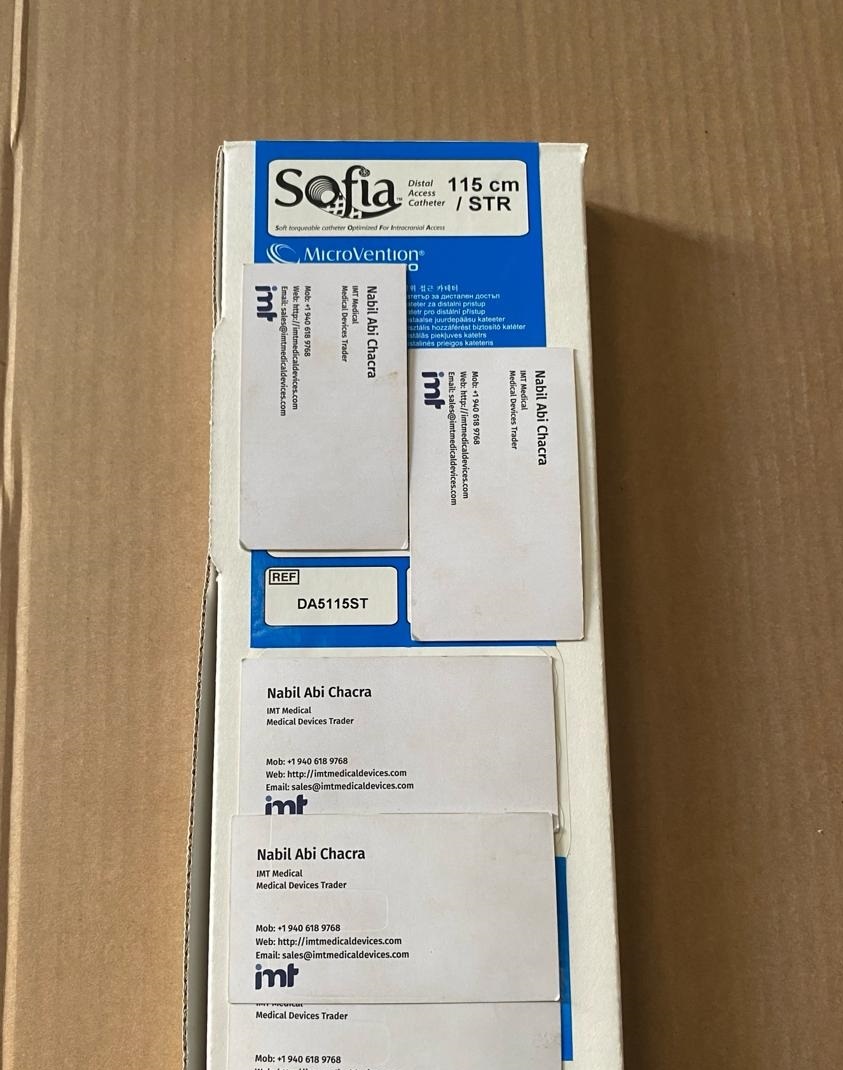
- Vascular Access: Asahi Intec and Terumo diagnostic guide wires and guiding catheters.
- Surgical Consumables: High-precision surgical staplers and peripheral stents.
Regional Expertise and Market Access
Strategic presence in Dubai and Georgia facilitates rapid access to Middle East and CIS markets. These regional hubs serve as critical transit points, reducing lead times and minimizing customs friction for wholesale medical devices. Our offices in Poland and Turkey manage European logistics, ensuring all shipments align with EUDAMED registration requirements and local MOH standards. We provide tailored supply chain solutions for national healthcare systems, stabilizing the flow of specialized hardware to over 50 countries. By maintaining localized expertise in regional import duties and VAT exemptions, we ensure that Tier-1 medical technology reaches emerging markets without the typical delays associated with cross-border trade.
Commitment to Authenticity and Quality
Rigorous OEM verification is a standard protocol for every device in our inventory. We maintain a no-nonsense commitment to product authenticity, providing full traceability for every serial number and UDI. Our logistical expertise includes specialized handling for sensitive cardiac and surgical technologies, utilizing validated cold chain solutions where required. We provide comprehensive documentation support for international customs, including electronic Technical Files, certificates of origin, and sterilized packaging labels. This authoritative oversight ensures that all products, from Asahi Intec guidewires to Medtronic pacemakers, arrive in clinical-ready condition. For bulk inquiries and partnership details, procurement professionals can access our real-time inventory feed through our strategic regional offices.
Optimizing Global MedTech Procurement for 2026
Strategic sourcing of wholesale medical devices now demands a synthesis of regulatory compliance and logistical precision. The enforcement of the FDA's QMSR and mandatory EUDAMED registration has transformed the export landscape into a digital-first environment. Success depends on securing authentic Tier-1 hardware from Medtronic, Abbott, and Boston Scientific through verified, high-capacity channels. Procurement professionals must prioritize partners who offer real-time inventory transparency and established multi-hub distribution networks to mitigate supply chain volatility.
Efficient international trade requires more than just product access. It necessitates a partner with the infrastructure to manage complex documentation and specialized cold chain requirements. IMT Medical Devices serves as this vital bridge; exporting to over 50 countries with strategic regional offices in Georgia, Dubai, Turkey, and Poland. By centralizing technical expertise and logistical reach, we ensure that specialized cardiology and surgical technologies are available for rapid global deployment. This structural reliability allows healthcare providers to maintain clinical schedules without the risk of non-authentic parts or customs delays.
Request a wholesale quote for Tier-1 cardiology and surgical devices to stabilize your supply chain and secure authentic OEM inventory today.
Frequently Asked Questions
How do I verify the authenticity of Medtronic products from a wholesaler?
Verification requires matching the Unique Device Identification (UDI) against the manufacturer's database and the mandatory EUDAMED Actor registration module. Every Medtronic device must have a verifiable serial number and lot code on the sterile packaging. Cross-referencing these technical identifiers with OEM records ensures the device is authentic and registered for market use. Technical files and certificates of origin provide additional layers of manufacturer-authorized verification.
What are the typical lead times for international medical device exports?
Lead times for international exports typically range from 3 to 10 business days for stocked inventory. These windows depend on the destination country's customs processing speed and the complexity of local MOH approvals. Utilizing regional hubs in Georgia or Dubai can reduce transit times for the Middle East and CIS markets. Real-time GPS tracking provides end-to-end visibility from the moment of dispatch until hospital receipt.
Does IMT Medical Devices provide cold-chain shipping for sensitive implants?
IMT Medical Devices utilizes validated thermal shippers and electronic data loggers for all temperature-sensitive wholesale medical devices. This specialized handling is mandatory for items like drug-eluting stents and the sensitive electronics found in ICDs or pacemakers. Cold-chain integrity is maintained throughout the logistical chain to preserve the sterile barrier and device functionality. Every shipment includes documented temperature logs to verify compliance with manufacturer specifications.
What regulatory documents are required for importing cardiology stents into the UAE?
Importing cardiology stents into the UAE requires a legalized Commercial Invoice, a Certificate of Free Sale, and valid MOH registration. All Class III devices must also have electronic Technical Files and UDI-compliant labeling for customs clearance. As of 2026, paper-based documentation is no longer sufficient; digital records must be submitted through the appropriate regulatory portals. Proper categorization by manufacturer code is essential to avoid delays or VAT discrepancies.
Can I source Asahi Intec and Terumo products in bulk for a private clinic?
Private clinics can source Asahi Intec and Terumo products in bulk if they hold a valid healthcare provider license. We facilitate the procurement of diagnostic guide wires, guiding catheters, and PTCA balloon catheters for specialized vascular labs. This B2B sourcing model allows private facilities to access the same Tier-1 technology used in national healthcare systems. Inventory availability is managed through our streamlined procurement process to ensure consistent clinical supply.
What is the minimum order quantity (MOQ) for wholesale surgical staplers?
Minimum order quantities for surgical staplers are typically determined by the manufacturer's original case increments. This ensures that sterile barrier integrity isn't compromised during the wholesale distribution process. MOQs vary between brands like Medtronic and Ethicon; specific requirements are listed alongside the technical product codes in our inventory feed. Volume-based pricing tiers are available for large-scale procurement orders to maximize ROI for hospital networks.
How does IMT Medical Devices handle manufacturer recalls for distributed products?
Manufacturer recalls are managed through a post-market surveillance system that tracks wholesale medical devices via their UDI and lot numbers. We notify partners immediately upon receipt of a field safety notice from OEMs like Abbott or Boston Scientific. Our logistics infrastructure facilitates the rapid isolation and recovery of affected units according to ISO 13485:2016 standards. This proactive tracking ensures that clinical safety is maintained across all 50+ countries in our export network.
Do you provide logistics support for medical device distribution in Eastern Europe?
Logistics support for Eastern Europe is provided through our strategic offices in Poland and Georgia. These regional hubs minimize customs friction and reduce lead times for healthcare providers in the region. We ensure that all shipments comply with the EUDAMED mandatory use requirements effective as of May 28, 2026. This localized expertise allows for the efficient movement of permanent pacemakers and electrophysiology catheters across regional borders.