
Securing a Reliable Pacemaker Supply Chain: A B2B Procurement Guide for 2026
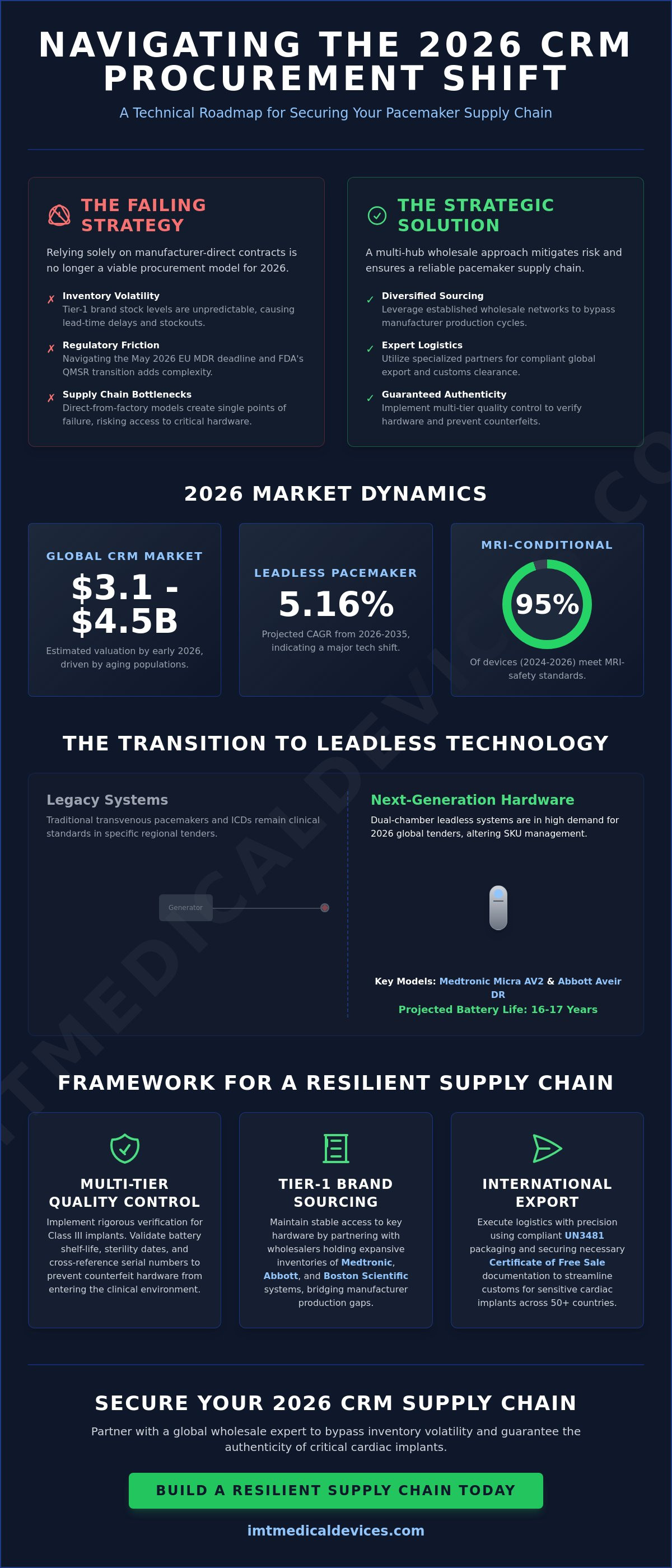
Relying solely on manufacturer-direct contracts for cardiac rhythm management hardware is no longer a viable strategy for 2026 procurement. Inventory volatility among Tier-1 brands and the May 26, 2026, EU MDR deadline for Class III custom-made implants have created a high-friction environment. You've likely experienced the challenges of maintaining stock levels while navigating the FDA's transition to Quality Management System Regulation (QMSR) standards. Securing a reliable pacemaker supply chain now requires a multi-hub wholesale approach that prioritizes technical verification and specialized export logistics.
This guide provides a technical roadmap for procurement professionals to navigate global logistics, brand-specific sourcing, and regulatory compliance. We outline strategies for maintaining consistent stock of Medtronic Micra AV2, Abbott Aveir DR, and Boston Scientific ACCOLADE systems. The following sections detail protocols for verifying hardware authenticity, managing the recent Brady SMR6 software updates, and streamlining international customs documentation for sensitive medical implants. You'll find a clear framework for reducing logistical friction and ensuring the availability of MRI-conditional CRM hardware in a complex global market.
Key Takeaways
- Identify technical transitions in cardiac rhythm management, specifically the high demand for dual-chamber leadless systems in 2026 global tenders.
- Implement multi-tier quality control and shelf-life verification protocols essential for securing a reliable pacemaker supply chain.
- Evaluate manufacturer-specific procurement profiles to ensure stable access to Medtronic, Abbott, and Boston Scientific hardware.
- Execute international logistics with precision using compliant UN3481 packaging and necessary Certificate of Free Sale documentation for global export.
- Leverage established wholesale networks to bypass inventory volatility and guarantee the authenticity of critical CRM implants across 50 countries.
The Landscape of Global Cardiac Rhythm Management (CRM) Procurement
The global cardiac rhythm management market reached an estimated valuation between $3.1 billion and $4.5 billion by early 2026. Demand for advanced pacing technology is accelerating, driven by aging populations and expanded clinical indications in emerging healthcare sectors. Securing a reliable pacemaker supply chain is now a primary objective for procurement professionals facing inventory volatility from Tier-1 manufacturers. Reliance on direct-from-factory contracts often results in lead-time delays, especially as global semiconductor availability fluctuates. These specialized integrated circuits are critical for the functionality of a modern artificial cardiac pacemaker. Diversifying procurement through international wholesale channels is essential to mitigate the risk of hospital-level stockouts and ensure consistent access to life-saving hardware.
Market Dynamics and Demand Forecasting
Growth in the CRM sector is no longer confined to established Western markets. Emerging healthcare sectors are reporting increased tender volumes for high-specification devices. Forecasting inventory needs requires a data-driven analysis of clinical adoption rates. For instance, the global leadless pacemaker market is projected to grow at a CAGR of 5.16% from 2026 through 2035. International wholesalers play a vital role in stabilizing regional price fluctuations. By maintaining expansive inventories of Medtronic, Abbott, and Boston Scientific products, these partners bridge the gap between manufacturer production cycles and urgent clinical demand. This logistical reach allows for the rapid redistribution of stock to regions facing sudden shortages.
Technological Shifts Impacting Supply
The transition from traditional transvenous systems to leadless technology has significantly altered inventory SKU management. Procurement teams must now manage a complex mix of hardware, including:
- Leadless Systems: Abbott Aveir DR dual-chamber systems and Medtronic Micra AV2/VR2 models with projected battery lives of 16 to 17 years.
- MRI-Conditional Hardware: 95% of pacemakers manufactured between 2024 and 2026 meet MRI-safety standards, requiring precise cataloging.
- Legacy Devices: Traditional permanent pacemakers and ICDs that remain the clinical standard in specific regional tenders.
Securing a reliable pacemaker supply chain involves balancing these new technologies with legacy system requirements. Remote monitoring capabilities have also shifted the value proposition, making software-compatible hardware a priority. Procurement professionals must track these technological iterations to avoid overstocking obsolete SKUs while ensuring the availability of next-generation devices like the Medtronic Azure or Boston Scientific ACCOLADE platforms. Efficient supply chain management in 2026 demands a partner capable of navigating these rapid technical shifts across multiple international jurisdictions.
Mitigating Risks in the Pacemaker Component and Hardware Lifecycle
Implementing multi-tier quality control is the baseline for securing a reliable pacemaker supply chain. These devices are high-risk Class III implants. They require rigorous oversight at every transit point. Verification begins at the wholesale intake level. Procurement teams must validate battery shelf-life and sterility expiration dates before acceptance. Leadless models, like the Medtronic Micra AV2, have specific voltage profiles that must remain stable during long-range transport. Environmental management is non-negotiable. Sensitive electronics require climate-controlled storage to prevent moisture ingress or thermal degradation of internal circuitry. Any breach in the cold chain or humidity levels can compromise the hermetic seal of the device. To ensure the reliability of such sensitive hardware, you can discover Adage Components for high-quality electronic components that meet rigorous manufacturing standards.
Detecting counterfeit hardware is a critical security function. The secondary market presents risks that require rigorous manufacturer-verified documentation. As hardware becomes more connected, medical device cybersecurity protocols must be integrated into the procurement lifecycle. Authenticity checks involve cross-referencing serial numbers with manufacturer databases. This prevents compromised, recycled, or tampered units from entering the clinical environment. High-capacity distributors utilize scanning technology to match physical UDI codes with global registry data instantly. This level of scrutiny ensures that only authentic, factory-sealed hardware reaches the end-user.
Authenticity and Traceability Standards
End-to-end supply chain visibility relies on Unique Device Identification (UDI) systems. Every unit must have a traceable path from the manufacturer to the regional distributor. Procurement professionals should prioritize permanent pacemakers technical data sheets to verify hardware specifications against tender requirements. These sheets confirm compatibility with existing lead systems or remote monitoring platforms. Accessing original manufacturer documentation is a prerequisite for any wholesale transaction. This documentation must include:
- Original Certificate of Conformance (CoC)
- Validated sterilization records
- Technical specification codes matching the manufacturer catalog
- Verified shipping manifests with temperature logs
Regulatory Compliance and Certification
Navigating international distribution requires strict adherence to shifting standards. The transition from MDD to MDR in Europe reached a critical milestone on May 26, 2026, for Class III custom-made implants. Wholesale partners must ensure all hardware carries the necessary CE marking for European markets. In non-US jurisdictions, verifying that FDA-approved hardware meets local health ministry requirements is essential for legal entry. ISO 13485 certification remains the global benchmark for medical device wholesale and distribution quality management. It ensures that the distributor maintains a quality management system specifically for medical devices. Working with an established partner like IMT Medical Devices ensures these regulatory hurdles are managed through verified logistical protocols and expansive manufacturer relationships.
Strategic Sourcing of Tier-1 Pacemaker Brands: Medtronic, Boston Scientific, and Abbott
Securing a reliable pacemaker supply chain involves navigating the distinct production and distribution models of Medtronic, Boston Scientific, and Abbott. These three entities control the majority of the global market. Procurement professionals must account for manufacturer-specific lead times and regional inventory quotas. Medtronic remains the leader in leadless technology. Sourcing the Micra AV2 and Micra VR2 requires specialized wholesale relationships to bypass direct-contract delays. These units offer projected battery lives of 16 and 17 years, making them high-priority SKUs for 2026 clinical tenders. The Azure series also remains a critical component for traditional pacing requirements due to its advanced sensing capabilities.
Boston Scientific serves high-volume needs through the ACCOLADE and ESSENTIO series. Procurement for these lines in 2026 necessitates technical verification of software status. The March 2026 release of the Brady SMR6 software update addressed battery issues identified in earlier ACCOLADE models. Authentic wholesale stock must be verified for this update before shipment to ensure patient safety and device longevity. Abbott is expanding its footprint with the Aveir DR, the first FDA-approved dual-chamber leadless system. Securing these devices involves monitoring allocation levels for the Assurity series, which remains a staple for traditional pacing needs. Accessing these brands through a single wholesale hub reduces administrative friction and simplifies technical verification across different hardware platforms.
Manufacturer-Centric Sourcing Frameworks
Manufacturers often implement regional allocation policies. These quotas limit direct supply in specific territories, especially during periods of high demand. A multi-brand sourcing strategy utilizes international wholesalers to access stock from less constrained regions. This approach ensures consistent availability of MRI-conditional hardware. Technical performance data for specific lead systems, such as Medtronic’s Azure or Abbott’s Tendril leads, should guide long-term supply planning. Diversifying across brands prevents clinical disruption if one manufacturer faces production bottlenecks or localized supply chain failures.
Bulk Purchasing and Volume-Based Tiers
Structuring B2B contracts for cardiac rhythm devices requires balancing volume savings with shelf-life constraints. Pacemakers are Class III devices with finite battery and sterility windows. Optimizing costs through bulk medical device distribution strategies allows procurement teams to secure lower unit prices while maintaining high turnover. Inventory management must prioritize FIFO (First-In, First-Out) protocols. This prevents technical obsolescence and ensures that hardware like the Boston Scientific ESSENTIO reaches the clinical environment with maximum viable longevity. Effective supply chain management in 2026 relies on these high-capacity, manufacturer-centric wholesale channels to maintain inventory stability.
Executing International Export Logistics for Sensitive Cardiac Implants
International distribution of cardiac rhythm management (CRM) hardware demands specialized regulatory and logistical expertise. Securing a reliable pacemaker supply chain is impossible without mastering the complexities of cross-border transit. These devices are high-value, life-critical electronics. They require specific documentation and handling protocols to bypass customs delays. Logistics partners must have deep experience in cardiology-specific supply chains. Fragmented logistics leads to compromised hardware or significant financial loss. Consistent delivery of Medtronic, Abbott, and Boston Scientific products relies on a robust network of international carriers. High-capacity distribution requires carriers capable of managing sensitive medical tech across multiple jurisdictions.
Documentation and Regulatory Paperwork
Exporting CRM devices requires a comprehensive documentation package. Key requirements include:
- Certificate of Free Sale (CFS): Proof of legal marketing in the country of origin.
- Certificate of Origin (COO): Essential for preferential trade agreements and customs valuation.
- Ministry of Health (MoH) Registration: Destination-specific approvals for Turkey, UAE, and Georgia.
- Technical Data Sheets: Detailed manuals and clinical data in required languages.
Procurement teams must ensure these documents are processed before shipment. This prevents administrative holds at the border. Accurate HS codes and detailed commercial invoices are mandatory for swift clearance. Managing the flow of this paperwork is as critical as the physical transit of the hardware. Mistakes in documentation lead to costly storage fees and potential stockouts in the clinical environment. High-speed data transmission between wholesalers and regional offices ensures that all regulatory anchors are in place before cargo departure.
Specialized Handling and Shipping
Pacemakers contain integrated lithium batteries. This classifies them as dangerous goods under UN3481 regulations. Shipping must strictly comply with IATA and IMDG standards. Requirements include specialized packaging, specific labeling, and dangerous goods declarations. High-value cargo like Medtronic Micra AV2 (Model MC1AV21) or Boston Scientific ACCOLADE (Model L331) requires active temperature monitoring. Humidity sensors and shock indicators are often required for transcontinental transit. Strategic distribution hubs in Dubai and Poland offer efficient access to global markets. These hubs reduce transit times for shipments heading to Central Asia or the Middle East. For complex markets like Georgia or Turkey, local customs expertise is critical. It ensures sensitive electronics aren't subjected to prolonged inspections in uncontrolled environments. Partner with IMT Medical Devices to optimize your international CRM export strategy and ensure consistent hardware availability across 50 countries.
IMT Medical Devices: Your Strategic Partner for Wholesale CRM Sourcing
IMT Medical Devices functions as a high-capacity international distributor specializing in cardiac rhythm management hardware. We provide procurement professionals with immediate access to a global inventory of Medtronic, Abbott, and Boston Scientific devices. This expansive reach is critical for securing a reliable pacemaker supply chain amidst the inventory volatility of 2026. Our operations bridge the gap between Tier-1 manufacturers and international markets, ensuring that life-critical hardware is available where it's needed most. We serve over 50 countries through a robust logistical network designed for the rapid transmission of medical technology. Every CRM device in our warehouse undergoes a rigorous quality assurance process. We verify authenticity, sterility expiration, and battery shelf-life to meet the highest clinical standards. This no-nonsense approach to hardware verification eliminates the risks associated with secondary market sourcing.
Our distribution model prioritizes technical accuracy and logistical efficiency. We understand the specific requirements of hospitals, clinics, and regional distributors. Our inventory includes the latest leadless systems, such as the Medtronic Micra AV2 and Abbott Aveir DR, alongside traditional permanent pacemakers. By maintaining high-volume stock levels, we mitigate the impact of manufacturer lead-time delays and regional quotas. This allows our partners to maintain consistent clinical service without the friction of fragmented supply lines.
Global Reach with Local Expertise
Strategic regional offices in Georgia, Dubai, and Poland facilitate streamlined international trade and rapid customs clearance. These locations serve as logistical anchors for our global distribution efforts. We possess a proven track record in managing complex guidewire and cardiology supply chains across diverse regulatory environments. Our team handles the necessary documentation, including Certificates of Free Sale and COOs, to ensure compliant entry into complex markets. Transparency remains a core component of our B2B wholesale operations. We provide clear data on manufacturer origin and technical specifications for every shipment.
Streamlining Your Pacemaker Procurement
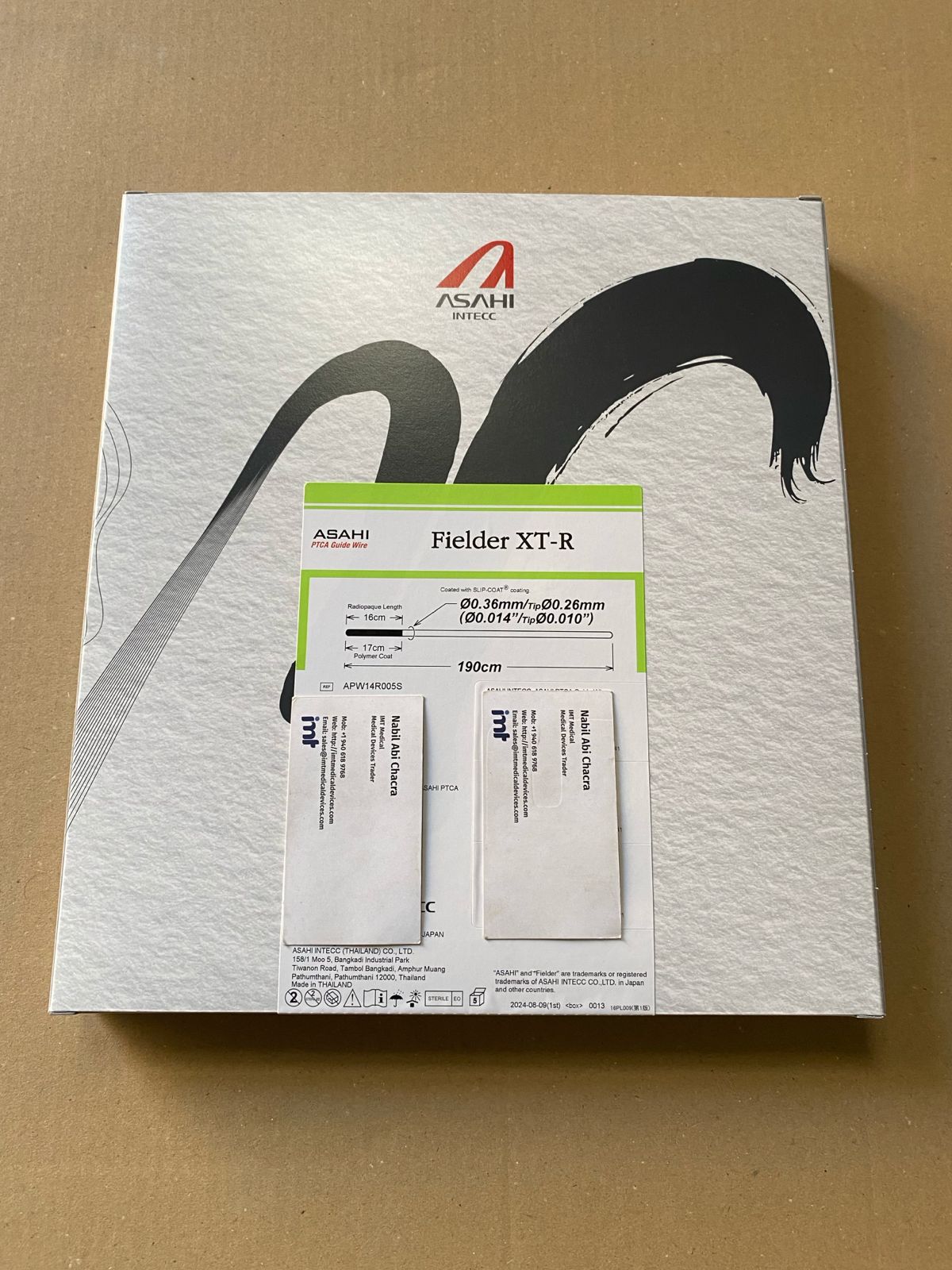
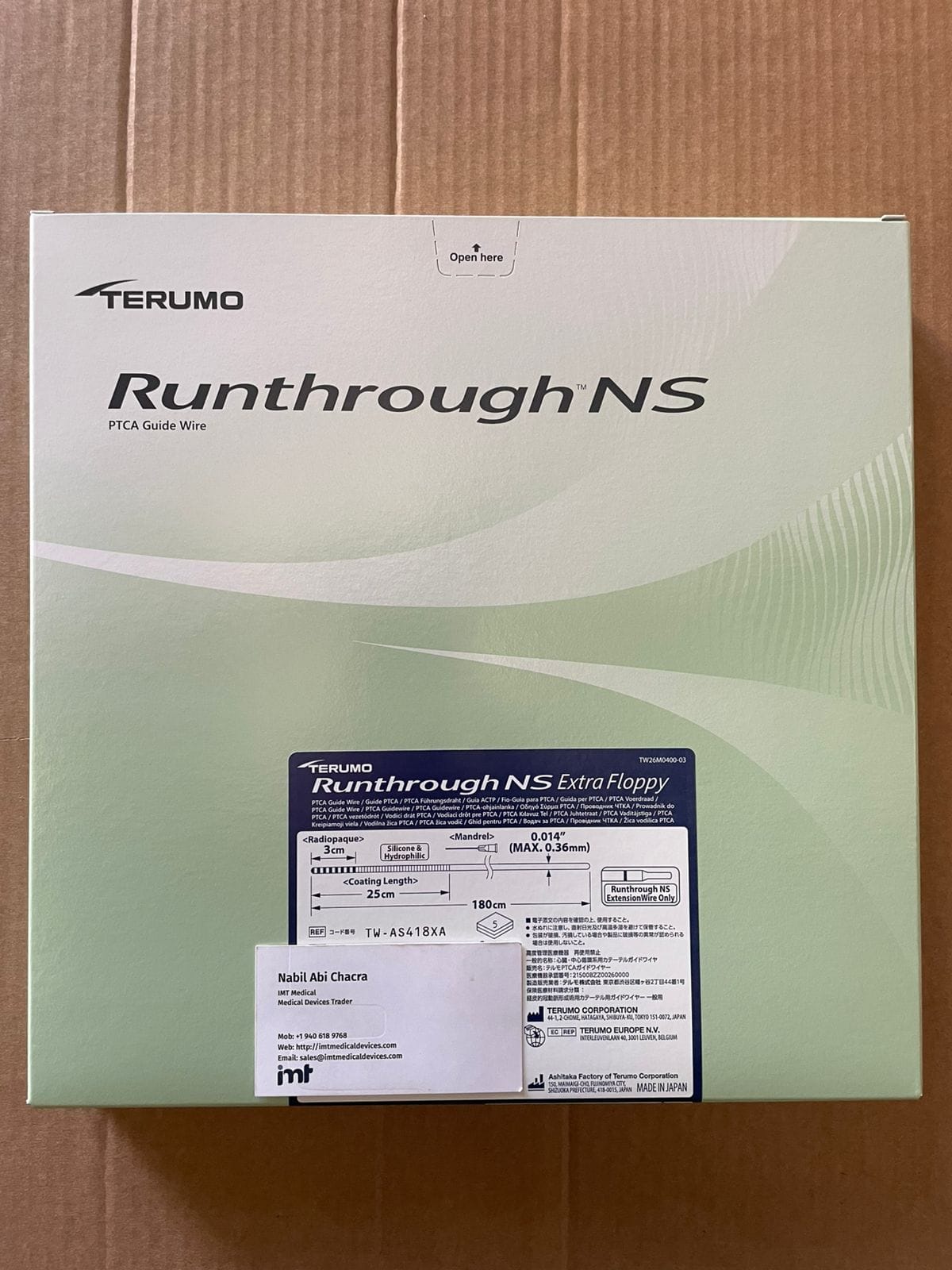
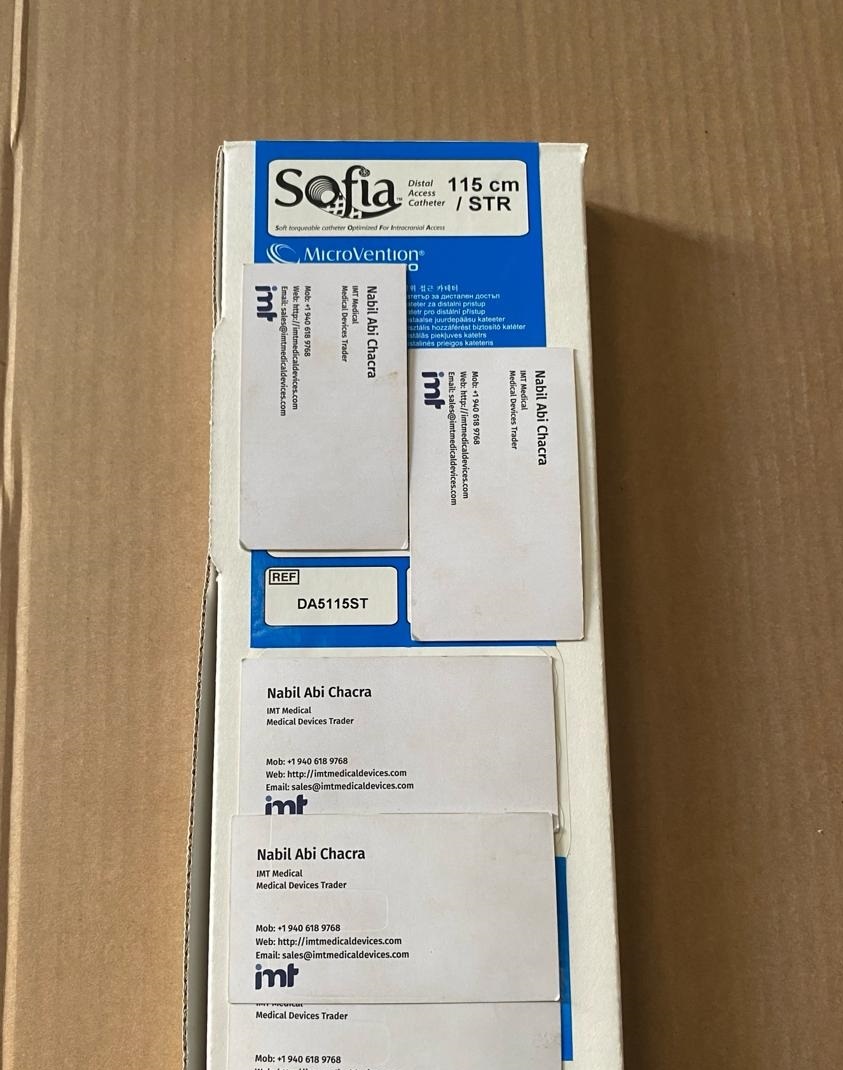
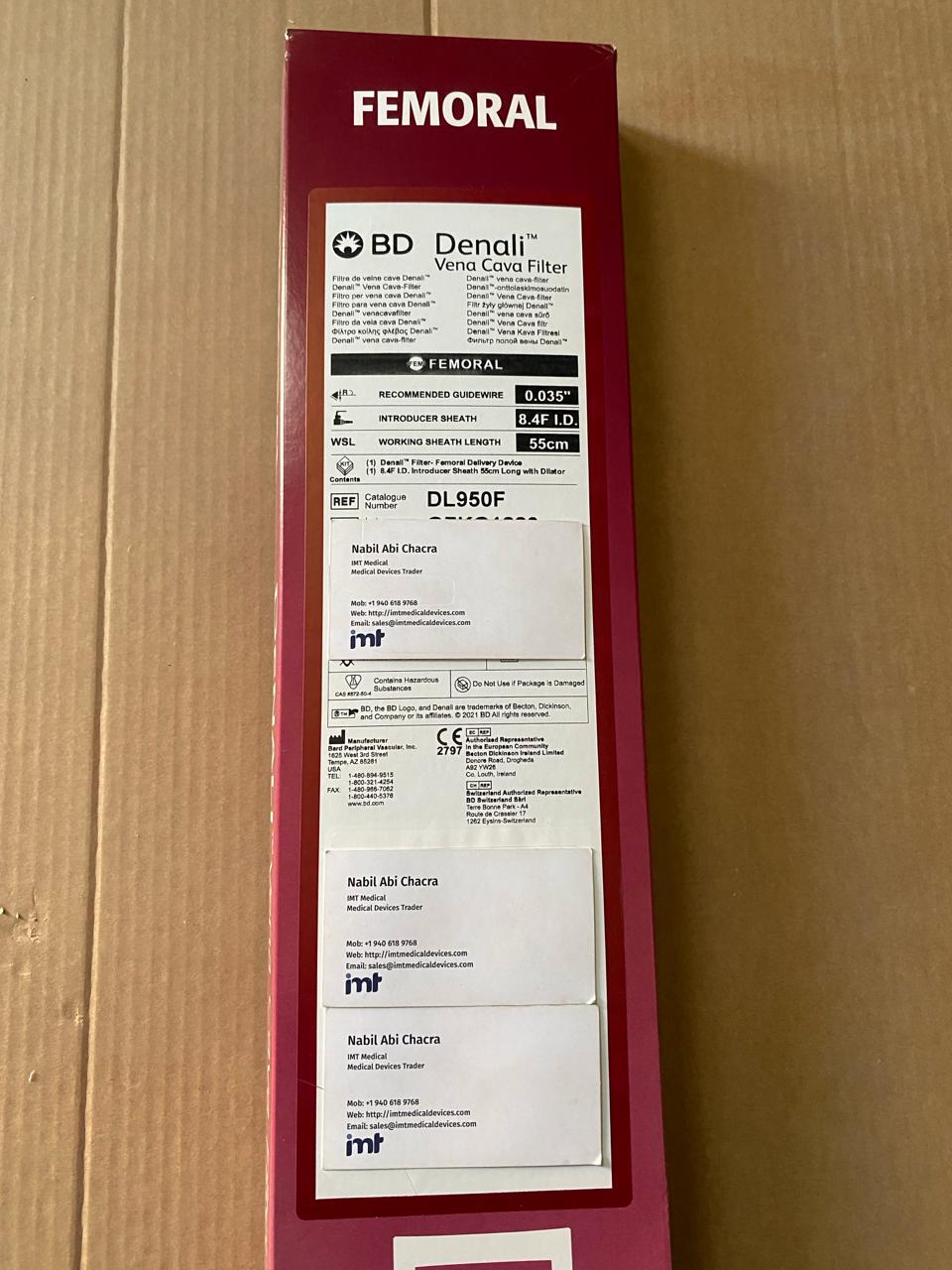
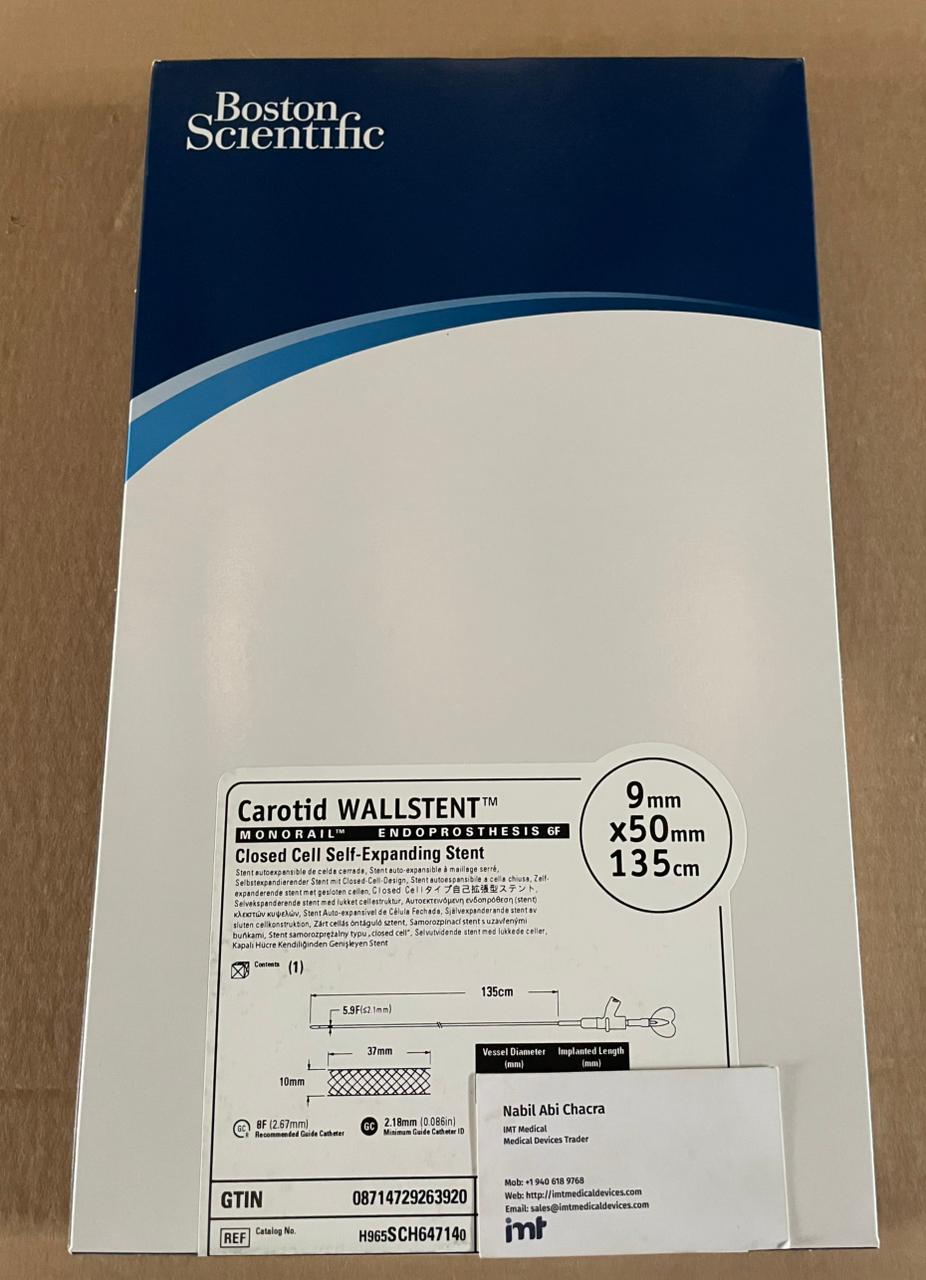
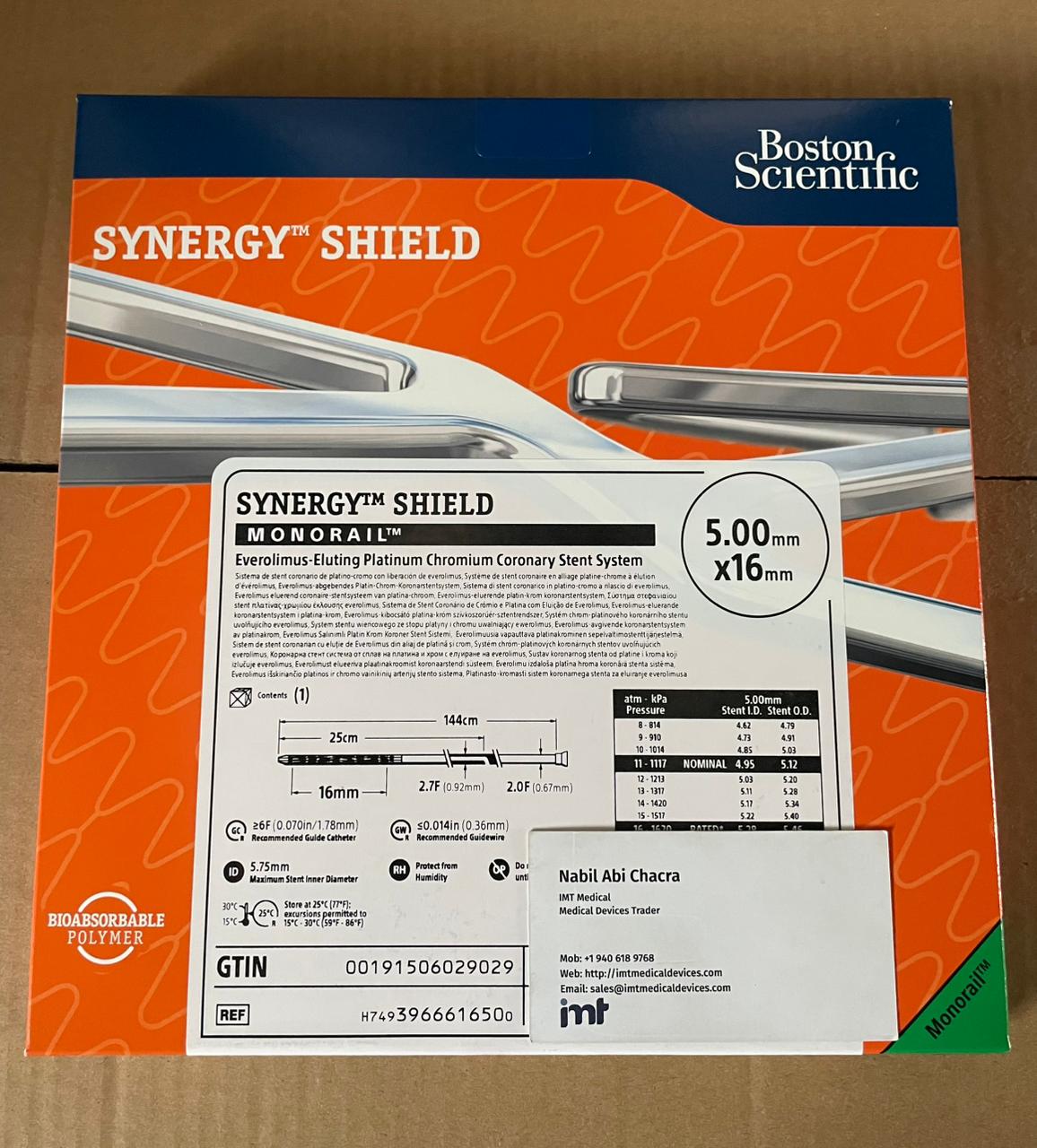
Efficient procurement requires rapid information retrieval and predictable stock availability. We offer customized inventory feeds that allow procurement professionals to identify specific technical codes and manufacturer names at a glance. Our expertise extends to a broad range of interventional hardware, including ptca balloon catheters and drug-eluting stents. This comprehensive sourcing capability simplifies the management of complex cardiology tenders. We focus on providing access to authentic, factory-sealed technology from the world's leading producers. Contact IMT Medical Devices today for a comprehensive CRM inventory list and current wholesale availability.
Optimizing Your 2026 CRM Procurement Strategy
Efficient procurement in 2026 requires moving beyond manufacturer-direct limitations. Success depends on rigorous technical hardware verification and mastering complex international export protocols. As regulatory deadlines like the EU MDR for Class III implants pass, the focus shifts to maintaining consistent stock of Medtronic, Abbott, and Boston Scientific devices. Securing a reliable pacemaker supply chain involves leveraging specialized wholesale partners who manage the documentation and logistical hurdles of high-value cardiac hardware. This strategy ensures that inventory volatility doesn't translate into clinical stockouts at the hospital level.
IMT Medical Devices provides this logistical backbone. We utilize strategic hubs in Dubai, Georgia, and Poland to export to over 50 countries. Our authorized sourcing ensures every device meets strict authenticity and technical standards. We handle the complexities of UN3481 lithium battery transport and Certificate of Free Sale documentation for you. This approach reduces inventory friction and guarantees clinical availability for both leadless and traditional pacing systems. Secure your pacemaker supply chain with IMT Medical Devices. Build a resilient procurement framework that prioritizes product availability and logistical precision today.
Frequently Asked Questions
How do you verify the authenticity of wholesale pacemakers?
Authenticity verification relies on cross-referencing serial numbers and Unique Device Identification (UDI) codes with manufacturer databases. IMT Medical Devices utilizes scanning technology to match physical hardware with global registry data instantly. Every unit includes original factory seals and a Certificate of Conformance (CoC). This level of scrutiny is essential for securing a reliable pacemaker supply chain and preventing compromised or counterfeit hardware from entering the clinical environment.
What are the shipping requirements for pacemakers with lithium batteries?
Pacemakers are classified as dangerous goods under UN3481 regulations because of their integrated lithium batteries. Shipping must strictly comply with IATA and IMDG standards. This requires specialized UN-certified packaging, specific hazardous material labeling, and dangerous goods declarations. Logistics partners must ensure active monitoring of environmental conditions. This prevents thermal degradation or physical damage to the sensitive internal circuitry during transcontinental transit.
Can I source multiple brands like Medtronic and Abbott from a single distributor?
Yes, IMT Medical Devices maintains a multi-brand inventory featuring Medtronic, Abbott, and Boston Scientific hardware. This consolidated sourcing model reduces administrative friction and simplifies complex tender management. Procurement professionals can access Micra, Aveir, and ACCOLADE systems through a single wholesale channel. This ensures consistent stock levels across various technical specifications and manufacturer platforms without the need for multiple direct contracts.
What documentation is required for importing cardiac implants into the UAE or Turkey?
Importing cardiac implants into the UAE or Turkey requires a comprehensive regulatory package. Essential documents include the Certificate of Free Sale (CFS), Certificate of Origin (COO), and local Ministry of Health registration approvals. Detailed commercial invoices must include precise HS codes and manufacturer identifiers. IMT manages these requirements from regional offices in Dubai and Poland to ensure compliant and swift customs clearance for all CRM shipments.
How does IMT Medical Devices manage the shelf-life of implantable CRM hardware?
We implement strict FIFO (First-In, First-Out) protocols to maximize the viable shelf-life of every implant. Every device is inspected upon intake for battery voltage profiles and sterility expiration dates. Our inventory management software tracks these metrics in real-time to prevent technical obsolescence. This ensures that hardware reaches clinicians with maximum operational longevity and meets the rigorous safety standards required for Class III medical devices.
What is the typical lead time for bulk pacemaker orders in 2026?
Lead times vary based on manufacturer allocation and regional stock availability. Our strategic hubs in Georgia, Dubai, and Poland allow for the rapid dispatch of in-stock items. Most bulk orders for Tier-1 brands are processed for shipment within standard commercial windows. We provide real-time inventory feeds to help procurement teams plan around manufacturing cycles and avoid the impact of global semiconductor shortages.
Do your pacemakers come with manufacturer-verified clinical data sheets?
Every unit includes original manufacturer-verified clinical data sheets and technical manuals. These documents are prerequisites for wholesale procurement and ensure compatibility with existing lead systems or remote monitoring platforms. We provide these data sheets in the required languages for the destination market. This documentation is vital for securing a reliable pacemaker supply chain and meeting local regulatory standards for high-risk medical implants.
How do you handle the cold chain requirements for sensitive cardiac rhythm electronics?
We utilize climate-controlled storage and specialized transport containers to maintain stable temperature and humidity levels. Sensitive electronics are protected from moisture ingress and thermal degradation throughout the logistical chain. Active monitoring devices are included in high-value shipments to provide a verifiable record of environmental conditions. This ensures the hermetic seal and battery integrity of the hardware remain intact from the warehouse to the clinical destination.