
Sourcing Bulk Medical Devices for Hospitals: A 2026 Procurement Guide
Approximately 69% of medical devices sold in the U.S. as of May 2026 are manufactured at international sites. You understand that sourcing bulk medical devices for hospitals is no longer just a purchasing task; it's a high-stakes logistical operation. Supply chain volatility and the May 7, 2026, court ruling on U.S. import tariffs create constant pressure for procurement officers. It's difficult to manage technical specifications while ensuring compliance with the new FDA Quality Management System Regulation (QMSR) that incorporated ISO 13485:2016 on February 2, 2026.
This guide ensures you master the complexities of high-volume procurement, from technical evaluation of brands like Medtronic and Boston Scientific to end-to-end export logistics. You'll learn how to secure tiered bulk pricing for critical implants, PTCA balloon catheters, and diagnostic guide wires. We'll preview the essential steps for technical specification matching and regulatory documentation to maintain clinical continuity. This article details the shift from transactional purchasing to strategic supply chain partnerships across fifty countries.
Key Takeaways
- Transition from transactional purchasing to strategic supply chain partnerships for high-cost medical technology.
- Implement a 5-step framework for sourcing bulk medical devices for hospitals to ensure technical specification matching and clinical alignment.
- Compare direct manufacturer contracts against wholesale distribution to optimize multi-brand portfolio access and inventory scale.
- Navigate international export logistics and regulatory documentation through established hubs in Georgia, Dubai, Turkey, and Poland.
- Secure consistent supply of premium interventional devices, including drug-eluting stents and permanent pacemakers, through high-capacity global partners.
The Landscape of Bulk Medical Device Procurement in 2026
Sourcing bulk medical devices for hospitals in 2026 involves a complex intersection of international trade and clinical necessity. High-volume procurement focuses on interventional consumables like PTCA balloon catheters and specialized implants like implantable cardioverter defibrillators (ICDs). The shift toward globalized supply chains for high-cost medical technology (HMT) is driven by the fact that 69% of medical devices sold in the U.S. originate from international sites. Wholesalers serve as critical bridges. They provide the logistical infrastructure and regulatory expertise that individual healthcare facilities often lack.
The regulatory environment changed significantly on February 2, 2026, with the FDA Quality Management System Regulation (QMSR) implementation. This update aligns U.S. requirements with ISO 13485:2016 standards. Effective medical equipment management now involves verifying these standards across every point in the supply chain. Additionally, the May 7, 2026, ruling by the U.S. Court of International Trade regarding Section 122 tariffs has added another layer of complexity to international distribution. Procurement teams must track these legal shifts to manage landed costs effectively.
Current Challenges in Hospital Supply Chains
Inventory volatility directly impacts hospital lead times. Critical implants require stable availability to avoid surgical delays. "Just-in-time" procurement failed during recent global disruptions, leading to a move toward strategic stockpiling. Hospitals now maintain 30 to 60-day reserves of essential items like electrophysiology catheters and surgical staplers. Cold chain integrity is a non-negotiable requirement for sensitive cardiovascular products. Maintaining temperature-controlled environments during international export is vital for product efficacy. Logistics hubs in Georgia, Dubai, and Poland are now essential for maintaining these specialized storage standards.
Economic Drivers of Wholesale Sourcing
Volume-based tiered pricing models remain the primary economic driver for B2B procurement. Hospitals reduce operational overhead by using consolidated vendor management instead of managing dozens of individual manufacturer contracts. This approach offers better flexibility. Accessing a diverse portfolio including Asahi Intec guidewires, Terumo products, and Medtronic pacemakers through a single source simplifies technical specification matching. Wholesalers provide the reach needed to export to 50 countries while maintaining brand authenticity. It's a pragmatic solution for facilities needing high-end manufacturers without the rigidity of direct-to-factory minimums. This efficiency allows procurement officers to focus on clinical alignment rather than administrative paperwork.
Key Categories for Strategic Hospital Sourcing
Effective sourcing bulk medical devices for hospitals requires prioritizing high-utilization interventional technology over generic consumables. While basic supplies like gloves or syringes are necessary, they don't impact clinical outcomes as significantly as high-cost medical technology (HMT). Strategic procurement focuses on Cardiology, Cardiac Rhythm Management (CRM), and Peripheral Vascular labs. These departments account for the highest capital expenditure. Evaluating shelf-life and turnover rates is essential for high-cost implants. Products must arrive with maximum sterility windows to prevent inventory expiration. Reliable distributors ensure that every batch meets the February 2, 2026, FDA Quality Management System Regulation (QMSR) standards.
Interventional Cardiology: Stents and Catheters
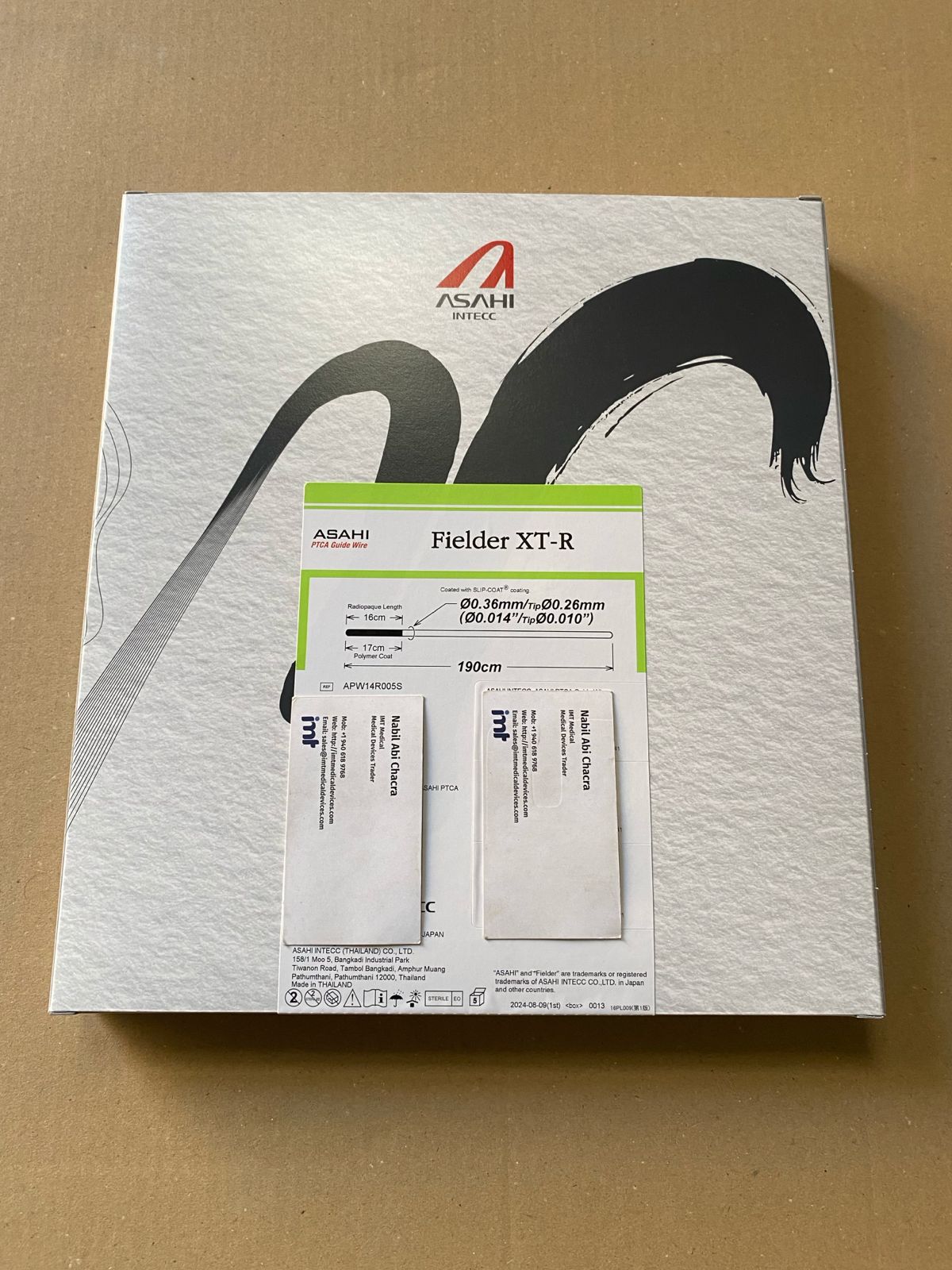
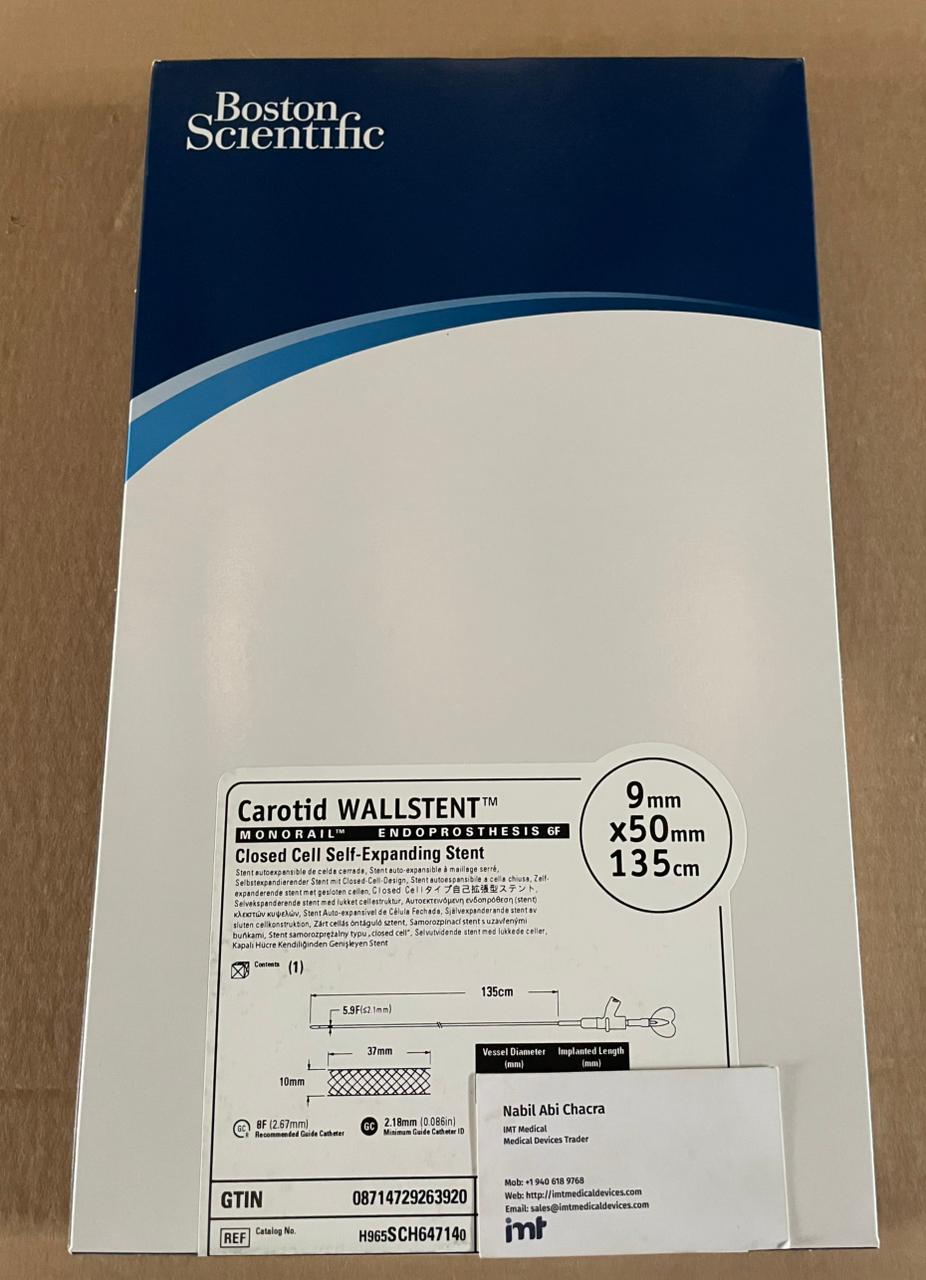
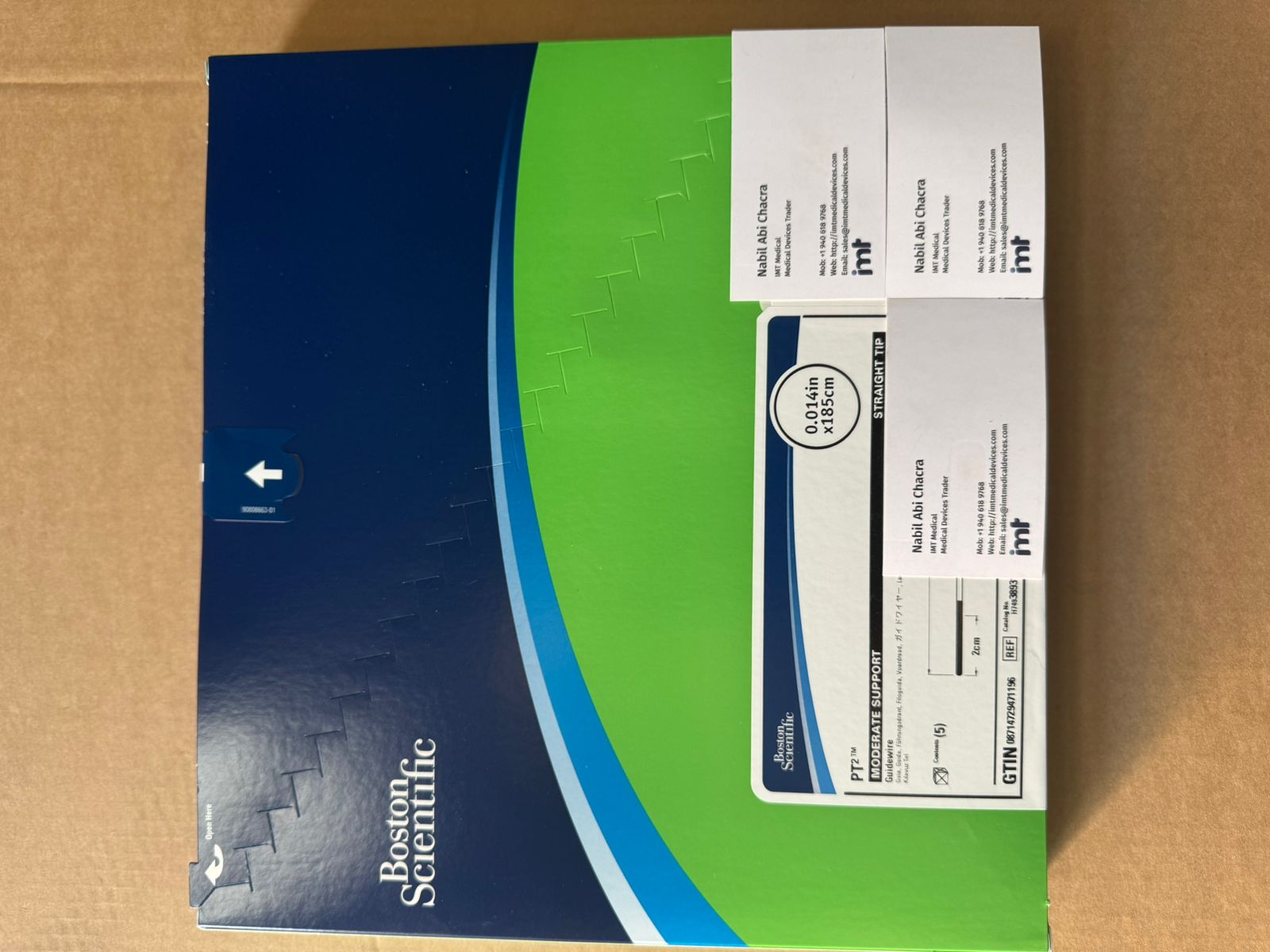
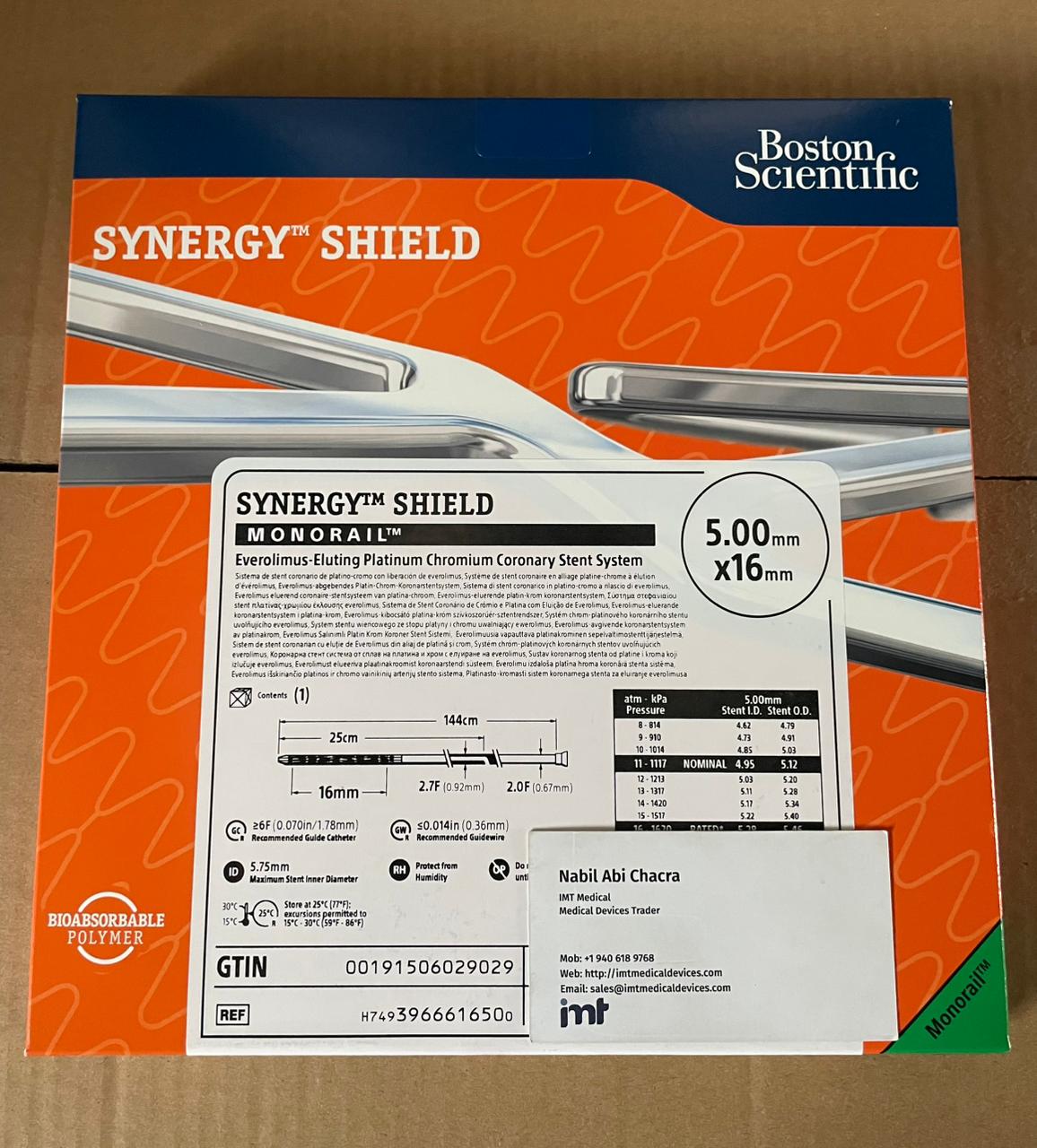
High-volume cardiac centers require consistent availability of drug-eluting stents. Sourcing must prioritize premium brands like Medtronic, Boston Scientific, and Terumo to ensure predictable patient results. Bulk orders for PTCA balloon catheters and guiding catheters reduce per-unit costs and administrative labor. Inventory management for diagnostic guidewires requires matching specific model numbers, such as Asahi Intec Sion or Gaia series, to established lab protocols. Precision in part numbers is the only way to avoid clinical variability.
Cardiac Rhythm Management (CRM) Devices
Procurement frameworks for permanent pacemakers and ICDs focus on generator and lead compatibility. Mismatched components lead to surgical delays and increased waste. Technical vetting of electrophysiology catheters for mapping and ablation is critical for arrhythmia clinics. High-capacity distributors manage these technical specifications across fifty countries. This guarantees that a Medtronic Micra or a Boston Scientific Emblem S-ICD meets local regulatory documentation requirements. Logistics hubs in Dubai and Turkey facilitate the rapid movement of these life-critical devices.
Advanced Surgical and Peripheral Solutions
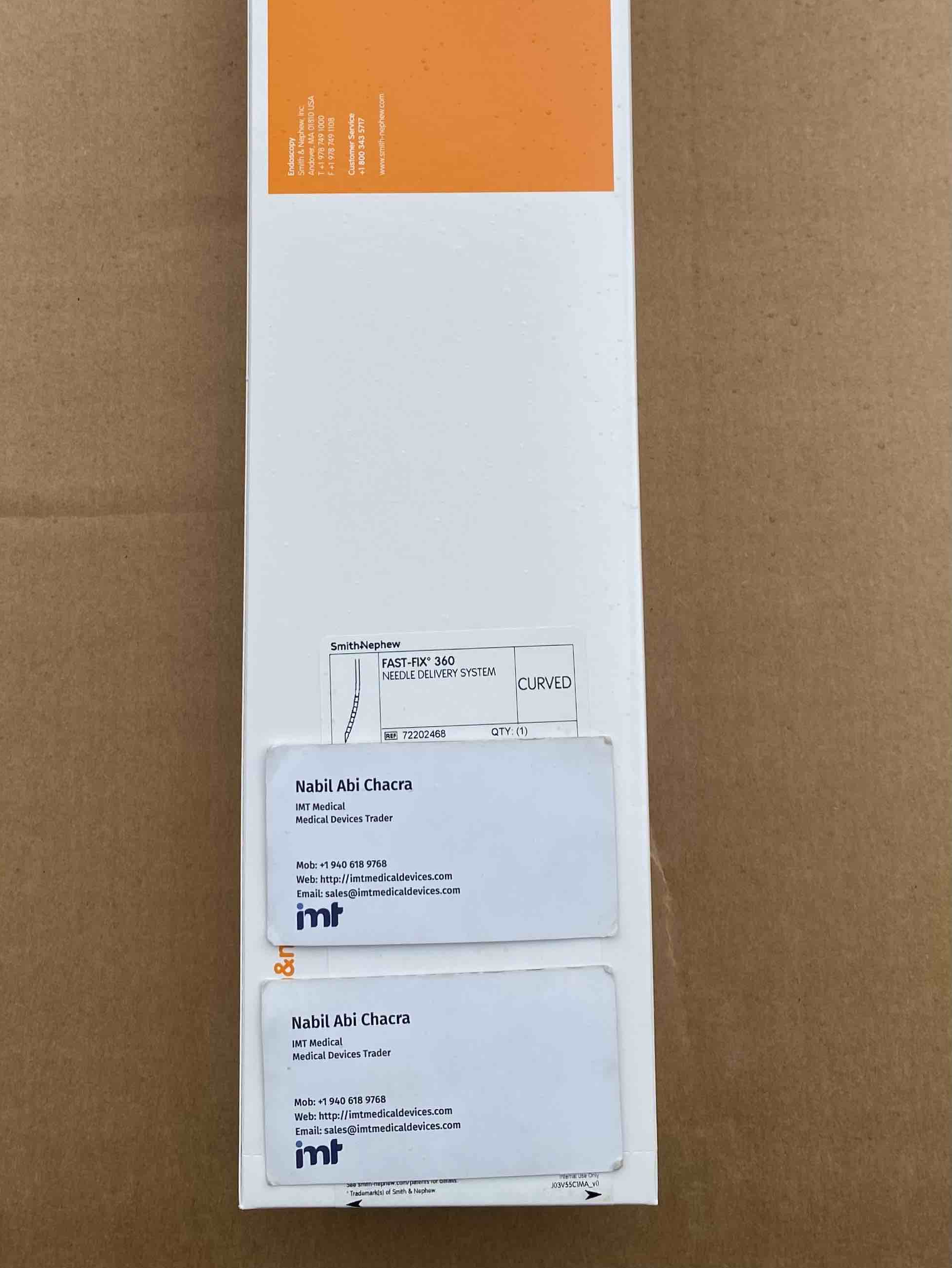
High-precision surgical staplers are vital for oncology and general surgery units. Hospitals source these in bulk to maintain consistency across surgical teams and reduce training overhead. Peripheral stents for vascular intervention, such as the Abbott Supera or Medtronic EverFlex, require precise sizing availability in the inventory. Evaluating manufacturer-specific surgical consumables ensures operating room efficiency. Strategic partners like IMT Medical Devices facilitate access to these specialized product lines through a single, authoritative export channel. This consolidated approach minimizes the risk of counterfeit or substandard technical support often found in fragmented supply chains.
Evaluating Wholesale Partners vs. Direct Manufacturers
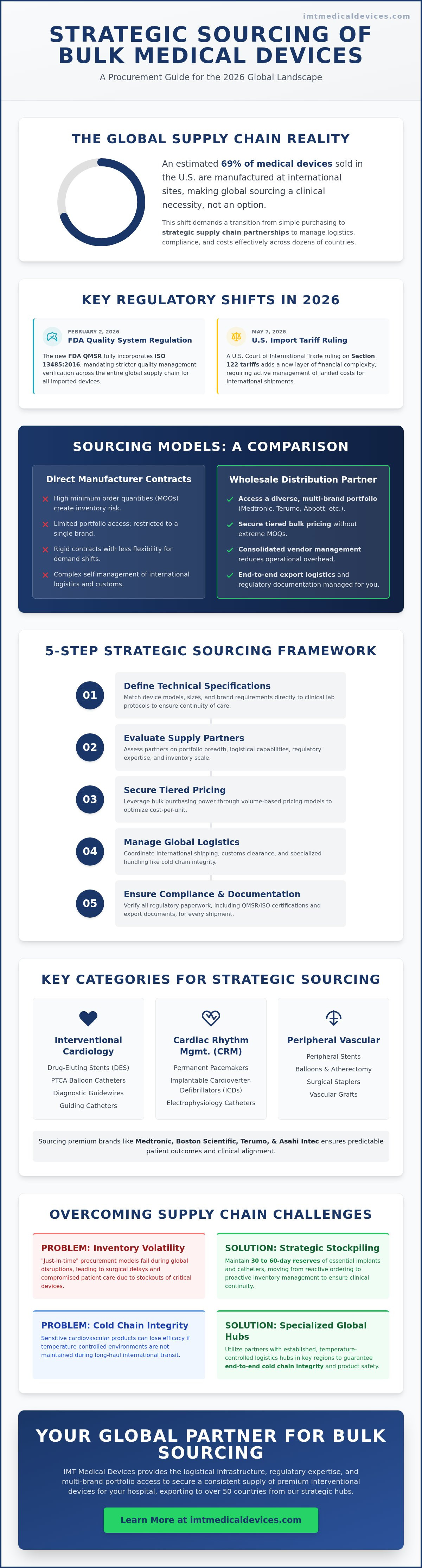
Direct manufacturing contracts provide benefits of scale but often impose rigid minimum order quantities (MOQs). These requirements can be prohibitive for hospitals needing a diverse mix of high-cost interventional devices. Sourcing bulk medical devices for hospitals through direct channels requires internal management of complex logistics, storage, and customs clearance. The May 7, 2026, ruling by the U.S. Court of International Trade on Section 122 tariffs highlighted the volatility of direct import costs. Many facilities now prefer hybrid models. They use direct contracts for high-volume staples and wholesalers for specialized technology portfolios.
Wholesale distribution allows access to multi-brand inventories through a single vendor. This eliminates the need for dozens of individual manufacturer agreements. It also reduces "hidden costs" associated with fragmented supply chains. Managing logistics for neurovascular or coronary intervention products requires specialized expertise that many hospital procurement departments lack. A single wholesale partner handles the technical specification matching and international documentation, providing a more efficient route to market.
The Wholesaler Advantage: Flexibility and Reach
Wholesalers provide immediate access to prestigious brands like Medtronic, Abbott, and Terumo. This is essential for hospitals that don't meet the high MOQs required for direct factory accounts. Leveraging wholesaler logistics allows for rapid international deployment to 50+ countries. Consolidated documentation is a primary benefit. Procurement officers can manage multiple product lines, from diagnostic guidewires to permanent pacemakers, under one export license. This streamlined approach reflects the catalog-like efficiency required in modern medical commerce. It ensures that critical supplies reach their destination without the administrative delays common in direct-to-manufacturer sourcing.
Risk Mitigation in Bulk Sourcing
Verifying product authenticity is the highest priority in high-volume procurement. Specialized offices in strategic hubs like Dubai, Turkey, Georgia, and Poland serve as vital checkpoints. These locations ensure manufacturer-certified supply chains and proper cold chain management for sensitive implants. Regulatory compliance is increasingly complex in 2026. For example, the Malaysian Medical Device Authority (MDA) implemented Circular Letter No. 1/2026 on January 28, 2026. This requires specific establishment licenses for "placing in the market" during tenders. Expert partners navigate these local health authority standards to prevent legal and logistical bottlenecks. With 80% of healthcare executives facing pressure to deliver immediate ROI from procurement investments, the speed and reliability of a proven wholesaler are indispensable assets.
5-Step Framework for Sourcing Bulk Medical Devices
Successful sourcing bulk medical devices for hospitals requires a structured, data-driven approach. Transactional buying isn't sufficient for high-cost interventional technology. Procurement officers must verify technical compatibility and regulatory compliance before finalizing contracts. This framework minimizes clinical variability and ensures supply chain resilience in a volatile global market.
- Step 1: Technical Specification Mapping — Match hospital clinical requirements to specific manufacturer models. Verify part numbers for items like Medtronic Onyx Frontier stents or Asahi Intec Gaia guidewires to ensure procedure-specific needs are met.
- Step 2: Regulatory and Import Vetting — Confirm every device complies with the FDA Quality Management System Regulation (QMSR) effective February 2, 2026. This includes verifying ISO 13485:2016 certification for all international manufacturing sites.
- Step 3: Logistical Feasibility Analysis — Evaluate shipping routes and cold chain requirements. Drug-eluting stents and certain catheters require temperature-controlled environments to maintain polymer integrity during transit.
- Step 4: Tiered Pricing Negotiation — Optimize unit costs based on projected annual volume. Use tiered B2B models to leverage hospital scale, ensuring the best wholesale rates for premium brands like Boston Scientific and Terumo.
- Step 5: Quality Assurance Audit — Conduct a final verification of batch numbers and sterilization dates. "Product Details" must be documented and matched against the manufacturer’s certificate of analysis before dispatch.
Managing International Logistics and Export
Specialized medical freight forwarding is essential for bulk orders. Standard carriers often lack the infrastructure for sensitive medical implants and electronics. Navigating customs clearance requires expertise in local regulations, such as the Malaysian MDA Circular Letter No. 1/2026 implemented on January 28, 2026. Real-time tracking and comprehensive documentation are necessary for global shipments. Logistics hubs in Dubai, Turkey, Georgia, and Poland facilitate rapid movement across 50 countries. This infrastructure ensures that critical inventory like permanent pacemakers and surgical staplers reaches the facility without border delays.
Financial Optimization in Procurement
Utilizing tiered pricing structures maximizes hospital budget efficiency. Procurement managers must look beyond the initial unit price to calculate the Total Cost of Ownership (TCO). This includes international freight, insurance, and potential tariff impacts following the May 7, 2026, court ruling on Section 122 duties. Currency fluctuations also impact international medical trade. Strategic partners mitigate these risks by providing stable, brand-first pricing models for high-utilization interventional devices. To optimize your facility's procurement strategy, you can request a technical consultation for high-volume inventory planning.
IMT Medical Devices: Your Global Partner for Bulk Sourcing
IMT Medical Devices functions as a high-capacity international distributor specializing in sourcing bulk medical devices for hospitals. The company operates as a vital bridge between major manufacturers and global markets. Operations focus on industrial competence and logistical reliability. Established hubs in Georgia, Dubai, Turkey, and Poland ensure end-to-end export management. This infrastructure supports our primary "Export 50 Country" claim, providing a resilient supply chain for critical implants and consumables. Every transaction prioritizes clarity and product availability over brand storytelling. It's a pragmatic solution for procurement officers who value scale and speed.
Expertise in high-cost cardiology and surgical technology is the foundation of the business. The company manages the technical complexities of 2026 procurement, including compliance with the FDA Quality Management System Regulation (QMSR). Comprehensive export documentation is provided for every shipment. This includes manufacturer-certified batch numbers and sterilization records. Procurement officers benefit from a no-nonsense partner that values reach. The focus remains on finding the right part number rather than engaging in lengthy brand dialogues. It doesn't matter if the requirement is for a single lab or a national hospital network; the logistical precision remains constant.
Our Brand-First Inventory Approach
The inventory strategy prioritizes authentic technology from prestigious global manufacturers. Access to the latest technical specifications is guaranteed. Product Details for the following categories are available for immediate bulk procurement:
- Medtronic Products: Permanent Pacemakers, Implantable Cardioverter Defibrillators (ICDs), and Drug-Eluting Stents.
- Boston Scientific Products: Electrophysiology Catheters and Peripheral Stents.
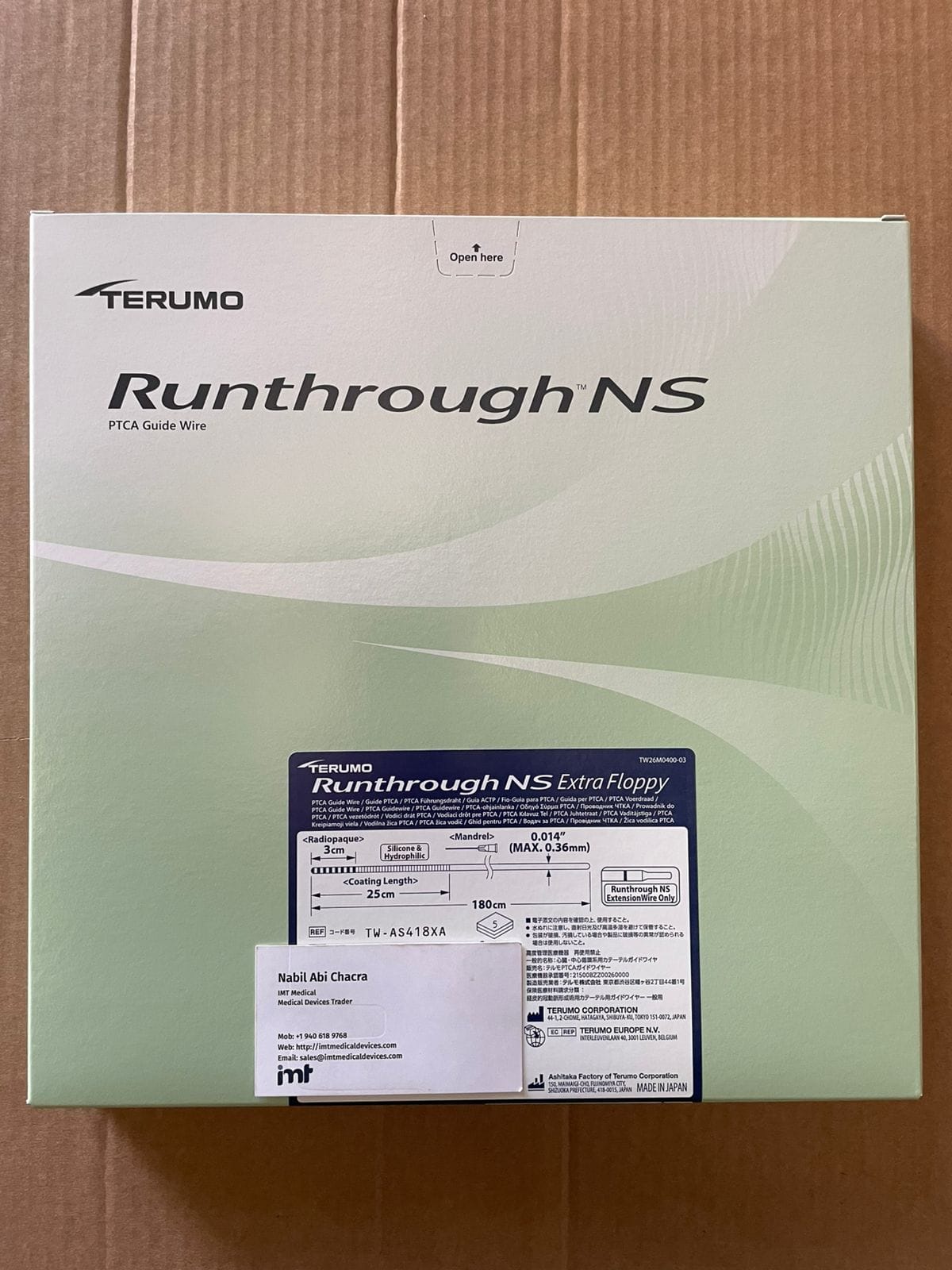
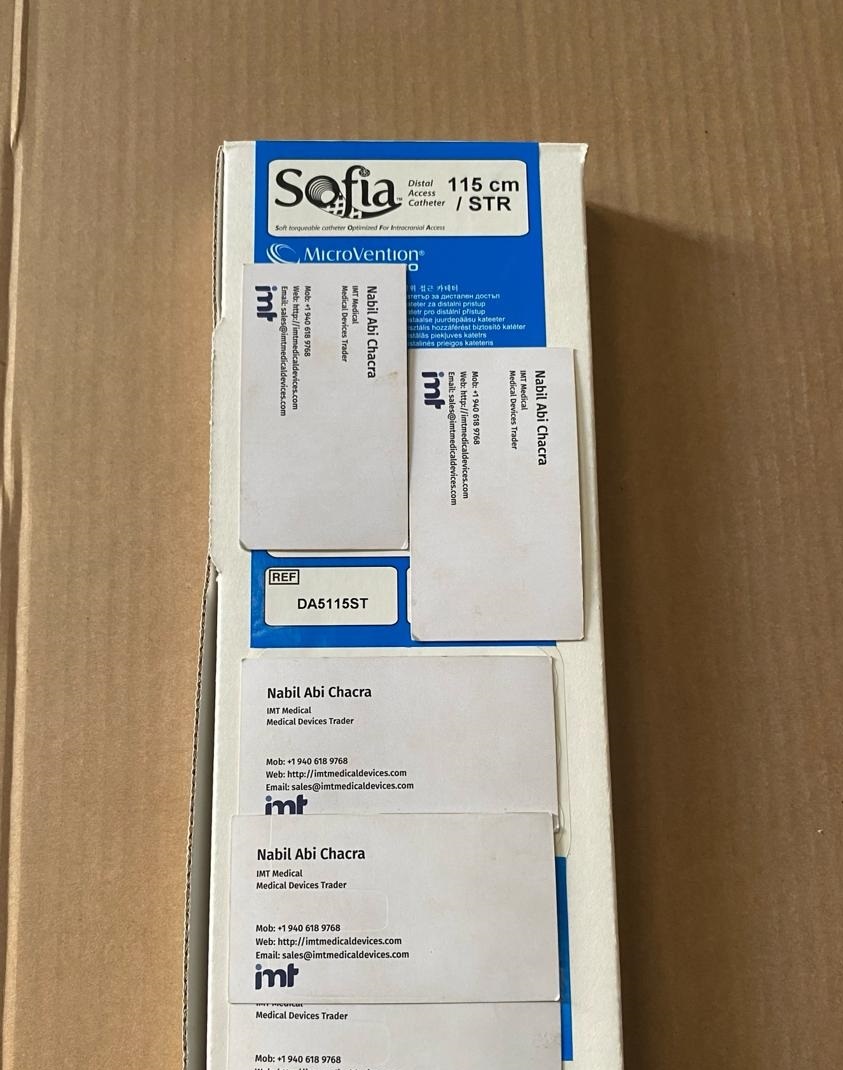
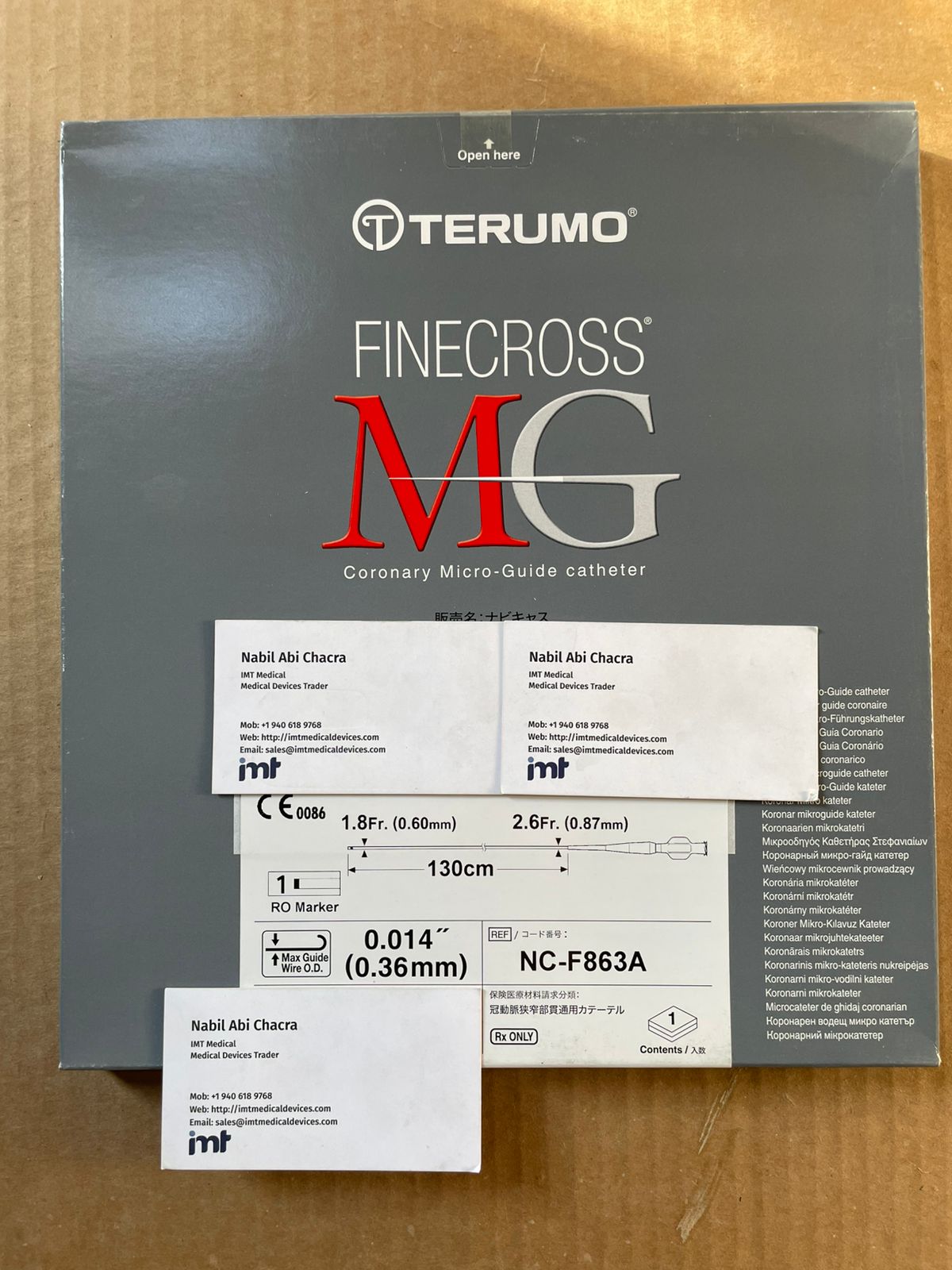
- Terumo Products: PTCA Balloon Catheters and Guiding Catheters.
- Asahi Intec Products: Diagnostic Guide Wires and advanced Guidewires.
- Surgical Solutions: High-precision Surgical Staplers for oncology units.
This brand-first approach ensures hospitals receive premium technology without the rigidity of direct manufacturer contracts. The catalog-like flow of information allows for rapid identification of specific models, such as Nipro or Becton Dickinson consumables. Inventory is organized for utility. It reflects the urgent nature of the medical device industry where finding the correct model number is the priority.
Global Reach and Technical Support
International offices in Dubai and Turkey facilitate seamless cross-border medical trade. These locations serve as strategic intelligence systems for data-driven procurement. Dedicated account management is available for hospital procurement teams and large-scale distributors. Support includes technical specification mapping and regulatory vetting for specific national health standards. This ensures continuity of care and reduces clinical variability. Contact the IMT Medical Devices team to receive a customized bulk sourcing quote today. The company remains a confident partner for high-volume hospital requirements across fifty countries.
Securing High-Volume Inventory for Clinical Continuity
Strategic sourcing bulk medical devices for hospitals requires a shift from transactional purchasing to integrated supply chain management. Success in 2026 depends on precise technical specification mapping and strict adherence to the February 2, 2026, FDA Quality Management System Regulation (QMSR). Hospitals must prioritize brand authenticity for critical interventional cardiology and CRM devices to maintain patient safety standards. Reliable logistics hubs in Dubai, Turkey, Georgia, and Poland provide the necessary infrastructure to manage these complex requirements across 50 countries without clinical disruption.
IMT Medical Devices offers a brand-first portfolio featuring Medtronic, Abbott, and Boston Scientific. This approach ensures access to premium drug-eluting stents, permanent pacemakers, and surgical staplers without the rigidity of direct-to-factory minimums. You'll streamline your procurement process by leveraging established international export documentation and specialized technical support. Focus on clinical outcomes while a professional partner manages the industrial logistics and cold chain requirements of your high-volume orders. Request a Bulk Sourcing Quote from IMT Medical Devices today to optimize your hospital's inventory resilience and secure your supply chain.
Frequently Asked Questions
What are the benefits of sourcing medical devices in bulk for hospitals?
Bulk sourcing reduces per-unit costs and minimizes the administrative labor associated with managing frequent, small-scale orders. It ensures a stable supply of high-utilization interventional devices, preventing surgical delays due to inventory stockouts. Hospitals consolidate vendor management through this approach, leading to improved logistical efficiency and predictable delivery schedules for critical items like PTCA balloon catheters.
How do you ensure the authenticity of bulk-sourced medical implants?
Authenticity is guaranteed through manufacturer-certified supply chains and comprehensive batch tracking. Every shipment includes a certificate of analysis and documentation matching the original production records from brands like Medtronic or Boston Scientific. Sourcing bulk medical devices for hospitals requires verifying these technical specifications at strategic logistics hubs before final dispatch to ensure product integrity.
What documentation is required for international medical device export?
International shipments require a commercial invoice, detailed packing list, and a certificate of origin. Additional documentation includes regulatory compliance certificates and sterilization records for surgical supplies. For specific markets, documents like the MDA Circular Letter compliance for Malaysia or specialized import permits for Dubai and Turkey are essential to prevent customs delays at the border.
Can I source multiple brands like Medtronic and Abbott from one wholesaler?
Yes, wholesale partners provide access to extensive portfolios including Medtronic, Abbott, Terumo, and Asahi Intec through a single contract. This eliminates the need for managing multiple direct-to-manufacturer agreements. Procurement teams source permanent pacemakers, drug-eluting stents, and diagnostic guidewires in one consolidated order; this simplifies technical matching and logistical coordination across different product lines.
How is cold chain integrity maintained during bulk international shipping?
Cold chain integrity is maintained using specialized temperature-controlled containers and active monitoring systems. Real-time tracking devices record thermal conditions throughout the transit period for sensitive items like drug-eluting stents. Strategic hubs in Georgia and Poland utilize climate-controlled storage facilities to ensure that every device remains within manufacturer-specified temperature ranges from the warehouse to the hospital dock.
What are the typical lead times for bulk medical device orders in 2026?
Typical lead times for bulk orders in 2026 range from 14 to 30 days, depending on the destination and inventory availability. High-capacity distributors utilize regional hubs in Dubai and Turkey to accelerate delivery to 50 countries. Real-time data-driven procurement systems allow for more accurate forecasting. This reduces the risk of extended delays often seen in fragmented supply chains.
How does tiered pricing work for hospital procurement?
Tiered pricing models offer lower unit costs as the total order volume increases. These structures are established based on projected annual utilization rates for specific product categories like electrophysiology catheters or surgical staplers. This B2B model allows hospitals to leverage their scale to secure competitive rates while maintaining access to premium global brands without the rigidity of direct factory contracts.
What specialized cardiology devices are available for bulk purchase?
Sourcing bulk medical devices for hospitals includes access to specialized cardiology technology like permanent pacemakers, implantable cardioverter defibrillators (ICDs), and peripheral stents. Other high-demand items include PTCA balloon catheters, diagnostic guidewires, and guiding catheters. These products are sourced directly from high-end manufacturers to ensure technical precision and clinical performance in interventional labs and operating rooms.