Sourcing Cardiology Supplies for Eastern Europe: A B2B Procurement Guide
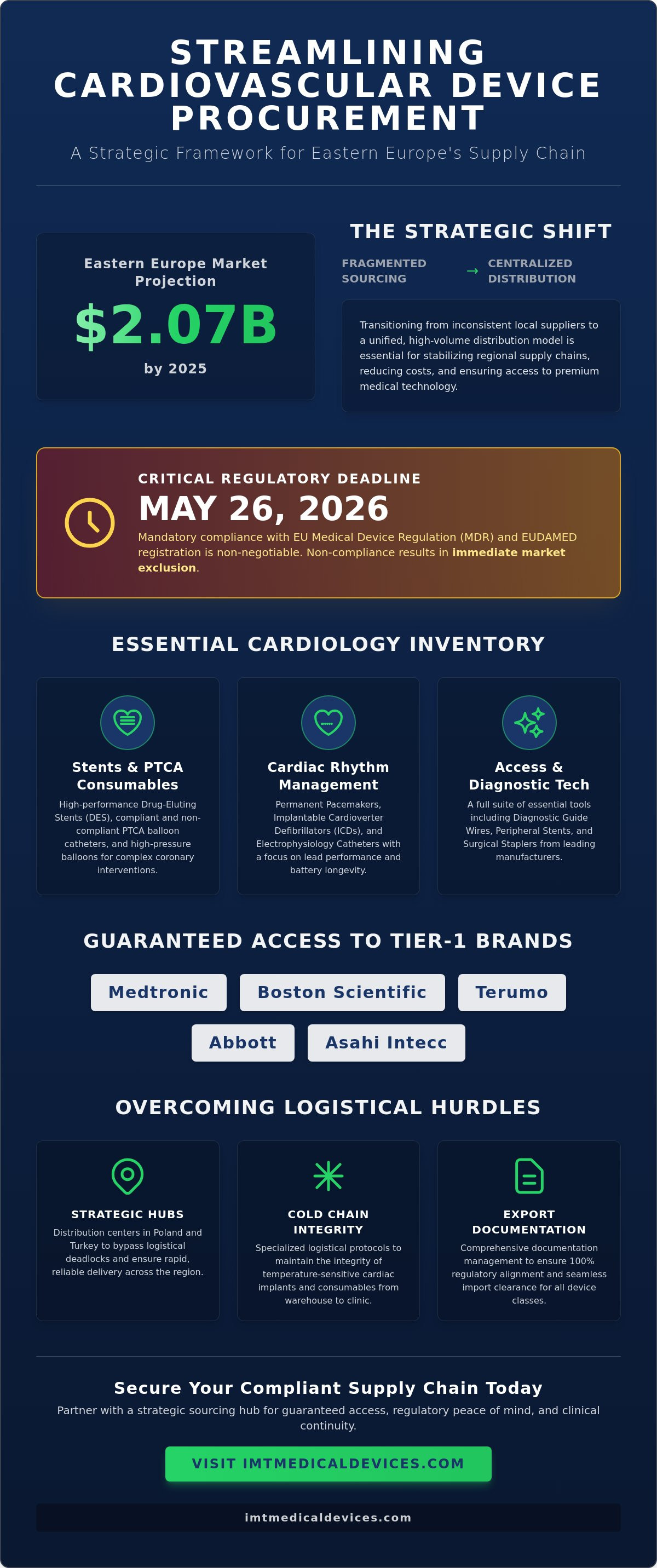
The Eastern Europe cardiovascular devices market is projected to reach USD 2.07 billion by 2025, yet procurement remains a fragmented hurdle for most regional providers. Sourcing cardiology supplies for Eastern Europe requires more than a simple vendor list; it demands a logistical framework capable of managing the May 2026 MDR compliance deadlines and mandatory EUDAMED registrations. You're likely familiar with the operational strain caused by inconsistent lead times for drug-eluting stents or the prohibitive shipping costs for sensitive cardiac rhythm management hardware.
Securing a reliable inventory of Medtronic, Boston Scientific, and Terumo products is essential for clinical continuity. This guide provides a technical framework to streamline your procurement, reduce lead times, and ensure 100% regulatory compliance for imports across the region. We'll analyze strategic distribution hubs, manufacturer-centric sourcing models, and the specific technical requirements for permanent pacemakers, PTCA balloon catheters, and diagnostic guide wires.
Key Takeaways
- Transition from fragmented local sourcing to centralized, high-volume distribution models to stabilize regional supply chains.
- Identify strategic frameworks for sourcing cardiology supplies for Eastern Europe that prioritize manufacturer-centric partnerships and authentic device access.
- Navigate the mandatory 2026 MDR compliance deadlines and EUDAMED registration protocols to ensure 100% regulatory import alignment.
- Implement specialized logistical protocols, including cold chain integrity and comprehensive export documentation, for sensitive cardiac implants and consumables.
- Verify wholesaler inventory breadth across premium brands such as Medtronic, Boston Scientific, and Terumo to ensure clinical-grade product availability.
The Evolving Landscape of Cardiology Procurement in Eastern Europe
The Eastern European cardiovascular devices market is undergoing a structural transition. Market projections indicate a valuation of USD 2.07 billion by 2025; this growth is driven by a region-wide modernization of cardiac care infrastructure. Procurement professionals are moving away from local, fragmented sourcing models. High-volume international distribution is now the standard for hospital groups and private clinics. This shift ensures inventory stability for critical items like Drug-Eluting Stents and Permanent Pacemakers. Reliable access to premium technology is no longer optional for facilities aiming to meet Western European clinical standards.
Geopolitical shifts in 2026 have altered traditional supply routes. Border complexities and logistics bottlenecks require sophisticated export capabilities. Compliance with the EU Medical Device Regulation (MDR) is mandatory for all Class III implantable devices as of May 26, 2026. Non-compliance results in immediate market exclusion. Effective sourcing cardiology supplies for Eastern Europe requires a partner with established warehouses in strategic hubs like Poland and Turkey. These hubs bypass logistical deadlocks and ensure that high-demand SKUs remain available despite regional instability.
Market Drivers for Tier-1 Cardiology Brands
Tier-1 brand demand is rising. Poland, Georgia, and Turkey are expanding electrophysiology labs at an accelerated pace. This creates a high-frequency need for Electrophysiology Catheters and Implantable Cardioverter Defibrillators (ICDs). Minimally invasive procedures are the clinical preference. Hospitals now prioritize PTCA Balloon Catheters and Diagnostic Guide Wires from manufacturers like Terumo and Boston Scientific. Private healthcare expansion drives this trend. These facilities demand premium hardware to match Western clinical outcomes and attract a growing patient base seeking advanced interventional care.
Challenges in Local Medical Device Availability
Local availability is often inconsistent. Tier-1 manufacturers like Medtronic and Abbott frequently lack a direct presence in emerging regional markets. This leads to SKU shortages for high-demand items. Procurement teams face long lead times and high shipping costs for sensitive implants. A bridge distributor is necessary. These wholesalers maintain large inventories of Peripheral Stents, Surgical Staplers, and Asahi Intec products. They provide the logistical infrastructure that original manufacturers often lack in specific Eastern European corridors. Utilizing a high-volume wholesaler is the only way to ensure sourcing cardiology supplies for Eastern Europe remains cost-effective and clinically reliable.
Essential Cardiology Inventory: Stents, Pacemakers, and Access Technology
Procurement efficiency relies on SKU-level technical accuracy. Inventory management for sourcing cardiology supplies for Eastern Europe depends on technical precision and manufacturer reputation. The European Union Healthcare Market demands hardware that meets stringent performance metrics for complex coronary interventions. This includes high-performance Drug-Eluting Stents (DES) and specialized access technology. Maintaining a consistent pipeline of these technical consumables is vital for procedural success in regional catheterization labs. Procurement teams must prioritize clinical-grade inventory that adheres to the latest safety standards.
Drug-Eluting Stents and PTCA Consumables
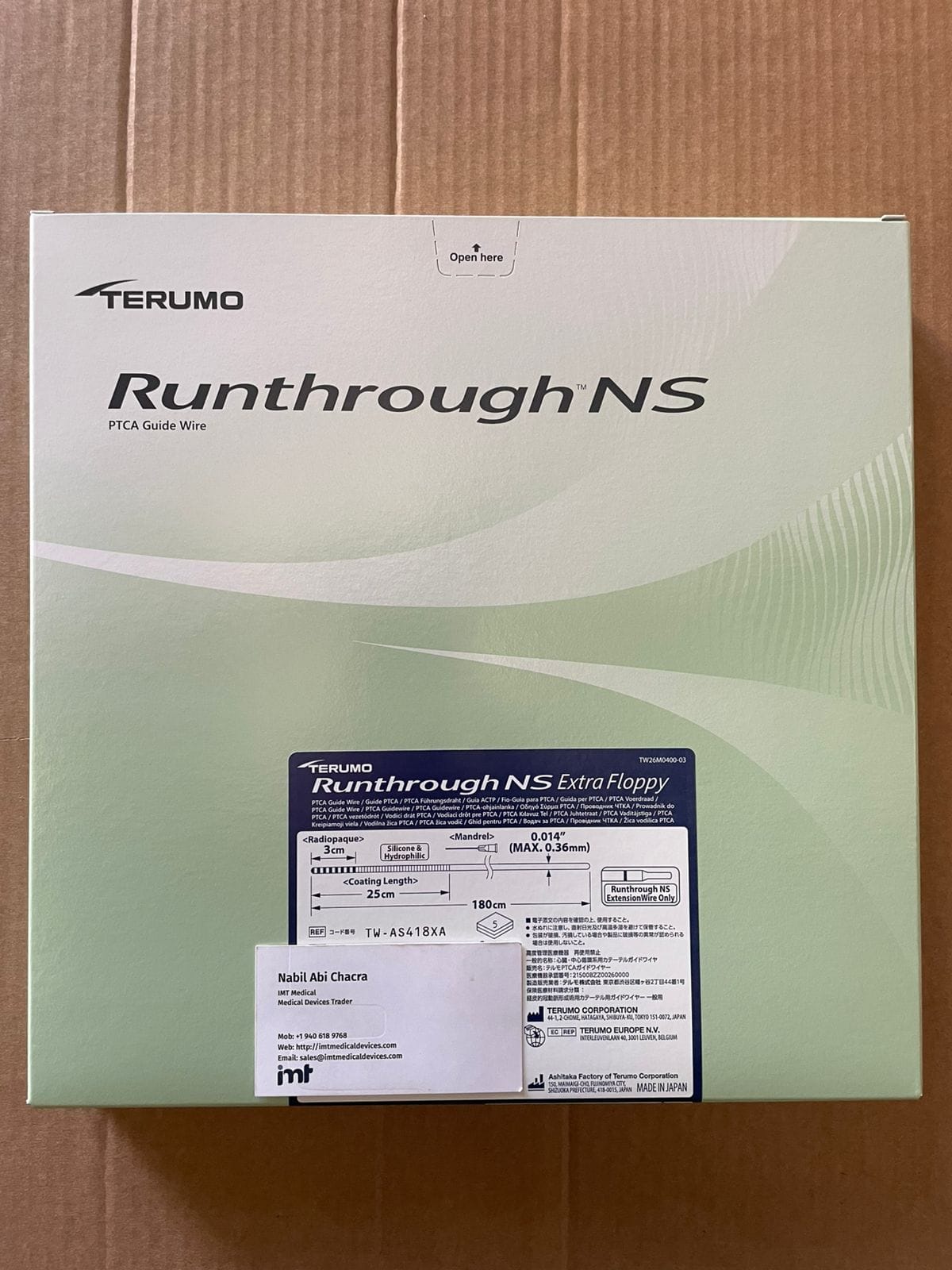
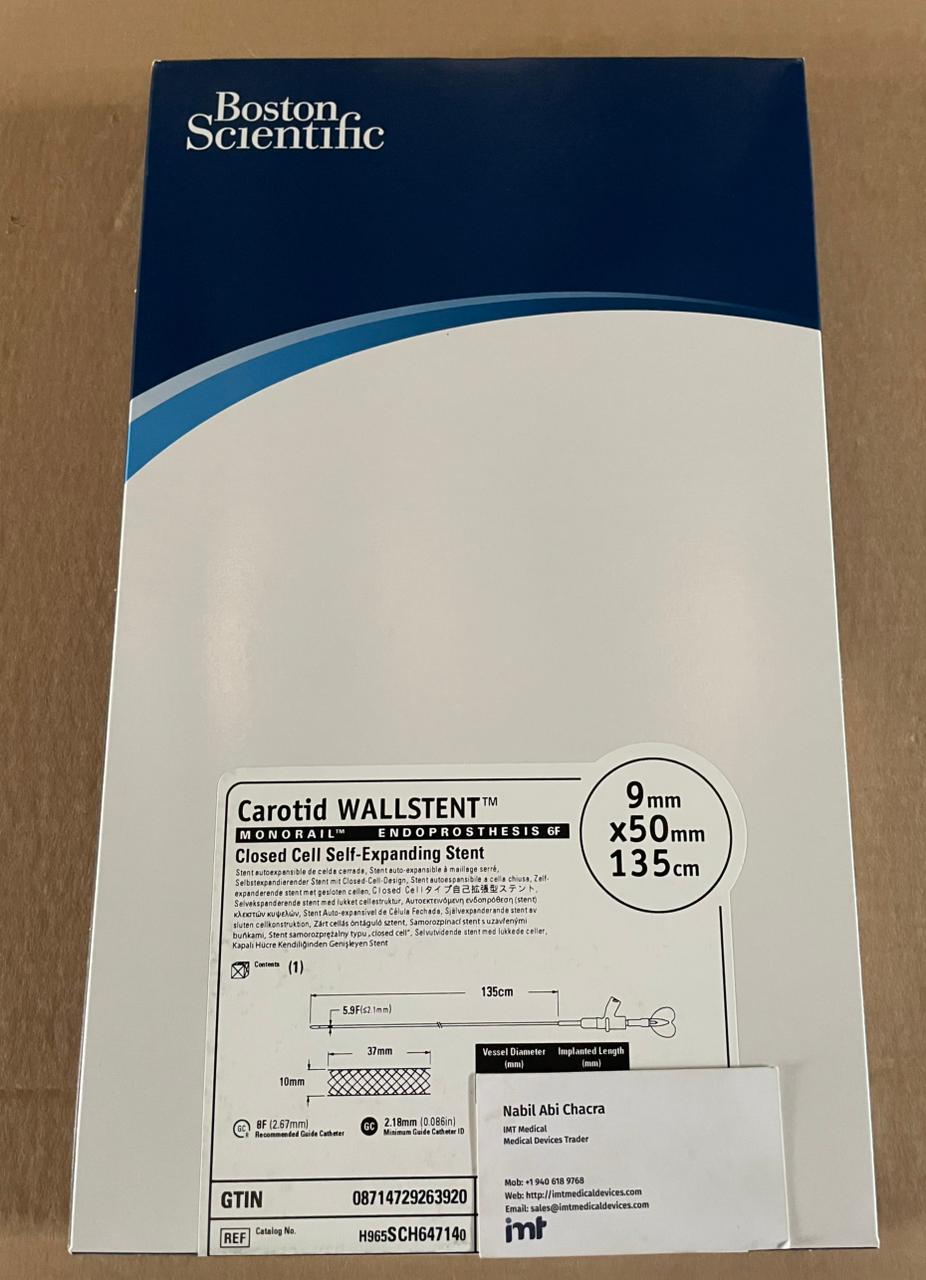
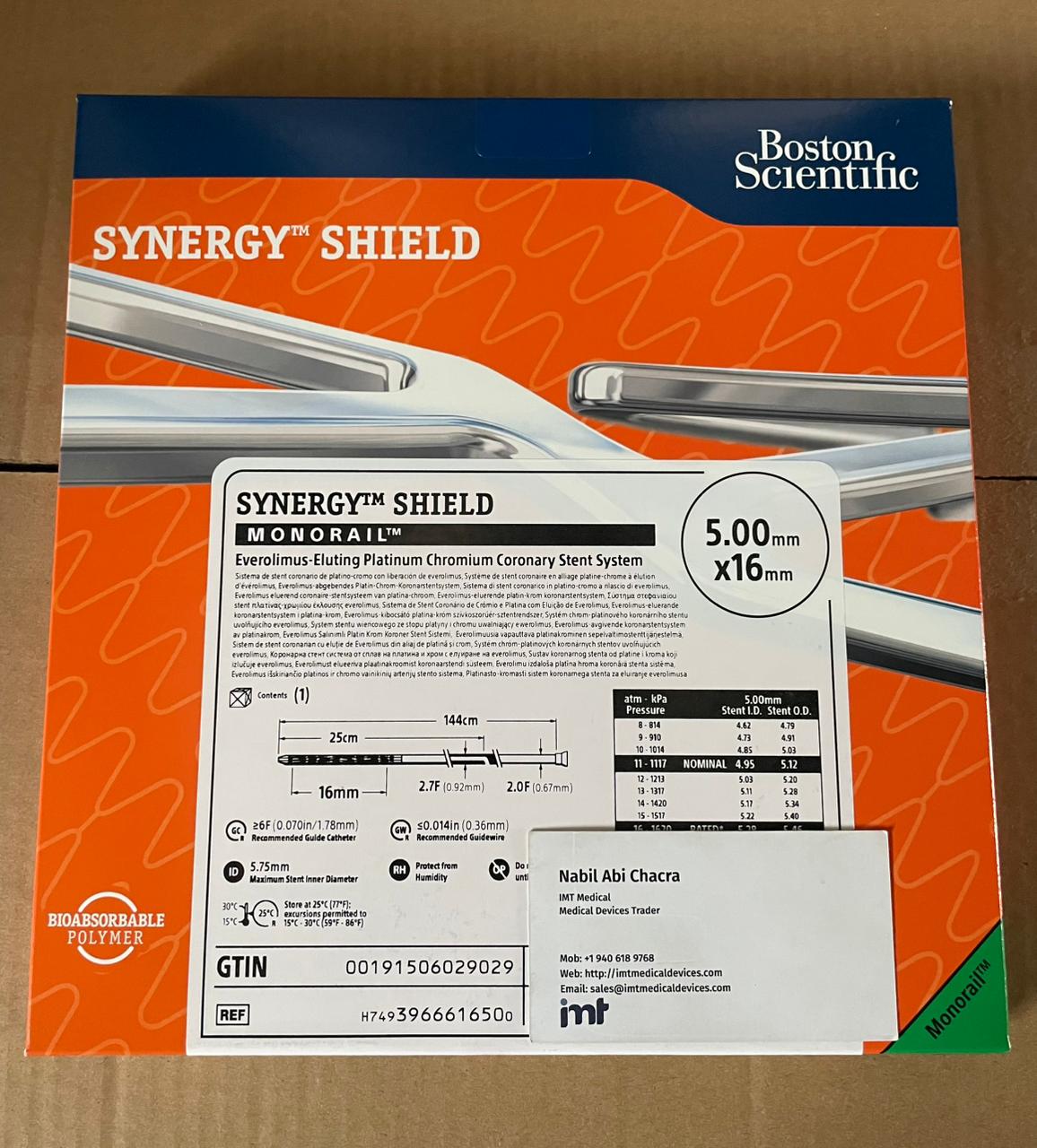
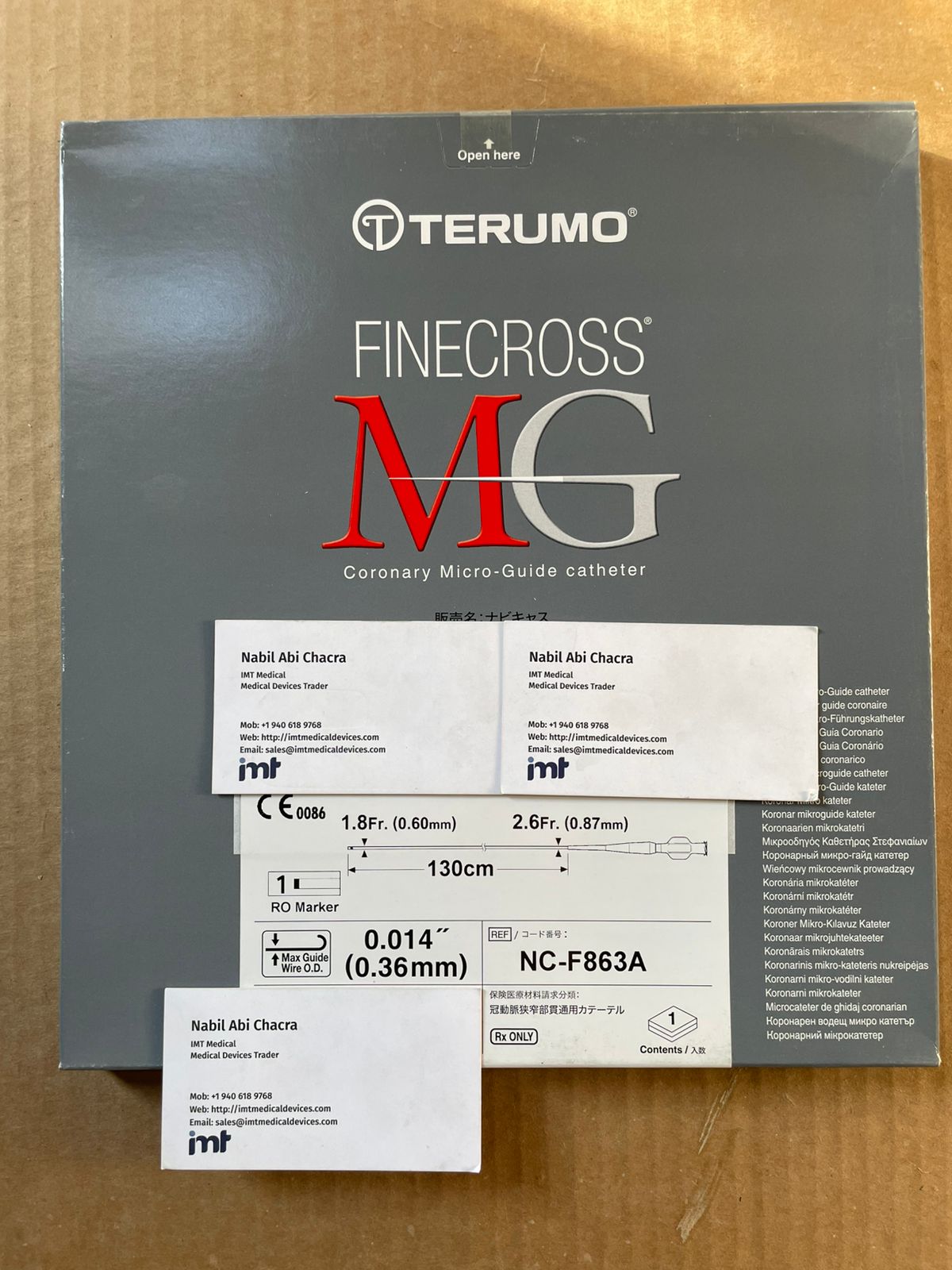
Modern interventional cardiology utilizes latest generation DES platforms. These devices feature ultra-thin struts and advanced polymer coatings for improved vessel healing. Sourcing includes both compliant and non-compliant ptca balloon catheters from manufacturers like Terumo and Boston Scientific. High-pressure balloons are critical for post-dilation in calcified lesions. Procurement teams must verify manufacturer specifications for burst pressure and trackability to ensure clinical safety. Accessing these specialized items from brands like Medtronic requires a distributor with established logistical reach and high-volume stock levels.
Cardiac Rhythm Management (CRM) Technology
CRM device procurement focuses on lead performance and battery longevity. Hospitals require a reliable supply of permanent pacemakers and implantable cardioverter defibrillators (ICDs). These devices must support remote monitoring protocols and MRI compatibility. High-volume wholesalers provide access to full product suites, ensuring that specific technical codes for leads and pulse generators are always in stock. It's essential to maintain inventory of Medtronic and Boston Scientific CRM hardware to reduce lead times for elective and urgent implantations across the region. Consistent sourcing cardiology supplies for Eastern Europe ensures these sensitive implants are available when clinical demand spikes.
Vascular Access and Guiding Systems
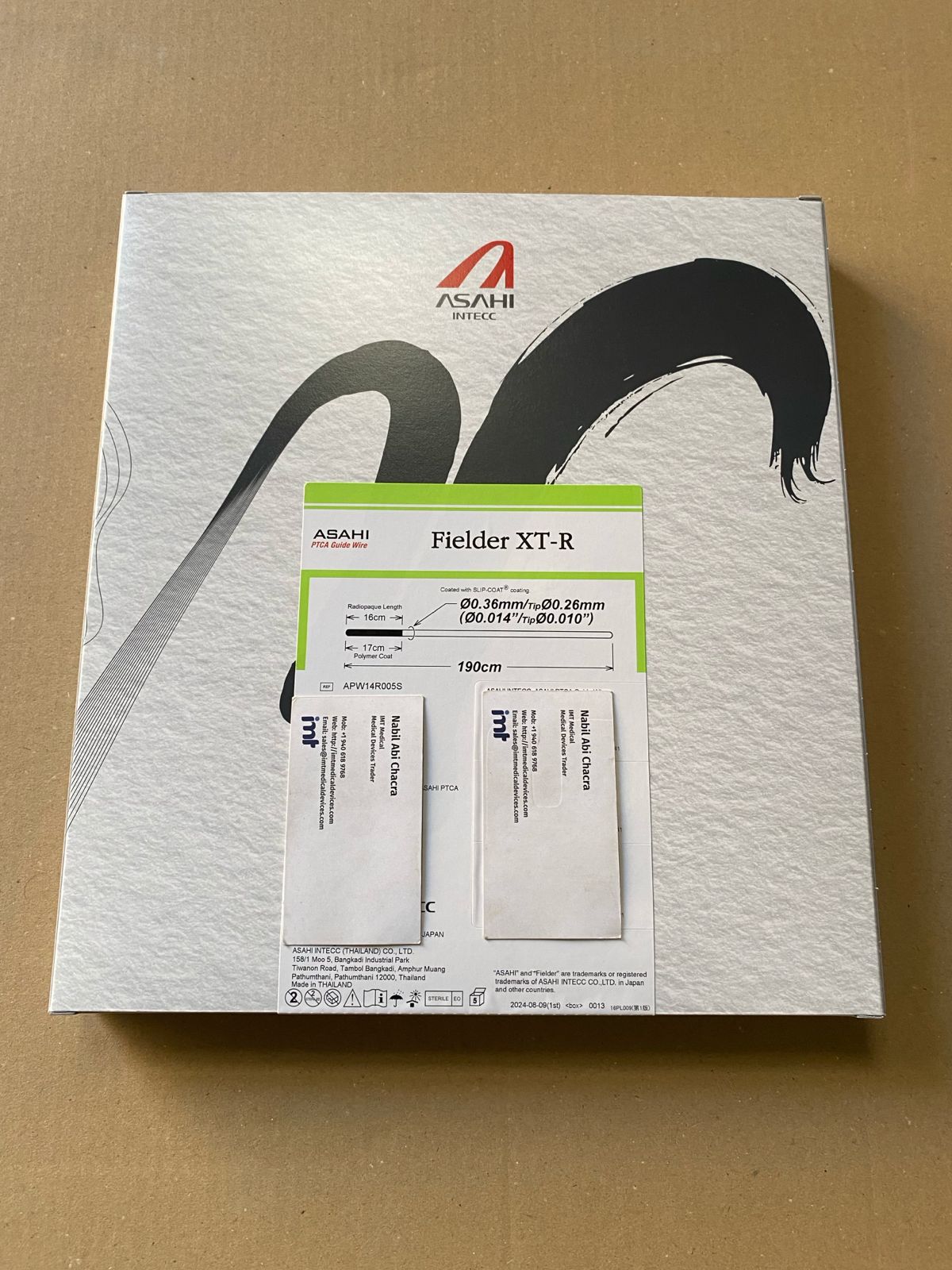
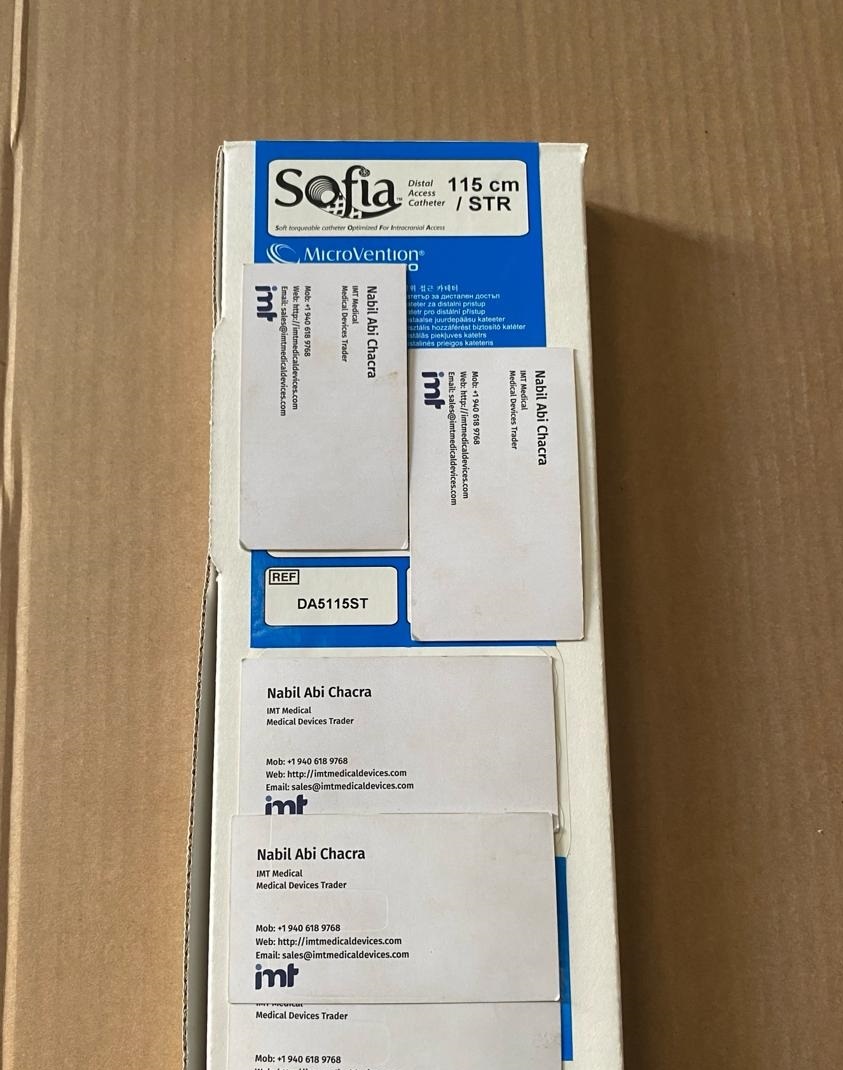
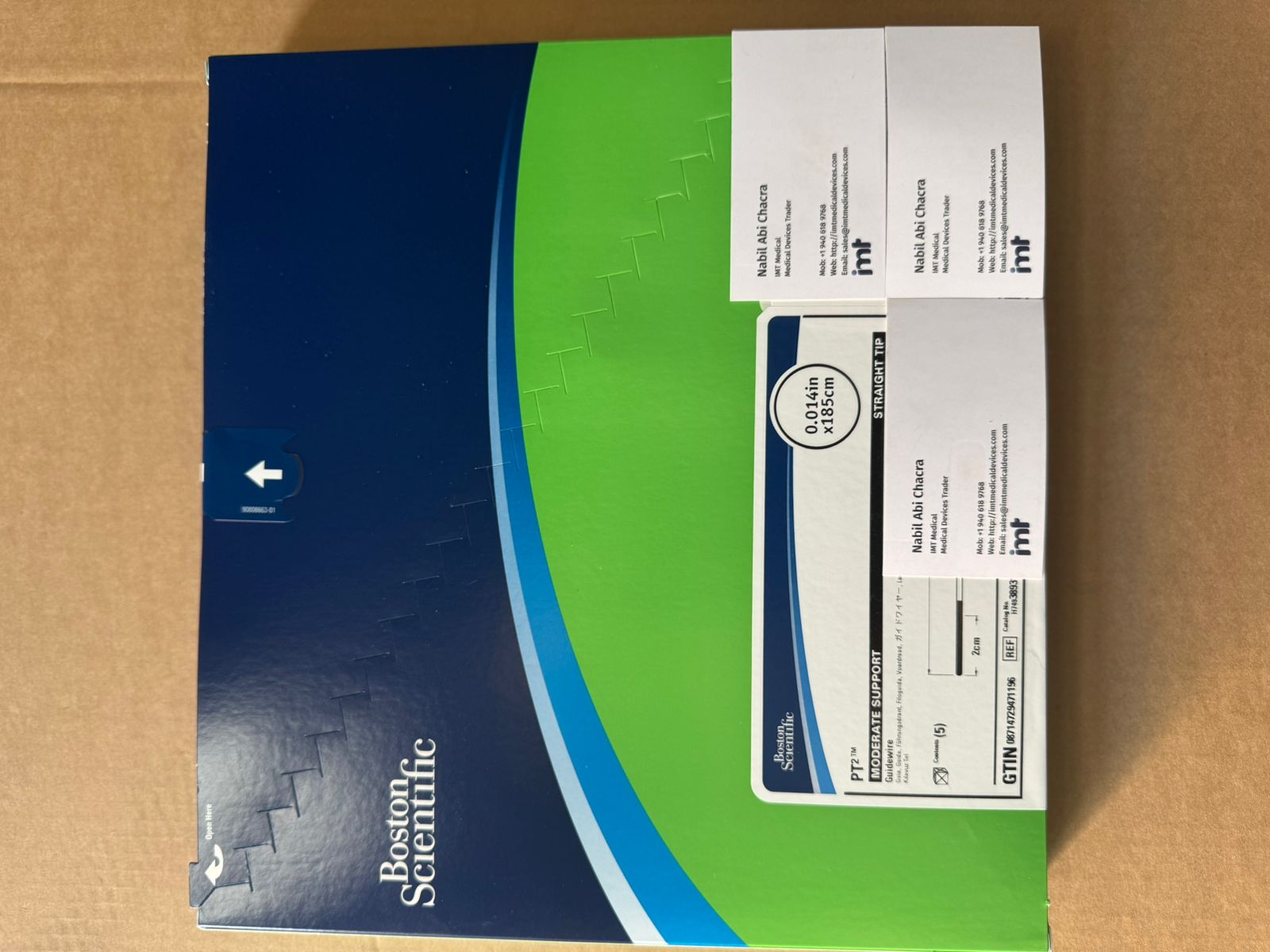
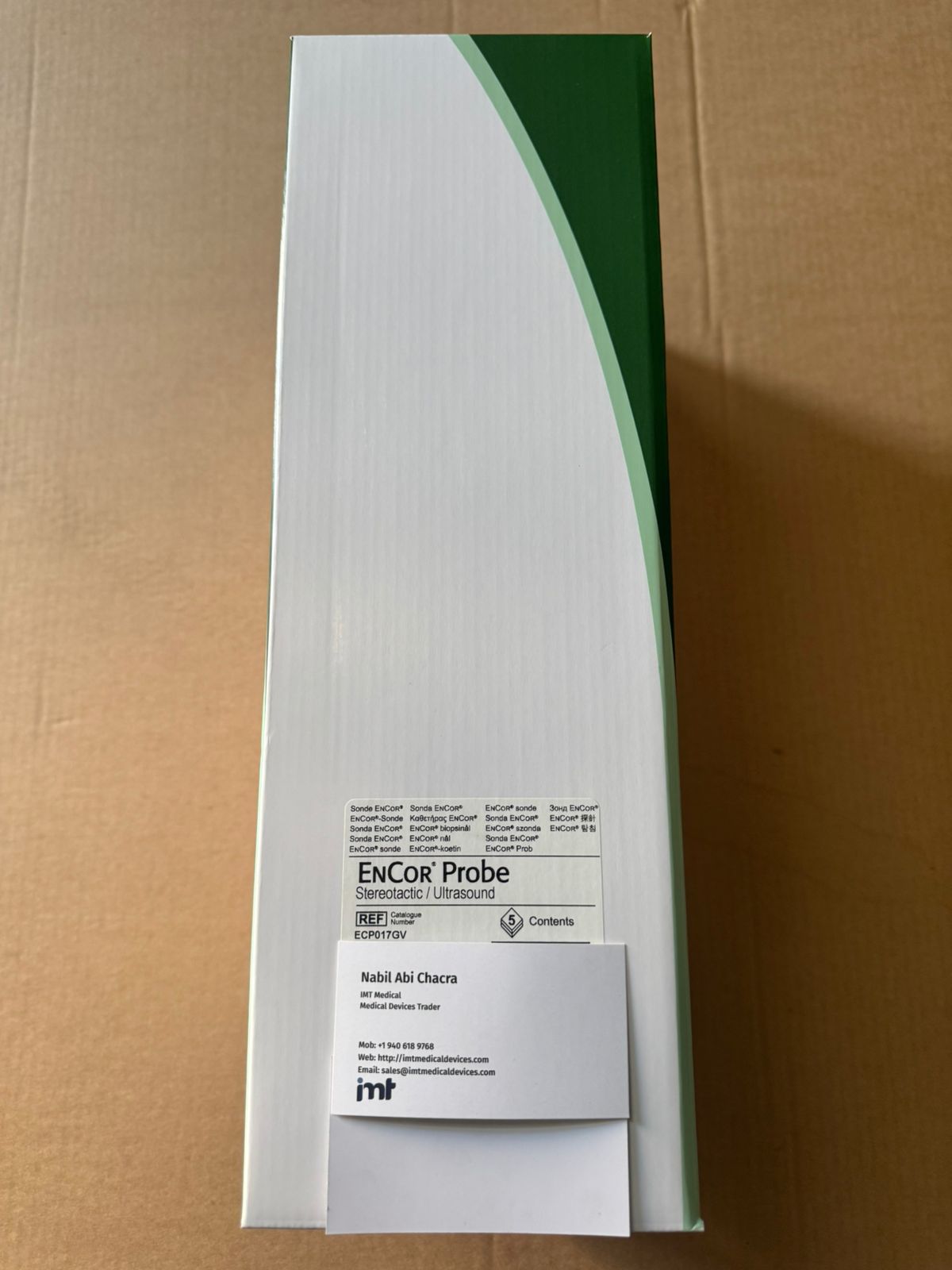
Procedural success depends on high-precision guiding systems. This category includes hydrophilic diagnostic guidewires and guiding catheters from Terumo and Asahi Intec. Choosing the correct guidewire, such as the Asahi Sion or Fielder series, is essential for crossing complex stenoses. Procurement should focus on torque response and tip flexibility. Radial access solutions from Medtronic are increasingly standard, necessitating a diverse stock of vascular access kits and diagnostic guide wires. You can review current inventory levels for these technical components at imtmedicaldevices.com to ensure supply chain continuity and clinical performance.
Navigating Regional Regulatory and Logistical Hurdles
Regulatory alignment in the Eastern European corridor is split between EU-member states and non-EU territories. Successful sourcing cardiology supplies for Eastern Europe requires managing this dual-track system. EU states like Poland and the Czech Republic mandate strict adherence to MDR 2017/745. Non-EU states often require additional local registrations with national health ministries. Documentation must be precise. Incomplete paperwork leads to customs impoundment, disrupting the supply of time-critical Permanent Pacemakers and Drug-Eluting Stents. Effective procurement teams utilize pre-registration strategies to bypass these administrative bottlenecks and maintain clinical stock levels.
Regulatory Compliance and Documentation
Importing interventional hardware requires a comprehensive documentation package. This includes CE certificates, Declarations of Conformity, and ISO 13485 certifications. For non-EU markets, manufacturers must often provide legalized or apostilled documents to satisfy local health authorities. Batch traceability is a technical requirement for all Class III devices under the 2026 updated guidelines. Importers must track every serial number from the manufacturer to the clinical site. Sterilization certificates and Certificates of Free Sale are mandatory for high-risk consumables like PTCA Balloon Catheters and Diagnostic Guide Wires. Maintaining digital records via EUDAMED protocols ensures transparency and speeds up regional clearance.
Strategic Logistical Hubs for Eastern Europe
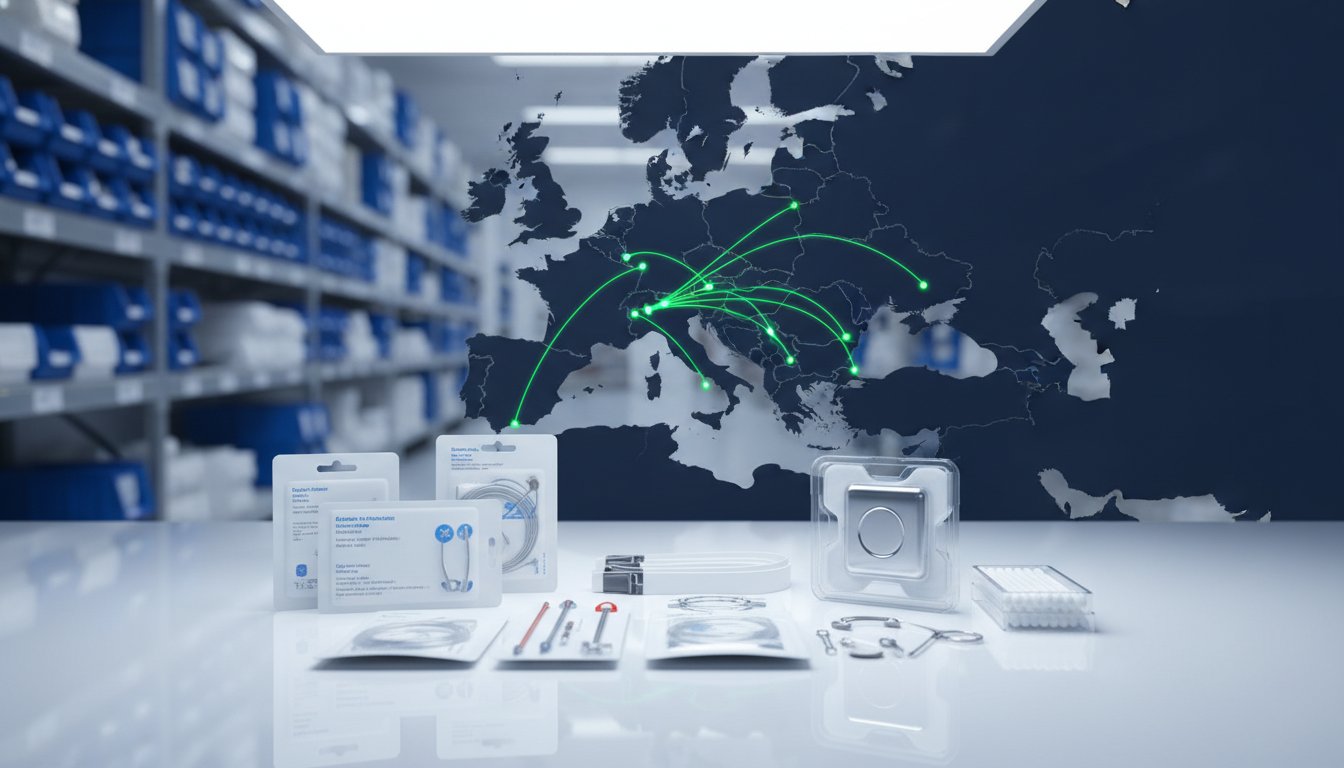
The logistics network relies on three primary anchors: Poland, Georgia, and Turkey. Poland functions as the primary entry point for EU-compliant inventory. It serves as a central distribution hub for the Baltic states and Central Europe, leveraging integrated EU transport networks. Georgia acts as a strategic gateway for the Caucasus and Central Asia. Its simplified customs procedures for medical tech facilitate rapid transit to non-EU markets where direct manufacturer supply is limited. Turkey operates as a cross-continental powerhouse. Its advanced infrastructure and proximity to major shipping lanes support the large-scale movement of Boston Scientific, Terumo, and Medtronic products between European and Asian markets.
Cold chain integrity is non-negotiable for sensitive cardiology implants. Pacemakers and ICDs require climate-controlled transport to maintain battery life and electronic stability during long-haul transit. Effective customs strategies involve pre-clearing shipments and utilizing bonded warehouses in these strategic hubs. This minimizes dwell time at borders and reduces the risk of thermal deviation. Reliable sourcing cardiology supplies for Eastern Europe is impossible without this specialized logistical backbone. Strategic hub placement allows for regional inventory buffering, protecting against sudden supply chain shocks or geopolitical disruptions.
Criteria for Selecting a High-Volume Medical Device Wholesaler
Procurement protocols for sourcing cardiology supplies for Eastern Europe must prioritize logistical capacity and manufacturer authenticity over price alone. A wholesaler's value lies in its ability to maintain high-volume inventory across multiple technical categories. Selection criteria should focus on the distributor's role as a reliable bridge between global manufacturers and regional clinical sites. Verification of manufacturer partnerships is the first step. Procurement teams must ensure that their partner provides direct access to authentic hardware from Medtronic, Terumo, and Boston Scientific. This minimizes the risk of counterfeit or grey-market devices entering the surgical supply chain.
Technical support and product training availability are essential indicators of a professional wholesaler. High-precision devices like Electrophysiology Catheters or Peripheral Stents require specialized handling and clinical knowledge. A partner with regional market experience understands the specific technical identifiers used by local health ministries. Reference projects within the Eastern European corridor serve as primary trust signals. Evaluating a wholesaler's contract flexibility and volume-based pricing tiers allows for scalable procurement that matches hospital growth. Efficiency in sourcing cardiology supplies for Eastern Europe depends on these verified operational capabilities.
Manufacturer-Centric Sourcing
Authenticity is non-negotiable for Class III medical devices. Access to tier-1 brands like Medtronic and Boston Scientific ensures that hospitals utilize clinically proven technology for high-risk procedures. Wholesalers must demonstrate legitimate bulk sourcing channels for Drug-Eluting Stents and Permanent Pacemakers. A diverse portfolio is a key requirement. Effective procurement requires a single-source partner for Asahi Intec guidewires, Terumo catheters, and Medtronic implants. This manufacturer-centric approach reduces administrative overhead and simplifies batch traceability across complex inventory lists. You can view our full manufacturer portfolio to verify availability for your specific regional requirements.
Logistical Reliability Assessment
Logistical competence determines the speed of clinical delivery. Question potential partners on their specific handling protocols for cardiology stents and ICDs. These items require climate-controlled storage and specialized shock-resistant packaging. Evaluate the wholesaler's history of customs resolution in non-EU states. A partner with a physical presence in regional trade hubs like Poland or Turkey offers a significant advantage. They can manage documentation in real-time and utilize bonded warehouses to buffer against supply chain shocks. Speed of international shipping is a critical KPI. Wholesalers should provide transparent tracking and guaranteed lead times for high-demand consumables like PTCA Balloon Catheters and Surgical Staplers. Physical regional infrastructure is the only way to ensure 100% regulatory and logistical compliance during transit.
IMT Medical Devices: Strategic Sourcing Hub for Eastern European Markets
IMT Medical Devices operates as a high-capacity global wholesaler specializing in interventional cardiology and peripheral vascular technology. Our operational model addresses the technical complexities of sourcing cardiology supplies for Eastern Europe by maintaining a manufacturer-centric inventory. We provide direct access to premium hardware from Medtronic, Boston Scientific, Terumo, and Abbott. Our distribution network leverages strategic hubs in Georgia, Dubai, Turkey, and Poland to ensure logistical continuity across diverse regulatory zones. With proven export capabilities to over 50 countries, we manage the technical and regulatory requirements necessary for Class III medical device transit. Our reach extends across the CIS region, the Middle East, and the European Union, providing a stabilized supply chain for high-demand clinical environments.
The strategic placement of our warehouses allows for rapid deployment of cardiac rhythm management devices and interventional consumables. Georgia serves as our primary gateway for the Caucasus region and Central Asia. Poland provides an integrated entry point for EU-regulated markets requiring strict MDR compliance. Turkey and Dubai function as cross-continental anchors for large-scale inventory movement between Europe and Asia. This multi-hub structure minimizes lead times and bypasses regional supply chain bottlenecks. Procurement professionals rely on our logistical infrastructure to maintain 100% compliance with regional import standards. We function as a vital link, ensuring that technical specifications for Medtronic pulse generators or Boston Scientific stent platforms are met during the procurement phase.
Bulk Cardiology Supply Solutions
Scale is essential for hospital groups and regional distributors. IMT provides volume-based pricing for Drug-Eluting Stents and PTCA balloon catheters. Our inventory management systems track high-demand SKUs for permanent pacemakers, ICDs, and surgical staplers. This ensures that clinical sites have consistent access to the exact technical codes required for specific interventions. Our role in medical device distribution involves managing complex batch traceability and sterilization certifications for all exported hardware. We maintain deep stock levels of Asahi Intec products and Terumo diagnostic guide wires to support high-frequency catheterization lab operations. This high-volume approach allows for consistent sourcing cardiology supplies for Eastern Europe without the typical lead-time disruptions associated with direct manufacturer orders.
Partnering with IMT for Regional Growth
We bridge the gap between global manufacturers and the Eastern European healthcare sector. Our team manages specialized documentation services, including legalized certificates and apostilled declarations for non-EU health ministries. This expertise reduces the risk of customs delays for sensitive cardiology implants like Electrophysiology Catheters or Peripheral Stents. By centralizing procurement through IMT, providers consolidate their supply chain and reduce administrative overhead. We focus on industrial competence and logistical reliability to support the modernization of cardiac care infrastructure in Georgia, Poland, and Turkey. Secure your cardiology supply chain today at imtmedicaldevices.com.
Optimizing Your Regional Cardiology Supply Chain
Efficient procurement in 2026 requires a transition toward manufacturer-centric distribution models. Navigating the MDR 2017/745 landscape and managing non-EU customs protocols are the primary drivers of supply chain stability. Successful sourcing cardiology supplies for Eastern Europe depends on leveraging strategic hubs in Poland, Turkey, and Georgia to bypass regional bottlenecks. This approach ensures a consistent flow of high-demand hardware like Drug-Eluting Stents, Permanent Pacemakers, and PTCA Balloon Catheters. Clinical continuity relies on these technical identifiers being available without logistical delay.
IMT Medical Devices facilitates this global connectivity through a distribution network spanning 50+ countries. Our portfolio features authentic inventory from Medtronic, Abbott, and Boston Scientific. By utilizing our regional offices, procurement professionals reduce lead times and ensure total regulatory compliance for sensitive implants and diagnostic guide wires. It's time to stabilize your inventory and enhance clinical outcomes with a high-capacity global partner. High-volume stock levels and specialized export documentation services are ready for your next procurement cycle.
Access Tier-1 Cardiology Inventory for Eastern Europe
Frequently Asked Questions
What are the main challenges when sourcing cardiology supplies for Eastern Europe?
Regulatory fragmentation and logistical bottlenecks at non-EU borders are the primary challenges. Procurement professionals must manage the transition to MDR 2017/745 compliance while navigating local health ministry registrations. Inconsistent manufacturer presence in specific regional corridors often leads to SKU shortages for critical interventional hardware.
How do you ensure the authenticity of cardiology devices from major brands like Medtronic?
Authenticity is verified through a manufacturer-centric sourcing model and strict batch traceability. We provide original manufacturer documentation, including CE certificates and Declarations of Conformity, for all Class III devices. This ensures that every permanent pacemaker or drug-eluting stent meets the technical specifications of the original producer.
What documentation is required for importing medical stents into Georgia or Turkey?
Importing stents requires ISO 13485 certifications, sterilization certificates, and Certificates of Free Sale. Non-EU markets like Georgia and Turkey often mandate legalized or apostilled manufacturer documents for customs clearance. Precise paperwork is essential to avoid impoundment of time-critical cardiology consumables during transit.
Can IMT Medical Devices handle cold chain logistics for sensitive cardiac implants?
Yes, we utilize climate-controlled transport protocols for sensitive cardiac rhythm management hardware. This specialized handling preserves battery life and electronic stability for ICDs and permanent pacemakers. Maintaining thermal integrity during long-haul transit is a non-negotiable requirement for high-risk cardiology implants.
Which cardiology brands are currently in highest demand in the Eastern European market?
Medtronic, Boston Scientific, Terumo, and Abbott are the highest-demand manufacturers in the region. These brands are the clinical standard for procedures involving drug-eluting stents, PTCA balloon catheters, and diagnostic guide wires. Hospitals prioritize these tier-1 producers to match Western European clinical outcomes.
How does volume-based pricing work for B2B cardiology procurement?
Volume-based pricing tiers provide cost optimization for high-frequency consumables and bulk implant orders. This structure allows hospital groups to reduce unit costs for peripheral stents, surgical staplers, and electrophysiology catheters. Scalable procurement models support regional growth while maintaining access to premium manufacturer technology.
What is the typical lead time for bulk cardiology supply orders in Eastern Europe?
Lead times depend on the specific regional trade hub and local customs dwell time. Utilizing strategic warehouses in Poland or Turkey significantly reduces transit times compared to direct manufacturer orders. Established logistical hubs allow for rapid deployment of inventory to clinical sites across the Eastern European corridor.
Does IMT Medical Devices provide support for regulatory compliance in specific regional markets?
We provide specialized documentation services to ensure 100% regulatory alignment in both EU and non-EU territories. This expertise is vital for sourcing cardiology supplies for Eastern Europe where local health ministry requirements vary. Our team manages the technical paperwork necessary for rapid customs resolution and market entry.