
Strategic Benefits of a Single-Source Medical Supplier for Global Procurement
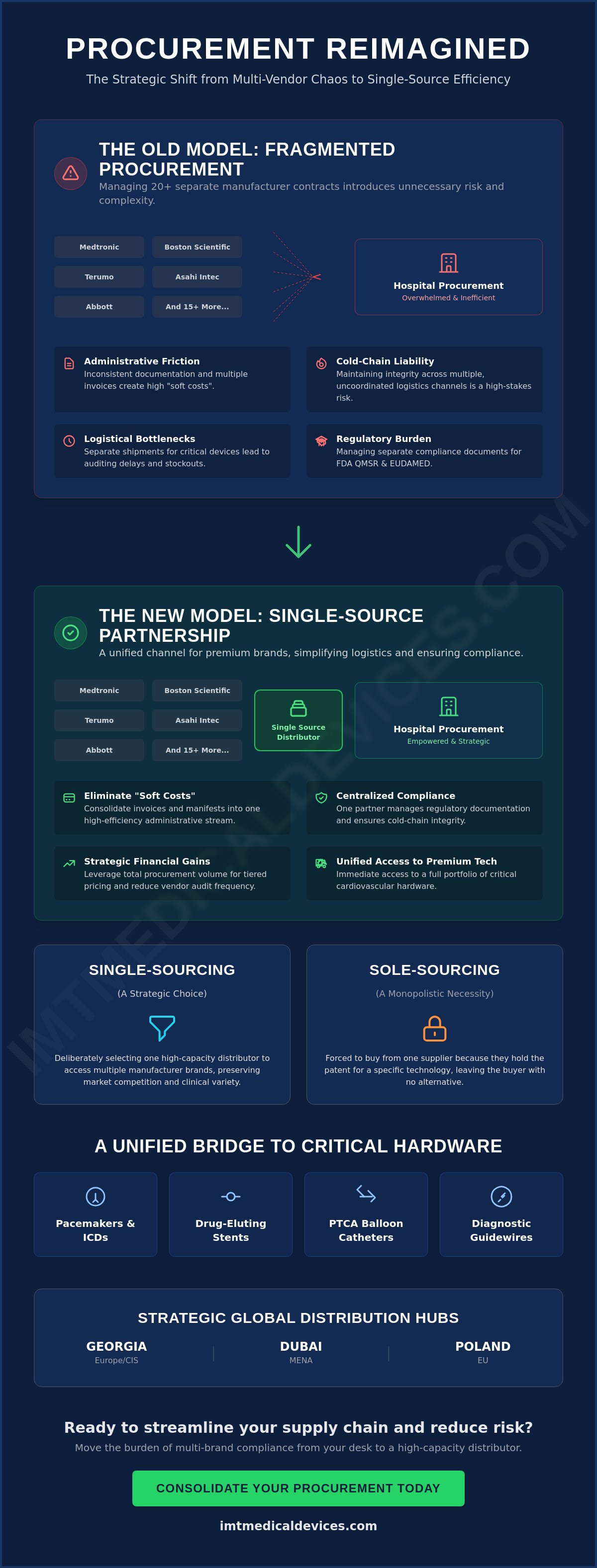
Managing 20 separate manufacturer contracts for high-stakes cardiovascular and surgical hardware isn't an efficient procurement strategy; it's a regulatory liability. You've likely experienced the administrative friction of inconsistent shipping documentation and the high stakes of maintaining cold-chain integrity across multiple logistics channels. Understanding the benefits of a single-source medical supplier is essential in 2026, as the complexity of global trade demands a consolidated approach that moves the burden of multi-brand compliance from your desk to a high-capacity distributor.
Consolidating your inventory allows you to secure a stable flow of premium technology while meeting the latest FDA QMSR and EUDAMED requirements. This article shows how a unified partnership reduces overhead and ensures immediate access to critical hardware from Medtronic, Boston Scientific, Terumo, and Asahi Intec. We'll preview how a streamlined supply chain for drug-eluting stents, PTCA balloon catheters, and permanent pacemakers protects your operations from stockouts and regulatory shifts.
Key Takeaways
- Distinguish between strategic single-sourcing and monopolistic sole-sourcing to optimize your procurement framework for premium medical brands.
- Identify and eliminate "soft costs" by consolidating multiple manufacturer invoices and shipping manifests into a single, high-efficiency administrative stream.
- Understand the benefits of a single-source medical supplier for centralizing regulatory documentation and maintaining cold-chain integrity across international borders.
- Leverage total procurement volume to secure tiered pricing and reduce the frequency of complex vendor qualification audits.
- Access a unified logistical bridge to premium inventory from Medtronic, Boston Scientific, and Terumo through strategic distribution hubs in Georgia, Dubai, and Poland.
Defining Single-Source Procurement in the Medical Device Sector
Single-source procurement is the strategic selection of one high-capacity distributor to manage a comprehensive portfolio of clinical hardware. This model replaces fragmented purchasing across 20 or more manufacturer contracts with a unified logistical channel. It's a structured approach to acquiring premium technology from leaders like Medtronic, Boston Scientific, and Terumo through a single point of contact. In 2026, healthcare systems are moving away from traditional product-buying toward supply-chain partnerships. This transition prioritizes inventory availability and technical compliance over localized vendor management. One of the primary benefits of a single-source medical supplier is the ability to maintain a consistent flow of high-stakes hardware without the administrative friction of multiple manufacturer portals.
The 2026 procurement landscape demands industrial competence. Managing separate accounts for Asahi Intec guidewires and Medtronic permanent pacemakers creates unnecessary logistical noise. A single-source partner acts as a vital bridge. They provide access to an exhaustive range of interventional cardiology and rhythm management tools. This includes drug-eluting stents, ICDs, and electrophysiology catheters. This consolidation ensures that technical identifiers and manufacturer specifications remain clear across all shipping manifests and invoices.
Single-Sourcing vs. Sole-Sourcing: Why Intent Matters
The distinction between these two models is rooted in procurement intent. Sole-sourcing is a monopolistic necessity. It occurs when only one manufacturer holds the patent for a specific technology, leaving the buyer with no alternative. Single-sourcing is a deliberate strategic choice. It preserves market competition by allowing the buyer to access multiple manufacturers while simplifying the portal through which items are acquired. For example, a hospital might choose a single partner to supply drug-eluting stents from several top-tier producers. This strategy captures the efficiency of a unified channel without sacrificing the clinical variety required for complex interventional procedures. It's a method of simplifying the supply chain while maintaining a diverse clinical inventory.
The Strategic Advantage for Hospital Procurement Teams
Consolidating vendors reduces the soft costs associated with processing dozens of separate invoices and regulatory documents. It eliminates the pressure of manufacturer-driven quarterly targets, allowing teams to align procurement cycles with actual clinical demand. Standardizing order formats for high-precision components is a major advantage. This is particularly critical for items like ptca balloon catheters and surgical staplers, where technical accuracy is non-negotiable.
- Unified technical specifications for PTCA balloon catheters and guiding catheters.
- Standardized identifying codes for permanent pacemakers and ICDs.
- Simplified documentation for diagnostic guide wires and peripheral stents.
- Centralized tracking for specialized clinical technology.
By removing the noise of multiple sales representatives, procurement professionals can focus on inventory stability. A single-source partner ensures that the benefits of a single-source medical supplier extend beyond price. They provide a regulatory and logistical shield. This shield protects the facility from stockouts and manufacturer-specific shipping delays. It creates a predictable, authoritative flow of authentic technology from the manufacturer to the sterile field.
Operational Efficiency: Streamlining Global Logistics and Administration
Logistical fragmentation is a primary driver of procurement delays. In a traditional multi-vendor model, hospital systems often receive separate shipments for Medtronic ICDs and Terumo guiding catheters on different schedules. This lack of coordination creates auditing bottlenecks and increases warehouse labor requirements. One of the primary benefits of a single-source medical supplier is the aggregation of these diverse requirements into a single, high-efficiency shipping manifest. This consolidation reduces the number of customs entries and simplifies the technical verification process at the warehouse intake point. By centralizing the shipment, you ensure that all critical hardware arrives in a single, verified window.
Soft costs represent a hidden drain on global procurement budgets. Processing 20 separate invoices for 20 different hardware types costs significantly more in administrative labor than managing a single, itemized document. Centralized transactions eliminate reconciliation errors and streamline the accounts payable cycle. Standardizing warehouse intake procedures becomes possible when labeling and SKU mapping are consistent across all product categories. This predictability allows for faster auditing and reduces the risk of technical identification errors during inventory stocking. A dedicated account manager serves as a technical bridge, providing a single point of communication for all clinical categories, from electrophysiology catheters to surgical staplers.
Consolidated Shipping and Freight Optimization
International freight demands extreme precision. Cross-border movement involves navigating varying customs regulations, duties, and documentation requirements. A single-source model permits the grouping of diverse hardware into optimized logistical routes. You can combine guidewires with surgical staplers and drug-eluting stents in one secure shipment. This strategy reduces total freight costs and minimizes the potential for customs delays. Optimized routing also supports sustainability goals by lowering the carbon footprint of the supply chain. Fewer transport legs mean higher efficiency and reduced risk of transit damage for sensitive clinical hardware.
Administrative Burden Reduction and Billing Clarity
Technical identifier codes vary between manufacturers like Medtronic and Boston Scientific. Managing these variations manually is a significant administrative burden. A single-source partner standardizes these codes within a unified portal, providing one point of contact for all clinical categories. This ensures that technical specifications for implantable cardioverter defibrillators (ICDs) and permanent pacemakers are recorded accurately every time. Automated inventory tracking via a distributor API removes the need for manual data entry and reduces human error. Organizations seeking to optimize these complex workflows find that a consolidated medical distribution partner simplifies the entire procurement lifecycle by delivering one manifest, one invoice, and one point of accountability.
Financial and Strategic Gains of Procurement Consolidation
Financial optimization in medical procurement extends beyond simple unit price negotiations. It involves leveraging total spend across diverse clinical categories to achieve economies of scale. One of the primary benefits of a single-source medical supplier is the ability to aggregate the purchase volume of high-value implants and disposables. This consolidation allows procurement teams to secure tiered pricing structures that are often unavailable when purchasing through fragmented manufacturer channels. By concentrating spend, organizations reduce the financial risk associated with price volatility and secure more predictable budget cycles.
Strategic gains also include the reduction of vendor-management clutter. Every manufacturer contract requires an initial qualification audit and ongoing quality assurance monitoring. Consolidating these requirements under one distributor drastically lowers the cost of quality management. Instead of auditing 20 different entities, the procurement team performs a single, comprehensive audit of the distributor's facilities and compliance protocols. This efficiency allows personnel to focus on high-value tasks, such as clinical demand forecasting and inventory optimization, rather than processing repetitive vendor paperwork.
Volume-Based Tiered Pricing Models
Consolidating the acquisition of permanent pacemakers and ICDs alongside interventional disposables drives significant manufacturer-level concessions. High-capacity wholesalers negotiate aggregate contracts that benefit smaller clinics and regional hospital groups. This model provides access to premium global brands like Medtronic and Boston Scientific at rates typically reserved for large-scale health systems. Centralized purchasing also serves as a hedge against currency fluctuations in international markets. By locking in terms with a single partner, procurement teams protect their budgets from the instability of localized exchange rates and varying manufacturer price adjustments.
Total Cost of Ownership (TCO) in Medical Supplies
In the medical device sector, Total Cost of Ownership is defined as the sum of the unit price plus the cumulative logistical overhead, regulatory documentation costs, and inventory carrying expenses. Focusing solely on the lowest unit price often ignores the financial impact of long lead times and high safety stock requirements. A single-source partnership improves the ROI of procurement by preventing procedure cancellations caused by missing components. Reliable delivery of PTCA balloon catheters, guidewires, and surgical staplers ensures that surgical schedules remain intact. Reducing the need for emergency, high-cost shipping further lowers the TCO. Coordinated supply-demand data minimizes the financial risk of overstocking, ensuring that capital isn't tied up in expiring inventory.
Risk Mitigation and Regulatory Compliance in Global Export
Risk in medical export extends beyond transit damage; it encompasses the legal and operational dangers of regulatory non-compliance. Centralizing the management of Certificates of Analysis (CoA) and technical documentation is a critical safeguard for global procurement teams. One of the primary benefits of a single-source medical supplier is the transfer of this administrative burden from the hospital system to the distributor. The partner manages the complex intersection of international trade laws and clinical safety standards, ensuring every shipment remains compliant with current global mandates. This is vital in 2026 as regulators increase scrutiny through centralized databases.
Maintaining cold-chain integrity for sensitive implants is a technical necessity that requires specialized handling protocols. Fragmented logistics increase the risk of temperature excursions when hardware moves through multiple uncoordinated carriers. A single-source distributor provides a unified chain of custody for rhythm management hardware and interventional disposables. This structured approach ensures technical specifications and manufacturer reputations are protected from the point of origin to the final clinical destination. It's an essential shield against the logistical failures that lead to compromised inventory.
Documentation and Regulatory Harmonization
International markets like the UAE, Georgia, and Turkey have distinct and evolving regulatory requirements. As of May 28, 2026, the mandatory use of EUDAMED for key modules requires precise registration of all new devices before they enter the European market. A single-source partner harmonizes these needs into a unified documentation package that meets both FDA QMSR and EU MDR standards. They ensure every drug-eluting stent and permanent pacemaker arrives with necessary local technical certifications. Unified batch tracking is essential for effective recall management across different brands. Centralized compliance auditing reduces the risk of regulatory fines and customs seizures that often occur with fragmented shipping streams.
Supply Chain Resilience and Brand Substitution
Manufacturer-specific stockouts can halt clinical operations without warning. A single-source wholesaler provides the flexibility to pivot between equivalent technologies from Medtronic, Boston Scientific, or Terumo during localized shortages. This multi-brand inventory serves as a strategic buffer. Holding stock at international distribution hubs ensures the rapid deployment of PTCA balloon catheters and electrophysiology catheters when manufacturer lead times expand. Technical support and documentation are always available for every item in the inventory, regardless of the original producer. Organizations looking to secure their supply chain should partner with a high-capacity medical distributor to manage global export risks and maintain clinical continuity.
IMT Medical Devices: Your Single-Source Bridge to Premium Brands
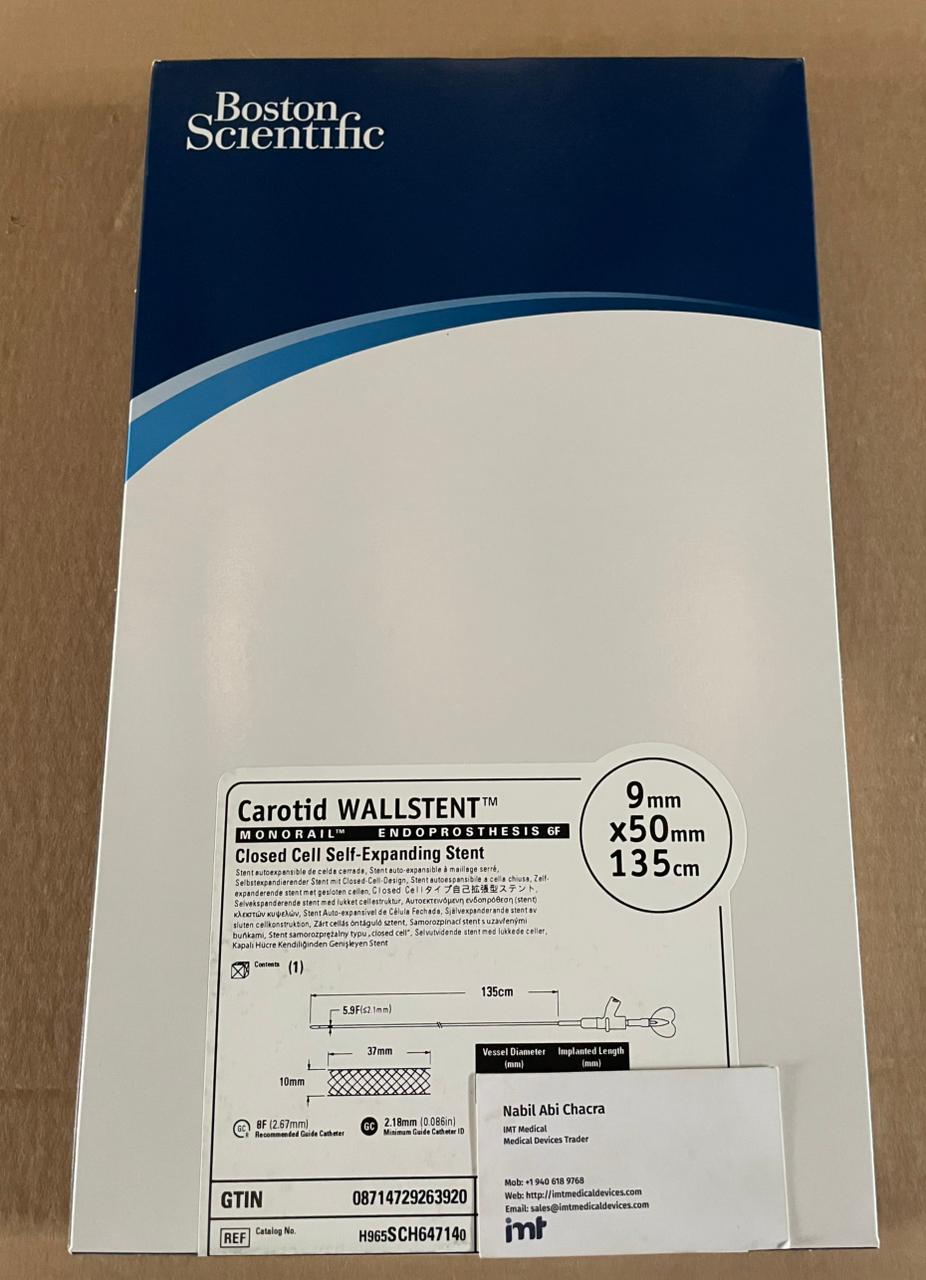
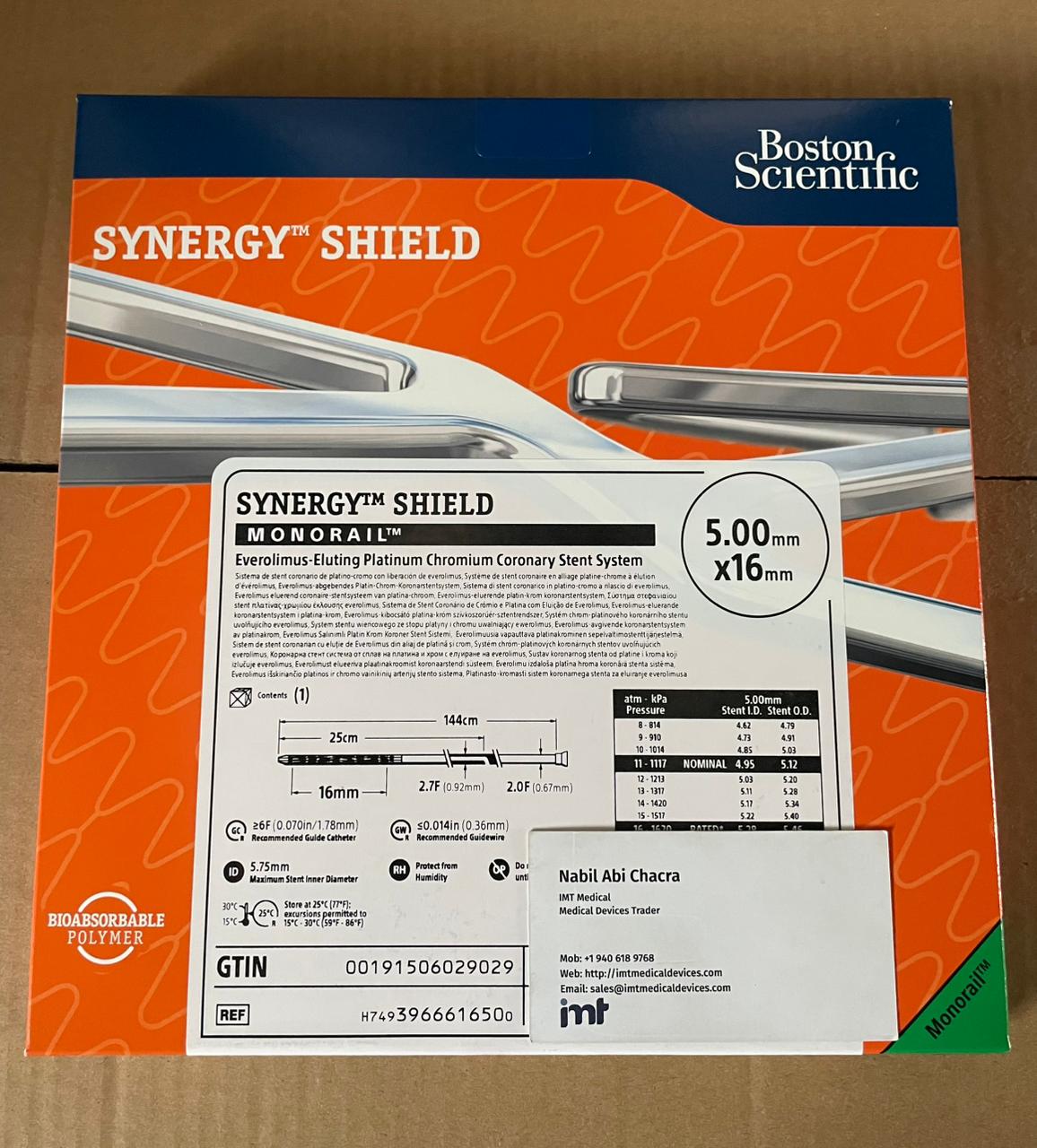
IMT Medical Devices functions as a high-capacity international distributor. We provide a consolidated portal for the industry's most prestigious manufacturers. By choosing IMT, procurement teams realize the benefits of a single-source medical supplier through immediate access to premium hardware from Medtronic, Boston Scientific, and Terumo. Our inventory includes specialized clinical technology such as drug-eluting stents, permanent pacemakers, and PTCA balloon catheters. This manufacturer-centric approach prioritizes authentic technology and technical precision across every SKU.
Our operational footprint is designed for rapid global reach. With strategic logistical hubs in Georgia, Dubai, Turkey, and Poland, we minimize transit times for critical cardiology and surgical supplies. We manage the complex documentation required for exports to over 50 countries. Every shipment of electrophysiology catheters or surgical staplers arrives with verified technical certifications. This localized expertise allows us to bridge the gap between major global producers and regional healthcare providers. We don't just move boxes; we manage the technical and regulatory flow of high-stakes medical inventory.
Global Reach with Localized Logistical Expertise
A multi-office strategy is essential for reducing transit times for high-stakes hardware. Critical items like Cardiac Rhythm Management (CRM) devices and drug-eluting stents require specialized handling and temperature-controlled environments. Our team speaks the technical language of manufacturers and clinical providers. This ensures that technical specifications for Asahi Intec guidewires or Medtronic ICDs are communicated accurately. We prioritize logistical reliability. This allows hospitals to maintain procedure schedules without the risk of manufacturer-specific delays. By maintaining a strategic presence in key trade zones, we provide a consistent flow of premium technology to emerging and established markets alike.
Consolidating Your Procurement with IMT
B2B procurement is simplified through our unified inventory feed. We provide a reliable supply chain for bulk medical supplies and surgical consumables. Whether you require diagnostic guide wires, guiding catheters, or peripheral stents, our catalog is organized for rapid retrieval and precise ordering. We remove the administrative friction of managing dozens of individual manufacturer relationships. This consolidation ensures product availability and technical accuracy for every intervention. Our inventory includes:
- Medtronic Products: Permanent Pacemakers, ICDs, and PTCA Catheters.
- Boston Scientific Products: Drug-Eluting Stents and Electrophysiology hardware.
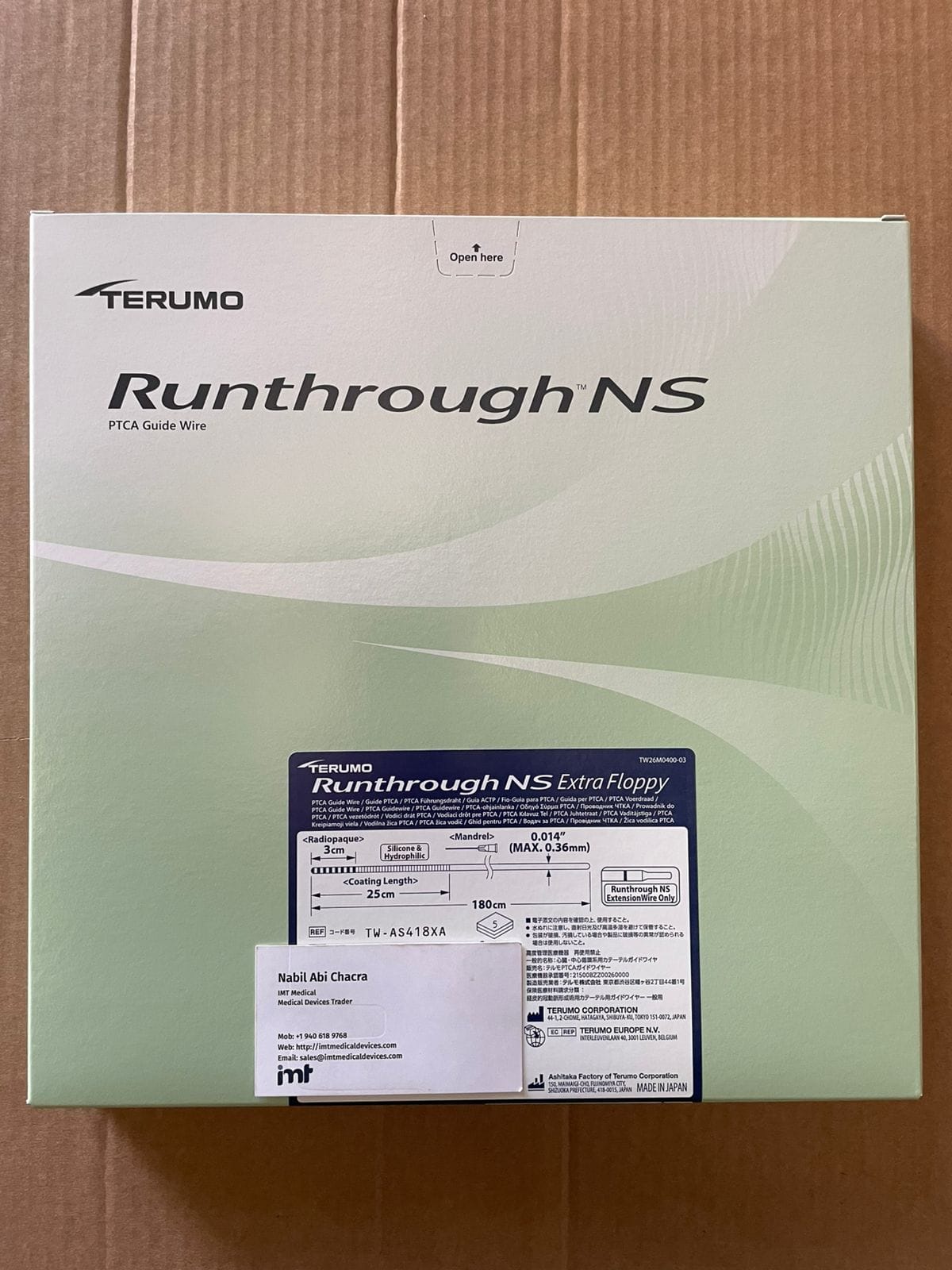
- Terumo Products: Guiding Catheters and Diagnostic Guide Wires.
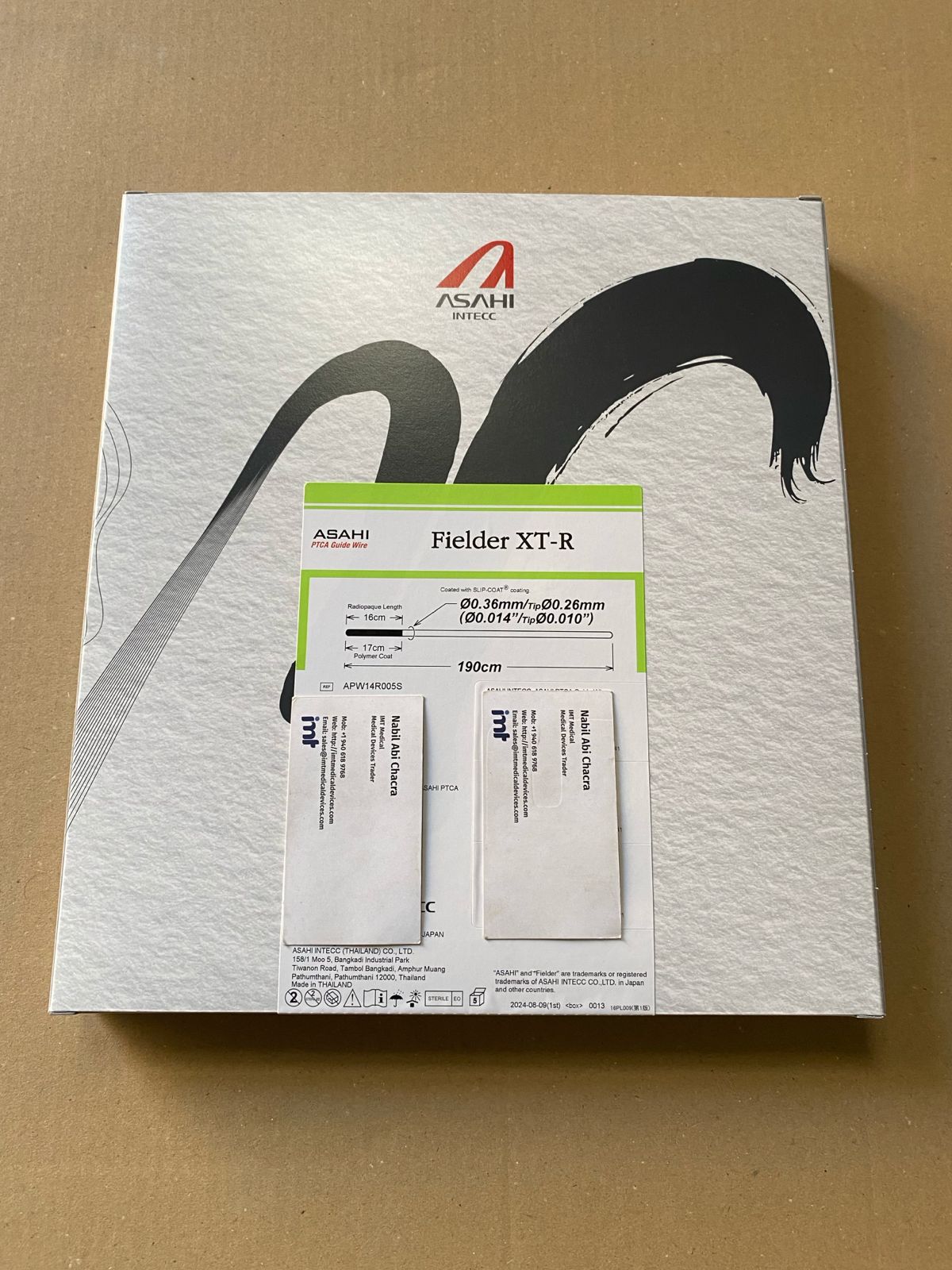
- Asahi Intec Products: Specialized Guidewires and technical accessories.
Reliable supply chain solutions prioritize product availability over brand storytelling. We ensure that your facility has the specific hardware required for interventional cardiology and rhythm management without the complexity of multi-vendor auditing. Optimize your medical procurement with IMT Medical Devices today to secure your access to authentic, high-end medical technology.
Optimizing Global Procurement Frameworks for 2026
Consolidating medical hardware acquisition into a single logistical stream is a strategic necessity for high-stakes clinical environments. By centralizing the procurement of permanent pacemakers, drug-eluting stents, and PTCA balloon catheters, organizations eliminate the administrative friction of managing dozens of manufacturer contracts. This transition reduces soft costs and ensures technical documentation remains consistent across international borders. One of the primary benefits of a single-source medical supplier is the ability to maintain inventory stability through a unified regulatory and logistical shield.
IMT Medical Devices provides this stability through strategic hubs in Dubai, Georgia, Turkey, and Poland. We manage complex documentation for exports to over 50 countries, ensuring that authentic technology from Medtronic, Terumo, and Boston Scientific is always accessible. Our manufacturer-centric approach prioritizes technical identifiers and logistical precision to protect your sterile field from stockouts. Streamline your global medical supply chain with IMT Medical Devices to secure a resilient and efficient procurement channel. Reliable partnerships build stronger healthcare systems.
Frequently Asked Questions
What is the main difference between single-sourcing and sole-sourcing in healthcare?
Single-sourcing is a strategic decision to consolidate procurement with one distributor, while sole-sourcing is a necessity when only one manufacturer exists for a specific item. In healthcare, single-sourcing allows you to access multiple premium brands through one portal. This preserves clinical variety while simplifying the administrative layer for hospital systems.
Can single-sourcing a medical supplier actually reduce my overall procurement costs?
Consolidating spend leads to significant financial gains by reducing soft costs associated with processing numerous invoices and vendor audits. One of the primary benefits of a single-source medical supplier is the ability to leverage total procurement volume for tiered pricing across categories like PTCA balloon catheters and surgical staplers. It also lowers freight costs through single-manifest shipping.
How does a single-source distributor help with international customs and documentation?
A single-source partner centralizes the management of Certificates of Analysis (CoA) and technical identifiers. They handle the specific export documentation required for over 50 countries. This reduces the risk of customs delays and ensures compliance with international standards like the FDA QMSR and the EU's EUDAMED registration requirements for 2026.
Is it risky to rely on one supplier for critical items like Drug-Eluting Stents?
Reliability increases when a distributor holds inventory from multiple manufacturers. If one brand faces a shortage, a high-capacity distributor allows you to pivot between Medtronic and Boston Scientific drug-eluting stents. This multi-brand inventory serves as a buffer that protects your sterile field from manufacturer-specific stockouts and localized shortages.
Does single-sourcing limit my access to different medical brands?
Strategic single-sourcing actually expands your access to prestigious global manufacturers. You gain a unified bridge to Medtronic, Terumo, and Asahi Intec products without maintaining separate accounts for each. This model prioritizes technical precision and ensures a steady supply of specialized hardware from leading producers through a single technical interface.
What should I look for when vetting a single-source medical distributor?
Focus on logistical reach and technical expertise. Look for a distributor with strategic hubs in regions like Dubai, Georgia, and Poland to ensure rapid global delivery. Verify their ability to manage complex documentation and their relationships with major brands like Abbott and Boston Scientific to ensure a reliable supply of authentic technology.
How does single-sourcing affect inventory management and lead times?
Procurement consolidation leads to more predictable lead times through single-manifest shipping. It removes the logistical noise of receiving separate shipments for diagnostic guide wires and permanent pacemakers. Coordinated supply-demand data minimizes the financial risk of overstocking and ensures that capital isn't tied up in expiring inventory or redundant safety stock.
Can a single-source partner assist with cold-chain logistics for sensitive implants?
Specialized handling is a core competency for experienced international distributors. A single-source partner ensures consistent cold-chain integrity for sensitive implants and CRM devices through a unified chain of custody. This structured approach protects technical specifications and manufacturer reputations from the point of origin to the final clinical destination.