
Total Cost of Ownership for Medical Devices: A 2026 Procurement Framework
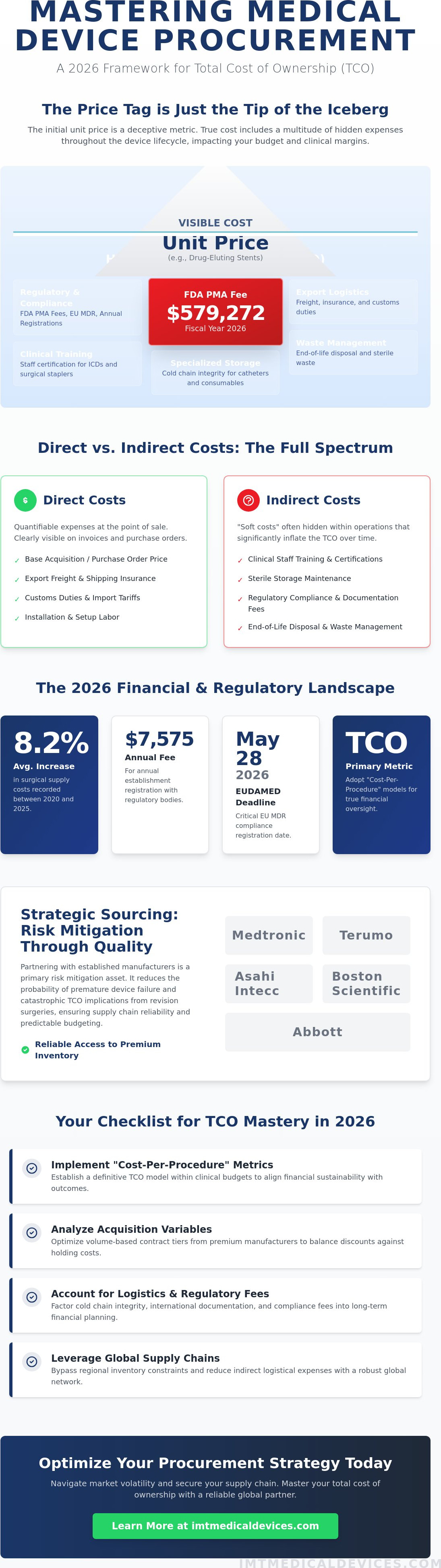
The standard FDA fee for a Premarket Application (PMA) reached $579,272 for fiscal year 2026. For high-volume procurement of Drug-Eluting Stents or Permanent Pacemakers, the unit price is merely the entry point. Professionals recognize that total cost of ownership for medical devices remains the only metric that accounts for unpredictable export logistics, regulatory registration fees, and the 8.2% average increase in surgical supply costs recorded between 2020 and 2025. Hidden expenses like the $7,575 annual establishment registration fee or EU MDR compliance bottlenecks can destabilize even the most robust budgets.
You already know that logistical friction and inconsistent consumable supply erode clinical margins. This 2026 procurement framework promises to help you master the financial landscape through a technical breakdown of lifecycle costs and manufacturer-specific variables. We provide a direct analysis of logistics efficiency, regulatory mandates like the May 28, 2026, EUDAMED registration deadline, and strategies for securing reliable access to premium inventory from Asahi Intec, Terumo, and Medtronic.
Key Takeaways
- Implement "Cost-Per-Procedure" metrics to establish a definitive total cost of ownership for medical devices within 2026 clinical budgets.
- Analyze acquisition variables for premium manufacturers including Medtronic, Terumo, and Asahi Intec to optimize volume-based contract tiers.
- Account for export logistics, cold chain integrity, and international regulatory documentation fees in long-term financial planning.
- Factor in the operational impact of manufacturer-original consumables and clinical training requirements for ICDs and surgical staplers.
- Leverage global supply chain networks to bypass regional inventory constraints and reduce indirect logistical expenses.
Defining Total Cost of Ownership (TCO) in Medical Device Procurement
Effective procurement in 2026 requires a transition from isolated unit pricing to a comprehensive analysis of Total Cost of Ownership (TCO). This financial framework aggregates every expenditure throughout the device lifecycle, from initial requisition to end-of-life disposal. For high-acuity hardware like Implantable Cardioverter Defibrillators (ICDs) or Drug-Eluting Stents, the sticker price is a deceptive metric. Hospital groups and international distributors now prioritize 'Cost-Per-Procedure' models to ensure clinical outcomes align with financial sustainability.
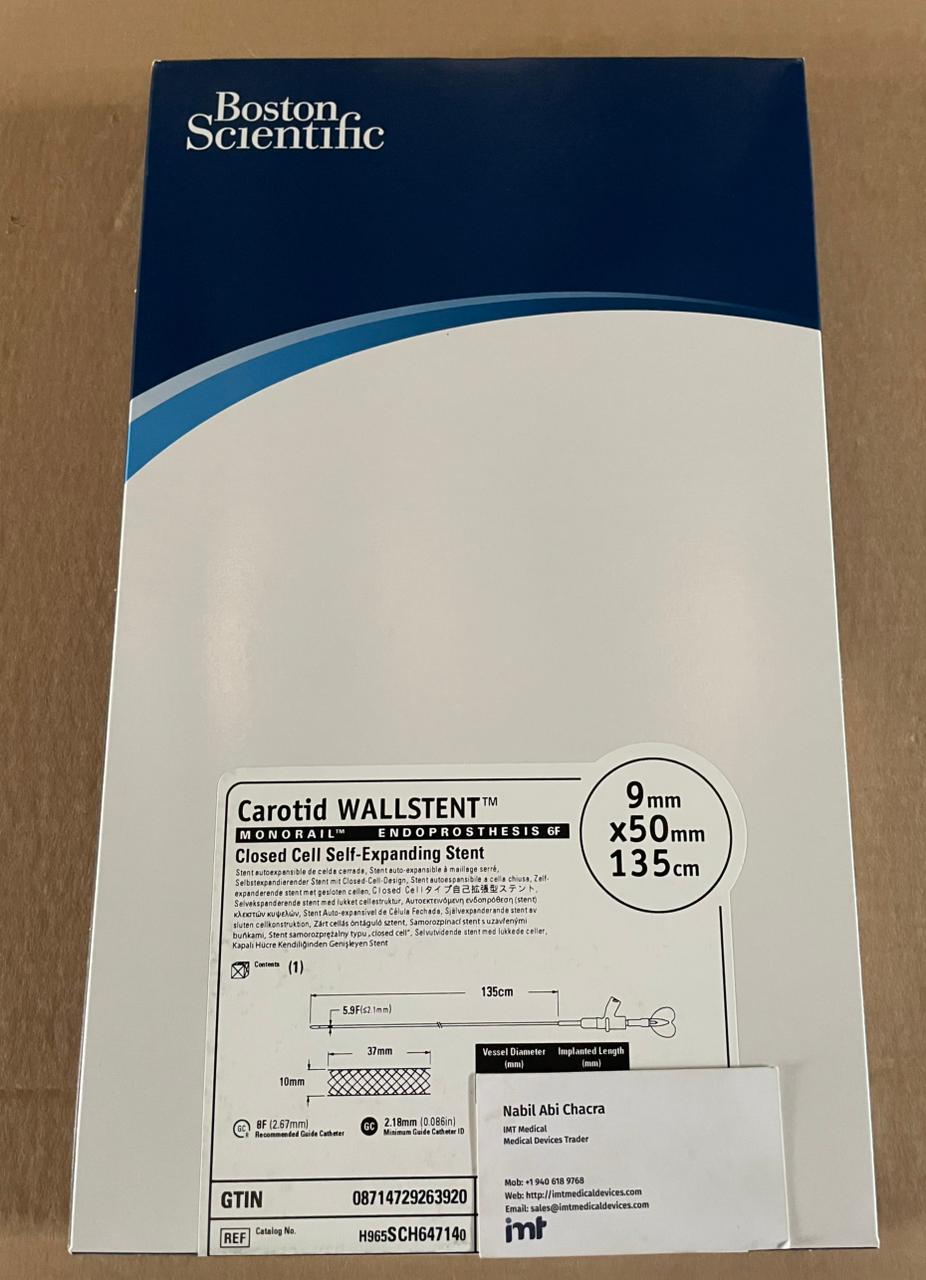
Manufacturer reputation functions as a primary risk mitigation asset. Sourcing from established entities like Medtronic or Boston Scientific reduces the probability of premature device failure and subsequent revision surgeries. These events carry catastrophic TCO implications that far exceed initial savings from generic alternatives. Reliability in the global supply chain is no longer a luxury; it's a fundamental requirement for predictable budgeting in high-stakes clinical environments.
Strategic procurement relies on the synchronization of clinical demand and logistical capacity. International distributors must account for the 8.2% average increase in medical supply costs recorded by industry analysts through 2025. Centralized inventory management for Permanent Pacemakers and Electrophysiology Catheters minimizes the financial impact of localized shortages. Precise TCO modeling enables these entities to maintain consistent supply chains despite regional market fluctuations.
Direct vs. Indirect Costs in Healthcare Technology
Direct costs are quantifiable at the point of sale. These include the base acquisition price, export freight for international transit, and installation labor for hardware. Indirect costs often remain hidden within hospital operations. Regulatory compliance fees, specialized storage for catheters, and clinical staff training for complex surgical staplers constitute significant 'soft costs.' Identifying these variables is essential for maintaining profit margins in B2B medical distribution.
- Direct Costs: Purchase order price, shipping insurance, and customs duties.
- Indirect Costs: Staff certifications, sterile storage maintenance, and waste management.
The 2026 Global MedTech Economic Landscape
The 2026 market faces distinct inflationary pressures on medical-grade polymers and raw materials. Supply chain volatility continues to disrupt the availability of specialized items like PTCA Balloon Catheters and Diagnostic Guide Wires. International wholesalers stabilize these costs by providing centralized access to premium brands like Terumo and Asahi Intec. Utilizing a robust total cost of ownership for medical devices strategy allows procurement officers to mitigate these macroeconomic risks. This approach prioritizes logistical reliability and manufacturer-direct quality over low-cost, high-risk alternatives.
The Four Primary Components of Medical Equipment Lifecycle Costs
Analyzing the total cost of ownership for medical devices requires a granular breakdown of four distinct lifecycle phases. Procurement professionals often over-index on acquisition while neglecting the cumulative impact of operational and maintenance variables. A structured total cost of ownership model ensures that long-term fiscal obligations are visible before the initial purchase order is executed. This framework is essential for managing high-acuity inventory like Permanent Pacemakers and Surgical Staplers, where failure to account for indirect costs can lead to significant budget deficits.
Acquisition Strategies for High-Volume Consumables
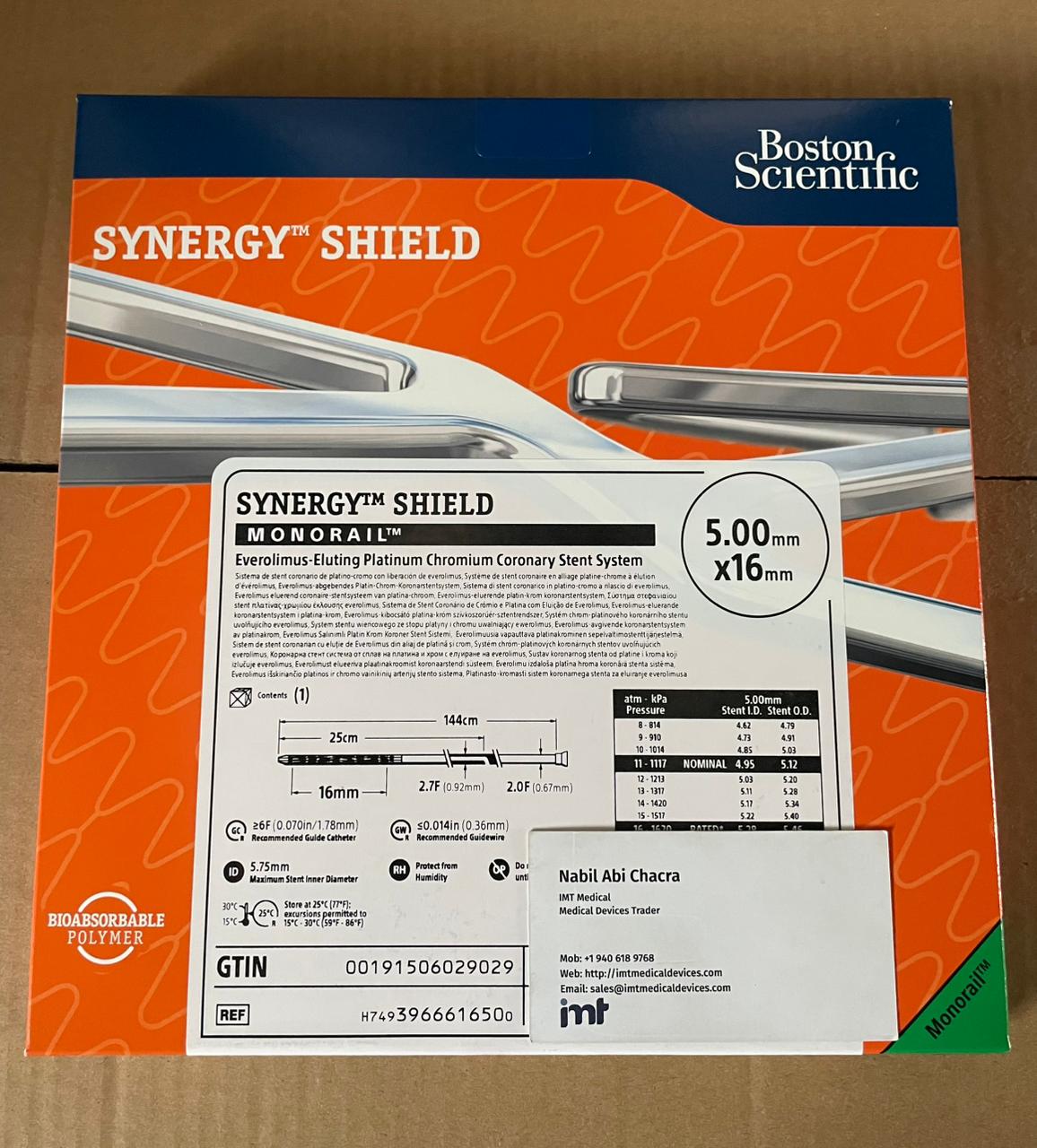
Acquisition involves more than the base unit price. It encompasses manufacturer contract rates, volume-based discount tiers, and purchase order management. Efficient procurement of drug-eluting stents and balloon catheters requires precise volume-tier optimization. Analyzing manufacturer-specific pricing from Medtronic, Boston Scientific, and Abbott reveals significant variance in contract structures. Balancing inventory holding costs against bulk discounts is critical. Overstocking leads to capital tie-up and expiration risks; understocking triggers urgent freight fees that inflate the total cost of ownership for medical devices. Successful procurement teams utilize centralized data to identify the most efficient purchase points across global markets.
Operational Demands of Sensitive Medical Hardware
Operational costs cover daily utilization and clinical accessory replenishment. Specialized storage requirements for permanent pacemakers and ICDs necessitate controlled environments, adding to the facility overhead. Effective inventory management for PTCA balloon catheters involves tracking shelf-life and sterilization cycles. Clinical accessories like guidewires and guiding catheters require constant replenishment. These recurring expenses represent the "operational iceberg" that often exceeds the initial purchase price of the primary device. Monitoring these replenishment cycles is vital for maintaining surgical throughput without interruption.
Maintenance and End-of-Life considerations complete the TCO profile. Specialized calibration for cardiology devices and surgical hardware ensures clinical accuracy and regulatory compliance. These services often require manufacturer-certified technicians, adding a fixed annual cost to the device's lifespan. As devices reach the end of their functional lifespan, decommissioning costs must be factored in. This includes data protection compliance for smart devices and structured asset replacement cycles. Organizations that ignore these final phases face unpredictable capital expenditures and potential regulatory penalties. Establishing a predictable replacement cycle for ICDs and stents ensures that clinical teams always have access to current technology. For institutions seeking to streamline these complex procurement phases, securing a reliable international supply partner can significantly reduce logistical friction and administrative overhead.
Evaluating Export Logistics and Regulatory Compliance in TCO
Logistics dictate the final landed cost and long-term financial performance of any procurement program. Freight forwarding, cold chain integrity, and specialized handling represent significant portions of the total cost of ownership for medical devices. Managing specialized transport for high-value implants like Permanent Pacemakers or ICDs requires a robust international infrastructure. Utilizing regional hubs in Georgia, UAE, Turkey, and Poland reduces transit TCO by optimizing local customs routes and shortening lead times for critical inventory. Strategic office placement minimizes the financial burden of extended transit and improves liquidity by accelerating inventory turnover.
Reliable distribution partners mitigate the risks of compromised device integrity and expired sterile packaging. Inefficient logistics aren't just a delay; they represent a total loss of the capital asset if temperature thresholds are breached. For institutions sourcing brands like Medtronic, Boston Scientific, and Terumo, the logistical framework is as vital as the hardware itself. Established export corridors ensure that technical specifications and manufacturer reputations are preserved from the warehouse to the clinical setting.
International Shipping for Sensitive Medical Implants
Managing cold chain requirements for bio-absorbable materials and drug coatings is non-negotiable for 2026 procurement. Drug-Eluting Stents require strict temperature controls to maintain pharmaceutical efficacy during transit. Specialized packaging for guidewire and catheter protection prevents mechanical deformation during long-haul air freight. Transit time directly impacts cash flow; longer durations tie up capital in "floating inventory." For high-demand items like PTCA Balloon Catheters, reducing transit by even 48 hours can significantly lower the cumulative total cost of ownership for medical devices.
Customs and Regulatory Documentation Management
Navigating regional certifications involves substantial administrative fees and technical expertise. As of January 2026, the FDA fee for an export certificate is $175.00 for the first certificate and $85.00 for subsequent requests. Compliance with the EU Medical Device Regulation (MDR) requires registration in the EUDAMED database by May 28, 2026. Failure to meet these deadlines halts market access and triggers severe financial penalties that erode the margins of B2B distributors and hospital groups.
- Regulatory Documentation: Certificates of Origin, specialized medical export invoices, and local health ministry approvals.
- Compliance Fees: FDA establishment registration and EU MDR transparency obligations.
- Risk Mitigation: Pre-clearing technical data to avoid customs demurrage and storage penalties.
Experienced logistical partnerships reduce the hidden costs of non-compliance. Delays at customs often result from missing technical data or incorrect manufacturer codes. Ensuring all documentation is precise minimizes the risk of fines and ensures a predictable supply of Electrophysiology Catheters and Surgical Staplers. High-capacity distributors provide the regulatory expertise necessary to stabilize global procurement programs against shifting international mandates.
Strategic Budgeting: Accessories, Consumables, and Clinical Training
Strategic budgeting for interventional cardiology and general surgery requires a specific focus on clinical accessories and personnel readiness. The total cost of ownership for medical devices is heavily influenced by the compatibility and reliability of recurring consumables. Procurement officers often underestimate the impact of hardware standardization on long-term fiscal health. By maintaining device uniformity across a hospital network, institutions minimize the time required for staff to master different technical protocols and user interfaces. This approach lowers the indirect costs associated with repeated certifications and clinical errors.
The Hidden Cost of Low-Quality Accessories
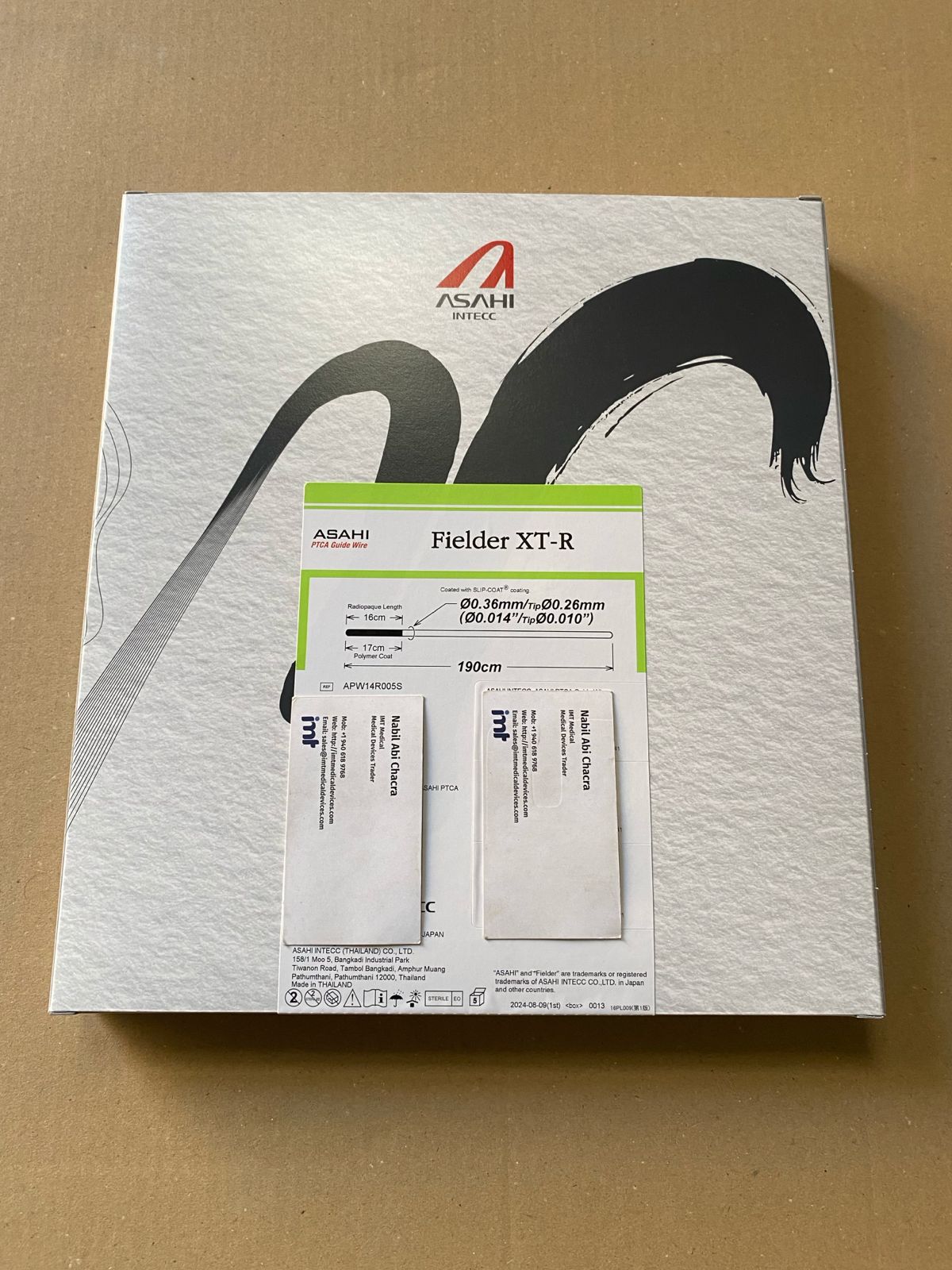
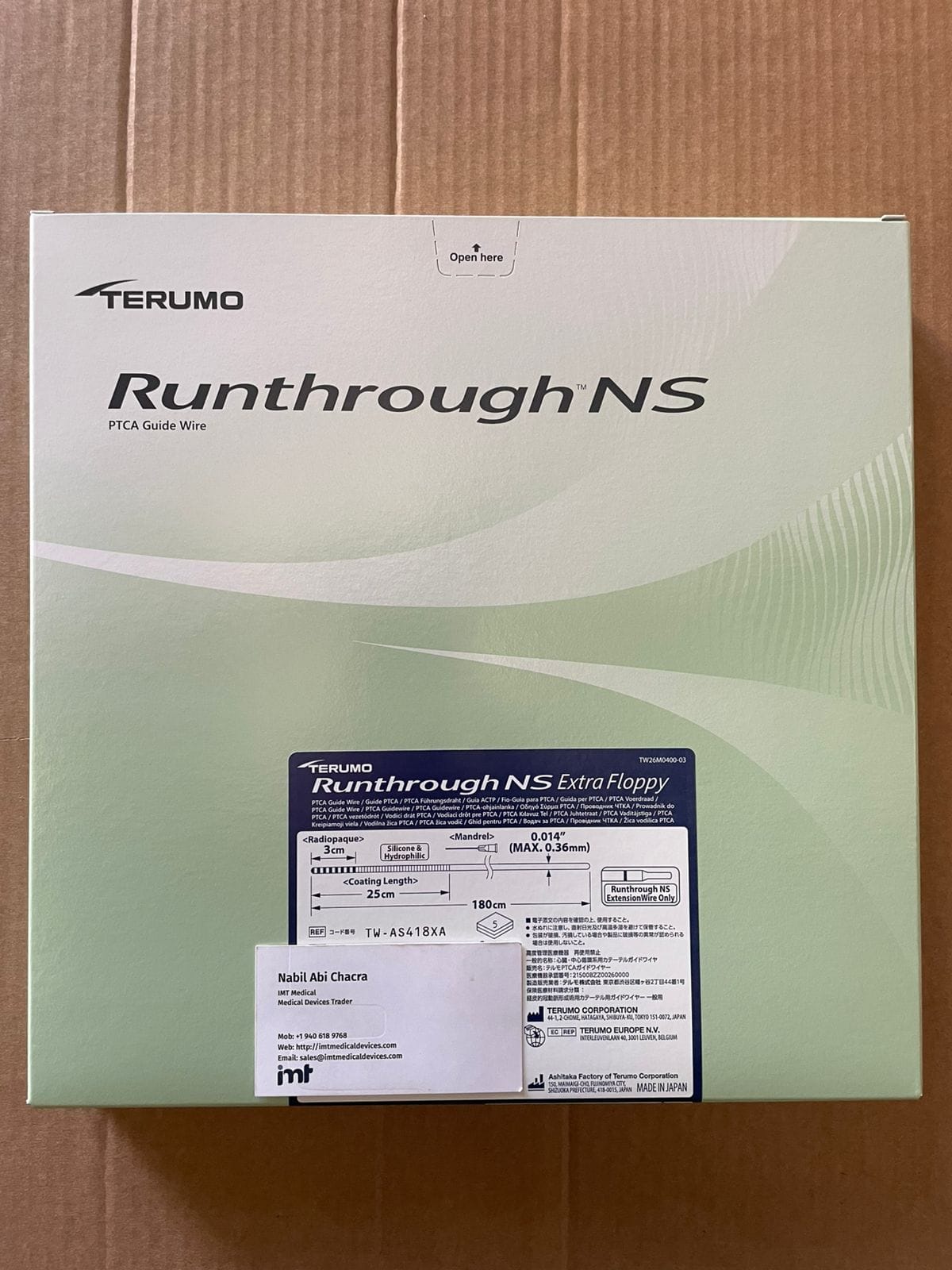
Generic accessories often present a false economy in high-stakes surgical environments. Surgical staplers are a primary example. Non-original stapler reloads frequently exhibit higher failure rates, leading to mechanical jams or incomplete staple lines. These events cause procedure downtime and compromise patient outcomes, which carry significant financial liabilities. Using manufacturer-certified diagnostic guide wires from Terumo or Asahi Intec ensures mechanical compatibility and preserves the functional lifespan of the primary catheter. Original components from brands like Abbott and Medtronic provide the precision necessary for complex interventional procedures, reducing the frequency of hardware-related delays.
Personnel Costs and Clinical Competency
Staff education for new-generation DES platforms or ICDs represents a significant indirect cost in the TCO model. Device user-interface complexity directly correlates with training requirements. Hardware with intuitive designs lowers the barrier to clinical competency and reduces the need for expensive, manufacturer-led training sessions. Streamlined procurement portals also help reduce administrative overhead by providing rapid access to technical specifications and clinical documentation. For procurement teams seeking to stabilize these recurring costs, securing original manufacturer accessories ensures clinical consistency and long-term financial predictability.
Consignment programs vs. direct purchase strategies represent the final pillar of strategic budgeting. Consignment models for high-turnover clinical items, such as peripheral stents or electrophysiology catheters, shift inventory holding risks to the distributor. This can be advantageous for managing expensive capital assets without tying up liquid budget. Direct purchase often remains the superior choice for high-volume consumables where volume-based discount tiers significantly reduce the total cost of ownership for medical devices. Successful procurement frameworks in 2026 utilize a hybrid approach, balancing consignment for specialized implants with direct procurement for high-frequency surgical hardware.
Optimizing Global Supply Chains to Minimize Ownership Costs
Supply chain optimization serves as the final lever for reducing the total cost of ownership for medical devices. High-capacity global wholesalers allow procurement professionals to bypass regional supply shortages that frequently disrupt clinical schedules. This is particularly critical for cardiac rhythm management devices, such as Permanent Pacemakers and ICDs, where stock-outs necessitate high-cost, emergency logistics. Centralized procurement within hospital groups creates economies of scale that are unattainable through fragmented local purchasing. Leveraging these global networks ensures a consistent supply of specialized hardware like PTCA Balloon Catheters and Electrophysiology Catheters.
Predictive inventory management ensures that stock levels for Diagnostic Guide Wires and Peripheral Stents align with procedural demand. This reduces the capital tied up in slow-moving inventory while maintaining clinical readiness. IMT Medical Devices functions as a vital bridge, connecting premium manufacturers with international markets through a robust distribution network. The entity's focus on technical identifiers and manufacturer reputations ensures that value lies in providing access to authentic, high-end technology.
Wholesale Efficiency and Volume-Tier Pricing
Accessing Medtronic and Terumo products through optimized export channels provides immediate access to volume-tier pricing. Acquisition TCO decreases when organizations utilize consolidated international shipments rather than multiple, smaller consignments. This strategy is essential for sourcing high-precision Asahi Intec and Abbott technologies. By aggregating demand for Surgical Staplers and Guidewires, procurement officers can secure price points that reflect global market conditions rather than localized inflation.
- Consolidated Logistics: Reducing per-unit shipping costs through bulk freight.
- Manufacturer Access: Securing authentic hardware from Medtronic, Boston Scientific, and Terumo.
- Pricing Tiers: Leveraging global market data to secure competitive contract rates.
Logistical Infrastructure as a Competitive Advantage
Strategic hubs in Dubai and Georgia function as logistical anchors, minimizing regional lead times for surgical hardware. Reducing lead time is a primary driver of TCO efficiency, as it lowers the requirement for safety stock and improves cash flow. Documentation accuracy remains a critical factor in logistical cost reduction. Precise technical codes and manufacturer identifiers prevent customs delays and associated demurrage fees. This industrial competence is necessary for the rapid retrieval of information in a high-speed inventory feed.
Organizations must prioritize partners with established export corridors. Efficient handling of Guiding Catheters and diagnostic hardware requires technical expertise in international commerce. For organizations looking to stabilize their 2026 budgets, the next step is clear. Request a technical quote for bulk cardiology supplies to identify immediate TCO reduction opportunities within your supply chain.
Maximizing Clinical Margins Through Logistical Integration
Effective 2026 procurement requires the synchronization of technical lifecycle analysis and expansive logistical reach. Transitioning from unit-based pricing to procedure-focused budgeting allows for predictable financial planning across hospital networks. Implementing a data-driven strategy for total cost of ownership for medical devices ensures long-term clinical viability while mitigating the impact of hidden regulatory fees and logistical bottlenecks. Reliable access to authentic technology remains the primary safeguard against procedural downtime and administrative friction.
IMT Medical Devices serves as a high-capacity gateway to premium manufacturers. As an authorized distributor for Medtronic, Terumo, and Boston Scientific, the entity manages complex export logistics to over 50 countries. Strategic operational hubs in the UAE, Georgia, and Poland facilitate rapid inventory turnover and ensure localized documentation accuracy for global customs clearance. This infrastructure supports the immediate retrieval of technical identifiers and preserves the clinical integrity of sensitive hardware like ICDs and Drug-Eluting Stents.
Take the next step in optimizing your supply chain and reducing indirect operational expenses. Request a wholesale quote for premium Medtronic and Abbott devices to stabilize your procurement framework with a partner focused on industrial competence and global scale. Build a resilient procurement infrastructure for the 2026 clinical landscape.
Frequently Asked Questions
What is the most significant hidden cost in medical device TCO?
Indirect operational expenses like regulatory compliance and sterile storage maintenance represent the largest hidden components. EU MDR transparency obligations and EUDAMED registration mandates starting May 28, 2026, add necessary but expensive administrative layers. These soft costs often remain invisible during the initial acquisition phase. They eventually inflate the total cost of ownership for medical devices over their full clinical lifespan.
How do export logistics impact the total cost of ownership for international buyers?
Logistics dictate the final landed cost through freight forwarding, cold chain integrity, and specialized handling fees. Inefficient transit routes increase inventory lead times and tie up capital in floating inventory. Utilizing strategic distribution hubs in Dubai or Poland reduces these expenses by optimizing regional customs clearance. Reliable logistics preserve the technical integrity of sensitive implants like Drug-Eluting Stents and Permanent Pacemakers.
Why is manufacturer reputation a factor in TCO calculations?
Reputation serves as a primary indicator of device reliability and long-term performance. Sourcing from established producers like Medtronic, Terumo, or Boston Scientific reduces the probability of premature failure. Revision surgeries and device recalls carry catastrophic financial implications. High-quality hardware from trusted names minimizes these risks. It ensures clinical outcomes align with the initial total cost of ownership for medical devices projections.
Can using generic accessories actually increase the total cost of ownership?
Yes, non-original accessories frequently lead to higher mechanical failure rates and procedure downtime. For example, generic surgical stapler reloads may cause jams that necessitate additional surgical intervention. These failures compromise patient safety and result in significant financial liabilities. Utilizing manufacturer-certified Guidewires and Guiding Catheters ensures mechanical compatibility. This preserves the functional lifespan of the primary hardware and prevents costly delays.
How does volume-based pricing affect the acquisition phase of TCO?
Volume-based tiers significantly reduce the base acquisition price through economies of scale. Procurement officers must balance these bulk discounts against inventory holding costs and expiration risks for sensitive consumables. Effective acquisition strategies utilize global market data to identify optimal purchase points. This approach ensures that institutions secure the most competitive contract rates for high-turnover items like PTCA Balloon Catheters.
What role does clinical training play in the lifecycle cost of medical devices?
Clinical training is a recurring indirect cost that scales with device complexity. Hardware with intuitive user interfaces, such as modern ICDs or DES platforms, reduces the time required for staff to master technical protocols. Standardizing device brands across a facility further lowers these costs by streamlining personnel certifications. High administrative overhead for training can erode the clinical margins of even the most affordable hardware options.
How can international wholesalers help hospitals reduce their procurement TCO?
Wholesalers provide centralized access to premium manufacturer inventory, bypassing localized supply shortages. By consolidating international shipments, these partners reduce per-unit freight costs and administrative documentation fees. Wholesalers bridge the gap between major producers and global markets. This logistical efficiency ensures a predictable supply of specialized hardware. It also minimizes the financial burden of urgent, small-scale procurement actions.
What are the regulatory costs associated with importing high-stakes medical implants?
Importing requires budgeting for FDA export certificates, which cost $175.00 for the first certificate as of January 2026. Annual establishment registration fees for manufacturers reached $7,575 for the 2026 fiscal year. Additional expenses include local health ministry approvals and specialized customs documentation. Non-compliance with these mandates results in severe fines and market access delays. These penalties compromise the financial stability of international procurement programs.