Vetting Global Medical Equipment Suppliers: A Strategic Procurement Guide
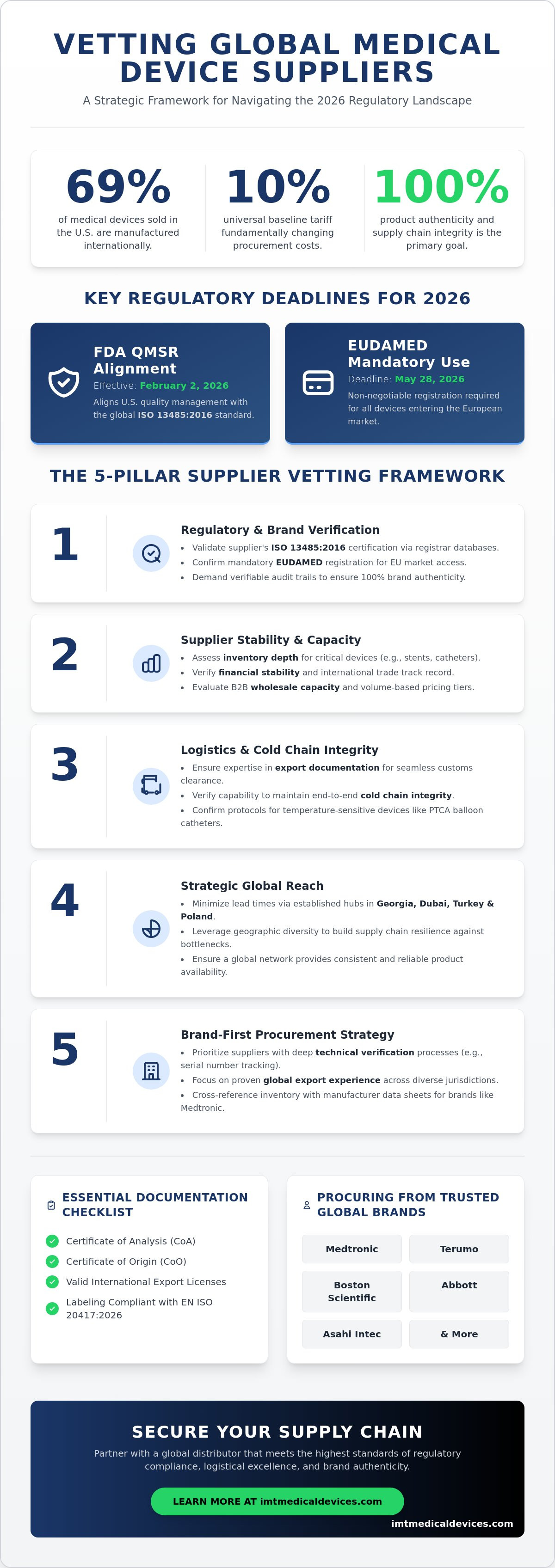
69% of medical devices sold in the U.S. are manufactured internationally, but a 10% universal baseline tariff and the new FDA Quality Management System Regulation (QMSR) have fundamentally changed the procurement landscape. Effective February 2, 2026, the federal alignment with ISO 13485:2016 requires a more rigorous approach to vetting global medical equipment suppliers. You recognize that sourcing Medtronic drug-eluting stents or Terumo PTCA balloon catheters involves more than comparing wholesale costs. It requires a partner capable of navigating EUDAMED mandatory registration by the May 28, 2026, deadline.
This guide provides the technical and logistical criteria for evaluating international distributors to ensure 100% product authenticity and supply chain integrity. You'll learn how to verify ISO 13485:2016 certifications, manage high-tariff components, and utilize the UK International Recognition Framework. We outline a strategic process to minimize cross-border lead times and establish a reliable, long-term supply chain for critical interventional and diagnostic technology.
Key Takeaways
- Validate ISO 13485:2016 compliance and EUDAMED registration to ensure 100% product authenticity for brands like Medtronic, Terumo, and Boston Scientific.
- Implement a strategic framework for vetting global medical equipment suppliers based on inventory depth, financial stability, and wholesale capacity.
- Assess logistical capability and export documentation expertise to maintain cold chain integrity for temperature-sensitive PTCA balloon catheters.
- Minimize cross-border lead times by leveraging distributors with established hubs in Georgia, Dubai, Turkey, and Poland.
- Secure supply chain resilience through a brand-first procurement strategy that prioritizes technical verification and global export experience.
The Stakes of Global Medical Device Procurement in 2026
Procurement in 2026 requires a fundamental shift in strategy. Vetting global medical equipment suppliers is the primary defense against supply chain volatility and clinical disruption. This process involves a comprehensive validation of technical, regulatory, and logistical capabilities. Failure in high-stakes environments, such as the cath lab or the operating room, is unacceptable. Procurement errors involving implantable cardioverter defibrillators (ICDs) or drug-eluting stents can halt clinical operations and compromise patient safety. With 69% of medical devices sold in the U.S. manufactured internationally, the integrity of the global supply chain is a critical operational pillar.
Risk mitigation focuses on avoiding counterfeit products and navigating regulatory bottlenecks. The FDA Quality Management System Regulation (QMSR) became effective on February 2, 2026. This regulation aligns U.S. standards with ISO 13485:2016, making it essential for suppliers to demonstrate strict adherence to global medical device regulations. Suppliers failing to meet these standards or the May 28, 2026, EUDAMED mandatory use deadline face immediate customs seizures and clinical delays.
Defining the Modern Vetting Process
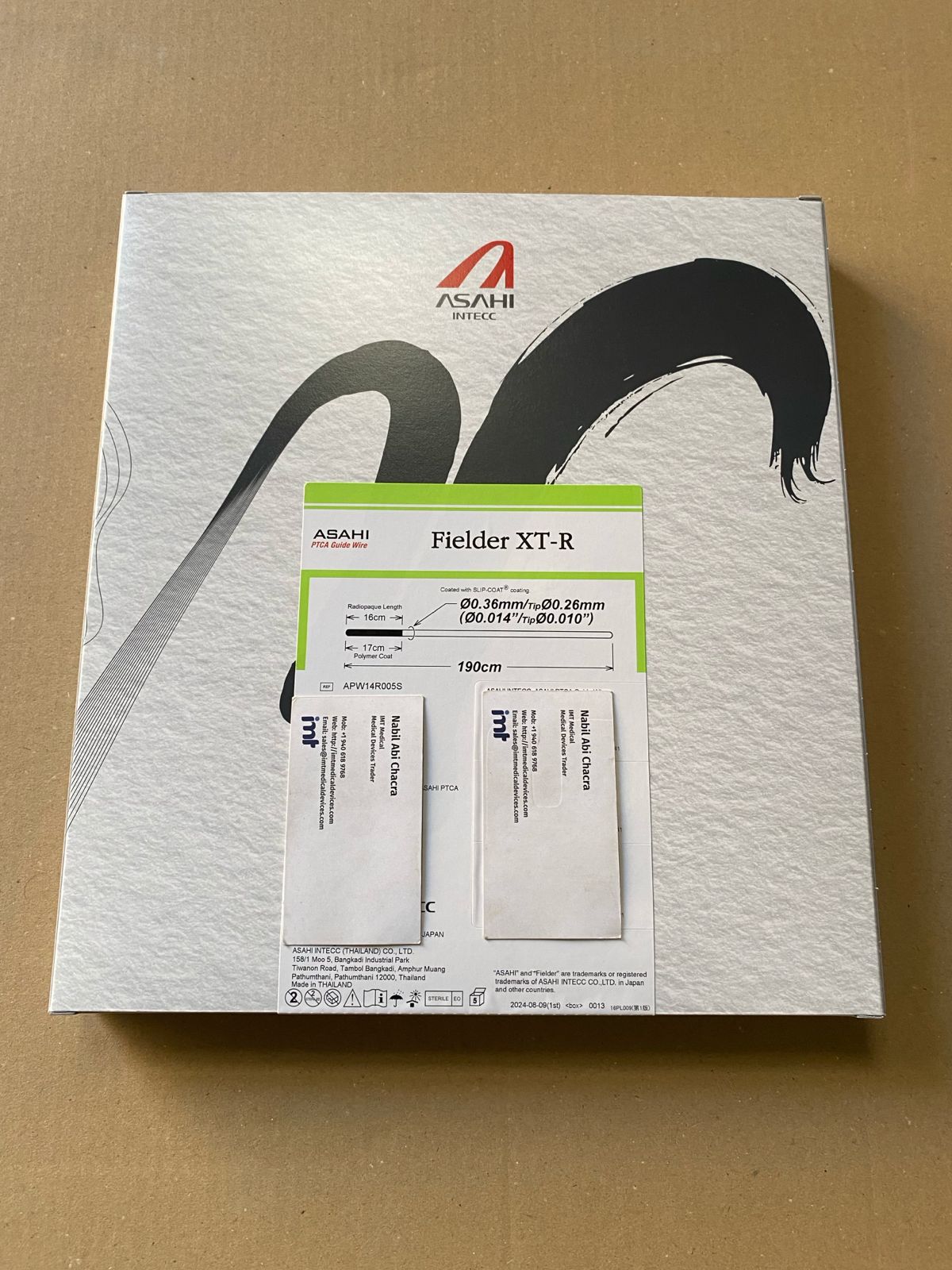
Modern vetting starts with technical verification. Procurement officers must cross-reference supplier inventory against manufacturer data sheets for Medtronic or Boston Scientific products. This includes checking model numbers for permanent pacemakers and ensuring technical specifications for Asahi Intec guidewires are current. A supplier's track record in international trade is equally important. Established distributors provide transparency through serial number tracking and batch records. This ensures every guiding catheter or surgical stapler is authentic and traceable back to the manufacturer. Vetting must also confirm that the supplier can handle the documentation required for seamless customs clearance across diverse jurisdictions.
Economic Drivers for Global Sourcing
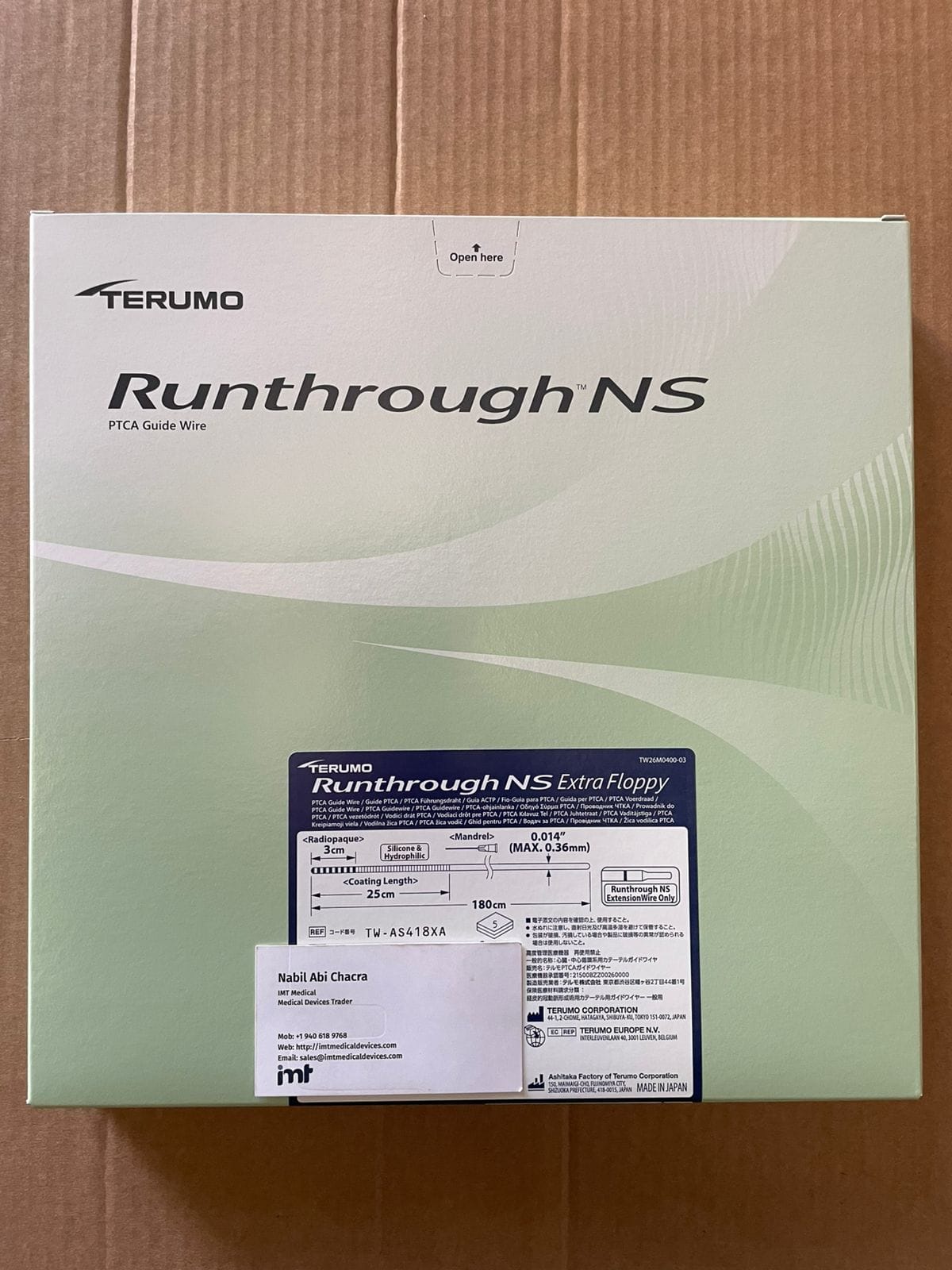
The transition from local purchasing to global wholesale models is driven by cost efficiency and inventory depth. B2B medical wholesale offers volume-based pricing tiers that local retail cannot match. Strategic international hubs in Georgia, Dubai, Turkey, and Poland provide access to diverse inventories of electrophysiology catheters and peripheral stents. This geographic diversity builds supply chain resilience. If one region experiences a logistical bottleneck, inventory from another hub ensures product availability. Balancing procurement costs with this level of resilience allows hospitals to maintain safety stocks without exceeding budget constraints. Accessing a global network of authentic brands like Terumo and Abbott is now a requirement for industrial competence in medical logistics.
Verification of Regulatory Compliance and Brand Authenticity
Effective vetting global medical equipment suppliers hinges on the technical validation of regulatory credentials. You must verify ISO 13485:2016 certification status via accredited registrar databases. This standard ensures the supplier maintains a robust Quality Management System (QMS) capable of handling sensitive interventional devices. For shipments entering the European market, mandatory EUDAMED registration by May 28, 2026, serves as a non-negotiable trust signal. Authentic medical device distribution depends on the supplier's ability to provide a verifiable audit trail from the manufacturer to the end-user.
Documentation is the primary evidence of product legitimacy. Every transaction for high-stakes devices, such as drug-eluting stents or implantable cardioverter defibrillators (ICDs), requires a Certificate of Analysis (CoA) and a Certificate of Origin (CoO). These documents confirm that the specific batch meets manufacturer specifications and identifies the production source. Without these certificates, customs clearance becomes a bottleneck, often leading to clinical disruptions. A pragmatic partner provides these documents as part of a standard transactional package, ensuring regulatory transparency and logistical speed.
Regulatory Documentation Standards
You need to audit the supplier’s export licenses in their home jurisdiction. A valid license confirms the business is authorized to distribute medical technology internationally. Verification of labeling standards is also critical. Labels must comply with EN ISO 20417:2026 requirements, specifying manufacturer details and unique device identification (UDI). An internal audit of the supplier’s QMS documentation reveals their commitment to quality. This includes reviewing their standard operating procedures for handling returns, recalls, and non-conforming products. Industrial competence is defined by this level of administrative precision.
Authenticity Checks for Premium Brands
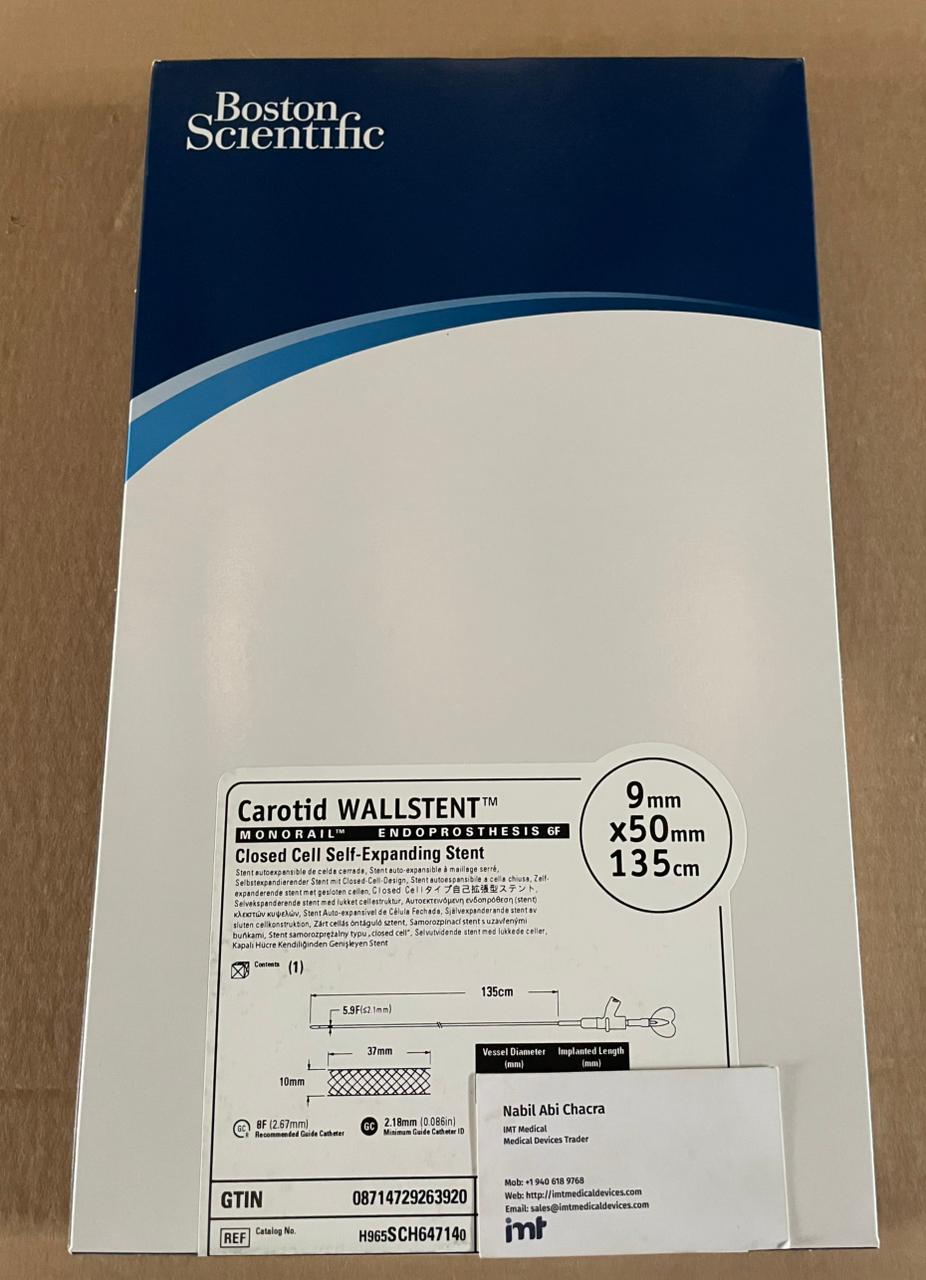
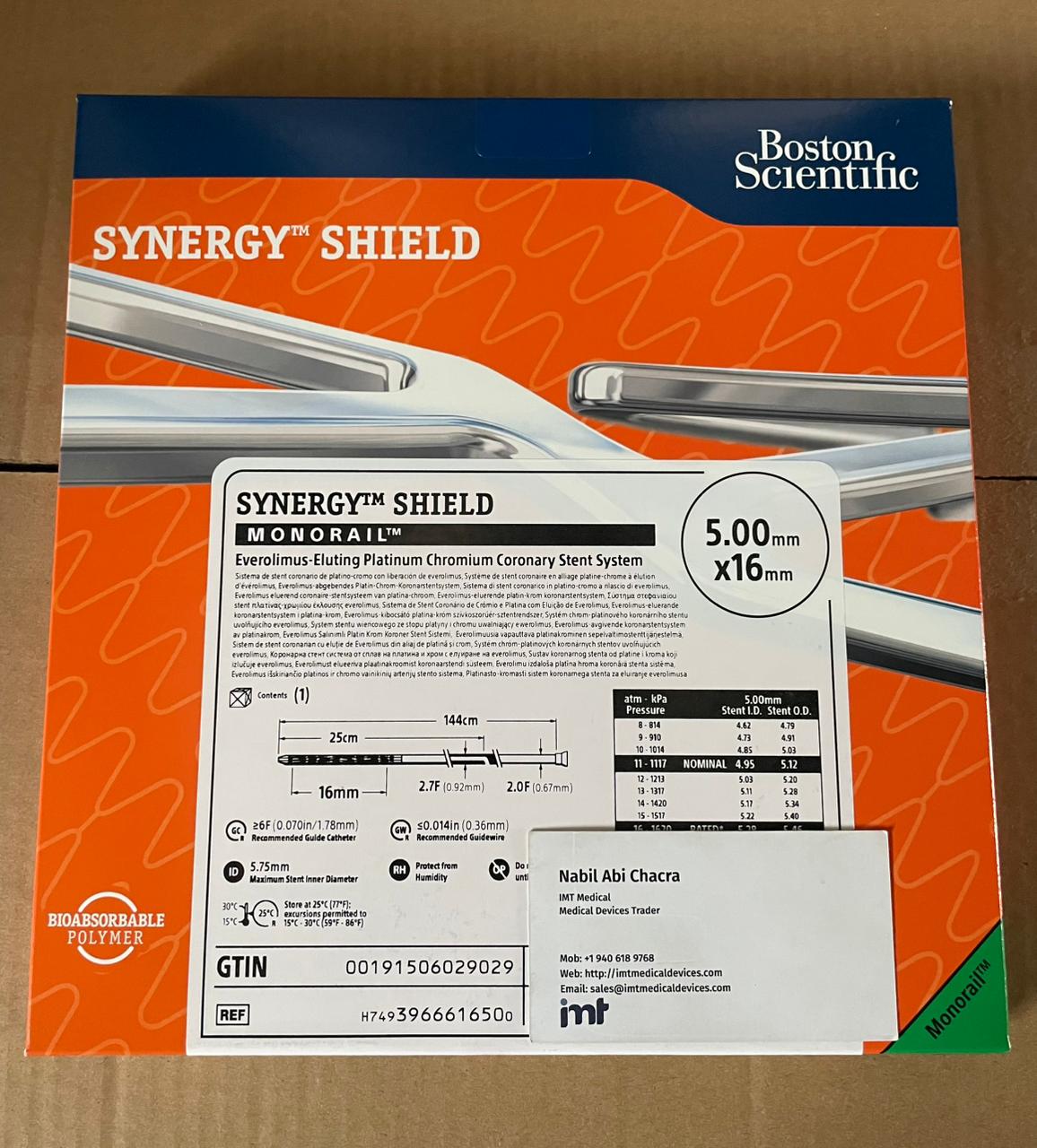
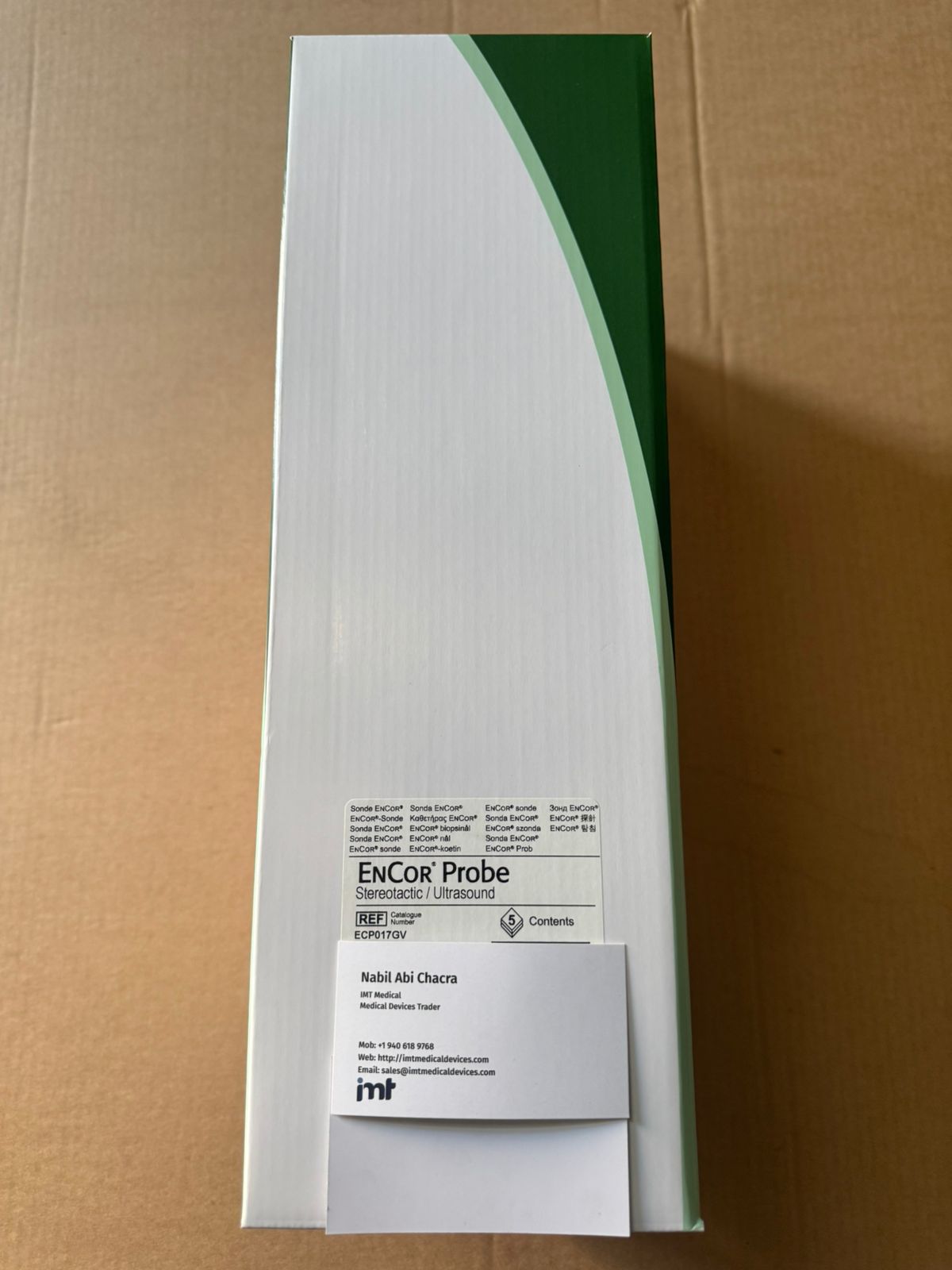
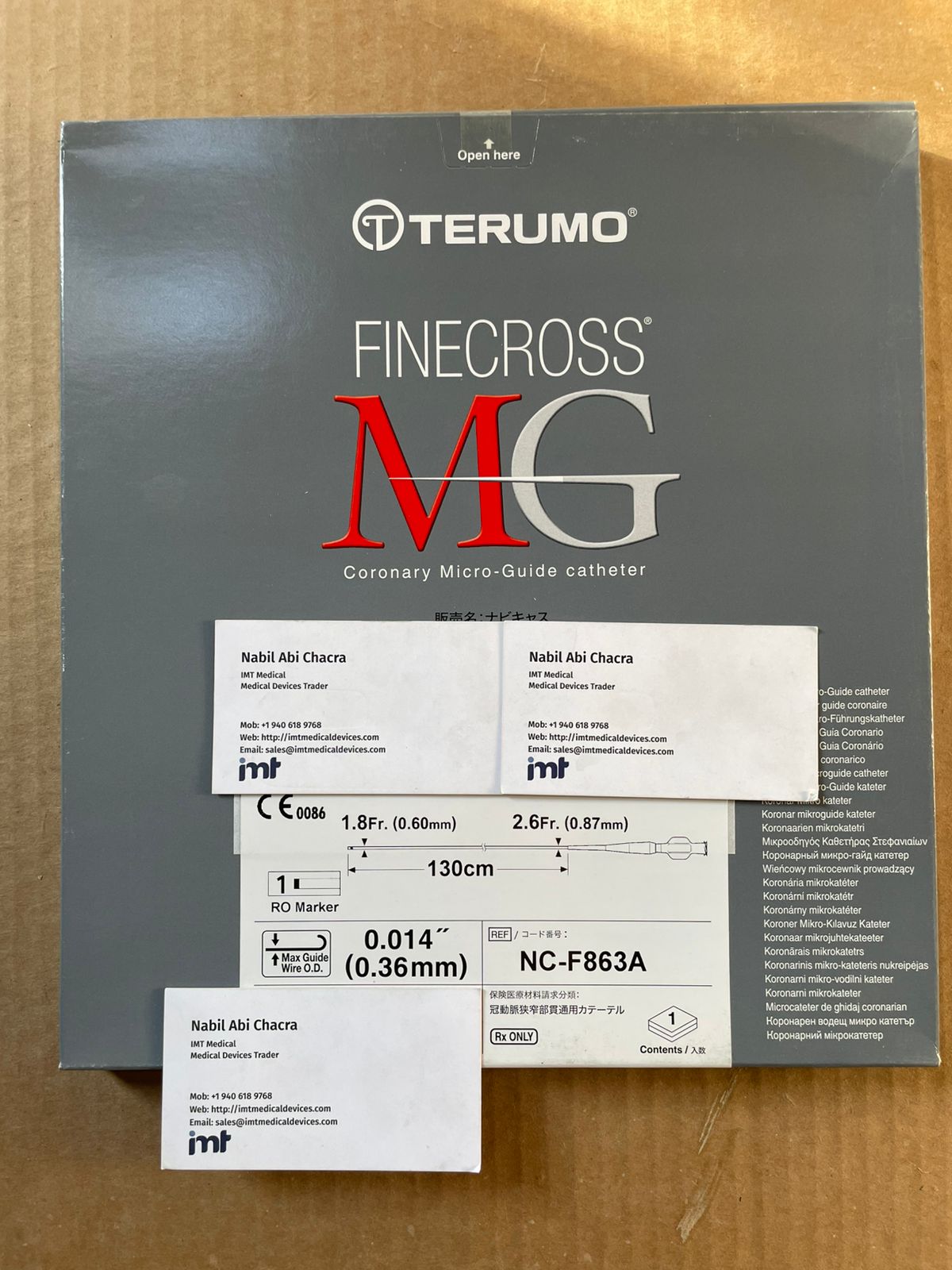
Procuring permanent pacemakers and other CRM devices requires direct or authorized sourcing evidence. You should evaluate the supplier's serial number tracking and lot control procedures. Authentic Medtronic, Terumo, and Abbott products carry unique identifiers that must match manufacturer records. Suppliers with deep relationships with major manufacturers like Boston Scientific or Asahi Intec offer higher security. They provide real-time data on product revisions and shelf-life status. This brand-first approach eliminates the risk of counterfeit or expired inventory. To ensure your facility receives genuine technology, you can contact IMT Medical Devices for current stock availability.
Evaluating International Logistics and Cold Chain Integrity
Logistical competence is the final barrier between a successful procurement and a clinical failure. When vetting global medical equipment suppliers, you must evaluate their ability to manage temperature-sensitive assets. Devices like ptca balloon catheters and drug-eluting stents (DES) are susceptible to thermal degradation. A supplier's infrastructure must include climate-controlled storage and specialized transit protocols to maintain the integrity of drug coatings and polymer materials. Without these safeguards, product authenticity is irrelevant if the device arrives non-functional.
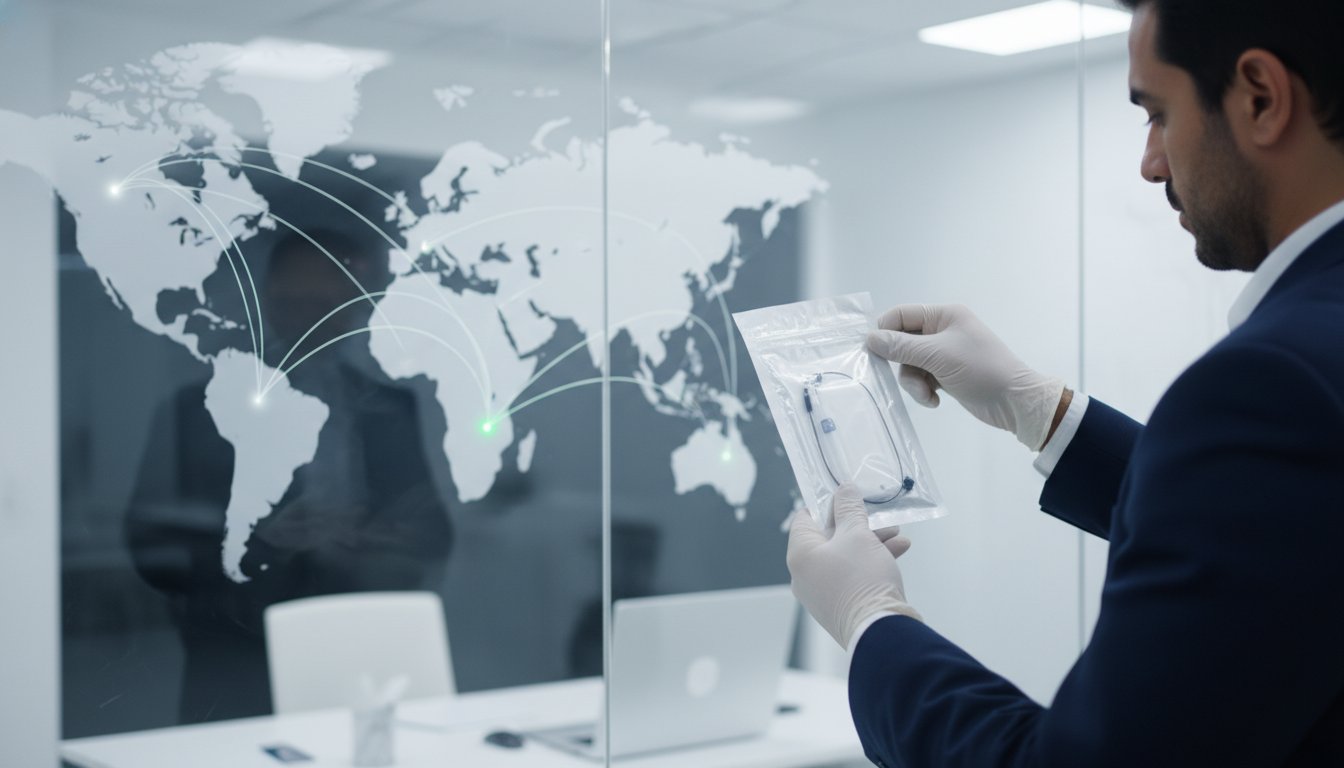
Strategic distribution requires a presence in key international hubs. Auditing a supplier's facilities in Georgia, Turkey, and Poland provides insight into their regional reach. These hubs facilitate rapid deployment across Europe, Central Asia, and the Middle East. High-capacity warehouses in these regions allow for safety stock management, shifting from "just-in-time" to "just-in-case" models. This geographic diversification mitigates the risks of geopolitical instability and port congestion. It's a pragmatic approach to ensuring consistent supply for high-demand items like permanent pacemakers and guidewires.
Cold Chain and Sensitive Handling
Technical vetting includes a review of temperature monitoring protocols. Suppliers must utilize calibrated data loggers for every international shipment of DES or catheters. These devices provide a time-stamped thermal record, ensuring the product remained within the manufacturer-specified range. Packaging standards for sterile medical consumables also require inspection. Double-walled corrugated boxes and specialized thermal liners protect against physical damage and environmental fluctuations. Industrial-grade logistics rely on partnerships with specialized medical carriers who understand the urgency of sterile device transport. This level of detail separates a standard wholesaler from a critical supply chain partner.
Customs and Regulatory Documentation
Export documentation expertise is essential to prevent customs delays. A supplier with a proven "Export 50 Country" record understands the nuances of regional regulatory requirements. You should assess the accuracy of their HS code classifications. Incorrect codes lead to overpayment of tariffs or shipment seizures. Professional invoices must include detailed product descriptions, model numbers, and batch details for every guiding catheter or surgical stapler. Comprehensive shipping manifests and real-time tracking provide the transparency needed for precise inventory planning. This administrative efficiency ensures that technical specifications translate into clinical availability without regulatory friction.
Strategic Vetting Framework: 5 Essential Assessment Pillars
A systematic evaluation process is the only way to ensure supply chain integrity. A strategic framework for vetting global medical equipment suppliers consolidates technical, financial, and logistical requirements into five assessment pillars. This approach moves beyond price-based selection to focus on long-term operational reliability. Professional procurement officers use these pillars to filter out high-risk entities and establish partnerships with capable international wholesalers.
- Pillar 1: Inventory Depth and Brand Portfolio. High-capacity distribution requires immediate access to Medtronic, Terumo, and Abbott portfolios. A supplier must demonstrate stock availability for coronary intervention, neurovascular, and electrophysiology categories.
- Pillar 2: Financial Stability and Wholesale Capacity. Suppliers need the capital to manage high-volume B2B orders. This includes the ability to offer volume-based pricing tiers and maintain safety stocks in regional hubs to mitigate the 10% universal baseline tariff.
- Pillar 3: Regulatory Compliance and Quality Assurance. Verification of ISO 13485:2016 and the 2026 QMSR standards is mandatory. Quality assurance protocols must cover everything from intake to final export.
- Pillar 4: International Logistics and Documentation Expertise. Proven expertise in exporting to 50 countries ensures documentation accuracy. This prevents customs seizures and minimizes cross-border friction.
- Pillar 5: Technical Support and Post-Sale Reliability. This involves rapid provision of technical sheets and support for product recalls or revisions. Reliable partners provide model-specific details for ICDs and pacemakers instantly.
Inventory and Brand Diversity
Does the supplier maintain stock of high-demand items like guidewires and guiding catheters? Effective vetting global medical equipment suppliers requires confirming they can fulfill multi-brand orders. Consolidating Medtronic, Terumo, and Boston Scientific products into a single shipment streamlines procurement and reduces administrative overhead. You should also verify the average lead time for wholesale cardiology products. Suppliers with established hubs in Poland or Turkey often provide faster turnaround times than those relying on a single geographic location. Consistency in inventory availability is a primary marker of industrial competence.
Support and Reliability Benchmarks
Responsiveness to technical RFQs (Request for Quotation) is a key reliability marker. Professional distributors provide technical specifications and pricing within 24 to 48 hours. Dedicated account management ensures that international B2B clients receive consistent updates on order status and regulatory changes. You should also assess the supplier’s ability to provide product details and technical sheets rapidly. Access to manufacturer-issued safety notices for permanent pacemakers or surgical staplers prevents clinical delays. Establishing these benchmarks during the vetting phase ensures a seamless transition from procurement to clinical application. Review our wholesale inventory for authentic interventional technology and technical data sheets.
IMT Medical Devices: A Global Standard in Wholesale Distribution
IMT Medical Devices operates as a high-capacity international distributor, providing a transparent solution for vetting global medical equipment suppliers. Our business model is strictly transactional and brand-first, focusing on the rapid delivery of authentic medical technology. We bridge the gap between major manufacturers and international markets through a robust logistical network. Our operations are designed for industrial competence, ensuring that procurement officers receive technical specifications and product availability data without administrative friction. We prioritize the distribution of prestigious brands, including Medtronic, Boston Scientific, Abbott, and Terumo.
Our inventory focus remains on high-stakes cardiology, CRM, and surgical technology. We maintain significant safety stocks of drug-eluting stents, permanent pacemakers, and surgical staplers. By operating from strategic international hubs, we mitigate the impact of the 10% universal baseline tariff and the 2026 QMSR regulatory shifts. Our "Export 50 Country" status serves as a primary trust signal, confirming our ability to manage complex cross-border transactions for B2B partners worldwide.
Global Reach and Logistical Excellence
Strategic distribution through offices in Georgia, Dubai, Turkey, and Poland allows for minimized international lead times. These regional hubs facilitate rapid deployment to Europe, Central Asia, and the Middle East. We provide expert management of customs clearance, ensuring all shipments comply with the May 28, 2026, EUDAMED mandatory registration requirements. Our logistical framework includes specialized handling for sensitive technologies. We maintain cold chain integrity for PTCA balloon catheters and drug-eluting stents, utilizing calibrated monitoring to verify thermal stability during transit. Industrial reliability is our core metric.
- Export 50 Country: Proven track record in global logistics.
- Regional Hubs: Georgia, Dubai, Turkey, Poland.
- Documentation: Comprehensive CoA, CoO, and technical data sheets.
- Logistics: Specialized cold chain and sterile packaging protocols.
Wholesale Solutions for Healthcare Providers
We offer volume-based pricing for B2B medical procurement, allowing hospitals and clinics to optimize their safety stock levels. Our extensive inventory includes best-selling peripheral stents, electrophysiology catheters, and diagnostic guide wires. Every transaction follows a "Brand + Product + Model Number" format to ensure data transmission speed and accuracy. We don't engage in direct-to-patient retail; our focus is entirely on wholesale distribution and supply chain resilience. This specialization allows us to provide dedicated support for technical RFQs and large-scale inventory replenishment.
Contact IMT Medical Devices for current product availability and export quotes. Our team provides rapid responses to technical inquiries, ensuring your facility maintains access to authentic Asahi Intec guidewires and Medtronic ICDs. Product Details: Full inventory lists and technical specifications are available upon request to facilitate your procurement process. We remain a vital link in the global medical supply chain, committed to logistical precision and brand authenticity.
Securing Supply Chain Integrity for 2026
The evolution of global procurement requires a fundamental shift toward technical and logistical verification. Vetting global medical equipment suppliers involves more than simple price comparisons; it demands a brand-first approach to ensure the authenticity of Medtronic, Terumo, and Boston Scientific technology. Validating compliance with the February 2026 QMSR standards and the May 2026 EUDAMED deadline is now an operational requirement for long-term supply chain integrity.
Logistical reliability remains the final metric of success. Strategic distribution hubs in Georgia, the UAE, Turkey, and Poland provide the safety stock necessary to mitigate tariff volatility and customs bottlenecks. Maintaining cold chain integrity for drug-eluting stents and PTCA balloon catheters ensures that product quality translates directly to clinical efficacy. Establishing a resilient supply chain is an industrial necessity for modern healthcare providers managing high-stakes interventional inventories.
Request an Export Quote and Product Inventory List from IMT Medical Devices. Our team provides the documentation and logistical expertise required to export to 50 countries. Secure your facility's access to authentic, high-performance medical technology today.
Frequently Asked Questions
What are the most critical certifications to check when vetting a medical supplier?
ISO 13485:2016 is the primary quality management standard for medical device distribution. Effective February 2, 2026, the FDA QMSR also serves as a critical benchmark for international trade. These certifications ensure the supplier maintains a quality system capable of handling high-risk devices like ICDs and stents. You should also verify CE marks for products destined for European markets.
How can I verify if a medical device wholesaler is selling authentic brand-name products?
Verification requires cross-referencing serial numbers and batch codes with manufacturer records for brands like Medtronic and Terumo. Requesting a Certificate of Origin (CoO) and Certificate of Analysis (CoA) for each lot is a standard step in vetting global medical equipment suppliers. Authentic products must have tamper-evident packaging and current shelf-life data. Traceability back to the manufacturer is a non-negotiable requirement.
What documentation is required for international medical equipment export?
Standard exports require a proforma invoice, detailed packing list, and comprehensive shipping manifests. HS code accuracy is vital to avoid customs delays or tariff penalties. For products entering Europe, EUDAMED registration and UDI data are mandatory as of May 28, 2026. These documents confirm regulatory compliance and technical specifications, ensuring a smooth transition through international customs checkpoints.
Why is cold chain integrity important for cardiology products like DES?
Cardiology products like drug-eluting stents (DES) and PTCA balloon catheters require strict thermal control to prevent the degradation of drug coatings. Exposure to extreme temperatures can alter the elution rate or compromise the catheter material. Logistical integrity depends on using calibrated data loggers to monitor the environment throughout the international transit process. This specialized handling preserves the technical performance of the device.
How do regional hubs in places like Dubai or Georgia improve supply chain reliability?
Hubs in Georgia, Dubai, Turkey, and Poland reduce lead times by positioning inventory closer to end-markets. These locations facilitate rapid cross-border movement and provide safety stocks that mitigate supply chain disruptions. Geographic diversity allows for "just-in-case" inventory models. This ensures that interventional devices remain available despite geopolitical instability or port congestion in other regions.
What are the risks of sourcing medical devices from unvetted global suppliers?
Sourcing from unvetted entities increases the risk of receiving counterfeit or expired inventory. Regulatory non-compliance can lead to shipment seizures by customs authorities, causing critical clinical delays. Procurement failure in cardiology or neurovascular surgery compromises patient safety and exposes the facility to legal and financial liabilities. Vetting global medical equipment suppliers is the only way to mitigate these systemic risks.
Can a wholesaler provide the same technical support as a manufacturer?
High-capacity wholesalers provide rapid access to technical data sheets and product specifications for brands like Boston Scientific. While they don't provide clinical training, they offer essential logistical support, including batch tracking and safety recall management. Their value lies in inventory availability and the ability to consolidate multi-brand orders into a single shipment. This streamlines the procurement process for busy medical facilities.
How does volume-based pricing work in international medical device distribution?
Volume-based pricing allows B2B procurement officers to secure lower per-unit costs by committing to larger safety stocks. International distributors use these pricing tiers to reward bulk acquisitions of best-selling stents and catheters. This model supports the shift away from lean inventory, helping facilities maintain operational readiness. It's a pragmatic approach to managing procurement budgets while ensuring a consistent supply of critical medical technology.