
What Is Coronary Intervention?
A cath lab schedule can change quickly when a coronary lesion moves from diagnostic finding to immediate treatment. In that setting, the question is not only what is coronary intervention, but also which devices, access strategy, and inventory support are required to complete the case without delay.
Coronary intervention refers to catheter-based procedures used to treat narrowing or blockage in the coronary arteries. In most cases, the term is used interchangeably with percutaneous coronary intervention, or PCI. The objective is straightforward - restore or improve coronary blood flow using interventional devices delivered through vascular access, typically radial or femoral.
For procurement teams and clinical buyers, coronary intervention is not a broad abstract category. It is a defined procedural environment with specific device dependencies, brand preferences, and case-by-case variability. A working understanding of the intervention itself helps align purchasing decisions with operator requirements, stock planning, and continuity of supply.
What Is Coronary Intervention in Practice?
In practice, coronary intervention begins after diagnostic angiography identifies a lesion that merits treatment. The operator advances a guide catheter to engage the coronary ostium, crosses the lesion with a coronary guidewire, and then uses one or more therapeutic devices to prepare and treat the vessel.
The most common pathway includes pre-dilation with a PTCA balloon followed by coronary stent placement. Depending on anatomy and lesion characteristics, the case may also require specialty balloons, additional wires, aspiration support, or adjunctive devices for more complex disease. The endpoint is angiographic and clinical improvement, not simply device deployment.
This is why procurement for coronary intervention must account for more than a single product line. Device selection is procedural and operator-driven. Even when two cases carry the same diagnosis, the actual SKU mix can differ based on vessel size, lesion length, calcification, thrombus burden, tortuosity, bifurcation involvement, or restenosis history.
Core Devices Used in Coronary Intervention
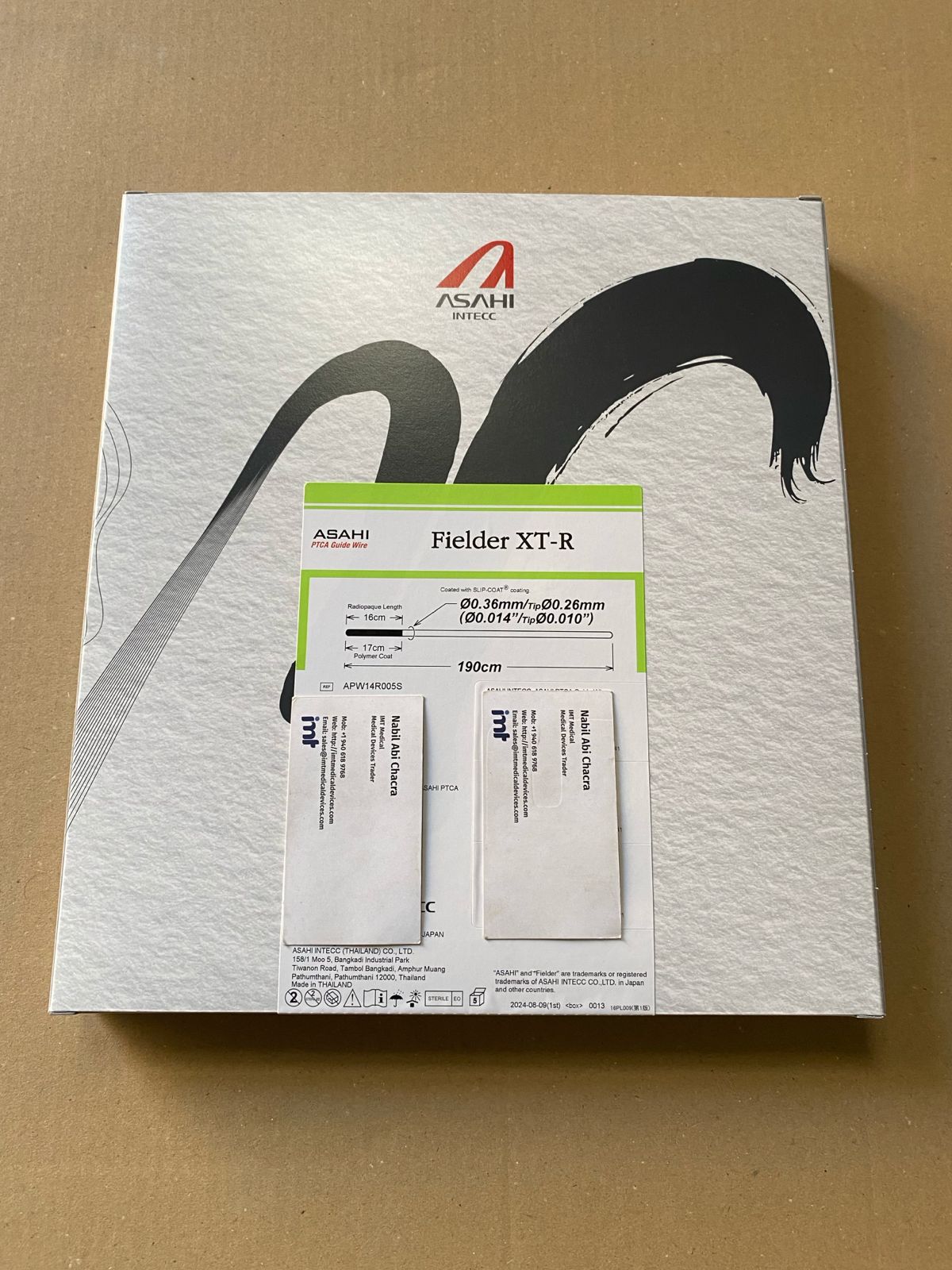
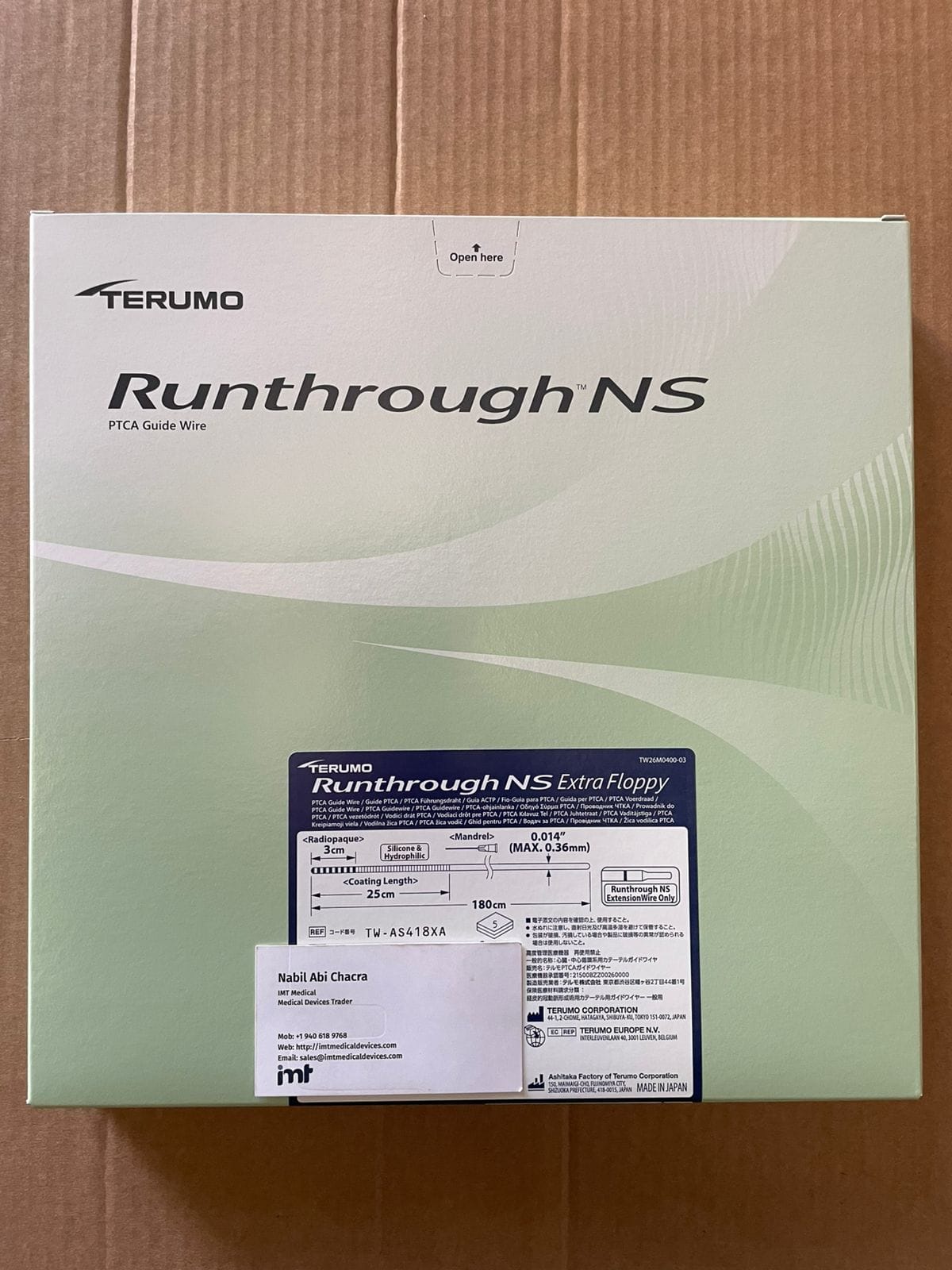
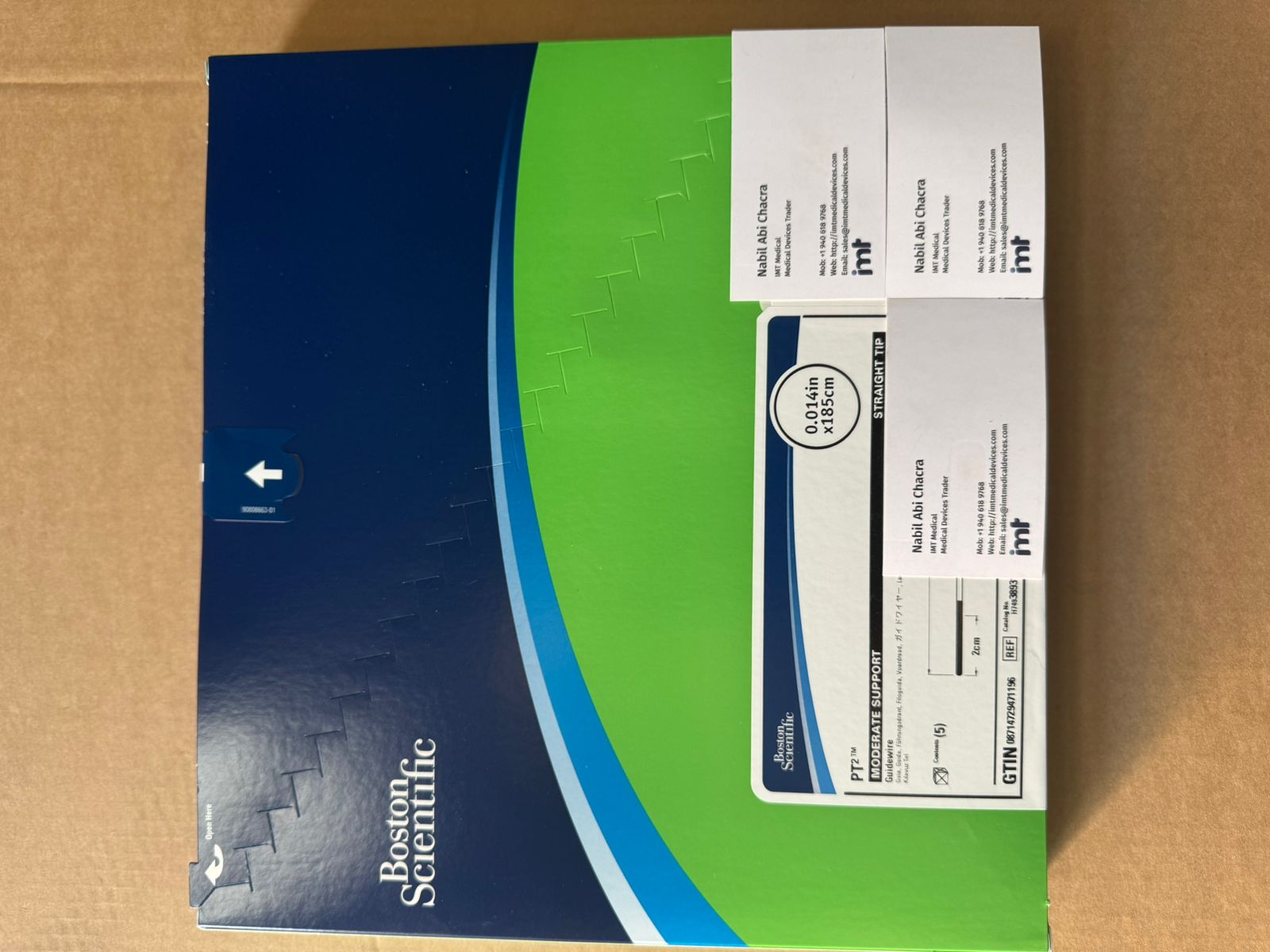
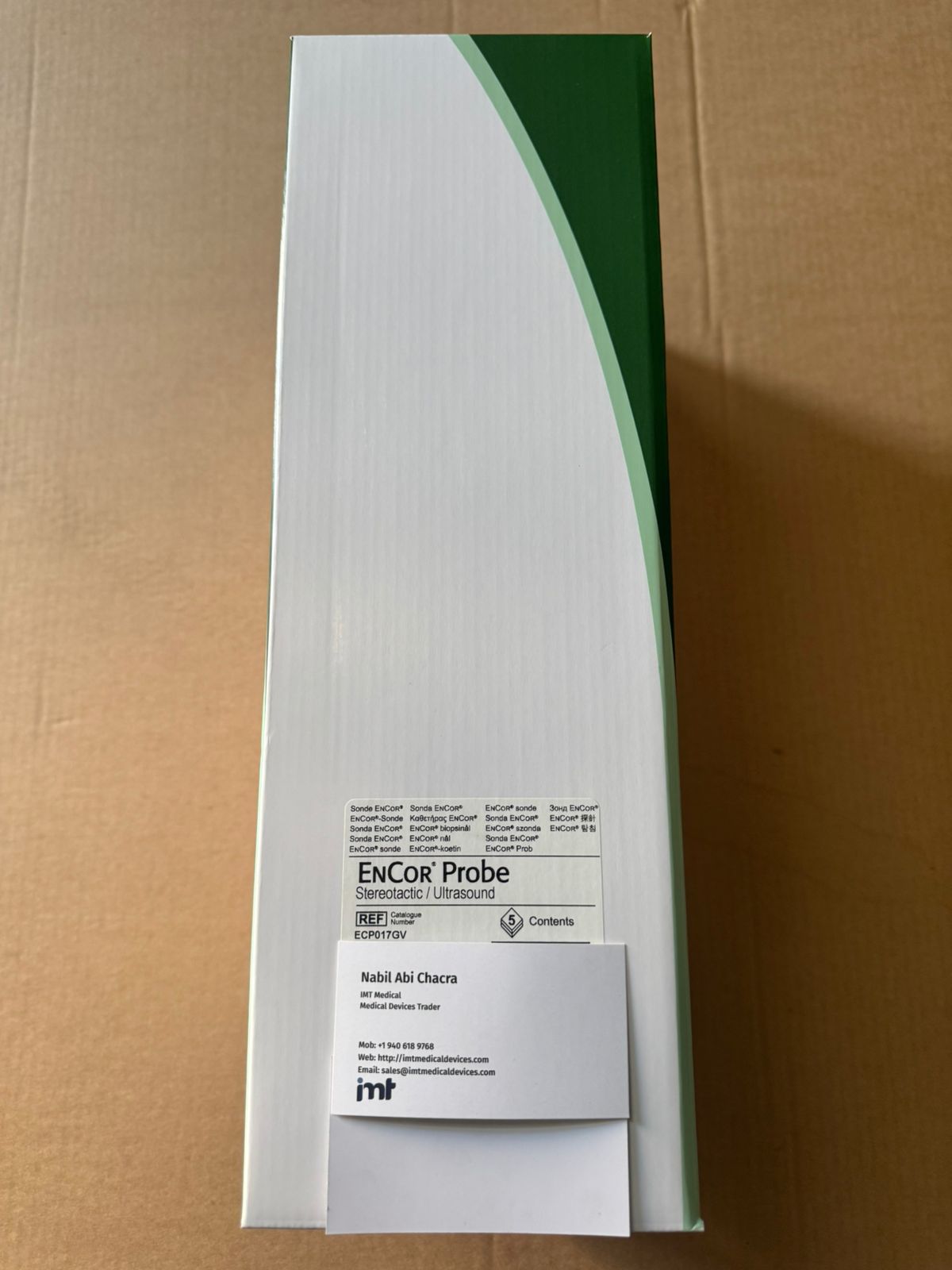
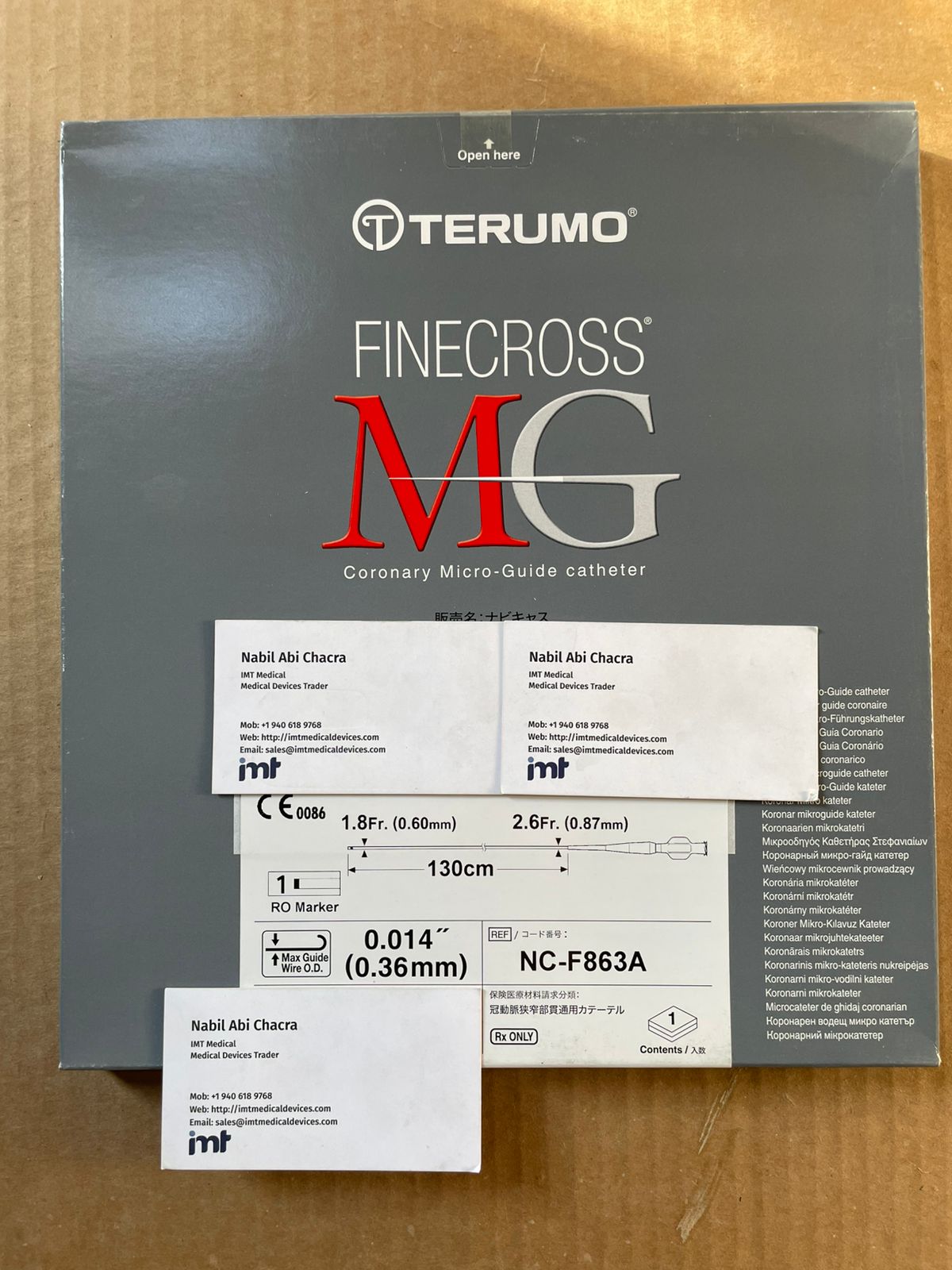
The coronary intervention product stack usually starts with access and guidance. Guiding catheters provide support and coaxial alignment. Coronary guidewires are selected based on trackability, torque response, tip load, and lesion complexity. A routine lesion may be crossed with a standard workhorse wire, while heavily calcified or tortuous anatomy may push the operator toward more specialized wire profiles.
Balloon catheters remain central to the procedure. Semi-compliant balloons are commonly used for initial lesion preparation, while non-compliant balloons are often preferred for higher-pressure post-dilation and stent optimization. In some cases, specialty balloon categories come into play, particularly when standard lesion preparation is inadequate.
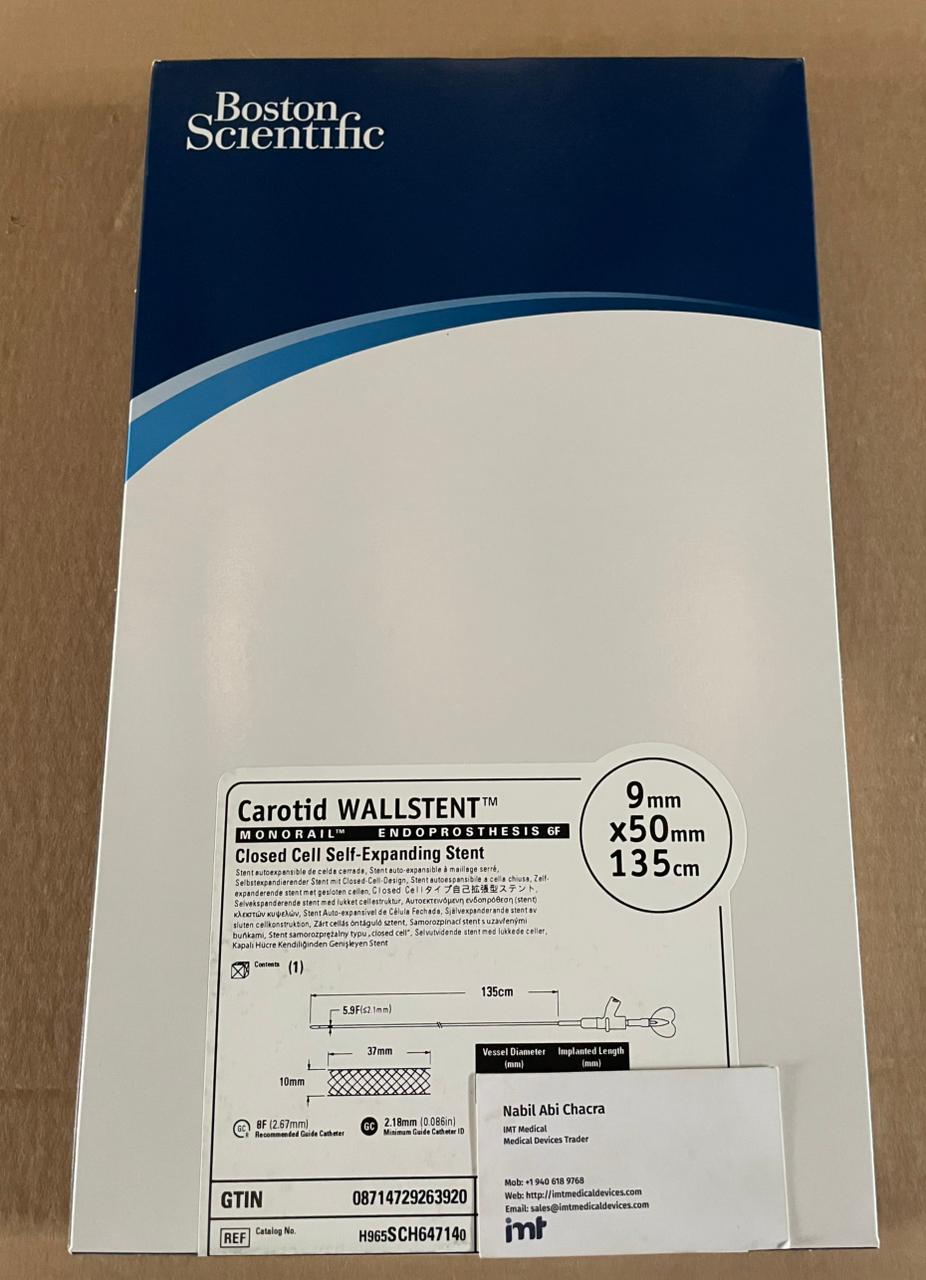
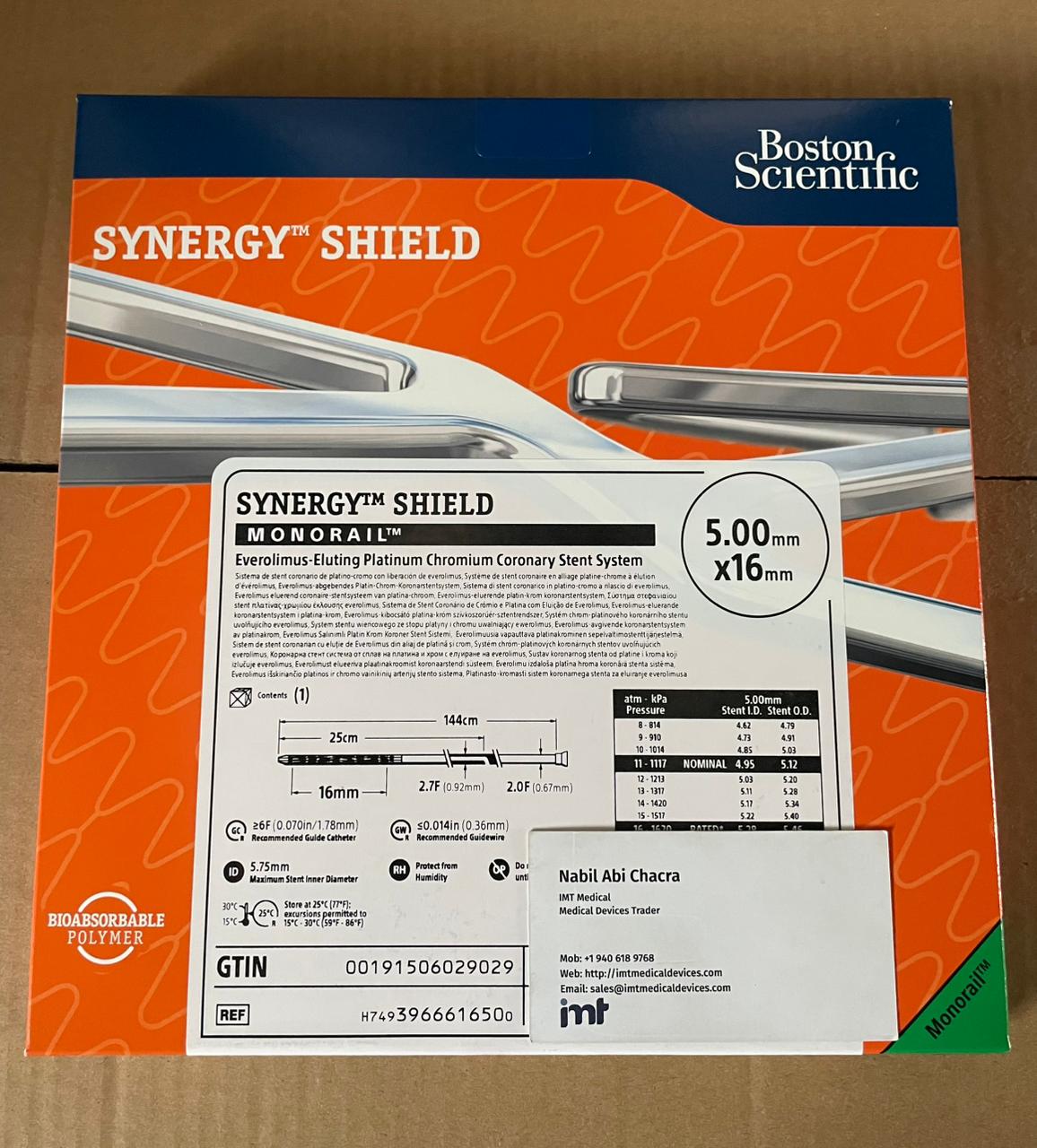
Coronary stents are the most recognized therapeutic devices within PCI. Contemporary cath labs generally focus on branded stent platforms with known deliverability, radial strength, and clinical track record. Diameter range, length availability, crossing profile, and physician familiarity all influence procurement decisions. For buyers, that means the relevant question is not merely whether stents are available, but whether the right branded configurations are consistently available.
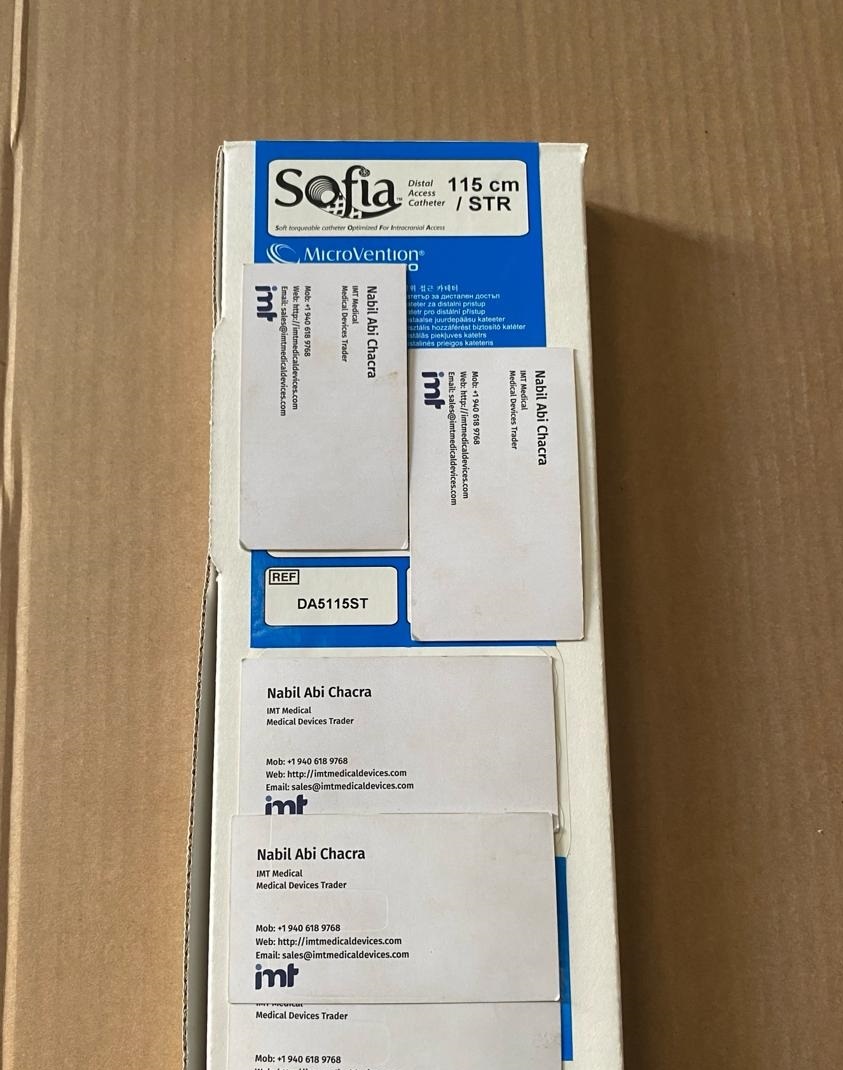
Adjunctive devices can become just as important as core lines. Aspiration catheters may be considered in selected thrombus-related presentations. Vascular closure devices affect post-procedure workflow and access-site management. Contrast injectors, hemostasis products, and associated disposables also sit within the broader operational footprint of coronary intervention, even if they are not the primary treatment device.
How the Procedure Typically Progresses
A standard coronary intervention follows a predictable sequence, although real cases rarely remain fully standard from start to finish. After arterial access is established, the guiding catheter is positioned and angiographic views confirm the target lesion. The lesion is crossed with a guidewire, then assessed for deliverability and treatment strategy.
If the vessel can be prepared adequately with balloon angioplasty, the operator proceeds with stent delivery and deployment. Post-dilation may follow to improve stent expansion and apposition. Final angiography verifies residual stenosis, flow, dissection status, and overall procedural result.
Complex cases introduce more decision points. Calcified lesions may resist balloon passage or full expansion. Long lesions can require multiple devices across several lengths and diameters. Bifurcation disease may require a different catheter and wire setup from the start. From a sourcing standpoint, this is where having a narrow inventory becomes a liability.
Why Coronary Intervention Device Planning Matters
Coronary intervention is highly dependent on procedural readiness. A cath lab may have strong operator capability and case volume, but if one critical device category is unavailable, the procedure can be delayed, modified, or transferred. That affects not just clinical operations, but purchasing efficiency and vendor management.
For procurement teams, the challenge is balancing breadth and control. Carrying every possible coronary SKU from every manufacturer is rarely practical. On the other hand, limiting inventory too aggressively can leave gaps in high-acuity or anatomically difficult cases. The best purchasing programs usually combine core standardization with selective access to premium branded alternatives.
Brand consistency also matters because physician preference is not incidental in interventional cardiology. Operators build familiarity around guide support, wire feel, balloon behavior, and stent deliverability. Switching brands solely for short-term purchasing convenience can introduce friction in case execution. That does not mean every request should be unlimited, but it does mean procurement decisions should respect procedural realities.
Procurement Considerations for Coronary Intervention
When buyers evaluate coronary intervention supply, authenticity, manufacturer recognition, and export capability tend to matter as much as price. Branded devices from manufacturers such as Terumo, Asahi, Boston Scientific, Medtronic, Abbott, and Cordis are often specified because performance history and clinician confidence are already established.
Stock continuity is another major factor. Coronary intervention volume can be predictable at the service-line level but unpredictable at the individual SKU level. A facility may know its average monthly PCI load, yet still face abrupt demand shifts in certain balloon sizes, wire types, or stent lengths. For international buyers and distributors, this is compounded by shipping timelines, import documentation, and country-specific logistics.
That is why many professional buyers prefer a sourcing model that consolidates multiple branded manufacturers through one wholesale channel. It reduces procurement fragmentation and can simplify quote requests across coronary, peripheral, neurovascular, and related categories. For organizations managing international supply, export experience is not an added bonus - it is part of the purchasing requirement.
At IMTMedicalDevices.com, that procurement model is built around recognized interventional product categories and branded device access for hospitals, clinics, and distributors that need quote-based volume sourcing.
Common Trade-Offs in Coronary Intervention Supply
No coronary intervention program operates without trade-offs. Standardizing on fewer product lines can improve inventory control, staff familiarity, and purchasing leverage. The downside is reduced flexibility in challenging anatomy or physician-specific techniques.
Expanding the formulary can improve procedural adaptability, but it may increase shelf complexity, expiration risk, and capital tied up in lower-turn SKUs. The right balance depends on procedure mix, physician roster, emergency volume, and the degree to which the facility serves as a referral center for more complex coronary disease.
There is also a distinction between routine PCI coverage and true complex PCI preparedness. A buyer sourcing for straightforward coronary intervention may focus on workhorse wires, standard PTCA balloons, common guiding catheters, and mainstream stent sizes. A center handling calcified lesions, left main disease, bifurcations, and high-risk anatomy will usually require deeper inventory planning and more specialized procurement support.
What Buyers Should Clarify Before Ordering
Before placing coronary intervention orders, it helps to confirm the exact branded platform, sizing range, packaging configuration, and expected usage profile. Product category alone is often too broad for an accurate quote. A request for coronary stents or guidewires may still leave substantial room for mismatch if SKU-level specificity is missing.
Buyers should also account for whether they are purchasing for immediate procedural demand, backstock replenishment, distributor resale, or export shipment. Each scenario changes the urgency, documentation needs, and preferred ordering structure. For global supply chains, the operational details around shipment and continuity can be just as important as the device itself.
The most efficient coronary intervention procurement conversations are specific. They identify the brands in use, the core product families required, the target quantities, and any recurring complexity in lesion profile or physician preference. That level of precision reduces back-and-forth and supports more reliable fulfillment.
Coronary intervention is ultimately a device-intensive treatment pathway where procedural success depends on timely access to the right tools. For professional buyers, understanding what coronary intervention involves is not just clinical background - it is the basis for smarter sourcing, better inventory alignment, and fewer disruptions when the next case is already on the table.