
Wholesale Medical Supplies: Reliable Procurement Guide
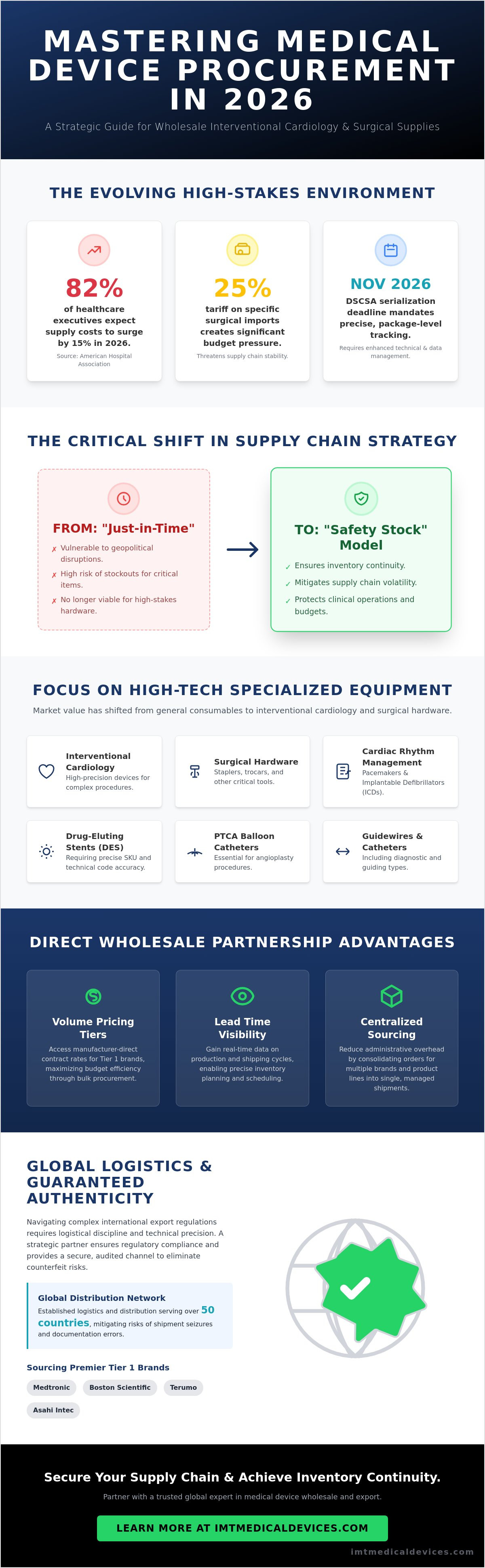
82% of healthcare executives expect supply costs to surge by 15% in 2026, according to the American Hospital Association. This trend, combined with the 25% tariff on specific surgical imports and the November 2026 DSCSA serialization deadline, creates a high-stakes environment for medical supplies wholesale procurement. Procurement professionals face constant supply chain instability and the persistent threat of counterfeit hardware. Relying on "just-in-time" models is no longer viable for critical items like PTCA balloon catheters or implantable cardioverter defibrillators.
Securing authentic interventional cardiology and surgical equipment requires a shift toward logistical discipline and technical precision. You likely recognize that price is secondary to reliability and regulatory compliance in the current global market. This guide provides the framework to master complex international export regulations and bulk procurement for Tier 1 brands like Medtronic, Terumo, and Boston Scientific. It's a roadmap for achieving stable inventory access, competitive volume pricing, and guaranteed product authenticity. We'll examine technical product data, global shipping contingencies, and the transition to safety stock strategies to protect your clinical operations and maintain inventory continuity.
Key Takeaways
- Identify the critical shifts in the medical supplies wholesale market toward specialized interventional cardiology and surgical technologies.
- Learn the technical requirements for bulk procurement of high-stakes hardware, including Drug-Eluting Stents and PTCA Balloon Catheters.
- Establish rigorous criteria for verifying manufacturer relationships and ensuring the authenticity of Tier 1 brands like Medtronic and Boston Scientific.
- Master the complexities of international logistics, including cross-border documentation and regulatory compliance for global medical device export.
- Develop strategies for maintaining a resilient supply chain through distribution networks serving over 50 countries.
Navigating the Medical Supplies Wholesale Market in 2026
Medical supplies wholesale refers to the high-volume, B2B distribution of clinical hardware and specialized medical consumables. It serves as the industrial link between Tier 1 manufacturers and global healthcare entities. Unlike domestic retail models focused on low-volume, local fulfillment, international wholesale procurement prioritizes logistical scale and regulatory transparency. In 2026, the market is characterized by a 3.21% increase in the Producer Price Index for medical equipment and supplies. This inflationary trend necessitates a disciplined approach to bulk acquisition to protect clinical budgets.
Effective Medical Logistics Overview shows that wholesalers stabilize the supply chain by absorbing lead-time volatility. They provide a critical buffer against geopolitical disruptions that currently drive 10-15% contingency surcharges in global shipping budgets. For procurement officers, the primary objective is transitioning from "just-in-time" ordering to a robust "safety stock" model. This ensures that essential hardware, such as Drug-Eluting Stents and PTCA Balloon Catheters, remains available despite fluctuating manufacturing outputs.
The Shift Toward Specialized B2B Procurement
General clinical consumables are increasingly commoditized. Market value and procurement complexity have shifted toward high-tech interventional cardiology and surgical hardware. There's a rising demand for specialized implants in emerging markets, specifically for Permanent Pacemakers and Implantable Cardioverter Defibrillators (ICDs).
Regulatory environments are tightening. The November 2026 DSCSA serialization deadline requires precise, package-level tracking for all shipments. Wholesale partners must now manage these technical data requirements alongside physical transport. Bulk purchasing strategies for high-stakes items, such as Electrophysiology Catheters or Surgical Staplers, now require verified manufacturer-direct documentation to eliminate counterfeit risks. This technical rigor is essential when sourcing medical supplies wholesale for critical care environments.
Primary Benefits of Direct Wholesale Partnership
Direct partnerships offer clear commercial advantages over fragmented sourcing methods. Centralized procurement through a high-capacity distributor reduces administrative friction and secures inventory priority.
- Volume Tiers: Access to manufacturer-direct contract rates for Medtronic, Boston Scientific, and Terumo products.
- Lead Time Visibility: Real-time data on production cycles for Peripheral Stents and Diagnostic Guide Wires.
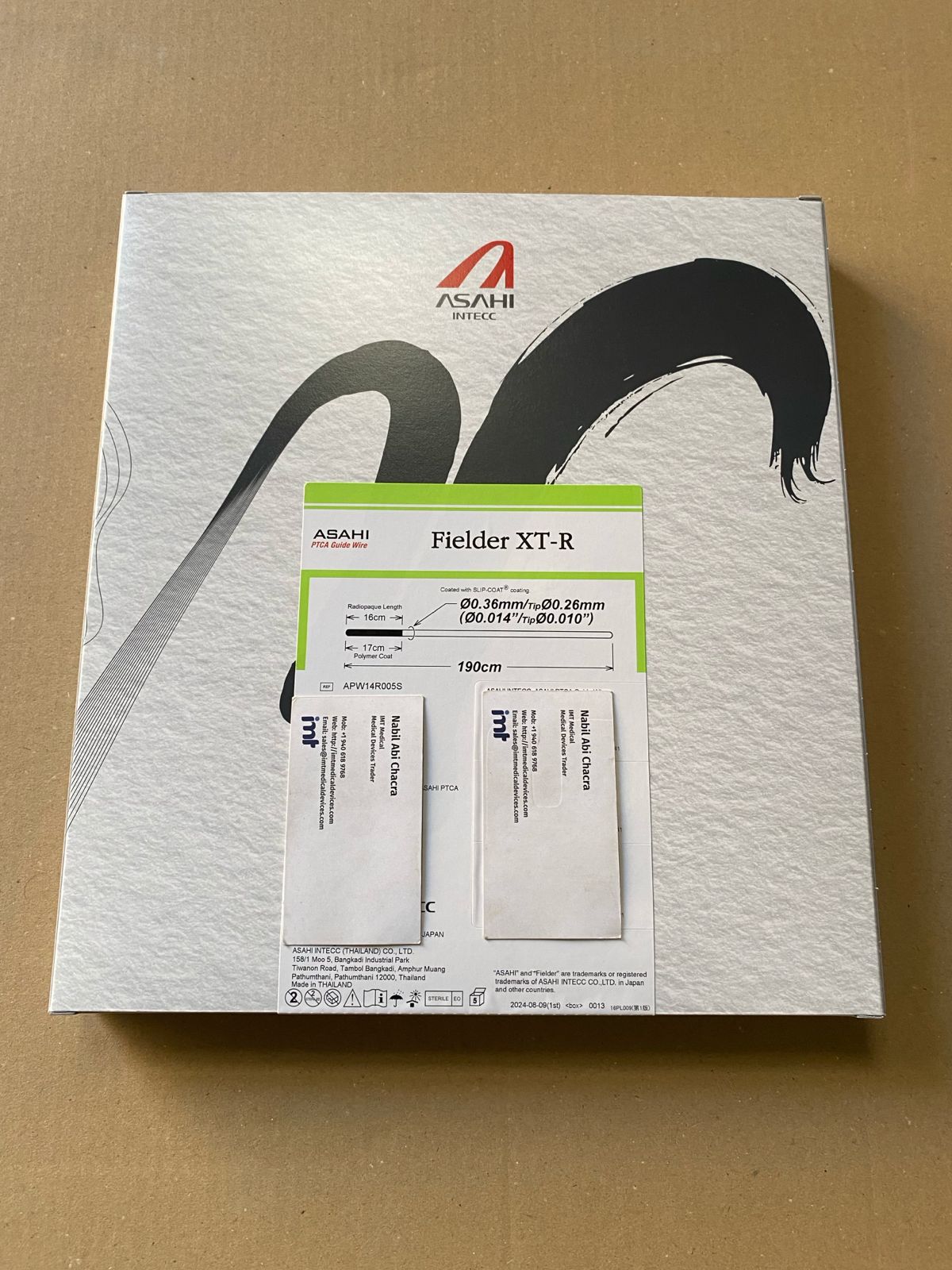
- Centralized Sourcing: Reduced overhead by consolidating orders for Asahi Intec guidewires and guiding catheters into single shipments.
A strategic partnership mitigates the risk of shipment seizures and documentation errors. It ensures that critical hardware reaches its destination through an audited, secure channel. This focus on industrial competence and logistical reach defines the current standard for global medical supply chains.
Sourcing Specialized Interventional Cardiology and Surgical Equipment
Procurement for interventional cardiology requires a higher level of technical vetting than standard medical supplies wholesale transactions. Accuracy in manufacturer-specific technical codes is mandatory. A single digit error in a Drug-Eluting Stent (DES) SKU can disrupt surgical schedules or lead to inventory waste. Procurement professionals must verify that all vendors adhere to FDA Purchasing Controls to maintain quality standards. This technical rigor ensures that wholesale operations remain clinical-grade rather than just logistical. Technical specifications must be confirmed at the point of order to align with specific procedural requirements.
High-Tech Implants: Stents and CRM Devices
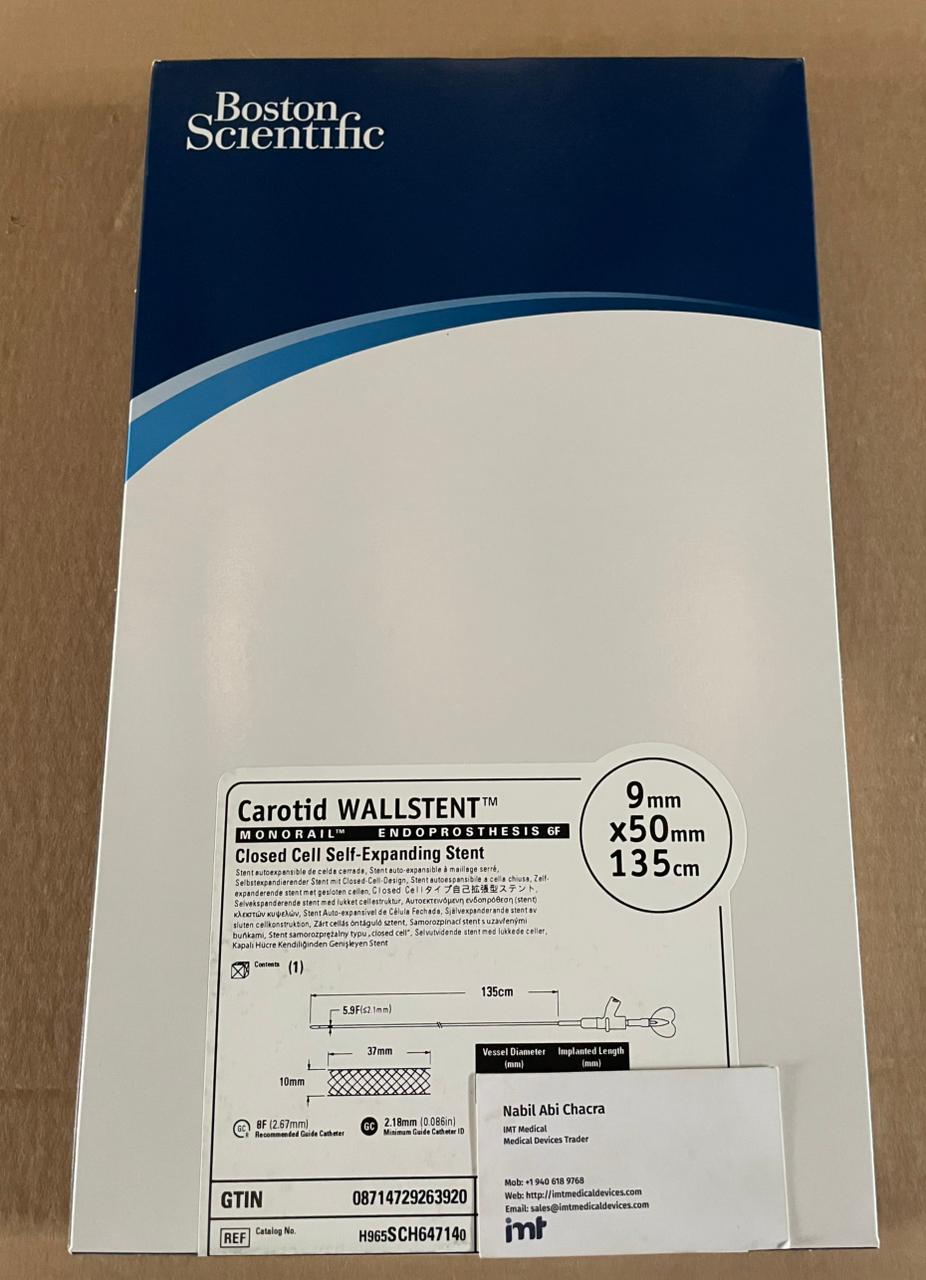
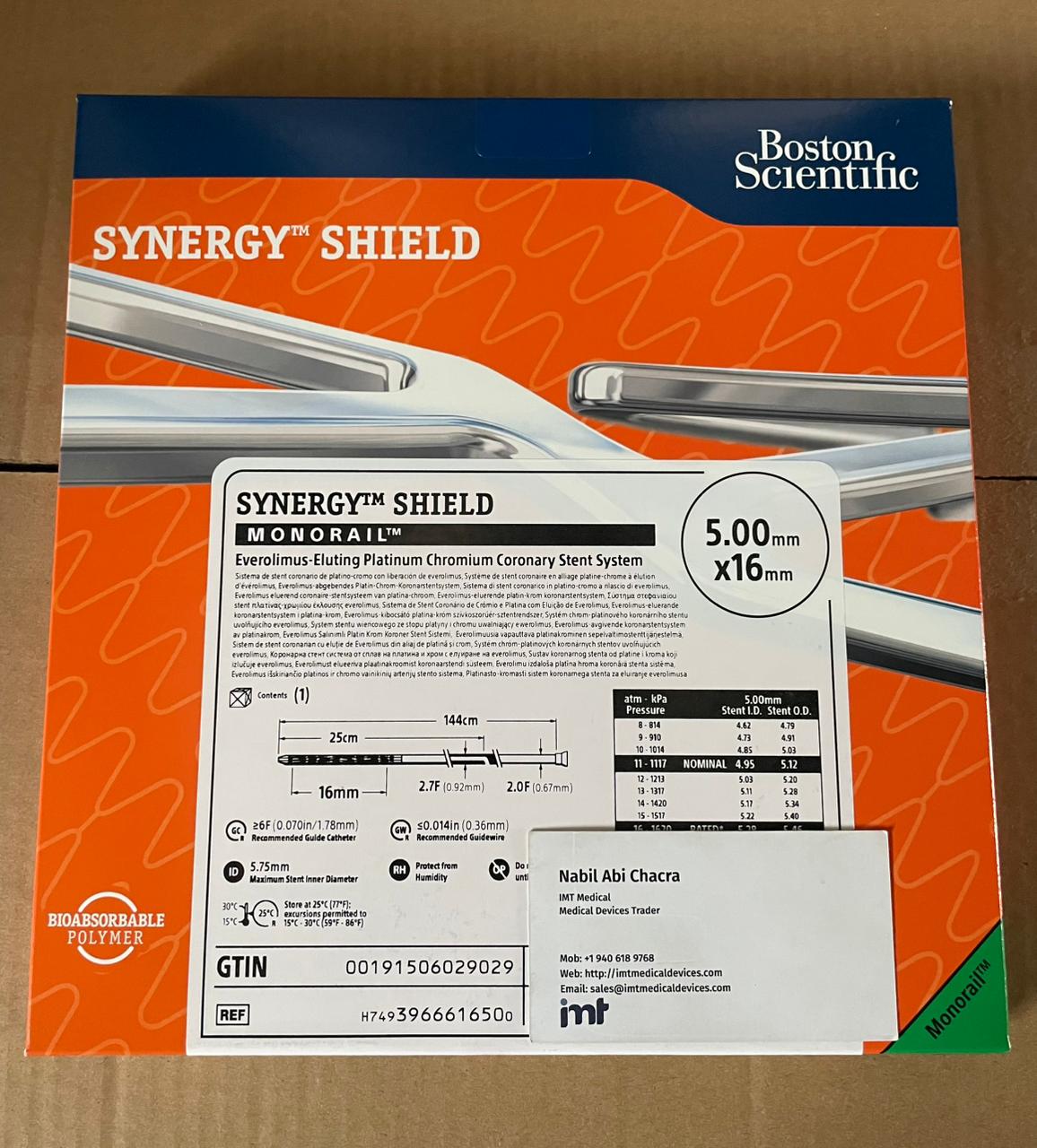
Sourcing Cardiac Rhythm Management (CRM) devices involves managing complex inventory cycles and high-value assets. Procurement criteria for Drug-Eluting Stents from Medtronic and Boston Scientific focus on drug-polymer combinations and scaffold visibility. For permanent pacemakers and Implantable Cardioverter Defibrillators (ICDs), technical data must include battery longevity and lead compatibility. Wholesale partners must provide exhaustive data sheets for these items to support hospital engineering teams. Reliability is defined by the availability of specific, authentic models from Tier 1 producers. You can review available CRM inventory to assess current stock levels and technical specifications.
Interventional Consumables and Surgical Tools
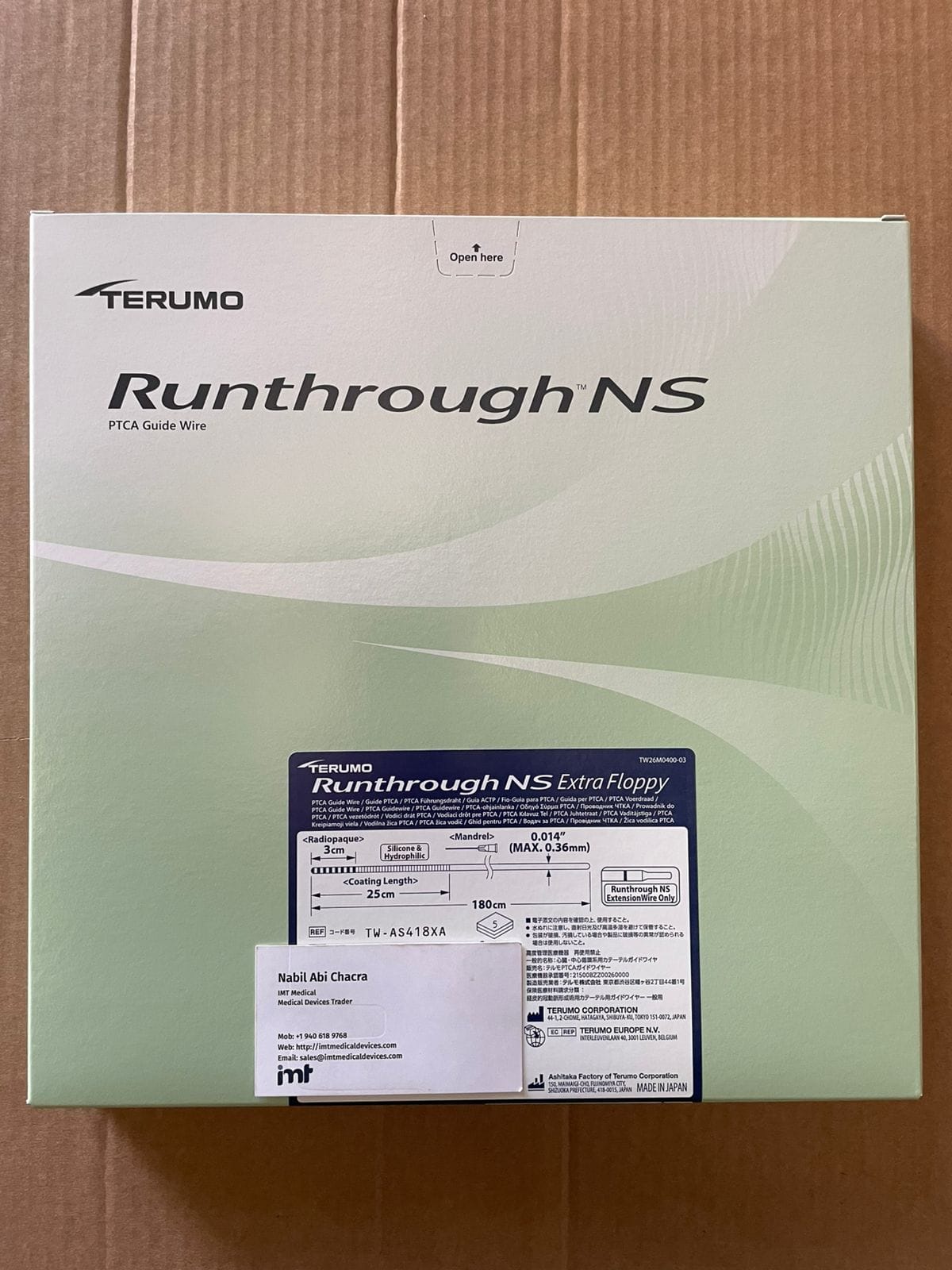
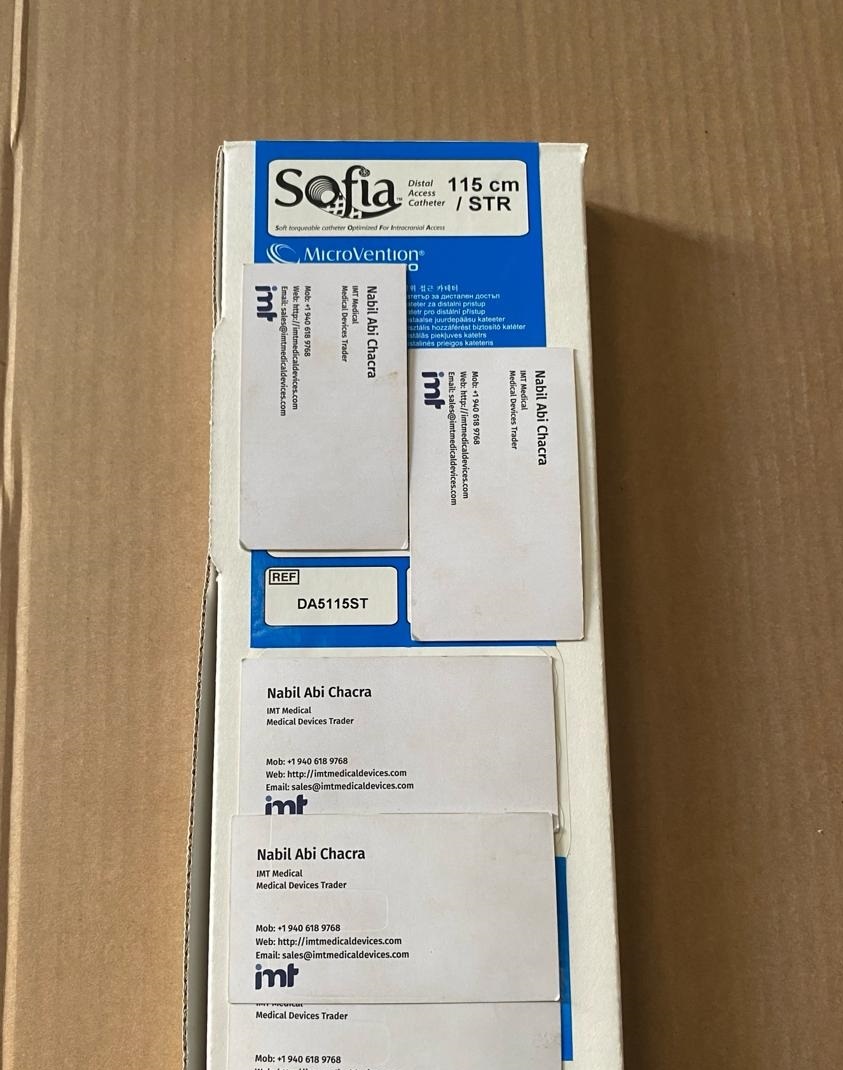
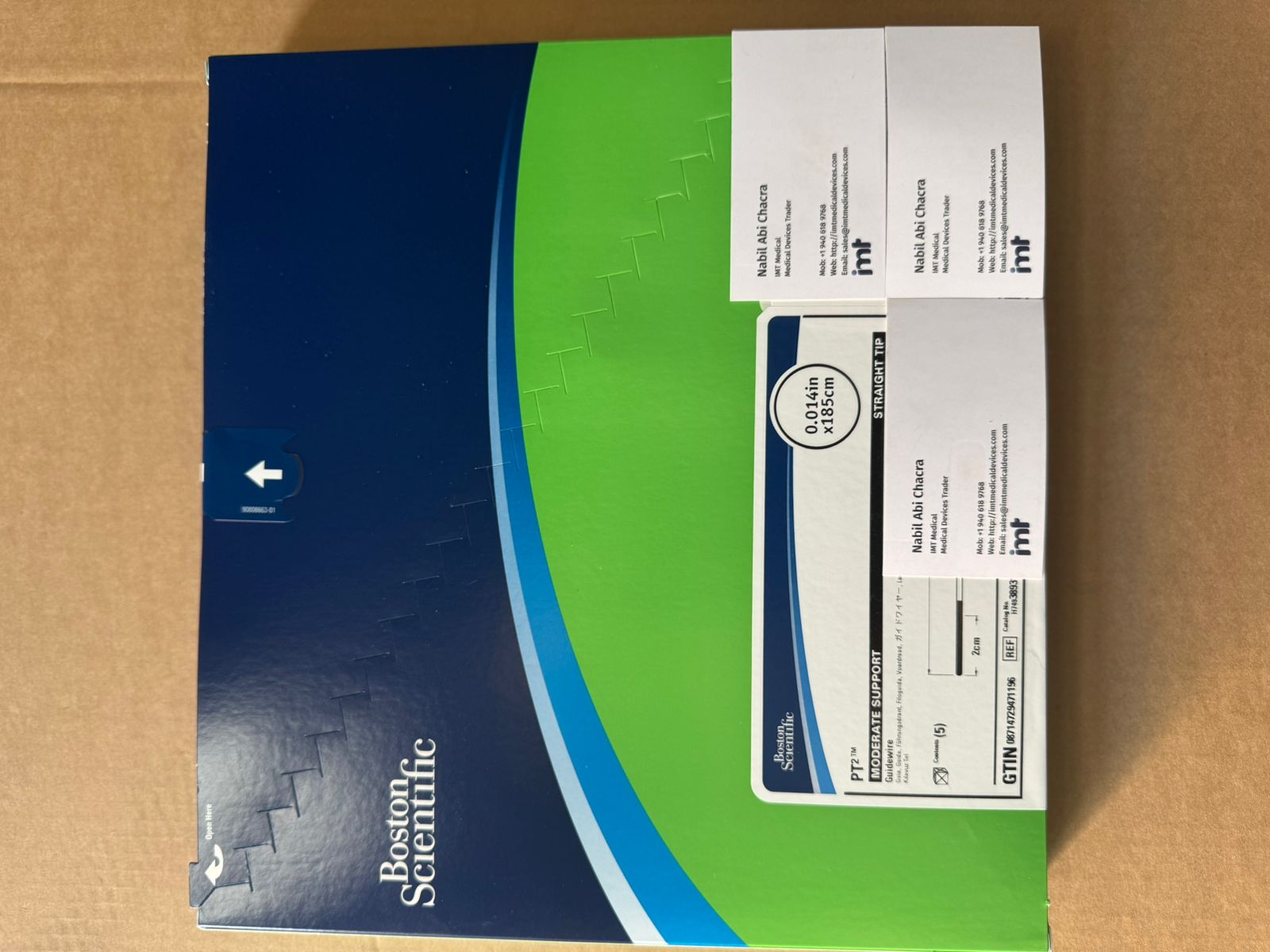
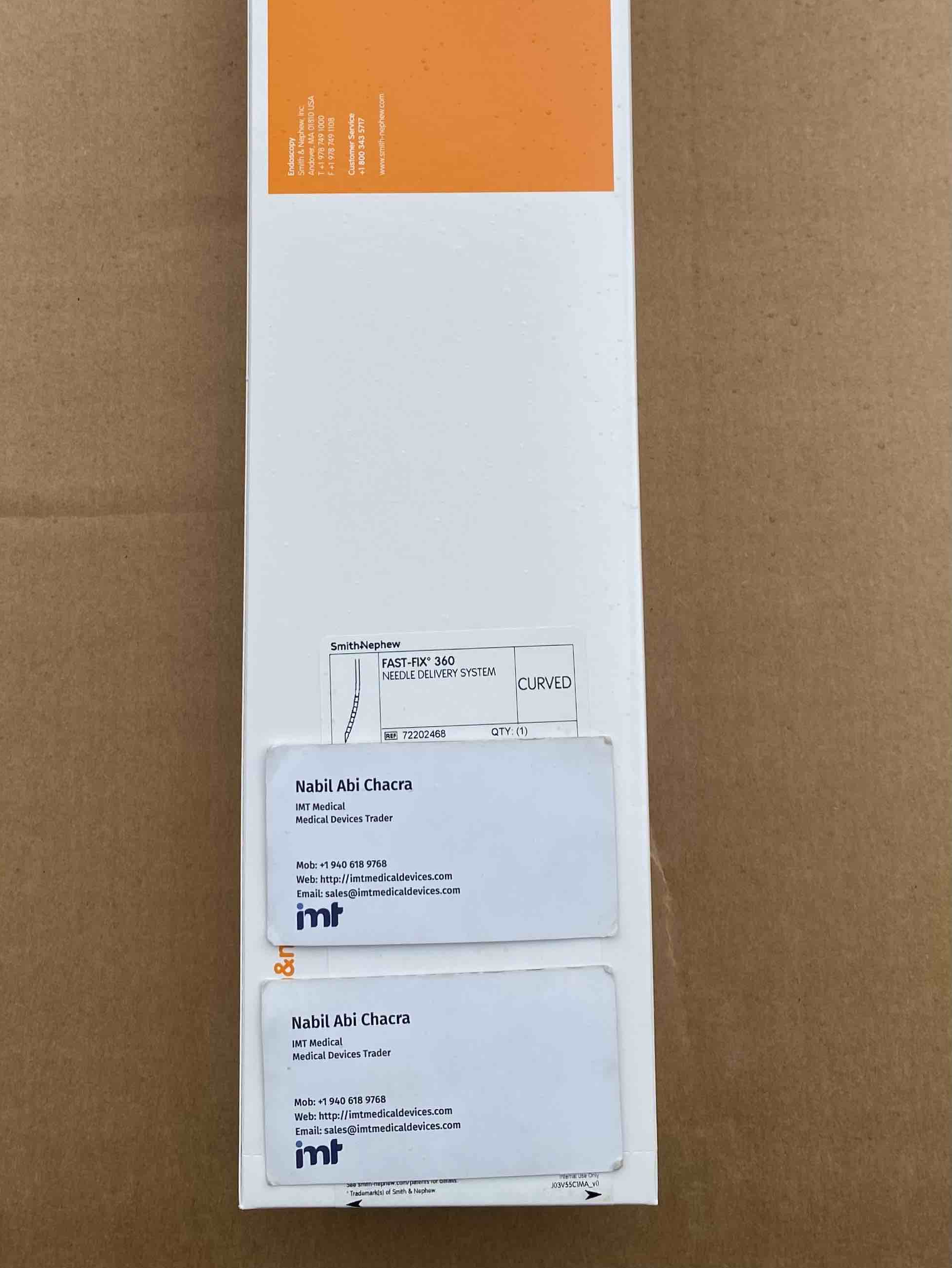
Managing the supply of PTCA balloon catheters in bulk requires attention to crossing profiles and nominal pressures. These consumables are essential for daily cath lab operations and require consistent replenishment. Procurement teams must evaluate Diagnostic Guide Wires and Guiding Catheters from manufacturers like Asahi Intec and Terumo based on torque response and trackability. Surgical Staplers and Electrophysiology Catheters also require high-volume availability to prevent procedure cancellations. Centralized sourcing for these surgical tools reduces administrative friction and ensures that all components, from guidewires to peripheral stents, are compatible and authentic. This manufacturer-centric approach prioritizes the identity of the original producers as a primary trust signal.
Key Criteria for Selecting a Wholesale Medical Partner
Selecting a partner for medical supplies wholesale requires a rigorous audit of logistical capacity and manufacturer proximity. Procurement teams must move beyond basic vendor lists. They need partners capable of managing high-stakes hardware with technical precision. Data from the Medical Technology Industry confirms that export competitiveness depends on secure, authentic supply chains. Verification of manufacturer relationships is the primary trust signal. It ensures that the distributor isn't just a broker but a vital link in the global medical supply chain.
Brand Authenticity and Manufacturer Relationships
Unauthorized secondary markets present significant risks for Tier 1 brands. Procurement of stents, pacemakers, or surgical staplers from unverified sources compromises patient safety and regulatory standing. Verification of provenance is mandatory for every bulk order. Established partners of Terumo, Abbott, and Medtronic provide the necessary documentation to ensure item authenticity. Procurement professionals must demand transparency in the following areas:
- Direct manufacturer-to-distributor chain of custody.
- Serialized tracking for each high-value cardiac implant.
- Audited warehouse facilities meeting international clinical standards.
- Documented compliance with manufacturer storage and handling protocols.
Inventory Stability and Scalability
Real-time inventory data is critical for modern hospital procurement. Static catalogs lead to stockouts and procedure delays. A reliable partner offers visibility into current stock levels and projected lead times. This transparency allows for effective demand forecasting and risk mitigation through strategic medical device distribution. Evaluating a partner's ability to scale is essential for meeting national healthcare demands. This includes assessing financial stability to support large-scale, high-value bulk purchases and the infrastructure for rapid international shipping.
Contracts must clearly define volume discounts and logistical fees. Hidden costs in international shipping or documentation can erode procurement budgets. Transactional clarity ensures that the partnership remains efficient and sustainable over long-term procurement cycles. Industrial competence is measured by the speed of data transmission and the accuracy of technical identifiers. Procurement officers don't need brand storytelling; they need confirmed product availability and predictable delivery timelines. Pricing tiers should be structured for rapid identification, allowing for immediate decision-making during high-volume procurement cycles.
Managing International Logistics and Regulatory Compliance
International logistics for medical supplies wholesale is a technical discipline defined by regulatory adherence and physical security. Moving interventional cardiology hardware across borders requires more than standard freight forwarding. It necessitates a deep understanding of customs protocols and sterile barrier protection. Documentation errors are a primary cause of shipment seizures in the medical device sector. Success depends on aligning every shipment with international standards like CE marking or FDA certifications, ensuring that hardware is legally compliant in the destination market. Professional logistics management minimizes the risk of administrative delays that can compromise clinical inventory levels.
Export Documentation and Customs Clearance
International medical equipment shipments require an exhaustive set of paperwork to clear customs efficiently. This includes commercial invoices, detailed packing lists with manufacturer-specific technical codes, and certificates of origin. Procurement officers must also ensure that every shipment contains the necessary regulatory certificates for the specific jurisdiction. Navigating these hurdles in diverse global markets requires a partner with established regional distribution hubs. Using hubs in Dubai, Turkey, or Poland allows for localized customs expertise and reduced transit times. Expert logistics management eliminates administrative friction, ensuring that high-value hardware moves through ports without delay. This speed is essential for hospitals transitioning from "just-in-time" models to robust "safety stock" strategies.
Integrity of Sensitive Medical Shipments
Physical security and environmental control are critical during the transport of specialized hardware. Maintaining the sterile barrier and packaging integrity of a guidewire or catheter is a clinical requirement, not just a logistical preference. Electronic cardiac devices, such as ICDs and permanent pacemakers, have specialized handling requirements, including shock protection and humidity control. Logistical efficiency directly impacts clinical outcomes; a compromised sterile seal or damaged circuitry renders expensive hardware unusable. Wholesalers must employ audited packing protocols and specialized transit containers for high-stakes devices. This ensures that every item arrives in procedure-ready condition, regardless of the shipping distance.
Strategic logistics planning also accounts for geopolitical volatility. Professional partners build a 10-15% contingency buffer into logistics budgets to manage fluctuating fuel and risk surcharges as of April 2026. This financial transparency prevents unexpected costs from eroding procurement budgets. You can contact our export logistics team to secure a compliant and efficient transport solution for your bulk medical requirements.
IMT Medical Devices: Global Export and Wholesale Solutions
IMT Medical Devices operates as a high-capacity international distributor for medical supplies wholesale. The entity functions as a vital bridge between Tier 1 producers and global clinical markets. With a distribution network serving over 50 countries, the infrastructure is built for high-volume hardware procurement. Strategic warehouse locations in Dubai, Turkey, Poland, and Georgia facilitate efficient cross-border movement. This presence ensures that high-end interventional cardiology and surgical equipment remain available to regional healthcare systems. The focus is on industrial competence and logistical reach.
The inventory is managed with technical precision. Every item is sourced with a commitment to authenticity and manufacturer-direct provenance. Procurement officers rely on this structured approach to avoid the risks associated with unauthorized secondary markets. Reliability is defined by confirmed availability and predictable delivery cycles. Scale is guaranteed through a robust supply chain that supports national healthcare demands and private hospital groups alike.
Access to Tier 1 Interventional Cardiology Brands
Inventory access includes a comprehensive range of cardiovascular products from Abbott and Terumo. Procurement professionals can secure bulk quantities of PTCA Balloon Catheters and Diagnostic Guide Wires with verified documentation. The portfolio extends to high-stakes hardware like Permanent Pacemakers and Implantable Cardioverter Defibrillators (ICDs). Technical support is available to assist with complex SKU identification and lead-time forecasting. This manufacturer-centric approach prioritizes access to premium technology. The catalog includes:
- Medtronic: Drug-Eluting Stents, ICDs, Permanent Pacemakers.
- Boston Scientific: Peripheral Stents, Electrophysiology Catheters.
- Asahi Intec: Guidewires, Guiding Catheters.
- Terumo: PTCA Balloons, Surgical Staplers.
High-Capacity Export Infrastructure
Managing global medical supplies wholesale requires administrative competence alongside physical logistics. IMT Medical Devices manages the entire documentation cycle, including commercial invoices and regulatory certificates required for international export. This centralized management reduces the risk of shipment seizures or customs delays. The supply chain supports large-scale acquisition of Drug-Eluting Stents and surgical staplers for national healthcare tenders. Documentation is precise. Procedures are audited.
Industrial reliability is defined by the capacity to move high-value assets across borders with speed. Procurement officers can contact IMT Medical Devices for manufacturer-specific contract rates and volume pricing tiers. This transactional focus ensures that clinical teams have the necessary hardware to maintain procedural continuity. Reach out to our procurement desk to review current inventory status and secure specialized medical technology for your region.
Optimizing Your Global Medical Supply Chain for 2026
Effective procurement in the current clinical landscape requires technical accuracy and logistical resilience. It's essential to manage the 15% cost increases projected by the American Hospital Association through disciplined bulk acquisition. Success depends on securing authentic hardware from Tier 1 manufacturers while navigating the November 2026 DSCSA serialization deadlines. Transitioning to a safety stock model ensures that critical items like Drug-Eluting Stents and permanent pacemakers remain available for immediate clinical use. A technical, data-driven approach protects your clinical operations from market volatility.
IMT Medical Devices provides the industrial infrastructure needed to stabilize your inventory. As a global exporter to over 50 countries with strategic offices in Europe and the Middle East, we ensure compliant delivery of specialized hardware. Our status as an authorized distributor for brands like Medtronic, Terumo, and Boston Scientific guarantees the provenance of every item in your medical supplies wholesale order. Transactional clarity and manufacturer-direct sourcing define our operational standard. We prioritize clarity and product availability to maintain your clinical continuity.
Request a Quote for Wholesale Medical Supplies to secure high-capacity distribution and technical support for your healthcare system. We're ready to establish a reliable, long-term partnership for your surgical and interventional cardiology requirements.
Frequently Asked Questions
What are the requirements for purchasing medical supplies wholesale?
Purchasing medical supplies wholesale requires verified business registration and clinical procurement credentials. Entities must provide documentation confirming their status as a healthcare provider, government agency, or authorized distributor. This verification ensures compliance with international trade laws and manufacturer-specific distribution protocols. Professional procurement is restricted to B2B transactions to maintain the integrity of the global medical supply chain.
How do you ensure the authenticity of wholesale medical devices?
Authenticity is guaranteed through manufacturer-direct sourcing and serialized tracking for every high-value device. Procurement teams can verify provenance by cross-referencing manufacturer codes and technical specifications provided with each shipment. We maintain an audited chain of custody to eliminate the risks associated with unauthorized secondary markets. Every item, from surgical staplers to cardiac implants, arrives with original producer documentation.
What is the typical lead time for international medical equipment exports?
Lead times for international exports typically vary based on destination and customs complexity. While standard transit often ranges from 7 to 14 business days, current geopolitical factors necessitate a 10-15% buffer in logistics planning. Regional distribution hubs in Dubai and Poland are utilized to minimize delays and expedite customs clearance. Real-time inventory data allows for accurate forecasting of delivery timelines.
Which brands are most commonly available in medical wholesale?
Tier 1 brands such as Medtronic, Boston Scientific, Terumo, Abbott, and Asahi Intec are most commonly available. These manufacturers dominate the interventional cardiology and surgical equipment sectors. Inventory includes specialized items like PTCA balloon catheters, electrophysiology catheters, and diagnostic guide wires. Access to these prestigious global producers ensures that clinical teams have the highest standard of technology.
How are logistics and documentation fees calculated for medical exports?
Logistics and documentation fees are calculated based on shipment weight, volume, and the regulatory requirements of the destination country. Additional factors include fuel surcharges and risk assessments for specific international routes as of April 2026. We provide transparent, itemized quotes to ensure procurement budgets remain predictable. This transactional clarity prevents unexpected costs from impacting the total cost of acquisition for medical supplies wholesale.
Can I source Drug-Eluting Stents and pacemakers in bulk?
Yes, bulk procurement is available for high-stakes hardware including Drug-Eluting Stents and permanent pacemakers. We specialize in sourcing large volumes of Cardiac Rhythm Management (CRM) devices for national healthcare tenders and private hospital groups. Availability is tracked in real-time to prevent procedure delays. Our infrastructure supports the acquisition of Implantable Cardioverter Defibrillators (ICDs) and peripheral stents at scale.
Do you provide specialized handling for sensitive cardiology equipment?
Specialized handling is mandatory for sensitive cardiology equipment to maintain clinical efficacy. This includes shock-absorbent packaging for electronic devices and sterile barrier protection for guidewires and catheters. Environmental controls, such as temperature and humidity monitoring, are applied to all high-value cardiac implants during transit. These protocols ensure that every item arrives in procedure-ready condition regardless of the destination.
What markets do your international distribution services cover?
Our international distribution services cover over 50 countries across Europe, the Middle East, and Asia. Strategic offices and warehouses in Turkey, Poland, Georgia, and Dubai provide the infrastructure for rapid cross-border transport. This global reach ensures reliable access to authentic medical technology in diverse markets. We function as a vital bridge between major manufacturers and international clinical providers.