
Choosing a Coronary Stent Reseller
Choosing the right supply path for coronary stents
When a cath lab needs a specific coronary stent, the real issue is rarely product awareness. The issue is access. Buyers usually know the brand, platform, diameter, length, and delivery profile they want. What slows the case schedule is limited local availability, inflexible distributor terms, restricted brand coverage, or delays around export and documentation.
That is where a coronary stent reseller becomes relevant. For hospitals, independent distributors, and physicians managing difficult local supply relationships, the reseller model is less about substitution and more about procurement control. The value is straightforward: access to branded inventory, part-number level sourcing, and a faster path to quotation and shipment.
What a coronary stent reseller actually does
A coronary stent reseller is not simply a general medical trader. In practice, the useful reseller is one that works at SKU level, understands interventional product categories, and can source branded devices that clinical teams already specify. That distinction matters.
In coronary intervention, purchasing is not handled by broad product descriptions. Buyers do not ask for a stent in general terms. They ask for a specific manufacturer, a defined platform, exact dimensions, and a corresponding reference number. If the reseller cannot work with that level of precision, it creates risk for procurement teams and for the procedure schedule.
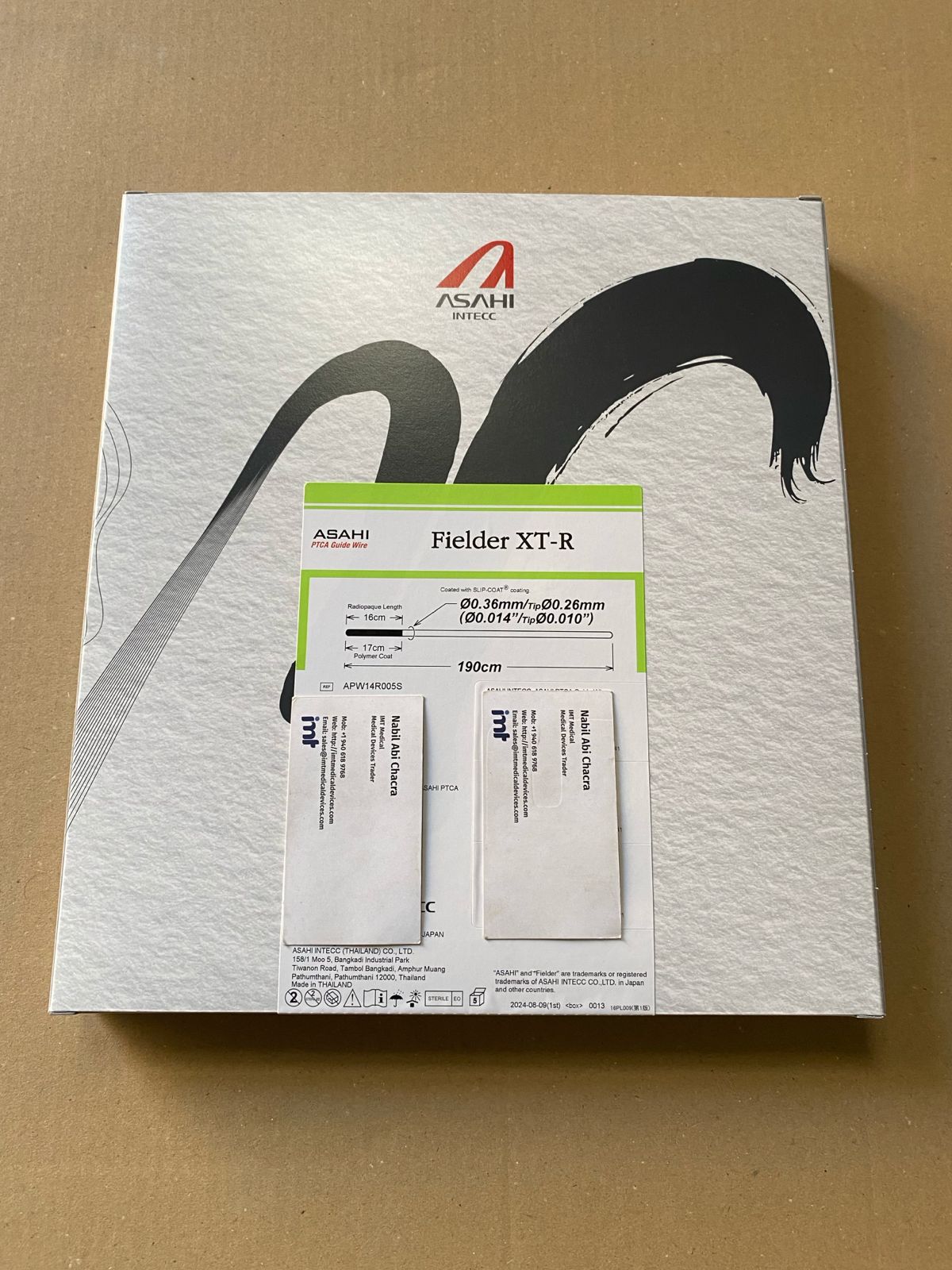
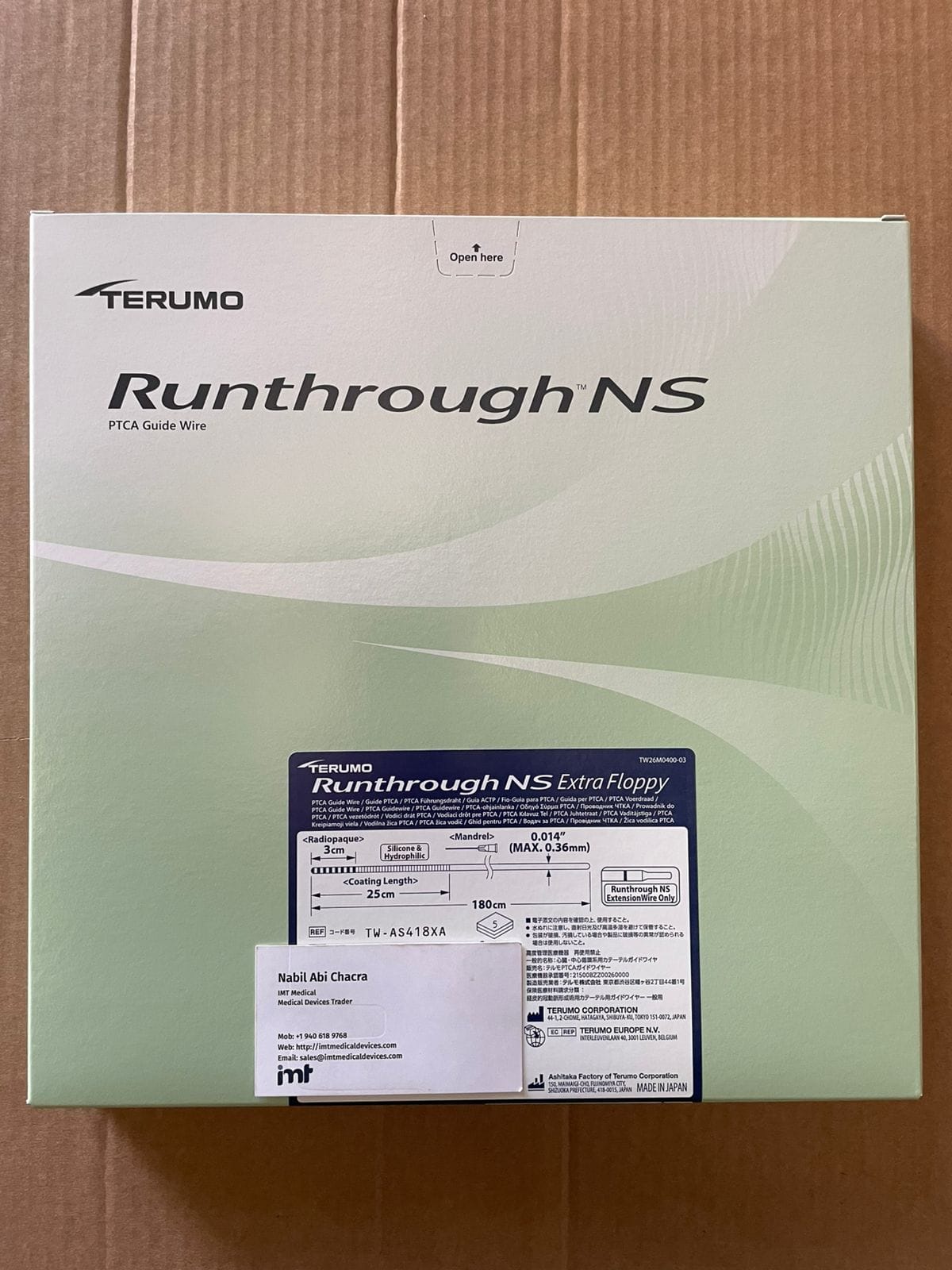
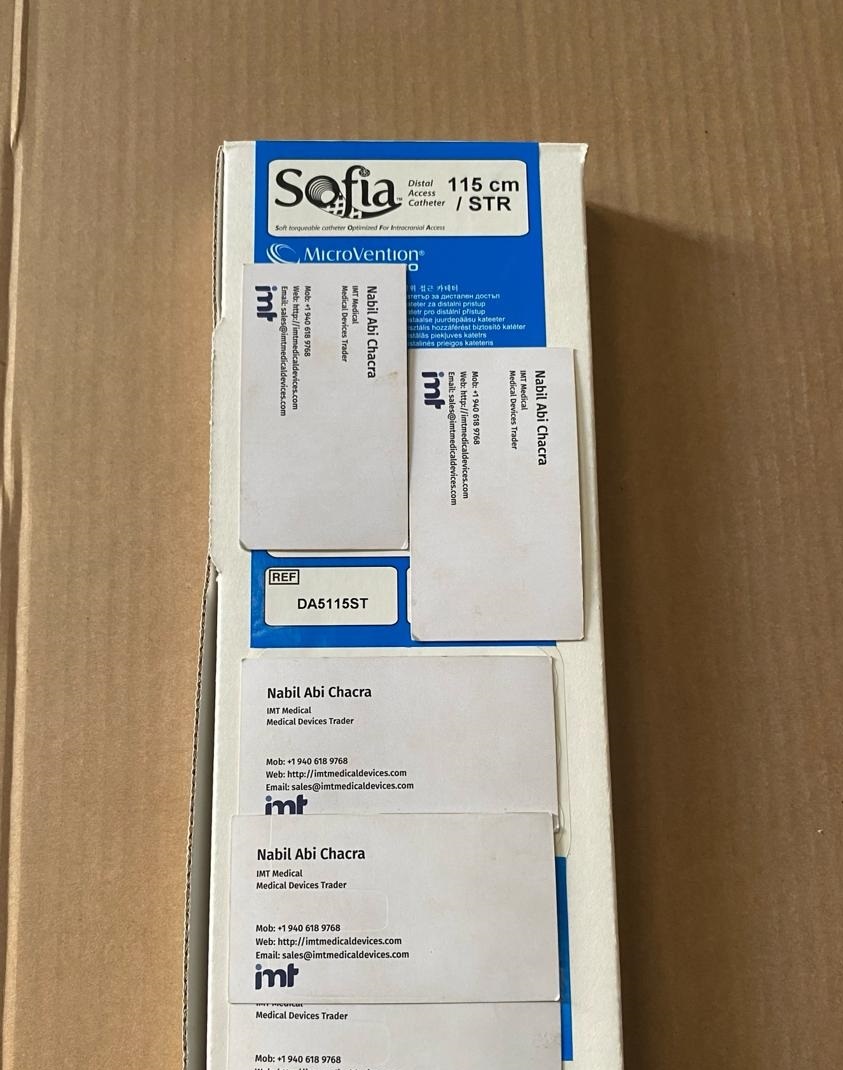
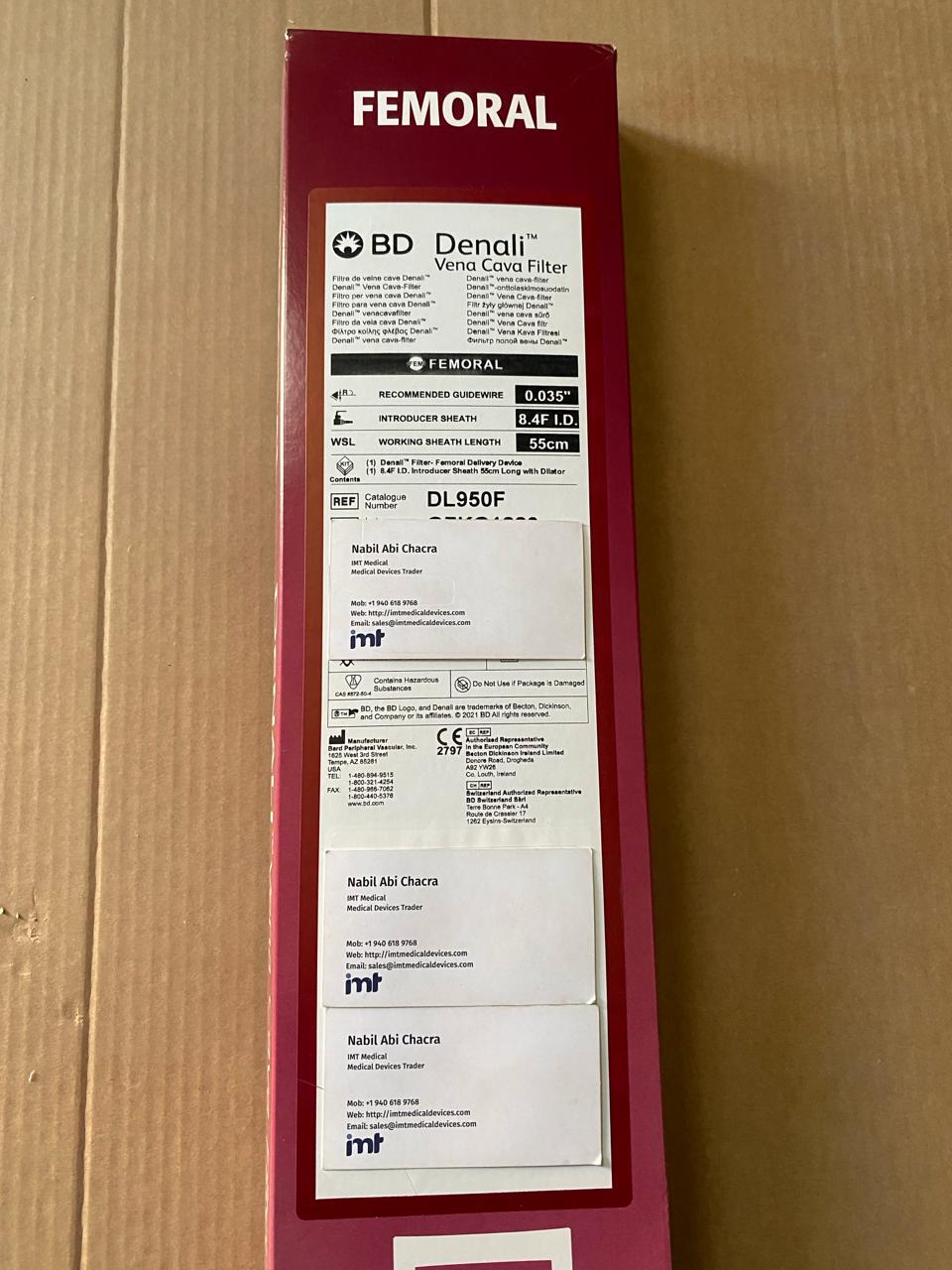
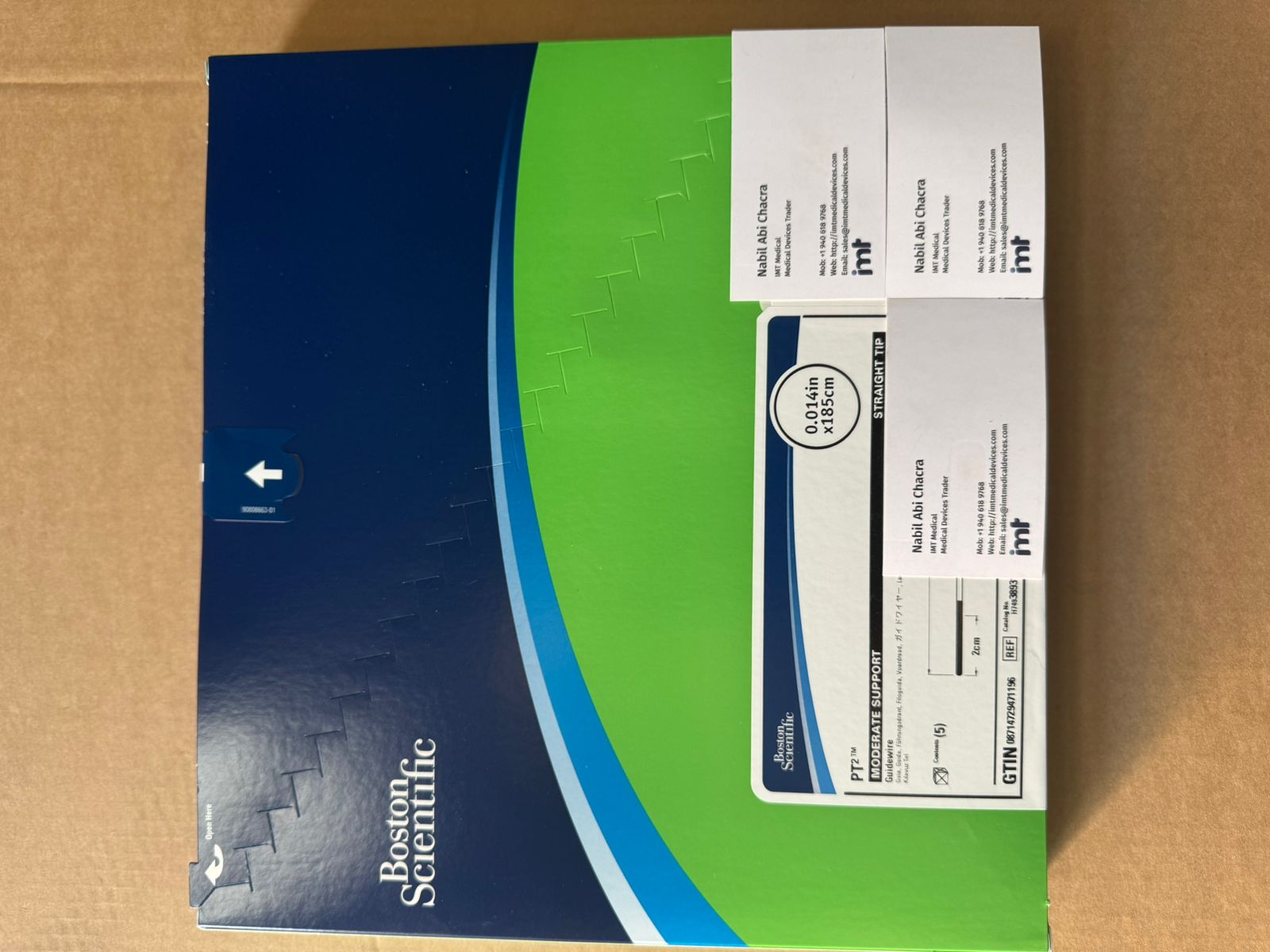
A capable reseller typically supports demand across coronary, peripheral, and neurovascular lines, because hospitals and distributors often consolidate sourcing across related interventional categories. That means the conversation frequently extends beyond a single coronary stent order into balloon catheters, guidewires, guiding catheters, microcatheters, aspiration catheters, coils, and closure devices.
Why buyers use a coronary stent reseller
The most common reason is simple: local channels do not always match operational needs. Some hospitals need access to brands that are not consistently stocked in their market. Some distributors compete directly with incumbent local distributors and need an alternate sourcing route. Some physicians push for a specific product family but face friction with the current in-country supply arrangement.
In each of those cases, the reseller serves a procurement function. The priority is not brand storytelling. The priority is obtaining the exact device required, with acceptable lead time, documentation, and commercial terms.
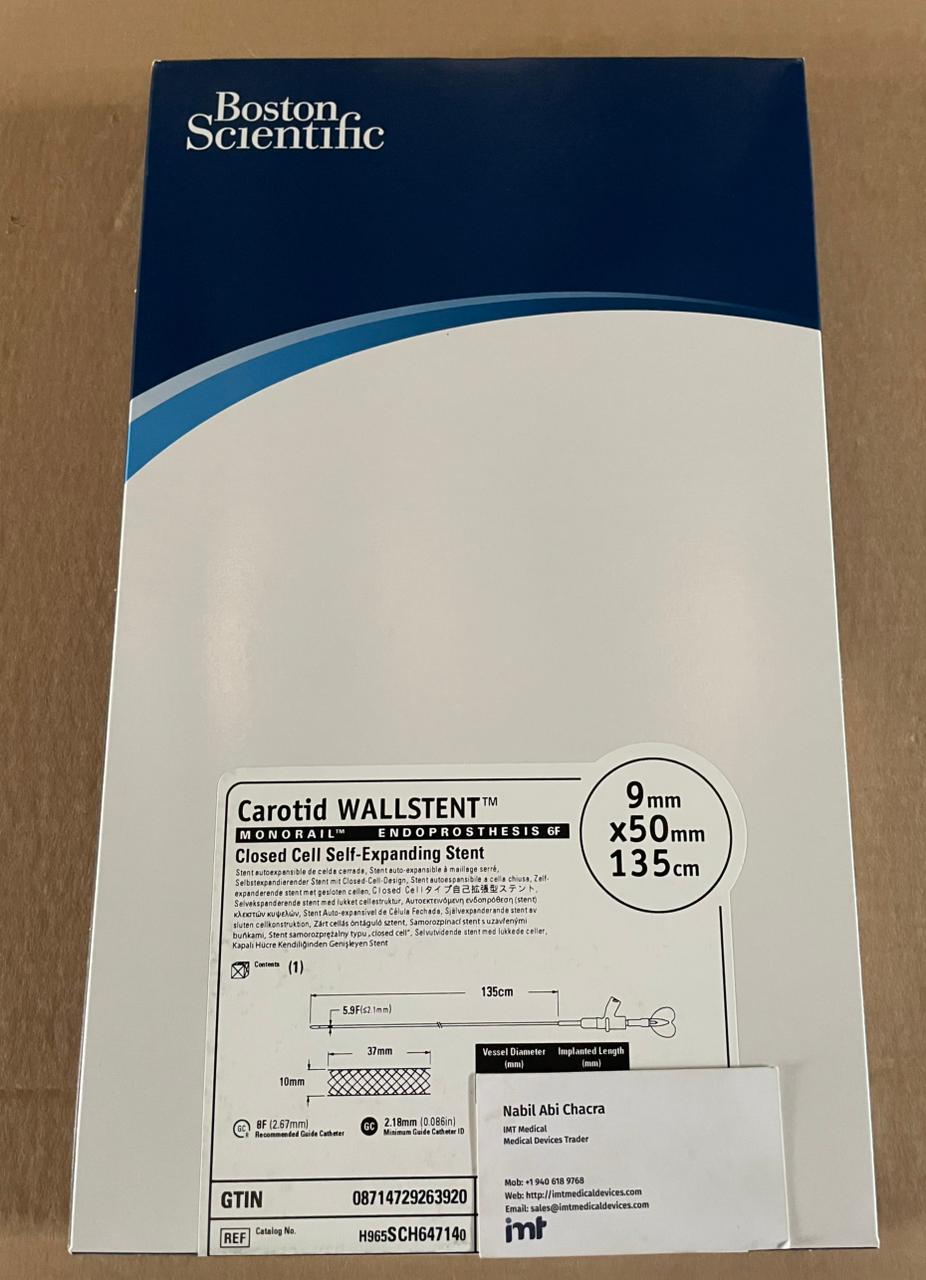
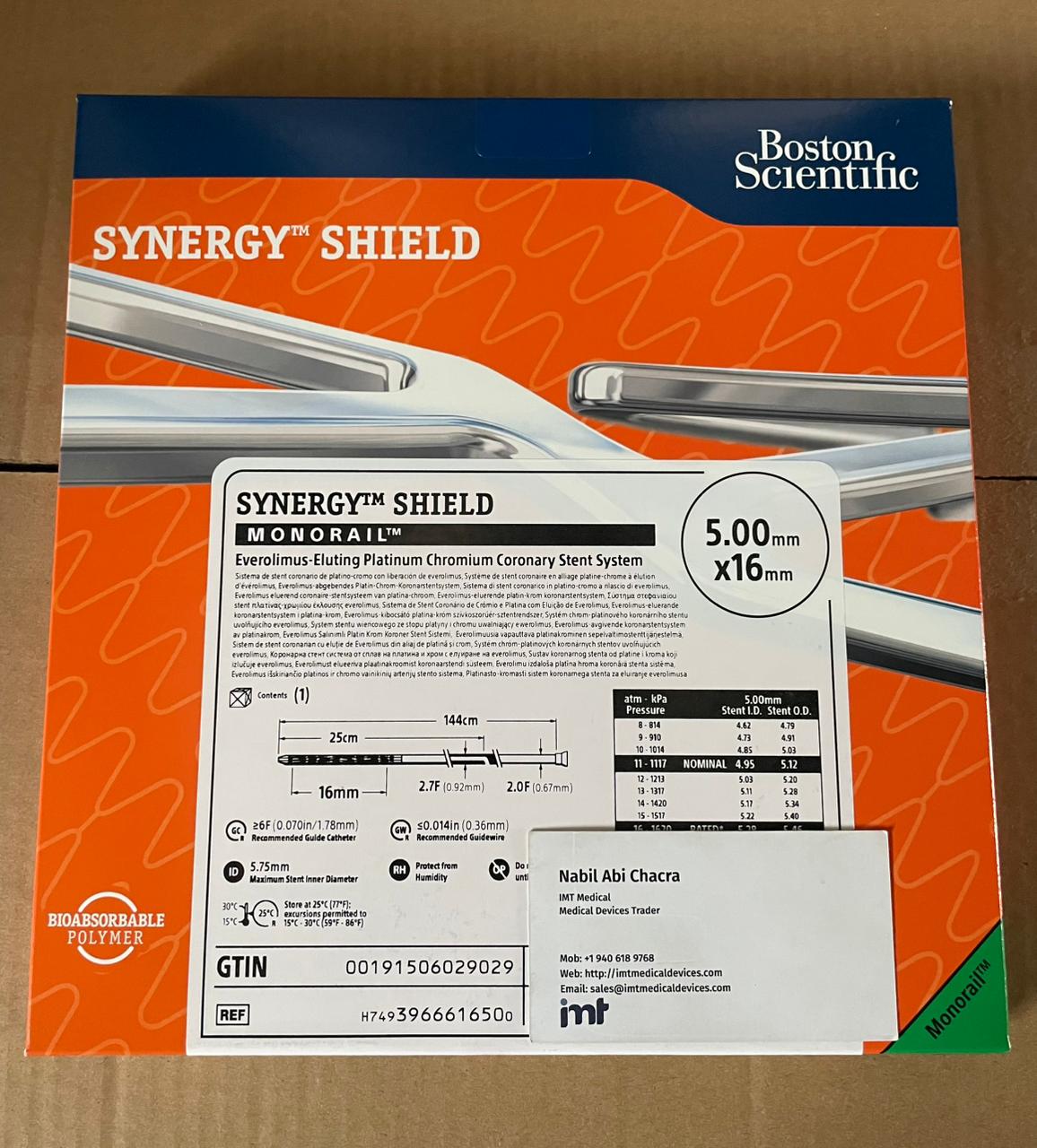
This is especially relevant when buyers need products from manufacturers such as Medtronic, Boston Scientific, Abbott, Cordis, Terumo, Asahi, and related interventional suppliers. A broad brand portfolio reduces the time wasted contacting multiple sources for the same case or tender requirement.
What to check before selecting a coronary stent reseller
The first filter is part-number accuracy. A reseller should be comfortable quoting and confirming exact references, not approximations. If a supplier relies too heavily on product family names without reference-level validation, the buyer absorbs unnecessary risk.
The second filter is branded inventory breadth. A narrow catalog may work for routine orders, but it becomes a problem when case requirements shift. Procurement teams benefit from a source that can cover multiple coronary lines and adjacent cath lab products in the same workflow.
The third filter is documentation discipline. For export orders, speed alone is not enough. Commercial invoices, packing lists, product identification, and shipping details must match the order precisely. Delays often come from paperwork mismatch rather than stock issues.
The fourth filter is quote responsiveness. In interventional purchasing, the commercial cycle is usually compressed. Buyers do not want long educational exchanges. They want confirmation on availability, condition, brand, part number, quantity, and shipping terms.
The fifth filter is product condition clarity. Professional buyers need direct answers on whether the items are new, branded, sealed, and traceable according to the transaction requirements in their market. Vague language creates avoidable back-and-forth.
Why exact identifiers matter in coronary purchasing
Coronary stent procurement is unforgiving when product details are incomplete. Small specification differences can change physician preference, crossing behavior, or inventory suitability for planned cases. That is why experienced buyers work from manufacturer references, not general catalog labels.
A reseller that understands this will structure communication around exact identifiers first. That approach saves time internally as well. Hospital purchasing, cath lab staff, and distributor procurement teams can validate an offer faster when the quote mirrors the requested brand and SKU.
This is also where supply-chain confidence is built. Recognizable manufacturer names matter, but exact product names and part numbers matter more. They reduce substitution errors, support internal approvals, and help buyers compare offers without ambiguity.
The trade-offs in using a reseller
Using a coronary stent reseller is practical, but buyers should approach it with a procurement mindset rather than assumptions. The main advantage is flexibility. The main trade-off is that not every item will have the same lead time, market availability, or shipping route at the moment of request.
That means the right question is not whether a reseller is always better than a local distributor. It depends on the order. For standard, high-volume items stocked well in-country, local purchasing may remain efficient. For difficult-to-source brands, urgent backfill demand, cross-border procurement, or competitive distributor sourcing, the reseller model often becomes more useful.
Price also has to be evaluated in context. A lower unit price does not always produce a better procurement outcome if it comes with slower lead times, incomplete documentation, or uncertainty around product identification. Total purchasing efficiency matters more than a single line-item comparison.
How professional buyers usually evaluate offers
Hospitals and distributors tend to look at the same core variables. They need the requested branded product, the correct reference, a usable quantity, and a delivery window that matches procedure or stocking requirements. Beyond that, procurement teams assess how much effort the supplier creates.
A reseller that answers clearly and quickly usually has an advantage. Buyers do not want long explanations about the market. They want a direct response: available or not available, requested quantity or partial quantity, exact reference confirmation, and shipping terms.
This is why catalog structure matters. A supplier focused on interventional categories can support faster decision-making because the product taxonomy already aligns with how cath labs and distributors buy. Coronary, peripheral, and neurovascular segmentation is operationally useful. It reflects how requests are submitted and how internal purchasing reviews are often organized.
When broader interventional coverage becomes valuable
Coronary orders are not always isolated. A hospital may need coronary stents together with balloon catheters, guidewires, guiding catheters, or closure devices. A distributor may be building a broader line card for cardiovascular accounts and need multiple brands across several procedural categories.
In those cases, the reseller's broader inventory becomes a commercial advantage. Consolidating purchases through one source can simplify quotation, reduce communication overhead, and help align shipments. This matters for buyers operating across Gulf countries, Latin America, Asia, China, and Russia, where logistics planning and document accuracy can have a direct effect on delivery timing.
For that type of buyer, a specialized supplier such as IMT Medical Devices is useful when the requirement is specific branded interventional inventory rather than a general medical catalog. The practical value is speed to quote and clarity at product level.
Signs a reseller is set up for serious cath lab procurement
The strongest signal is not marketing language. It is how the supplier handles a request. If the response is organized around manufacturer name, exact product description, reference number, requested quantity, and shipment details, the supplier understands the assignment.
Another strong signal is familiarity with adjacent device families. Coronary stent demand often intersects with broader cardiovascular procurement patterns. A reseller that already works across Medtronic, Boston Scientific, Abbott, Asahi, Terumo, Cordis, and related brands is usually better positioned to support repeat business than one that only brokers isolated requests.
Consistency also matters. Professional buyers prefer a source they can return to for multiple urgent and routine orders, not just occasional spot purchases. Reliability in communication is part of supply reliability.
A practical way to approach the next request
If you are evaluating a coronary stent reseller, start with the same standard you would use internally. Send the exact manufacturer reference, required quantity, and destination. Then measure the quality of the reply. Was the product identified correctly? Was the quote aligned to the request? Were lead time and shipping details clear? Was there unnecessary ambiguity?
That process usually reveals very quickly whether the supplier is built for cath lab procurement or simply acting as a generic intermediary. In this market, the difference shows up in execution more than claims.
The useful supplier is the one that makes your next order easier to place, easier to verify, and easier to receive.