
Coronary Ballon Buying Guide
A delayed balloon catheter can stall an entire PCI schedule. For cath labs, hospitals, and independent distributors, the issue is rarely product awareness. It is usually sourcing - getting the correct coronary ballon type, size, shaft profile, and brand reference without losing time to local distributor gaps or limited stock visibility.
This guide is written for buyers who already work with interventional cardiology products and need a cleaner way to evaluate coronary balloon supply. The focus is practical: category structure, selection logic, and procurement checkpoints that reduce ordering errors.
What buyers mean by coronary ballon
In purchasing workflows, "coronary ballon" usually refers to a coronary balloon catheter used during percutaneous coronary intervention. Depending on the case and operator preference, that may include semi-compliant balloons for lesion preparation, non-compliant balloons for post-dilatation and precise expansion, cutting or specialty balloons for resistant lesions, and support balloons used alongside guidewire or crossing strategies.
From a sourcing standpoint, the term is broad. A quote request that only says "coronary ballon" is not enough for accurate fulfillment. Buyers typically need to narrow by balloon type, diameter, length, nominal pressure, rated burst pressure, crossing profile, shaft length, guide catheter compatibility, and preferred manufacturer.
That is why product identification matters more than general category naming. In a professional cath lab supply chain, exact references reduce back-and-forth and lower the risk of receiving a clinically usable but operationally wrong device.
Coronary ballon categories used in PCI purchasing
The first filter is not brand. It is use case.
Semi-compliant balloons
Semi-compliant coronary balloons are commonly selected for initial lesion dilatation because they can conform to vessel anatomy more readily than non-compliant options. They are widely used in routine predilatation, especially when the operator wants some flexibility in early lesion preparation.
For buyers, the trade-off is straightforward. Semi-compliant products can be versatile, but they may be less suitable when highly controlled final diameter is the priority. That affects stocking strategy. Labs doing a high volume of standard PCI may want broad semi-compliant size coverage, while centers handling more calcified or complex disease may treat them as only one part of a larger balloon mix.
Non-compliant balloons
Non-compliant balloons are typically chosen where controlled expansion and higher pressure performance are required, especially post-stent optimization. Procurement teams often see stronger repeat demand here because these balloons are central to precise vessel sizing and final result optimization.
The sourcing issue is usually not whether to stock them. It is how deep to stock by diameter and length. Too narrow a range creates substitutions that physicians may reject. Too broad a range ties up capital in slower-moving SKUs.
Specialty coronary balloons
Specialty devices include cutting balloons and other lesion-modification designs used for resistant or complex lesions. These are less likely to be consumed at the same rate as standard semi-compliant or non-compliant lines, but they are often high-priority when needed.
For procurement, specialty inventory requires a different logic. Demand may be lower, but tolerance for stockout is also low because case conversion options are limited once the procedure is underway.
How to evaluate a coronary ballon before requesting a quote
Experienced buyers usually already know the brand family they want. Even so, quote quality improves when the request includes the specifications that actually drive compatibility.
Diameter and length are the starting point, but not the full picture. Balloon compliance profile matters because a 3.0 mm semi-compliant product and a 3.0 mm non-compliant product may serve different procedural roles. Shaft design, tip entry, crossing profile, and pressure characteristics can also influence physician acceptance.
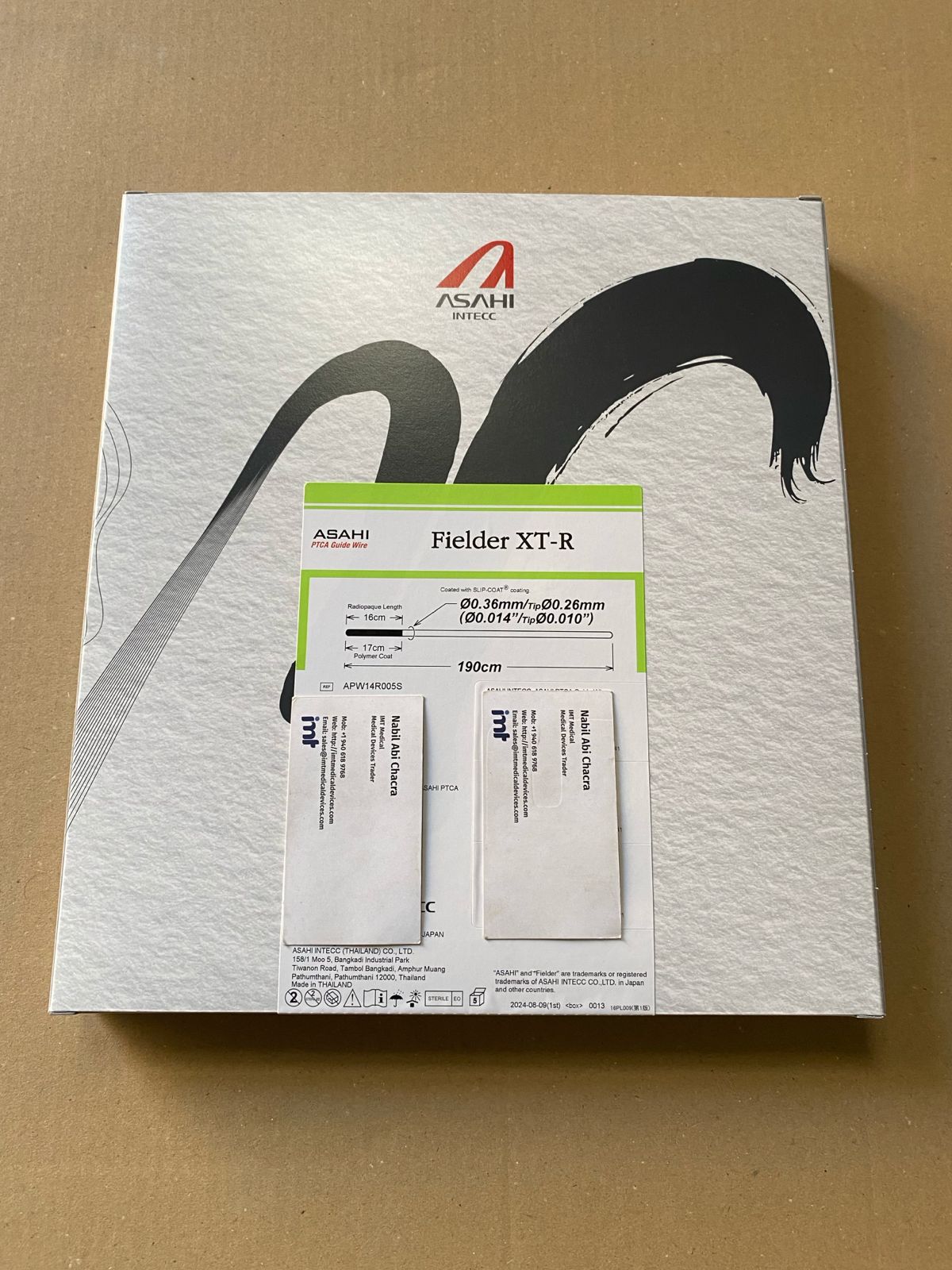
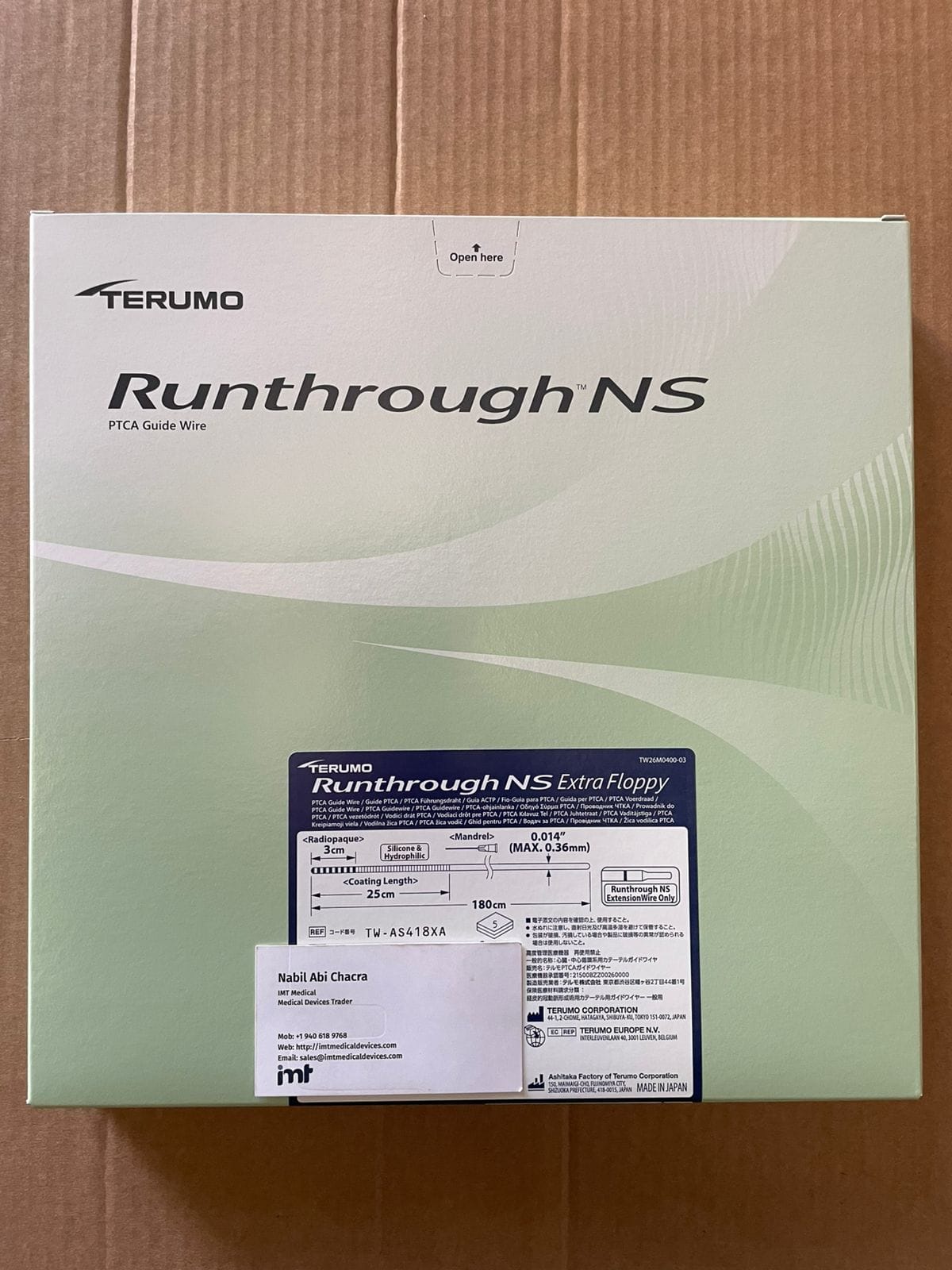
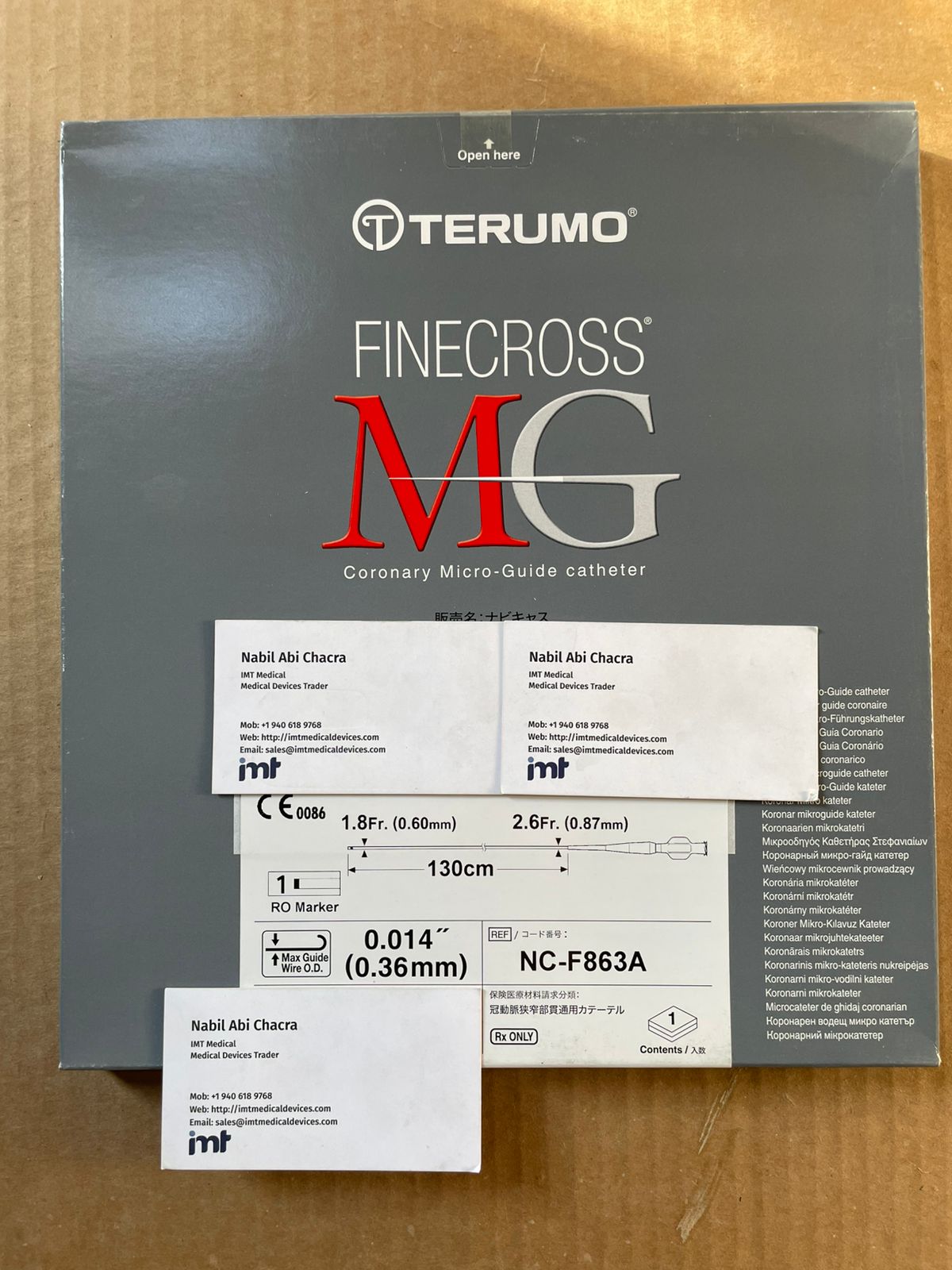
If the request is meant to match an existing formulary, the best approach is the exact product name and part number. That is especially relevant when sourcing branded inventory from manufacturers such as Medtronic, Boston Scientific, Terumo, Cordis, Abbott, or Asahi-linked coronary platforms used alongside guidewire strategy.
If the exact part number is unavailable, the minimum useful request should include:
- balloon type
- diameter and length
- preferred manufacturer
- intended use, such as predilatation or post-dilatation
- required quantity
- destination country
That level of detail speeds quotation and reduces substitutions.
Brand and part number precision matter more than broad equivalence
In interventional cardiology procurement, "equivalent" does not always mean interchangeable in practice. Physicians may accept one non-compliant balloon and reject another based on trackability, pushability, pressure response, or prior case familiarity. The same issue appears in hospital tenders where the listed specification seems broad, but the intended product profile is narrow.
For that reason, branded sourcing remains the safer route for many buyers. Exact product names and SKUs lower clinical uncertainty and procurement friction. They also help competing distributors quote with confidence when the local market is locked by an incumbent supplier.
This is where catalog discipline matters. A supplier should be able to work from an exact identifier, confirm availability, and return a clear commercial response without turning a simple request into an extended technical discussion.
Common sourcing problems with coronary ballon inventory
The most common issue is partial availability. A supplier may have a product line but not the needed diameter-length combination. In coronary work, that matters. A near match is often not a true match.
The second issue is regional distribution restriction. Hospitals and distributors in Gulf countries, Latin America, Asia, China, and Russia may face uneven local access to branded PCI inventory, especially when a dominant distributor controls hospital relationships or limits responsive quoting.
The third issue is documentation mismatch. Buyers need invoices, packing details, and product identification that align cleanly with internal procurement systems. When a supplier is vague on descriptions, errors move downstream into receiving, inventory posting, and case planning.
The fourth issue is shelf-life management. Coronary balloon orders are not only about immediate price. Remaining shelf life can materially affect value, especially for slower-moving specialty references. Buyers should ask early rather than after allocation.
A practical stocking approach for cath labs and distributors
There is no single ideal coronary balloon inventory model. It depends on procedure mix, physician preference, and whether the buyer is a hospital or a trade distributor.
A high-volume PCI center usually benefits from keeping strong depth in standard semi-compliant and non-compliant sizes, with selective specialty coverage based on case complexity. A distributor may prefer a narrower but faster-moving profile, centered on common diameters and lengths from established manufacturers.
What usually works best is to separate inventory into three layers. The first is fast-moving routine PCI demand. The second is physician-specific branded references. The third is backup or difficult-to-source items that protect against local distributor disruption.
That structure improves fill rate without overcommitting capital to slow SKUs.
What to send in a quote request
For coronary ballon procurement, a usable inquiry should read like an order line, not a general question. Include exact part number if available. If not, send product family, balloon type, size, preferred brand, quantity, and destination.
It also helps to state whether the request is for immediate shipment, backorder planning, or recurring supply. Those are different commercial situations, and they affect how inventory is allocated.
If your purchasing team is replacing a local distributor source, mention whether continuity of the same brand is mandatory. If flexibility exists, say that as well. It saves time on both sides.
At https://imtmedicaldevices.com, the sourcing model is built around branded interventional inventory and quote-driven fulfillment, which is usually the right fit for buyers who already know the device family or exact SKU they need.
Coronary ballon procurement is mostly about accuracy
Most delays in balloon catheter purchasing do not come from product complexity alone. They come from incomplete identification, unclear stock position, and suppliers that cannot work at SKU level.
When the request is specific, the process is faster. When the supplier can confirm branded inventory clearly, purchasing risk drops. That matters whether you are a hospital bypassing an unresponsive local distributor, a competing distributor covering a stock gap, or a physician trying to secure a preferred balloon platform for planned PCI cases.
The useful next step is simple: send the exact reference if you have it, and if you do not, send enough procedural and sizing detail to avoid a preventable mismatch.