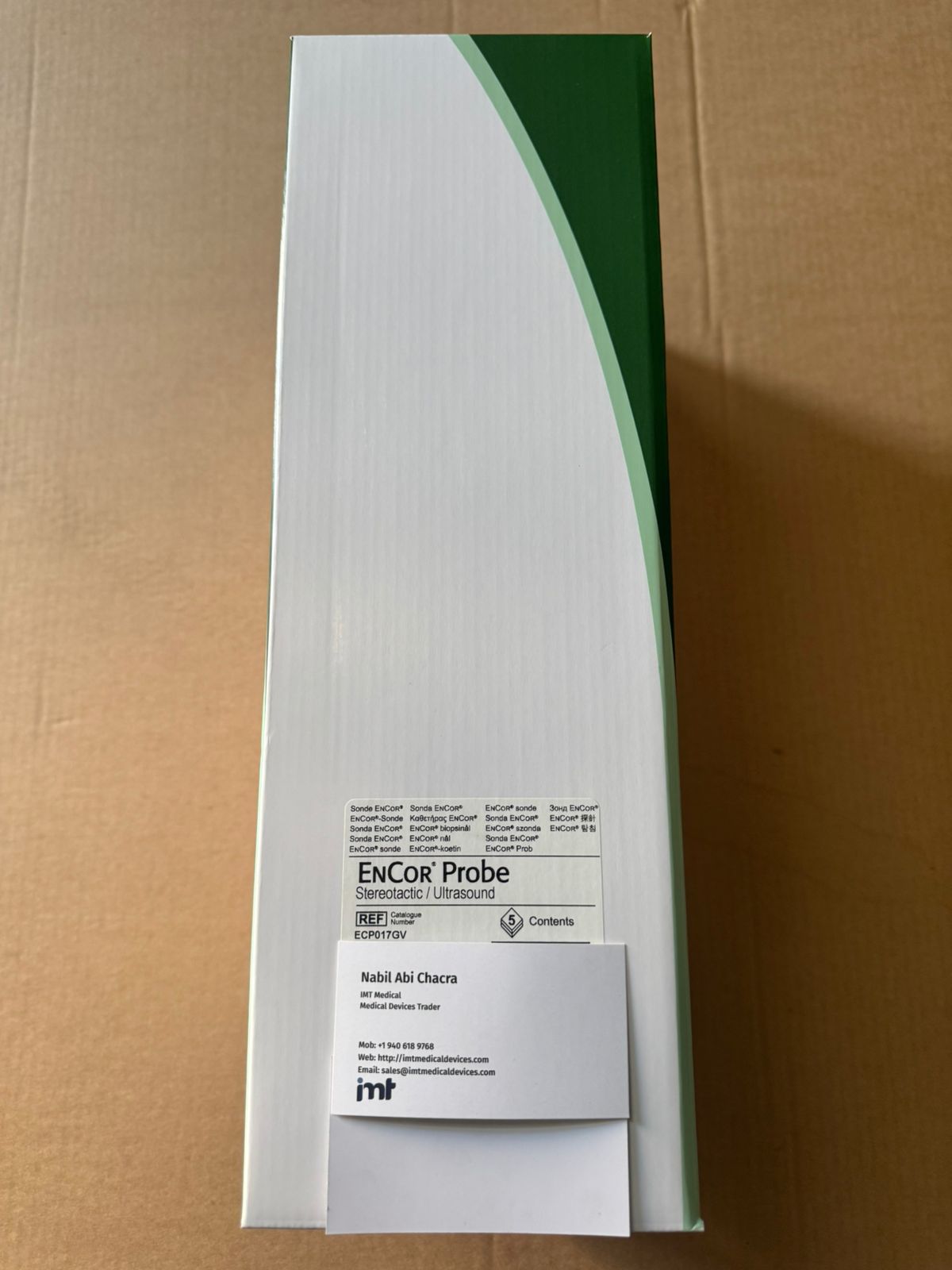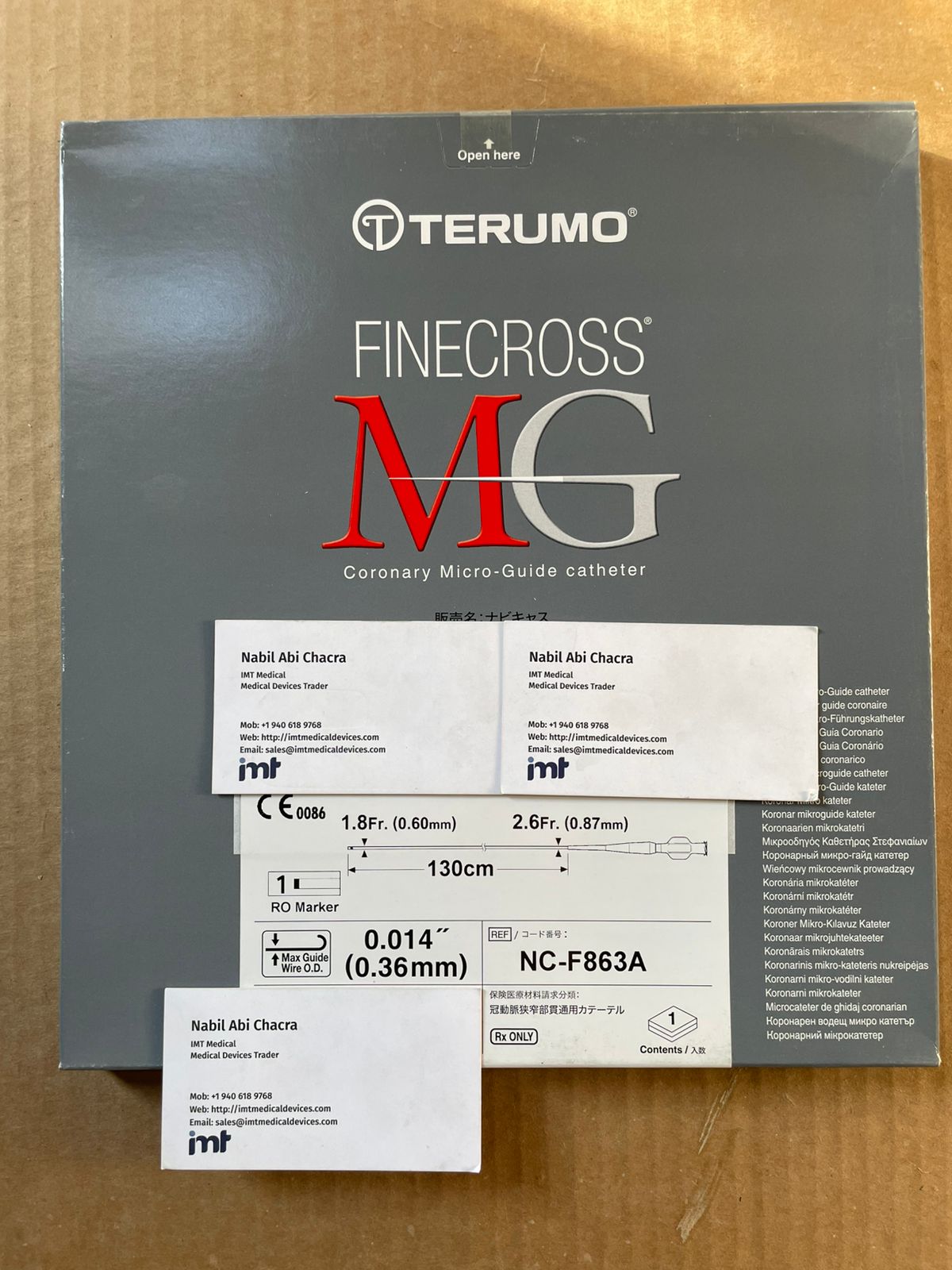

Coronary Stent Export for Global Buyers
A coronary stent export order is rarely delayed because of the stent itself. More often, the friction comes from documentation gaps, brand substitution risk, country-specific import requirements, or poor coordination between supplier, freight partner, and consignee. For hospital buyers, cath labs, and distributors, that makes supplier selection less about price alone and more about execution.
In interventional cardiology procurement, product accuracy matters at the level of brand, platform, size matrix, and packaging configuration. A branded coronary stent is not a generic commodity. Buyers are often working against scheduled cases, tender commitments, shelf-life thresholds, and internal approval frameworks. If the export side is weak, even a valid purchase order can turn into lost time and avoidable operational pressure.
What coronary stent export really involves
Coronary stent export sits at the intersection of commercial supply, regulatory handling, and logistics discipline. The product category is clinically sensitive, brand-driven, and tightly specified. That means the export process has to support more than shipment movement. It has to preserve purchasing confidence from quotation through delivery.
For most professional buyers, the practical questions are straightforward. Is the device authentic and correctly identified? Is the manufacturer and model exactly what was requested? Are lot details, expiry terms, and packaging condition aligned with internal acceptance standards? Can the exporter prepare the commercial and shipping documents needed for customs clearance in the destination market?
These are basic questions, but they are where many transactions succeed or fail. A supplier that understands interventional product categories will usually speak in exact nomenclature, not vague equivalents. That is especially relevant for branded coronary stents, where physician preference, account approvals, and procedural familiarity often drive procurement decisions.
Why branded sourcing matters in coronary stent export
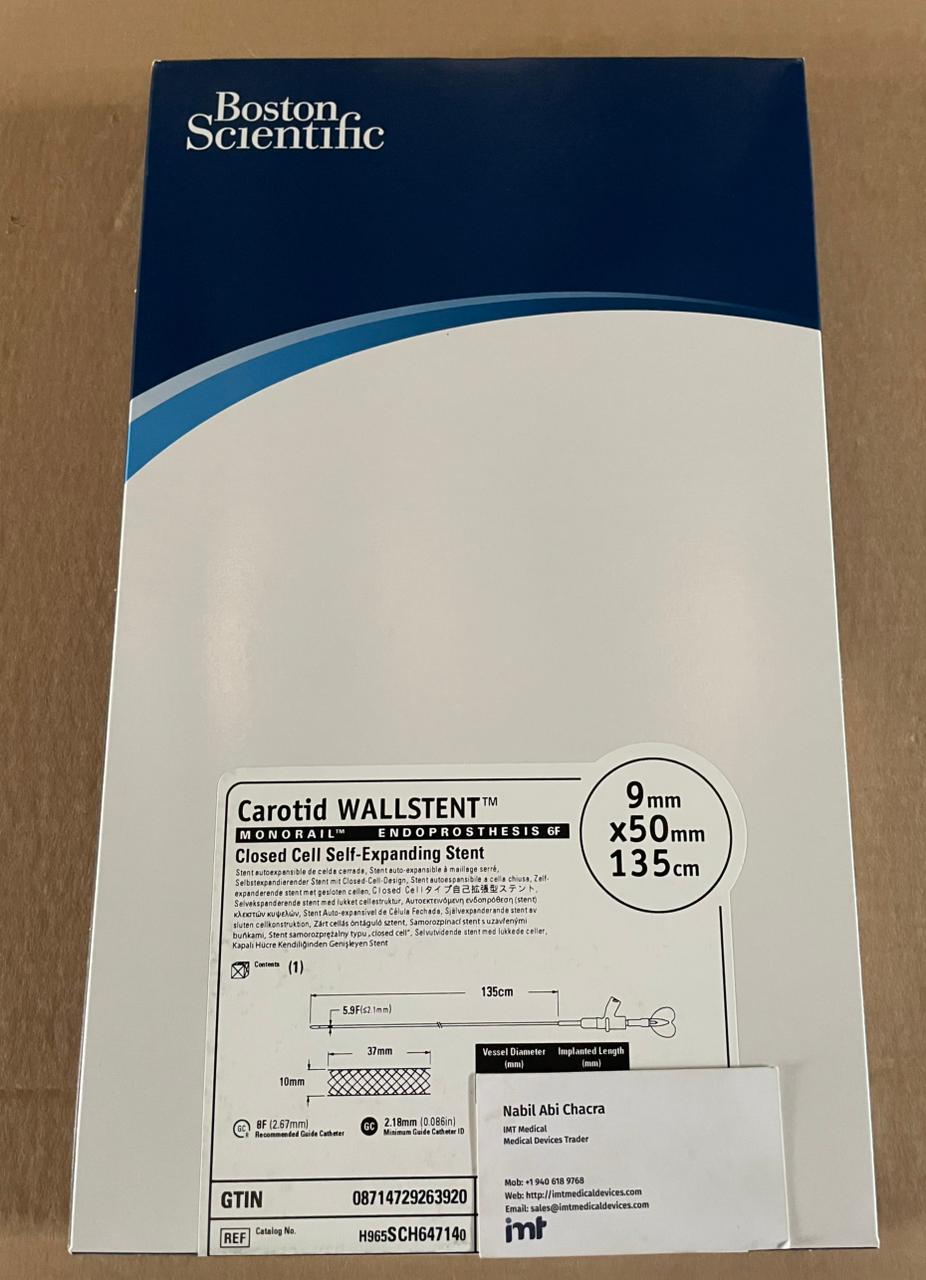
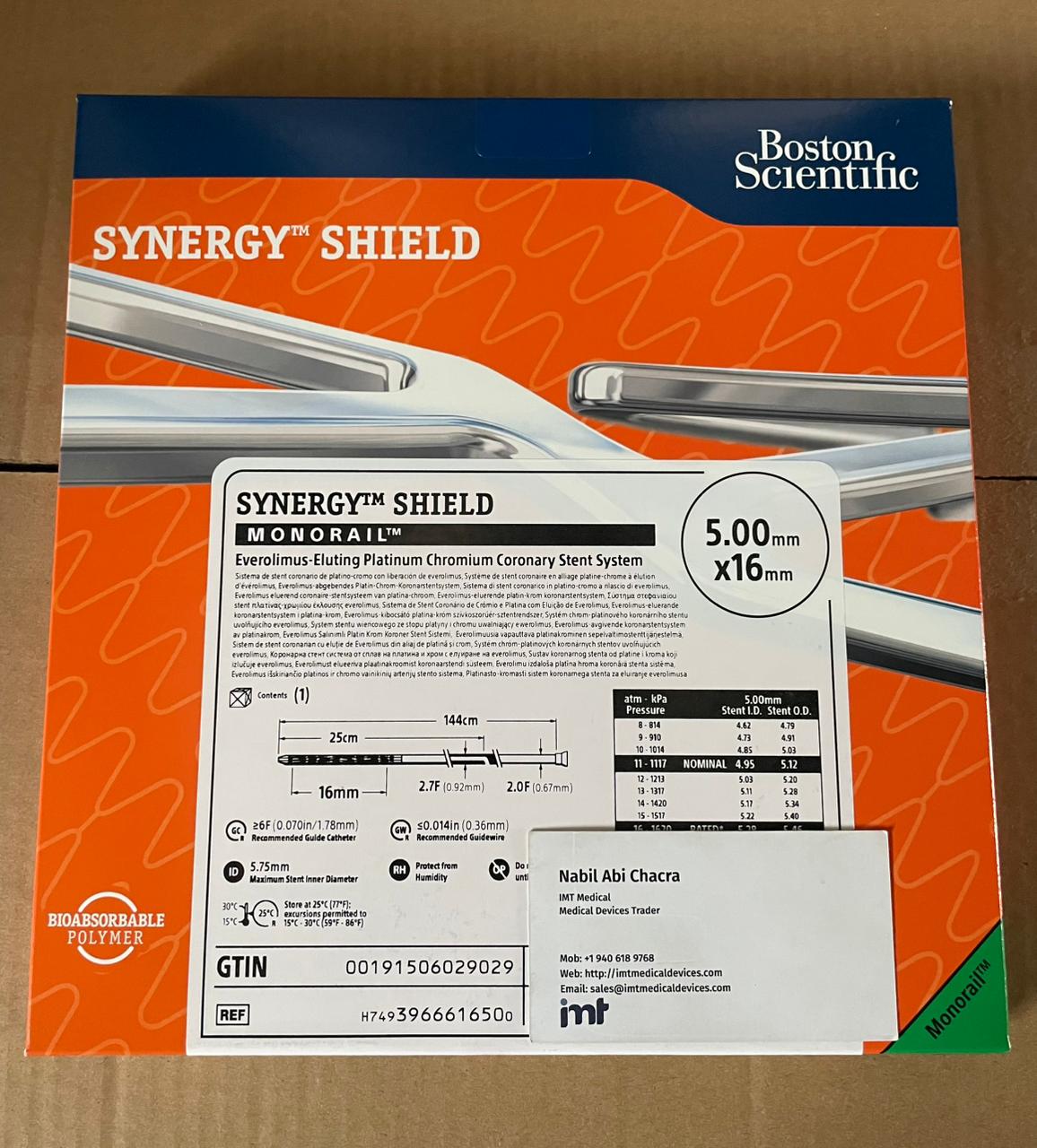
Buyers in this category are usually not looking for a broad description such as drug-eluting stent or coronary scaffold. They are looking for an approved branded product from a recognized manufacturer, often with a known diameter and length combination, and sometimes with matching accessories sourced in the same cycle.
That changes how export supply should be handled. The supplier must be able to confirm product identity with precision and manage availability accordingly. In a B2B environment, trust is built through exact SKU alignment, not broad category claims.
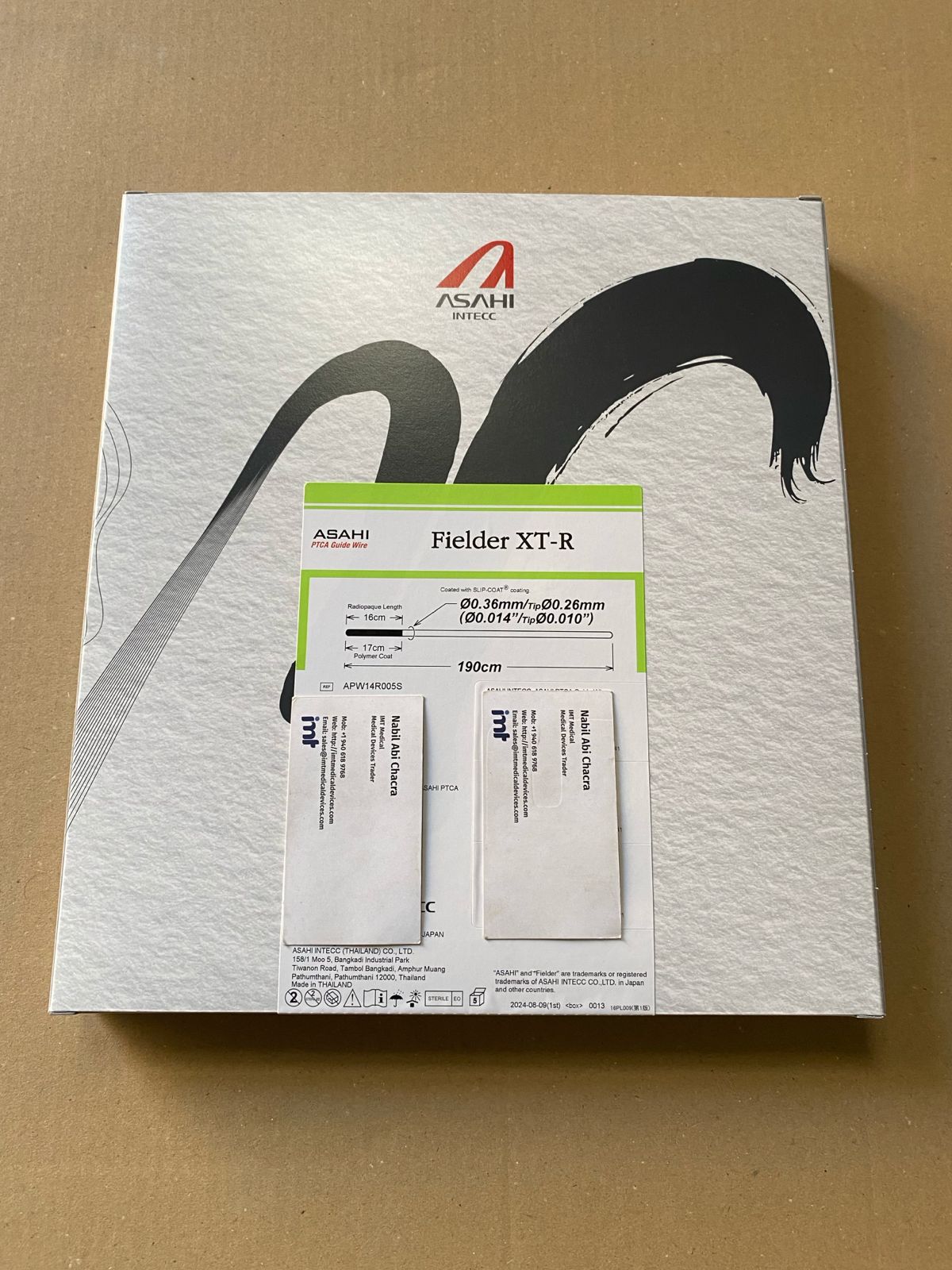
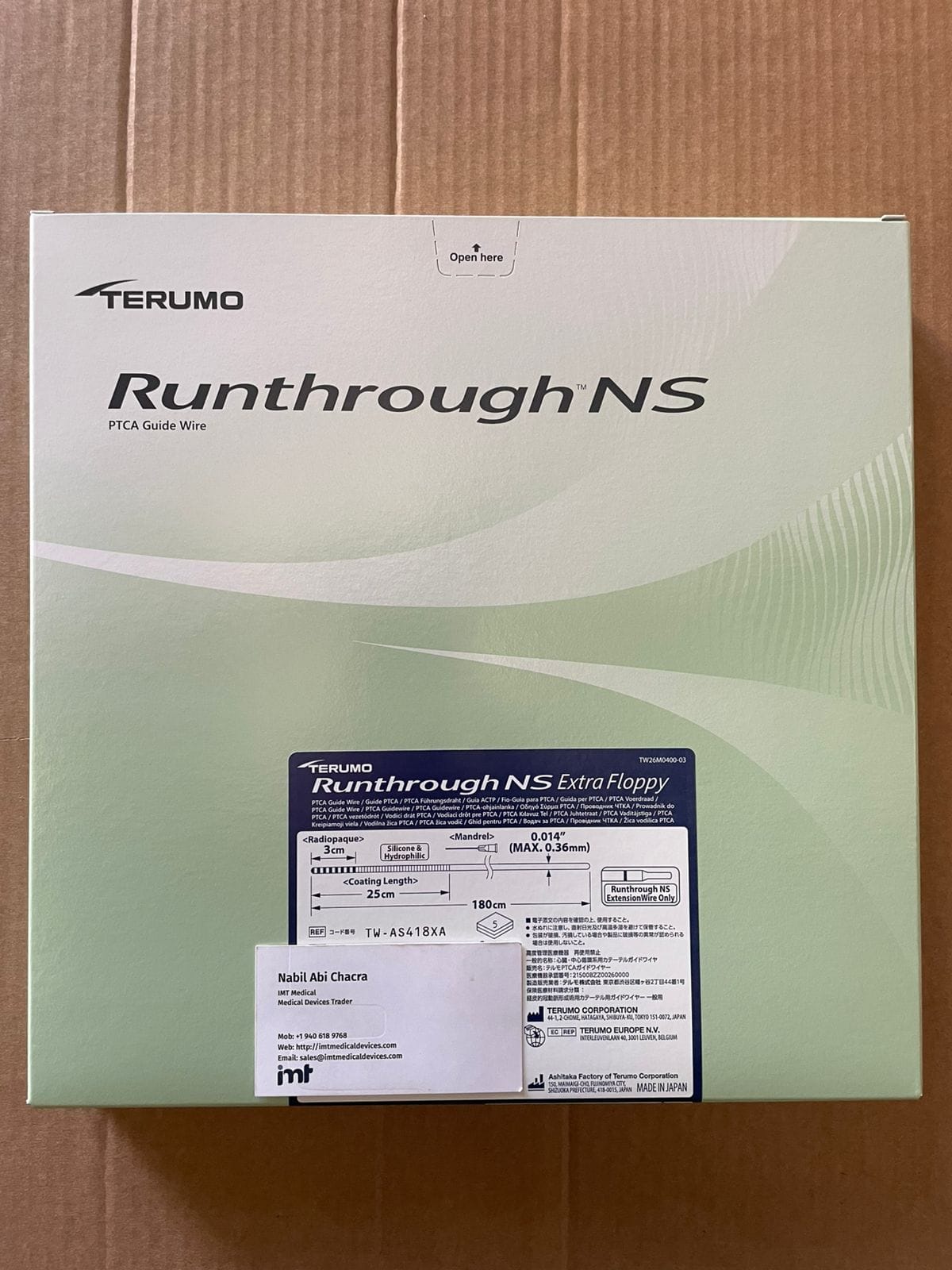
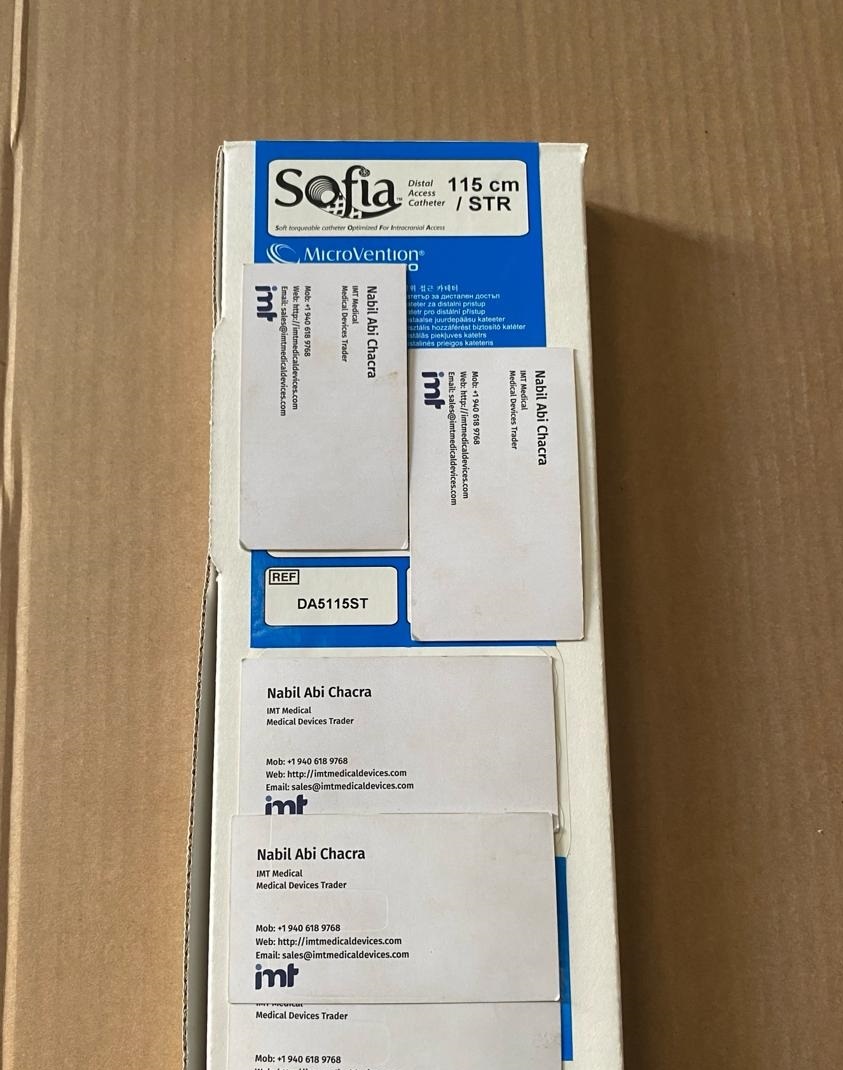
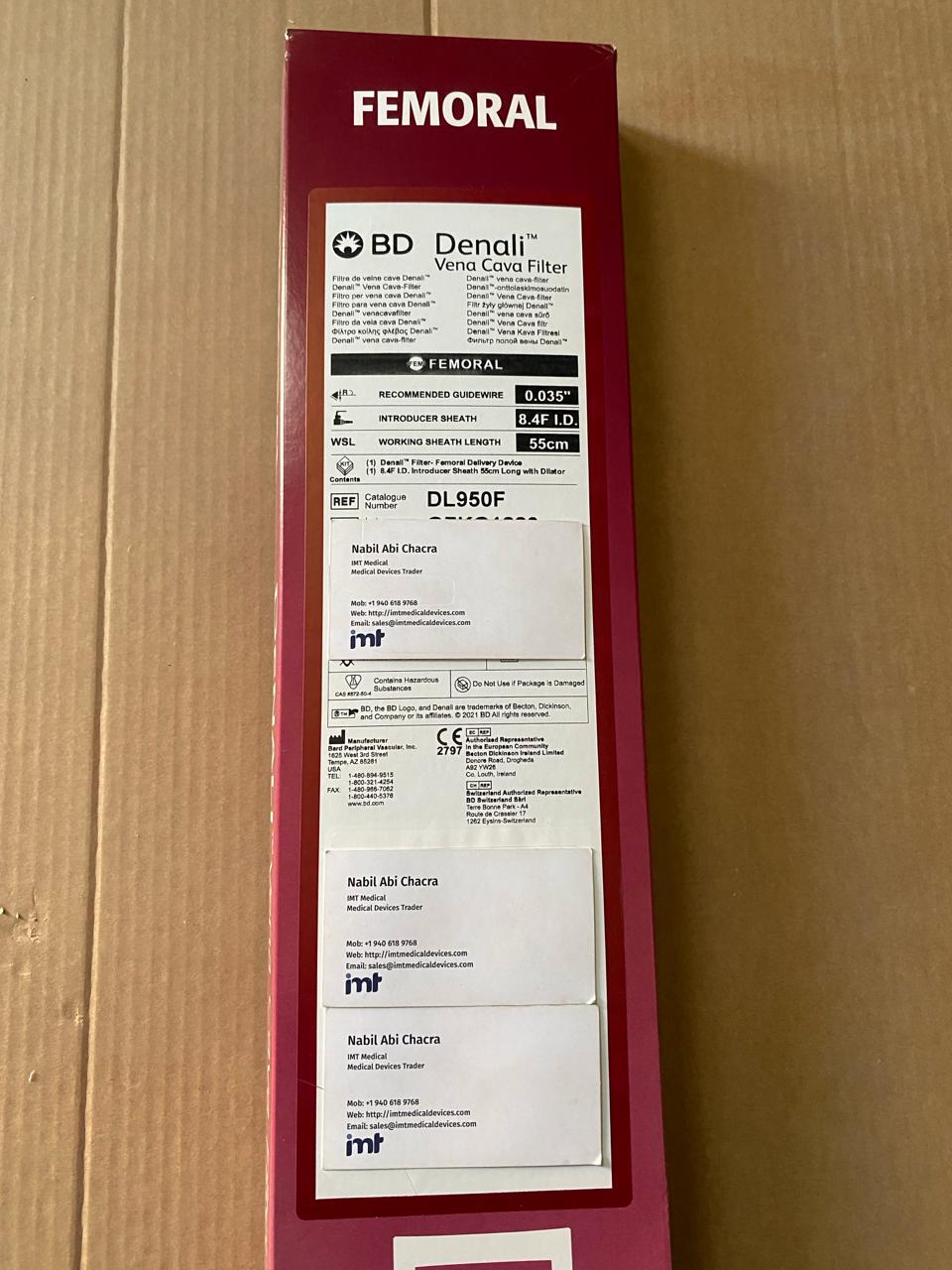
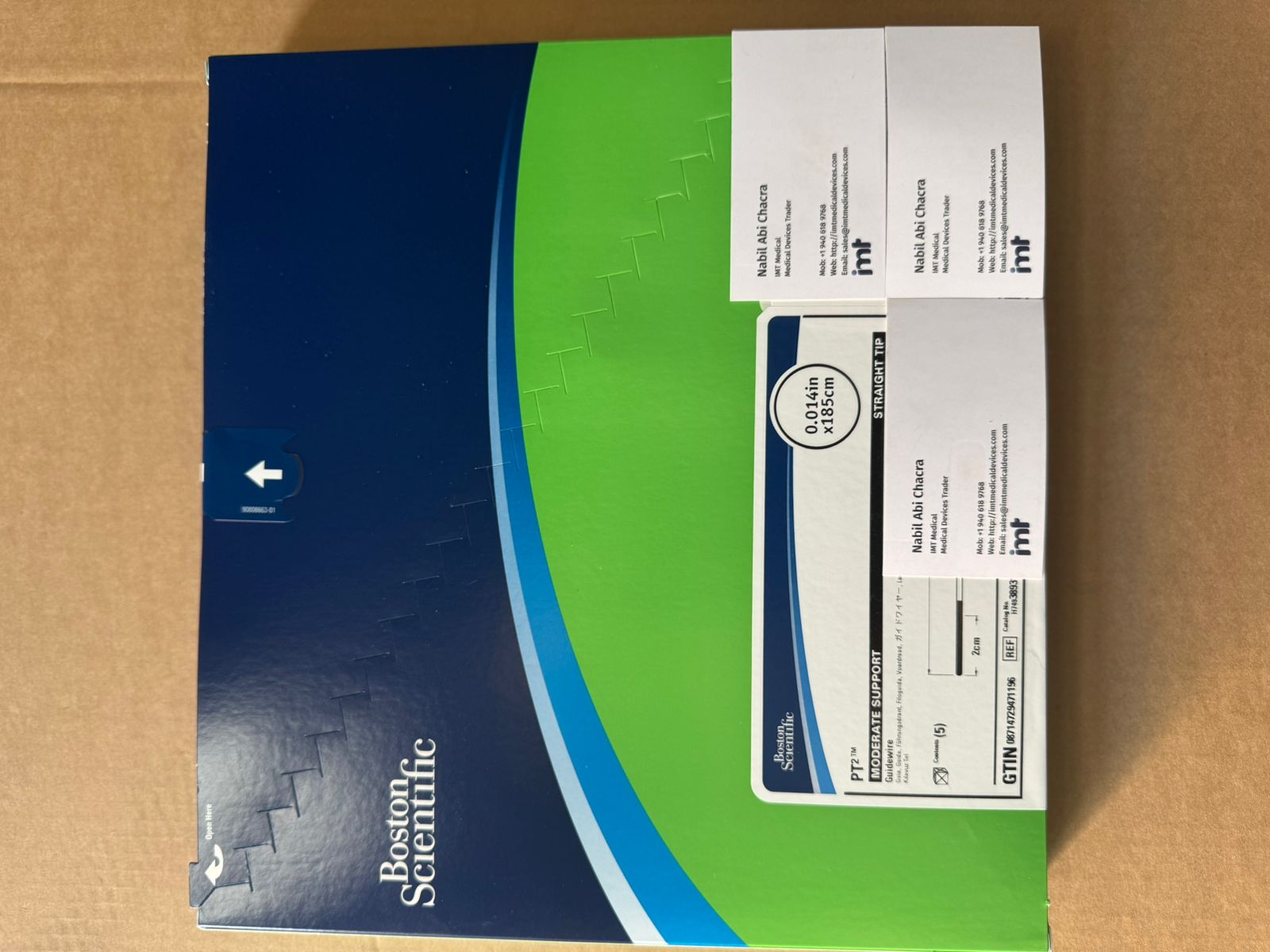
There is also a practical procurement benefit in working with a supplier that can source across multiple recognized manufacturers. A hospital group, distributor, or cardiology center may need coronary stents alongside PTCA balloons, guidewires, guiding catheters, introducers, or closure products. Consolidating those requirements through one export-capable source can reduce administrative workload and improve shipment planning. It does not eliminate complexity, but it can reduce the number of moving parts.
What professional buyers should verify before placing an order
The strongest coronary stent export transactions usually begin with very clear validation on both sides. Buyers should expect exact commercial details before confirming an order, and exporters should be prepared to provide them.
First, confirm the full product specification. Brand name, reference number, size, product family, and quantity should all be aligned in writing. If the request includes alternatives, those should be stated explicitly rather than assumed. In this category, substitution without prior approval is not a minor issue.
Second, review expiry expectations. Different buyers have different minimum shelf-life policies, and those policies may be tied to public tenders, distributor resale requirements, or internal stock rotation rules. It is better to define acceptable expiry at quote stage than to negotiate it after packing.
Third, verify document readiness. Commercial invoice, packing list, and any supporting export documentation should match the product details exactly. If the destination market requires additional registrations, declarations, or consignee-specific information, that should be identified before shipment release.
Fourth, confirm packaging and shipment handling. Even where no cold chain is required, buyers still expect clean manufacturer packaging, intact labeling, and shipment preparation that protects the goods during international transit. For high-value branded devices, appearance on arrival affects acceptance as much as paperwork does.
Common friction points in international stent procurement
The most common problems in coronary stent export are usually predictable. One is incomplete item identification. Another is assuming that a product accepted in one market can move into another market under the same documentation conditions. That is not always the case.
A second issue is partial visibility on stock status. In a quote-based environment, availability can change quickly, especially for high-demand branded SKUs. Buyers benefit from working with suppliers who communicate stock constraints early and offer realistic lead times instead of optimistic assumptions.
A third issue is fragmented procurement. If a buyer sources coronary stents from one company, guidewires from another, and diagnostic products from a third, each shipment creates separate documentation, freight coordination, and customs exposure. There are situations where separate sourcing is necessary, especially if local contracts dictate it. But when consolidation is possible, it often improves control.
Customs handling is another area where practical experience matters. The exporter does not control destination customs decisions, but an experienced supplier can reduce avoidable errors by preparing documents consistently and aligning shipment details with consignee instructions. For professional buyers, that level of preparation is not an extra service. It is part of competent execution.
How to assess a coronary stent export supplier
A credible supplier in this category should present itself with the discipline expected in medical procurement. That means recognized manufacturer alignment, exact product naming, and a clear process for inquiry, quotation, and fulfillment.
The first sign of quality is specificity. If a supplier can clearly identify branded coronary stents and adjacent interventional cardiology products, that indicates operational familiarity with the category. Broad claims without precise nomenclature are less useful for professional buyers.
The second sign is portfolio logic. Buyers often need more than one item category per order cycle. A supplier with access to coronary, peripheral, neurovascular, and laboratory brands can support organizations that prefer to centralize procurement across departments or product lines. That does not mean every order should be consolidated, but it gives the buyer more control over sourcing design.
The third sign is export capability as a core function, not an occasional accommodation. International buyers need a partner that understands consignee data accuracy, shipping coordination, and cross-border order flow as routine business activity. That is particularly relevant when a procurement team is managing repeated purchases rather than a one-time transaction.
For example, a wholesale source such as IMTMedicalDevices.com is positioned around branded device procurement and export support rather than local retail sales. That distinction matters because professional buyers generally need sourcing accuracy, quote responsiveness, and international shipment readiness more than consumer-facing product content.
The trade-offs buyers should weigh
There is no single best model for coronary stent export because buyer priorities vary. Some organizations optimize for immediate stock access. Others prioritize manufacturer preference, long-dated expiry, or multi-category consolidation. In some cases, the lowest unit price is less important than reducing the risk of delay on a scheduled supply cycle.
There are also country-specific trade-offs. A market with straightforward import handling may allow faster replenishment decisions. A market with stricter documentary review may require more front-end coordination and longer planning windows. Buyers who understand their own internal receiving standards and import process generally get better results because they can communicate requirements before the order is packed.
It also depends on order type. A single urgent line item should be managed differently from a recurring distributor restock or a hospital tender replenishment. The more predictable the buying pattern, the more value there is in working with a supplier that can maintain continuity across brands and categories.
Where efficient export support creates real value
For procurement teams, the value of a strong export partner is not abstract. It shows up in fewer specification errors, faster quote matching, better shipment coordination, and less back-and-forth after the order is already in motion.
In coronary stent export, efficiency is rarely about speed alone. It is about reducing preventable issues while protecting product accuracy. A shipment that leaves quickly but arrives with mismatched documents or unacceptable shelf life is not efficient. A well-managed order is one that reaches the consignee with the right branded device, the right paperwork, and the right commercial clarity.
That is the standard professional buyers should expect. When the supplier understands interventional cardiology products, handles exact product references carefully, and supports export documentation as part of normal operations, procurement becomes easier to control. And in a category where supply continuity and brand confidence matter every day, that kind of control is worth more than a rushed quote.
The best coronary stent export relationships are built on precision, not promises.