
How to Evaluate Medical Device Wholesalers
A delayed guidewire, an incorrect catheter size, or incomplete export paperwork can disrupt far more than a purchase order. For hospitals, cath labs, neurovascular teams, laboratories, and distributors, medical device wholesalers are not just vendors. They are part of the supply chain behind scheduled procedures, inventory planning, and procurement risk management.
That is why wholesaler evaluation should go beyond price. In high-specification categories such as interventional cardiology, peripheral intervention, neurovascular, surgical products, and laboratory brands, buyers need a sourcing partner that can match exact product requirements, support international fulfillment, and maintain consistency across branded lines. A lower quote has limited value if the product mix is inconsistent or the order cannot move on time.
What medical device wholesalers actually do
At the professional level, wholesale medical sourcing is rarely about broad, interchangeable inventory. It is about access to recognized manufacturers, exact product nomenclature, and the ability to supply clinically relevant categories in volume. A capable wholesaler sits between manufacturers and healthcare buyers, but the real value is not simply distribution. It is procurement efficiency.
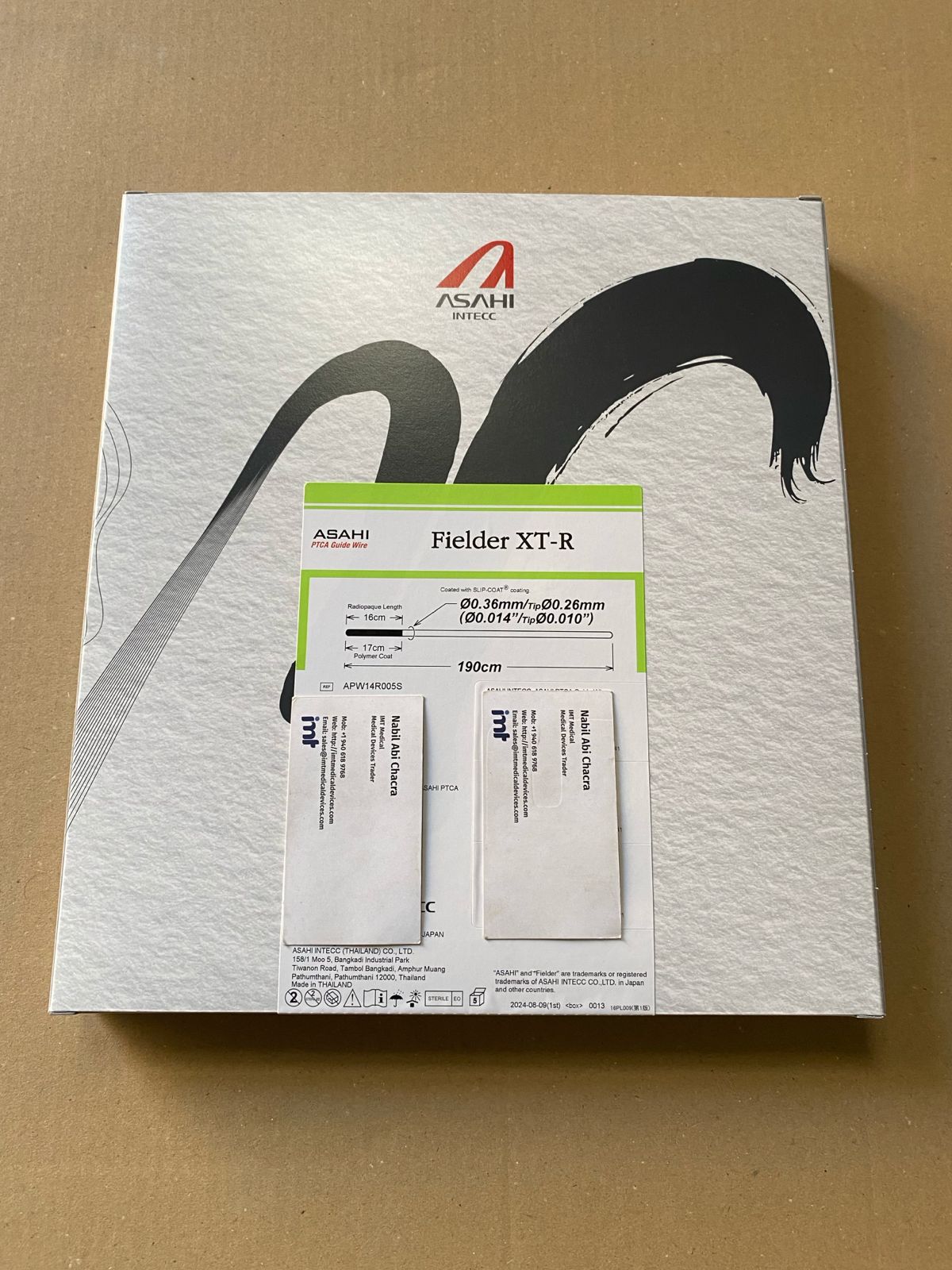
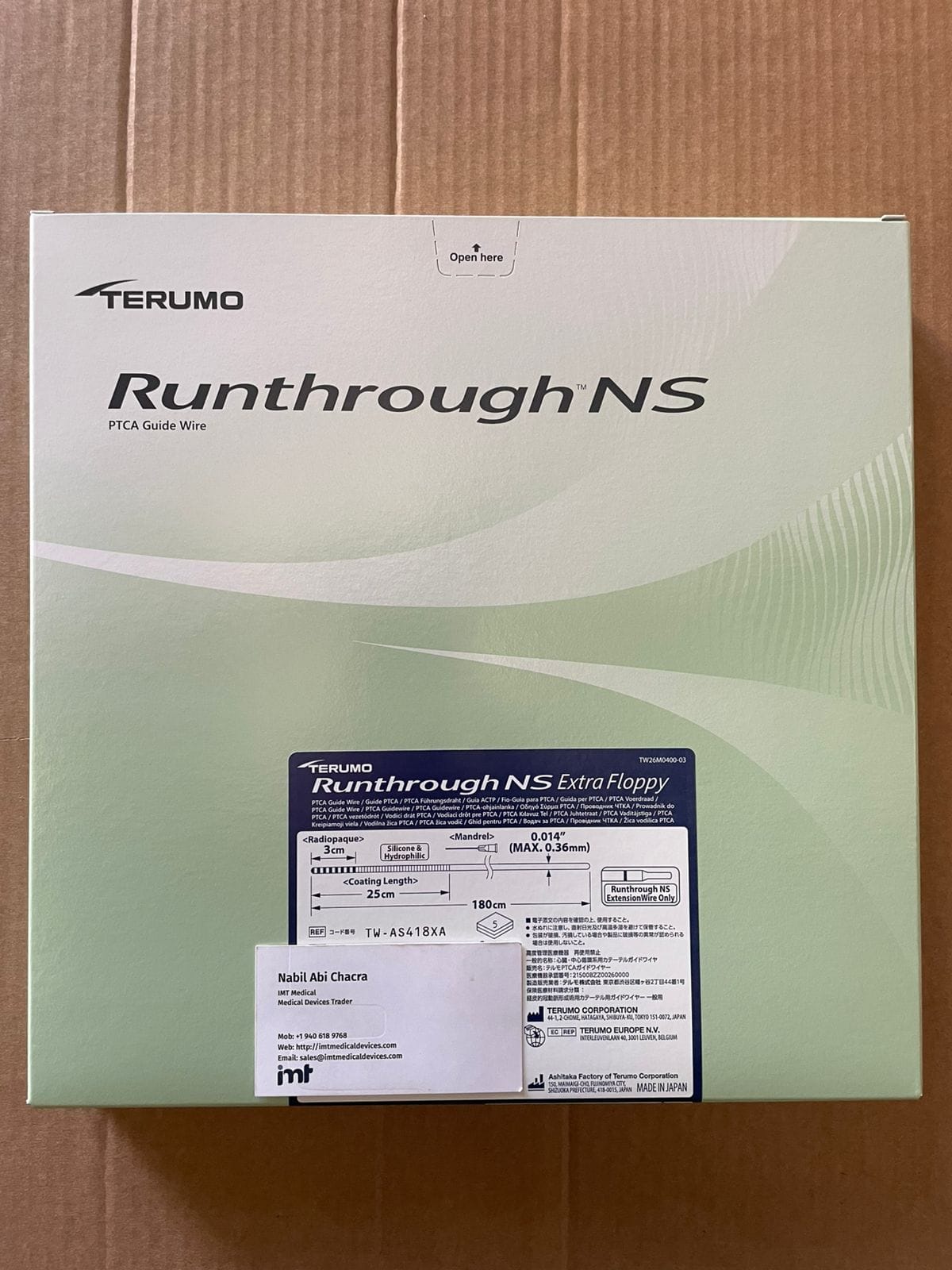
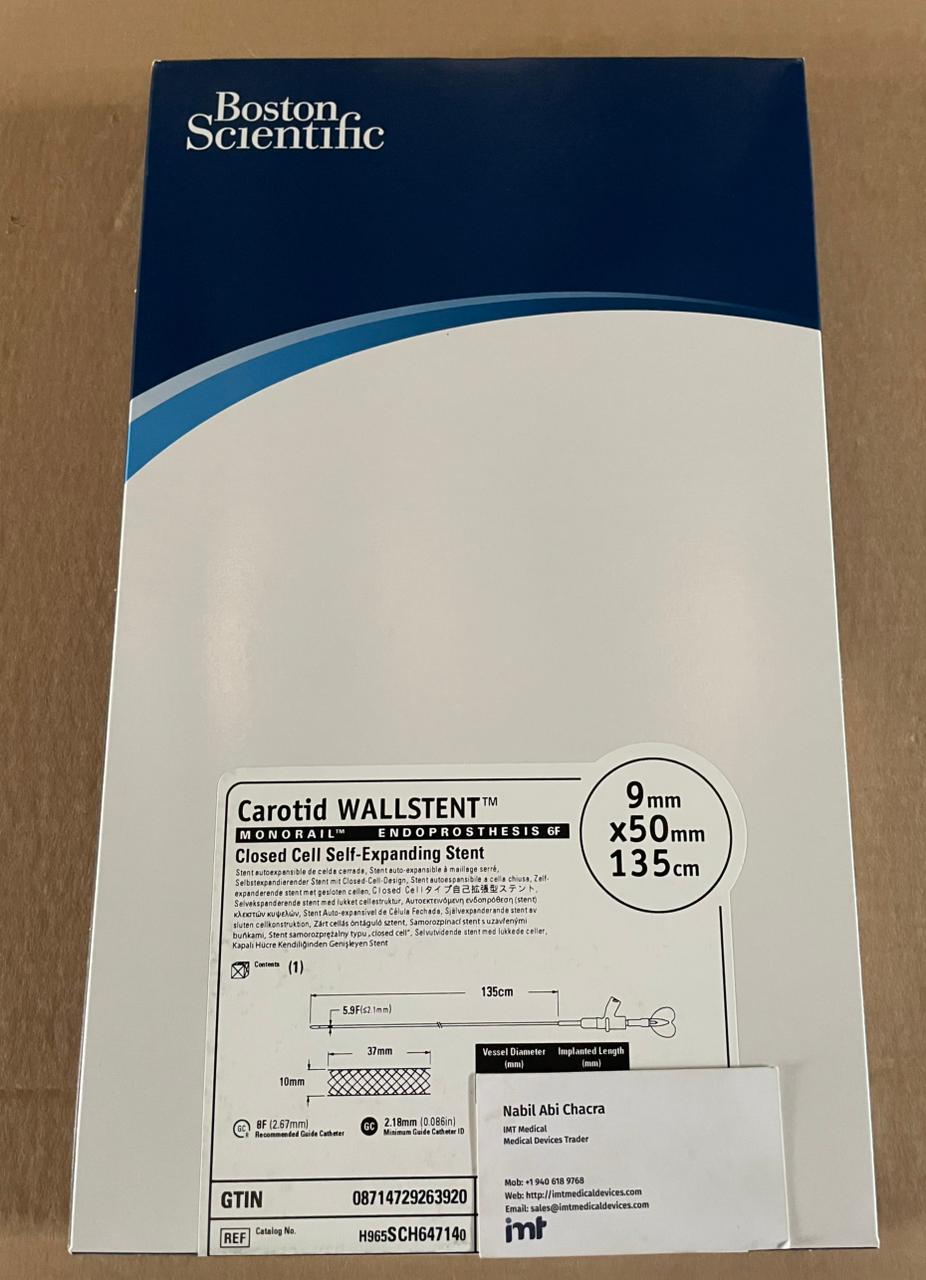
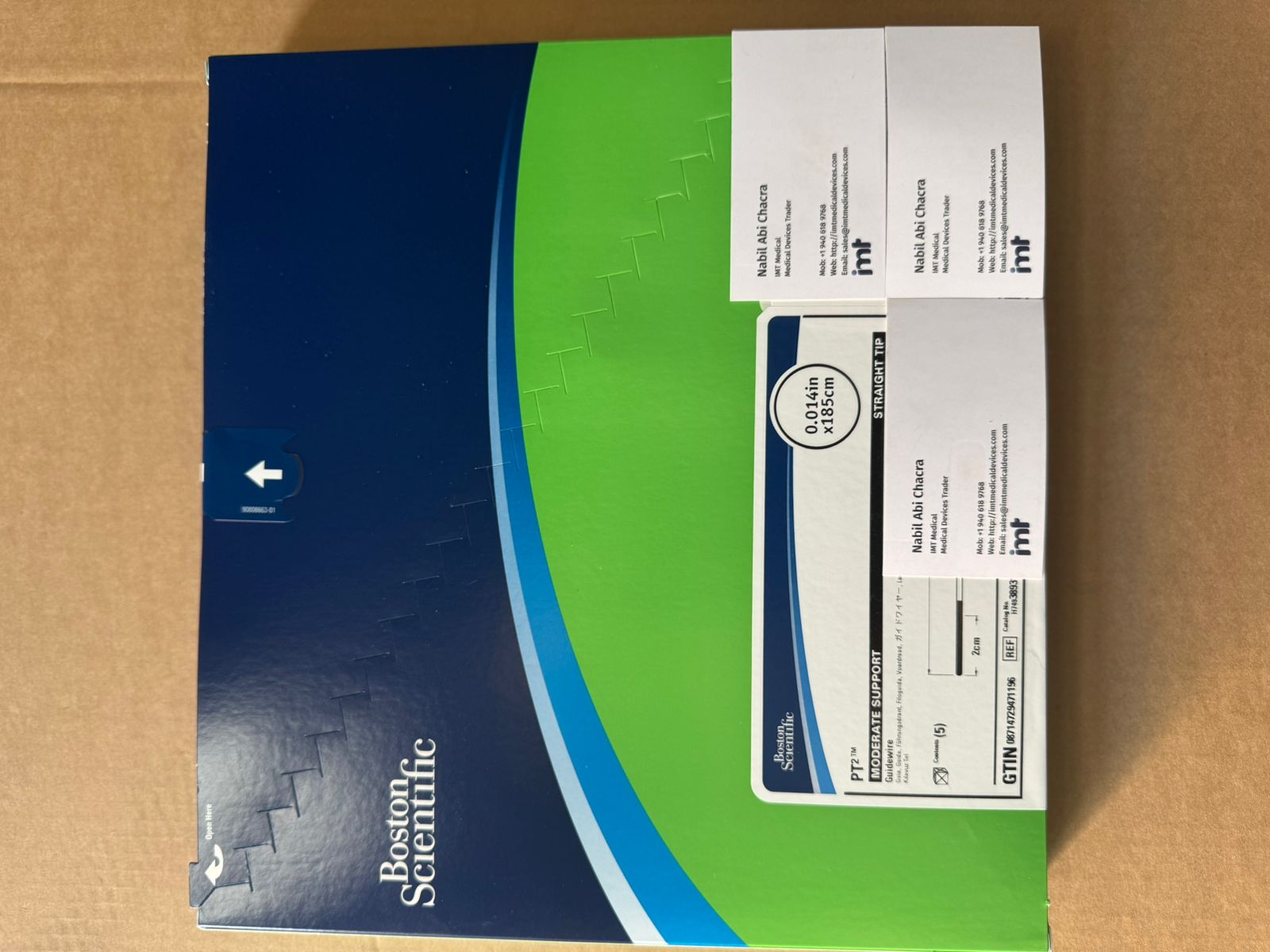
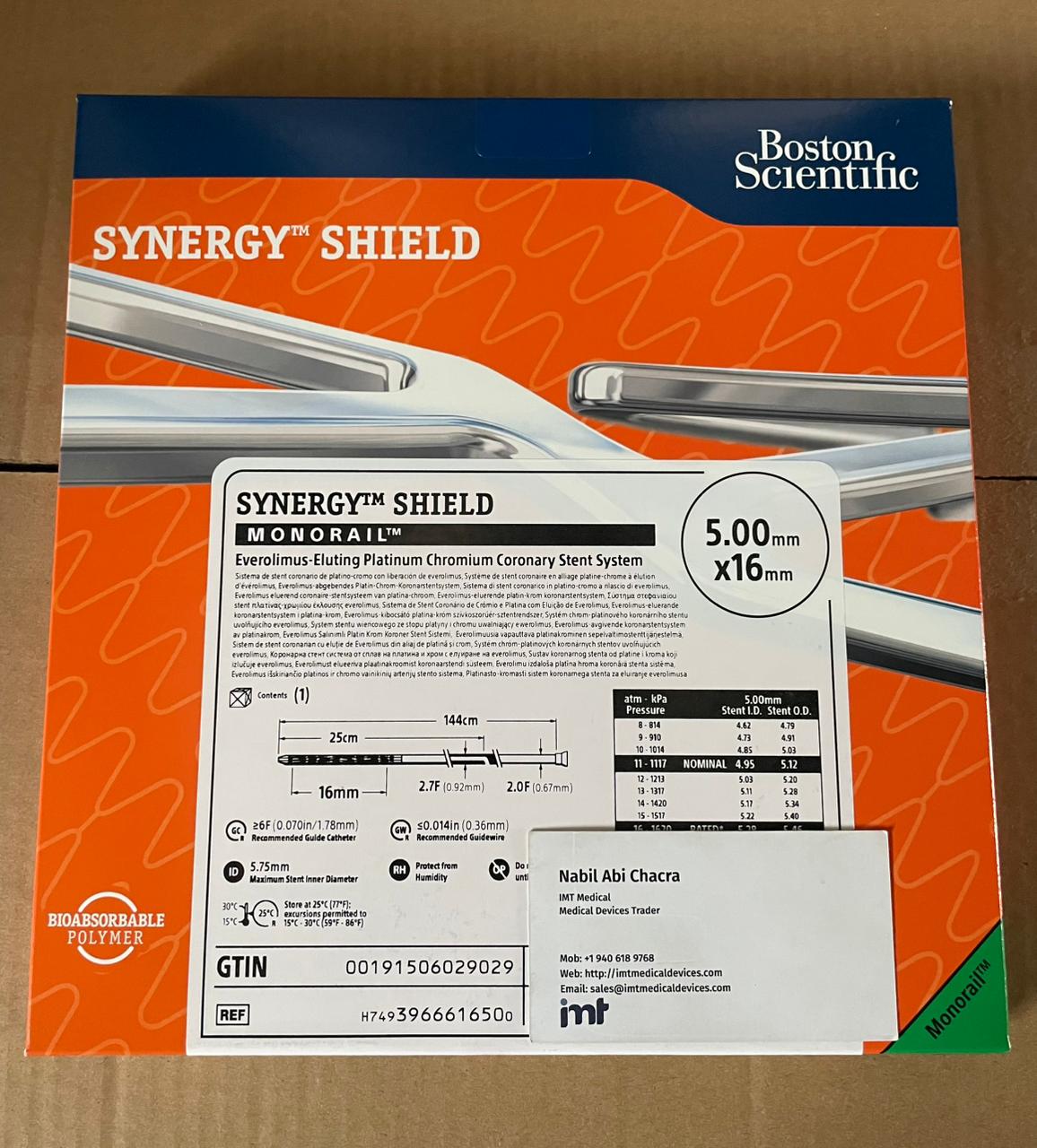
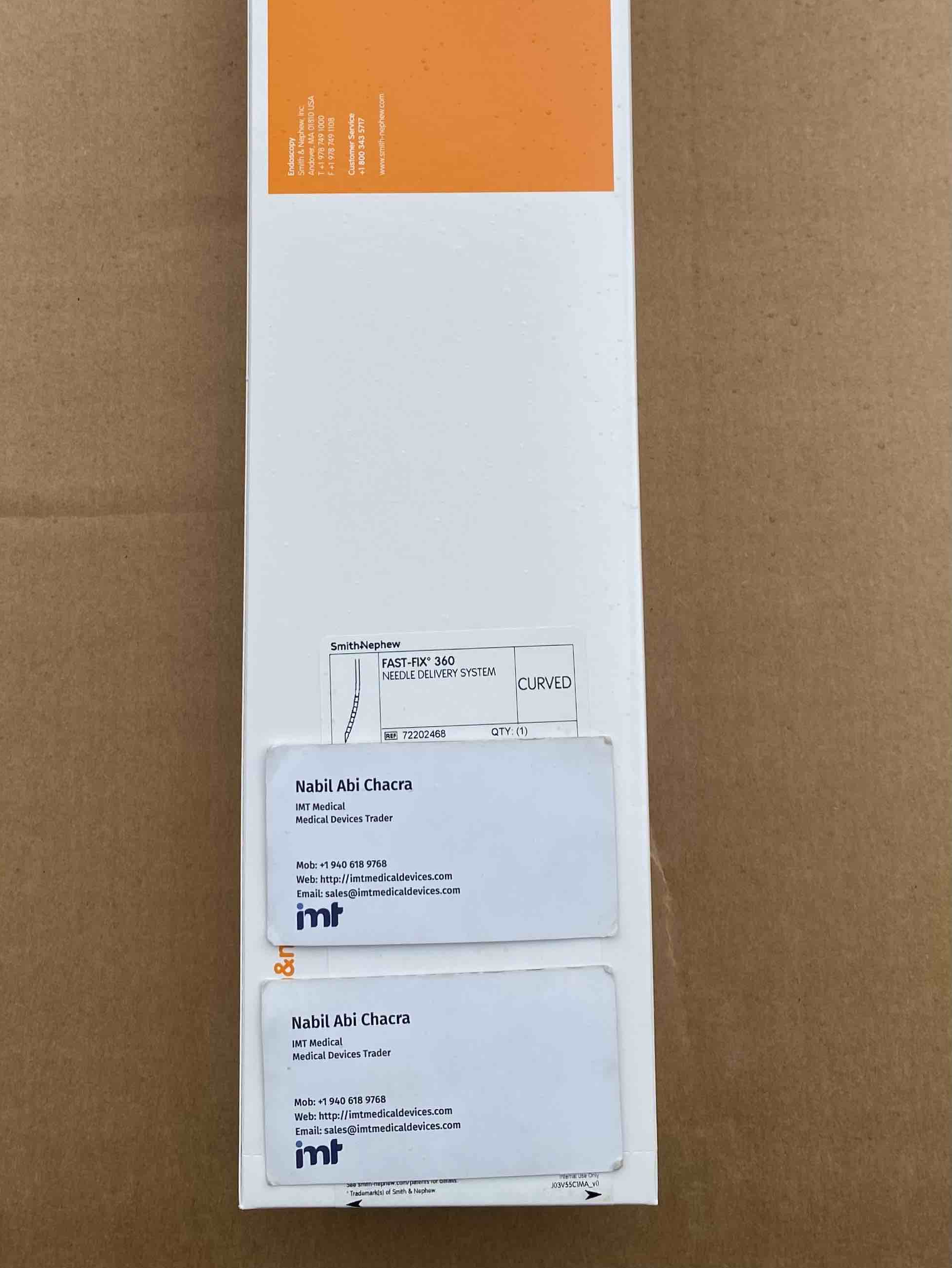
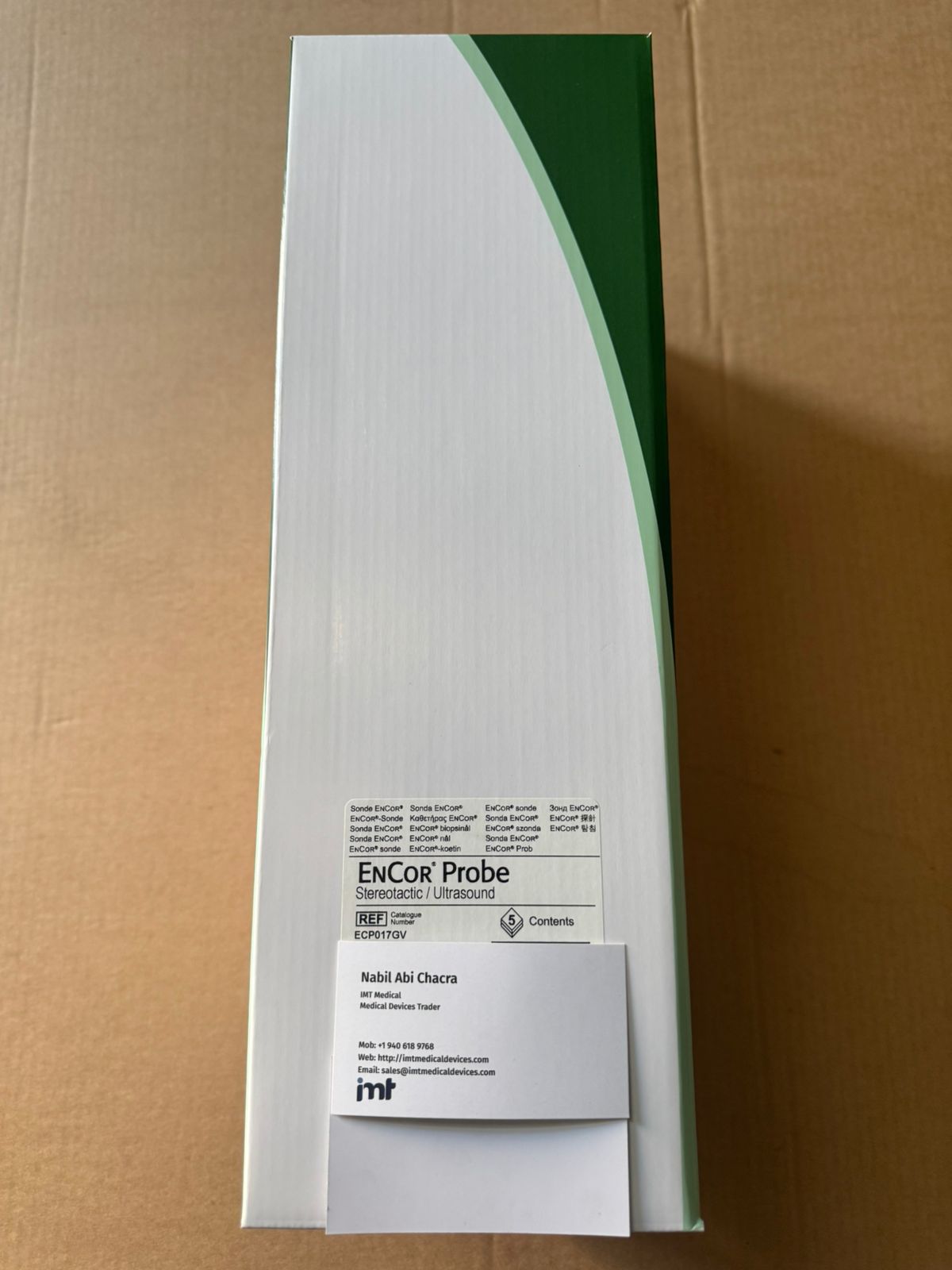
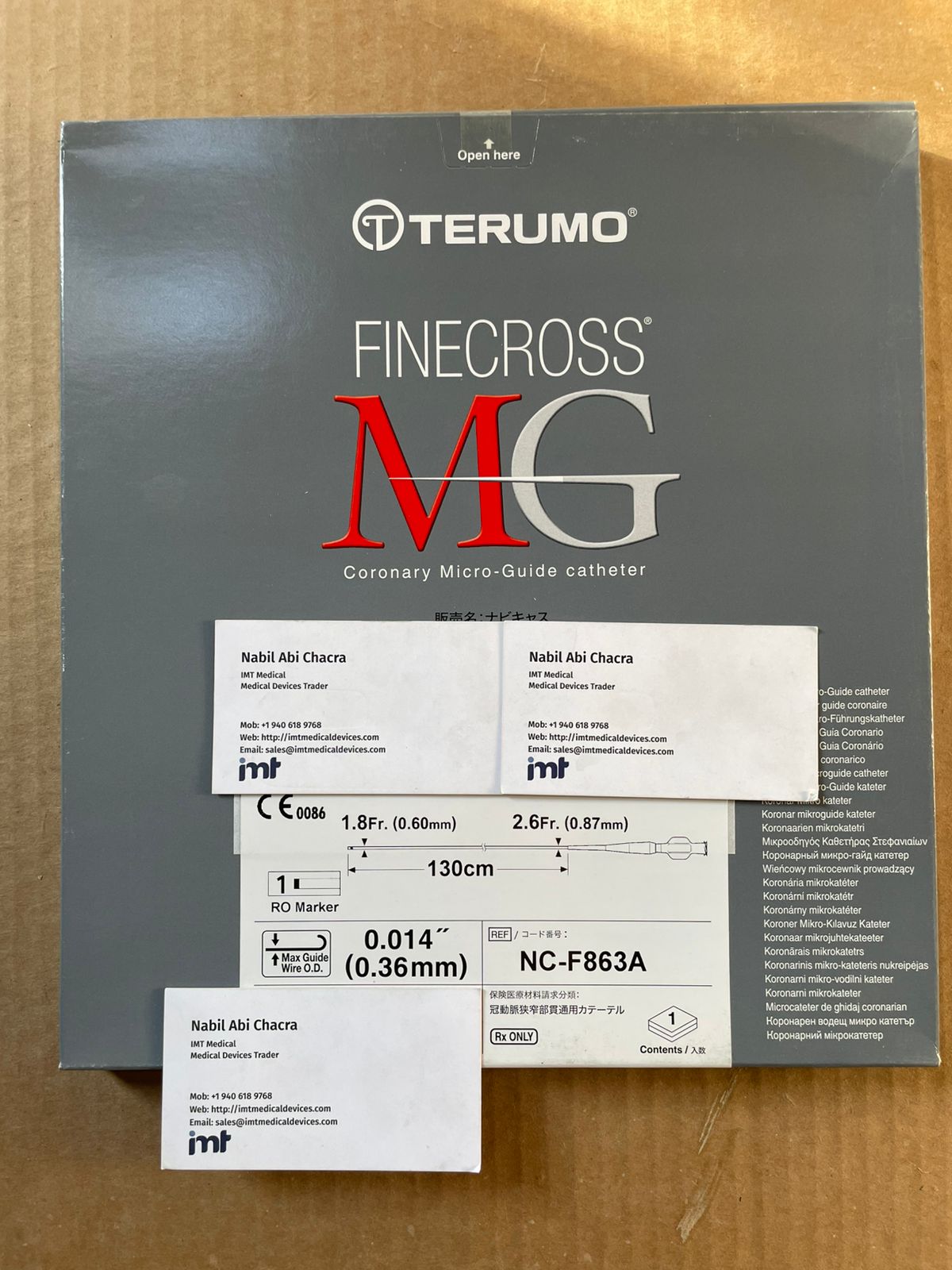
For many buyers, that efficiency comes from consolidation. Instead of sourcing coronary balloons from one supplier, vascular closure devices from another, sutures from a third, and laboratory brands through a separate channel, procurement teams often prefer a single wholesale source that understands multiple categories and can quote accordingly. This matters even more when the order includes branded products from companies such as Terumo, Asahi, Boston Scientific, Medtronic, Abbott, Cordis, Siemens, Roche, Beckman Coulter, BD, Ethicon, or Stryker.
The strongest wholesalers also understand that these purchases are specification-sensitive. A request is not for a generic stent or micro catheter. It is for a defined brand, reference, size, or product family tied to physician preference, protocol, compatibility, or tender requirements.
How to assess medical device wholesalers
The first test is product specificity. If a supplier cannot confirm exact branded SKUs, packaging details, or manufacturer references, the procurement process slows down immediately. In specialties such as coronary intervention or neurovascular procedures, close-enough is not acceptable. Buyers should expect clarity around product category, brand, and exact item identity from the start of the inquiry.
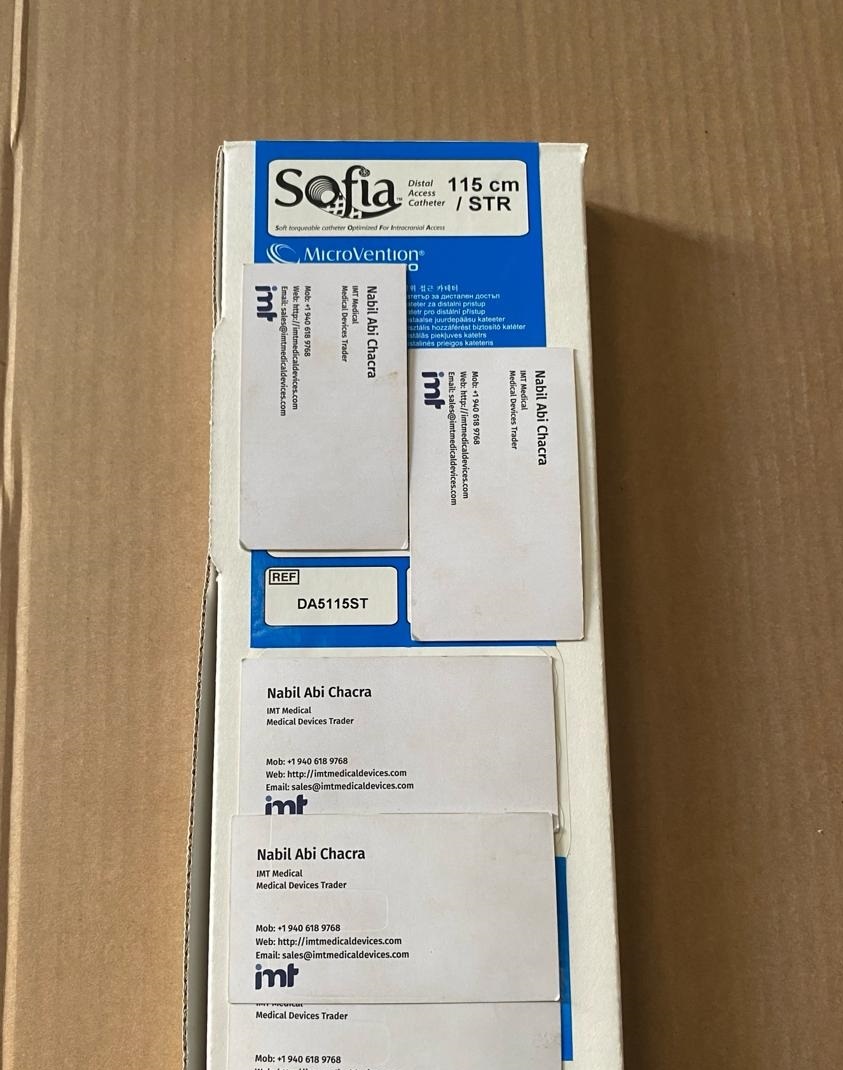
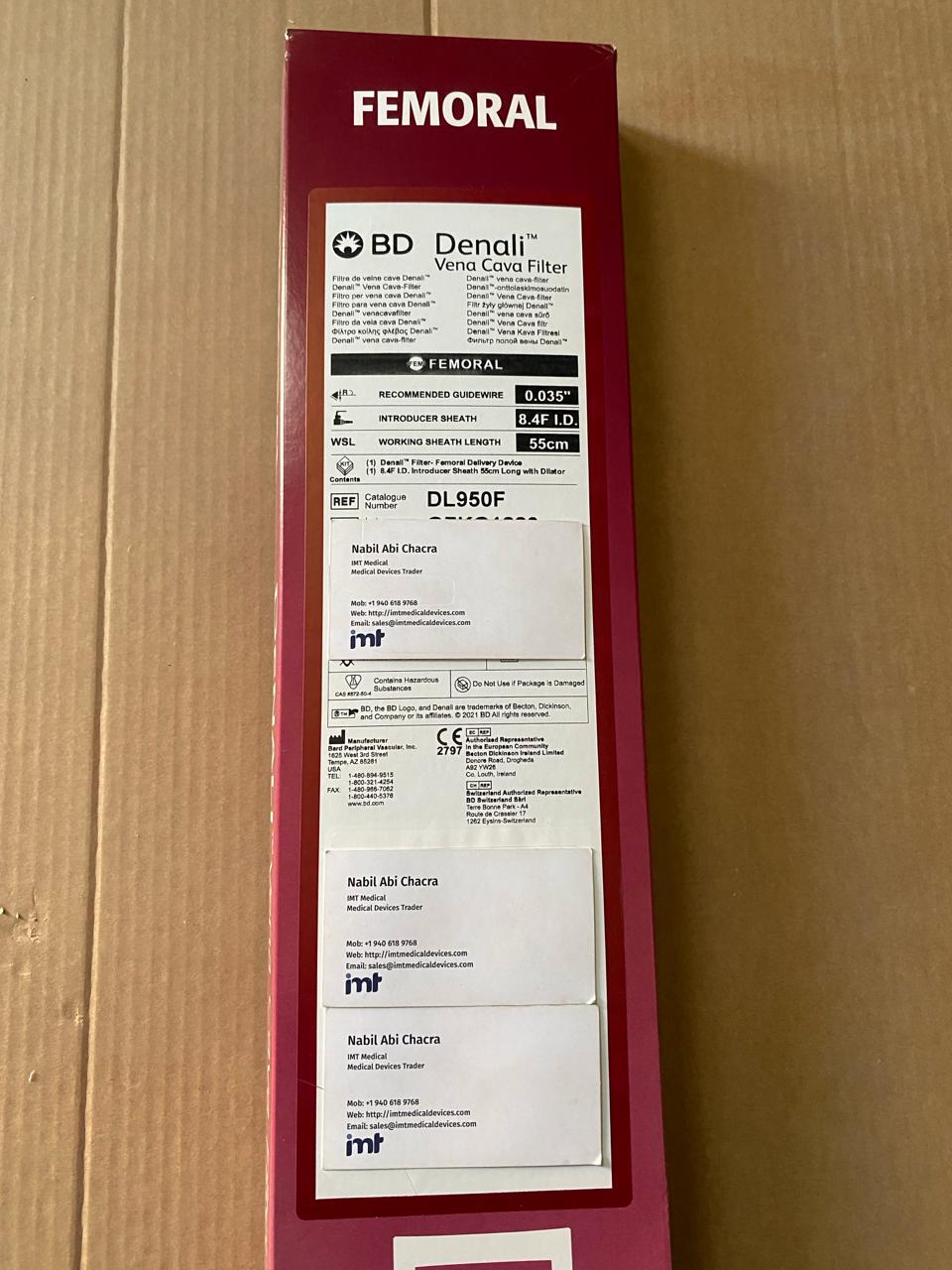
The second test is portfolio depth. A wholesaler may advertise broad coverage, but practical value depends on whether that range reflects actual demand. For example, a supplier that can support guidewires, guiding catheters, balloons, stents, aspiration catheters, vascular closure devices, cava filters, micro catheters, coils, sutures, and diagnostic laboratory products creates a different level of procurement efficiency than one focused on only a narrow band of inventory. Breadth matters when procurement teams are trying to reduce sourcing friction across departments.
The third test is brand credibility. Professional buyers often work backward from the manufacturer, not forward from the reseller. The wholesaler should demonstrate familiarity with recognized global brands and their product lines, not rely on generic category language. When a supplier communicates in precise product terms, it usually signals stronger operational understanding and fewer misunderstandings in quotation and fulfillment.
The fourth test is export competence. This is where many otherwise acceptable suppliers fall short. International buyers do not only need product availability. They need confidence that the wholesaler can manage commercial documentation, shipment coordination, and destination-specific logistics without turning every order into a custom problem. Export capability is operational, not cosmetic.
Why branded supply matters more than broad claims
In medical procurement, broad catalog claims can be misleading. A supplier may present an extensive list of categories, but the real question is whether the requested branded items are regularly sourced and commercially supported. Buyers in interventional and diagnostic environments typically prioritize known manufacturers because clinical teams trust those brands, internal processes are built around them, and substitution may not be appropriate.
This is especially relevant in high-acuity specialties. A coronary intervention program may require continuity in balloons, guidewires, and guiding catheters based on operator preference and case mix. A neurovascular team may need consistency across coils and micro catheters. A laboratory buyer may need branded diagnostic systems and consumables aligned with established workflows. In each case, procurement reliability depends on access to the right branded product, not merely the right category label.
The trade-off is that branded sourcing can be more complex. Availability changes, lead times vary by market, and not every item moves through every region equally. That makes wholesaler competence more important, not less. A serious supplier should be able to state what is available, what is not, and what alternatives exist within the approved scope of the buyer's requirements.
The role of quote-based purchasing
For specialized device procurement, quote-based sales are often more practical than static ecommerce pricing. High-demand branded SKUs are subject to changing availability, lot-specific timing, shipping variables, and market-specific conditions. Fixed public pricing can create false expectations, especially for export orders or mixed-category requests.
A quote-based process also gives buyers room to consolidate demand. Instead of handling multiple small transactions, procurement teams can submit broader lists covering cardiology, peripheral, neurovascular, surgical, or laboratory needs in one inquiry. That can improve order planning and reduce the administrative burden of dealing with multiple vendors.
Still, quote-based buying only works when the supplier responds with speed and precision. Delayed replies, vague brand references, or repeated requests for clarification usually indicate a weak commercial process. Strong wholesalers make it easy to move from inquiry to validated offer, especially when the buyer already knows the required manufacturer and product references.
Where procurement teams should be cautious
Not all medical device wholesalers are structured for professional healthcare buying. Some operate more like general traders, with inconsistent access and limited technical familiarity. Others may present themselves as broad-line suppliers but struggle with exact model matching or specialized categories. That gap often appears during urgent sourcing.
Buyers should be cautious when a supplier overuses generic language, avoids confirming branded nomenclature, or cannot explain how products are handled for international shipment. Another warning sign is catalog breadth without evidence of depth. A long list of categories means little if high-demand procedural products are only available sporadically.
It also depends on the buyer's procurement model. A local facility with stable domestic channels may only need occasional gap-fill support. An international distributor or hospital group, by contrast, may need a wholesale partner that can supply across manufacturers and support recurring export transactions. The right supplier for one model may be inefficient for the other.
What strong wholesale sourcing looks like in practice
The most effective wholesale relationships are built on commercial accuracy. The buyer submits a clear request. The supplier responds with exact product confirmation, realistic availability, and a quote structured around the actual scope of need. There is no unnecessary friction around category recognition or brand validation.
This is where a focused wholesale business such as IMTMedicalDevices.com can add practical value. For buyers sourcing branded interventional cardiology, interventional radiology, peripheral intervention, neurovascular, surgical, and laboratory products, a single partner with access to recognized manufacturers can reduce procurement complexity significantly. That is particularly useful when the requirement spans multiple product families and international fulfillment is part of the order.
The operational advantage is straightforward. Fewer sourcing touchpoints, better SKU consistency, and a supplier that understands the difference between broad medical inventory and procedure-driven device procurement. For professional buyers, that often matters more than marketing claims or oversized catalogs.
Choosing medical device wholesalers for long-term supply
A good wholesale decision is rarely about a single transaction. It is about whether the supplier can continue to support your demand profile over time. That includes maintaining access to branded lines, responding quickly to recurring inquiries, and handling changes without creating procurement delays.
For healthcare buyers, laboratories, and distributors, the practical question is simple. Can this supplier help us source the exact branded products we need, in the quantities we need, with the documentation and export support we need? If the answer is consistently yes, the wholesaler becomes more than a vendor. It becomes a useful part of procurement infrastructure.
The best next step is not to ask who has the biggest catalog. It is to ask who can quote your actual list accurately, support your required brands, and keep supply moving when the order matters most.