
How to Order Coronary Guidewires Internationally
When a cath lab needs a specific coronary guidewire, the issue is rarely just price. The real risk is ordering the wrong tip load, coating, or wire family, then losing days to clarification, export checks, or backorders. That is why knowing how to order coronary guidewires internationally starts with procurement accuracy, not freight.
For professional buyers, international ordering works best when the product specification, regulatory fit, and shipment paperwork are aligned before the quotation is issued. Coronary guidewires are clinically specific devices. A small mismatch in model reference can create unnecessary internal review, customs delay, or product rejection at receipt. The process is manageable, but it rewards precision.
How to order coronary guidewires internationally without avoidable delays
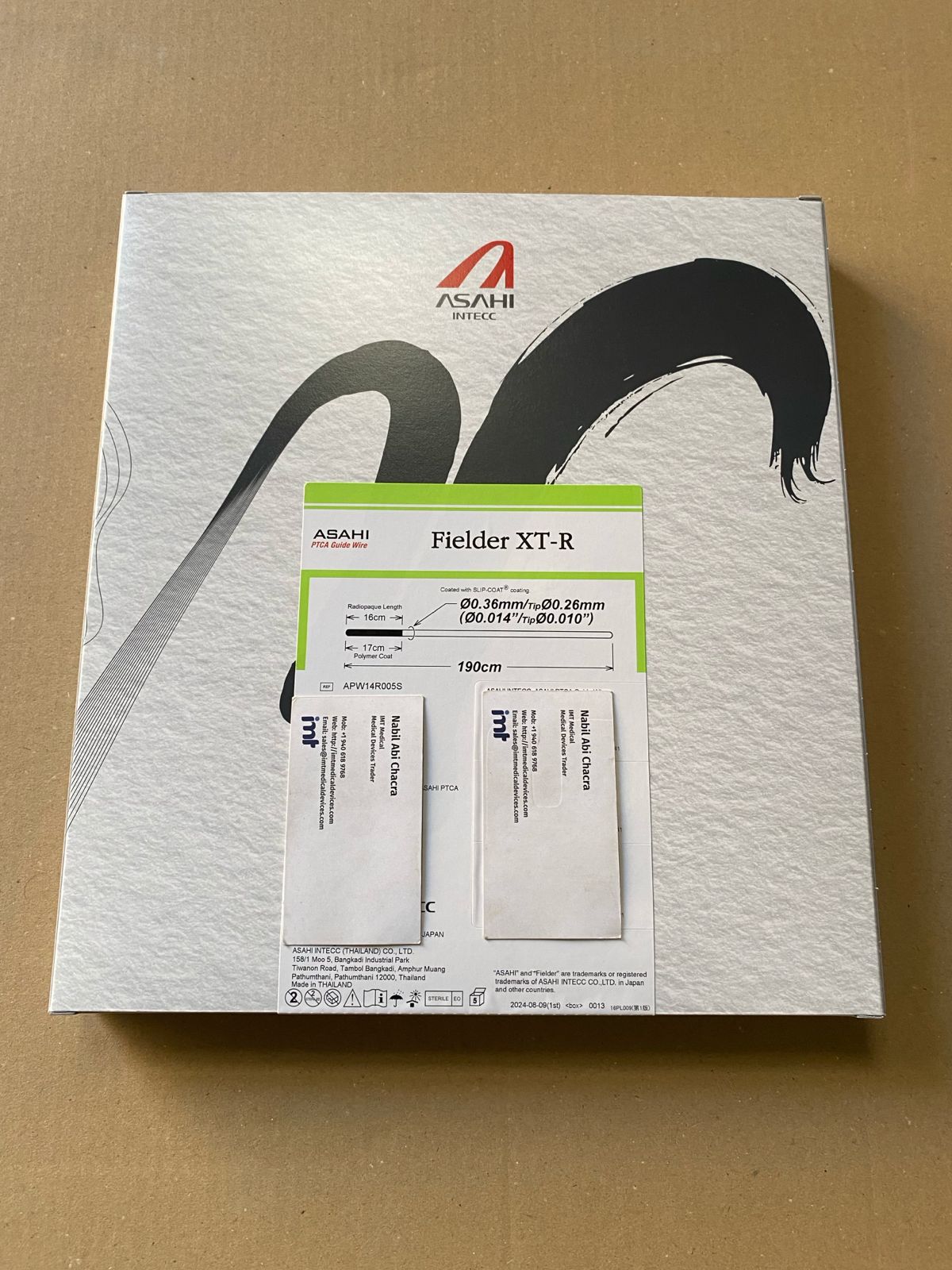
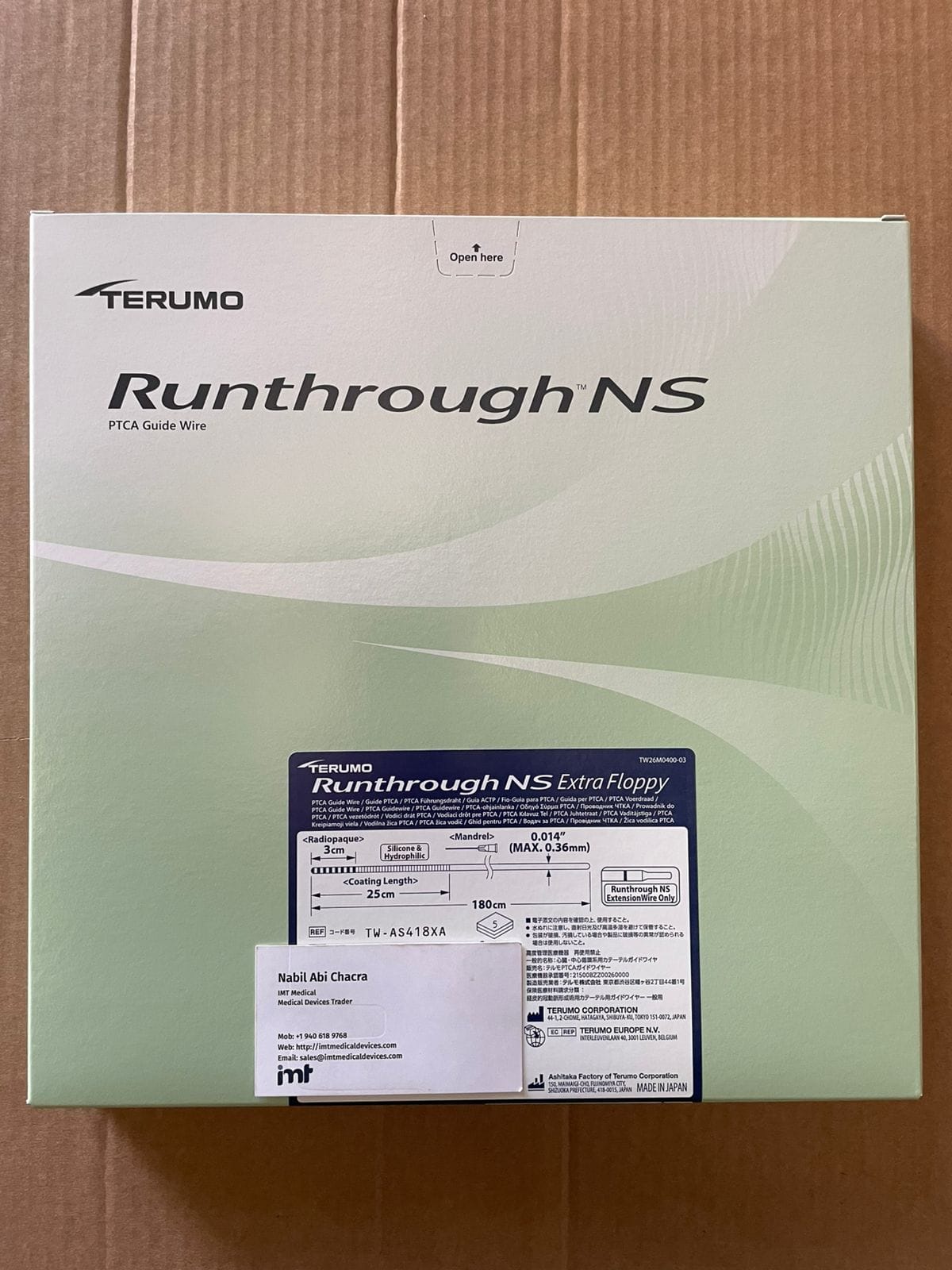
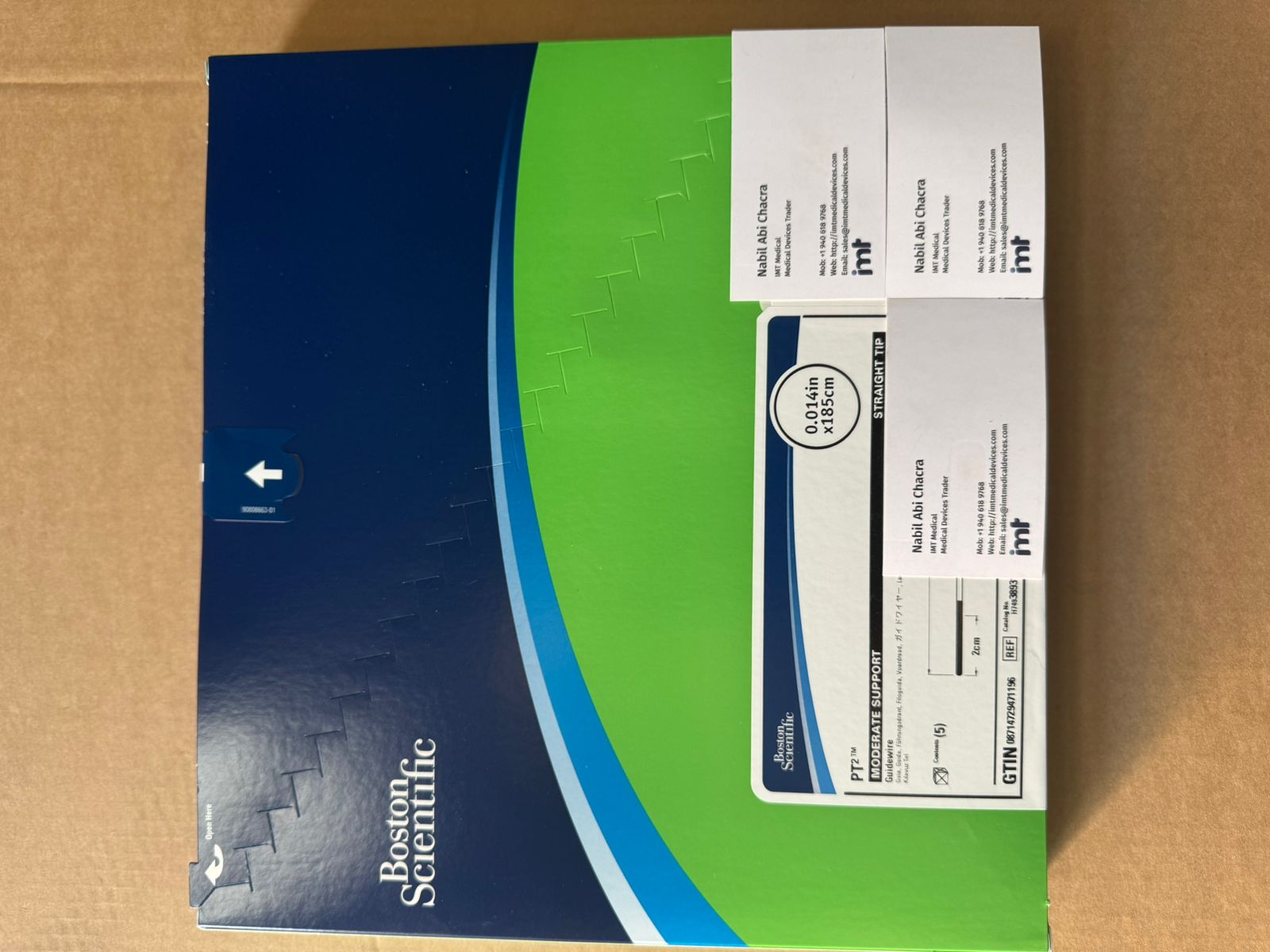
The first step is to define the requirement at the SKU level whenever possible. Brand name alone is not enough. In coronary intervention, buyers often request a familiar line from manufacturers such as Terumo, Asahi, Abbott, Boston Scientific, or Medtronic, but international sourcing usually moves faster when the inquiry includes the exact product code, wire diameter, length, coating type, tip characteristics, and any packaging preference. If your team uses an internal item master, match it against the manufacturer reference before sending the RFQ.
This matters because many guidewire families include closely related variants. A hydrophilic workhorse wire, a polymer-jacketed crossing wire, and a specialty CTO wire may sit under the same broad product family in casual conversation, but not in procurement. If the request is too general, the quote cycle becomes a technical clarification exercise. That slows ordering and increases the chance of substitution discussions your clinicians may not want.
In practice, the cleanest inquiry contains four elements: manufacturer, exact SKU, required quantity, and destination country. A fifth element often helps - target delivery window. That gives the supplier enough information to confirm stock position, export feasibility, and whether the order can move as a single shipment or needs phased fulfillment.
Start with clinical specification, then check commercial fit
Buyers sometimes reverse the sequence and start by asking for the lowest landed cost. That can work for commodity categories. It is less effective for coronary guidewires because product acceptance is usually driven by operator preference, lesion type, and established inventory practice inside the cath lab.
A better approach is to confirm the approved brand and model range first. Then review the commercial variables: quantity breaks, lead time, export packaging, and shipping method. If there is flexibility, this is the stage to ask whether equivalent branded SKUs in the same category are available sooner. The answer depends on physician acceptance, tender terms, and local registration requirements. A faster option is only useful if it can actually be received and used in your market.
International buyers also need to think about shelf life. With guidewires, this is not usually the headline concern during sourcing, but it matters when purchasing larger quantities for distribution or central supply. If the order volume is high, ask for date visibility before final confirmation. Short-dated inventory can be acceptable in some high-throughput settings and a poor fit in others.
Documentation determines whether the shipment actually moves
If you want to understand how to order coronary guidewires internationally with fewer disruptions, focus on documentation as early as product selection. Hospitals and distributors often assume that if a branded device is commercially available, it can be shipped anywhere in the same way. That is not always the case.
The supplier may need to align commercial invoice details, packing list data, product descriptions, manufacturer information, lot or serial handling where applicable, and export declarations with the destination market's import process. Some countries require specific consignee data, importer registration, or pre-clearance support. Others are more straightforward but still sensitive to description mismatches between quote, invoice, and customs paperwork.
The practical point is simple: tell the supplier who the importer of record is, where the goods will clear, and whether your team needs any specific document format before the order is released. If your country requires supporting compliance records for medical devices, raise that early. Waiting until the shipment is packed is how urgent orders become expensive orders.
Regulatory fit is market-specific, not universal
International procurement teams know this already, but it is worth stating plainly: branded coronary guidewires do not move under one global compliance assumption. The same manufacturer product may be straightforward to source commercially yet still require destination-specific review before import.
That does not always mean the order cannot proceed. It means the buyer should confirm what is acceptable in the receiving market. In some cases, the importer or hospital has an established pathway and only needs standard commercial documentation. In others, the product must align with local registration, labeling expectations, or approved procurement channels.
This is where experienced export suppliers add value. They can usually identify early whether the issue is stock, paperwork, route feasibility, or destination compliance. For B2B buyers, that distinction matters. A delayed shipment caused by inventory is solved differently than one held because the consignee details or regulatory assumptions were incomplete.
Freight matters, but not as much as order discipline
Medical buyers often focus heavily on courier speed. For coronary guidewires, express shipping is common and often appropriate, especially for replenishment. Still, faster transport does not fix a weak purchase file. If the product description is incomplete or the destination import process is unclear, overnight shipping simply gets the problem to customs faster.
The better question is what shipment structure fits the order. Smaller urgent orders may justify express air. Larger distributor purchases may work better with consolidated commercial shipments, depending on value, destination, and customs handling. Temperature control is generally not the central concern for this category, but packaging integrity and traceability certainly are.
For repeat buyers, it is often more efficient to establish a standing procurement pattern than to treat each order as a one-off transaction. Forecasting monthly or quarterly demand by SKU can reduce emergency purchasing, improve quote accuracy, and make partial shipment decisions easier when one line is constrained.
Where international guidewire orders usually go wrong
Most failures are not dramatic. They are administrative and preventable. The common problems are incomplete product references, outdated SKUs, assuming one market's import rules apply to another, and requesting substitutes without confirming physician acceptance.
Another frequent issue is failing to separate must-have lines from acceptable alternatives. If an RFQ includes ten coronary guidewire references and only three are procedure-critical, say so. That helps the supplier prioritize stock verification and propose practical options where flexibility exists. Procurement efficiency improves when clinical rigidity and commercial flexibility are clearly distinguished.
There is also the question of authenticity and source confidence. In international medical procurement, low pricing alone is not a strong buying signal. Professional buyers are usually evaluating source credibility, branded product integrity, packaging condition, and the supplier's ability to support cross-border fulfillment. A quote that looks attractive but cannot stand up to internal QA review is not a real savings.
A practical buying workflow for hospitals and distributors
The most effective workflow is straightforward. First, consolidate the exact guidewire requirements by manufacturer and SKU. Second, confirm the destination import pathway with your internal compliance or logistics team. Third, submit a quote request that includes quantities, destination country, consignee details if needed, and required delivery timing. Fourth, review not just unit pricing but also availability, dating where relevant, and shipment structure.
After that, issue the purchase order only when the commercial and documentation details match. If your organization requires certificates, product references, or invoice wording in a specific format, attach those requirements to the PO. That saves one or two rounds of correction later, which is often the difference between shipping this week and next week.
For buyers sourcing across multiple intervention categories, working with a supplier that can quote branded coronary guidewires alongside related interventional lines can reduce administrative load. That is particularly useful when the procurement objective is continuity across cath lab essentials rather than a single urgent wire order. A wholesale export partner such as IMT Medical Devices can be useful in that model because the buying process becomes more centralized, even when the product mix spans several manufacturers.
The shortest path to a successful international order is not complicated. Be exact on the wire, realistic on the market requirements, and disciplined on the paperwork. When those three pieces are in place, coronary guidewire procurement becomes much more predictable, which is what every purchasing team wants when case support depends on the next shipment.