
Medtronic Supplier: What Buyers Should Check
A Medtronic supplier is rarely judged on branding alone. In cath lab and specialty hospital purchasing, the real test is whether the supplier can confirm the exact product, the exact part number, and the actual shipping path before a case is scheduled. If any of those points are vague, buyers take on unnecessary risk.
That is why procurement teams, independent distributors, and physicians who source outside local channels usually evaluate suppliers in a very practical way. They want to know whether the source can provide branded inventory, quote quickly, communicate clearly on lead times, and reduce ambiguity around ordering. For Medtronic products, that standard matters even more because many purchasing decisions are tied to physician preference, procedure planning, and SKU-level matching.
What a Medtronic supplier should provide
A reliable Medtronic supplier should function like an operational partner, not just a reseller. The buyer already knows the product family in most cases. The question is whether the supplier can support fast, accurate procurement without introducing confusion.
That starts with exact identifiers. Product names alone are often not enough in cardiovascular, peripheral vascular, and neurovascular purchasing. Buyers typically need part numbers, packaging details, and clear confirmation that the quoted item is the same one required for the procedure. When a supplier works at this level of precision, quote revision cycles are shorter and the risk of substitution errors drops.
Availability is the next test. Some suppliers advertise broad brand access but cannot confirm current stock or realistic fulfillment timing. For hospital buyers, that creates planning problems. For competing distributors, it creates margin and relationship problems. A dependable supplier is direct about what is available now, what requires lead time, and what alternatives may exist when the requested item is constrained.
Documentation also matters. International buyers and non-local procurement teams often need invoice consistency, shipping details, and product traceability handled cleanly. If those basics are disorganized, even a competitive price can become expensive once delays and internal approvals are factored in.
Why buyers use a Medtronic supplier outside local channels
Many hospitals do not want to depend entirely on an existing local distributor. Sometimes the issue is pricing. Sometimes it is allocation, slow response, limited product coverage, or difficulty obtaining less common references. In other cases, physicians want continuity with a specific device they know well, but local availability is inconsistent.
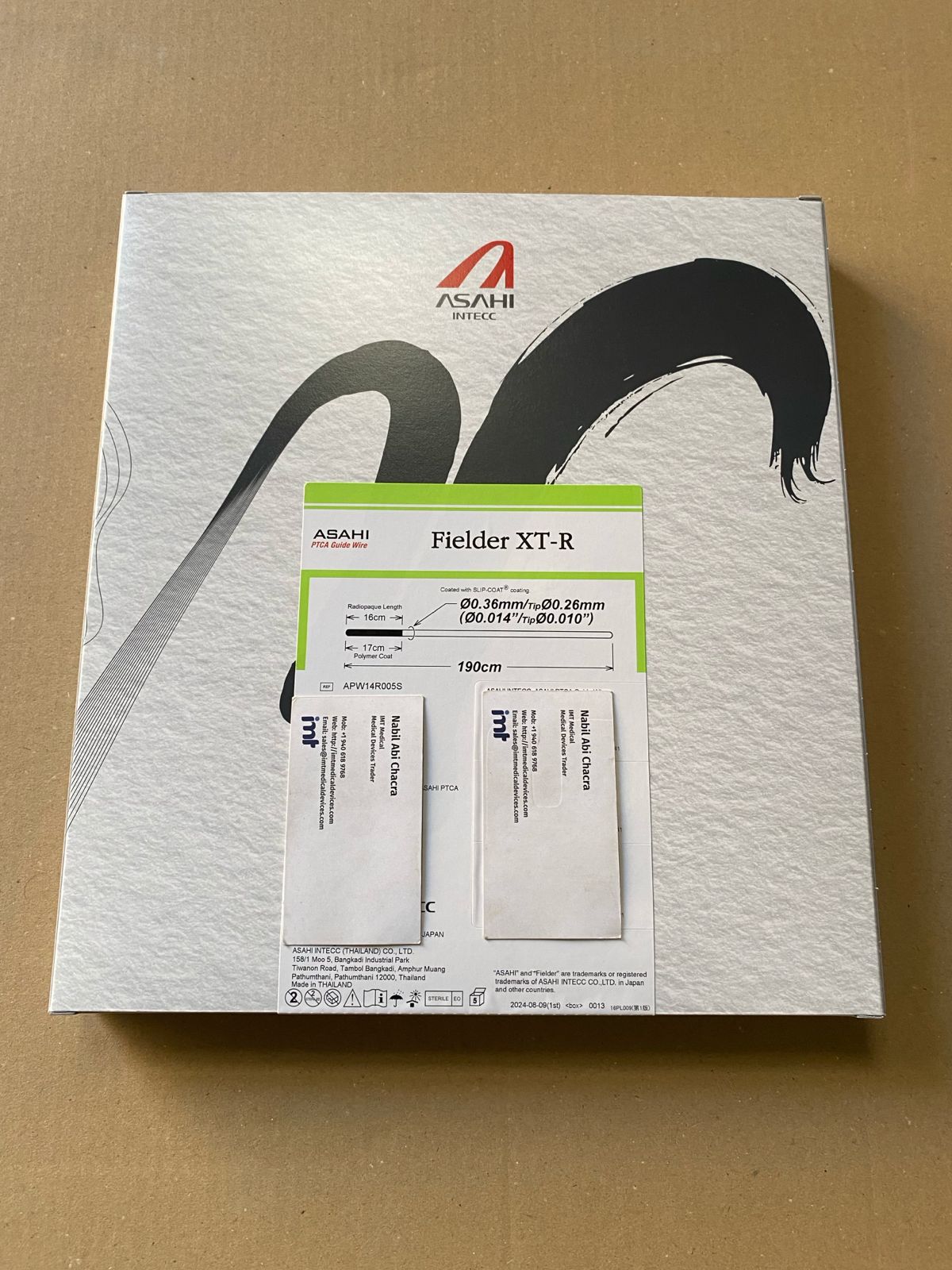
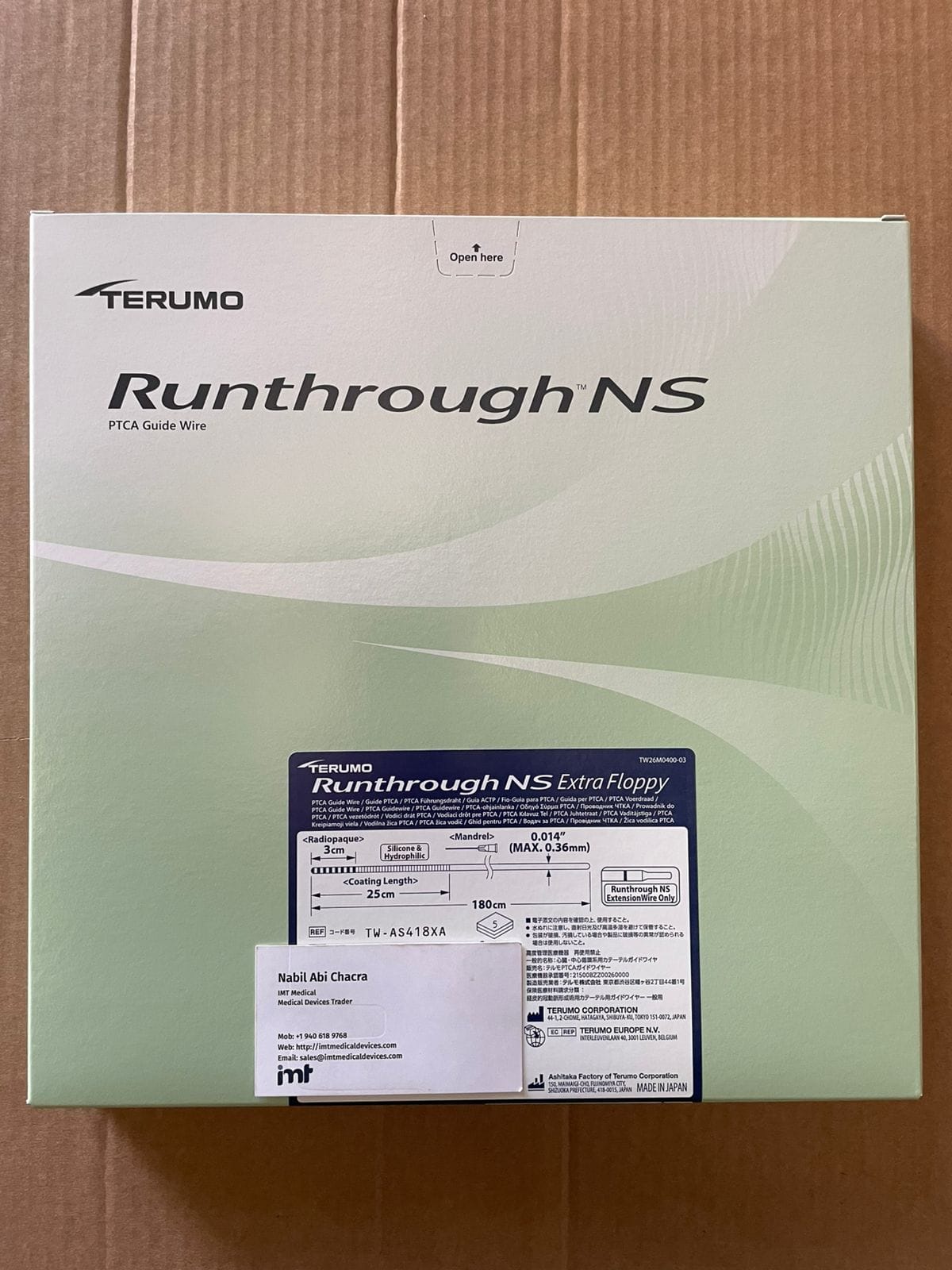
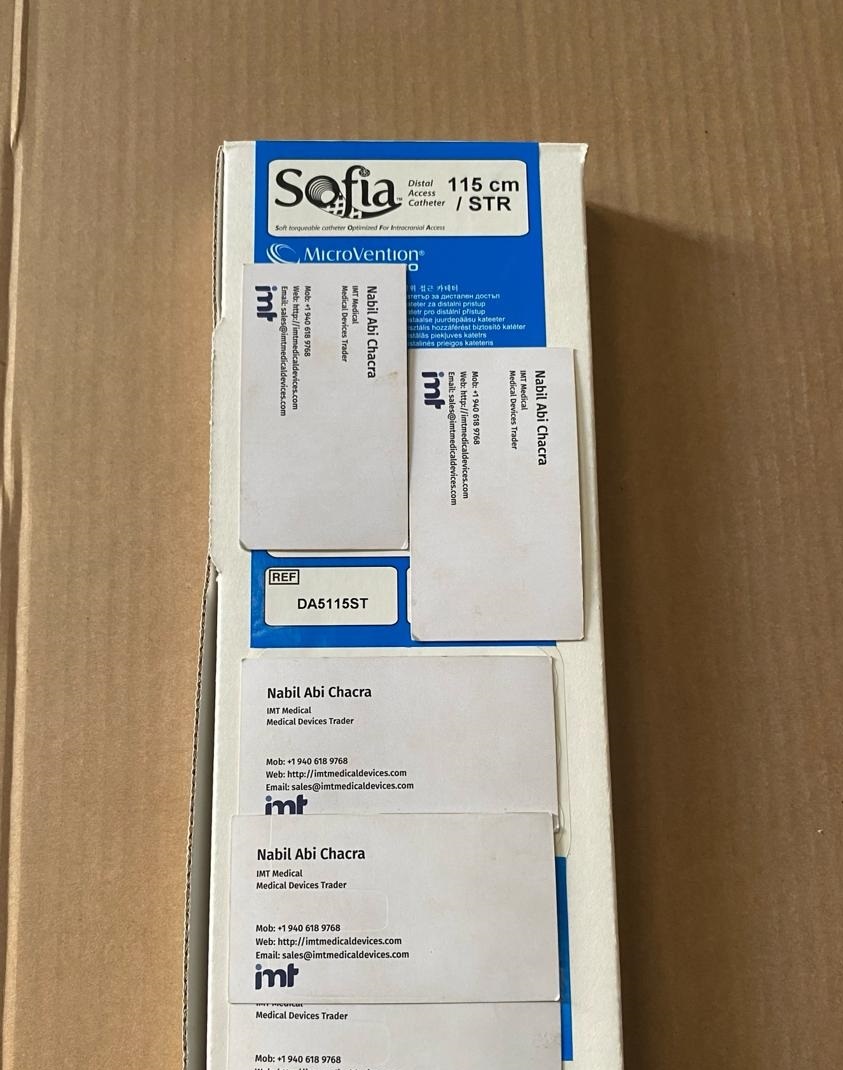
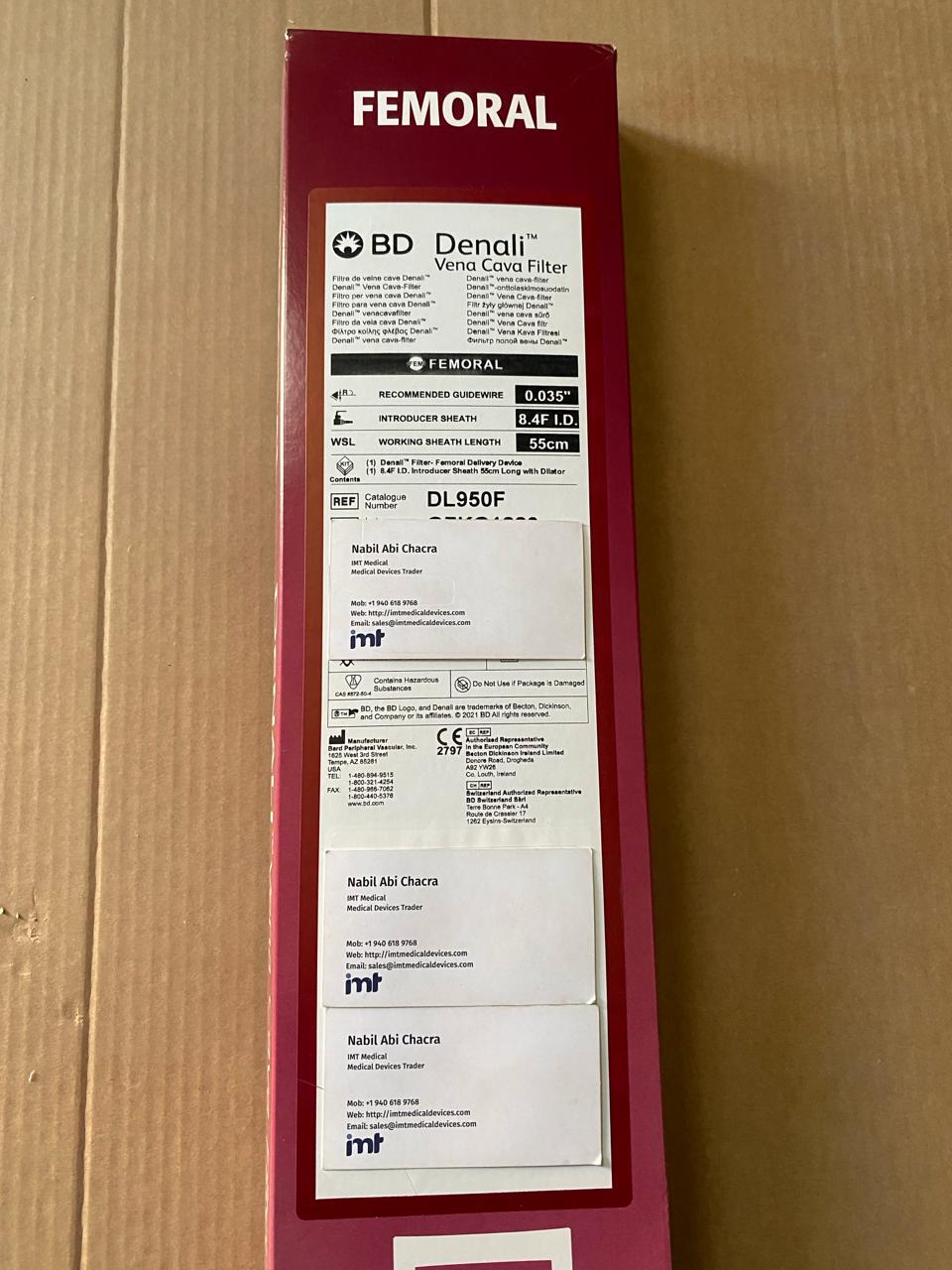
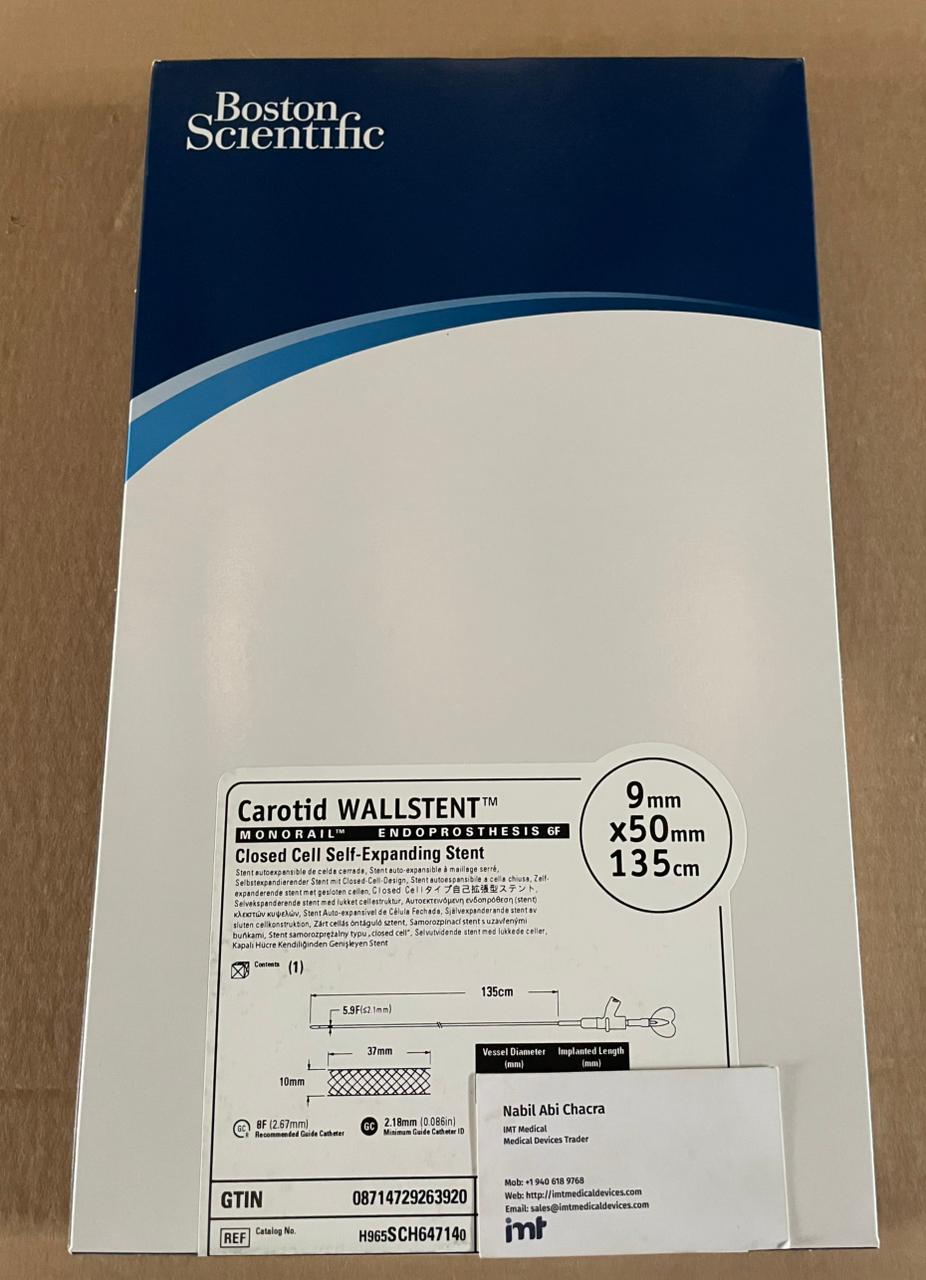
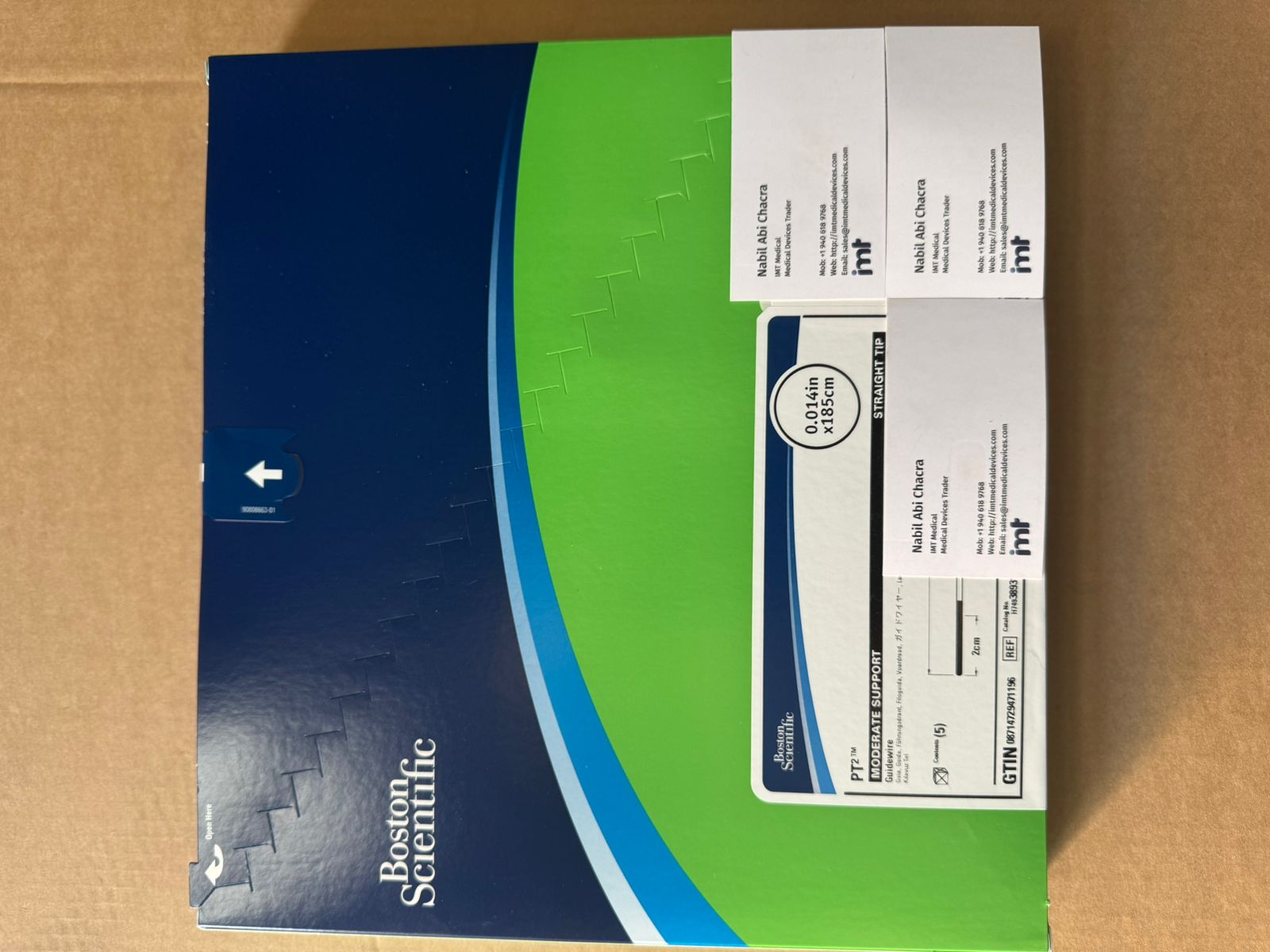
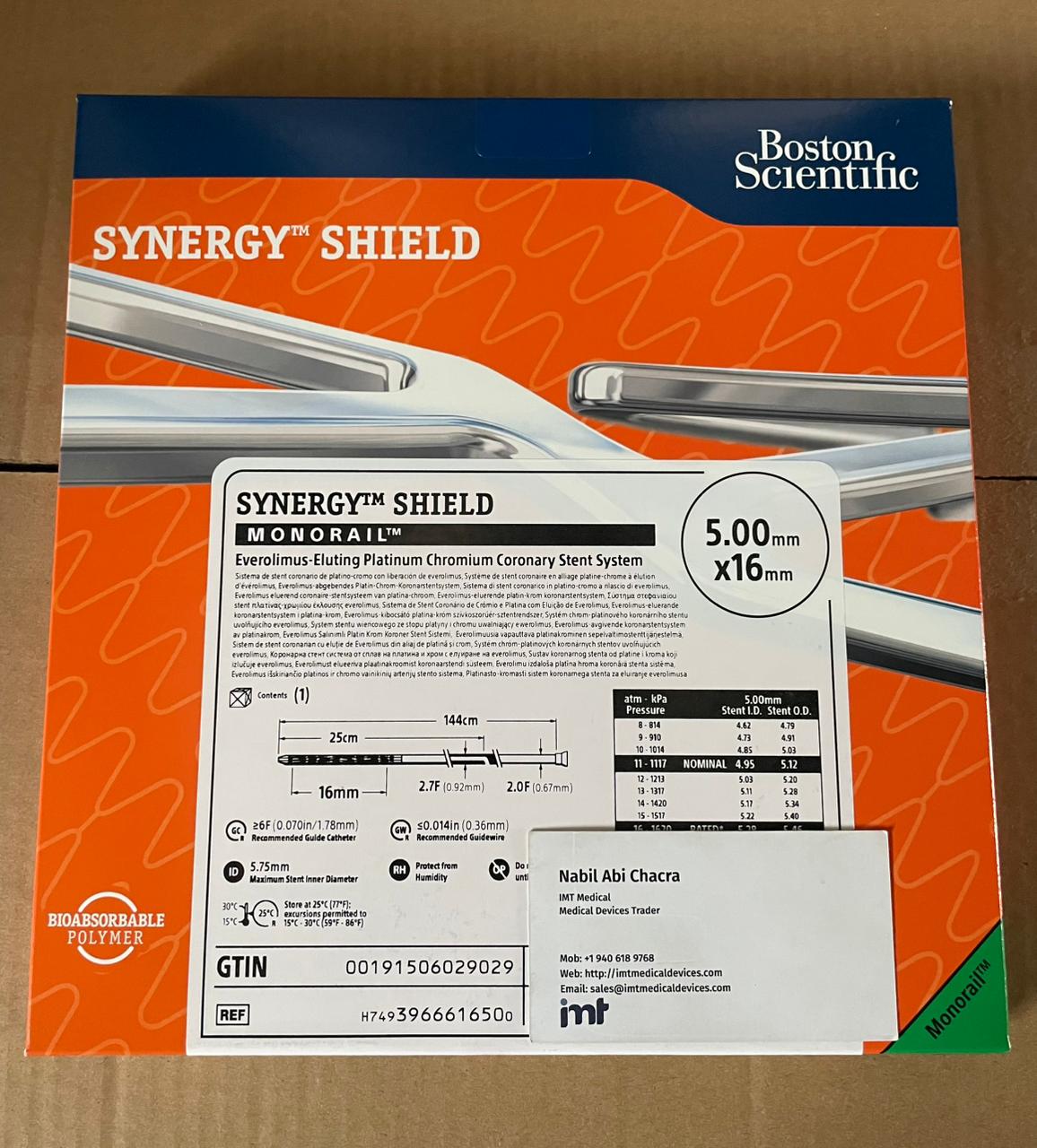
For distributors, the reason is different. A distributor competing against entrenched local channels may need a sourcing partner with reach across major branded manufacturers, not just one line. That matters because tenders, account requests, and physician demand often span multiple procedure categories. A supplier that can quote Medtronic alongside Boston Scientific, Asahi, MicroVention, Terumo, Terumo Neuro, Cordis, Abbott, BD, and other recognized manufacturers can help buyers consolidate procurement activity instead of splitting it across multiple vendors.
Doctors who source directly or influence procurement usually care about speed and familiarity. They may not want to spend time educating a supplier on the device family they need. They want the response to match their request the first time. That means exact naming, exact reference matching, and clear communication on whether the item can ship in time.
Product precision matters more than broad claims
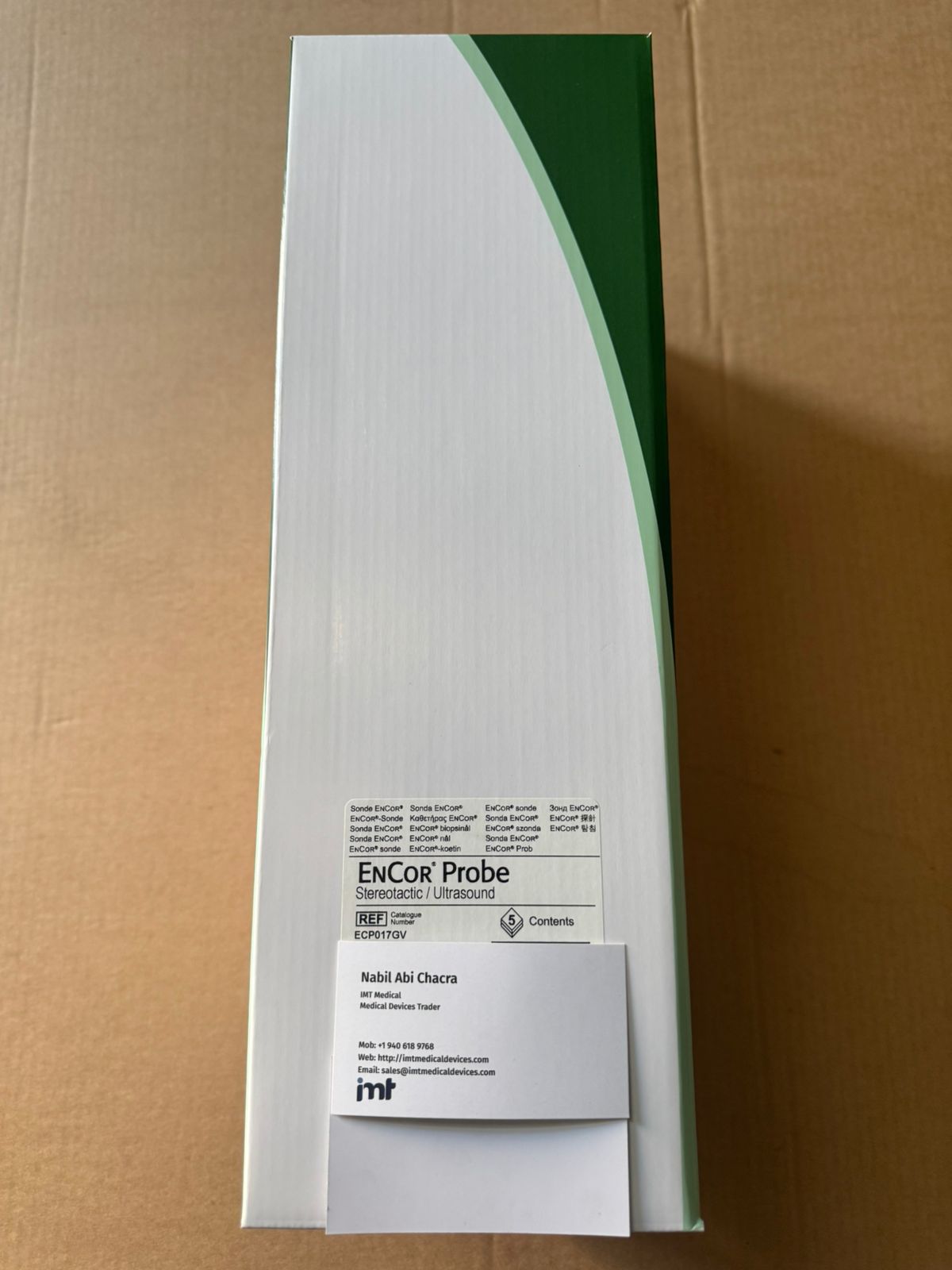
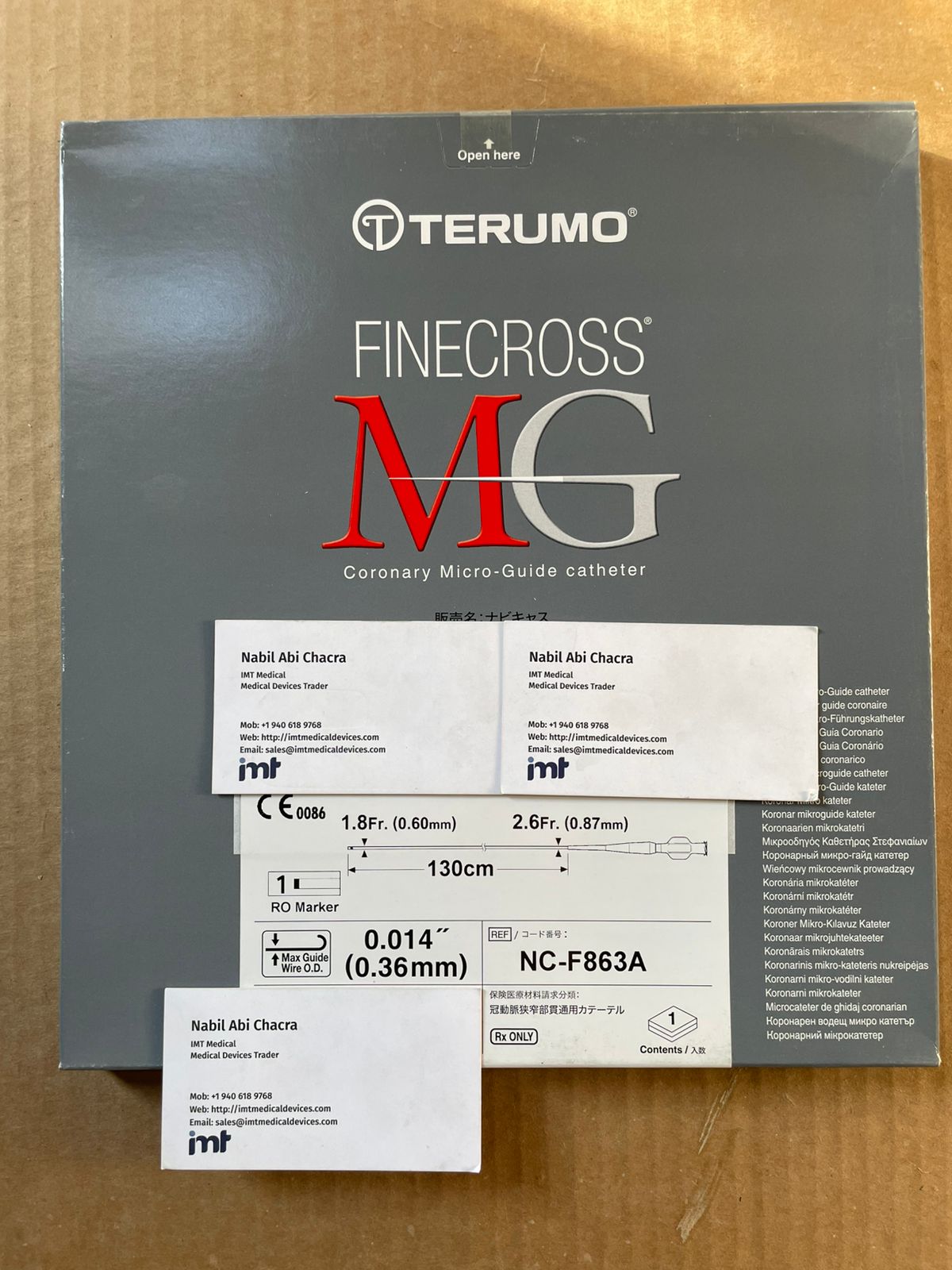
In this market, saying "we supply Medtronic" is not enough. Serious buyers usually want confirmation at the product level. For interventional purchasing, requests are often highly specific: a guidewire configuration, a balloon size, a stent reference, a microcatheter model, or a closure device with a known ordering code. The supplier must be comfortable operating at that level.
That is especially relevant in high-acuity categories such as coronary intervention, peripheral vascular procedures, and neurovascular treatment. Small differences in product configuration affect physician preference, procedural workflow, and inventory planning. A buyer should expect the supplier to communicate in the same language used inside cath labs and procedural supply chains.
There is also a practical distinction between catalog breadth and usable availability. A supplier may list many product families, but if quoting is slow or inventory confirmation is weak, the catalog becomes less useful. Buyers should prefer suppliers that can move from request to quote with minimal back-and-forth.
How to evaluate a Medtronic supplier before sending a PO
The best screening process is simple. Ask the supplier to quote the exact reference you need, confirm the available quantity, state the condition of supply, and provide the shipping timeline. A good supplier should be able to answer those points without excessive delay.
It also helps to look at brand range. A supplier focused on interventional and specialty hospital categories is often easier to work with than a general trader. If your purchasing needs regularly include coronary stents, peripheral stents, balloon catheters, guidewires, guiding catheters, microcatheters, aspiration catheters, coils, and vascular closure devices, category familiarity reduces friction.
Response quality tells you a lot. If a supplier replies with generic sales language, incomplete product references, or unclear lead times, that usually predicts future ordering issues. In contrast, a procurement-oriented supplier will typically respond with exact product naming, quote structure, and shipping detail.
There is a pricing trade-off to keep in mind. Lowest quoted cost is not always lowest landed risk. If a supplier is slightly higher but can verify stock, maintain documentation discipline, and reduce order correction cycles, many buyers find the total procurement burden is lower.
Where procurement risk usually shows up
Most supply problems are not dramatic. They are operational. The wrong item variation is quoted. Lead time is estimated too loosely. Packaging details are not confirmed. Export handling introduces delay. Internal approvals stall because product information is incomplete.
For hospitals, that can affect case readiness. For distributors, it can damage customer confidence. For physicians, it can mean losing time on a product they expected to be available. This is why exactness matters more than promotion.
Another common issue is overreliance on a single-source assumption. Even if a local channel works well most of the time, there are cases where secondary sourcing adds resilience. That does not mean every order should move away from the incumbent distributor. It means buyers benefit from having an alternative source that already understands the required product categories and can respond when timing becomes critical.
This is particularly relevant in regions where product access can vary by market conditions, channel strategy, or distributor relationships. Buyers in Gulf countries, Latin America, Asia, China, and Russia often evaluate sourcing options based not just on price but on responsiveness and practical export capability.
What strong supplier communication looks like
Good communication from a supplier is concise and specific. It should identify the requested product clearly, state whether the quantity is available, and outline the next step toward quotation or shipment. Buyers should not have to interpret vague claims.
In this segment, confidence comes from recognizable manufacturer names, exact references, and disciplined follow-through. If the request includes Medtronic plus companion items from other brands, the supplier should be able to manage that conversation without losing accuracy. Mixed-brand procurement is normal in cath lab and specialty hospital buying.
A supplier built around procedural categories also tends to be more useful than one organized only around broad medical labels. Buyers think in coronary, peripheral, and neurovascular terms because that matches how procedures are planned and how inventory is consumed.
For professional buyers looking for that type of sourcing support, IMTmedicaldevices.com is structured around branded interventional inventory and quote-based purchasing rather than general medical catalog browsing.
The practical standard buyers should use
A Medtronic supplier should be measured by whether the sourcing process is clear, accurate, and fast enough for real procurement conditions. That means exact part number handling, honest availability, disciplined export communication, and enough category depth to support related product needs in the same workflow.
If a supplier can do that consistently, the relationship becomes useful beyond a single order. Hospitals gain an alternative channel, distributors gain sourcing flexibility, and physicians gain a more dependable path to the devices they actually want to use.
The most helpful next step is usually the simplest one: send the exact product reference, requested quantity, and destination, then judge the supplier by the precision of the response.