
Smith and Nephew Products for Hospital Buyers
When a hospital, distributor, or physician starts searching for smith and nephew products, the issue usually is not brand awareness. It is supply access, exact identification, and whether the required item can be sourced without delays, substitutions, or unclear documentation. That is the real purchasing question, especially in procedure-driven environments where brand preference, part number accuracy, and shipment timing all affect case scheduling.
Smith and Nephew products in a procurement context
Smith and Nephew is a recognized manufacturer across several medical and surgical categories, and buyers typically approach the line with a clear product target rather than general browsing. In practice, procurement teams are not looking for broad brand narratives. They need confirmation of the exact item, packaging configuration, and whether the requested product can be quoted against a specific clinical requirement.
That matters even more when the buyer is working outside the local distributor channel or is dealing with limited regional availability. In those cases, the purchasing process becomes less about promotion and more about traceability. Buyers need clean product references, manufacturer alignment, and a sourcing partner that understands how branded devices are ordered in real hospital workflows.
For this reason, smith and nephew products are best evaluated by category, intended use, and identifier quality. A product name alone is often not enough. Many hospital teams and competing distributors prefer to work from exact catalog references or internal ERP descriptions so there is no ambiguity at the quote stage.
How buyers usually search for Smith and Nephew products
Most professional buyers do not start with educational research. They start with one of three things: an exact product name, a part number, or a clinical category tied to an immediate case need. A surgeon may request a known item by brand familiarity. A hospital buyer may only have a historic purchase record. A distributor may be trying to match a competitor's quote line by line.
This changes how product sourcing should be handled. The useful response is not a generic overview. The useful response is a structured path to identify the item precisely, confirm availability, and move quickly to quotation.
Product name first, then exact identifier
A product family name can get the search started, but it should not end there. Different sizes, sterile configurations, and packaging units can sit under the same commercial label. If a buyer sends only a partial description, there is a risk of quoting the wrong variation.
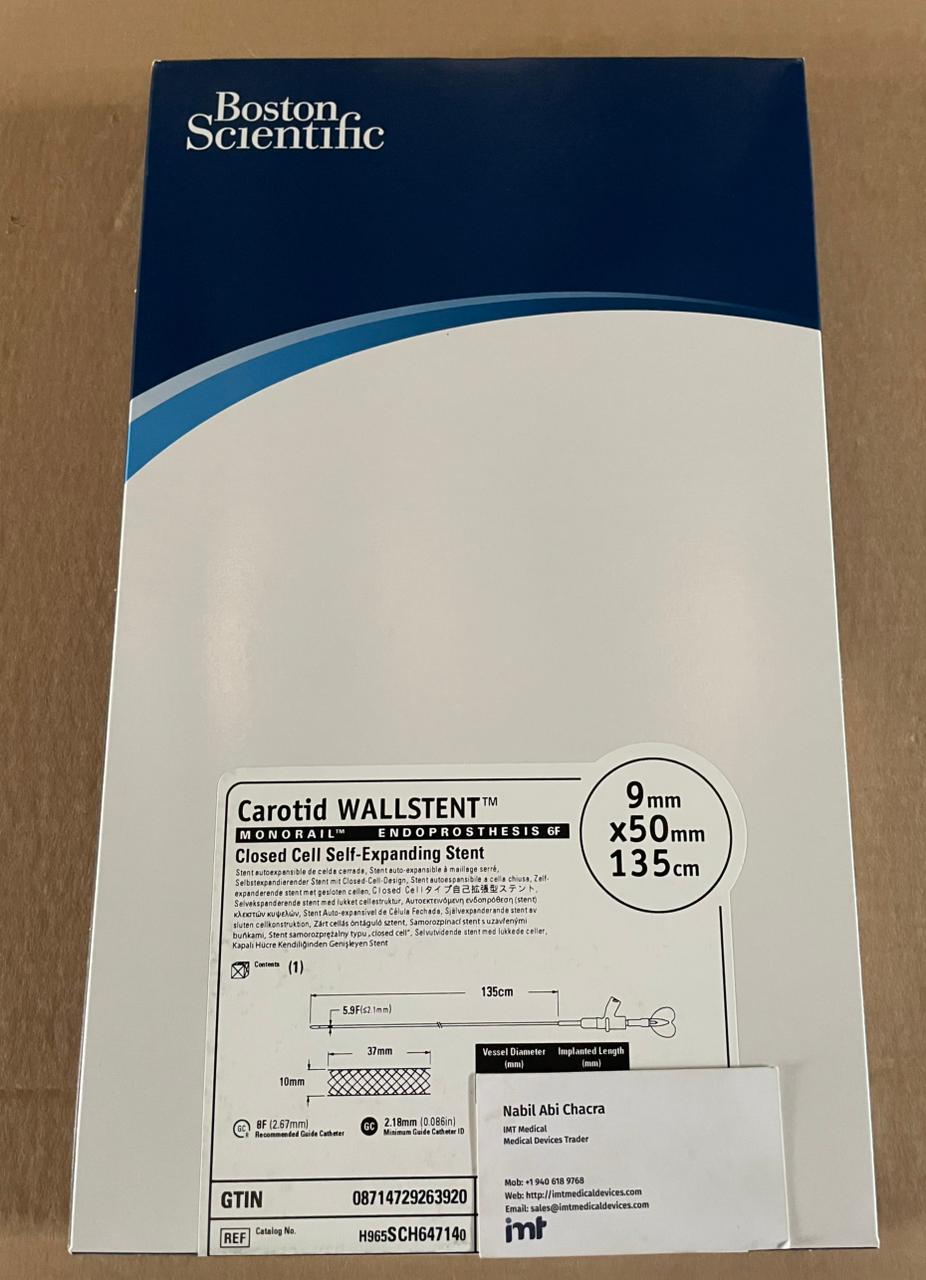
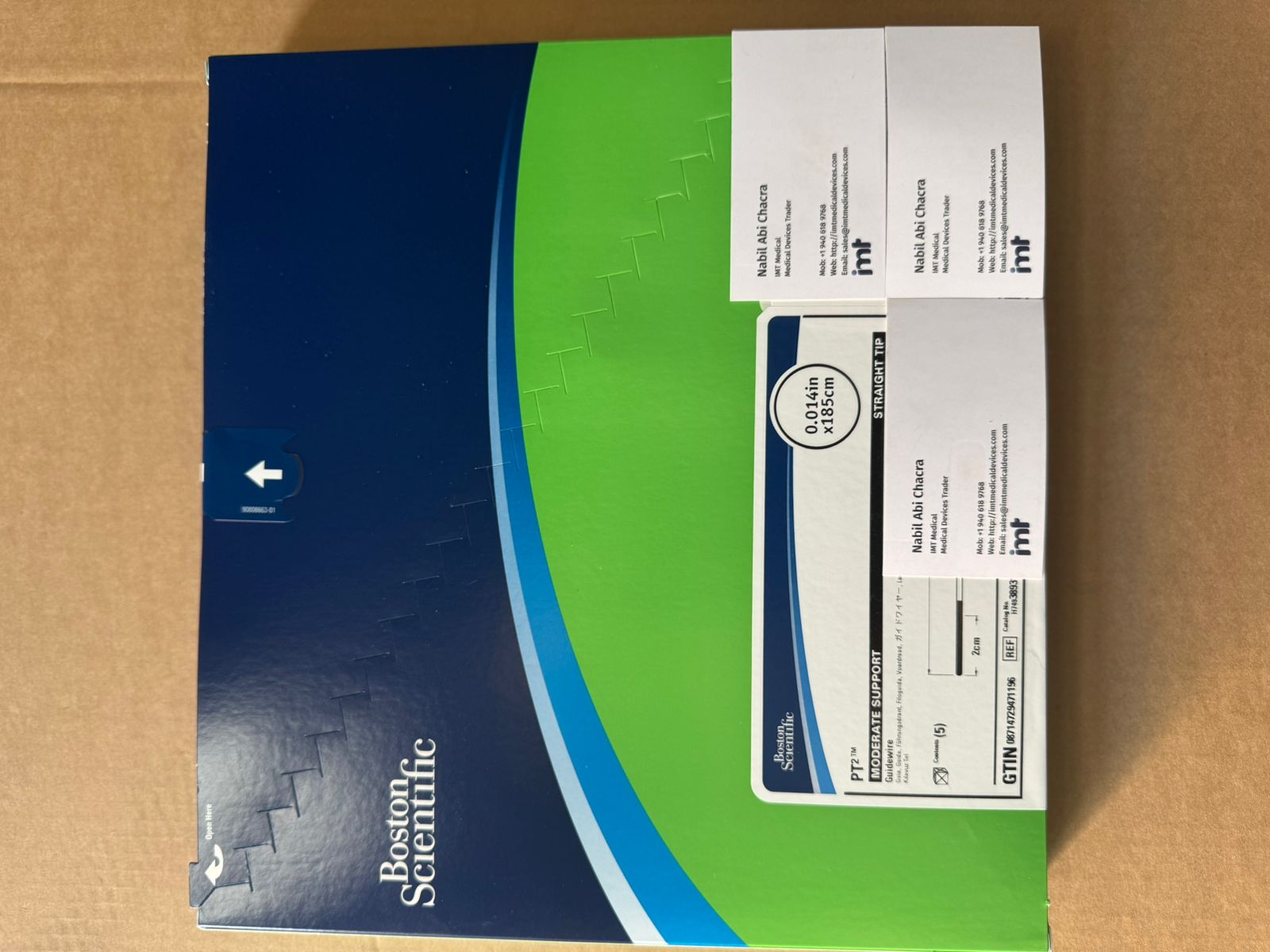
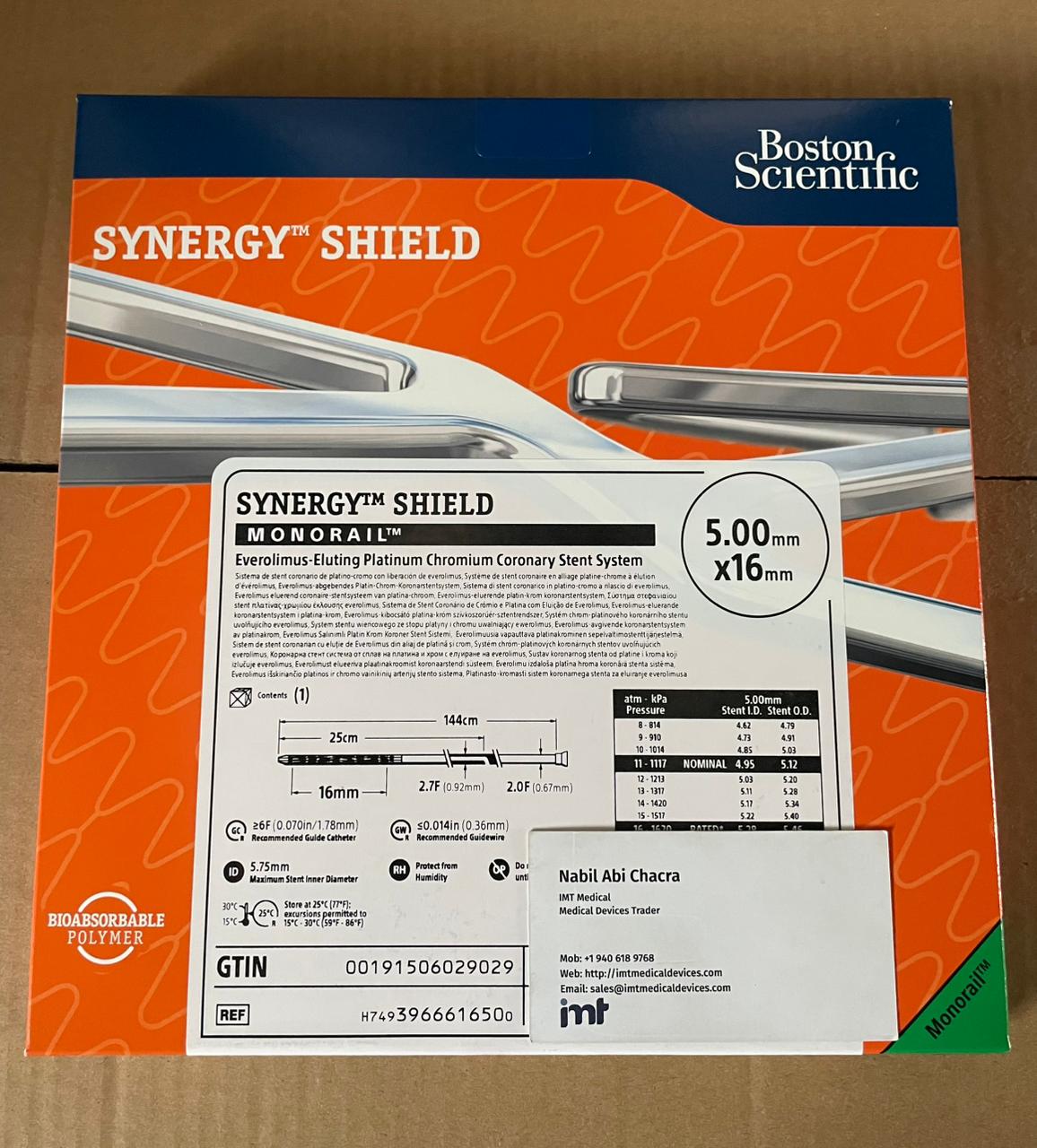
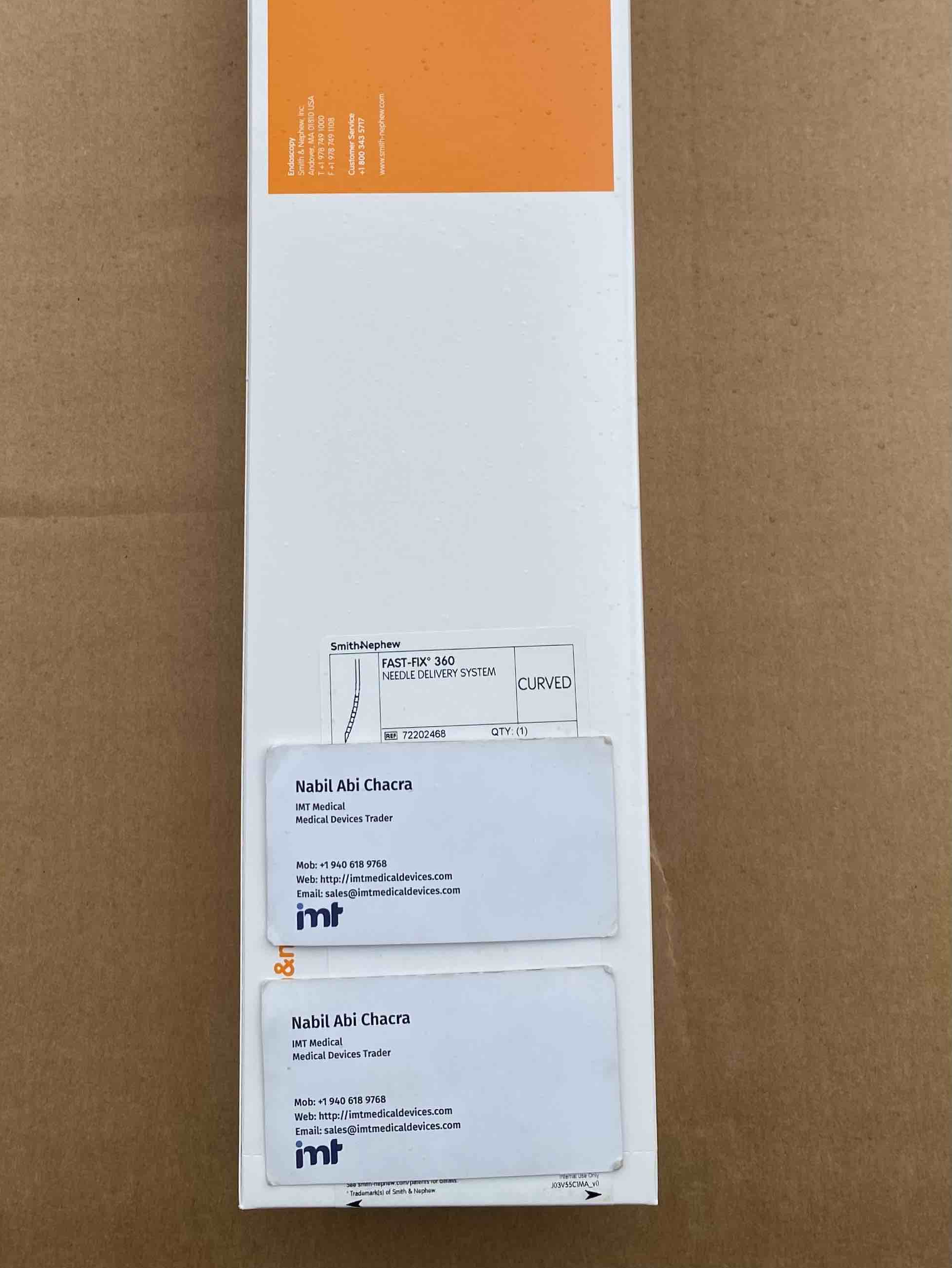
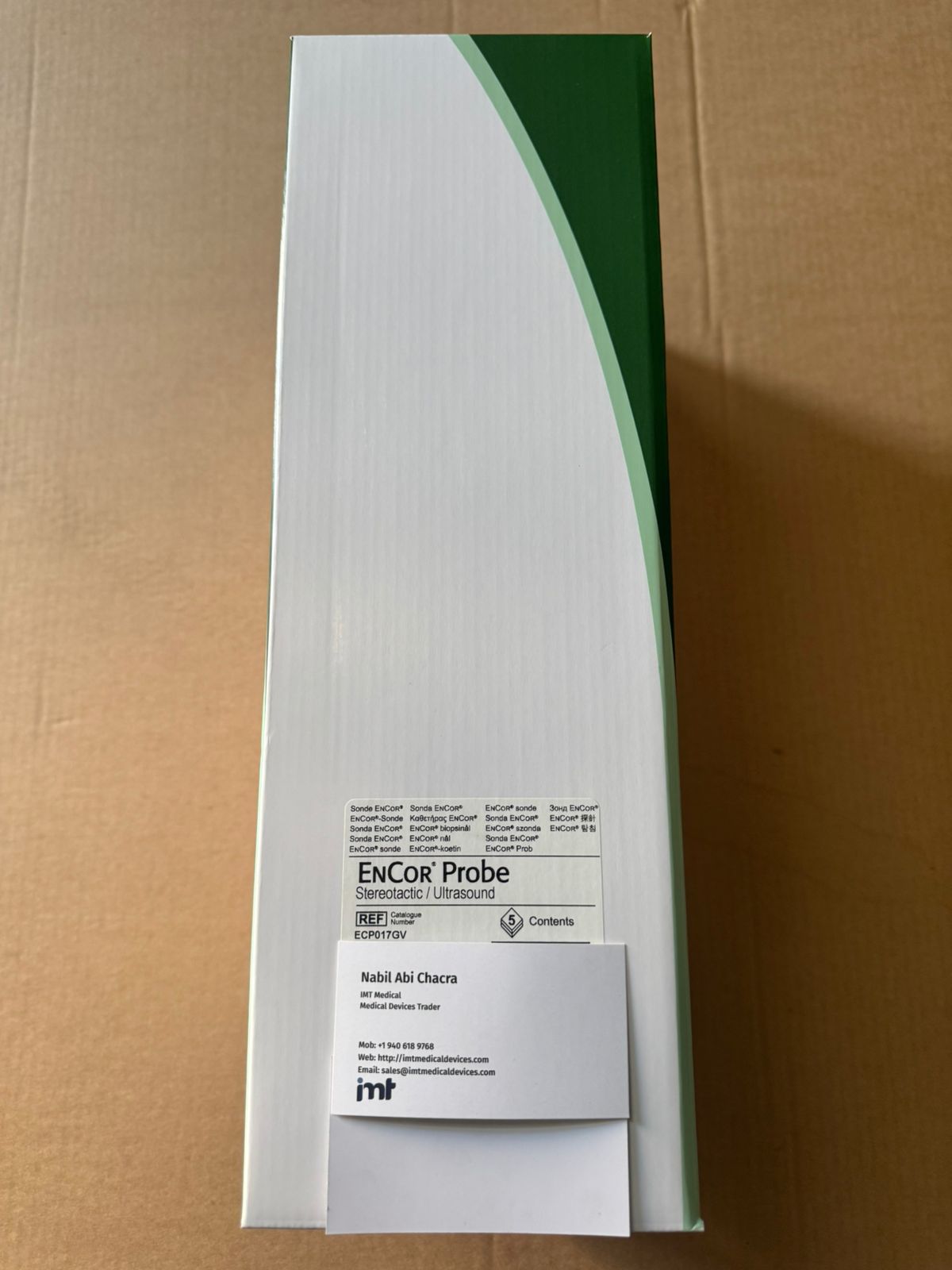
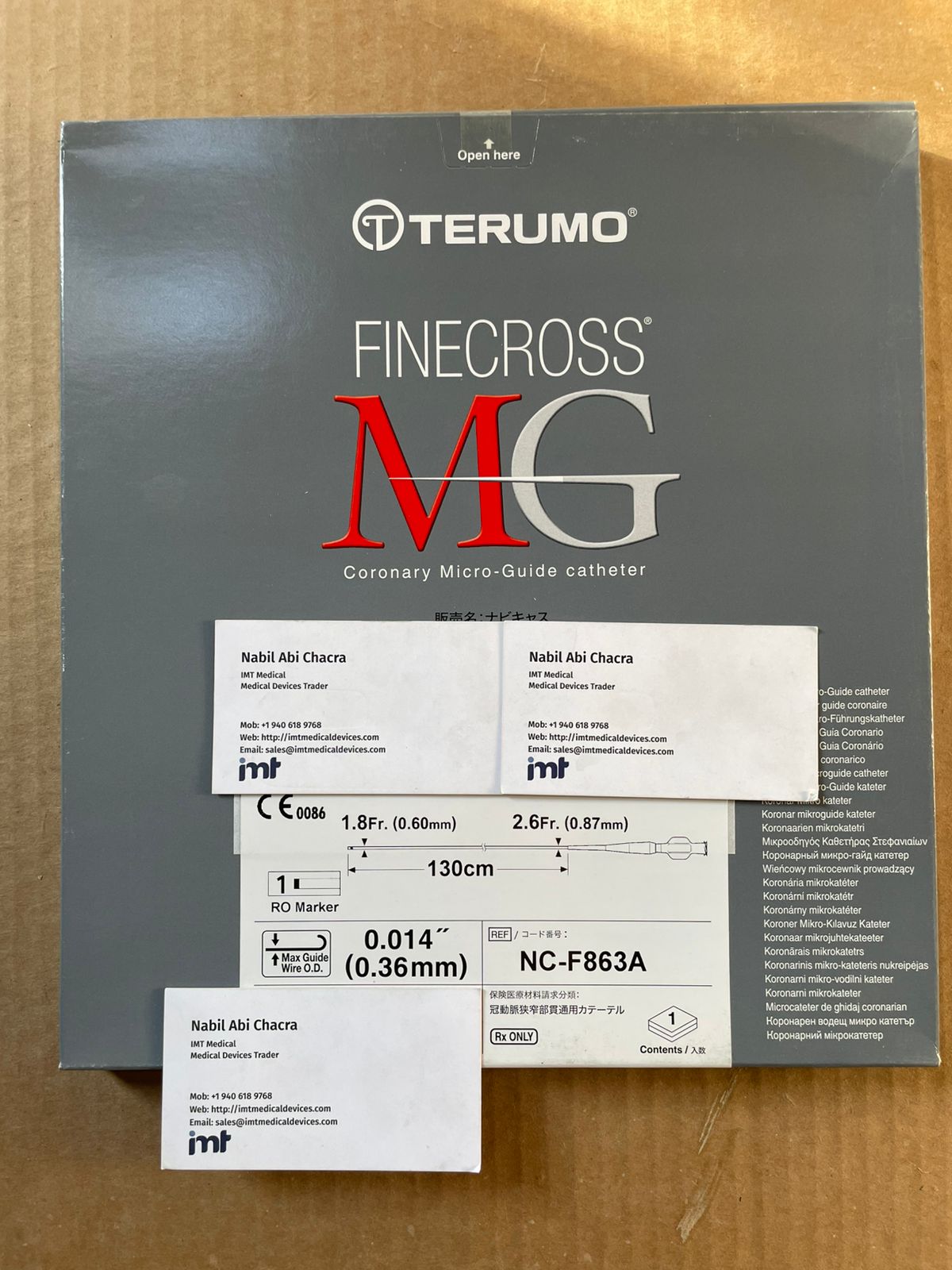
That is why exact part numbers matter. In a procurement environment, the shortest path to a usable quote is always the most specific one. If the buyer has the manufacturer reference, previous invoice detail, or even an image of the package label, matching becomes faster and cleaner.
Category-driven purchasing is common
Not every request arrives with a perfect SKU. Many start at category level because the physician knows the clinical use but the purchasing office does not yet have the exact reference. In those cases, buyers often need support narrowing the request into a quote-ready item.
This is where catalog organization matters. A supplier should be able to sort branded inventory by application and product family so the buyer can move from broad request to exact orderable line without multiple rounds of clarification.
What to verify before requesting a quote
For hospitals and independent distributors, speed matters, but so does avoiding preventable mismatch. Before requesting pricing for smith and nephew products, it helps to verify a few details internally.
Start with the exact manufacturer product code if available. Then confirm the product description used by the clinician or end user, since naming conventions inside hospitals are not always identical to the manufacturer's catalog wording. After that, check the required quantity and packaging unit. A request for one box versus one unit can create unnecessary back-and-forth if the packaging basis is unclear.
It is also worth confirming whether the item is needed for a scheduled procedure, stock replenishment, or tender comparison. Those are different purchasing situations. A case-driven request may prioritize lead time over price. A stocking request may focus on batch consistency and repeat availability. A distributor comparing market offers may need a quote built around exact line matching and shipping practicality.
Common sourcing issues with branded medical devices
Buyers looking for established brands like Smith and Nephew usually run into one of a few recurring issues. The first is limited local access. The second is pricing pressure from a dominant incumbent distributor. The third is administrative friction, where it is difficult to get a fast answer on an exact branded item.
None of these issues are unusual. In many markets, hospitals and physicians already know the product they want but need a different procurement route. That is especially true when the local channel is slow, restrictive, or not aligned with the buyer's preferred commercial terms.
Availability is rarely just about stock
A supplier can say an item is available, but procurement teams usually need more than that. They need confidence that the quoted item is the correct branded reference, that export handling is understood, and that the documentation supports the transaction. Availability without precision can still create delays.
This is why experienced buyers look for exactness in the quotation process. Clean line-item descriptions, manufacturer names, and part numbers reduce risk before the order is placed, not after.
Substitutions are not always acceptable
In some product categories, alternatives may be clinically acceptable. In others, the physician wants the exact requested brand and reference. Buyers should not assume interchangeability, especially when a product has already been selected for a case or is tied to established physician preference.
A procurement-focused supplier should treat substitutions carefully. If an alternative is discussed, it should be because the buyer asked for options, not because the original request was handled loosely.
Why exact product mapping matters for hospitals and distributors
Hospitals, competing distributors, and physician buyers have different incentives, but they share one operational need: the order must match the request. Product mapping is the bridge between an internal need and a usable supplier quote.
For hospitals, this reduces the risk of receiving an item that cannot be used for the intended procedure. For distributors, it supports competitive quoting against existing market offers. For physicians purchasing outside traditional local channels, it shortens the path from clinical preference to actual delivery.
The practical value is simple. Better product mapping means fewer corrections, fewer delays, and less internal approval friction.
A better way to request smith and nephew products
The most efficient quote requests are concise and specific. Include the manufacturer name, exact part number if available, full product description, target quantity, and destination country. If the request is urgent, state that clearly. If the item is being sourced as an alternative to a local distributor, that context can also help shape the response.
If only partial information is available, send the strongest identifiers you have. A previous invoice line, package photo, or clinician note is often enough to begin matching. The key is to reduce ambiguity early.
For buyers managing multiple brands, this approach also makes cross-manufacturer procurement more practical. A sourcing partner that already handles branded interventional and hospital product lines can process mixed requests more efficiently than a channel built only for one vendor or one region. That is one reason some buyers use suppliers such as IMTmedicaldevices.com when local options do not meet timing or commercial needs.
When global sourcing makes sense
Global sourcing is not automatically the best option for every purchase. If a local distributor is responsive, competitively priced, and able to supply the exact product consistently, staying local may be simpler. But that is not always the operating reality.
For hospitals in the Gulf, Latin America, Asia, China, or Russia, alternate sourcing can become necessary when local coverage is incomplete or commercially rigid. The decision usually comes down to product access, quote responsiveness, and confidence in the transaction details. Buyers are not looking for complexity. They are trying to remove it.
That is the practical lens for evaluating smith and nephew products in the supply chain. Not just whether a product exists, but whether the exact item can be identified, quoted, and delivered with the precision that procurement teams and clinicians require.
If you are sourcing a branded item and the local path is slowing down the purchase, the most useful next step is simple: send the exact reference, quantity, and destination, and get a clean quote built around the product you actually need.