
Top Coronary Balloon Brands for Cath Labs
When a cath lab asks for a coronary balloon by brand, that request usually reflects more than preference. It reflects familiarity with deliverability, shaft response, lesion crossing, compliance profile, and the practical reality that operators often want the same platform they trust for specific lesion types. For procurement teams evaluating top coronary balloon brands, the decision is rarely about a single catalog page. It is about balancing physician demand, procedural mix, budget discipline, and supply continuity.
In coronary intervention, balloons are not interchangeable in every case. Semi-compliant and non-compliant platforms serve different purposes, and even within those categories, performance can vary in ways that matter at the table. A buyer sourcing for a high-volume PCI center will usually compare brand reputation alongside exact product family fit, available diameters and lengths, crossing profile, rated burst pressure, and compatibility with the lab's preferred guidewire and guiding catheter setups.
How buyers assess top coronary balloon brands
The most useful way to compare brands is by procedural role rather than by marketing position. A semi-compliant balloon used for lesion preparation has a different selection logic than a non-compliant balloon used for post-dilation. If the site handles calcified lesions, bifurcations, long diffuse disease, or tight crossings on a regular basis, that case mix should shape brand selection from the start.
Deliverability remains one of the first filters. Crossing profile, trackability, and push response can determine whether a balloon earns repeat use in complex anatomy. Some brands are favored because they perform predictably in tortuous vessels or tight lesions, while others are selected for strong burst pressure characteristics or reliable balloon re-wrap during withdrawal. These are not minor details for professional buyers. They directly affect physician acceptance and stock rotation.
The next factor is portfolio depth. Buyers generally prefer brands that offer a broad matrix of sizes and lengths rather than isolated high-turn SKUs only. That matters for standardization across operators and for reducing gaps in inventory. A recognized manufacturer with strong line consistency often makes replenishment easier, especially for hospitals and distributors managing multiple facilities or export destinations.
Leading manufacturers in coronary balloon procurement
Among the top coronary balloon brands, several manufacturers remain consistently relevant in institutional purchasing because they combine clinical familiarity, established distribution history, and strong brand recognition.
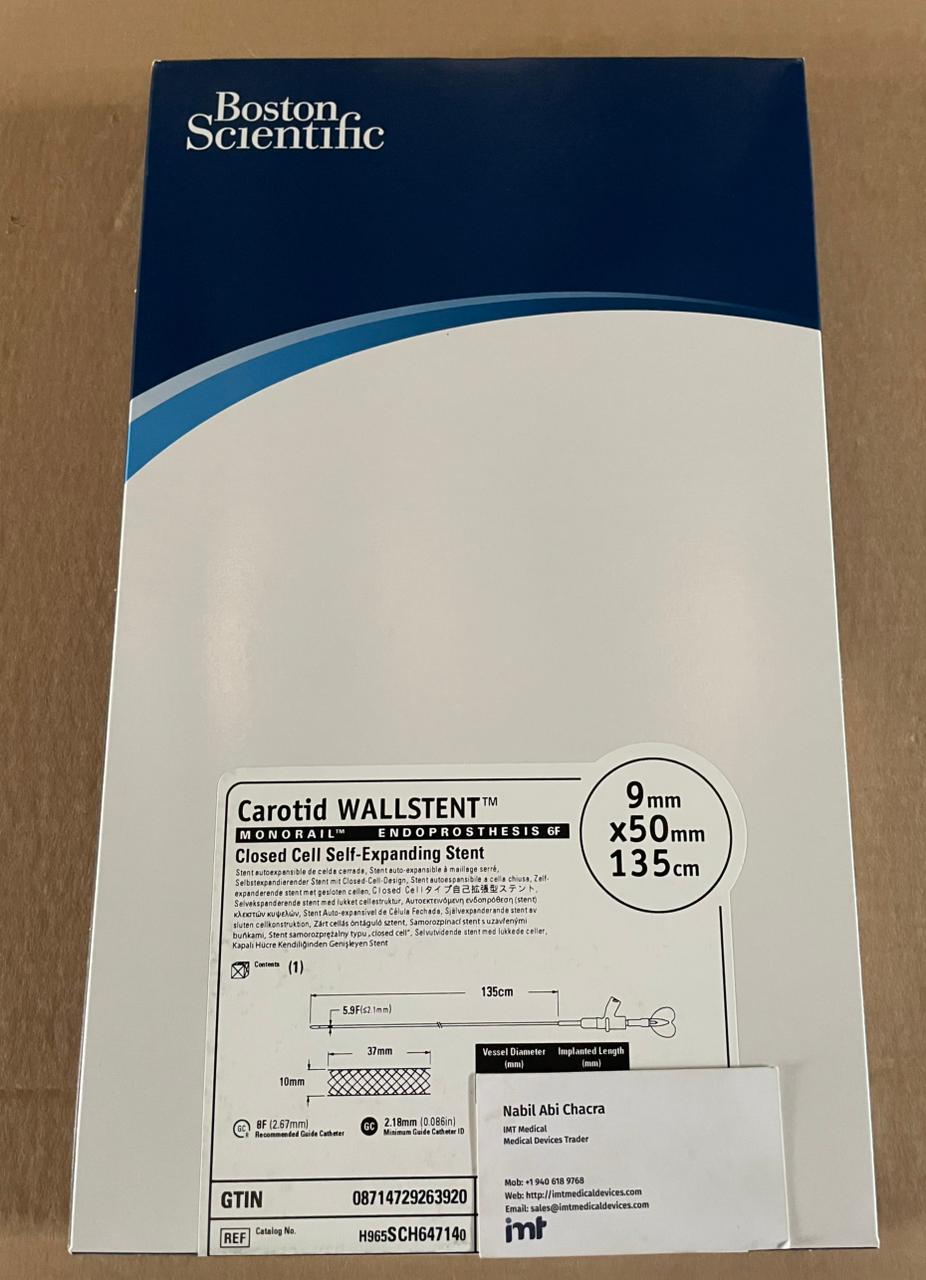
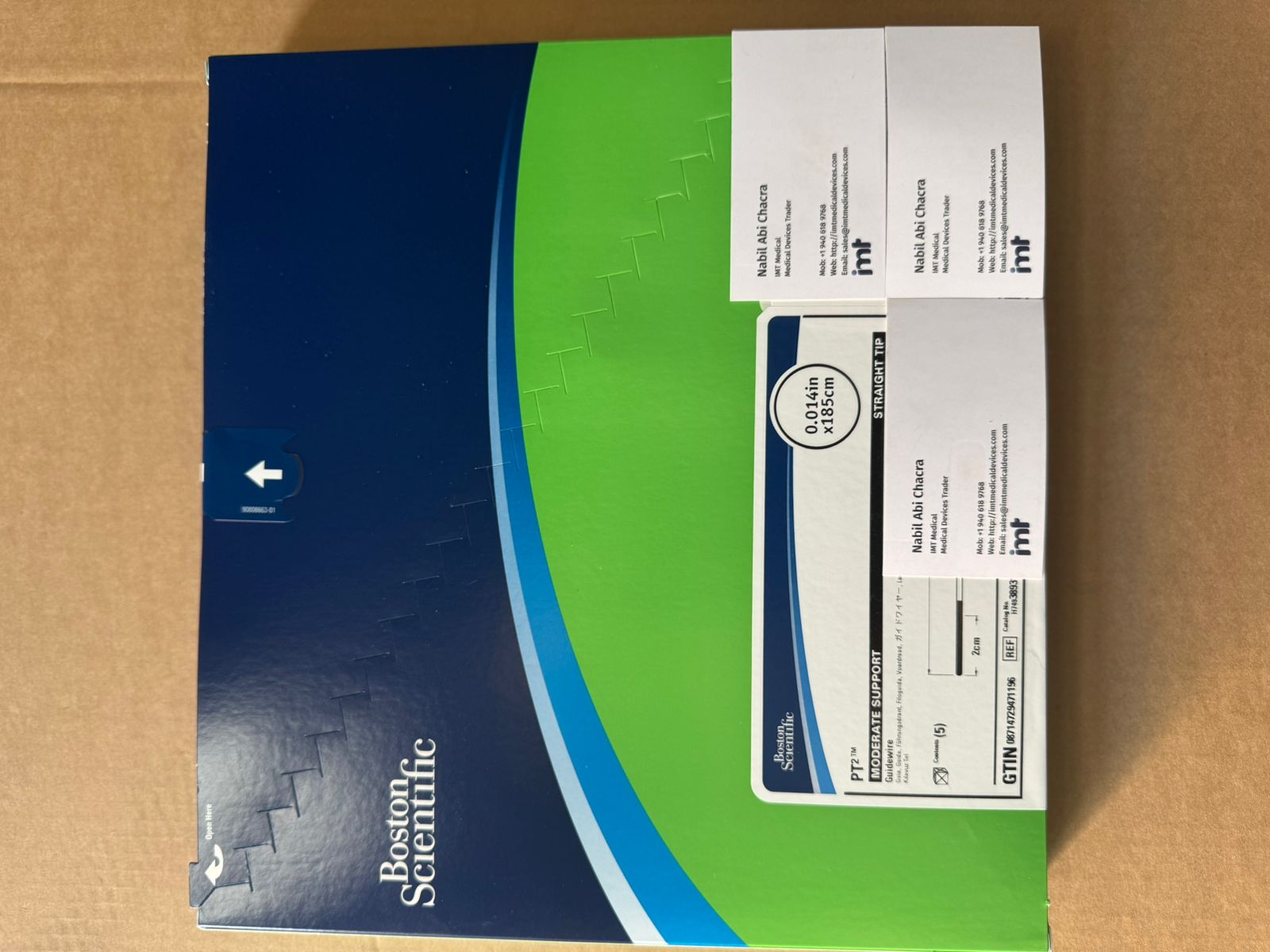
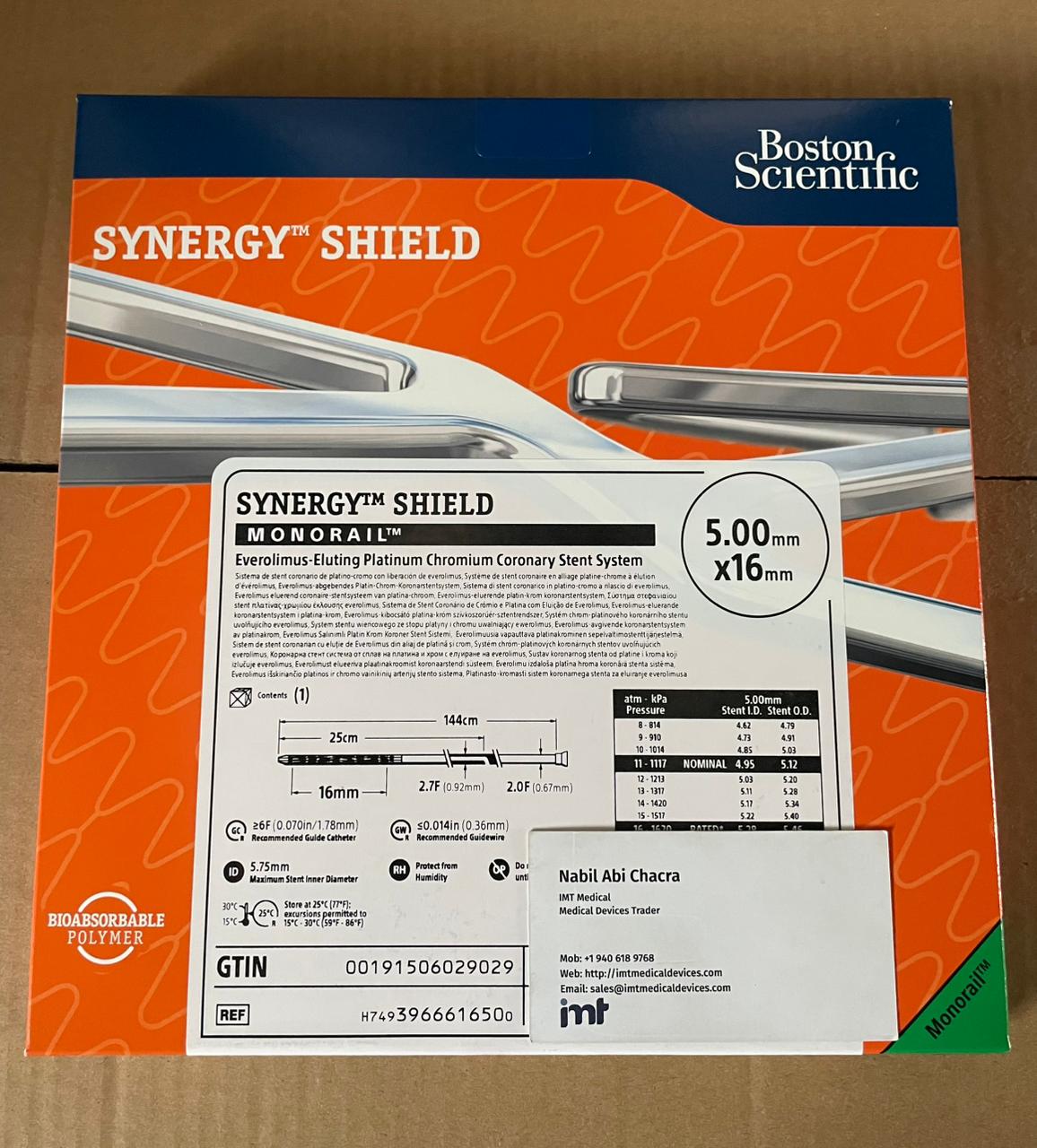
Boston Scientific is commonly included in coronary balloon evaluations because of its established presence in interventional cardiology and broad procedural adoption. Buyers looking at this brand are often responding to operator familiarity and the advantage of sourcing multiple coronary product categories from the same manufacturer. In practical terms, that can simplify procurement and support more consistent procedural preference across a service line.
Abbott is another major name in coronary intervention, with strong recognition in cath labs that standardize around branded coronary platforms. For buyers, the value is often not just the balloon itself but the confidence that comes with a widely used interventional portfolio. Where physician preference is strong, Abbott often remains on approved vendor lists because of that procedural familiarity.
Medtronic continues to be an important manufacturer in many cardiovascular supply environments. Procurement teams may evaluate Medtronic coronary balloon offerings in the context of broader cardiovascular contracts, inventory alignment, and clinician confidence in a globally recognized brand. For larger institutions, that kind of cross-category familiarity can support more efficient vendor management.
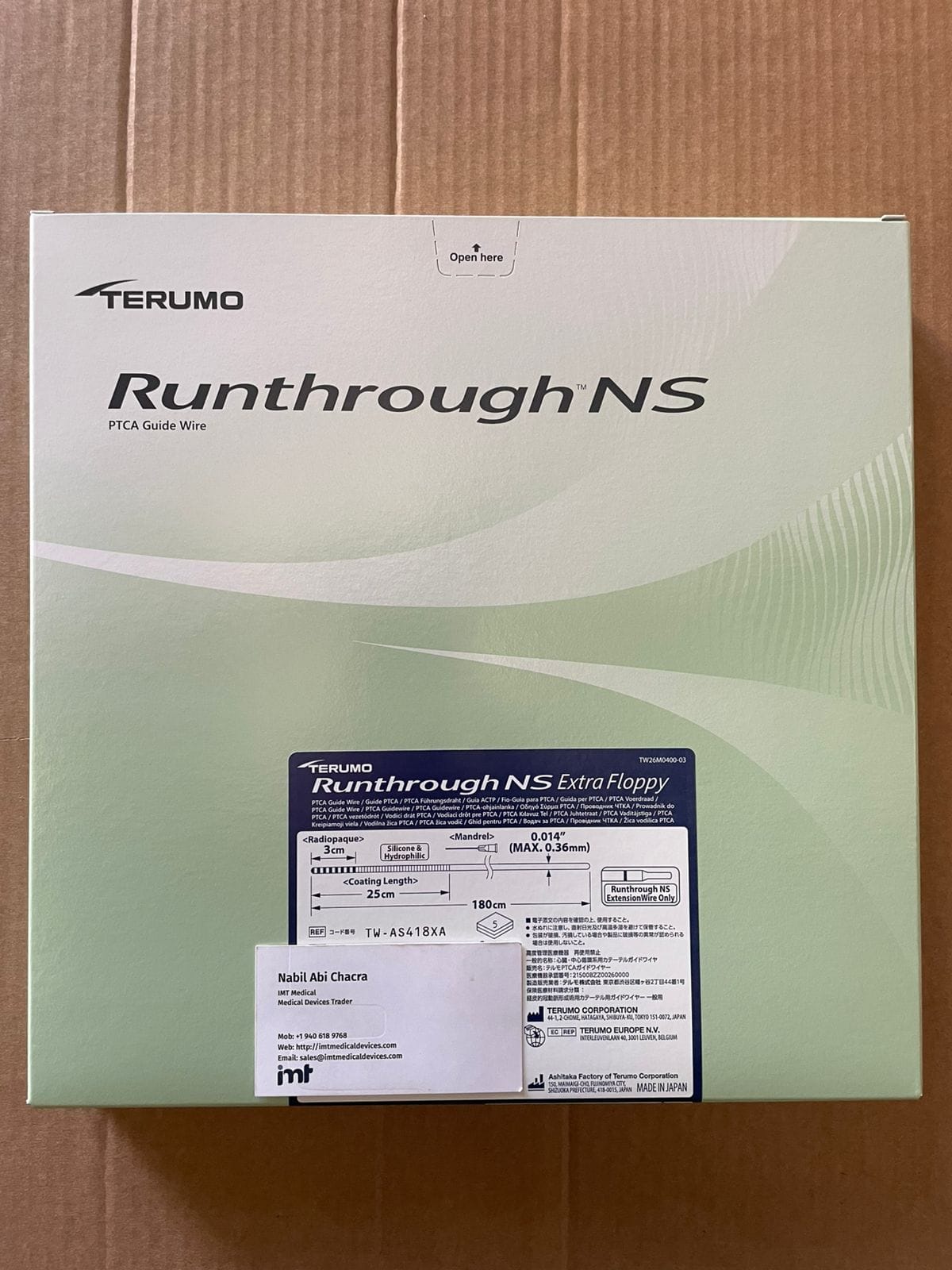
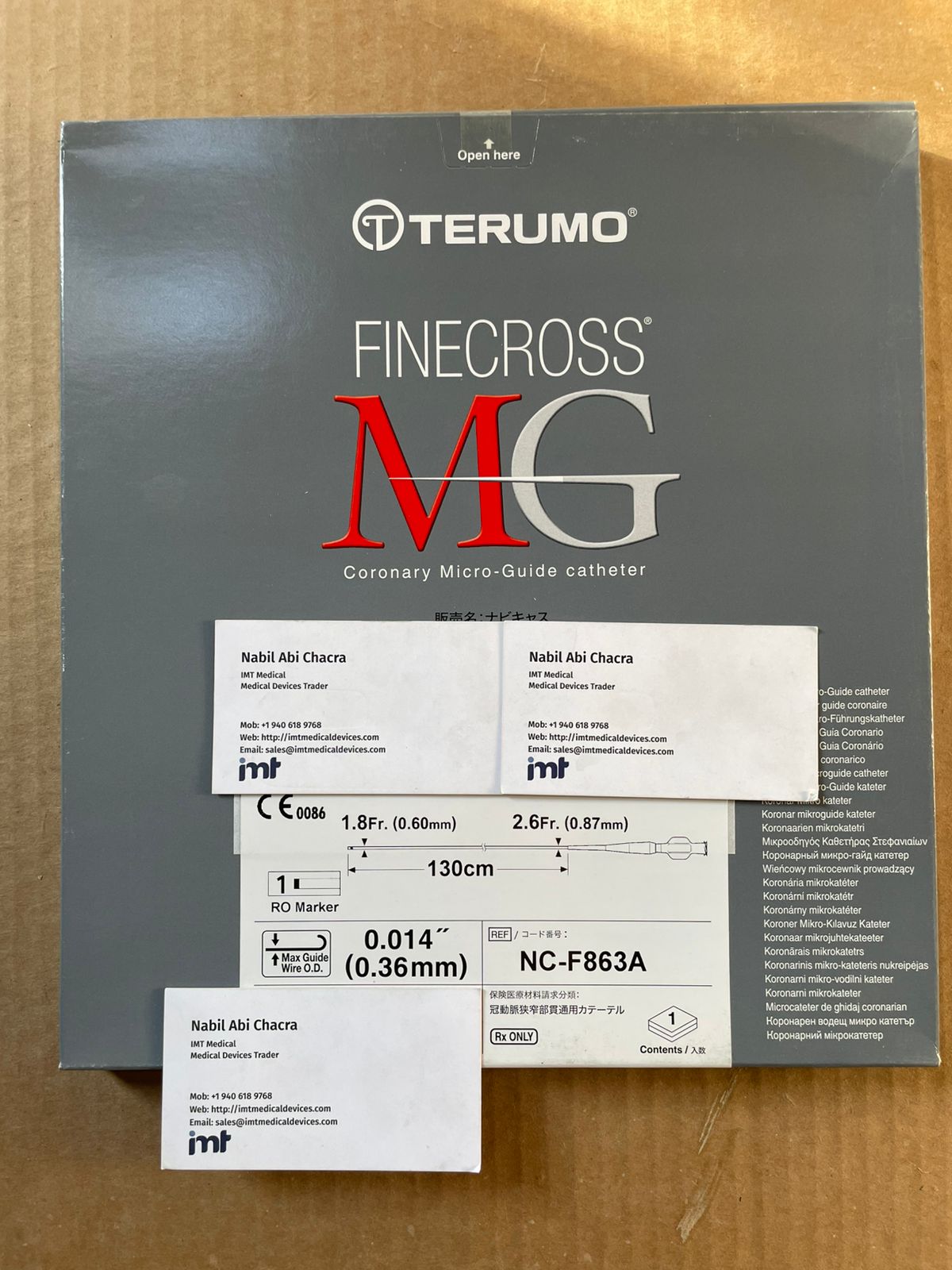
Terumo is frequently considered where trackability, device handling, and broad interventional brand trust are part of the discussion. The brand has strong recognition among buyers sourcing across coronary and peripheral lines, which can be useful for organizations aiming to consolidate purchasing. For international procurement, that kind of multi-category brand presence often has practical value.
Cordis also remains relevant in conversations around coronary intervention sourcing, particularly in facilities that maintain legacy familiarity with the brand or want access to recognized interventional product families. Depending on the account, Cordis may be part of a dual-brand strategy rather than a single-brand standardization model.
Not every hospital uses one manufacturer exclusively, and in many cases that is the right approach. A primary brand may cover most routine PCI volume, while a secondary brand supports specific physician preferences, niche lesion types, or backup supply planning. For procurement, this usually produces a more resilient stocking model than relying too heavily on one source.
What matters more than brand name alone
Brand reputation opens the conversation, but product family fit closes it. Two balloons from top-tier manufacturers may both be clinically accepted, yet one may suit lesion preparation while the other is preferred for high-pressure post-dilation. This is why SKU-level review matters.
Semi-compliant balloons are generally selected for initial dilation and lesion preparation where some conformability is useful. Non-compliant balloons are more often chosen where precise diameter control and high-pressure performance are critical, such as stent optimization. If a procurement review treats all coronary balloons as one category, it can miss the operational difference between these use cases.
Compatibility also needs careful review. Buyers should verify guidewire compatibility, catheter compatibility, shaft length requirements, and balloon size range against the procedural norms of the facility. A recognized brand does not eliminate the need to confirm exact specifications. In practice, procurement delays and substitution issues often come from incomplete SKU matching rather than from lack of brand availability.
Shelf life, packaging configuration, and turnover rate also deserve attention. High-demand sizes may justify deeper stocking, while specialty sizes may be better handled through responsive quote-based sourcing. This is especially relevant for distributors and export buyers who need to balance inventory carrying cost against procedural readiness.
Supply continuity and international sourcing
For many buyers, brand selection is inseparable from supply continuity. A clinically preferred balloon has limited value if replenishment is inconsistent or if export documentation creates delays. That is one reason experienced procurement teams often work through wholesale sourcing partners that understand branded device demand and can support multiple manufacturers through one channel.
This matters even more in international markets. Hospitals, regional distributors, and medical supply organizations outside the US often need access to exact branded SKUs with reliable export handling. In those cases, the strongest procurement model is usually one that combines recognized manufacturers with a supplier capable of navigating quote requests, availability checks, and cross-border logistics efficiently.
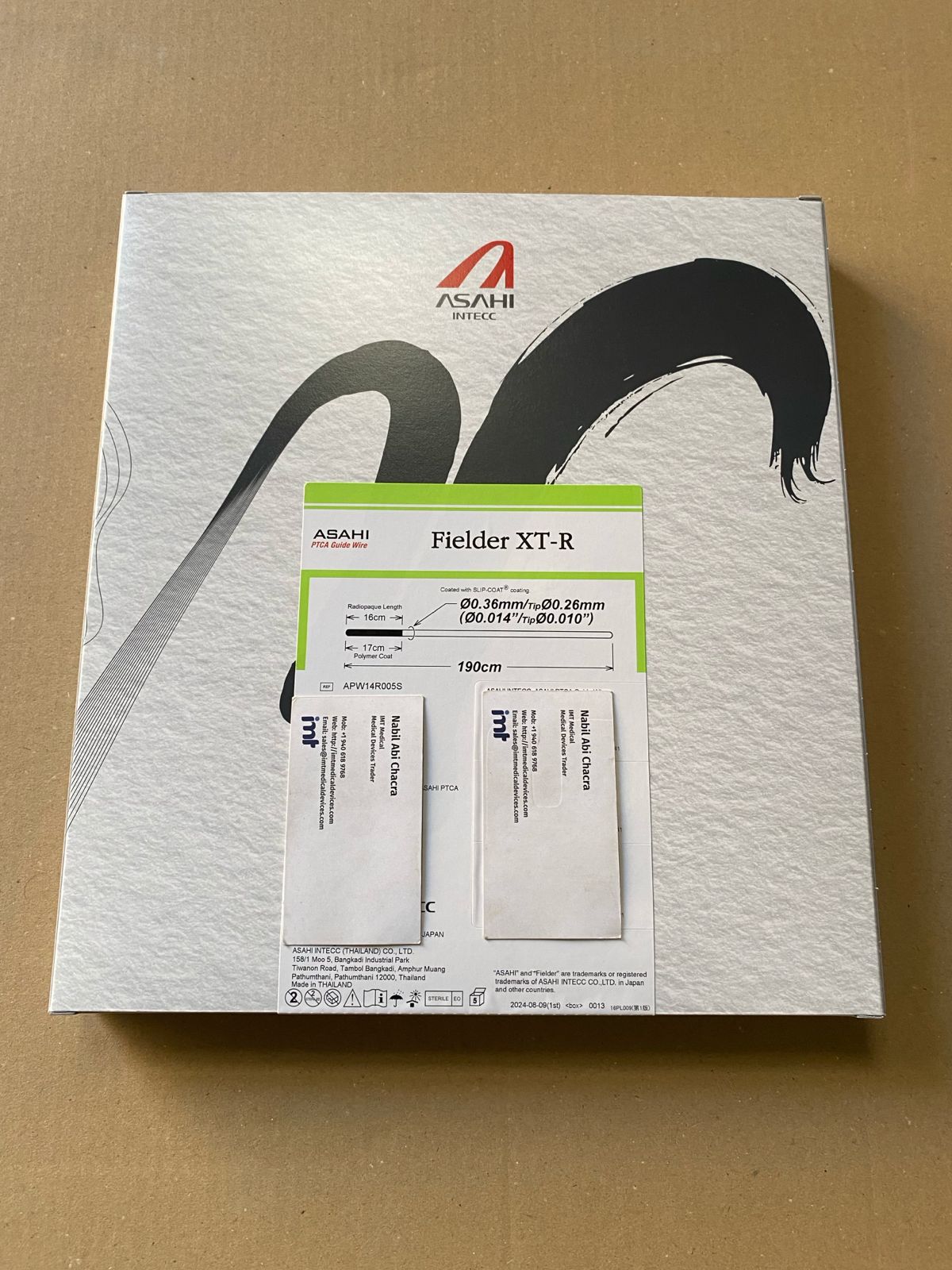
Portfolio breadth also reduces friction. If a buyer can source coronary balloons alongside guidewires, guiding catheters, coronary stents, and related interventional products through one procurement partner, the process becomes easier to manage. For organizations buying in volume, consolidation saves time and helps maintain consistency across purchase orders.
Choosing the right top coronary balloon brands for your account
There is no universal best brand for every cath lab. The right decision depends on operator preference, procedure complexity, stocking strategy, and how tightly the facility wants to standardize. A center focused on routine PCI volume may prioritize consistency, pricing structure, and common size availability. A center handling more complex lesion subsets may place greater weight on crossing performance and having multiple trusted brands available.
For procurement teams, a useful starting point is to review historical usage by lesion type and physician preference, then compare that demand against actual replenishment patterns. If one brand performs well clinically but creates repeated sourcing gaps, the procurement plan may need a secondary approved option. If another manufacturer offers better continuity across related interventional categories, that may justify broader adoption.
Buyers should also separate true clinical preference from habit. Some brand requests are well grounded in performance differences. Others reflect familiarity without a strong operational reason. The best sourcing decisions usually come from combining physician input with inventory data, not from relying on either one in isolation.
For organizations sourcing branded interventional devices at wholesale level, the practical goal is straightforward: secure authentic, recognized coronary balloon brands with the right specifications, in the right volumes, through a supplier that can support continuity. IMTMedicalDevices.com fits naturally into that model because many buyers need access to multiple global manufacturers rather than a narrow single-brand channel.
A strong coronary balloon purchasing strategy is usually less about chasing a single name and more about building a dependable mix of brands, SKUs, and supply options that match the way your cath lab actually works.