
Wholesale Cardiology Supplies That Scale
A cath lab schedule does not slow down because one guidewire is backordered or a balloon size is unavailable. For procurement teams, wholesale cardiology supplies are not a broad purchasing category. They are a daily requirement tied directly to case readiness, physician preference, and inventory risk.
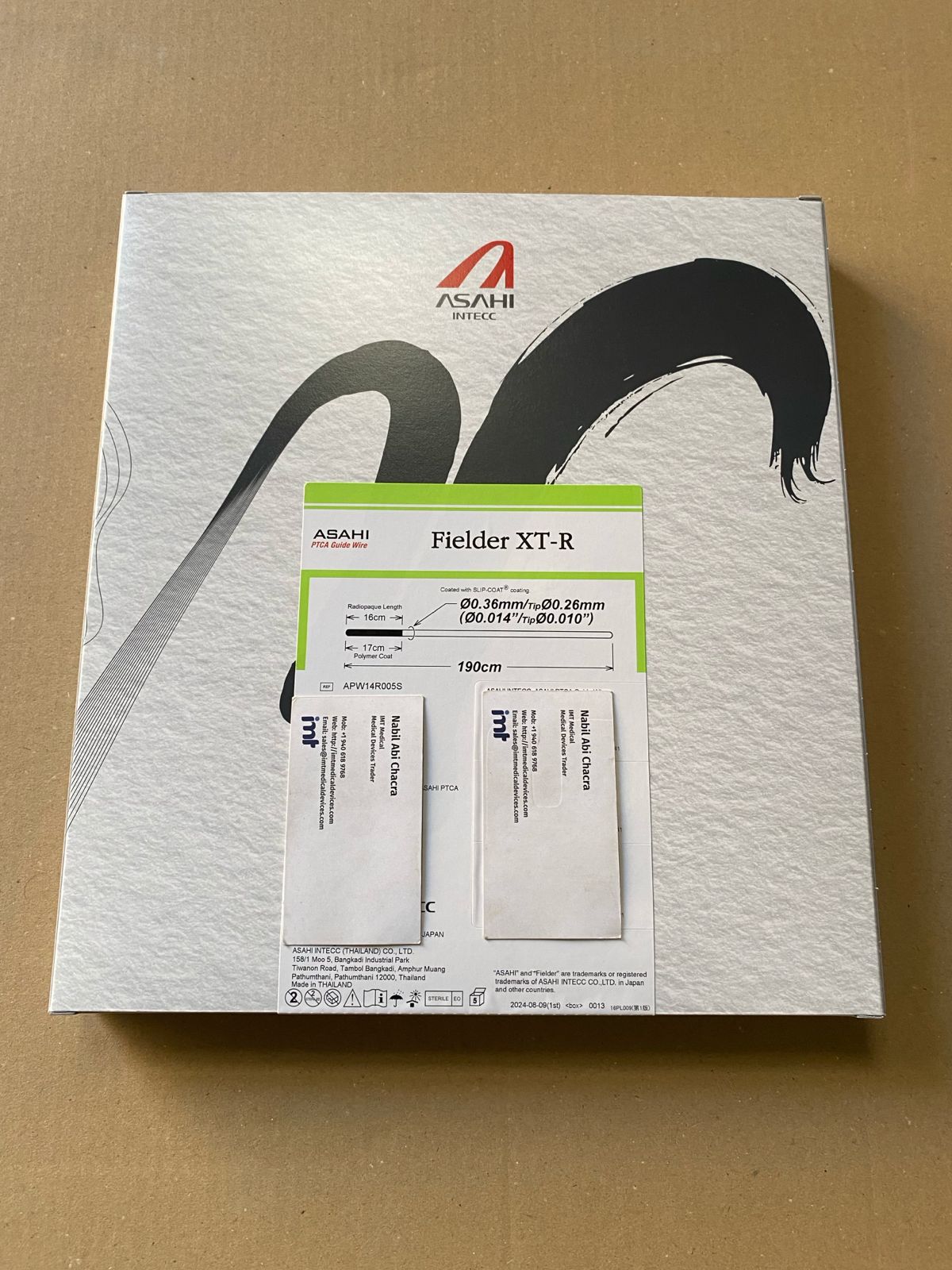
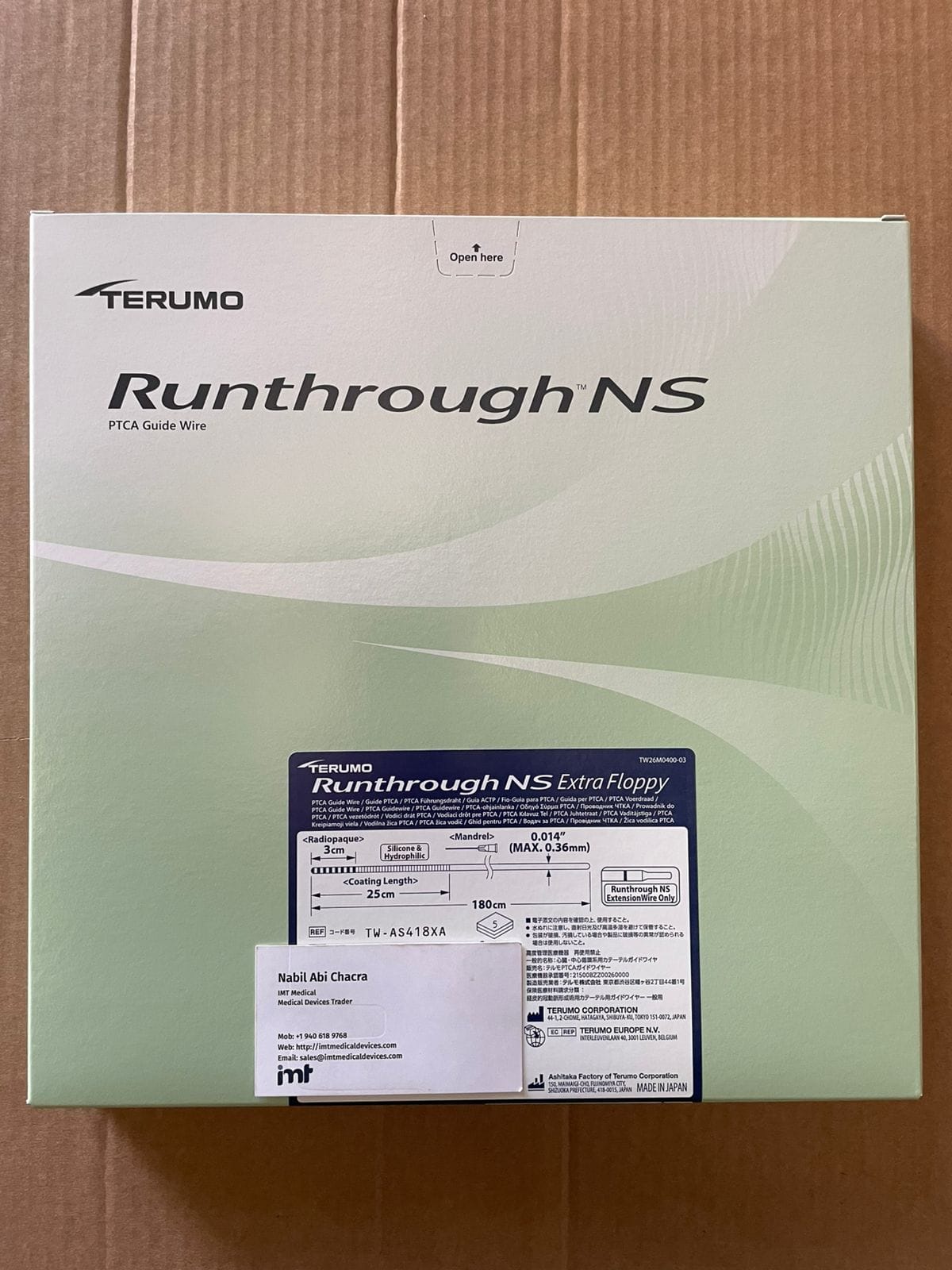
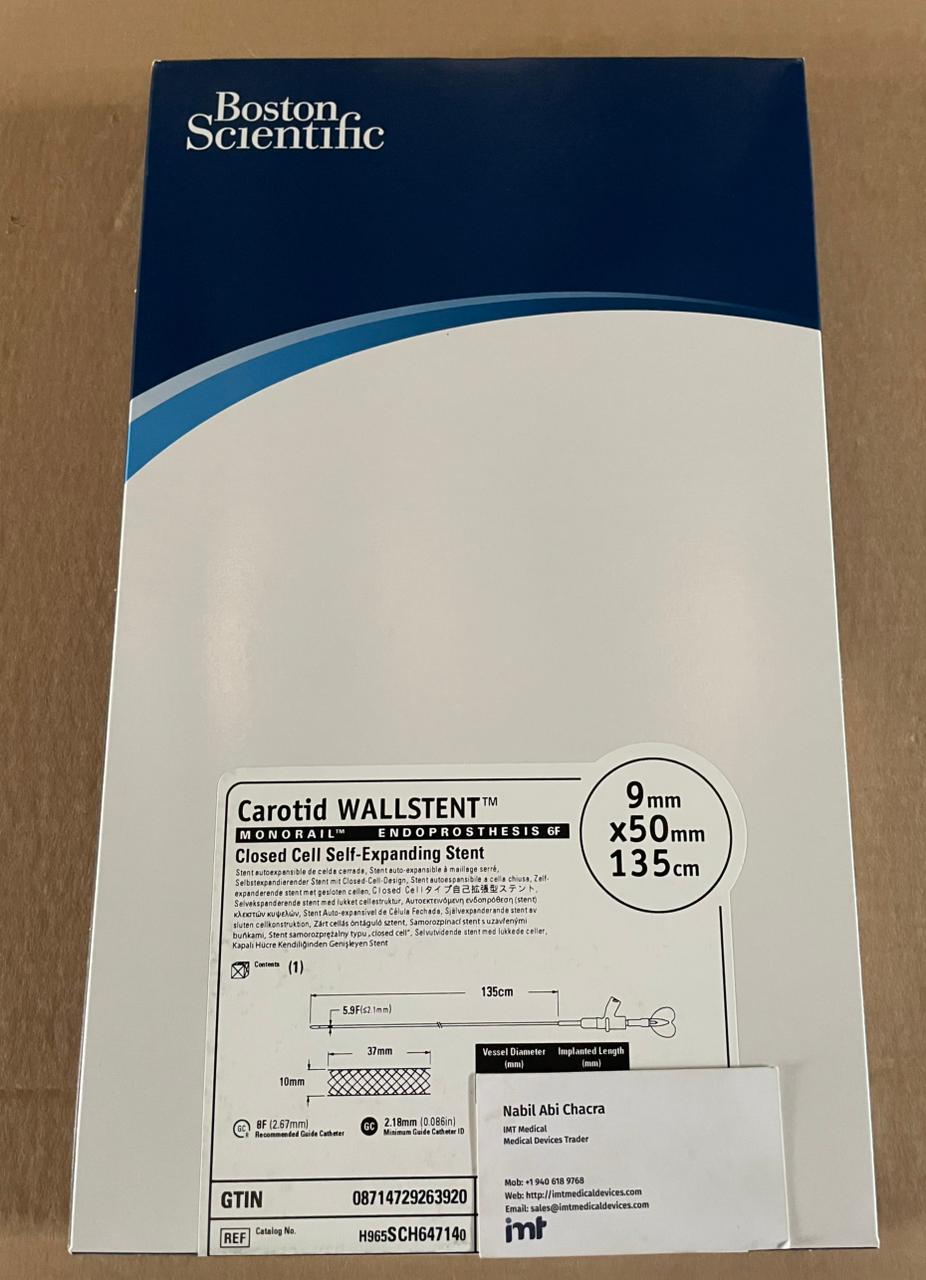
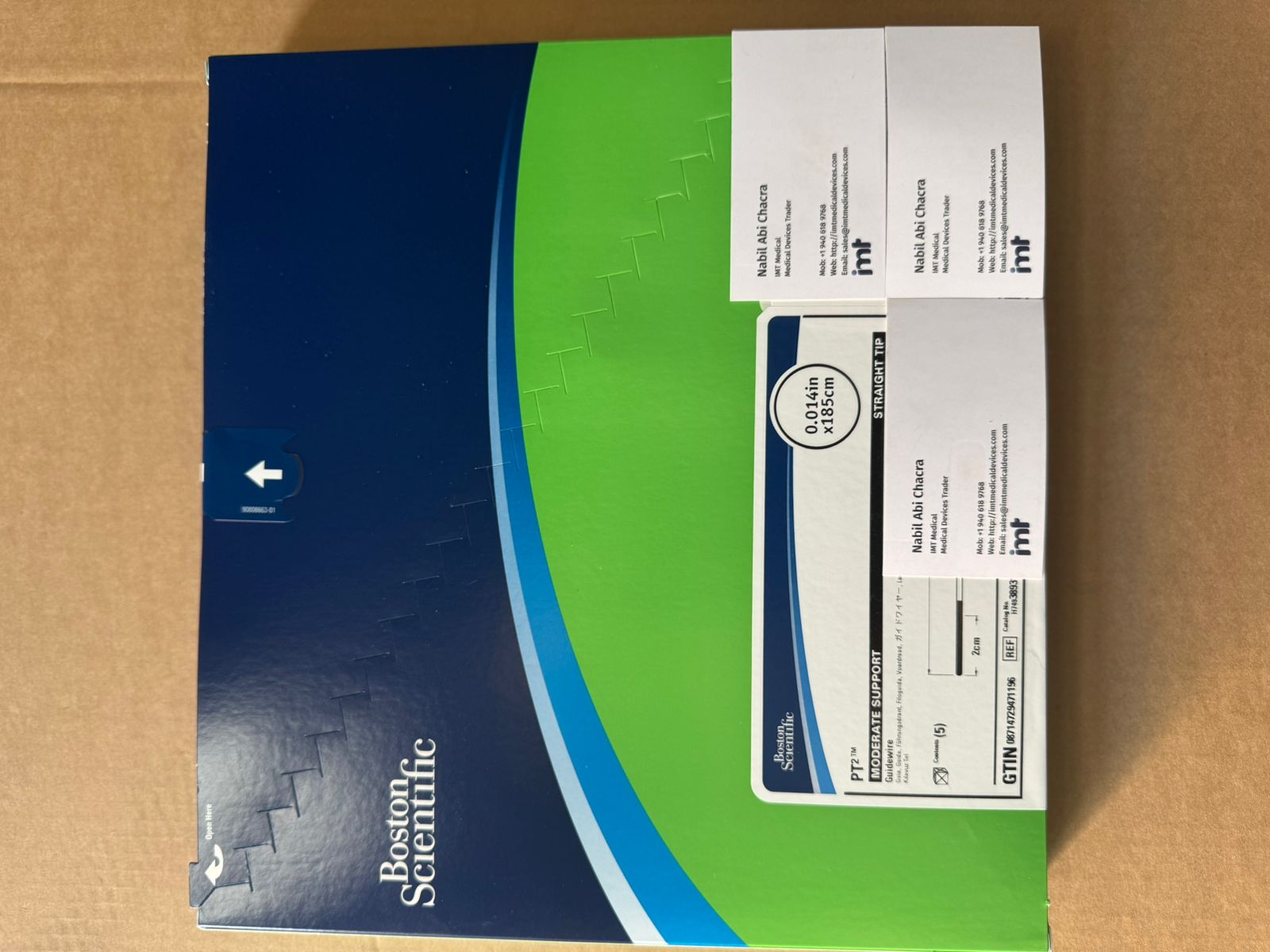
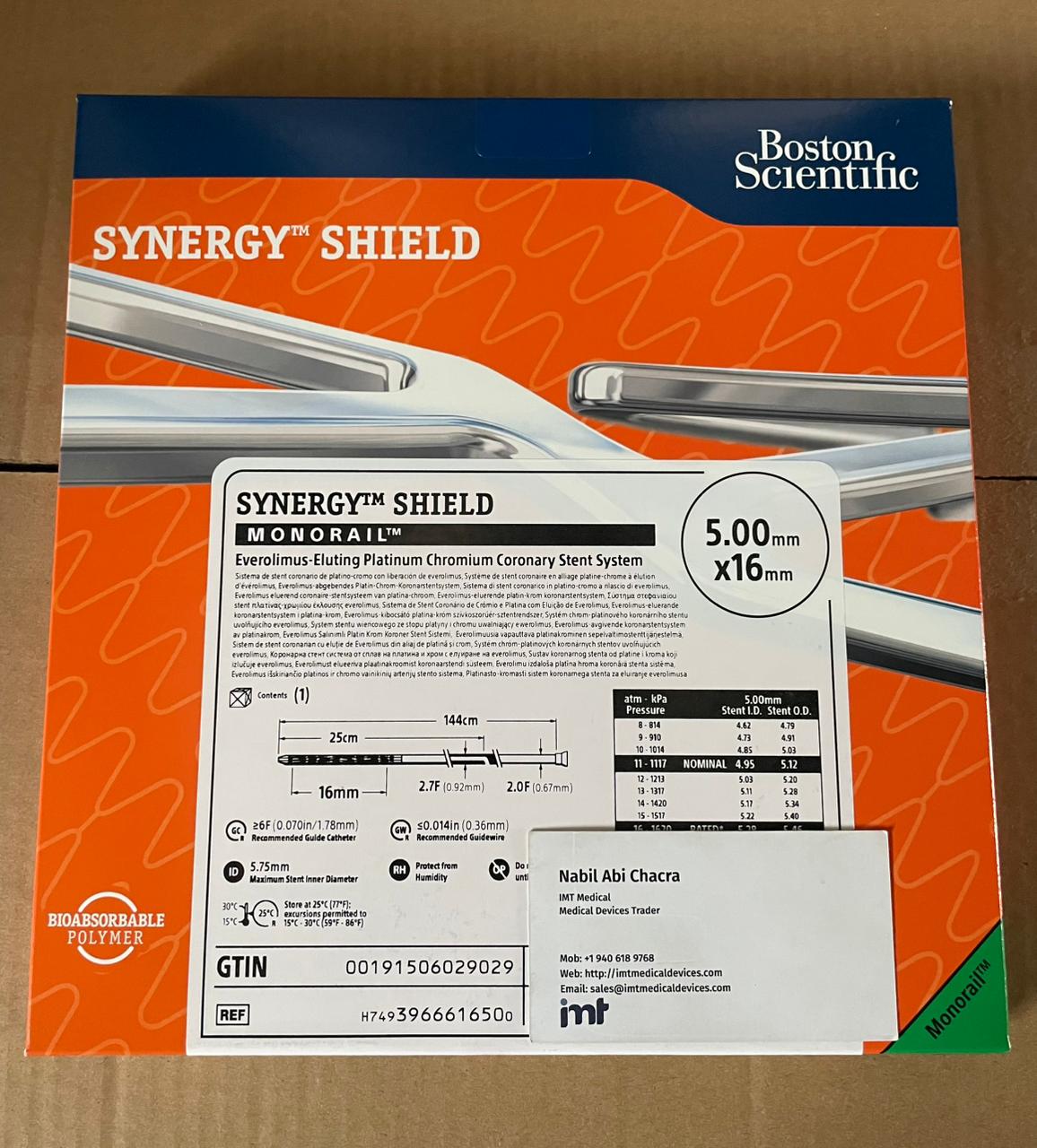
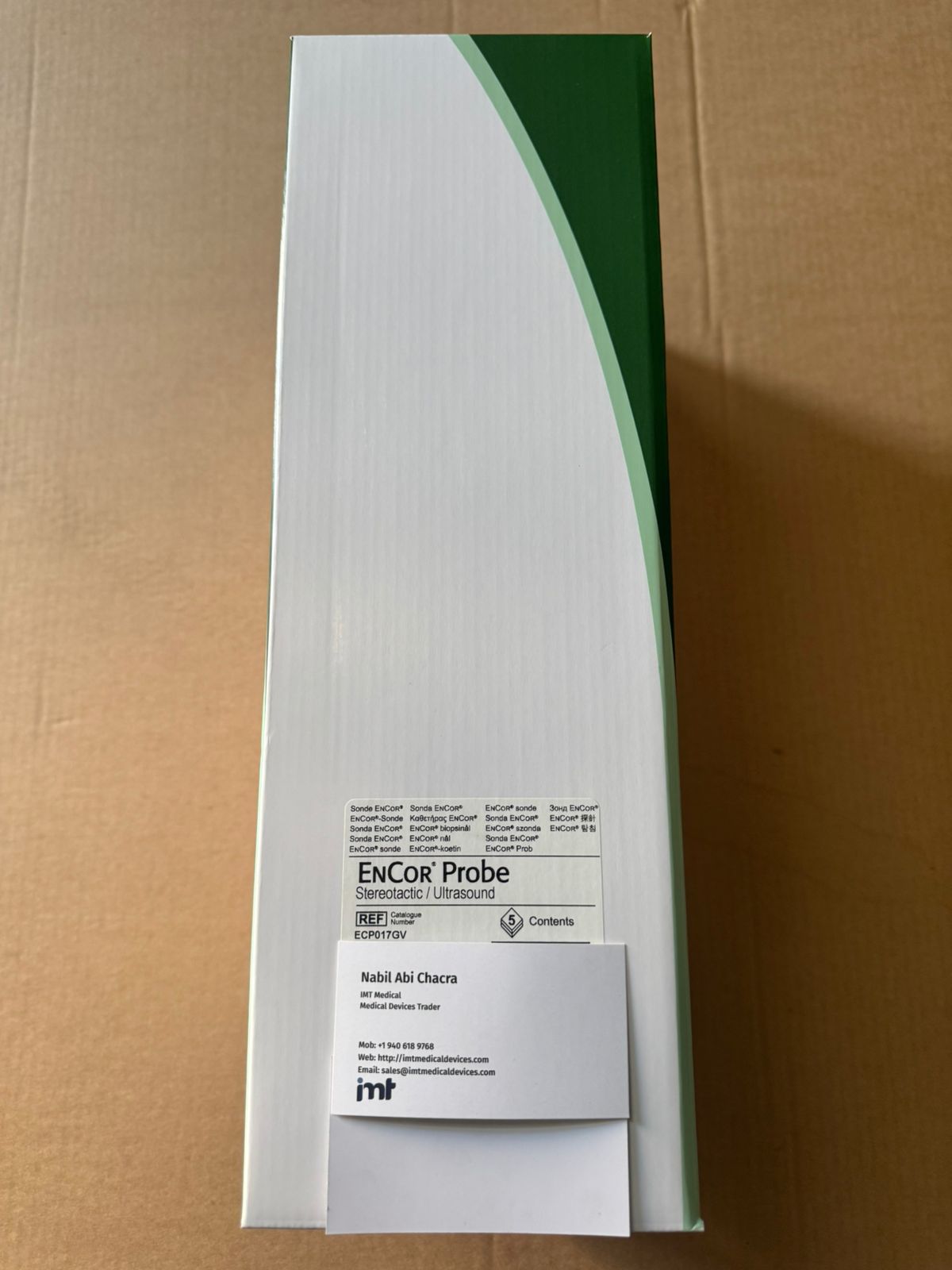
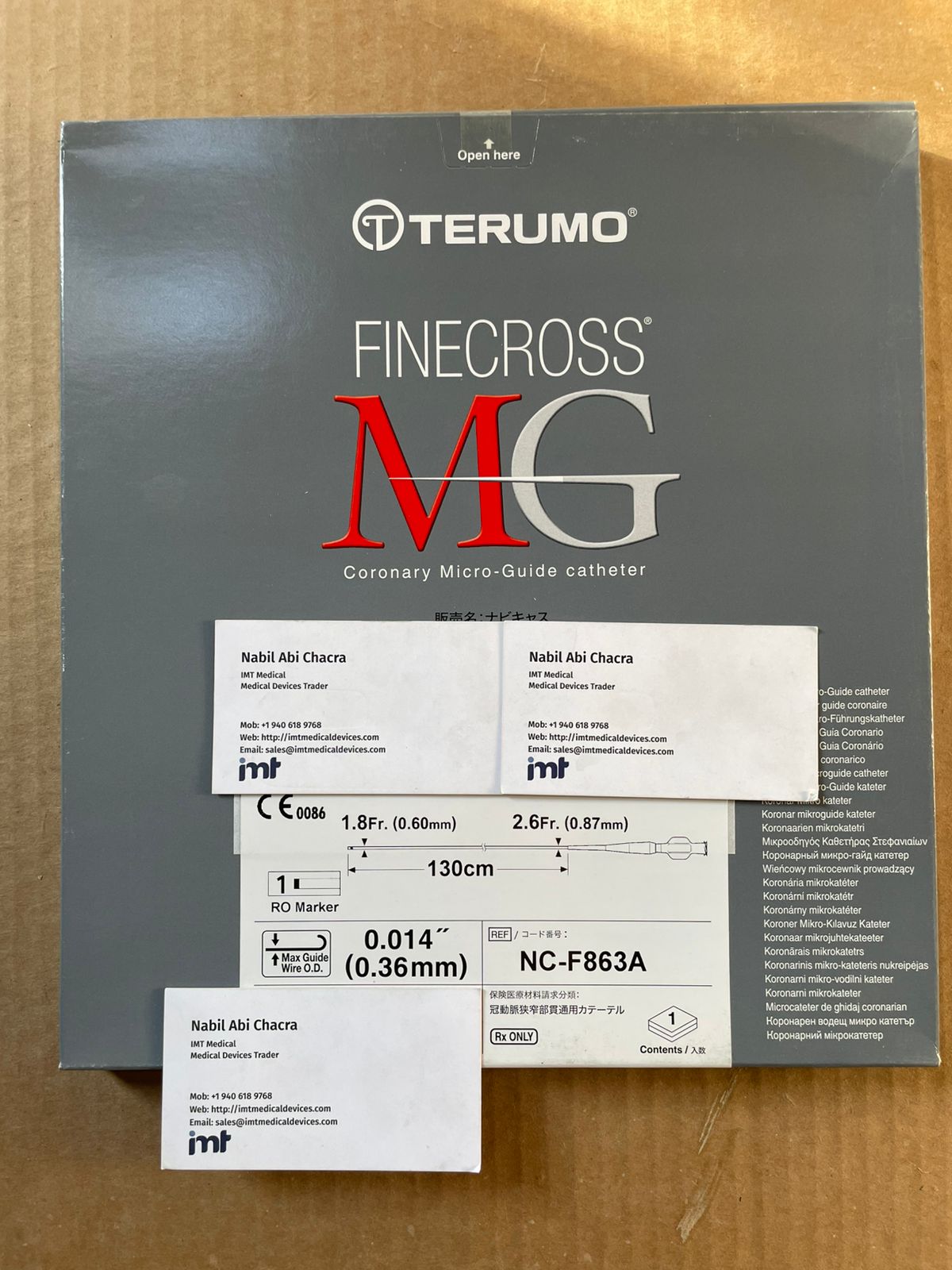
That is why wholesale sourcing in cardiology tends to favor suppliers that can do more than quote a single item. Buyers usually need access to branded coronary stents, PTCA balloons, guidewires, guiding catheters, inflation devices, introducers, diagnostic catheters, and adjunct products from manufacturers already approved or preferred by their clinical teams. The practical question is not whether a supplier can provide cardiology products. It is whether the supplier can provide the exact products, in the required quantities, with dependable export and fulfillment support.
What matters most in wholesale cardiology supplies
In cardiology procurement, product accuracy comes before marketing language. A recognized brand name is useful, but it is still only the starting point. Buyers need the correct SKU, configuration, size range, packaging detail, and manufacturer traceability. A slight mismatch in a guide catheter curve, balloon diameter, or wire specification can create delays that affect both scheduling and clinical workflow.
This is why many hospitals, distributors, and intervention centers prefer sourcing through wholesale partners that are already structured around branded device categories. When a supplier works routinely with interventional product lines from manufacturers such as Terumo, Asahi, Boston Scientific, Medtronic, Abbott, and Cordis, the procurement process becomes more precise. Product identification is faster, substitutions can be discussed more realistically, and quote cycles tend to move with fewer clarifications.
Price still matters, of course, but in this category, price without continuity can become expensive very quickly. A lower-cost source that cannot support repeat orders, export documentation, or consistent availability often creates more operational friction than savings.
Why branded sourcing is still the standard
For professional buyers, branded cardiology inventory is usually tied to established physician familiarity, facility protocols, and prior performance. In coronary and peripheral intervention, clinicians often have strong preferences based on deliverability, trackability, crossing profile, coating characteristics, and handling. Those preferences shape demand at the purchasing level.
That is one reason wholesale cardiology supplies are often sourced through partners with a portfolio of globally recognized manufacturers rather than through generic mixed inventory channels. Brand consistency supports case planning. It also reduces unnecessary review cycles when departments already know the product families they want to keep on hand.
There is also a regulatory and documentation angle. Procurement teams operating across borders often need confidence that products are authentic, correctly identified, and aligned with market-specific import or registration requirements. A supplier that understands export processes and branded device handling is usually better positioned than a general trader that treats cardiology items as interchangeable commodities.
The value of portfolio breadth in cardiology procurement
A narrow supplier relationship can work if your need is limited to a few repeat SKUs. But many buyers are managing a wider mix of coronary, peripheral, and even adjacent neurovascular or IR requirements. In those cases, portfolio breadth has clear operational value.
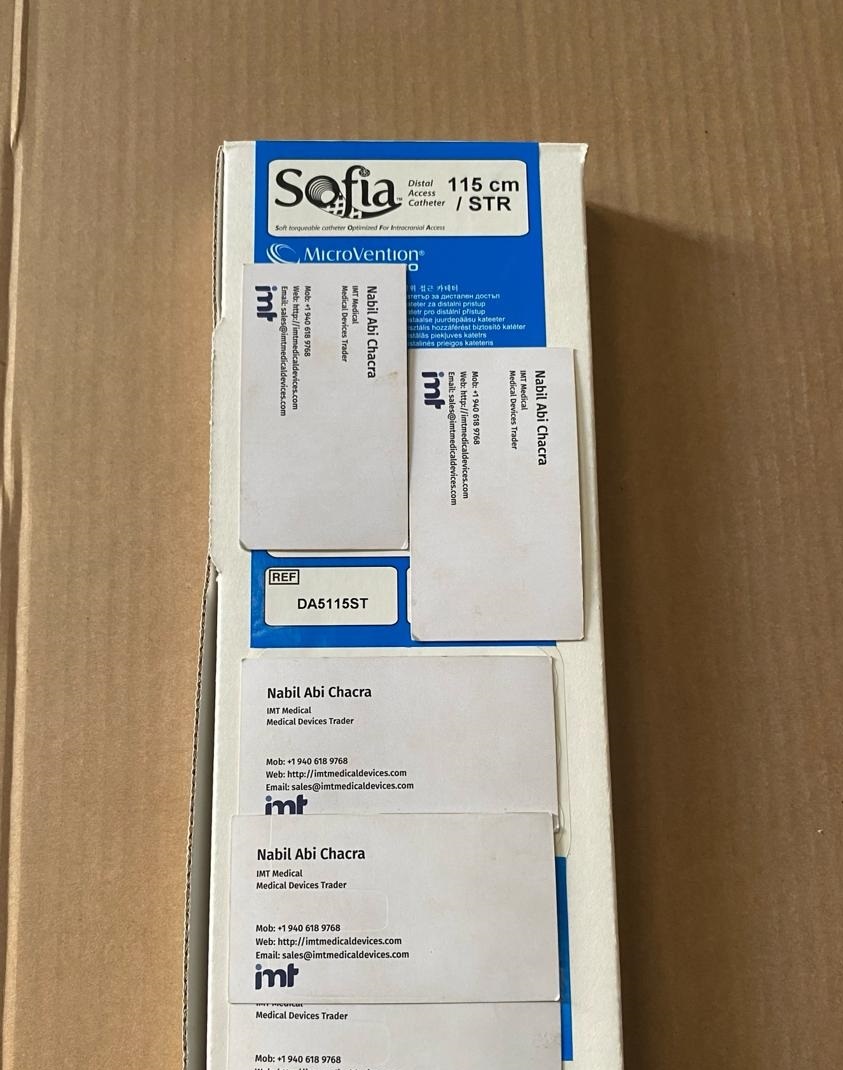
If one wholesale source can quote coronary stents, balloon catheters, guidewires, guiding catheters, vascular closure devices, aspiration catheters, and related intervention products across multiple major brands, procurement becomes easier to consolidate. That reduces the time spent managing separate vendor conversations and increases the chance of aligning deliveries across product groups.
The trade-off is that not every broad-line supplier is equally strong in interventional categories. Some can offer a large catalog on paper but have limited depth in high-demand branded SKUs. Buyers should distinguish between nominal range and real sourcing capability. A useful supplier is not just one that lists many product families. It is one that can respond accurately to clinically specific requests and support repeat purchasing at volume.
Common product categories buyers expect
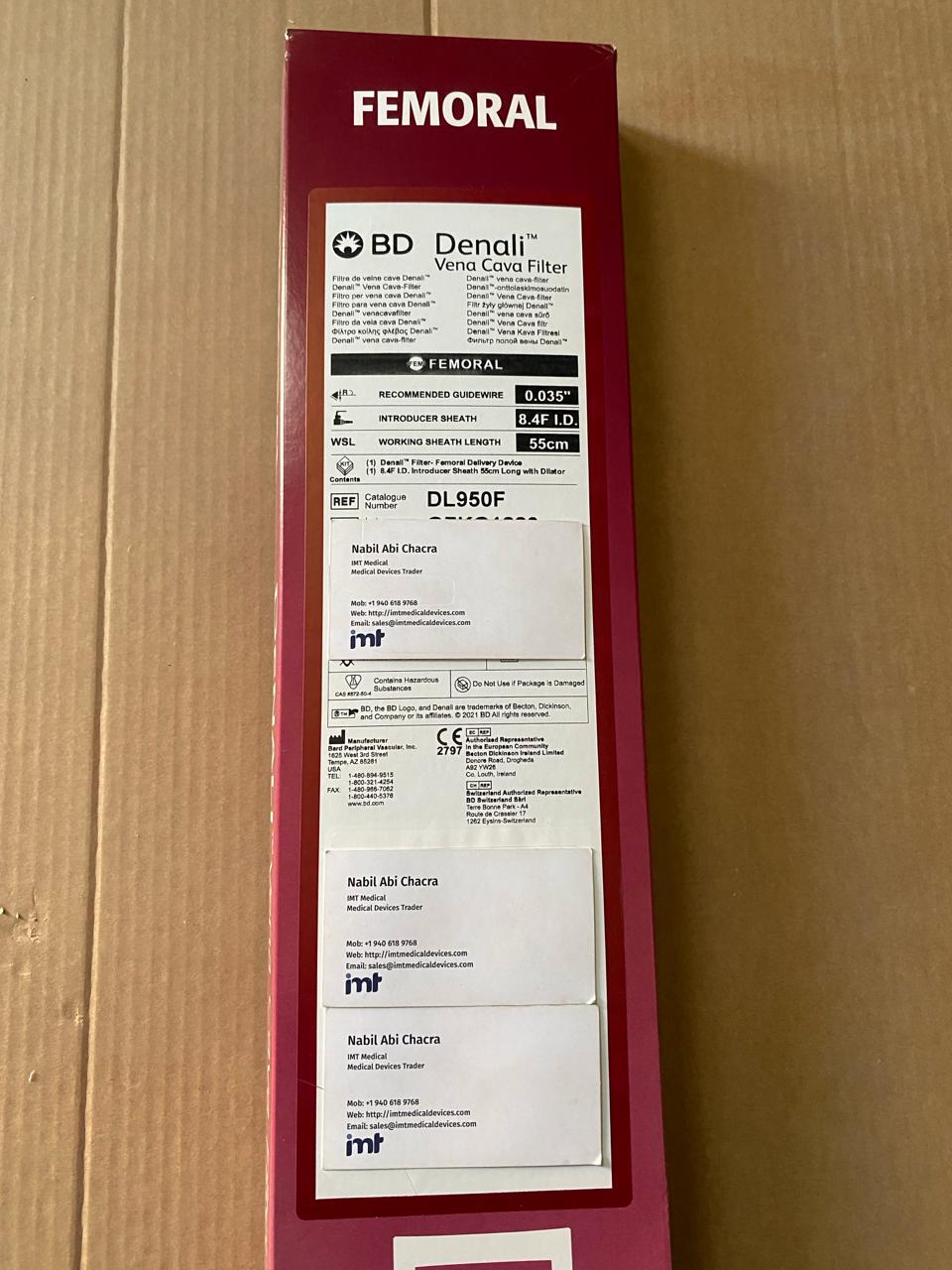
For most interventional cardiology accounts, sourcing discussions center on core procedural categories. These often include coronary stents, PTCA balloons, guidewires, guiding catheters, diagnostic catheters, introducer sheaths, inflation devices, and hemostasis or closure products. Depending on the account, peripheral intervention products may also sit within the same purchasing workflow.
The point is not simply product availability. It is coordinated access to those categories through one procurement channel when demand shifts between routine stocking and urgent replenishment.
Export capability is not a side issue
For international buyers, export support is part of the product offer. A supplier may have the requested cardiology devices available, but if documentation, shipment coordination, or destination handling creates delays, the commercial value drops quickly.
This is especially relevant for distributors, hospitals, and medical supply organizations purchasing across regions where lead time variability can affect local inventory planning. Wholesale cardiology supplies move more efficiently when the sourcing partner already works with international fulfillment as a normal business function rather than as an exception.
There is also a practical benefit to working with a supplier that understands mixed-category export orders. A buyer may be placing a quote request that includes interventional cardiology items along with peripheral, neurovascular, or laboratory products. Handling that as one export-ready procurement conversation is often more efficient than splitting the order across unrelated vendors.
How serious buyers evaluate a wholesale supplier
Experienced procurement teams usually assess a supplier on a few core criteria. First is SKU accuracy. Second is access to recognized manufacturers. Third is responsiveness on quotes and availability. Fourth is the supplier's ability to support repeat business without creating uncertainty every time a reorder is needed.
Beyond that, buyers should look at how a supplier communicates. In this market, vague language is not helpful. A credible wholesale partner should be comfortable working with exact product nomenclature, manufacturer references, and procedural categories. That level of specificity signals familiarity with how hospitals, cath labs, and distributors actually buy.
It also helps to evaluate whether the supplier is structured for inquiry-driven purchasing. Cardiology procurement is rarely a simple cart checkout process. Quantities vary, product combinations change, and case-driven demand can shift quickly. Quote-based sourcing is often the right model because it reflects the realities of B2B device purchasing.
When substitution is acceptable and when it is not
This depends on the account. Some buyers can consider equivalent branded alternatives within an approved range. Others need exact manufacturer and model continuity due to physician preference or internal review requirements. A capable supplier should understand that distinction immediately.
Substitution should never be treated casually in interventional categories. The right conversation is specification-based, not convenience-based. If an alternative is proposed, it should be grounded in brand, product family, and intended clinical use, not just broad category matching.
A better approach to procurement efficiency
Efficiency in cardiology sourcing is often misunderstood as speed alone. Fast replies matter, but efficient procurement is really a combination of speed, accuracy, and consolidation. A quick quote for the wrong SKU is not efficient. Neither is a low unit price that requires buyers to chase multiple vendors for related products.
A more effective model is centralized sourcing through a wholesale partner that can support branded cardiology lines and adjacent intervention categories from one commercial channel. That approach gives procurement teams more control over continuity, simplifies vendor management, and helps maintain supply across high-use procedural inventory.
For buyers sourcing internationally, it also creates a cleaner path from inquiry to shipment. That is particularly relevant when facilities or distributors need recognizable brands in volume and want to reduce the administrative burden of fragmented purchasing. IMTMedicalDevices.com fits that model by focusing on branded, inquiry-driven wholesale supply across interventional specialties and export markets.
Wholesale cardiology supplies should reduce risk, not add to it
The best wholesale relationship in cardiology does not just fill orders. It reduces procurement exposure. It lowers the chance of SKU mismatch, supports access to trusted brands, and gives buyers a practical way to source across multiple product categories without sacrificing specificity.
That matters whether you are purchasing for a hospital cath lab, an intervention center, or a regional distribution business. Product demand in cardiology is too clinically sensitive for casual sourcing. Buyers need a partner that understands exact nomenclature, respects brand requirements, and can support volume purchasing with international reach when needed.
If your current sourcing process creates too many quote revisions, too many vendor handoffs, or too much uncertainty around branded availability, the problem is usually not the category. It is the procurement structure. A stronger wholesale setup gives your team more control before the next urgent request arrives.