
Choosing a Branded Coronary Stent Supplier
A sourcing delay on a coronary case does not create a marketing problem. It creates a clinical scheduling problem, a budget problem, and often a vendor escalation problem. That is why choosing a branded coronary stent supplier is usually less about price alone and more about brand authenticity, exact SKU availability, export handling, and repeatable fulfillment.
For hospital buyers, cath labs, distributors, and international procurement teams, coronary stent sourcing sits in a narrow lane. The products are clinically specific, physician preference matters, and substitutions are not always acceptable. A supplier in this category has to do more than say it can source interventional cardiology products. It has to demonstrate familiarity with branded product lines, controlled documentation, and the ability to support quote-based procurement without creating avoidable friction.
What buyers expect from a branded coronary stent supplier
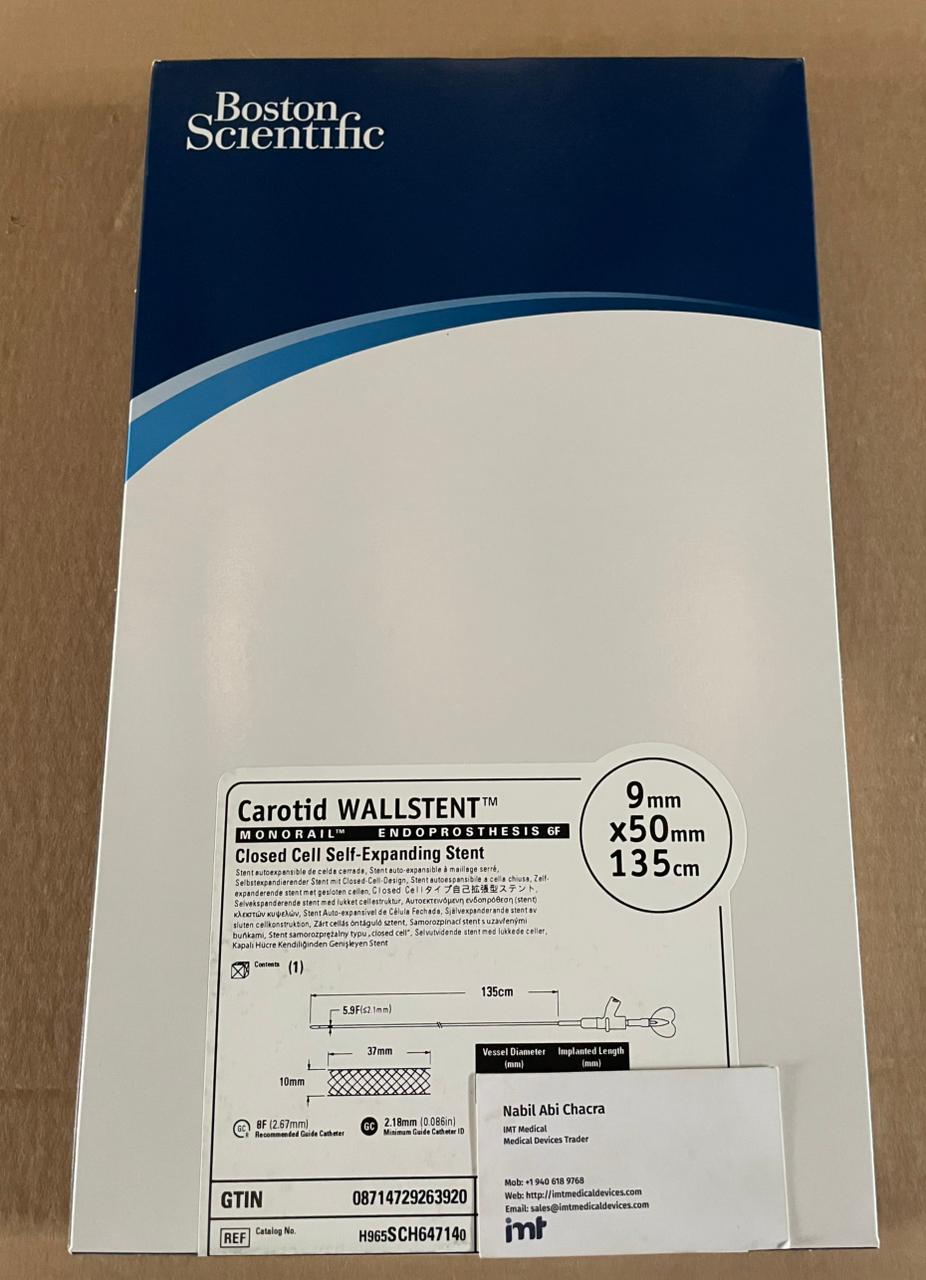
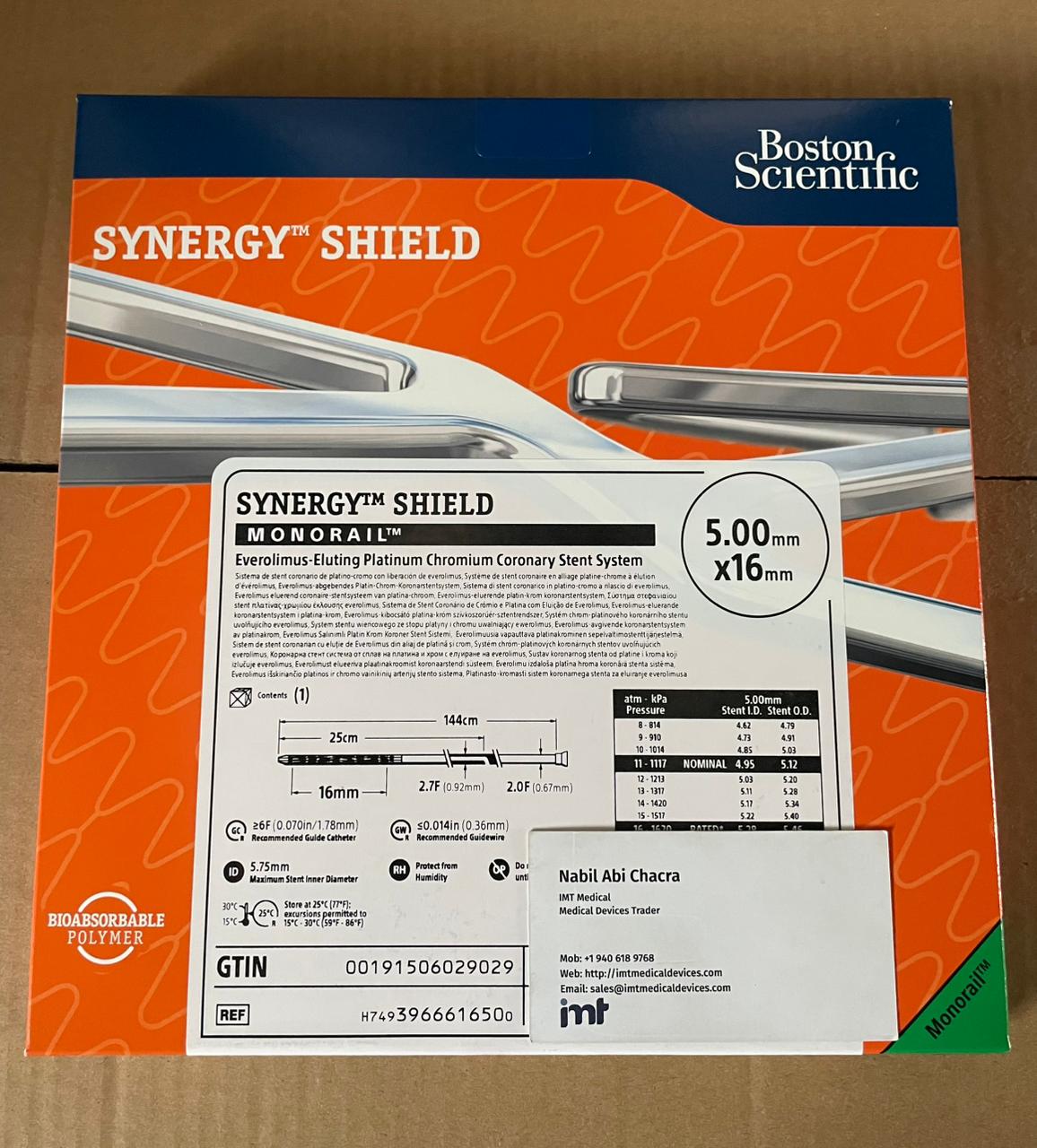
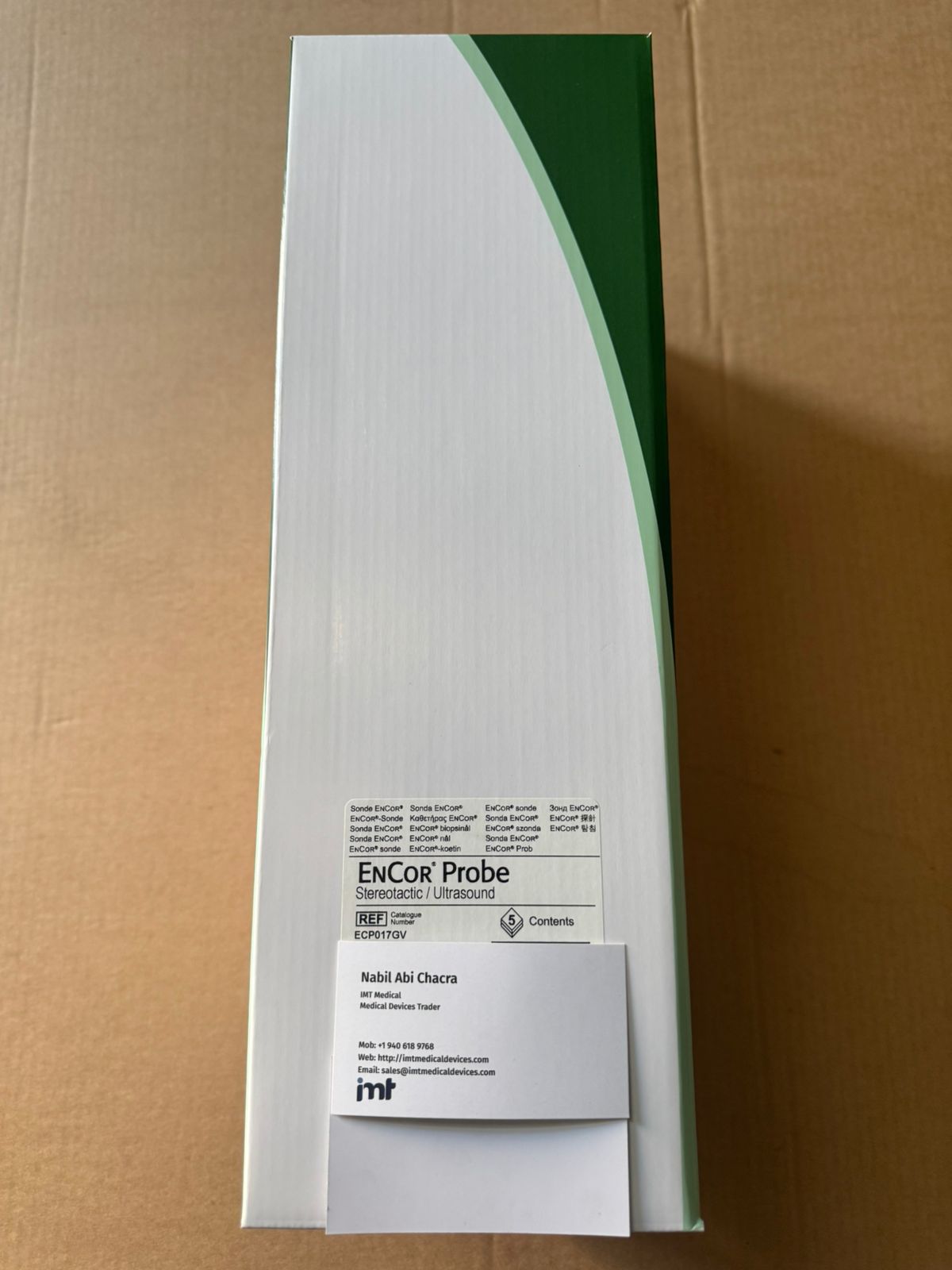
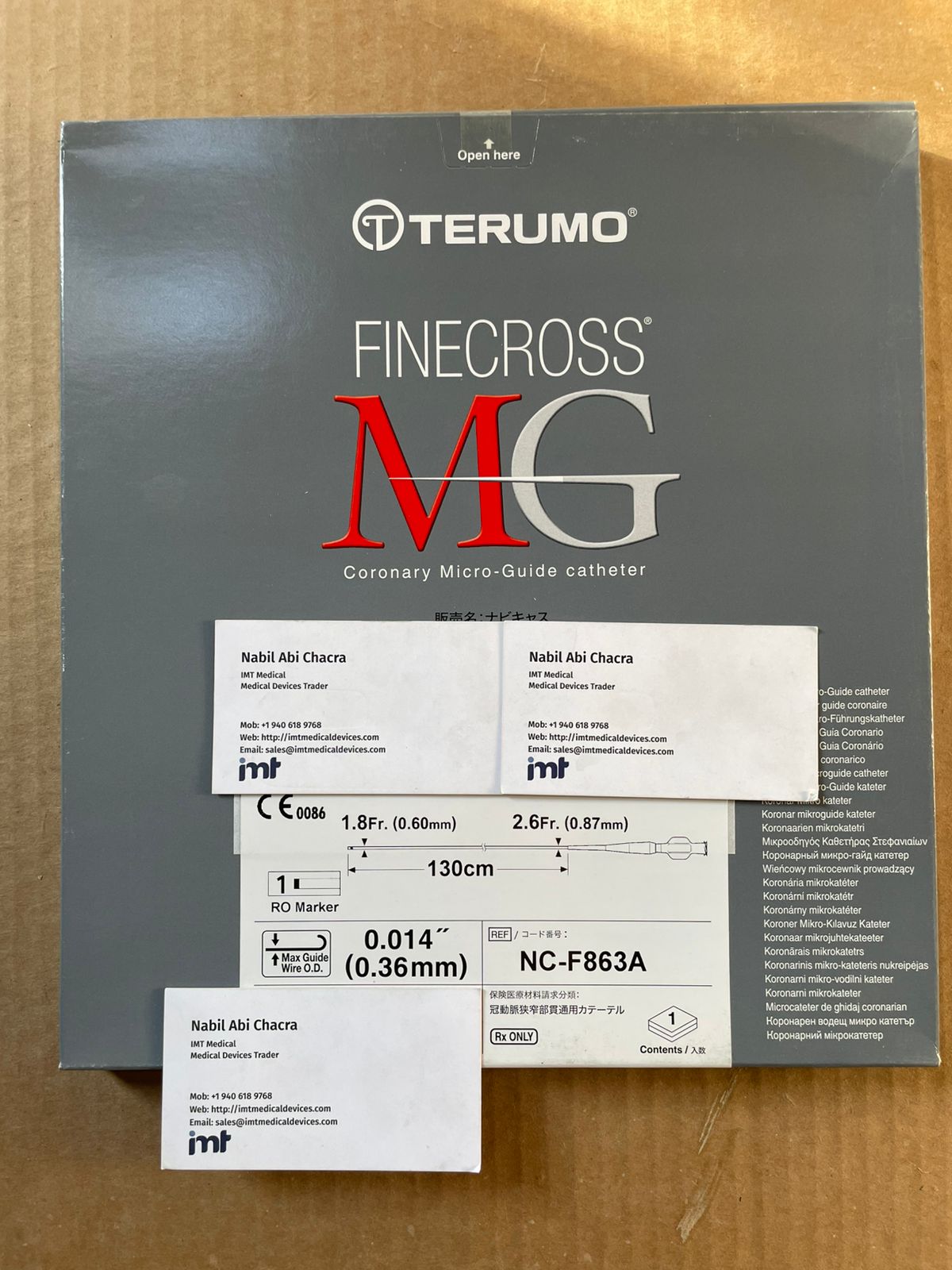
In branded interventional procurement, the first expectation is straightforward: the supplier must understand that the manufacturer matters. Buyers are not looking for a generic equivalent conversation when the request is for a branded coronary stent from Abbott, Boston Scientific, Medtronic, Terumo, or another established manufacturer. They need the requested brand, the correct reference, and clear communication on availability.
The second expectation is accuracy. In coronary intervention, a small documentation error can create outsized delays. If the catalog description is vague, if the packaging configuration is unclear, or if the quoted product does not match the requested reference, the procurement cycle slows immediately. Serious buyers look for suppliers that work in exact product terms, not broad category language.
The third expectation is continuity. Many healthcare organizations are not placing one-off orders. They are trying to maintain procedure readiness across recurring demand. That makes stock access, replenishment planning, and realistic lead-time communication more valuable than aggressive but unreliable promises.
Brand recognition is not enough without SKU control
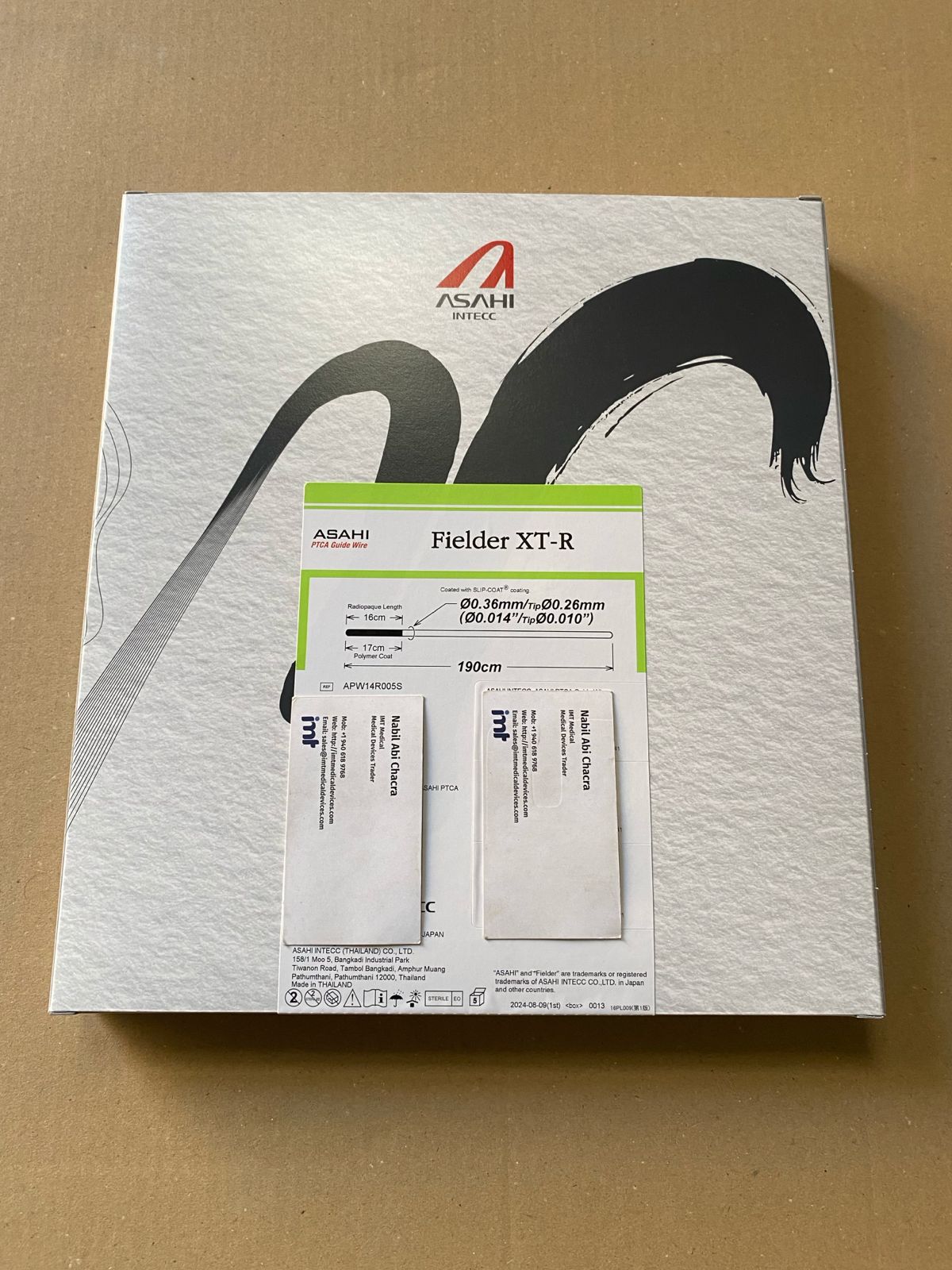
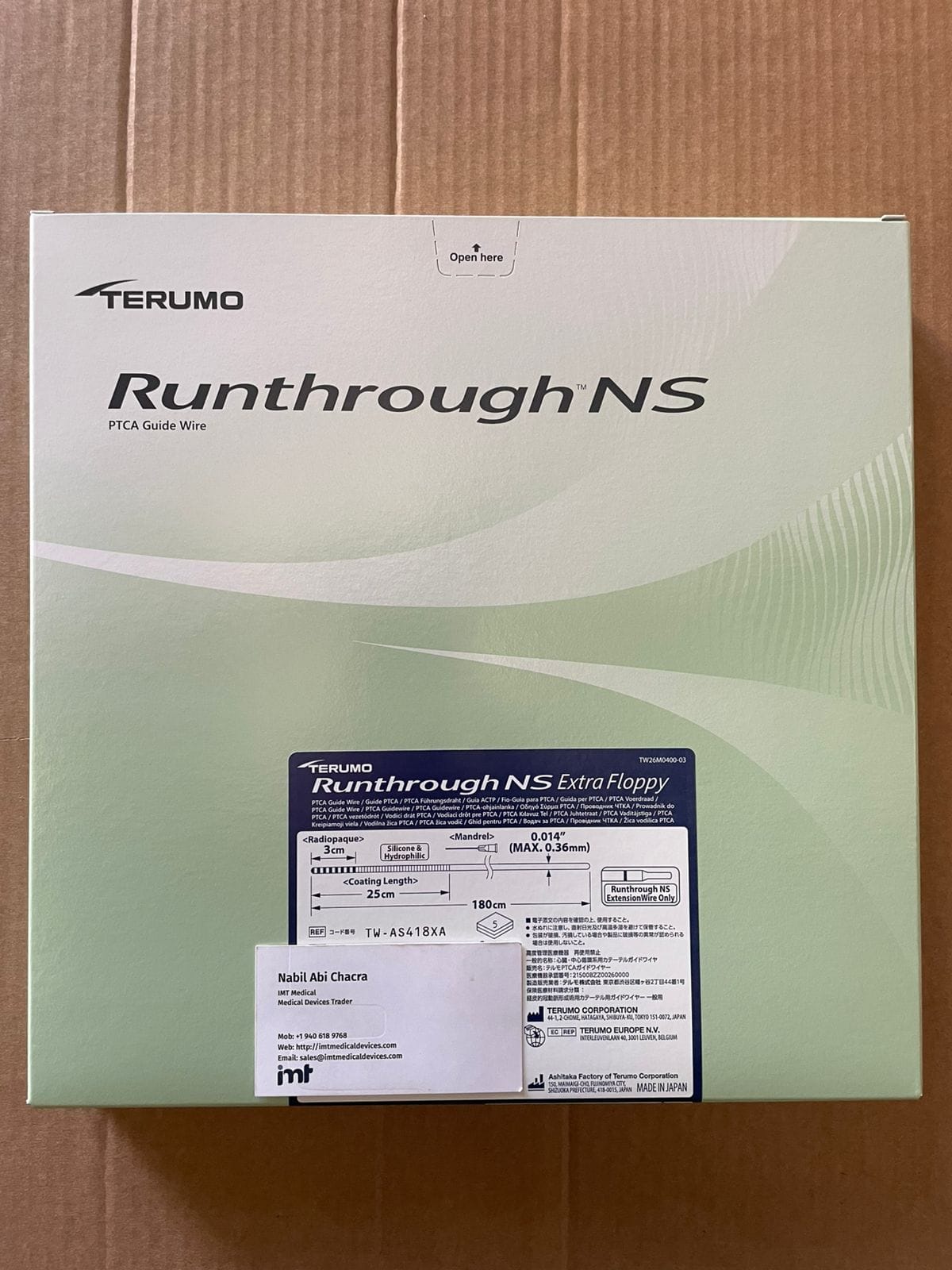
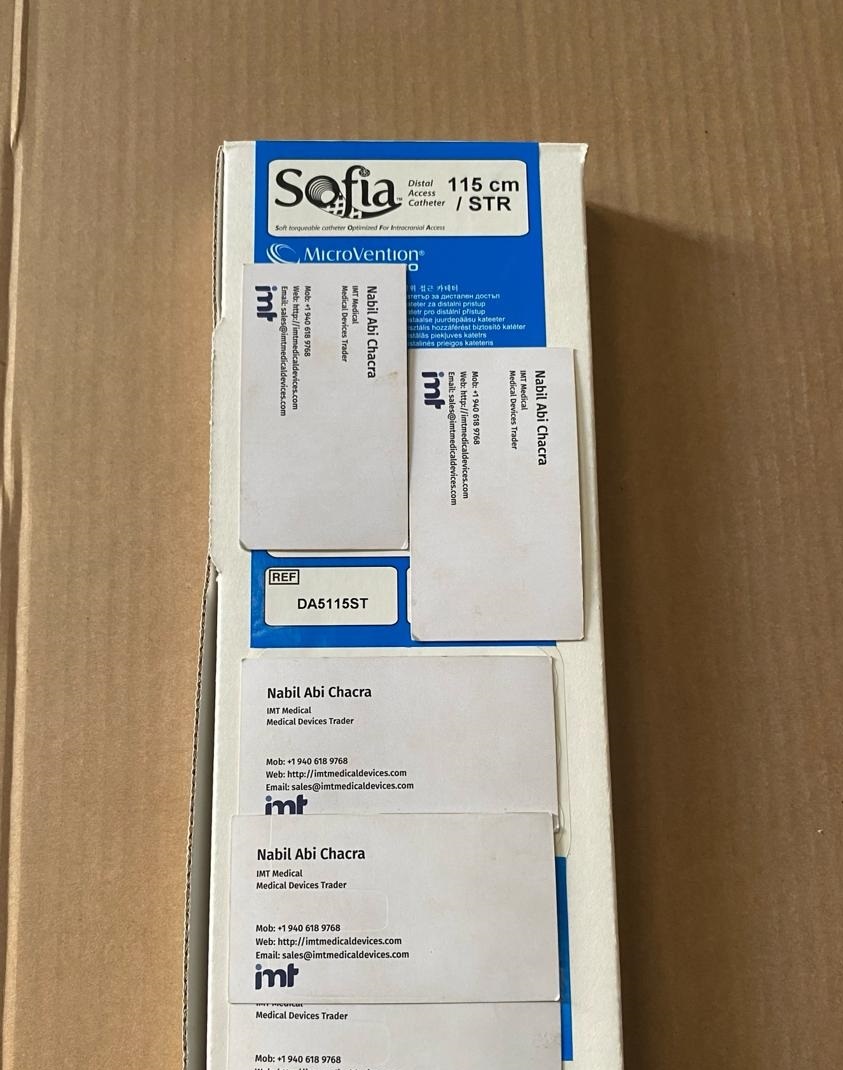
A supplier may list major interventional cardiology manufacturers and still be difficult to work with if product control is weak. In practice, procurement teams need confidence that the supplier can process specific requests for coronary stents alongside associated products such as PTCA balloons, guidewires, guiding catheters, inflation devices, and access-related consumables.
This is where broad portfolio access becomes commercially useful. A branded coronary stent supplier that also handles adjacent cath lab product categories can reduce procurement fragmentation. Instead of splitting inquiries across multiple vendors, buyers can consolidate a larger part of the case-related purchasing workflow through one channel. That does not eliminate the need for validation, but it does improve purchasing efficiency when the supplier is organized around branded SKUs rather than general product labels.
There is also a practical difference between catalog breadth and relevant breadth. A long product list only helps if the supplier understands high-demand brands and clinically common configurations. Buyers benefit more from a focused, current assortment of recognized interventional lines than from an inflated catalog with limited real sourcing capability.
How to assess supplier credibility before placing volume orders
The strongest indicator is not generic claims about quality. It is how the supplier handles a detailed inquiry. When a buyer submits a request with manufacturer, product family, size, reference, and quantity, the response should reflect that same level of specificity. Clear quote structure, packaging clarity, and direct answers on lead time all signal procurement maturity.
Export buyers should also look at documentation discipline. International shipments of medical devices require more than shipping capacity. They require commercial accuracy. Depending on the destination market, buyers may need product identification details, batch or lot-related records, regulatory documentation, export paperwork, and packaging confirmation. A supplier serving international markets should be prepared for these procedural requirements as part of normal operations.
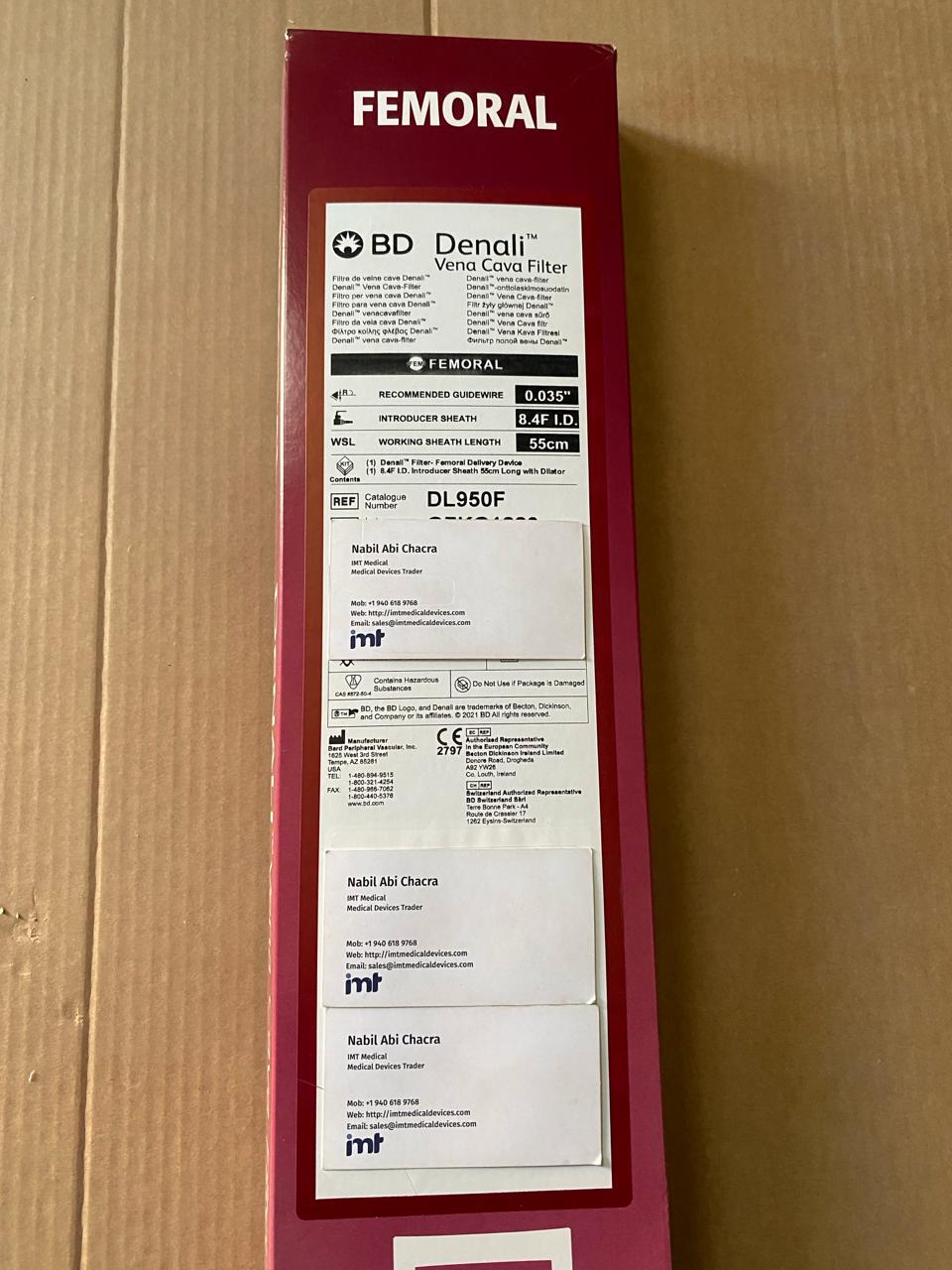
Another credibility marker is product adjacency. If the supplier works across coronary, peripheral, neurovascular, surgical, and laboratory brands from recognized manufacturers, that usually suggests a distribution model built around professional procurement rather than single-category opportunism. It does not guarantee fit for every order, but it often indicates stronger sourcing infrastructure.
The trade-offs buyers should consider
Not every procurement decision should be made on the same basis. A tertiary hospital cath lab managing physician preference items may place the highest value on branded continuity and exact specification matching. A distributor, on the other hand, may prioritize broader line access, shipping coordination, and commercial flexibility across multiple countries.
Price is still part of the decision, but it should be weighed against procurement risk. A lower-cost quotation can become expensive if it introduces uncertainty around authenticity, delays documentation, or results in incomplete order fulfillment. In this category, reliability often has measurable operational value.
Lead time is another area where context matters. If the requirement is urgent, immediate availability may outweigh broader portfolio considerations. If the need is recurring, buyers may care more about whether the supplier can support repeat purchasing over time. The right supplier for an emergency replenishment is not always the right partner for quarterly consolidated procurement.
Why export capability matters in coronary stent procurement
For international buyers, export handling is not an add-on service. It is part of supplier suitability. Cross-border procurement involves destination-specific shipping expectations, customs coordination, and documentation consistency. A supplier that is comfortable serving all countries and managing wholesale export workflows can reduce internal workload for procurement teams that would otherwise need to coordinate multiple intermediaries.
This matters especially when coronary stents are not being purchased in isolation. Many buyers need combined quotations covering interventional cardiology products, peripheral devices, neurovascular consumables, or laboratory brands within the same procurement cycle. A supplier with export experience across these categories can simplify order consolidation.
There is still an it-depends factor. Some buyers prefer local stocking partners for immediate service support, while using international wholesale suppliers for planned volume procurement. Others operate in markets where access to branded inventory is better through export channels than through local distribution. The right model depends on urgency, import processes, and purchasing structure.
A branded coronary stent supplier should support operational efficiency
Procurement teams do not need long sales narratives. They need usable commercial responses. The supplier should make it easy to move from inquiry to quotation by understanding manufacturer nomenclature, accepting detailed product requests, and communicating availability without ambiguity.
This becomes more valuable when the buyer is sourcing from several global manufacturers at once. If one supplier can support branded coronary stents together with balloons, guidewires, vascular closure devices, aspiration catheters, or other procedure-related lines, internal purchasing becomes easier to manage. Consolidation can improve communication flow, reduce vendor count, and simplify shipment planning.
A company such as IMT Medical Devices is positioned around that model: branded wholesale sourcing across multiple intervention categories with export capability for international buyers. For procurement professionals, the relevance of that model is practical. It supports concentrated sourcing where manufacturer recognition and product specificity are already part of the purchasing decision.
Questions worth asking before approval
Before onboarding any branded coronary stent supplier, buyers should confirm a few operational points. Can the supplier quote by exact reference and manufacturer? Can it support repeat demand rather than only opportunistic availability? Is export documentation handled as a normal part of the process? Can adjacent products be consolidated into the same procurement channel when needed?
These are not abstract questions. They determine whether the supplier will reduce workload or add to it. In interventional categories, the difference between a usable supplier and a frustrating one is often found in the details of inquiry handling, not in the headline brand list.
A dependable sourcing partner in this space should feel precise, not broad for the sake of appearing broad. Buyers already know the brands they trust. What they need is a supplier that can translate those brand requirements into accurate quotes, consistent fulfillment, and international delivery support without unnecessary back-and-forth.
The practical standard is simple: if a supplier can help you secure authentic branded coronary stents with the right references, realistic lead times, and coordinated export execution, it is doing more than supplying product. It is protecting procurement continuity where interruption is expensive.